


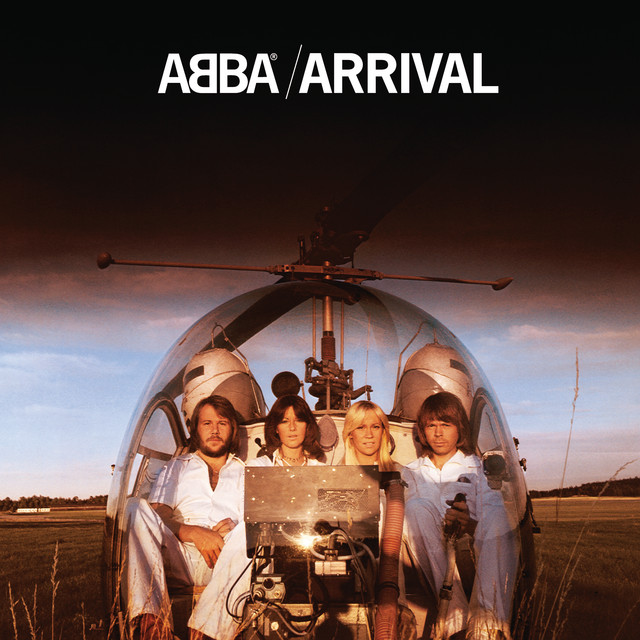
“Dancing Queen” started as a song called “Boogaloo.” “Money, Money, Money” was once “Gypsy Girl.” The album’s title track is an instrumental that almost didn’t exist. And the whole thing — one of the biggest-selling records in pop history — was recorded over fourteen months while the band was simultaneously conquering the world, cancelling tours, and trying to figure out what came next. ‘Arrival’ was released in October 1976, became the best-selling album of 1977 in both the UK and West Germany, and turned ABBA from a novelty act with a Eurovision hit into one of the most unstoppable forces popular music has ever seen. Here are five things you probably didn’t know about it.
“Dancing Queen” Was Inspired by a George McCrae Disco Record — and Almost Didn’t Come Out First
The track that became ABBA’s signature song began life as a backing track called “Boogaloo”, built around the dance rhythm of George McCrae’s “Rock Your Baby.” When Benny Andersson brought the backing track home and played it for Anni-Frid Lyngstad before the vocals were even recorded, she reportedly started crying — she called it one of those songs that goes straight to your heart. Then, despite the band knowing they had something enormous on their hands, manager Stig Anderson insisted the more folksy “Fernando” come out as a single first, delaying “Dancing Queen’s” release by months. It still topped the charts in sixteen countries and remains ABBA’s only number one on the Billboard Hot 100.
The Album’s Title Track Is a Keyboard Instrumental That Was Nearly Left Off Entirely
Most people who love ‘Arrival’ have never really thought about the fact that the closing track — the one the album is named after — has no vocals whatsoever. Mostly featuring Benny Andersson on keyboards, the piece was the very last thing recorded for the album, added almost as an afterthought once everything else was done. The word “Arrival” had already been chosen as the album title before the instrumental existed, which means the song was written to fit the name, not the other way around.
“Knowing Me, Knowing You” Predated the Divorces It Seemed to Be Written About
One of the most striking things about “Knowing Me, Knowing You” is how personal it sounds — a devastatingly clear-eyed account of a relationship ending, of walking through empty rooms and accepting that it’s over. What makes it stranger is that Björn Ulvaeus and Agnetha Fältskog, and Benny Andersson and Anni-Frid Lyngstad, were both still married when it was written in early 1976. The song came before the pain it seemed to document. Both couples would divorce in the years that followed, giving the track a biographical weight it was never originally intended to carry.
The “Money, Money, Money” Video Is the One Its Director Is Most Proud Of
Lasse Hallström directed most of ABBA’s classic videos, but when asked which one he considers his finest work, he doesn’t pick “Dancing Queen” or “Knowing Me, Knowing You.” He picks “Money, Money, Money” — a Cabaret-inspired miniature film that follows Anni-Frid Lyngstad from the grinding reality of working life into lavish dream sequences about wealth and escape. It was a genuine step forward in music video storytelling at a time when most clips were just bands miming on a stage, and it pointed toward the visual sophistication ABBA would bring to everything they did for the rest of the decade.
‘Arrival’ Was Selected for the US National Recording Registry — Alongside “Dancing Queen” Specifically
In 2024, the Library of Congress added ‘Arrival’ to the National Recording Registry, deeming it culturally, historically, and aesthetically significant. What makes this unusual is that “Dancing Queen” received its own separate citation within the same designation — recognised both as part of the album and as a standalone work of enduring importance. It is ABBA’s only number one on the Billboard Hot 100, their only song on Rolling Stone’s original 500 Greatest Songs list, and in 2022 it received a BMI Million-Air award for having been played six million times on American radio alone. Not bad for a song that almost came out six months later than it did.