


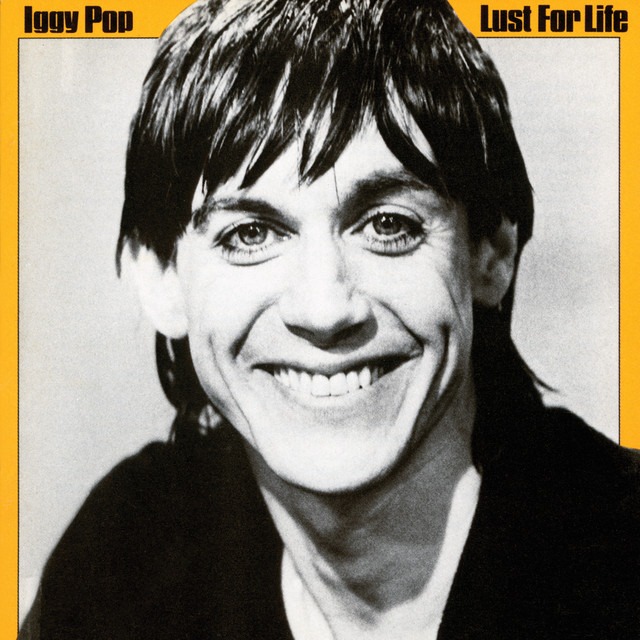
If you know Iggy Pop’s “Lust for Life,” you probably know it from a cruise ship commercial, a Trainspotting montage, or that moment someone plays it at a party and everyone suddenly feels invincible. But the story behind the album is far stranger and more fascinating than the song’s second life as a motivational anthem suggests. Here are five facts about the 1977 classic that might genuinely surprise you.
The Whole Album Was Written, Recorded, and Mixed in Eight Days
Iggy Pop said it himself. Eight days. The entire record, done. Pop, David Bowie, and the band moved into Hansa Studio by the Wall in West Berlin in May 1977 and came out the other side with one of rock’s most enduring albums. They had money left over from the advance, which Pop and Bowie split.
The Famous Opening Drumbeat Was Inspired by a Morse Code Broadcast
That iconic driving rhythm on “Lust for Life,” the one Joy Division’s Stephen Morris said he “wanted to sound like, still do,” wasn’t born from pure rock instinct. Bowie based the riff on the Morse code opening of the American Forces Network news in Berlin, which the two caught while waiting for a broadcast of Starsky and Hutch.
“The Passenger” Was Written by the Guitarist, Not Bowie
Most people assume Bowie’s fingerprints are all over every corner of the album. But the music for “The Passenger” was composed entirely by guitarist Ricky Gardiner, who came up with the riff while wandering through the countryside “in the field beside an orchard, on one of those glorious spring days with the trees in full blossom.” Pop wrote the lyrics largely on the spot in the studio.
The Band Swapped Instruments for One Track
For the impromptu “Fall in Love with Me,” the band shuffled positions entirely. Hunt Sales moved from drums to bass, Tony Fox Sales moved from bass to guitar, and Ricky Gardiner, normally the lead guitarist, played drums. It started as a jam and Pop wrote the lyrics around it afterward.
RCA Buried the Album Because Elvis Presley Died
‘Lust for Life’ received almost no promotion from its own label. The reason? Elvis Presley died two weeks after the album’s September 9, 1977 release, and RCA was fixated on reissuing his catalog. Once the first pressing sold out, there were no more copies. Tony Sales recalled simply: “Lust for Life just disappeared from the shelves, and that was it.” It took a 1996 British film called Trainspotting to finally give the album the audience it always deserved.