


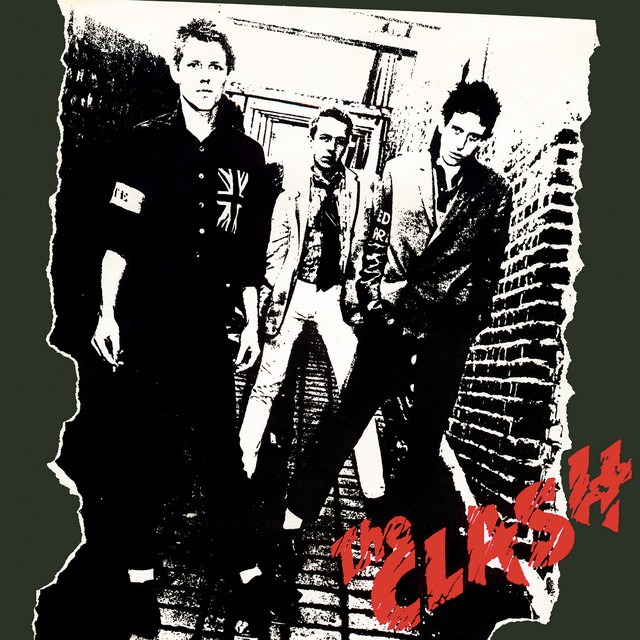
Released on April 8, 1977, The Clash’s self-titled debut cost £4,000, took three weeks to record, and arrived at the exact moment British punk was detonating everything that came before it. The band had already built a reputation as one of the most politically charged live acts in the country, and the album delivered on every promise. Robert Christgau called the UK version “the greatest rock and roll album ever manufactured anywhere.” NME placed it at number 13 on its all-time greatest albums list in 1993. Rolling Stone ranked it in the top 80 of their 500 greatest albums of all time. It influenced generations of bands across punk, post-punk, and alternative rock, and it did all of that while being refused a US release for two full years. Here are five facts about how it actually got made.
The Whole Album Was Conceived in Mick Jones’s Grandmother’s Flat
Most of the album was written on the 18th floor of a council high rise on London’s Harrow Road, in a flat rented by Mick Jones’s grandmother, who went to see their live concerts regularly. The album was then recorded and mixed over three consecutive Thursday-to-Sunday sessions at CBS Studio 3 in February 1977. By the third weekend, it was done. The tapes went to CBS at the start of March and the record was in shops six weeks later.
“Garageland” Was Written in Direct Response to a Critic Who Said the Band Should Go Back to the Garage With the Engine Running
The album’s closing track didn’t emerge from general frustration. It was a direct rebuttal. Charles Shaar Murray of NME had reviewed the Clash’s early appearance at the Sex Pistols’ Screen on the Green concert and written that “The Clash are the kind of garage band who should be returned to the garage immediately, preferably with the engine running.” The band wrote “Garageland” in response and made it the final track recorded for the album.
“Complete Control” Was Produced by Lee “Scratch” Perry Because He Heard Their Cover of His Song
Perry came across the Clash’s cover of “Police and Thieves,” a song he had produced for Junior Murvin, and was moved enough to put a photo of the band on the walls of his Black Ark Studios in Jamaica, the only white artist given that treatment. When the Clash learned Perry was in London producing for Bob Marley and the Wailers, they invited him to produce “Complete Control.” He agreed immediately. During the session, Perry reportedly blew out a studio mixing board trying to get a deep bass sound. The band later went back and adjusted the mix themselves to bring the guitars forward.
“Clash City Rockers” Was Secretly Sped Up Without the Band’s Knowledge, and They Fired the Producer for It
After recording, producer Mickey Foote increased the speed of the master tape by one semitone, a technique called varispeeding, because manager Bernie Rhodes felt the song sounded “a bit flat.” Strummer and Jones were in Jamaica when the altered version was finished. When they heard it, they fired Foote on the spot. With the exception of one reissue in 2000, every subsequent release of the song has used the original version at the correct speed.
Americans Didn’t Hear the Album Until 1979, But It Became the Best-Selling Import of 1977
CBS in America decided the debut was not radio friendly and declined to release it in the US. The album was available stateside only as an import for two years, during which time it sold over 100,000 copies and became the best-selling import album of 1977. When Epic finally released a US version in July 1979, they changed the track listing significantly, swapping out four songs and replacing them with non-album singles and B-sides. Robert Christgau, reviewing the US version, noted that while that release was excellent, the UK original remained “the greatest rock and roll album ever manufactured anywhere.”