


There is something quietly delightful about a song and a film accidentally landing on the same title with absolutely nothing to do with each other. No licensing deal, no deliberate nod, no director calling up a musician for permission. Just two separate creative minds arriving at the same words independently and leaving the rest of us to enjoy the overlap. Here are 30 of the best.
“Man in the Box” by Alice in Chains
Released in 1991 on ‘Facelift,’ this was Alice in Chains’ breakthrough single and one of the defining tracks of the Seattle grunge era. The 2016 film of the same name is a horror movie about a surgeon who buries people alive. The song and the film share a title and absolutely nothing else, which somehow makes both of them better.
“Creep” by Radiohead
One of the most covered and most argued-about songs of the 1990s shares its title with a 2004 London Underground horror film that almost nobody has seen. Thom Yorke has spent thirty years having a complicated relationship with this song, at various points refusing to play it live before eventually relenting. The film has not had a complicated relationship with anything because nobody thinks about it.
“Blue Velvet” by Bobby Vinton
Bobby Vinton recorded this gentle, romantic ballad in 1963 and had absolutely no idea that two decades later it would share a title with one of the most disturbing films David Lynch would ever make. The contrast between Vinton’s sweetness and Lynch’s vision of suburban rot is so extreme it almost feels like a joke. It is not a joke.
“Sympathy for the Devil” by The Rolling Stones
Released on ‘Beggars Banquet’ in 1968, this is one of the Stones’ most debated and most covered tracks, built around a samba rhythm and Mick Jagger narrating history from the devil’s perspective. It shares its title with a 2023 thriller starring Nicolas Cage that arrived 55 years later. The film borrowed well.
“Dazed and Confused” by Led Zeppelin
Led Zeppelin’s version appeared on their 1969 debut and became one of the defining tracks of the hard rock era, built around Jimmy Page’s iconic bow-played guitar riff. Richard Linklater borrowed the title for his 1993 film about the last day of school in 1976 Texas, a film that has nothing musically to do with Led Zeppelin. The song predates the film by 24 years and will outlast it by considerably more.
“The Magnificent Seven” by The Clash
The Clash took the title of the iconic 1960 western and applied it to a furious post-punk track about the monotony of daily life that has absolutely nothing to do with gunslingers or Yul Brynner. Joe Strummer delivering a rapid-fire list of mundane household chores over a funk-influenced groove is one of the great left turns in rock history. The disconnect between the title and the content is entirely the point.
“Twilight Zone” by Golden Earring
The Dutch rock band released this brooding, cinematic track in 1982 and it remains one of the most atmospheric songs of the decade. The song’s sense of paranoia and unease is a perfect tonal match for the franchise name it shares, even though the two have nothing to do with each other. The music video, set entirely in a hotel corridor, is as unsettling as anything in the actual Twilight Zone canon.
“Pretty in Pink” by The Psychedelic Furs
The Psychedelic Furs released this in 1981 as a study in cold, detached new wave cool, with Richard Butler’s ragged vocal making the title character sound more threatening than sympathetic. It shares its title with the 1986 John Hughes film but the song predates the movie by five years and existed entirely on its own terms before Hollywood came anywhere near it. The two occupy completely different emotional registers.
“Lolita” by Lana Del Rey
Lana Del Rey released this on ‘Born to Die’ in 2012 and it exists entirely within her own universe of vintage glamour and emotional ambiguity, with no meaningful connection to either Nabokov’s novel or Kubrick’s film beyond the shared title. Whether it’s a homage, a provocation, or simply a name she liked is left deliberately unclear. That ambiguity is, of course, entirely intentional.
“Halloween” by Phoebe Bridgers
Phoebe Bridgers took the title of the most iconic horror franchise in cinema history and turned it into one of the most quietly devastating songs on ‘Punisher.’ There is nothing frightening about it in the conventional sense but the emotional devastation she describes across its five minutes is its own kind of terrifying. It is the kind of song that makes you sit very still for a few minutes after it ends.
“Kill Bill” by SZA
SZA took the title of one of the most stylised revenge films ever made and turned it into a breakup song so emotionally precise it almost makes you forget the original reference entirely. The two share a title and a general theme of wanting someone gone, which is where the similarities end. It’s one of the best pop songs of the 2020s and it did not need Tarantino’s permission to be that.
“Forrest Gump” by Frank Ocean
Frank Ocean named a track after one of the most beloved films of the 1990s and used it to tell a story about unrequited love that is somehow more emotionally devastating than anything in the actual movie. It appeared on ‘Channel Orange’ in 2012 and the film has nothing to do with the song beyond the title. Frank Ocean could make anything out of a film reference and this is the proof.
“American Pie” by Don McLean
Don McLean recorded this eight and a half minute meditation on the death of rock and roll in 1971, twenty eight years before a film about a teenage boy and a baked good borrowed the title entirely unrelated to any of that. The song is one of the most analysed pieces of music in American history. The film is not.
“Jennifer’s Body” by Hole
Courtney Love released this in 1994, fifteen years before Diablo Cody’s film of the same name arrived, and the two share a title and a certain dark feminine energy but nothing else. The song is a raw, distorted feminist anthem from ‘Live Through This’ and one of the strongest tracks on an album full of them. The film came along and borrowed the title without asking, which Courtney Love probably appreciated.
“Stand By Me” by Ben E. King
Ben E. King recorded this in 1961 and it became one of the defining songs of the soul era, built on one of the most recognisable bass lines in popular music. Rob Reiner’s 1986 coming-of-age film borrowed the title and is a completely different story about completely different things. The song charted again in the UK in 1987, 26 years after its original release, which tells you everything you need to know about its staying power.
“9 to 5” by Dolly Parton
Dolly wrote this using her acrylic nails as percussion on set because she didn’t have her guitar handy, which is the most Dolly Parton origin story imaginable. The 1980 film and the 1980 song share a title and a workplace setting but Dolly’s song is an entirely self-contained piece of genius that would be just as brilliant with no film attached to it whatsoever. She was nominated for an Oscar and a Grammy for it in the same year.
“Straight Outta Compton” by N.W.A
The title track of one of the most important albums in hip hop history shares its name with F. Gary Gray’s 2015 biopic about the group that made it, but the song arrived 27 years earlier and needs no film to contextualise its importance. It announced a new kind of rap music to a world that wasn’t ready for it and changed American music permanently. The film is a great piece of work. The song is a seismic event.
“Coraline” by Måneskin
Måneskin released this brooding rock track entirely on its own terms with no meaningful connection to Neil Gaiman’s novel or Henry Selick’s animation beyond the shared title. It captures something of a dark fairy-tale atmosphere that makes the coincidence feel more intentional than it probably is. It’s one of the stronger deep cuts in their catalog and works completely independently of anything with stop-motion animation in it.
“Toy Soldiers” by Martika
Martika’s 1989 hit about addiction is one of the more underrated pop songs of its era and shares its title with the 1991 action film starring Sean Astin with which it has absolutely nothing in common. The emotional weight of the song makes it feel like it should be soundtracking something much heavier than it actually did. Eminem sampled it for “Like Toy Soldiers” in 2004 and introduced it to an entirely new generation.
“Waterfalls” by TLC
TLC’s 1995 masterpiece is one of the greatest pop songs ever recorded, a song about HIV and gang violence delivered with such precision and grace that it somehow became a mainstream radio hit. It shares its title with a 2020 film and is, by every possible measure, more important than that film. Lisa Lopes’s rap verse alone is worth more than most complete albums.
“Drive” by The Cars
Released in 1984, this is one of the most melancholy and beautiful songs in The Cars’ catalog, built around Ric Ocasek’s production and a vocal performance from bassist Benjamin Orr that still stops people in their tracks. It shares a title with the 2011 Ryan Gosling film and the two share an atmosphere of cool detachment and nocturnal unease even though neither had anything to do with the other.
“Heathens” by Twenty One Pilots
Released for the ‘Suicide Squad’ soundtrack in 2016, this one technically has a film connection, but it shares its title with a completely separate 2023 horror film that has nothing to do with Suicide Squad or Twenty One Pilots. The song became one of the band’s biggest hits and comfortably outlived the film it was written for, which is the best possible outcome for any piece of music.
“Firestarter” by The Prodigy
The Prodigy unleashed this on the world in 1996 and it became one of the defining tracks of the big beat era, a genuinely aggressive piece of electronic music that felt like it was trying to start something. It shares its title with a 2022 Stephen King adaptation that arrived 26 years later. The Prodigy’s version is considerably more frightening than the film.
“Juno” by Trent Reznor and Atticus Ross
Trent Reznor and Atticus Ross released an ambient track called “Juno” that exists in its own austere, experimental space with no connection whatsoever to Diablo Cody’s 2007 film about a teenage pregnancy. The coincidence of the shared title is one of those music trivia moments that stops people mid-conversation. Two completely different things wearing the same name with complete indifference to each other.
“Gravity” by The Dresden Dolls
Amanda Palmer and Brian Viglione recorded this as part of The Dresden Dolls’ catalog and it shares its title with Alfonso Cuarón’s 2013 space survival film, which it predates and has nothing to do with. The Dresden Dolls operate in a world of dark cabaret and theatrical punk that is about as far from Sandra Bullock floating in orbit as it is possible to get. The title is the only thing they share.
“Scream” by Avenged Sevenfold
Avenged Sevenfold have a track called “Scream” that shares its title with Wes Craven’s iconic 1996 slasher franchise and the two share a certain theatrical intensity if nothing else. The song is from ‘City of Evil’ and it is as big and loud as you’d expect from an album with that title. Wes Craven got there first but Avenged Sevenfold did more with the volume.
“Disturbia” by Rihanna
Rihanna’s 2008 pop classic shares its title with the 2007 Shia LaBeouf thriller, a film loosely based on ‘Rear Window’ about a teenager under house arrest who suspects his neighbour of murder. The two share a title and a general sense of domestic unease and nothing else. The song is considerably better than the film, which is not a criticism of the film so much as a statement about how good the song is.
“Cruel Summer” by Bananarama
Bananarama released this in 1983 and it became one of the definitive British pop songs of the decade, a sun-drenched bittersweet track that sounds like exactly what its title describes. Taylor Swift released her own completely unrelated “Cruel Summer” in 2019 and turned it into a generational anthem. Both share a title with a 2023 psychological thriller series. Three completely separate things, one evocative title.
“Oblivion” by Grimes
Grimes released this on ‘Visions’ in 2012 and it’s one of the most beautiful and unsettling pop songs of the decade, built around a vocal that sounds like it’s coming from somewhere just out of reach. It shares its title with the 2013 Tom Cruise science fiction film and the two share an atmosphere of vast, lonely spaces even though they arrived at that atmosphere completely independently. The song is more haunting than the film by a considerable margin.
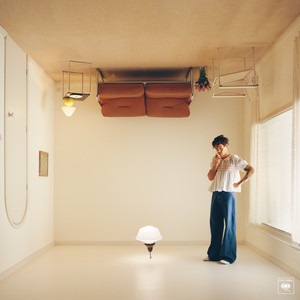
“Matilda” by Harry Styles
Harry Styles released this on ‘Harry’s House’ in 2022 as one of the album’s most emotionally direct and devastating tracks, a song addressed to someone who didn’t have the childhood they deserved. It shares its title with Roald Dahl’s beloved story and Danny DeVito’s 1996 film adaptation and has absolutely nothing to do with either of them. It is a much sadder song than anything Matilda Wormwood ever had to deal with, which is saying something.