


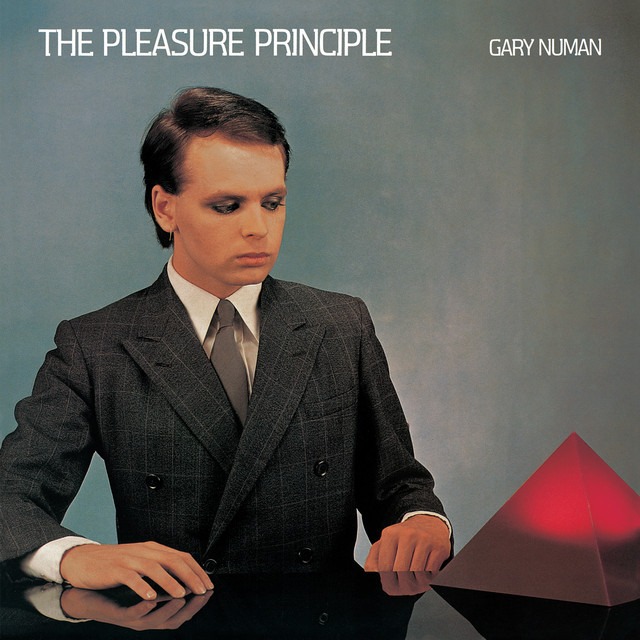
When Gary Numan released ‘The Pleasure Principle’ on 7 September 1979, he gave the world more than just a debut solo album. It rocketed to No. 1 on the UK Albums Chart and delivered “Cars,” one of the most recognizable synth anthems ever recorded. Dig past that famous single, though, and you’ll find a record full of surreal inspirations, bold experiments, and choices that even devoted fans rarely talk about. Here are five facts worth knowing.
He Threw Out The Guitar Entirely
For ‘The Pleasure Principle,’ Numan completely abandoned electric guitar, a striking decision for a rock-leaning artist in 1979. Combined with heavy use of synthetic percussion, the album became the most purely electronic and robotic sound of his career. He leaned hard on the Polymoog keyboard, especially its eerie “Vox Humana” preset, to build that cold, mechanical atmosphere.
The Title Came From A Surrealist Painting
The name was lifted straight from a René Magritte painting of the same title, subtitled as a portrait of Edward James. The original artwork shows a seated figure whose head has been obliterated by a blinding ball of light, with a small stone resting on a wooden table. Numan recreated the exact pose for his album cover, dressed in a similar suit.
That Glowing Pyramid Was A Deliberate Statement
Where Magritte placed a rock on a desk, Numan placed a glowing purple Perspex pyramid. He described the swap as a clear nod toward technology, turning natural materials into shiny, futuristic shapes. The detail ties the cover image directly to the album’s preoccupation with where machines were taking us.
He Regretted Releasing “Complex” As A Single
“Complex” became a UK No. 6 hit during a nine-week chart run, with violin from Ultravox’s Billy Currie woven into the arrangement. Even with that chart success, Numan later said he wished “Metal” had been chosen instead, a track sung from the perspective of an android longing to be human. The right call isn’t always obvious in the moment.
It Quietly Powered A Future Smash Hit
Years later, the track “M.E.” found a second life when Basement Jaxx used it as the backing for “Where’s Your Head At.” Casual listeners who have never explored the deep cuts have almost certainly heard a piece of this album reworked into a club favorite. Numan’s robotic experiments kept rippling forward into pop.