


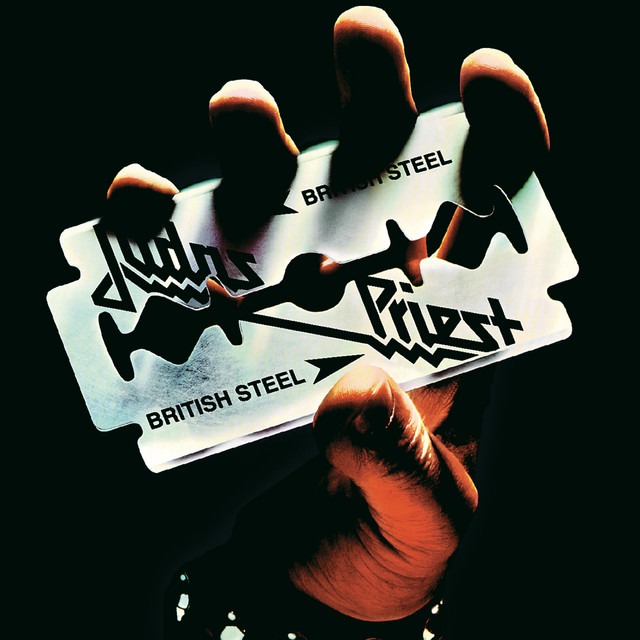
When Judas Priest unleashed ‘British Steel’ on 11 April 1980, they didn’t just release their sixth studio album, they helped light the fuse on the New Wave of British Heavy Metal. Leaner, catchier, and built around anthems like “Breaking the Law” and “Living After Midnight,” the record became an enduring landmark and eventually went platinum in the US. The stories behind its creation, though, are full of household objects, sleepless nights, and a few genuine surprises. Here are five facts worth knowing.
It Was Recorded At Ringo Starr’s House
‘British Steel’ was made at Tittenhurst Park in Ascot, the home of former Beatle Ringo Starr. The band actually started at Startling Studios on the same grounds, but abandoned it because they preferred recording in Starr’s house itself. It’s a strange bit of crossover history, a heavy metal classic taking shape inside a Beatle’s home.
The “Breaking the Law” Glass Smash Came From A Milkman’s Bottles
Digital sampling wasn’t widely available yet, so the band got creative with their sound effects. For the breaking glass in “Breaking the Law,” they smashed actual milk bottles delivered to the house that morning. The police siren in the same song was no recording either, it was K. K. Downing working the tremolo arm on his Stratocaster.
“Metal Gods” Was Built From Ringo’s Cutlery
That iconic marching, metallic sound on “Metal Gods” came from the band shaking trays of cutlery in front of microphones. They raided the house for anything they could bang or rattle, and since Starr owned the place, those were apparently his knives and forks. Halford reckoned he lifted and dropped that cutlery tray around 100 times to get it right.
“Living After Midnight” Got Its Title From A 4 AM Wake-Up
The song was born when Glenn Tipton woke Rob Halford at 4 AM with his loud guitar playing during the Tittenhurst sessions. Halford grumbled that Tipton was “really living after midnight,” and Tipton instantly recognised it as a perfect title for the track he was working on. A bleary middle-of-the-night complaint became one of metal’s great party anthems.
The Album Was Marketed With A Cheeky Pun On “Steal”
When it came out, ‘British Steel’ was sold in the UK at a bargain price of £3.99. The advertisements in the music press leaned into the moment with a wink, running the deliberate misspelling “British Steal.” It was a small joke, but a fitting one for a band who knew exactly how to grab attention.