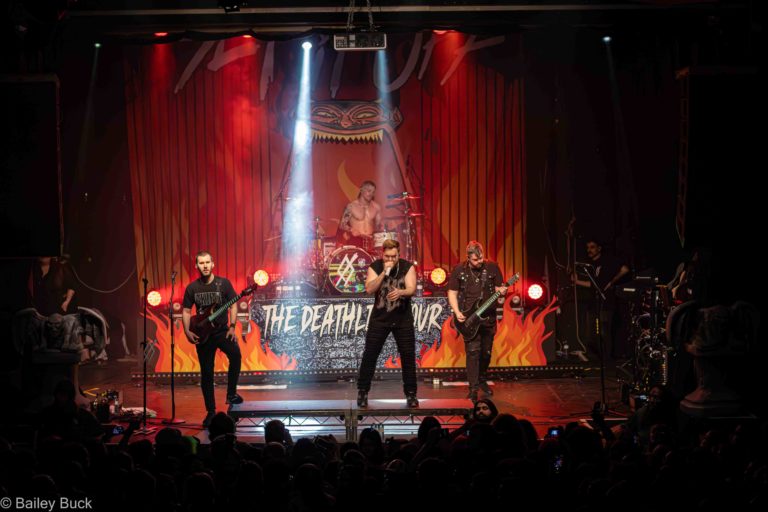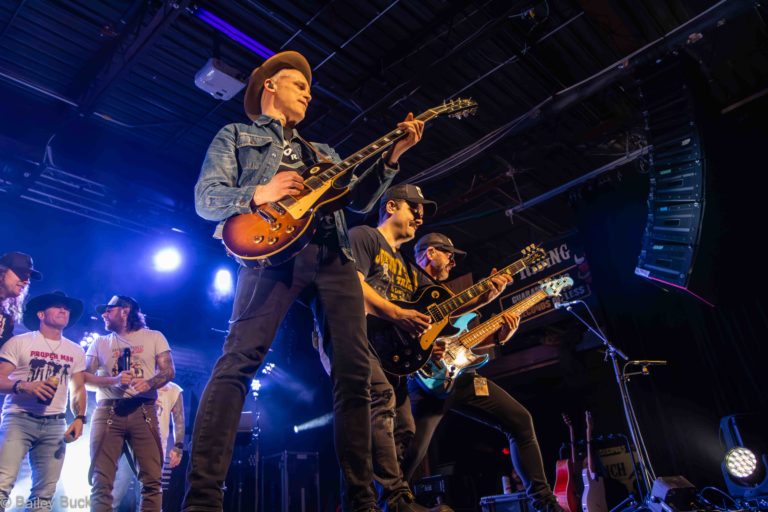
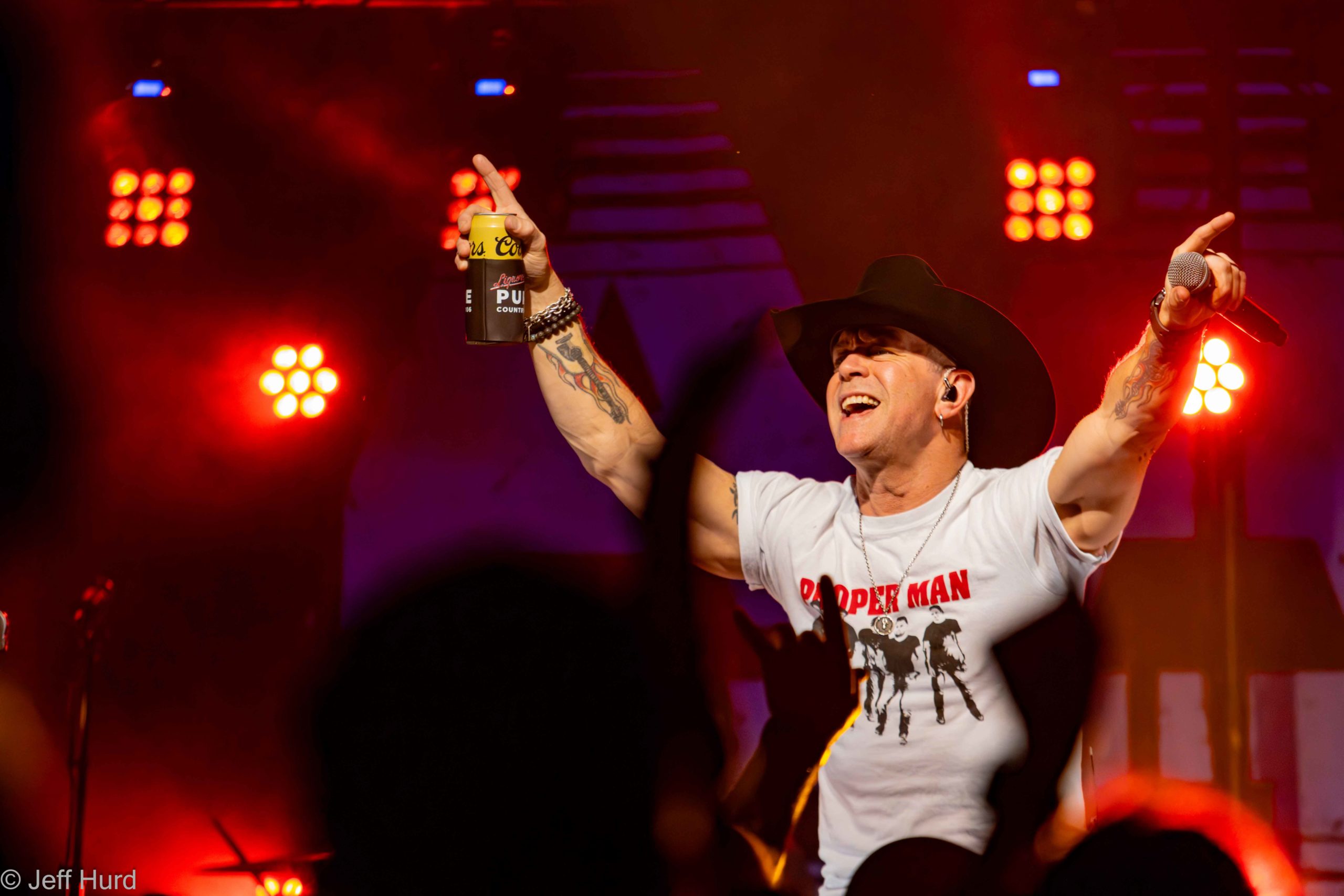
All photos by Bailey Buck and Jeff Hurd. You can contact them through Instagram (Bailey) Instagram (Jeff)










Moby delves into the intricate layers of his iconic track “Extreme Ways,” famously featured in the Jason Bourne movie series, offering fans a fascinating multitrack breakdown. Through this exploration, he unveils the composition’s intricate blend of electronic elements, evoking the adrenaline-fueled essence synonymous with the Bourne franchise. Additionally, Moby treats listeners to a similar breakdown of “Dark Days,” a collaboration with the soulful vocalist Lady Blackbird. In this analysis, he unveils the soul-stirring nuances of the track, showcasing the fusion of electronic beats and Lady Blackbird’s haunting vocals. These breakdowns not only offer insights into Moby’s creative process but also deepen the appreciation for the sonic tapestry he weaves within his music.
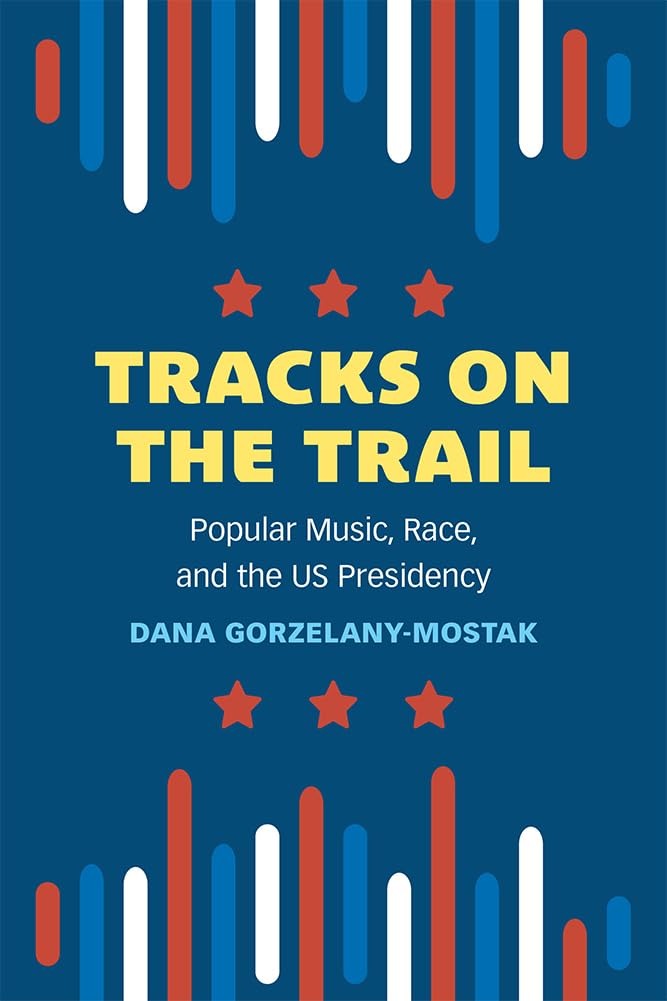
From Bill Clinton playing his saxophone on The Arsenio Hall Show to Barack Obama referencing Jay-Z’s song “Dirt Off Your Shoulder,” politicians have used music not only to construct their personal presidential identities but to create the broader identity of the American presidency. Through music, candidates can appear relatable, show cultural competency, communicate values and ideas, or connect with a specific constituency. On a less explicit level, episodes such as Clinton’s sax-playing and Obama’s shoulder brush operate as aural and visual articulations of race and racial identity. But why do candidates choose to engage with race in this manner? And why do supporters and detractors on YouTube and the Twittersphere similarly engage with race when they create music videos or remixes in homage to their favorite candidates?
With Barack Obama, Ben Carson, Kamala Harris, and Donald Trump as case studies, Tracks on the Trail: Popular Music, Race, and the US Presidency sheds light on the factors that motivate candidates and constituents alike to articulate race through music on the campaign trail and shows how the racialization of sound intersects with other markers of difference and ultimately shapes the public discourse surrounding candidates, popular music, and the meanings attached to race in the 21st century. Dana Gorzelany-Mostak explores musical engagement broadly, including official music in the form of candidate playlists and launch event setlists, as well as unofficial music in the form of newly composed campaign songs, mashups, parodies, and remixes.
Get closer to the unparalleled creativity and music of Billie Eilish on her very own channel, Billie Eilish Radio. Join Billie as she curates a journey with exclusive insights into her newest album, “HIT ME HARD AND SOFT,” as well as her groundbreaking music and the artists that inspire her.
Early champions of Billie Eilish, SiriusXM has been playing her music since 2018, when SiriusXM Chill became the first and only radio channel in the country to play her song “bitches broken hearts” and Alt Nation became the first channel in the country to play “you should see me in a crown.”
Beginning May 10 at 12pm ET, Billie Eilish Radio is available on satellite channel 3 through May 22 and streaming on the SiriusXM app through June 4.
Curated by Billie herself, the channel plays her own music as well as songs from the wide variety of artists that inspire her.
“HIT ME HARD AND SOFT” is Billie’s third studio album and most daring body of work to date, hitting you hard and soft both lyrically and sonically. Written by Billie and FINNEAS, her brother and long-time collaborator who also produced the album, “HIT ME HARD AND SOFT” will play in full, front-to-back — as Billie and FINNEAS intended for it to be heard — on Billie Eilish Radio the moment it releases on May 17 at 12am ET.
Don’t have SiriusXM yet? Eligible customers can get a free 3-month trial. See offer details.

Canadian Music Week (CMW), one of the nation’s largest new music festivals, is thrilled to announce the programming for its 42nd festival. Scheduled for June 1-8, 2024, the festival promises a dynamic range of music with over 250+ acts in over 25 venues in Toronto. Tickets and wristbands are on sale now at www.cmw.net/festival.
Celebrating more than four decades of musical innovation and showcasing, CMW 2024 will blend iconic and groundbreaking headliners with fresh, emerging talent, continuing its legacy as a launchpad for the next generation of stars.
The current 2024 Canadian Music Week festival showcase lineup includes Walk Of The Earth, Testpilot, Charlotte Day Wilson, Dallas Smith, Jauz, Finger Eleven, Tekno, Allie X, KILLY, Christone “Kingfish” Ingram, Devon Cole, MICO, Taylor Acorn, Rosie, Inzo, Lola Brooke, The Anti-Queens, Katie Tupper, Hannah Wants, Softcult, K Motionz, Com Truise, Nate Haller, Yaya Bey, Durry, Bleeker, Boeckner, Peter Raffoul, Aviv, Venbee, Charlie Edward, Altameda, Leila Day, Morgan St Jean, Saya Gray, Ouri, Frances Whitney, Harm & Ease, Ethan Surmen, Havelin, Eric Punzo, Niiva, Charmaine, Living Room For Small, Boston Levi, Revive The Rose, Cold Weather Captains, Lucy Ellis, Adam Rodway, Brett Matthews, Bradon Thomas Dougherty, Tilsen, Brdgs, Tallies, Seventh Dose, Francis Of Delirium, Blunt Chunks, Brutal Youth, and many more.
In addition to the musical performances, CMW provides a platform for networking and learning. The festival’s inclusive environment fosters connections between artists, fans, and industry leaders, making it a pivotal event in the global music calendar.
For more information about Canadian Music Week 2024, including ticket purchases and the full list of showcasing artists, please visit www.cmw.net/festival.
About Canadian Music Week
Now in its 42nd year, Canadian Music Week is the premier annual music business and networking event in Canada. It combines a multifaceted, information-intensive conference with a trade exposition and one of the nation’s largest new music festivals. Spanning six nights of performances, with hundreds of showcasing bands at live music venues in downtown Toronto, CMW brings together sound and strategy, united in celebration of the sound of the future.
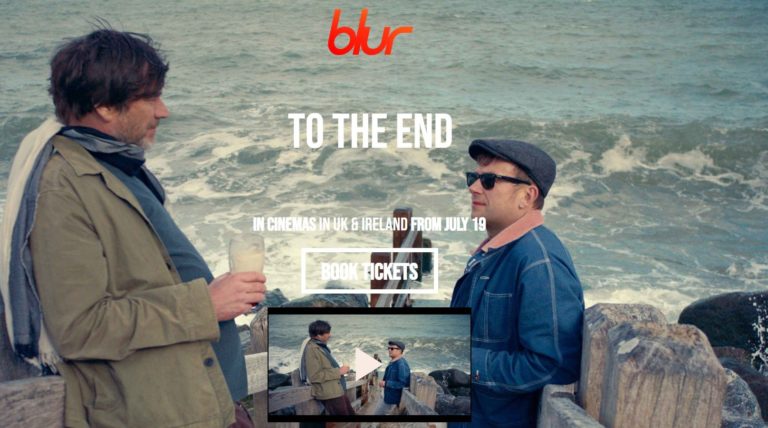
A new feature-length documentary depicting the extraordinary and emotional return of blur, captured during the year in which they made a surprise return with their first record in 8 years, the critically acclaimed #1 album ‘The Ballad of Darren’. blur: To The End follows the unique relationship of four friends – and bandmates of three decades – Damon Albarn, Graham Coxon, Alex James and Dave Rowntree as they came together in early 2023 to record new songs ahead of their sold-out, first ever shows at London’s Wembley Stadium in July last summer. Featuring performances of their most iconic, much-loved songs, footage of the band in the studio and life on the road, blur: To The End is an intimate moment in time with this most enduring of English bands, who have been at the heart of British cultural life and influence for over three decades.
blur: To The End. A New Documentary Film. In UK and Irish cinemas from July 19. Book tickets now at https://www.blur.co.uk/

Princess came to LA to make something of herself, to share her music, and find real love . . . She’s got an amazing squad of friends and a certain blue-eyed man who she can’t get out of her head. With a new single just released, everyone wants a piece of her: party invitations, paparazzi, and custom couture dresses abound. She’s living her California dream.
But Hollywood isn’t exactly what she thought it would be. Behind closed doors, there’s lies and loneliness disguised by smiles and laughter. It’s hard to know who to trust, or what’s fake and what’s real. Princess just wants success―on her own terms―but needs to make sure she doesn’t lose herself in the process.
This juicy debut novel by international recording artist Pia Mia is an intimate, insider peek at the ups and downs of fame in the music industry, told from the point of view of an up-and-coming pop star.
One of the most undiscovered gems in music, PIA MIA, with her spellbinding stage presence and heavenly vocals, released a canon of rhythmic pop classics, club staples, and cinematic ballads, is known for her collaborations and associations with the most creative, accomplished, and influential entertainers in Hollywood. While not traditionally mainstream, PIA MIA has a cult-like following in Los Angeles, London, Sydney, Tokyo and other urban cultural music centers.
Born PIA MIA PEREZ in the western pacific island of Guam, at 13 she moved to Los Angeles where she signed with major record labels, established her own label, and released hits including Do It Again featuring Chris Brown and Tyga, Touch, and Bitter Love. With images of her in Times Square, Italian Vogue, and other major fashion magazines, she was the creative director for Madonna’s clothing brand Material Girl and other international brands.
An original with a diva’s voice and an independent soul, PIA MIA’s most recent drops have included featuring on 2022’s Sean Paul track How We Do It, twocolors’ Lovefool remake, and James Hype’s jam Good Luck. In 2021, she released the trippy introspective EP My Side, the jewel Whole Thing, and the angelic holiday EP Christmas.

In front of a sold-out crowd of 52,000 people, 13-time GRAMMY and Academy Award winner Lady Gaga delivers a career-defining performance at Los Angeles’s Dodger Stadium during her 2022 Chromatica Ball Tour. Released exclusively on HBO and streaming on Max, GAGA CHROMATICA BALL delivers breathtaking live performances of some of Gaga’s biggest and most cherished hits, including “Stupid Love,” “Bad Romance,” “Just Dance,” “Poker Face,” “Shallow,” “Rain On Me,” and more. The film delivers huge show-stopping moments and intimate piano numbers, complete with heart-stopping choreography, intense pyrotechnics and an array of iconic outfit changes as only Gaga does. This is Lady Gaga as you’ve never seen her before.
The HBO Original concert special GAGA CHROMATICA BALL debuts SATURDAY, MAY 25 at 8:00 p.m. ET/PT on HBO and will be available to stream on Max.
GAGA CHROMATICA BALL will be available to watch simultaneously on Max in Latin America and the Caribbean, Norway, Finland, Sweden, Denmark, Spain, Portugal, Poland, Romania, Hungary, Slovakia, Czech Republic, Bulgaria, Croatia, Slovenia, Serbia, Montenegro, North Macedonia, Bosnia and Herzegovina, on HBO Max in The Netherlands and Poland, on HBO GO in Southeast Asia, Taiwan, and Hong Kong, on Crave in Canada, on Pass Warner in France, on Stan in Australia, and on ThreeNow and Three in New Zealand. Additional territories, including the U.K., Italy, Germany, India, and Japan to be announced.
Steve Albini, renowned for his raw, unfiltered approach to production, and as a towering figure in alternative rock, has passed away at age 61. With a career spanning decades, his work as a producer and engineer with seminal acts like Nirvana, Pixies, PJ Harvey, and The Breeders, among others likely in your record collection, was so important and he really captured the essence of a band’s live sound in the studio. May he continue to inspire artists to embrace the raw power of their own creativity. – Eric
By Steve Albini
Wenever I talk to a band who are about to sign with a major label, I always end up thinking of them in a particular context. I imagine a trench, about four feet wide and five feet deep, maybe sixty yards long, filled with runny, decaying shit. I imagine these people, some of them good friends, some of them barely acquaintances, at one end of this trench. I also imagine a faceless industry lackey at the other end, holding a fountain pen and a contract waiting to be signed.
Nobody can see what’s printed on the contract. It’s too far away, and besides, the shit stench is making everybody’s eyes water. The lackey shouts to everybody that the first one to swim the trench gets to sign the contract. Everybody dives in the trench and they struggle furiously to get to the other end. Two people arrive simultaneously and begin wrestling furiously, clawing each other and dunking each other under the shit. Eventually, one of them capitulates, and there’s only one contestant left. He reaches for the pen, but the Lackey says, “Actually, I think you need a little more development. Swim it again, please. Backstroke.”
And he does, of course.
Every major label involved in the hunt for new bands now has on staff a high-profile point man, an “A&R” rep who can present a comfortable face to any prospective band. The initials stand for “Artist and Repertoire,” because historically, the A&R staff would select artists to record music that they had also selected, out of an available pool of each. This is still the case, though not openly.
These guys are universally young (about the same age as the bands being wooed), and nowadays they always have some obvious underground rock credibility flag they can wave. Lyle Preslar, former guitarist for Minor Threat, is one of them. Terry Tolkin, former NY independent booking agent and assistant manager at Touch and Go is one of them. Al Smith, former soundman at CBGB is one of them. Mike Gitter, former editor of XXX fanzine and contributor to Rip, Kerrang and other lowbrow rags is one of them. Many of the annoying turds who used to staff college radio stations are in their ranks as well.
There are several reasons A&R scouts are always young. The explanation usually copped-to is that the scout will be “hip” to the current musical “scene.” A more important reason is that the bands will intuitively trust someone they think is a peer, and who speaks fondly of the same formative rock and roll experiences.
The A&R person is the first person to make contact with the band, and as such is the first person to promise them the moon. Who better to promise them the moon than an idealistic young turk who expects to be calling the shots in a few years, and who has had no previous experience with a big record company. Hell, he’s as naive as the band he’s duping. When he tells them no one will interfere in their creative process, he probably even believes it.
When he sits down with the band for the first time, over a plate of angel hair pasta, he can tell them with all sincerity that when they sign with company X, they’re really signing with him, and he’s on their side. Remember that great gig I saw you at in ’85? Didn’t we have a blast.
By now all rock bands are wise enough to be suspicious of music industry scum. There is a pervasive caricature in popular culture of a portly, middle aged ex-hipster talking a mile-a-minute, using outdated jargon and calling everybody “baby.” After meeting “their” A&R guy, the band will say to themselves and everyone else, “He’s not like a record company guy at all! He’s like one of us.” And they will be right. That’s one of the reasons he was hired.
These A&R guys are not allowed to write contracts. What they do is present the band with a letter of intent, or “deal memo,” which loosely states some terms, and affirms that the band will sign with the label once a contract has been agreed on.
The spookiest thing about this harmless sounding little “memo,” is that it is, for all legal purposes, a binding document. That is, once the band sign it, they are under obligation to conclude a deal with the label. If the label presents them with a contract that the band don’t want to sign, all the label has to do is wait. There are a hundred other bands willing to sign the exact same contract, so the label is in a position of strength.
These letters never have any term of expiry, so the band remain bound by the deal memo until a contract is signed, no matter how long that takes. The band cannot sign to another label or even put out its own material unless they are released from their agreement, which never happens. Make no mistake about it: once a band has signed a letter of intent, they will either eventually sign a contract that suits the label or they will be destroyed.
One of my favorite bands was held hostage for the better part of two years by a slick young “He’s not like a label guy at all,” A&R rep, on the basis of such a deal memo. He had failed to come through on any of his promises (something he did with similar effect to another well-known band), and so the band wanted out. Another label expressed interest, but when the A&R man was asked to release the band, he said he would need money or points, or possibly both, before he would consider it.
The new label was afraid the price would be too dear, and they said no thanks. On the cusp of making their signature album, an excellent band, humiliated, broke up from the stress and the many months of inactivity.
1. Producers and engineers who use meaningless words to make their clients think they know what’s going on. Words like “Punchy,” “Warm,” “Groove,” “Vibe,” “Feel.” Especially “Punchy” and “Warm.” Every time I hear those words, I want to throttle somebody.
2. Producers who aren’t also engineers, and as such, don’t have the slightest fucking idea what they’re doing in a studio, besides talking all the time. Historically, the progression of effort required to become a producer went like this: Go to college, get an EE degree. Get a job as an assistant at a studio. Eventually become a second engineer. Learn the job and become an engineer. Do that for a few years, then you can try your hand at producing. Now, all that’s required to be a full-fledged “producer” is the gall it takes to claim to be one.
Calling people like Don Fleming, Al Jourgensen, Lee Ranaldo or Jerry Harrison “producers” in the traditional sense is akin to calling Bernie a “shortstop” because he watched the whole playoffs this year.
The term has taken on perjorative qualities in some circles. Engineers tell jokes about producers the way people back in Montana tell jokes about North Dakotans. (How many producers does it take to change a light bulb?—Hmmm. I don’t know. What do you think? Why did the producer cross the road?—Because that’s the way the Beatles did it, man.) That’s why few self-respecting engineers will allow themselves to be called “producers.”
The minimum skills required to do an adequate job recording an album are:
– Working knowledge of all the microphones at hand and their properties and uses. I mean something beyond knowing that you can drop an SM57 without breaking it.
– Experience with every piece of equipment which might be of use and every function it may provide. This means more than knowing what echo sounds like. Which equalizer has the least phase shift in neighbor bands? Which console has more head-room? Which mastering deck has the cleanest output electronics?
– Experience with the style of music at hand, to know when obvious blunders are occurring.
– Ability to tune and maintain all the required instruments and electronics, so as to insure that everything is in proper working order. This means more than plugging a guitar into a tuner. How should the drums be tuned to simulate a rising note on the decay? A falling note? A consonant note? Can a bassoon play a concert E-flat in key with a piano tuned to a reference A of 440 Hz? What percentage of varispeed is necessary to make a whole-tone pitch change? What degree of overbias gives you the most headroom at 10Khz? What reference fluxivity gives you the lowest self-noise from biased, unrecorded tape? Which tape manufacturer closes every year in July, causing shortages of tape globally? What can be done for a shedding master tape? A sticky one?
– Knowledge of electronic circuits to an extent that will allow selection of appropriate signal paths. This means more than knowing the difference between a delay line and an equalizer. Which has more headroom, a discrete class A microphone preamp with a transformer output or a differential circuit built with monolithics? Where is the best place in an unbalanced line to attenuate the signal? If you short the cold leg of a differential input to ground, what happens to the signal level? Which gain control device has the least distortion, a VCA, a printed plastic pot, a photoresistor or a wire-wound stepped attenuator? Will putting an unbalanced line on a half-normalled jack unbalance the normal signal path? Will a transformer splitter load the input to a device parallel to it? Which will have less RF noise, a shielded unbalanced line or a balanced line with a floated shield?
– An aesthetic that is well-rooted and compatible with the music, and
– The good taste to know when to exercise it.
3. Trendy electronics and other flashy shit that nobody really needs. Five years ago, everything everywhere was being done with discrete samples. No actual drumming allowed on most records. Samples only. The next trend was Pultec Equalizers. Everything had to be run through Pultec EQs.
Then vintage microphones were all the rage (but only Neumanns, the most annoyingly whiny microphone line ever made). The current trendy thing is compression. Compression by the ton, especially if it comes from a tube limiter. Wow. It doesn’t matter how awful the recording is, as long as it goes through a tube limiter, somebody will claim it sounds “warm,” or maybe even “punchy.” They might even compare it to the Beatles. I want to find the guy that invented compression and tear his liver out. I hate it. It makes everything sound like a beer commercial.
4. DAT machines. They sound like shit and every crappy studio has one now because they’re so cheap. Because the crappy engineers that inhabit crappy studios are too thick to learn how to align and maintain analog mastering decks, they’re all using DAT machines exclusively. DAT tapes deteriorate over time, and when they do, the information on them is lost forever. I have personally seen tapes go irretrievably bad in less than a month. Using them for final masters is almost fraudulently irresponsible.
Tape machines ought to be big and cumbersome and difficult to use, if only to keep the riff-raff out. DAT machines make it possible for morons to make a living, and do damage to the music we all have to listen to.
5. Trying to sound like the Beatles. Every record I hear these days has incredibly loud, compressed vocals, and a quiet little murmur of a rock band in the background. The excuse given by producers for inflicting such an imbalance on a rock band is that it makes the record sound more like the Beatles. Yeah, right. Fuck’s sake, Thurston Moore is not Paul McCartney, and nobody on earth, not with unlimited time and resources, could make the Smashing Pumpkins sound like the Beatles. Trying just makes them seem even dumber. Why can’t people try to sound like the Smashchords or Metal Urbain or Third World War for a change?
There’s this band. They’re pretty ordinary, but they’re also pretty good, so they’ve attracted some attention. They’re signed to a moderate-sized “independent” label owned by a distribution company, and they have another two albums owed to the label.
They’re a little ambitious. They’d like to get signed by a major label so they can have some security—you know, get some good equipment, tour in a proper tour bus—nothing fancy, just a little reward for all the hard work.
To that end, they got a manager. He knows some of the label guys, and he can shop their next project to all the right people. He takes his cut, sure, but it’s only 15%, and if he can get them signed then it’s money well spent. Anyway, it doesn’t cost them anything if it doesn’t work. 15% of nothing isn’t much!
One day an A&R scout calls them, says he’s “been following them for a while now,” and when their manager mentioned them to him, it just “clicked.” Would they like to meet with him about the possibility of working out a deal with his label? Wow. Big Break time.
The A&R guy was full of great ideas, even talked about using a name producer.
They meet the guy, and y’know what—he’s not what they expected from a label guy. He’s young and dresses pretty much like the band does. He knows all their favorite bands. He’s like one of them. He tells them he wants to go to bat for them, to try to get them everything they want. He says anything is possible with the right attitude. They conclude the evening by taking home a copy of a deal memo they wrote out and signed on the spot.
The A&R guy was full of great ideas, even talked about using a name producer. Butch Vig is out of the question—he wants 100 g’s and three points, but they can get Don Fleming for $30,000 plus three points. Even that’s a little steep, so maybe they’ll go with that guy who used to be in David Letterman’s band. He only wants three points. Or they can have just anybody record it (like Warton Tiers, maybe—cost you 5 or 10 grand) and have Andy Wallace remix it for 4 grand a track plus 2 points. It was a lot to think about.
Well, they like this guy and they trust him. Besides, they already signed the deal memo. He must have been serious about wanting them to sign. They break the news to their current label, and the label manager says he wants them to succeed, so they have his blessing. He will need to be compensated, of course, for the remaining albums left on their contract, but he’ll work it out with the label himself. Sub Pop made millions from selling off Nirvana, and Twin Tone hasn’t done bad either: 50 grand for the Babes and 60 grand for the Poster Children—without having to sell a single additional record. It’ll be something modest. The new label doesn’t mind, so long as it’s recoupable out of royalties.
Well, they get the final contract, and it’s not quite what they expected. They figure it’s better to be safe than sorry and they turn it over to a lawyer—one who says he’s experienced in entertainment law—and he hammers out a few bugs. They’re still not sure about it, but the lawyer says he’s seen a lot of contracts, and theirs is pretty good. They’ll be getting a great royalty: 13% (less a 10% packaging deduction). Wasn’t it Buffalo Tom that were only getting 12% less 10? Whatever.
The old label only wants 50 grand, and no points. Hell, Sub Pop got 3 points when they let Nirvana go. They’re signed for four years, with options on each year, for a total of over a million dollars! That’s a lot of money in any man’s english. The first year’s advance alone is $250,000. Just think about it, a quarter-million, just for being in a rock band!
Their manager thinks it’s a great deal, especially the large advance. Besides, he knows a publishing company that will take the band on if they get signed, and even give them an advance of 20 grand, so they’ll be making that money too. The manager says publishing is pretty mysterious, and nobody really knows where all the money comes from, but the lawyer can look that contract over too. Hell, it’s free money.
Their booking agent is excited about the band signing to a major. He says they can maybe average $1,000 or $2,000 a night from now on. That’s enough to justify a five week tour, and with tour support, they can use a proper crew, buy some good equipment and even get a tour bus! Buses are pretty expensive, but if you figure in the price of a hotel room for everybody in the band and crew, they’re actually about the same cost. Some bands (like Therapy? and Sloan and Stereolab) use buses on their tours even when they’re getting paid only a couple hundred bucks a night, and this tour should earn at least a grand or two every night. It’ll be worth it. The band will be more comfortable and will play better.
The agent says a band on a major label can get a merchandising company to pay them an advance on t-shirt sales! Ridiculous! There’s a gold mine here! The lawyer should look over the merchandising contract, just to be safe.
They get drunk at the signing party. Polaroids are taken and everybody looks thrilled. The label picked them up in a limo.
They decided to go with the producer who used to be in Letterman’s band. He had these technicians come in and tune the drums for them and tweak their amps and guitars. He had a guy bring in a slew of expensive old “vintage” microphones. Boy, were they “warm.” He even had a guy come in and check the phase of all the equipment in the control room! Boy, was he professional. He used a bunch of equipment on them and by the end of it, they all agreed that it sounded very “punchy,” yet “warm.”
All that hard work paid off. With the help of a video, the album went like hotcakes! They sold a quarter million copies!
Here is the math that will explain just how fucked they are:
These figures are representative of amounts that appear in record contracts daily. There’s no need to skew the figures to make the scenario look bad, since real-life examples more than abound. Income is underlined, expenses are not.
Advance: $250,000
Manager’s cut: $37,500
Legal fees: $10,000
Recording Budget: $150,000
Producer’s advance: $50,000
Studio fee: $52,500
Drum, Amp, Mic and Phase “Doctors”: $3,000
Recording tape: $8,000
Equipment rental: $5,000
Cartage and Transportation: $5,000
Lodgings while in studio: $10,000
Catering: $3,000
Mastering: $10,000
Tape copies, reference CD’s, shipping tapes, misc expenses: $2,000
Video budget: $30,000
Cameras: $8,000
Crew: $5,000
Processing and transfers: $3,000
Offline: $2,000
Online editing: $3,000
Catering: $1,000
Stage and construction: $3,000
Copies, couriers, transportation: $2,000
Director’s fee: $3,000
Album Artwork: $5,000
Promotional photo shoot and duplication: $2,000
Band fund: $15,000
New fancy professional drum kit: $5,000
New fancy professional guitars (2): $3,000
New fancy professional guitar amp rigs (2): $4,000
New fancy potato-shaped bass guitar: $1,000
New fancy rack of lights bass amp: $1,000
Rehearsal space rental: $500
Big blowout party for their friends: $500
Tour expense (5 weeks): $50,875
Bus: $25,000
Crew (3): $7,500
Food and per diems: $7,875
Fuel: $3,000
Consumable supplies: $3,500
Wardrobe: $1,000
Promotion: $3,000
Tour gross income: $50,000
Agent’s cut: $7,500
Manager’s cut: $7,500
Merchandising advance: $20,000
Manager’s cut: $3,000
Lawyer’s fee: $1,000
Publishing advance: $20,000
Manager’s cut: $3,000
Lawyer’s fee: $1,000
Record sales: 250,000 @ $12 = $3,000,000 gross retail revenue Royalty (13% of 90% of retail): $351,000
less advance: $250,000
Producer’s points: (3% less $50,000 advance) $40,000
Promotional budget: $25,000
Recoupable buyout from previous label: $50,000
Net royalty: (-$14,000)
Record company income:
Record wholesale price $6,50 x 250,000 = $1,625,000 gross income Artist Royalties: $351,000
Deficit from royalties: $14,000
Manufacturing, packaging and distribution @ $2.20 per record: $550,000
Gross profit: $710,000
This is how much each player got paid at the end of the game.
Record company: $710,000
Producer: $90,000
Manager: $51,000
Studio: $52,500
Previous label: $50,000
Agent: $7,500
Lawyer: $12,000
Band member net income each: $4,031.25
The band is now 1/4 of the way through its contract, has made the music industry more than 3 million dollars richer, but is in the hole $14,000 on royalties. The band members have each earned about 1/3 as much as they would working at a 7-11, but they got to ride in a tour bus for a month.
The next album will be about the same, except that the record company will insist they spend more time and money on it. Since the previous one never “recouped,” the band will have no leverage, and will oblige.
The next tour will be about the same, except the merchandising advance will have already been paid, and the band, strangely enough, won’t have earned any royalties from their t-shirts yet. Maybe the t-shirt guys have figured out how to count money like record company guys.
Follow us on Instagram @thatericalper

Eric Alper is a 6-time nominee for Publicist of the Year during Canadian Music Week and has overseen the publicity campaigns for over 183 JUNO Award-nominated albums (and 16 in 2025), 45 Grammy-nominated albums, including 47 JUNO Award, 58 Canadian Folk Music Award, 126 Maple Blues Award-winning albums and is also truly honoured to work with some of the biggest and most important artists of our time.
Contact me: eric@thatericalper.com
© Copyright - That Eric Alper