Home Blog Page 2

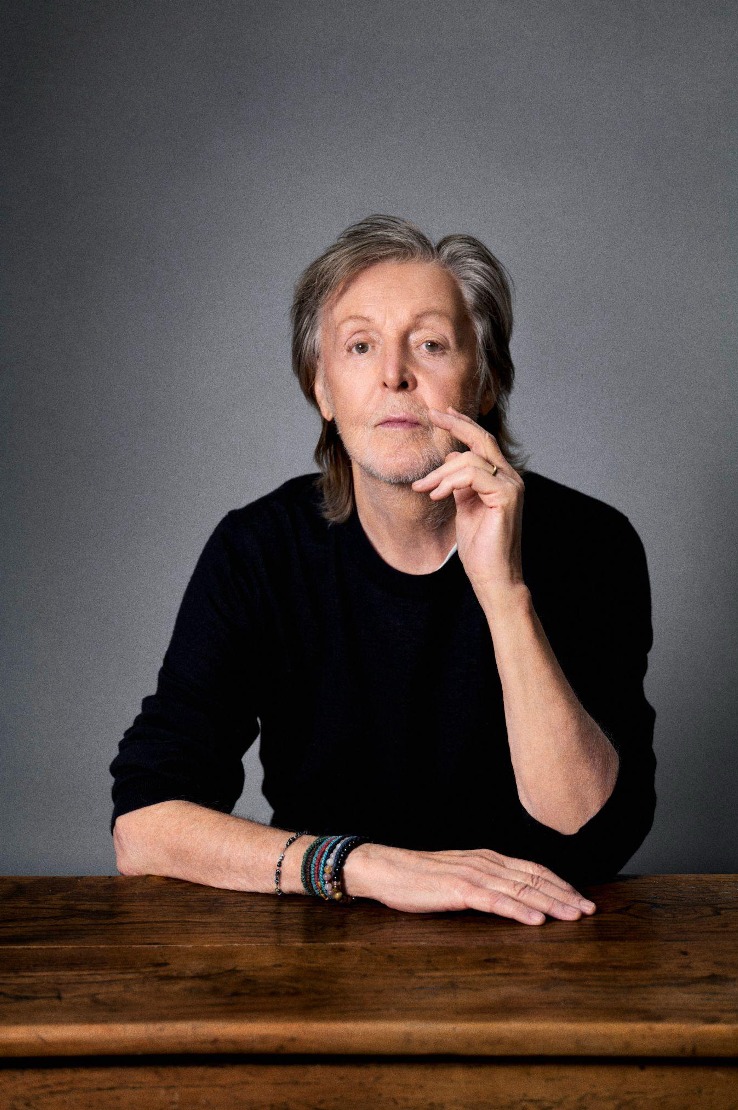
Paul McCartney’s ‘The Boys of Dungeon Lane’ Is the Story Before the Story

0

Paul McCartney’s new studio album, ‘The Boys of Dungeon Lane’, is out now via MPL/Capitol Records. It’s his first solo album in over 5 years, and by every measure, it’s the most personal thing he’s ever put his name on. Listen here.

The album turns the clock back to post-war Liverpool, to childhood streets, resilient parents, and the early friendship between a young McCartney and two boys named George Harrison and John Lennon. Long before Beatlemania. Long before any of it. This is where the whole story actually starts.

14 songs, written with rare openness, form a collection that’s candid and reflective without being sentimental. McCartney revisits formative years with the kind of honesty that only comes from an artist who’s earned the right to look back. The songs are modest, homespun, and emotionally rich in a way that doesn’t announce itself.

The critical response has been immediate and nearly unanimous. Rolling Stone calls it “a late-career masterpiece.” Variety declares it “McCartney’s best album of the 21st Century.” The Daily Telegraph gives it 5 stars and calls it “a joyous late-career reminder of McCartney’s melodic genius.” The Guardian, The Times, The Independent, MOJO, and the BBC all weigh in with equal enthusiasm.

The Financial Times puts it simply: “I find it impossible to listen to ‘The Boys of Dungeon Lane’ without feeling moved.” That kind of response doesn’t happen by accident. It happens when an artist makes something true.

‘The Boys of Dungeon Lane’ is the sound of one of music’s most culturally significant figures writing without a net, and landing perfectly.

Track Listing:

As You Lie There

Lost Horizon

Days We Left Behind

Ripples in a Pond

Mountain Top

Down South

We Two

Come Inside

Never Know

Home to Us

Life Can Be Hard

First Star of the Night

Salesman Saint

Momma Gets By

Dragged Under Are Back Together and “Rebel Son Rise!” Proves Why That Matters

0

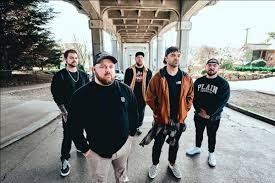
Dragged Under have returned with “Rebel Son Rise!,” a new single and lyric video that does exactly what the title suggests. It’s loud, it’s frenetic, and it carries a message that runs deeper than the riff.

The song clocks in at 3 minutes and doesn’t waste a second. Singer Tony Cappocchi wrote it as a direct address to the next generation, specifically his own 2 kids, with a message about finding your own path regardless of what the world expects. “I just want them to be rebels,” he says, “and realize that what’s popular or approved by their peers isn’t always what’s right. It’s perfectly acceptable to be the one swimming against the current.”

“Rebel Son Rise!” follows “AlgoRHYTHM,” their pointed shot at algorithm-chasing culture. Both tracks continue building a catalog that’s already crossed 100 million streams across 2022’s ‘Upright Animals’ and their 2020 debut ‘The World Is In Your Way’. The momentum is real and the trajectory keeps pointing up.

What makes this moment extra charged is who’s in the room. Cappocchi and rhythm guitarist Sean Rosario are reunited with original members Ryan “Fluff” Bruce on guitar and Hans Hessburg on bass, 3 years after both departed unexpectedly. That reunion alone changed the energy of everything that followed.

“Our band was never better than it was with our core members,” says Cappocchi. “Those dudes have been as committed to Dragged Under and as stoked about it as they were when they first joined. Knowing that only made us want to be bigger than ever.”

Dragged Under have earned their reputation as a devastating live act. Festival appearances at Louder Than Life, Aftershock, Slam Dunk, Download, 2000Trees, Hellfest, and Full Force have put them in front of massive crowds across North America and Europe, with tours alongside Beartooth, The Used, The Ghost Inside, Pierce The Veil, and more adding serious miles to that record.

“Rebel Son Rise!” delivers the kind of urgent, anthemic rock that reminds you why this band has always had a ceiling no one’s found yet. With the original lineup locked in and firing, Dragged Under sound exactly like a band with something to prove.

Judah & The Lion Turn 15 Years of Hard-Won Growth Into New Album ‘I Am A Prism’

0

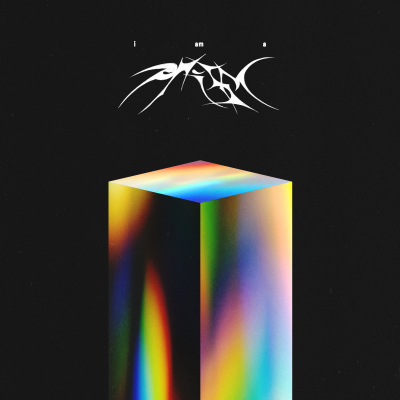
The arc of Judah & The Lion’s career has always bent toward honesty. Their 6th studio album, ‘I Am A Prism’, arrives August 14 via Dualtone Records, and the Nashville folk-hop duo are marking the moment with the release of the first single, “Maybe The Best Is Now,” complete with an official visualizer.

This one carries real weight. After a trilogy of releases that moved through mental health struggles, heartbreak, addiction, and grief, ‘I Am A Prism’ finds Judah Akers and Brian Macdonald stepping into something harder to articulate but easier to feel: genuine optimism, earned the long way.

“Maybe The Best Is Now” works as a direct conversation with their 2019 track “Family / Best is yet to Come.” It’s a sequel in spirit, a shift in perspective. And it brings back a signature move first heard on their 2016 breakout ‘Folk Hop n Roll’: fan voices recorded live at recent shows, woven into the track itself.

That choice means something. These aren’t studio sweeteners. They’re the community Judah & The Lion have spent 15 years building, literally singing alongside them on the record.

Akers describes the song’s core idea plainly: “Life doesn’t happen to you. It happens for you.” It’s a line that fits the album’s larger arc, connecting who they were when they started to who they’ve become, through fatherhood, hard seasons, and everything in between.

Macdonald frames the whole project with equal directness. “We use our music to propel us through hard things in life and shoot us forward into a more hopeful space,” he says. “Getting to that space isn’t always easy, but we always come back better for it.”

“Maybe The Best Is Now” lands with warmth and genuine momentum, a song that opens the door to ‘I Am A Prism’ with exactly the right energy. If this is the first preview, the full album has a lot to live up to, and everything suggests it will.

How Billie Eilish Changed Pop Music’s Sound

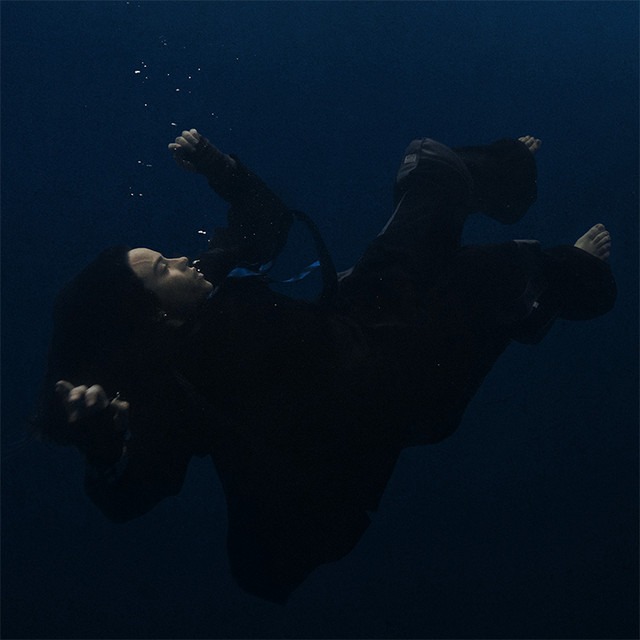
There is a before and after in modern pop music, and the dividing line is a teenager recording songs in her brother’s bedroom in Los Angeles. Before sold-out arenas and Oscar wins, Billie Eilish was just a teenager recording music in her childhood home with her brother Finneas. “Ocean Eyes” was uploaded to SoundCloud in 2015 almost casually. The internet did the rest. What happened next was not just a viral moment. It was the beginning of a genuine sonic revolution that reshuffled what mainstream pop was allowed to sound like — and the effects are still rippling out a decade later.

The most radical thing Eilish did was refuse to be loud. Her debut album ‘When We All Fall Asleep, Where Do We Go?’ in 2019 officially shifted the pop landscape. The production was minimalist but unsettling. Songs like “Bad Guy” and “Bury a Friend” leaned into eerie basslines and whispered vocals. Instead of trying to sound big, Billie made small feel massive. That style is defined by close-mic’d singing, intimate delivery, and the decision to leave in subtle human sounds like breaths and lip smacks — the raw texture of a voice left unpolished. At times it blurs the line between singing and spoken word, creating the closeness of someone whispering right into your ear. In a pop landscape built on belting and bombast, that was genuinely radical. And it worked in a way nobody in the industry quite predicted.

The production side of what Eilish and Finneas built together was equally genre-defining. Her tracks blend soft beats, electronic textures, and haunting vocal layers, creating a sound that feels both eerie and deeply human. Unlike the loud, hook-heavy pop of earlier eras, her music thrives on subtlety. She not only bridges underground sounds with mainstream appeal but proves that innovation and emotion can coexist harmoniously. The bedroom-produced aesthetic that once marked music as lo-fi or niche became, through her, a dominant commercial sound. Suddenly the intimacy was the point. The imperfection was the production choice, not the limitation.

The wave of artists who followed tells the real story of her influence. Gracie Abrams has said she used to sing quietly in her bedroom and would stop whenever someone walked past, and that it translated into her singing career. “It’s not like I wanted to be a whispery singer,” she said. That is precisely the point — Eilish did not create a trend so much as she gave permission for a whole generation of artists to trust the music they were already making quietly at home. Hundreds, if not thousands, of musicians and singers have been inspired to wear themselves on their sleeves as they create and release art. The authenticity was contagious, and the pop charts started to reflect it.

What Eilish has done for the broader pop landscape is significant and still unfolding. Artists like Olivia Rodrigo, Gracie Abrams, and a long list of others have spoken about her influence. She became a catalyst not just for streams and awards but for a cultural shift in what people expect pop music to offer them. Pop used to promise polish, perfection, and spectacle. Eilish replaced all three with something harder to manufacture and more durable in its appeal: the sound of a real person telling the truth. That is what changed. And it will not be changing back.

How to Sell Merchandise as an Independent Artist

Let’s do some quick math. A single hoodie sold at your merch table after a show can earn you more money than thousands of streams on Spotify. In 2025, with streaming payouts still tiny, merch can be the financial backbone of an indie artist’s career. The sale of a single hoodie or vinyl can eclipse what you’d earn from thousands of streams, and it’s money directly from fans to you. If that doesn’t make you want to set up a merch table immediately, read on, because it gets better.

Here is everything you need to know about selling merchandise as an independent artist, from your first sticker to your first sellout.

Start With What Fans Actually Want to Buy

The mistake most artists make when they start selling merch is thinking too small — or thinking wrong. It is not just T-shirts and CDs. The best-selling band merch at shows includes T-shirts, vinyl records, stickers, and pins — items fans can grab quickly at the merch table. Vinyl and CDs sell well because fans treat them as collectibles tied to your album art or live performance. Online, fan favourites are bigger products like hoodies, posters, or limited-edition items tied to an album release.

The golden rule is variety with a purpose. Offer items at multiple price points so every fan can buy something: stickers and buttons under $5 for impulse buys with almost no decision friction; enamel pins and posters in the $10 to $15 range for a low-commitment easy yes; T-shirts and hats in the $25 to $35 range as the core of most merch revenue; and hoodies, vinyl bundles, and premium items at $45 and up for your dedicated superfans. A fan who cannot afford a $30 shirt might buy a $5 sticker. That is money you would have left on the table with a shirts-only setup.

Make It Look Great

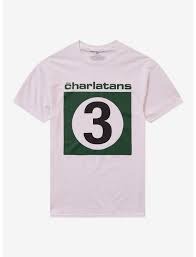
This sounds obvious but you would be amazed how many artists skip it. Your merch needs to be high quality and it needs to look great. Hire a professional to create a band logo and album cover design that people are going to be desperate to wear. Your merchandise is an extension of your brand. It should reflect the colours, concepts, and themes you explore in your music and visual artwork. Align your merch with your brand to make a powerful and accurate first impression on a new fan. Nobody is going to wear a badly designed T-shirt twice, no matter how much they love your music. And you want them to wear it, because every time they do, they are doing your marketing for you.

Print-on-Demand vs. Bulk: Know the Difference

When you are just starting out, print-on-demand is your best friend. If you’re just starting with merch, go print-on-demand to start and minimise your risk. As you grow, consider bulk for specific scenarios like tours. In 2025, the quality gap between print-on-demand and traditional printing has closed a lot — many fans won’t notice or mind that their shirt was printed on demand. Services like Printful, Printify, and similar platforms let you offer a full catalogue without spending money on inventory that might sit in your basement for three years. Once you know what sells, scale up. Bulk can make sense if you’re heading out on tour and expect to sell merch every night, or if you have an online store with consistent sales and have identified your most popular items.

Price It Right

Underpricing is a trap. It signals low quality and it undercuts your own margins. Common price points in 2025 for indie artists include $20 to $30 for T-shirts, around $35 to $50 for hoodies, $20 to $30 for hats and beanies, $5 to $20 for posters, and $1 to $5 for stickers and small items. Do the maths on every item before you set a price, and factor in platform fees, credit card processing, and shipping if you are selling online. If a shirt costs you $7 to make and you sell it for $20, that is a healthy margin. If you are constantly discounting, you are training fans to wait for the sale instead of buying now.

The Power of Limited Editions

Nothing moves merch faster than scarcity. Add one limited-edition item per tour or release cycle. Scarcity drives urgency, and fans who know an item will not be restocked are far more likely to buy on the spot. Concert-specific or tour-exclusive items give fans a unique item to remember the night by, and add a sense of exclusivity. Consider limited-edition T-shirts and posters or special-edition vinyl records that are only available at your shows. When it is gone, it is gone — and that is the whole point.

Bundle, Bundle, Bundle

Limited edition items, tour-specific designs, and bundles like shirt and CD or hoodie and vinyl create exclusivity and add value. VIP packages that include signed merch or early access to exclusive products reward superfans, while creative promotions like buy-one-get-one deals can drive sales volume and attract new buyers. These strategies turn merch into an experience rather than just a transaction. A fan who came in planning to spend $25 can easily walk out having spent $50 if you put the right bundle in front of them at the right moment.

Set Up Your Online Store

Your merch should never be restricted to the people who made it to the show. Selling merch online is crucial as it opens your store to the whole world, not just people who catch you at a gig. Popular platforms for indie artists include Shopify, which lets you create a professional-looking online store and connects seamlessly with print-on-demand services. Bandcamp is another favourite for musicians specifically, offering low fees and a community of fans who are already looking to support independent artists directly. Put the link everywhere — your bio, your email list, your social posts, between songs on stage.

The Merch Table Is a Performance

Your merch table is the first thing some fans will see and the last thing they interact with on their way out. Treat it accordingly. Try to set up near the entrance or exit, making it almost impossible for concert-goers to miss your table. Being close to the main stage so that your merch remains visible throughout the show also helps. Make it look like you — use fabric backdrops, record crates, old suitcases, or hand-painted signage to make the table feel like an extension of your world. And always, always have someone staffing it. A table with no one behind it is invisible.

Make It Social

Pose for pictures with your fans and their newly purchased merch. Encourage fans to share their own pictures wearing or using your merchandise on social media and tag your artist page. Feature fans who have purchased your merch on your social platforms — tag them, thank them, and use their enthusiasm to build credibility and entice others. Every fan photo in your T-shirt is free advertising to their entire network. That is a marketing budget you cannot buy.

Track Everything

The bands that build sustainable merch revenue over time treat their lineup like a product catalogue. They ask fans directly through polls, DMs, and post-show conversations what they actually want. They track which items sell and which sit unsold, and they use that data to make smarter decisions next time. Real fan feedback is your most underused asset. A simple spreadsheet after every show — what sold, what didn’t, what size ran out first — will make your next run of merch significantly smarter than your last.

Merch is not a side hustle. For most independent artists, it is the hustle. Done right, it pays for the next recording session, funds the next tour, and builds a community of fans who are walking advertisements for everything you do. Start simple, stay consistent, and never underestimate what a well-designed hoodie can do for your career.

Belfast’s Most Iconic Music Venues You MUST Visit

0

Belfast is hosting Fleadh Cheoil na hÉireann for the very first time this August, and if you are making the trip, you owe it to yourself to know the rooms. Not just where to find a seat, but where to find the soul. Because Belfast’s venues are not simply places where music happens. They are places where history happened — and keeps on happening. Here is your guide to the most iconic music venues in Ireland’s only UNESCO City of Music that are still very much open for business.

Ulster Hall

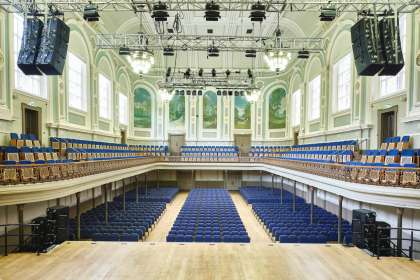
Built in 1859 and opened in 1862, Ulster Hall sits on Bedford Street right in the heart of Belfast city centre, and it has been at the centre of the city’s cultural life ever since. But here is the fact that stops every music fan in their tracks: on March 5, 1971, Led Zeppelin took the stage at Ulster Hall and unveiled “Stairway to Heaven” live for the very first time, kicking off their tour in Troubles-torn Northern Ireland. The crowd, apparently, was not that impressed — they were waiting for songs they already knew. History, as it turns out, was not paying attention to the crowd. Since the 1960s, Ulster Hall has been Northern Ireland’s spiritual home of rock music, hosting U2, Coldplay, Thin Lizzy, The Clash, The Rolling Stones, Muse, Red Hot Chili Peppers, Snow Patrol, Johnny Cash, The Who, and AC/DC. After an ÂŁ8.5 million renovation completed in 2009, it is better than ever. Do not miss it.

Waterfront Hall

The Waterfront Hall opened on January 17, 1997, with a gala concert featuring the Ulster Orchestra, flautist Sir James Galway, and pianist Barry Douglas. A beautiful beginning for a beautiful room. But the moment that cemented its place in Belfast history came the following year. In May 1998, U2 headlined a free “Yes” concert at the Waterfront Hall, envisioned as a last push to get the yes vote over the line in the historic Good Friday Agreement referendum. Three days later, 71% of Belfast voters chose peace. Music has rarely meant more than it did that night. The main circular auditorium seats 2,241 and is modelled on the Berlin Philharmonic Concert Hall, and its guest list over the years has included Neil Diamond, Blondie, Robert Plant, The Beach Boys, Björk, Bryan Adams, Van Morrison, and Snow Patrol. Right on the river, with acoustics to match its ambitions, this is one of the finest mid-size venues in Ireland.

The Limelight

The iconic Limelight has been staging rock and indie greats since opening in 1987 and has shown absolutely no signs of stopping. With two concert spaces and Katy’s Bar tucked between them, it is the kind of venue that gets into your blood. Over the years it has welcomed legendary performers such as Oasis, Arctic Monkeys, Snow Patrol, and Manic Street Preachers. The Limelight is where Belfast goes when it wants to feel something loud. During Fleadh week, this neighbourhood will be buzzing — and the Limelight will be right in the middle of it.

The Empire Music Hall

On Botanic Avenue, tucked inside a building with a past life as a Victorian church, the Empire Music Hall has evolved over the years into a vibrant hub for live music, comedy, and cultural events. It would soon gain a reputation as one of the country’s premier live music bars, thanks mostly to the spectacular Music Hall, arguably one of the country’s finest small and medium-size venues. Three floors of bars, blues, rock, jazz, and traditional Irish acts, plus comedy — this is the Empire’s bread and butter, and it does all of it brilliantly. During Fleadh week, the traditional Irish nights here will be something very special indeed.

The Black Box

The Black Box reigns supreme as Belfast’s leading performance and arts venue in the Cathedral Quarter, with a revolving schedule of live music, theatre, literature, comedy, film, visual art, circus, and cabaret. The building was originally constructed in 1850 and became an arts venue in 2006. It is intimate, it is adventurous, and it is exactly the kind of room where something brilliant and unexpected tends to happen on a Tuesday night. The Green Room offers an even cosier experience for those nights when you want the music close and the crowd small. For Fleadh Cheoil, this is a room to watch.

The Oh Yeah Music Centre

Oh Yeah is a former bonded whiskey warehouse in the heart of the Cathedral Quarter, founded primarily to support young talented musicians and bands from Northern Ireland. It was opened by accomplished journalist Stuart Baillie and Snow Patrol’s Gary Lightbody in 2007. As Lightbody put it at the time, what Belfast needed was a place to focus its musical energy, and Oh Yeah has been doing exactly that ever since. Home to the NI Music Exhibition, rehearsal rooms, a performance space, and more than a few rising stars, this is the beating heart of Belfast’s contemporary music scene. If you want to understand where Belfast music is going, this is where you start.

Kelly’s Cellars

No list of Belfast music venues is complete without Kelly’s Cellars, one of the oldest pubs in the city and a cornerstone of the traditional music scene for centuries. Where the other venues on this list host the stars, Kelly’s hosts the sessions, the kind of rolling, joyful, unscripted traditional Irish music evenings that remind you why the Fleadh is coming to Belfast in the first place. During Fleadh week, August 2 to 9, the whole Cathedral Quarter area around Kelly’s Cellars will transform into something extraordinary. Get there early and stay late.

Fleadh Cheoil na hÉireann takes place in Belfast, August 2–9, 2026. For more information visit fleadhcheoil.ie, visitbelfast.com, and discovernorthernireland.com.

Claude Lemieux, Four-Time Stanley Cup Champion, Dies at 60

0

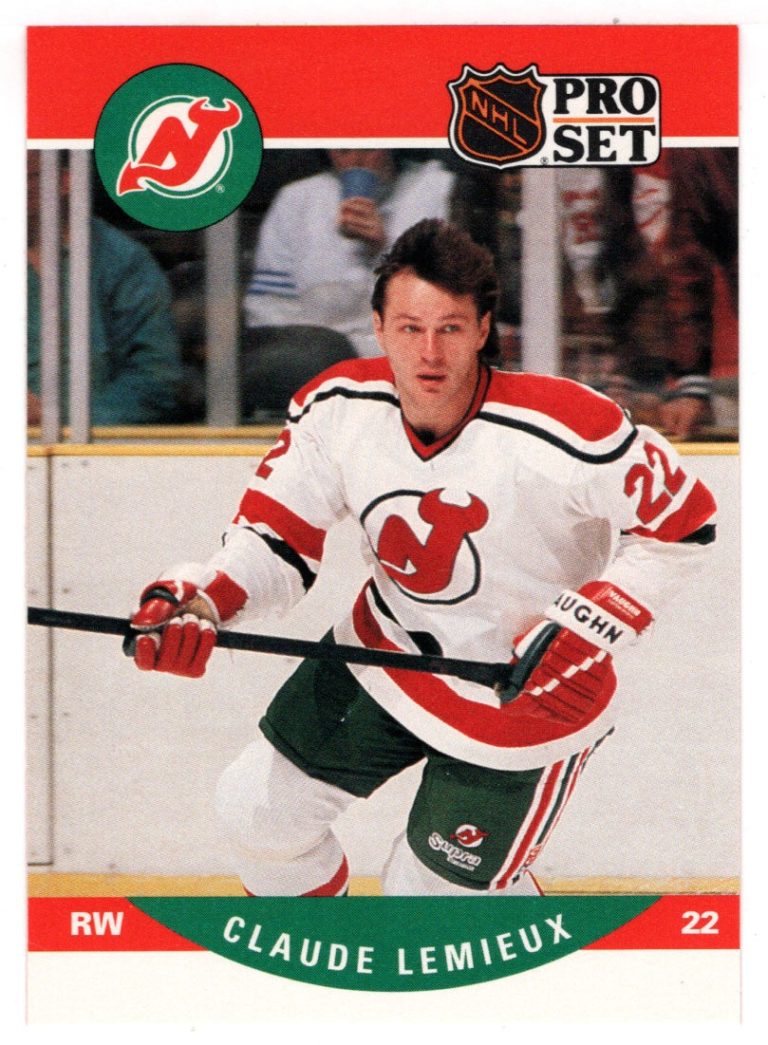
Claude Lemieux, one of the most decorated and fiercely competitive players in NHL history, has died at the age of 60. The four-time Stanley Cup champion passed away on May 28, 2026, in Lake Park, Florida.

Few players in the history of professional hockey left a mark quite like Lemieux. Born in Buckingham, Quebec on July 16, 1965, he was drafted by the Montreal Canadiens in the second round of the 1983 NHL Entry Draft and went on to play 21 seasons across six NHL franchises, accumulating 379 goals and 786 career points. He played in 1,215 regular season games and 234 playoff games, the fourth most in NHL history.

It was in the playoffs where Lemieux truly became legend. His 80 career playoff goals rank ninth all-time, and on three separate occasions he scored more goals in the postseason than he had during the regular season. He was the kind of player who got bigger when the stakes got highest, and the hardware reflected it: Stanley Cup championships in 1986 with Montreal, 1995 and 2000 with New Jersey, and 1996 with Colorado. He remains one of only eleven players in NHL history to win the Cup with at least three different teams, and one of the most celebrated playoff performers the sport has ever seen.

In 1995, he won the Conn Smythe Trophy as playoff MVP after leading New Jersey past Detroit in the Stanley Cup Final, posting 13 goals in the postseason. It was the peak of a career defined by intensity, fearlessness, and an almost supernatural ability to elevate his game when everything was on the line.

He was also, it must be said, one of the most controversial players of his era. He was feared, despised, and respected in roughly equal measure, often by the same people. The 1996 hit on Detroit’s Kris Draper during the Western Conference Finals sparked one of the fiercest rivalries in modern hockey history, a flames-and-hatred battle between the Avalanche and Red Wings that defined much of the late 1990s. Bleacher Report named him one of the most hated players of all time as recently as 2018. He wore it like a badge.

After retiring from the NHL, Lemieux remained deeply connected to the game. He became president of the ECHL’s Phoenix RoadRunners, made a remarkable comeback attempt with the San Jose Sharks at age 43, and later built a career as a sports agent, representing clients including Timo Meier, Moritz Seider, Rickard Rakell, and Hampus Lindholm.

His final public appearance came on May 25, 2026, when he served as a torch-bearer for the Montreal Canadiens during Game 3 of the Eastern Conference Finals, a fitting last image for a man whose entire career was defined by fire.

He is survived by his four children, including his son Brendan, himself a former NHL player. Claude and Brendan Lemieux remain the only father-son duo in NHL history both disciplined by the league for biting.

The hockey world has lost one of its most complicated, gifted, and unforgettable figures. Whatever you thought of the way he played — and opinions were never mild — nobody who watched Claude Lemieux in a playoff series ever forgot what they saw.

59 of the Funniest Things Noel Gallagher Has Ever Said

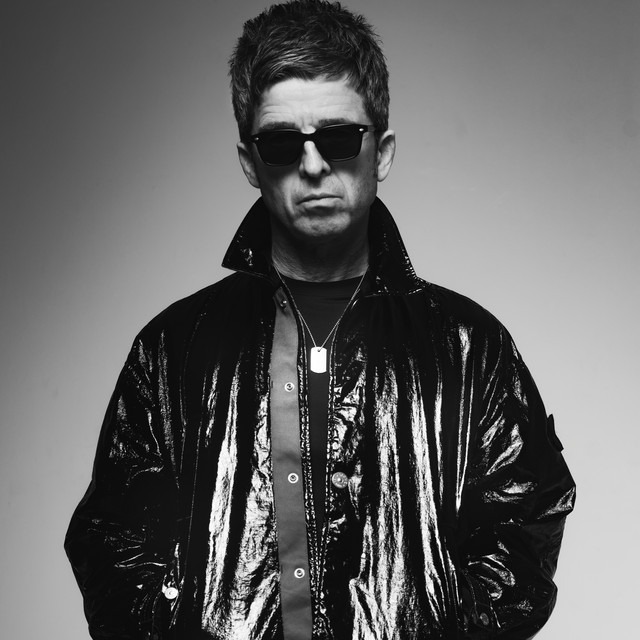
Noel Gallagher turns 59 today, and while the songs will always be the main event, a very close second is the man’s mouth. Nobody in rock and roll gives an interview quite like Noel. He is quotable in the way a force of nature is quotable — you never quite know what’s coming, but you know it’s going to be memorable. Here are 59 of his finest moments.

On his brother Liam: “He’s rude, arrogant, intimidating and lazy. He’s the angriest man you’ll ever meet. He’s like a man with a fork in a world of soup.”

On Liam again: “I read these interviews with him and I don’t know who the guy is who’s in these interviews, he seems really cool. Because the guy I’ve been in a band with for the last 18 years is a f***ing knobhead.”

On Liam trying to be John Lennon: “He was talking in a Scouse accent for three days. He told me I should refer to him as John and I was like, ‘I just prefer c***, man.'”

On sitting next to Liam on a long flight: “Being sat beside Liam on a 15-hour flight. It happened just the once, going to Japan or somewhere. It’s just horrible.”

On interviews: “Interviews are an occupational hazard. You’re sat in a room with some guy from Stockholm who you’ve never met and he’s asking you about your mum. It’s preposterous. Because the honest answer to that is: ‘What’s it got to do with you?’ But the smart answer is always: ‘I liked her until she gave birth to Liam.'”

On his recipe for success: “All I ever wanted to do was make a record. Here’s what you do: you pick up your guitar, you rip a few people’s tunes off, you swap them round a bit, get your brother in the band, punch his head in every now and again, and it sells. I’m a lucky b******.”

On Phil Collins: “Just because you sell lots of records it doesn’t mean to say you’re any good. Look at Phil Collins.”

On Phil Collins again: “People hate fing cs like Phil Collins, and if they don’t, they f***ing should.”

On why he voted Labour: “Phil Collins is threatening to come back and live here if the Conservatives win, and let’s face it, none of us want that.”

On Jack White: “Jack White has just done a song for Coca-Cola. End of. He ceases to be in the club. And he looks like Zorro on doughnuts.”

On the drawbacks of fame: “I bought a really nice jacket in Japan, and in this massive swirl of people, someone with a pen scribbled on my jacket. It’s ruined. So that’s the downside of fame. But otherwise it’s great.”

On wasting money: “I had built for me a customised 1967 Mark II Jaguar convertible at a cost of ÂŁ110,000, and I haven’t got a driving licence. It’s useless to me.”

On Liam getting a Rolex while he got a Rolls-Royce: “Which is brilliant, cos I can’t drive and Liam can’t tell the time.”

On meeting Paul McCartney: “I went to Paul McCartney’s daughter Stella’s party and who should open the door but the man himself. There were all these questions I wanted to ask him but I settled on, ‘Do you watch Brookside?'”

On being a roadie for the Inspiral Carpets: “I look back on those days as some of the best of my life. No photographs, no interviews. Just get up in the morning, make sure the gear works, do the gig and then party.”

On meeting Tony Blair: “I don’t have a crystal ball. I didn’t see he was going to turn into a ****. I was 30, off me head, and everyone telling me we were the greatest band since who knows. Then the prime minister invites you round for a glass of wine. It all becomes part of the high.”

On ambition: “Phil Collins has got to be chased out of the charts. It’s the only way to do it, man, to get in there among them and stamp the f***ers out.”

On wearing sunglasses indoors: “Well it’s in the manual isn’t it. It actually says in the rock star book ‘Thou shalt wear shades at all times, preferably indoors.'”

On social media: “I’m not a tweeter. Stuff like, ‘Oh I’m going for a shower,’ great. ‘I slept in again, bugger.’ Life’s too short for that kind of thing.”

On space travel: “If I ever get to go to the moon, I’ll probably just stand on the moon and go ‘hmmm, yeah
 fair enough
 gotta go home now.'”

On his peak fame: “Look. I was a superhero in the ’90s. I said so at the time. McCartney, Weller, Townshend, Richards — my first album is better than all their first albums. Even they’d admit that.”

On Oasis in 1997: “We’re not arrogant. We just believe we’re the best band in the world.”

On losing his privacy: “This guy came up to me and said, ‘Man, I’d hate to be you right now, no privacy at all.’ I was thinking, I have a Rolls Royce, a million dollars in the bank, a mansion and my own jet. What are you? I’d hate to be you, broke as hell living on the dole.”

On NME journalists: “If you see an NME journalist at any of the gigs — and let’s face it, they’re pretty easy to spot, they don’t stray far from hospitality, wear God-awful clothes, got dreadful hair and that kind of ‘mug me’ look about them — give ’em a clip round the earhole from me.”

On his own lyrics: “When I’m halfway through ‘Don’t Look Back in Anger’ I say to myself, ‘I still don’t know what these words mean.'”

On ‘Champagne Supernova’: “Slowly walking down the hall faster than a cannonball — what does that mean? I don’t know what it means. I don’t care what it means. It must mean something, though, because I play it to a sea of people every night and they seem to understand it.”

On ‘Be Here Now’ and cocaine: “I still tell people that the ‘Be Here Now’ album is the best advertisement against taking cocaine.”

On the death of guitar music: “They’ve been saying it for 30 years, ever since The Beatles split up, that rock and roll’s dead. When there’s a boom there’s always a bit of a lull afterwards. I suppose avant-garde punk rock will come back for a while, and it will all be sh** again, and then guitar music will come back.”

On touring America: “Got thrown out of a taxi this morning. At least I think I did. Hard to tell over here. There was shouting and pointing and then the international hand signal for ‘Get the f*** out of my cab, you western dog.'”

On the press: “Well, they’re just waiting for us to make some monumental f***-up, and they hope to be around when it happens. We’ve got to get one step ahead of those fellows.”

On ageing: “I don’t stay up for two or three days on end, talking sh** about aliens, but I’m becoming more of a belligerent old man. When you get to a certain age you find that other people’s opinions don’t really matter anymore.”

On fame and whinging: “Nothing bothers me more than when groups like Pearl Jam and Nirvana whine and moan and complain about life and being famous. Let me tell you, being famous is great! If you hate your job so much, why don’t you go work at a car wash or McDonald’s?”

On drug legalisation: “I really think that the legalisation of drugs over 25 years probably would be a great thing because it would take the romance and the rebel element out of it for kids. But that 25-year period would be utter chaos and disaster and scandal after drug-addled scandal.”

On his guitar ability: “I’m unfortunate enough that two of my best mates are Johnny Marr and Paul Weller. Those two are virtuosos. So if you’re asking me how I compare to those two — I’m average at f***ing best.”

On songwriting: “I’m not saying, ‘I’m the greatest songwriter in the world. Listen to me.’ Usually, I’m saying, ‘These are the greatest songwriters in the world. And I’m gonna put them all in this song.'”

On stealing riffs: “If I’m writing a song and I say to myself, ‘Oh hey, it sounds like the Kinks,’ then I’m going to turn it into a Kinks track.” And on accusations of plagiarism: “No, I don’t feel guilty. But you feel pissed off because you didn’t do it first.”

On the meaning of life: “Some people worry about the destination. They worry about where they’re going. I enjoy the trip. Wherever you’re going is where you’ll end up. Don’t worry about that. Enjoy the scenery on the way.”

On slamming other pop stars: “People think I’m controversial for the answers I give to silly questions in interviews. But if somebody asks me what I think about Robbie Williams or Madonna, I’m not thinking about insulting those people. I say what I genuinely feel is in my heart. My conscience is clean. I’m true to myself — f*** everybody else.”

On his funeral: “I’m not really bothered, because I won’t be there. I don’t give a s***.”

On what would have happened if he hadn’t made it: “Doing a nine to five, hating yourself forever.”

On Kylie Minogue: “Kylie Minogue is just a demonic little idiot as far as I’m concerned.”

On regrets: “One of the worst things that ever happened to me was when I said that thing about Blur. My mam rang me up when she saw it and she was really angry and she said, ‘I didn’t bring you up to talk like that.'”

On the Oasis-Blur rivalry: “The whole thing was conceived by NME and members of Blur’s entourage as a ploy to raise their respective profiles, and I’ve had no respect for either party ever since.”

On culture and coffee shops: “Since the rise of the coffee shop, culture has disappeared, don’t you think?”

On being unable to tour with Liam: “I can’t envisage the morning I wake up and think I’d like to spend two years on the road, arguing all around the world with Liam.”

On Twitter: “More people retweet than buy records. It’s a sad state.”

On his best mate’s guitar playing: “I can barely play like Peter Green, let alone Jeff Beck.”

On his role in Oasis: “I get a lot of stick for it, but I’m the best drummer in the group.”

On leaving Oasis: “It’s with some sadness and great relief to tell you that I quit Oasis tonight.”

On Bonehead leaving Oasis: “It’s hardly Paul McCartney leaving the Beatles, is it?”

On being James Blunt’s neighbour in Ibiza: He sold his Ibiza home reportedly because he could not “stand living there in the knowledge that Blunt is nearby making terrible music.”

On wealth: “In 2001 I was worth an estimated ÂŁ25 million. In 2009, The Sunday Times estimated mine and Liam’s combined fortune at ÂŁ52 million. So either I made a lot of money in eight years or Liam made absolutely none.”

On getting older: “It’s not fun being on a bus for six weeks in America. It’s fine when you’re young, but I’m almost 50.”

On his own songs: “If you’d written ‘Live Forever’, you’d be walking to a different tune the next day too.”

On Manchester: “You want to sell 5,000 limited-edition red vinyl seven-inches, that’s fine. Make music for a closet full of people in Bradford somewhere. But it doesn’t mean anything to anyone.”

On politics: “David Cameron — bell-end. Ed Miliband — communist. The rest of them don’t really count.”

On the Oasis reunion: Asked if there would be a reunion in 2012: “It would be mega for the millions and for everybody else it would be brilliant, but I wouldn’t be very happy about it.”

He came around. Happy 59th, Noel. Never change.

59 Facts About Noel Gallagher for His 59th Birthday

Happy birthday to the Chief. Noel Gallagher turns 59 today, and if there is one thing the man has never been short of, it’s material. Here are 59 facts about one of the greatest songwriters Britain has ever produced.

  1. Noel Thomas David Gallagher was born on May 29, 1967 in the Longsight area of Manchester, to Irish Catholic parents.
  2. He considers himself Irish, once telling the Irish Independent, “We’re really snotty Irish upstarts.”
  3. He has described himself as “the weirdo in the family” — Liam’s words, actually, but Noel has embraced them.
  4. Both he and his brother Paul were beaten regularly by their alcoholic father. In the documentary ‘Supersonic’, Noel quipped that his dad “beat the talent into him.”
  5. Both he and Paul developed stammers as a result of the abuse, which took four years of weekly speech therapy to resolve.
  6. He was expelled from school at 15 for allegedly throwing a flour bomb at a teacher. He has always maintained he didn’t do it.
  7. He received six months’ probation at 14 for robbing a corner shop.
  8. It was during that probation period, with little else to do, that his mother gave him a guitar. He taught himself to play.
  9. The moment that changed everything: watching the Smiths perform “This Charming Man” on Top of the Pops in 1983. He decided that day he wanted to be Johnny Marr.
  10. He also appeared and scored for Manchester Gaelic football team CLG OisĂ­n at Croke Park in Dublin in 1983. Multi-talented.
  11. He worked in construction as a teenager alongside his father, and the arguments were so bad they were still working at nine o’clock every night.
  12. He wrote at least three songs from ‘Definitely Maybe’ — including “Live Forever” — while working in a gas company storehouse. He called it “The Hit Hut” and claimed the walls were painted gold.
  13. He wrote “Live Forever” as a direct rebuttal to the pessimism of grunge. “I was trying to write something that was the opposite of all that,” he said.
  14. He became a roadie and technician for Inspiral Carpets at 21 after failing an audition to be their singer.
  15. He struck up a friendship with monitor engineer Mark Coyle on the Inspiral Carpets crew and spent soundchecks dissecting Beatles songs.
  16. When he heard his younger brother Liam had joined a band called the Rain, he went to see them and was unimpressed. He agreed to join on one condition: total creative control and sole songwriting duties.
  17. According to legend, his pitch to the band was: “Let me write your songs and I’ll take you to superstardom, or else you’ll rot here in Manchester.”
  18. In May 1993, Oasis crashed a gig at King Tut’s in Glasgow — they weren’t on the bill — and ended up impressing Creation Records founder Alan McGee enough to get signed.
  19. McGee took their demo to Sony America and Oasis were offered a six-album deal. Noel has said he only had six songs written at the time and got through the meeting by “bullshitting.”
  20. He wrote Oasis’ first single “Supersonic” in the time it takes to play the song.
  21. ‘Definitely Maybe’ became the fastest-selling debut album in British history at the time, entering the charts at number one.
  22. He briefly quit Oasis in 1994 during their first American tour and flew to San Francisco without telling anyone in the band or management.
  23. He wrote “Talk Tonight” as a thank-you to the girl in San Francisco who, in his own words, “talked him from off the ledge.”
  24. He was tracked down by Creation’s Tim Abbot, and a trip to Las Vegas together convinced him to return to the band. Of course it was Las Vegas.
  25. He originally wanted to sing “Wonderwall” himself but Liam insisted. As compensation, Noel took lead vocals on “Don’t Look Back in Anger.”
  26. In 1995, he played guitar alongside Johnny Depp, Kate Moss, Paul McCartney, and Paul Weller on a charity supergroup called Smokin’ Mojo Filters.
  27. Beatles producer George Martin called him “the finest songwriter of his generation.”
  28. In August 1996, Oasis played two nights at Knebworth to over 250,000 fans.
  29. ‘Be Here Now’ sold 813,000 copies in its first seven days, making it the fastest-selling album in UK history at the time. Noel’s response: “Just because you sell lots of records, it doesn’t mean to say you’re any good. Look at Phil Collins.”
  30. He stopped using drugs on June 5, 1998, after about a year of drug-induced panic attacks and depression. Of the period from 1993 to 1998, he has said: “I can hardly remember a thing.”
  31. He once ended up in a hospital in Detroit for an overdose, and the doctors couldn’t understand what was wrong with him because of his accent.
  32. He named his house in Belsize Park “Supernova Heights” after “Champagne Supernova” and named his two cats “Benson” and “Hedges” after his favourite cigarettes.
  33. He bought several cars and a swimming pool during the peak of Oasis fame despite the fact he can neither drive nor swim.
  34. He was banned from visiting China in 1997 after performing at the Tibetan Freedom Concert. The ban appears to be permanent.
  35. In 1997, he attended a party at 10 Downing Street hosted by Tony Blair, and has never entirely lived it down.
  36. When Bonehead quit Oasis in 1999, Noel responded: “It’s hardly Paul McCartney leaving the Beatles, is it?”
  37. The feud with Blur and Damon Albarn dominated the mid-90s. Noel has since said he believes the whole thing was manufactured by NME, and the two are now genuine friends.
  38. Jay-Z opened his 2008 Glastonbury headline set — which Noel had publicly questioned — with a cover of “Wonderwall.” Noel’s position on hip-hop at Glastonbury has softened considerably since.
  39. His feud with Phil Collins is one of the great one-sided rivalries in British music. He once said he voted Labour partly because “Phil Collins is threatening to come back and live here.”
  40. Collins responded by appearing on Room 101 and nominating the Gallagher brothers to be banished, calling them “rude and not as talented as they think they are.” Phil Collins, fighting back.
  41. When Ewan McGregor found out he had been cast as Obi-Wan Kenobi, his next-door neighbour Noel challenged him to a lightsaber fight in the garden the following morning after a party.
  42. A Gibson Les Paul given to Noel by Johnny Marr was used to write “Cigarettes & Alcohol” and “Slide Away.” Before Marr owned it, it belonged to Pete Townshend.
  43. Johnny Depp gave him a 1960s Fender Telecaster as a birthday present.
  44. His main stage guitar since 2001 has been a Gibson ES-355 Vintage Model.
  45. He is naturally left-handed but plays guitar right-handed. It’s the only thing he does with his non-dominant hand.
  46. Paul Weller described his guitar playing as “rudimentary” but added that his chord sequences and rhythm playing are distinctive and recognisable. Noel has agreed with the assessment.
  47. He has said he doesn’t always understand his own lyrics. About “Champagne Supernova”: “Slowly walking down the hall faster than a cannonball — what does that mean? I don’t know. I don’t care.”
  48. He is dyslexic, which slows down his songwriting, and he cannot read or write music notation.
  49. On 28 August 2009, he quit Oasis after a fight with Liam backstage in Paris, posting a statement at midnight: “It’s with some sadness and great relief to tell you that I quit Oasis tonight.”
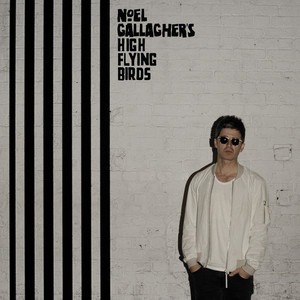
  50. He went on to form Noel Gallagher’s High Flying Birds, built a home studio in Hampshire, and has released four solo number one albums.
  51. He became the first artist in UK chart history to reach number one with ten consecutive studio albums.
  52. He has twelve UK number one albums in total — eight with Oasis and four with the High Flying Birds.
  53. He co-wrote “Birth of an Accidental Hipster” with Paul Weller for the Monkees in 2016.
  54. He co-wrote three tracks with the Black Keys for their 2024 album ‘Ohio Players’, also playing guitar and adding backing vocals.
  55. In 2025, he reunited with Liam for the Oasis comeback tour, confirming there is no animosity between them anymore.
  56. He has been inducted into the Rock and Roll Hall of Fame as part of the Class of 2026.
  57. He is a lifelong Manchester City supporter who “cried like a baby” when they won the 2011-12 Premier League title.
  58. He has said he considers himself equally British and Irish, supports the Irish national football team, and in one memorable quote said he does not consider himself “to be English at all.”
  59. He has nine UK number one singles, twelve UK number one albums, seven Brit Awards, two Ivor Novello Awards, and one of the most quotable mouths in rock and roll history. Not bad for a kid from Burnage who taught himself guitar on probation.

Happy birthday, Noel. Here’s to the next 59.

Lewis Capaldi Honours Caregivers With Moving “Stay Love” Video And Free Concert

0

Lewis Capaldi is shining a light on the people who give everything quietly. The pop superstar has shared the official music video for “Stay Love,” a special addition to the recent deluxe edition of his ‘Survive’ EP. The deeply touching visual follows a day in the life of a young man providing around-the-clock care for his aging father.

The video lands with news of a one-of-a-kind event. On July 28th, Capaldi will throw a free concert for primary caregivers and a guest each at London’s O2 Forum Kentish Town. The show partners with UK charity Carers Trust, which works to transform the lives of unpaid carers, and disability awareness charity ABLE2UK, which creates exclusive experiences for disabled people.

In a first of its kind, the venue will be made fully accessible to meet the needs of the night’s guests and give them priority. UK census data points to roughly 5.8 million informal carers across the country who support relatives, friends or neighbours facing illness, disability or age-related decline. They do the work for love, not for pay.

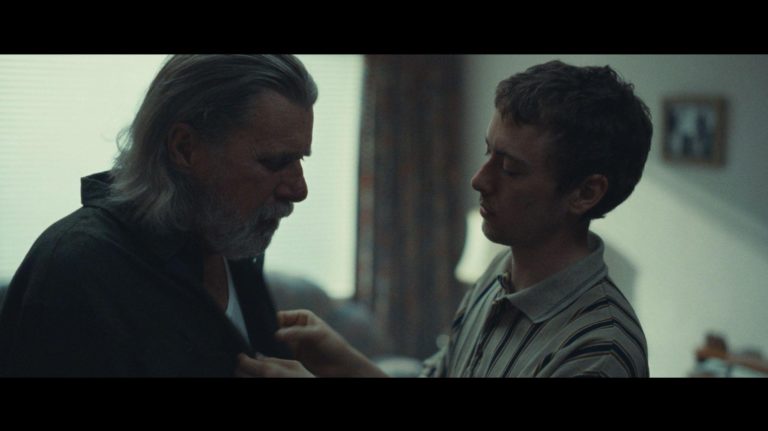
Directed by Sam Nutt and Jack Lightfoot, the “Stay Love” video gives fresh meaning to Capaldi’s piano-led plea for companionship. It opens in a quiet suburban home as the young man steadies himself for the day, then wakes his father, helps him dress and reads him the news. Between laundry, groceries and bills, he glimpses the life he’s put on hold, and when his father returns, the two share moments of warmth before it all begins again.

Produced by The Monsters & Strangerz and Michael Pollack, “Stay Love” catches Capaldi at his most vulnerable, pairing his rich voice with a stripped arrangement that lets every lyric breathe. The track leans into the quiet intensity that’s become a hallmark of his work, and it stands among the most affecting songs he’s ever recorded.

The song deepens the emotional arc Capaldi traces across ‘Survive.’ The original November release gathered four fan favourites, the autobiographical “Survive,” the soul-searching “Something In The Heavens,” post-breakup standout “Almost,” and the devastating “The Day That I Die.” Upon release, Billboard declared Capaldi very much back, surviving and thriving.

He’s been doing plenty of both on the road. Capaldi recently wrapped his most ambitious North American headline tour yet, with stops at the Hollywood Bowl, back-to-back nights at Colorado’s Red Rocks Amphitheatre and his Madison Square Garden debut. Ahead of that MSG show, he gave a free pop-up performance from a flower shop inside Penn Station, debuting “Stay Love” to a crowd that swelled past 5,000.

The ‘Survive’ EP has already reshaped his career. Its comeback title track became his sixth UK number 1 single, placing him alongside BeyoncĂ©, Britney Spears, Drake, Lady Gaga and Queen, and ahead of David Bowie, Katy Perry and The Police. He also performed “Survive” on BBC Radio 1’s Live Lounge and on The Graham Norton Show alongside Taylor Swift, plus US turns on The Tonight Show Starring Jimmy Fallon and Good Morning America.

Next month, Capaldi takes on his biggest ever UK and Irish headline run, with more shows added due to phenomenal demand. The 12 outdoor dates include two nights at London’s 65,000-capacity BST Hyde Park on July 11th and 12th, with the singer fast approaching one million tickets sold globally this year alone.

UK & Irish Outdoor Summer Dates:

Fri June 19th – Isle Of Wight Festival, Seaclose Park, Newport

Sun June 21st – TRNSMT, Glasgow Green

Tue June 23rd – Dublin, Marlay Park

Wed June 24th – Dublin, Marlay Park (SOLD OUT)

Fri June 26th – Limerick, Thomond Park (SOLD OUT)

Sat June 27th – Exeter, TK Maxx Presents Live at Powderham (SOLD OUT)

Sun June 28th – Exeter, TK Maxx Presents Live at Powderham (SOLD OUT)

Tue June 30th – Cardiff, Blackweir Fields (SOLD OUT)

Wed July 1st – Cardiff, Blackweir Fields

Sat July 4th – Leeds, American Express presents Roundhay Festival

Wed July 8th – Newcastle, Exhibition Park, In The Park presents
 (SOLD OUT)

Sat July 11th – London, American Express presents BST Hyde Park (SOLD OUT)

Sun July 12th – London, American Express presents BST Hyde Park

Sun July 26th – Latitude Festival, Henham Park, Suffolk

Sat August 15th – Liverpool, Sefton Park, In The Park Liverpool presents


Thu August 20th – Belfast, Belfast Vital (SOLD OUT)

Sat August 22nd – Manchester, Wythenshawe Park (SOLD OUT)