

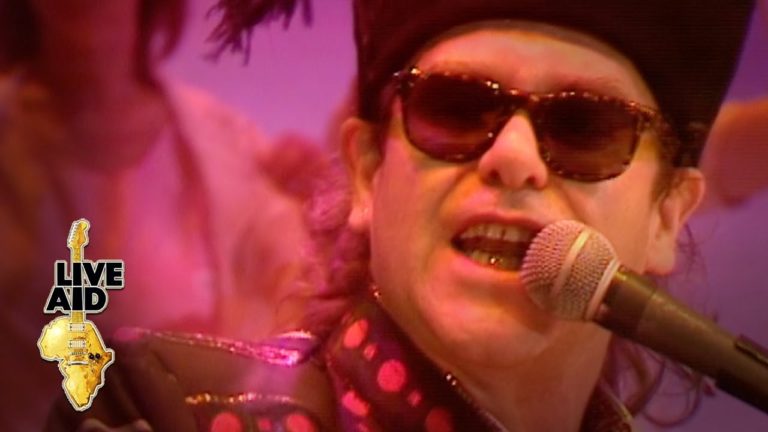
While performing ‘I’m Still Standing’ at Live Aid on July 13, 1985, Elton John’s evident microphone feedback didn’t deter the 72,000-strong crowd at Wembley Stadium, who continued to sing along enthusiastically.
CMRRA Distributes Over $70 Million In Royalties To Music Publishers And Self-Published Songwriters
The Canadian Musical Reproduction Rights Agency (CMRRA), innovators in licensing and royalty collection for over 48 years, announced today their 2022 year-end fiscal results including distributing more than $70 million dollars to music publishers and self-published songwriters that the organization represents.
Overall distribution increased by 14% from 2021, primarily driven by a substantial growth in online streaming and audiovisual distributions, with an increase of over 15% for online distributions and a 16% rise in audiovisual distributions compared to 2021. Distribution for International collections for 2022 saw a remarkable surge of over 570% compared to the previous year.
Highlights from CMRRA’s 2022 distribution include:
- Total distributions: $70 million (14% increase in total distributions over 2021)
- Over 93% of distributions from digital music services
- 75% of distributions from online services (streaming and downloads)
- A 15% increase in online distributions over 2021
- A 129% increase in online historical/back-claims over 2021
- 18% of distributions from audiovisual services
- A 16% increase over 2021
- 570% increase in international collections over 2021
“We’re thrilled to have processed and distributed over $70 million dollars of mechanical royalties to our music publisher and self-published songwriter clients last year,” said Paul Shaver, President of CMRRA. “This outcome is a direct result of higher music consumption and improved rates in the marketplace as CMRRA, with the guidance of the Canadian Publishers Committee (CPC), continues to negotiate and push for fair compensation for the music publishing and songwriter communities. CMRRA is continuously innovating and making enhancements to better serve our clients. Our clients are at the heart of everything we do, and their trust in CMRRA is truly humbling. Their invaluable support serves as the driving force behind CMRRA’s ability to execute its core functions and deliver exceptional results. The accomplishments and progress we’ve made is a direct result of the expertise and passion exhibited by the team who go above and beyond to ensure that the needs of partners and the music community are met with professionalism and care.”
CMRRA is focused on delivering continuous improvements for their clients, and just one of many initiatives tied to this goal is the introduction of an enhanced Electronic Song Registration Form. This alternative to CWR has been designed to improve customer service levels for clients and deliver quicker processing of song information. With the introduction of this enhanced format, clients will benefit from the following features:
- Numerous system enhancements to matching algorithms and related repertoire processing to improve the automated ingestion of song registrations
- Increased client service and transparency of data, as registered works will be processed more quickly, and more of the catalogue will be visible to clients via CMRRA Direct
- Extended set of fields to enable a broader range of data, including optional fields for performing right shares and US territory claims
Cleer Audio Announces Arc II Sport, Smart Open-Ear True Wireless Earbuds For Active Lifestyles

Cleer Audio, an industry-leading headphone and smart speaker manufacturer, is pleased to announce its new Arc II Sport Smart Open-Ear True Wireless Earbuds with a flexible earhook hinge design.
Arc II Sport open-ear earbuds fit passively, without blocking out the sounds around you. They feature a unique earhook and hinge design with an improved shape and added flexibility to improve its fit and comfort.
With today’s fast-paced society, it is beneficial to hear your surroundings. This is particularly true when it comes to activities such as running, cycling, long walks, or an intense gym session. The team at Cleer realized the benefits of hearing your surroundings during these activities, as it not only keeps you connected to the world around you, but also is safer.
Cleer focuses its attention on active lifestyles with its new open-ear Arc II Sport wireless earbuds: opening us to the world and bringing high-quality audio to enjoy while on the move.
Arc II Sport features include:
- Open-ear design with flexible hinge for an all-day comfortable listening experience
- Lossless audio for truly unrivalled immersive listening with aptX™ Lossless technology, Snapdragon Sound™ certification and LE Audio compatibility
- Bluetooth Multipoint connectivity. Seamlessly switch the audio input from two simultaneously connected devices
- Powerful sound with its 16.2mm neodymium drivers with aptX™ Adaptive
- 6-Axis motion sensor for immersive hands free, head gesture controls
- Crystal-Clear voice calls with aptX™ Voice technology and wind noise reduction design
- Charging case with built-in UV-C light to reduce bacteria during the powered charging cycle
- Intensity-Proof, IPX5 Water-Resistant and Sweatproof
- 35 hours of total battery life (8 hours, plus 27 hours with the smart charging case)
- Anti-loss Detection. If you drop an earbud, it will beep to make it easier to locate
- Cleer+ app for customizable sound performance, battery monitor and a step counter
Improved bold and powerful sound with Bluetooth 5.3, aptX™ Adaptive, Snapdragon Sound™ and LE Audio compatibility, and native voice assistant control. Enjoy your music with dynamic and rich audio quality without sacrificing volume and bass thanks to the 16.2mm graphene neodymium drivers that beam audio towards your ear canal. Multipoint connectivity is becoming increasingly desired, and now with this technology, the Arc II Sport allows you to seamlessly switch the audio input from two simultaneously connected devices.
Cleer has also made updates to the fit and functionality from the previous version of Arc. The new Sport has an even more secure fit, with its flexible earhook design tailored for listening on the move. The addition of Cleer’s head motion control technology brings in a new way of taking calls, with an easy way of answering without getting in the way of your activities. The touch sensitive controls on the Sport allow for smooth operation and can be customized using the Cleer+ app.
The Cleer Arc II Sport is leading the way in true wireless technology in open style, with features previously unavailable. Users can enjoy 8 hours of playtime from a single charge, and then use the supplied charging case for an additional 27 hours (35 hours total).
Another change to the case is the addition of UV-C light that sanitizes the earbuds while not in use. Here, Cleer not only listened to user feedback, but also always strives to innovate to deliver the best products and user experience possible.
The Arc II Sport also benefits from its IPX5 waterproof rating, which is a major step up from the more common IPX4 and provides protection against low pressure water contact and a significantly lower risk of damage caused by water exposure.
Another useful feature is its Anti-loss Detection. If you drop an earbud, it will beep to make it easier to locate.
The Cleer+ app adds customizable performance by adjusting the EQ and customizing music playback, as well as easily downloading future firmware updates. New to the app is a battery monitor (Left/Right/Case) and a handy step counter.
Patrick Huang, President, and CEO of Cleer, says: “The new Arc II Sport is an exceptional addition to the Cleer line up. Its improved earhook design, immersive sound performance, and hands-free controls are spot on for today’s active consumer.”
Arc II Sport Color options: Available in Black and Red finishes.
MSRP: $189.99 U.S.
Joy Division’s Poignant First – And Last – Nationwide TV Performance: ‘She’s Lost Control’ Marks a Singular Moment in 1979
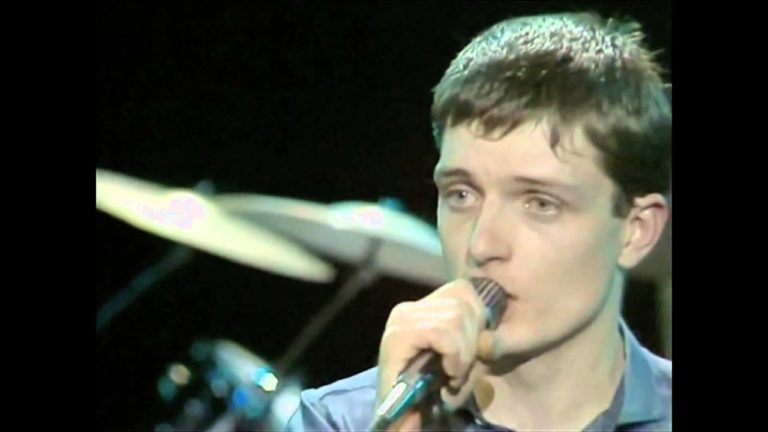
Joy Division’s sole nationwide TV appearance occurred during their performance on BBC 2’s “Something Else” show. Tragically, singer Ian Curtis passed away in 1980, marking a poignant moment in the band’s history.
The Tragically Hip Announce Deluxe Boxset To Commemorate 25th Anniversary Of ‘Phantom Power’ Out November 3

Following the celebration of a Diamond Certification for their best-selling, greatest hits compilation, Yer Favourites, today The Tragically Hip announce an extensive deluxe boxset to commemorate the 25th Anniversary of their revered album, Phantom Power, due out November 3. 2023 and available now for pre-order here.
Phantom Power, The Tragically Hip’s sixth album, was originally released on July 14th, 1998, featuring three of the band’s biggest career hits including “Bobcaygeon” which is recognized as one of the band’s most enduring signature songs and won the Juno Award for Single of The Year in 2000 and “Poets” which spent 12 weeks at #1 on Canadian alternative radio plus “Fireworks” which is one of the band’s great hockey connected tracks used in many synchs over the years. You can list to “Bumblebee” now here.
The Phantom Power 25th Anniversary boxset is bound to be the centerpiece of any collection featuring two double LP sets on 180g vinyl, with five never before heard tracks from the original recording sessions as well as a 2LP live show recorded from The Metropol in Pittsburgh, PA on October 2, 1998, plus an additional seven alternative versions curated by the band. The boxset comes complete with a 24-page original Bobcaygeon illustrated video storyboard with behind-the-scenes photos, a 12 X 12, 64-page coffee table book documenting the history of Phantom Power by producer Steve Berlin that includes rare photos, concert posters and track by track descriptions from the band. For a full recap of this special release, watch the unboxing video HERE. The package will also be available as a three-disc CD format.
The Phantom Power 25th Anniversary release follows a series of special deluxe packages – Road Apples 30th Anniversary Deluxe Boxset (2021), Fully Completely Vinyl Release (2022) – as the band prepare to celebrate their 40th anniversary in 2024. Next year, to celebrate four decades of The Tragically Hip, the band will release a deluxe set of their breakthrough album Up to Here, a previously announced four-part Amazon documentary, and much more.
Phantom Power 25th Anniversary Boxset Track Listing:
LP 1—Side A
1. Poets
2. Something On
3. Save The Planet
4. Bobcaygeon
LP 1—Side B
1. Thompson Girl
2. Membership
3. Fireworks
4. Vapour Trails
LP 2—Side A
1. The Rules
2. Chagrin Falls
3. Escape Is At Hand For The Travellin’ Man
4. Emperor Penguin
LP 2—Side B—Bonus Tracks
1. Bumblebee
2. Insomniacs
3. Songwriters Cabal
4. Vegas Strip
5. Mystery
LP 3—Side A— Recorded live October 2, 1998 at the Metropol, Pittsburgh, Pennsylvania
1. Save The Planet
2. Twist My Arm
3. Poets
4. Gift Shop
LP 3—Side B
1. Bobcaygeon
2. Nautical Disaster
3. Ahead By A Century
4. The Luxury
LP 4 –Side A
1. Fireworks
2. Springtime In Vienna
3. Chagrin Falls
5. New Orleans Is Sinking
LP 4—Side B
1. Grace, Too
2. Escape Is At Hand for the Travellin’ Man
3. At the Hundredth Meridian
LP 5—Side A—Alternates
1. Super Farmer Nano Baby
2. Something On
3. Chagrin Falls
4. Fireworks
LP 5 –Side B
1. Thompson Girl
2. Escape Is At Hand For The Travelin’ Man
3. Bobcaygeon
CD/Digital
Disc One
1. Poets
2. Something On
3. Save The Planet
4. Bobcaygeon
5. Thompson Girl
6. Membership
7. Fireworks
8. Vapour Trails
9. The Rules
10. Chagrin Falls
11. Escape Is At Hand For The Travellin’ Man
12. Emperor Penguin
Bonus Tracks
13. Bumblebee
14. Insomniacs
15. Songwriters Cabal
16. Vegas Strip
17. Mystery
Disc Two—Recorded live October 2, 1998 at the Metropol, Pittsburgh, Pennsylvania
1. Save The Planet
2. Twist My Arm
3. Poets
4. Gift Shop
5. Bobcaygeon
6. Nautical Disaster
7. Ahead By A Century
8. The Luxury
9. Fireworks
10. Springtime In Vienna
11. Chagrin Falls
12. New Orleans Is Sinking
13. Grace, Too
14. Escape Is At Hand for the Travellin’ Man
15. At the Hundredth Meridian
Disc Three—Alternates
1. Super Farmer Nano Baby
2. Something On
3. Chagrin Falls
4. Fireworks
5. Thompson Girl
6. Escape Is At Hand For The Travelin’ Man
7. Bobcaygeon
Phantom Power Atmos Mix on Blu-ray and available on digital platforms:
1. Poets
2. Something On
3. Save The Planet
4. Bobcaygeon
5. Thompson Girl
6. Membership
7. Fireworks
8. Vapour Trails
9. The Rules
10. Chagrin Falls
11. Escape Is At Hand For The Travellin’ Man
12. Emperor Penguin
HYBE X Geffen Records Announce Contestants For Unprecedented Global Girl Group

Today, music industry powerhouses HYBE and Geffen Records revealed the 20 contestants from around the world who will be competing for a spot in the first-ever HYBE x Geffen Records global girl group. The young women from diverse countries were selected after more than 120,000 submissions since HYBE and Geffen announced the joint venture, HYBE x Geffen Global Girl Group Audition, in November of 2021.
The one-of-a-kind joint venture marks the first time a major U.S. record label and a K-pop entertainment leader have combined their expertise in artist discovery, and music production to assemble, develop, and introduce an international girl group unlike any other. This also notably represents the first time a U.S.-based, truly global girl group will be created and modeled based on the world-renowned K-pop training and development system, under which the contestants have been quietly training over the last year in Los Angeles, CA.
The years-long process of creating this one-of-a-kind girl group will be the subject of an upcoming untitled Netflix documentary series. With unprecedented access, the series will be a compelling portrayal of the journey to global stardom, including insight into the unique training and development program from HYBE and Geffen Records. It will be directed by award-winning filmmaker, Nadia Hallgren, who was at the helm of the four-time Emmy® nominated Netflix documentary, Becoming. The series produced by HYBE, Interscope Films and Boardwalk Pictures is set to premiere in 2024.
Starting now, the 20 aspiring artists will participate in a world-class audition program titled “The Debut: Dream Academy”, and fans can follow the contestants as they embark on the audition program. The content will premiere on September 1st at 8am U.S. PDT on YouTube (Global), and ABEMA (Japan). At the end of the audition program later this year, the final members of the group will be determined, and the name of the group will be revealed.
This groundbreaking global girl group will also be integrated into the Weverse fandom platform, allowing global fans to closely follow the transformative journey of the 20 exceptionally gifted contestants in the audition program.
At the press event, which took place at the IGA Studios in Santa Monica, CA, the leaders behind this unprecedented project, Bang Si-Hyuk (Chairman of HYBE) and John Janick (Chairman & CEO of Interscope Geffen A&M), shared the history and vision for the HYBE x Geffen Records partnership. They also offered insight into the upcoming girl group and how it will impact the music industry on a global scale.
Bang says, “I have wanted to form an international group based on K-pop methodology for a while. To do this I believed we needed a capable partner. When I met John (Janick), from the first moment, we both felt instantly that we had a connection, musically and creatively. I am very proud of the rich history we have made and the tremendous talent we have found. I am proud of the opportunities we have created within the K-Pop universe.”
Janick states, “Since we began our partnership two years ago, Bang and I have often spoken about our shared beliefs in artist development, music and creativity. To develop a global group with Bang, with the best of K-Pop methodology, and our Geffen team, is truly special and will bring to life a first-of-its kind experience in music. Each candidate is incredibly talented, dedicated, and driven, making this an exciting moment for music fans around the world.”
Following the remarks by Bang and Janick, a panel of experts who were instrumental to the project held an in-depth Q&A. The experts included, Tom March (President, Geffen Records), Mitra Darab (President, HxG), Sungdeuk Son (Executive Creator, HxG), Humberto Leon (Creative Director), and Jay Ihn (Head of Creative Production, HxG).
The evening wrapped with the reveal of the 20 contestants from around the world competing for a spot at global stardom. An art film introducing the contestants and showcasing their talents was presented at the press event. Watch it HERE.
Separately, “The Debut: Dream Academy” audition program content will be available to watch online. It will premiere on September 1st at 8am U.S. PDT on YouTube (Global) and ABEMA (Japan) and will span across 12 weeks leading up to the live finale on November 17th where the top contestants will vie for a spot in the final group. Fans will play a crucial role throughout the entire competition via fan voting on Weverse and TikTok.
Alongside fan voting, a panel of experienced evaluators will offer valuable feedback and guidance to the contestants, playing an essential role in shaping the growth and development of these talented young women.
Peter Gabriel Releases Love Can Heal (Bright Side Mix) New Single Out Now
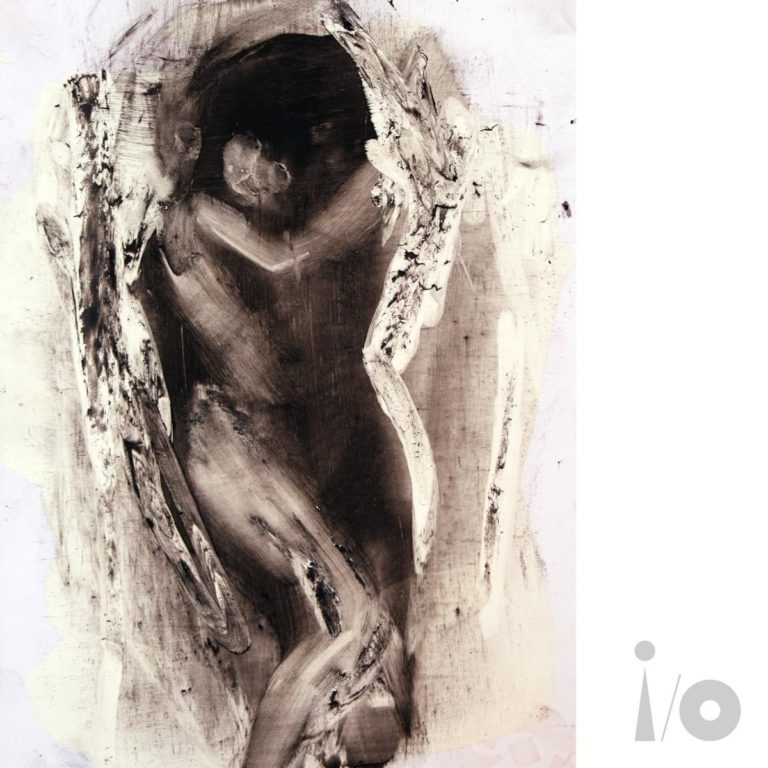
On the full moon, Thursday 31 August, the second full moon of August, Peter Gabriel releases the ninth track from the album i/o. This month the song is “Love Can Heal” and the first version to be heard is the Bright-Side Mix, by Mark ‘Spike’ Stent.
Written and produced by Peter Gabriel, “Love Can Heal” is ‘a dreamy, experiential piece with some abstract imagery,’ says Gabriel, ‘a carpet of sound, a tapestry where things are woven together, but not necessarily supposed to stick out, but just form part of a whole.’
Love Can Heal is a song that has been performed during the recent i/o tour, but actually had its live premiere during Peter Gabriel and Sting’s Rock, Paper, Scissors tour of the North America of 2016.
‘Love Can Heal was written around 2016 and I did start playing it midway through the tour and dedicated it to Jo Cox, who was the British MP brutally murdered by an extremist and someone that I had met at a leadership conference. I think the song fits right in to the themes of the album in the sense that i/o is about feeling and being connected to everything and in a way, the next evolution of being connected to things is a feeling of love for everything.’
Though not directly related to the song, there is this peripheral connection and inspiration that comes from Gabriel’s interest in the parallels between how people, over many centuries, have used psychedelic drugs for mystical experiences and the current clinical research of many Universities into their healing powers – ‘it sounds trite just to say ‘love can heal’, but I really believe that it is a key element and that when people feel interaction, warmth, giving, part of something alive and not isolated, that they’re much more likely to do well and be able to offer more themselves. The music began with this meditative, repeated sequence and the essence of all these sounds was trying to create a sensual palette. With the work that Hans-Martin Buff’s been doing on the immersive mix too, you’re getting this sense of being touched in many places and it should be a place just to drift off into. That was my aim.’
Love Can Heal was primarily recorded at Real World Studios, Bath and The Beehive, London but it also features live elements from Linnea Olsson (cello and vocal) and Jennie Abrahamson (vocal), ‘wonderful musicians’, recorded in Toronto during the Rock, Paper, Scissors tour. Their two voices are joined by those of Melanie Gabriel and also Ríoghnach Connolly on lead vocals creating ‘a warm, soft vocal blanket that surrounds you.’
This second August full moon release comes with artwork from the artist Antony Micallef and his work ‘a small painting of what I think love looks like’.
‘Antony Micallef is a stunning painter. I’d seen some of his portraits and they are with thick layers of paint, so there were references to Auerbach and Bacon for me, just very physical, very powerful and I just fell in love. Those paintings, in some ways, are more brutal, but this one is so tender and I think Antony manages to capture a lot of that intimate tenderness around love that is very hard to put into pictures. I was delighted when he was happy to be part of this.’
Antony Micallef adds:
‘I was listening to a few of the songs and it’s interesting because it’s like putting on clothes and going ‘oh, this suits me’ or ‘that doesn’t suit me.’ With Love Can Heal I could see my images coming up when I was hearing it so you begin to home-in and that’s how it starts. I love artists who take risks and Peter’s always chopped and changed and I like to do that too with my work and you know it doesn’t just rest on this one thing.’
Micallef also collaborated with Aardman on the video that accompanies the song, ‘working with Aardman was amazing,’ he says ‘I love processes, especially in other mediums and so I found the mechanics of how this stuff comes together really interesting.’
‘Obviously I worked quite a lot with Aardman in the past,’ says Gabriel, ‘and Antony loved their work, so we talked to them, not sure if this was something that they might want to do or not, and they did a beautiful job. Very simple, but very strong and I’m very pleased with it.’
Love Can Heal comes with differing mix approaches from Mark ‘Spike’ Stent (Bright-Side Mix), released on the full moon 31 August, and also from Tchad Blake (Dark-Side Mix) and Hans-Martin Buff’s Atmos mix (In-Side Mix), released in mid-September on the next new moon.
Further details on the release plans for the full album will follow.
The i/o tour continues in North America in September and October.
All dates are on sale now. livenation.com / petergabriel.com
i/o The Tour 2023
North America
Friday, 8 September Quebec City, QC Videotron Centre
Saturday, 9 September Ottawa, ON Canadian Tire Centre
Monday, 11 September Toronto, ON Scotiabank Arena
Wednesday, 13 September Montreal, QC Bell Centre
Thursday, 14 September Boston, MA TD Garden
Saturday, 16 September Philadelphia, PA Wells Fargo Center
Monday, 18 September New York, NY Madison Square Garden
Wednesday, 20 September Washington, DC Capital One Arena
Friday, 22 September Buffalo, NY Keybank Center
Saturday, 23 September Pittsburgh, PA PPG Paints Arena
Monday, 25 September Columbus, OH Nationwide Arena
Wednesday, 27 September Cleveland, OH Rocket Mortgage Fieldhouse
Friday, 29 September Detroit, MI Little Caesars Arena
Saturday, 30 September Chicago, IL United Center
Monday, 2 October Milwaukee, WI Fiserv Forum
Tuesday, 3 October St Paul, MN Xcel Energy Center
Saturday, 7 October Vancouver, BC Rogers Arena
Sunday, 8 October Seattle, WA Climate Pledge Arena
Wednesday, 11 October San Francisco, CA Chase Center
Friday, 13 October Los Angeles, CA Kia Forum
Saturday 14 October Palm Springs, CA Acrisure Arena
Monday, 16 October Denver, CO Ball Arena
Wednesday, 18 October Austin, TX Moody Center
Thursday, 19 October Dallas, TX American Airlines Center
Saturday, 21 October Houston, TX Toyota Center
Chic Guitarist Nile Rodgers Joins ‘Fresh Air’ To Celebrate 50 Years Of Hip-Hop

Nile Rodgers’ “Good Times” guitar groove was later sampled in the Sugar Hill Gang’s 1979 hit “Rapper’s Delight,” widely considered the first crossover hip-hop song. Originally broadcast in 1996.
TAYLOR SWIFT | THE ERAS TOUR History-Making, Record-Breaking Concert Film Experience Comes to AMC Theatres
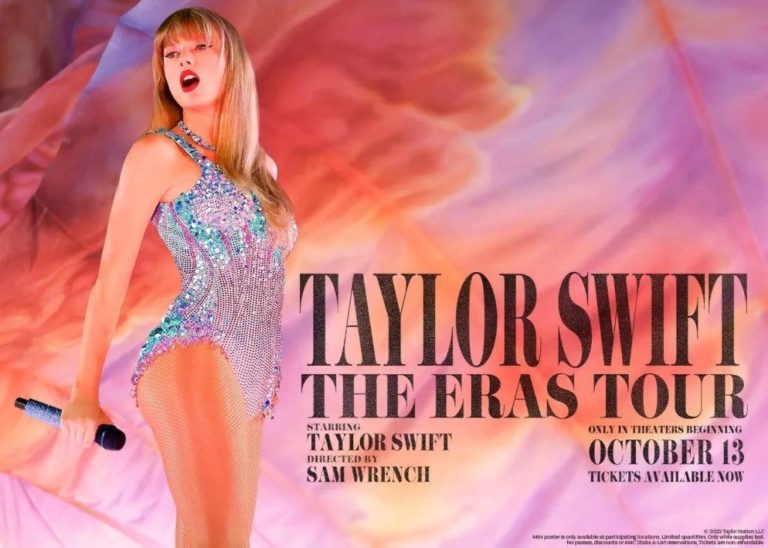
AMC Theatres, the largest theatrical exhibitor in the United States and the world, today announced that TAYLOR SWIFT | THE ERAS TOUR record-breaking concert is headed to thousands of movie theatre screens in the United States, Canada, and Mexico. In a groundbreaking programming initiative for AMC and the domestic theatrical industry, beginning Friday, October 13, music lovers throughout the United States, Canada, and Mexico will be able to enjoy TAYLOR SWIFT | THE ERAS TOUR concert film at movie theatres, with their huge screens and state-of-the art sound systems.
TAYLOR SWIFT | THE ERAS TOUR concert was attended by more than three million Taylor Swift fans during the first leg of its U.S. run. Not only did it shatter all concert sales records, it also left tens of millions of adoring fans wanting more, either because they attended the concert and wanted to see it again, or after being unable to obtain tickets for sold out performance after sold out performance after sold out performance.
TAYLOR SWIFT | THE ERAS TOUR concert film will play at least four showtimes per day on Thursdays, Fridays, Saturdays, and Sundays, at every AMC theatre location in the United States. Tickets are on sale now at AMCTheatres.com and Fandango.com.
To ensure the theatrical event is accessible and affordable for all who want to attend, AMC has worked on minimizing the ticket price and maximizing ticket availability.
All adult tickets at AMC’s U.S. theatres to TAYLOR SWIFT | THE ERAS TOUR concert film will be priced at only $19.89 plus tax, and children’s/senior tickets will be $13.13 plus tax, for all showtimes except branded premium large format screens. TAYLOR SWIFT | THE ERAS TOUR concert film also will be available in IMAX at AMC, Dolby Cinema at AMC, and other premium large formats for their standard up-charge fee which varies by format and theatre.
In anticipation of this announcement, AMC has upgraded its website and ticketing engines to handle more than five times the largest influx of ticket-buying traffic the Company has ever experienced before. But AMC is also aware that no ticketing system in history seems to have been able to accommodate the soaring demand from Taylor Swift fans when tickets are first placed on sale. Guests wanting to be the first to buy their tickets online may experience delays, longer-than-usual ticket-purchase waiting-room times and possible outages. AMC is committed to ensuring any delays or outages are addressed as quickly as possible.
This marks the inaugural step of a new line of business for AMC Entertainment. In addition to exhibiting TAYLOR SWIFT | THE ERAS TOUR concert film at its own theatres, AMC is also acting as the theatrical distributor, securing locations and screens with numerous other movie theatre operators throughout the U.S., Canada, and Mexico. AMC already has secured deals with major theatrical exhibitors Cinemark in the U.S., Cineplex in Canada, and Cinepolis in Mexico, to show TAYLOR SWIFT | THE ERAS TOUR concert film. AMC expects that numerous other movie theatre operators will show this concert film experience in their theatres beginning October 13. AMC has engaged Variance Films to coordinate this booking with interested exhibitors in the United States.
Due to the unique nature of this incredible special event: No free movie passes will be accepted, and AMC Stubs A-List members may not use their membership to reserve tickets. For our IT systems to be able to accommodate anticipated huge initial demand, AMC will temporarily be restricting the usage of AMC Stubs rewards toward online ticket purchases. AMC also will temporarily scale back its website ticketing availability for most other movie titles. The full allotment of this weekend’s showtimes will be available for purchase at the box office at all AMC locations. To discourage speculation on secondary-ticketing sites, there will be no refunds offered on ticket purchases.
Doug MacNaughton Unveils Captivating “Follow Your Silence” as Anticipation Grows for Upcoming Album Release
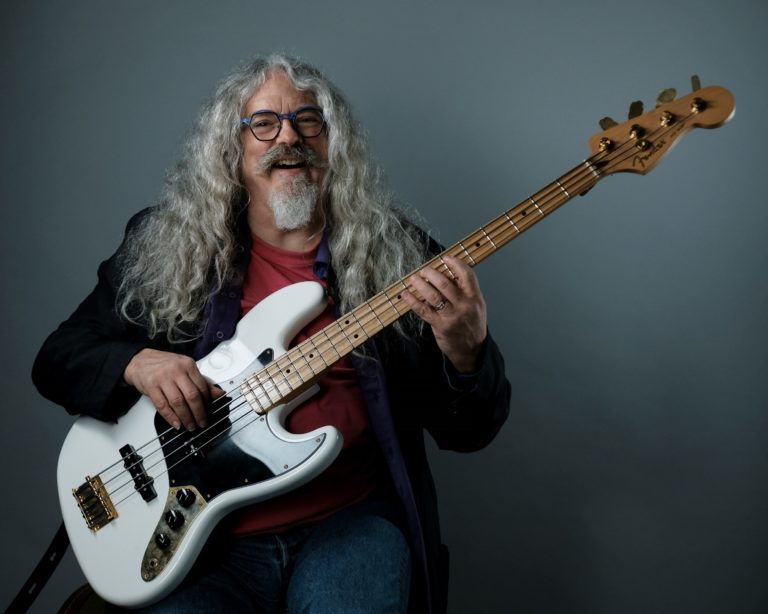
Toronto-based indie singer-songwriter Doug MacNaughton has released his latest single “Follow Your Silence,” the fourth single from his forthcoming album Old Enough To Know Better, set to be released in the Fall of 2023.
Through his lyrical talent, we see MacNaughton highlight the synergy and perfect unity in what can often be described as a noisy world.
“And as the wave is welcomed by the shore
The river welcomed by the sea
We have each other, evermore
Follow your silence, come to me”
Although the daily demands of life can often be hard and pressing, in his latest single, the singer-songwriter shares a hopeful message of finding peace in a busy world. Through groovy melodies and MacNaughton’s distinct jazzy folk sound, “Follow Your Silence” invites listeners to connect with love by following their peace, whatever that may be.
This latest single is a vocal and guitar-forward tune with a mellow melody that allows listeners to take three minutes out of their busy day and find a slice of silence. Pulling from the influences of Joni Mitchell and Frank Zappa, “Follow Your Silence” embraces MacNaughton’s airy and experienced vocals and his technical guitar skills. The indie single is masterfully backed with complimentary keyboard support from John Sheard and the rhythmic blend of drums and percussion by Jessica Stuart and Ryan Granville-Martin. Midway through the cohesive, well-rounded work of art, the musical ensemble is broken up by a harmonious guitar solo emphasizing the sweet sound of “Follow Your Silence.”
The speed at which MacNaughton completed the first version of this song speaks volumes about how relevant and accurate the lyrics are. The writing of “Follow Your Silence” was achieved in a single day back in 2018, yet the message rings as true as ever today. The indie artist touches on difficult issues that are prevalent in today’s age in lines like “Rent and food sure cost a lot. The stress and noise are too much for me.” Despite this, optimism remains at the forefront of the single—a theme MacNaughton is no stranger to.
In the forthcoming 8-track album, MacNaughton navigates through the hardships of loss and other hard-pressing issues. However, love and human connection conquers all, especially when it comes to Old Enough To Know Better. The multi-instrumentalist tackles the ebb and flow of life, all while asserting that love can get us through anything.
With large-scale experience ranging from musicals, operas, orchestra work, tribute concerts, and much more, MacNaughton’s extensive musical career has led him to the release of Old Enough To Know Better. Having written his first songs in 2017, the singer-songwriter is now ready to release the album that is nearly here. His songs have always existed in one-person versions, but soon, they will be ready to be liberated for many more to enjoy. Until then, “Follow Your Silence,” the fourth single from the album, has already been set free, and it’s yours to listen to now.