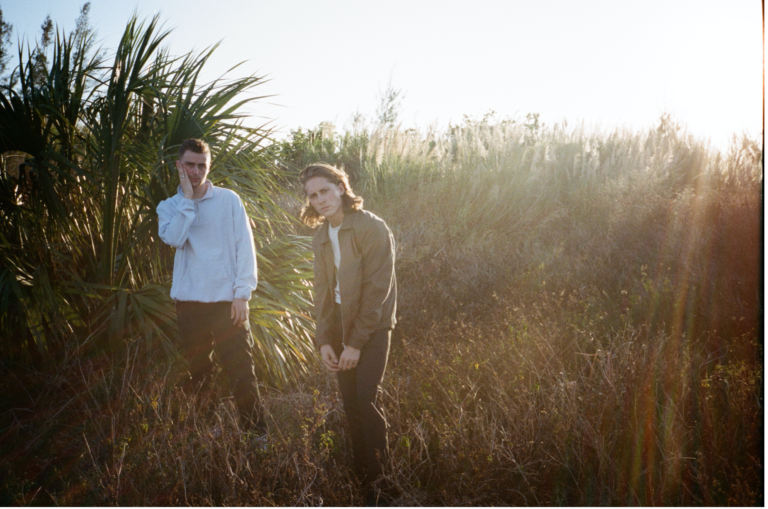
Grammy Award winning Toronto based-producer collective and prolific alt-pop duo, Locals Only Sound have released new music today, a single titled “Easy.”
The song, written and produced by Gray Hawken and Curtis Smith, immediately hooks listeners from its first beat, taking you on a journey through different musical influences in classic Locals Only Sound fashion. The mesmerizing music video, also out today, matches the emotions of the song, with vibrant colours on rotation in-line with the beat.
“Easy” along with the “Watch Yourself” global collaboration series follow the duo’s hit single “Move With Me” which continues to make waves over a year after its release. The undeniably catchy track became a breakout hit for them, gaining over 5.5 million streams worldwide and climbing the Canadian Top 40 airplay charts. Locals Only Sound have amassed over 9.5 million streams globally.
Locals Only Sound are not only developing talent and bringing new perspectives along with unique sounds to established artists [ Alessia Cara, Baka Not Nice, Olivia O’brien and more] but also creating and sharing their fresh take through their own music. With focus on their appreciation for alt-electronic music and combining it with their abiding passion for R&B vocals paired with modern beats, Gray Hawken and Curtis Smith write, produce and record all their own music that has listeners hooked on the first beat. Their debut EP titled, OPUS 1 tape, which the pair describe as a mixtape – is the first installment of Locals Only Sound’s partnership. They have gone on to release their hit single “Move With Me,” the “Watch Yourself” global collaboration series and now “Easy.” Stay tuned for more from Locals Only Sound as they continue to explore and experiment with sound.
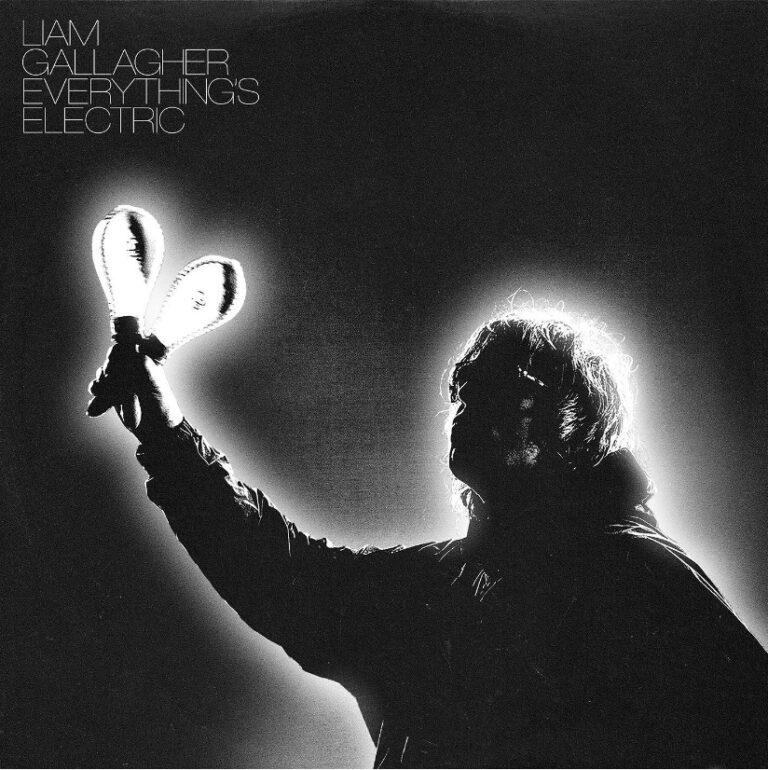
Liam Gallagher continues to amplify anticipation for the May 27th release of his third studio album C’MON YOU KNOW with its larger-than-life first single “Everything’s Electric,” co-written by Dave Grohl, who also performs drums on the track, and produced by multi-GRAMMY Award winner Greg Kurstin [Adele, Harry Styles, Foo Fighters].
Liam Gallagher and Dave Grohl first met many years ago when Foo Fighters played with Oasis on tour. They’ve maintained a mutual admiration ever since, while speculation about a possible collaboration between the pair has risen in recent years. To craft the song, they melded the thunderous dynamics of Beastie Boys’ “Sabotage” with the spiralling tension and danger of The Rolling Stones’ “Gimme Shelter.” With raw, rhythmic phrasing, this is as close as Liam’s iconic snarl comes to rapping and that punk-meets-hip-hop attack is underlined by boisterous bass. Meanwhile, slide guitar, piano flourishes and Liam’s haunting backing vocals pay tribute to arguably The Stones’ finest moment.
C’MON YOU KNOW follows the huge success of Liam’s previous studio albums As You Were (2017) and Why Me? Why Not. (2019), which established his iconic status for a whole new generation. Between his triumphs as a solo artist and his phenomenal success with Oasis, Liam has spent a combined total of almost six months at #1 across eleven chart-topping albums. Next week, Liam is set to give “Everything’s Electric” its live debut at the BRIT Awards, a striking first statement of the year ahead, which also features Liam’s biggest ever solo shows this summer including his two rapidly sold-out gigs at the UK’s Knebworth Park.
Today also brings news of a range of exciting new formats for the C’MON YOU KNOW album, all of which are now available to pre-order here. Liam’s official store offers a limited-edition cassette, while three new vinyl formats are available exclusively via specific retailers. Amazon and HMV both stock their own colored vinyl editions, while a clear vinyl is also available via select independent stores.
Alt-pop icon Lights has announced her highly-anticipated new album PEP, arriving April 1st. The news is heralded by the release of hypnotic new track “Salt and Vinegar,” which is accompanied by an official music video streaming now on Lights’ official YouTube channel.
Lights expanded, “I’ve never understood the task more than I did when I was making this record. My vision feels complete, and every single component comes from this very intense evolution I’ve experienced in my personal life over the last few years.” She adds, “We’re all products, we all market ourselves every single day. The idea behind ‘PEP’ is if you’re going to brand yourself, then brand yourself to happiness.”
In celebration of the record, Lights’ “Baby I’m Back” North American headline tour will kick off April 3 in Portland, OR, making stops at The Fonda in Los Angeles and New York City’s Irving Plaza before wrapping up in Toronto, Ontario on May 7th. Tickets for all dates are available now.
In December, Lights shared the new track and video “Real Thing feat. Elohim.” The track followed fall single “Prodigal Daughter,” which drew praise from Consequence, who raved, “‘Prodigal Daughter’ is a driving, infectious pop cut that shows off Lights’ enigmatic and soulful voice… she’s never sounded so uninhibited.” Rock Sound celebrated the “vibrantly joyous” track and attested, “it’s Lights at her most dominant, confident and unstoppable.”
LIGHTS 2022 NORTH AMERICAN HEADLINE TOUR DATES
APRIL
3 Portland, OR Roseland Theater
4 Seattle, WA The Showbox
6 San Francisco, CA The Regency Ballroom
7 Los Angeles, CA The Fonda Theatre
8 Pomona, CA The Glass House
9 Phoenix, AZ Crescent Ballroom
11 Dallas, TX Granada Theater
12 Austin, TX Mohawk
13 Houston, TX White Oak Music Hall
15 Atlanta, GA The Masquerade
16 Nashville, TN The Basement East
17 Carrboro, NC Cat’s Cradle
19 New York, NY Irving Plaza
20 Philadelphia, PA Theatre of Living Arts
22 Washington, DC 9:30 Club
23 Boston, MA Big Night Live
24 Pittsburgh, PA Mr. Smalls Theatre
25 Columbus, OH Newport Music Hall
26 St. Louis, MO Delmar Hall
28 Kansas City, MO Madrid Theatre
29 Denver, CO Summit
30 Salt Lake City, UT Soundwell
MAY
3 Minneapolis, MN Varsity Theater
4 Chicago, IL House of Blues Chicago
6 Detroit, MI Majestic Theatre
7 Toronto, ON History
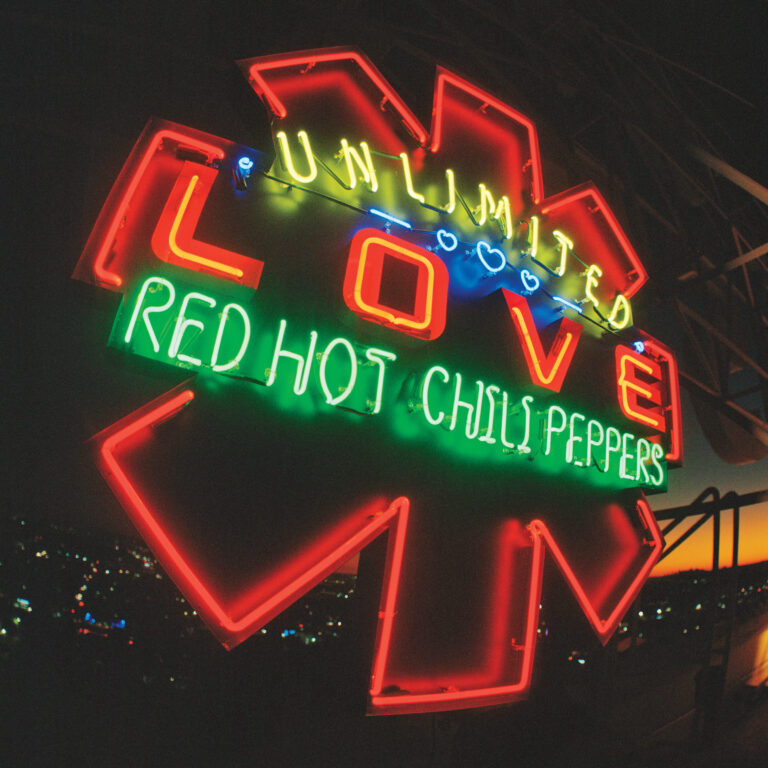
Red Hot Chili Peppers will unveil their new album and twelfth full-length offering, Unlimited Love, on April 1, 2022. It notably marks their first recording with guitarist John Frusciante since 2006 and first with producer and longtime collaborator Rick Rubin since 2011. To herald Unlimited Love, the Los Angeles band just shared the first single and music video “Black Summer.”
“Our only goal is to get lost in the music. We (John, Anthony, Chad and Flea) spent thousands of hours, collectively and individually, honing our craft and showing up for one another, to make the best album we could. Our antennae attuned to the divine cosmos, we were just so damn grateful for the opportunity to be in a room together, and, once again, try to get better. Days, weeks and months spent listening to each other, composing, jamming freely, and arranging the fruit of those jams with great care and purpose. The sounds, rhythms, vibrations, words and melodies had us enrapt.
We yearn to shine a light in the world, to uplift, connect, and bring people together. Each of the songs on our new album UNLIMITED LOVE, is a facet of us, reflecting our view of the universe. This is our life’s mission. We work, focus, and prepare, so that when the biggest wave comes, we are ready to ride it. The ocean has gifted us a mighty wave and this record is the ride that is the sum of our lives. Thank you for listening, we hope you enjoy it.”
Added Frusciante, “When we started writing material, we began by playing old songs by people like Johnny “Guitar” Watson, The Kinks, The New York Dolls, Richard Barrett and others. Ever so gradually, we started bringing in new ideas, and turning jams into songs, and after a couple of months the new stuff was all we were playing. The feeling of effortless fun we had when we were playing songs by other people, stayed with us the whole time we were writing. For me, this record represents our love for, and faith in each other.”
On lead track “Black Summer,” ethereal guitar underlines introspective lyrics as the rhythm unlocks a hypnotic drum groove highlighted by evocative bass. It quietly inhales only to exhale with a massive refrain, “It’s been a long time since I made a new friend, waiting on another black summer to end,” before a guitar solo echoes to the heavens and back. For the music video, the group teamed up with acclaimed director Deborah Chow [Disney+’s The Mandalorian, Obi-Wan Kenobi]. The result continues a tradition of captivating cinematic visuals—with a twist.
Unlimited Love resumes a three-decade partnership with Rick Rubin [Johnny Cash, Adele]. Their creative collaboration spans legendary albums, including the diamond-selling Blood Sugar Sex Magik [1991], Californication [1999], By The Way [2002], and Stadium Arcadium [2006].
The interplay between the band borders on intergalactic once again—yet elevated to another stratosphere altogether. Unlimited Love represents the united spirit of four individual souls still fearlessly exploring the future of their eternal friendship and musical congregation.
“Here Ever After ”follows a staccato bassline down a rhythmic wormhole as the hook promises, “She’s the kinda girl that make you wanna go faster now.” And whether it be wrangling wild horns and boisterous bass on “Aquatic Mouth Dance” or the poetic dreamscape of confessional ballad “Not The One,” the album twists and turns with gleeful unpredictability On “Poster Child,” a funky riff spiked with wah pedal magic wobbles in tandem with the delivery as a blissful chorus takes hold. “The Great Apes” charges forward towards a primal clarion call. For nearly six minutes, “It’s Only Natural” slips in and out of hypnotic harmonies and magnetic grooves. The slinky funk of “She’s A Lover” bleeds into a chantable gang vocal and dancefloor-ready refrain, while “These Are The Ways” sees a soft melody give way to guitar and vocal catharsis.
“Whatchu Thinkin’” leans on head-nodding percussion as the vocals flutter with the tempo only for guitar to ignite the chorus. An analog synth choir colors the intro of “Bastards of Light,” while a heavenly crescendo elevates “White Braids & Pillow Chair” beyond the clouds. Hitting the highways, “One Way Traffic” revs up funk at an intersection of airy bass and drums. “Veronica” trades the band’s sunny Los Angeles for the South Side of Chicago and a near-cinematic story about the title character. Then, there’s “Let ‘Em Cry” where trumpet punctuates the momentum before peaking on an emotionally charged guitar solo. “The Heavy Wing” takes flight on a climactic burst of distortion and vocal conjurations. The ride culminates on “Tangelo.” Threaded together with delicate guitar and emotionally charged vocals, this otherworldly lullaby leaves off on a vibrant, vulnerable, and vital final note as it slips into the arms of feedback. Check out the full track listing below.
This summer, Red Hot Chili Peppers will launch their first tour in support of Unlimited Love. They’ve invited a dynamic cohort of guests along for the ride at select dates, including Anderson.Paak & The Free Nationals, A$AP Rocky, Beck, HAIM, King Princess, St. Vincent, The Strokes, and Thundercat. Check out the full confirmed itinerary and purchase tickets HERE.
TRACKLISTING
1.Black Summer
2.Here Ever After
3.Aquatic Mouth Dance
4.Not The One
5.Poster Child
6.The Great Apes
7.It’s Only Natural
8.She’s A Lover
9.These Are The Ways
10.Whatchu Thinkin’
11.Bastards of Light
12.White Braids & Pillow Chair
13.One Way Traffic
14.Veronica
15.Let ‘Em Cry
16.The Heavy Wing
17.Tangelo
Sonic Reducers. One topic. Two music nerds. Five minutes. Everything you need to know.
Punch play to watch us run down new albums by Animal Collective, Black Country, New Road, A Place To Bury Strangers, Cassels, Hollis Brown, Jazz Butcher and more.
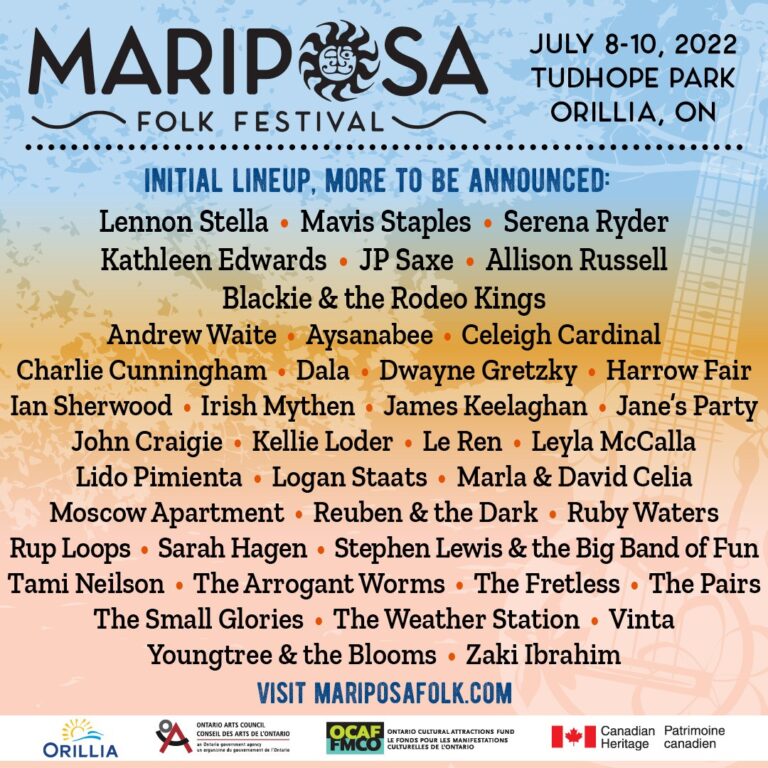
The Mariposa Folk Festival is set to return to Tudhope Park in Orillia this year, with a lineup that includes Mavis Staples, Serena Ryder, Lennon Stella, JP Saxe, Allison Russell, Kathleen Edwards, Blackie & the Rodeo Kings, and more.
Forty acts were revealed today for the 2022 edition of the iconic folk music festival that will take place July 8 to 10. More names will be announced later this spring. Tickets for Mariposa are on sale via the festival website.
The Mariposa Folk Festival was founded in Orillia, Ontario in 1961. Through the decades it has found a way to remain Canada’s most relevant and not-to-be-missed musical gathering. The festival was cancelled in both 2020 and 2021 due to Covid-19.
The 2022 lineup will include: Mavis Staples, Serena Ryder, Lennon Stella, JP Saxe, Allison Russell, Kathleen Edwards, Blackie & the Rodeo Kings. Also appearing: Andrew Waite, Aysanabee, Celeigh Cardinal, Charlie Cunningham, Dala, Dwayne Gretzky, Harrow Fair, Ian Sherwood, Irish Mythen, James Keelaghan, Jane’s Party, John Craigie, Kellie Loder, Le Ren, Leyla McCalla, Lido Pimienta, Logan Staats, Marla & David Celia, Moscow Apartment, Reuben & the Dark, Ruby Waters, Rup Loops, Sarah Hagen, Stephen Lewis & the Big Band of Fun, Tami Neilson, The Arrogant Worms, The Fretless, The Pairs, The Small Glories, The Weather Station, Vinta, Youngtree & the Blooms, and Zaki Ibrahim.
The three-day Mariposa Folk Festival features more than ten stages of top folk-roots music, along with presentations of story, dance, and craft. All ticket categories are on sale. Kids 12 & under are admitted free. The festival has special pricing for youth and young adults. Onsite RV and tent camping is available. https://mariposafolk.com/
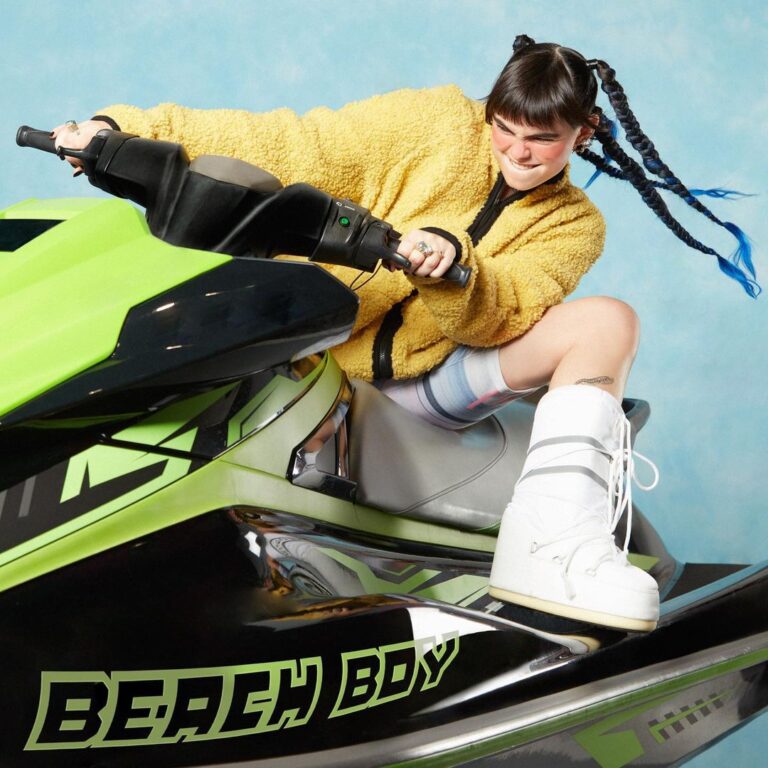
Today, BENEE returns with her first new music of 2022, a single entitled “Beach Boy”, produced by Greg Kurstin (Adele, Sia, Beck) and arrives alongside the announcement of her forthcoming EP LYCHEE out March 4th.
“Beach Boy” sets BENEE in her breeziest form to date. A sweetly toned vocal and dreamy guitars evoke sixties beach movies, sun kissed summer days, and perfect beach dates.
BENEE says, “‘Beach Boy’ is pure fantasy, set in LA. It’s about being happy alone, but still wanting some love; wanting the thrill without the pain. It was the first time I’d worked with Greg Kurstin, and it was so sick…we got on super well, and I love this track…I think it is perfect for cruising down the freeway with the top down :)”
BENEE headed out of lockdown in her New Zealand home to work on sessions in LA, which formed the basis of a new set of music she says is coming from a “great creative space” despite the pressures of what has been “the craziest time in all our lives.”
The LYCHEE EP features tracks penned with Greg Kurstin, Kenny Beats, and Rostam in LA. Back in New Zealand, she finished up three tracks with her regular collaborator Josh Fountain, including the already-released “Doesn’t Matter,” which has gathered over 5 million Spotify streams and 300K YouTube views on the music video (co-directed by BENEE).
Billboard raved, “Benee’s talents as a vocalist and lyricist shine through.” Meanwhile, Stereogum noted, “the song isn’t about feeling mellow, instead it’s all about attempting to cope with mental health issues.” PAPER described it as “more emotive and pensive.” V Magazine also claimed, “She uses her best asset, her extremely evocative and ethereal vocals, to great effect here over a steady drum-and-guitar melody.” OnesToWatch praised it as “an unfiltered, heartfelt look at ‘invisible’ mental health disorders.”
BENEE is also looking forward to a 2022 headline world tour. The North American leg kicks off on May 31st in Montreal and makes stops in Chicago, Boston, Philadelphia, San Francisco, Los Angeles, and more. BENEE was also recently announced on the 2022 Gov Ball lineup on Saturday, June 11th. See the full list of dates below and at beneemusic.com.
The 22-year-old broke through with “Supalonely,” her global hit with 4 billion streams, and like many artists has had to wait for a chance to tour outside of her home country again. This year’s tour will be BENEE’s first return to the international stage and finds her playing her first-ever US festival with Bonnaroo on her summer schedule.
BENEE’s dreamy alt-pop mixes her deeply heartfelt reflections on life in suburban Auckland, New Zealand with offbeat and often whimsical lyrical twists, all produced with a technicolor ear for cooked beats and unpredictable hooks. 2020’s debut album Hey u x was a vibrant musical world with guests ranging from Grimes and Lily Allen to Gus Dapperton and Muroki (another New Zealand teen BENEE has since signed to her own label, Olive). It was listed as one of Billboard’s “25 Best Pop Albums of 2020,” noting that BENEE “contemplates the woes of Gen Z with a keen ear for choruses and arrangements that oscillate between indie rock and hyperpop.” Stereogum praised its “quirky but impeccably produced pop music” and Vogue called it “13 tracks of heavenly indie-alt-pop.”
LYCHEE EP TRACKLIST
1. “Beach Boy”
2. “Soft Side”
3. “Hurt You Gus”
4. “Never Ending”
5. “Marry Myself”
6. “Doesn’t Matter”
7. “Make You Sick”
BENEE 2022 WORLD TOUR
NORTH AMERICA – with special guest Dreamer Boy
May 31 Montreal, QC Corona Theatre
June 1 Toronto, ON Phoenix Concert Theatre
June 3 Minneapolis, MN First Avenue
June 4 Chicago, IL Vic Theatre
June 6 Detroit, MI St. Andrew’s Hall
June 7 Columbus, OH Newport Music Hall
June 8 Washington, DC 9:30 Club
June 11 New York, NY The Governors Ball
June 14 Boston, MA House of Blues
June 15 Philadelphia, PA Theatre of Living Arts
June 17 Atlanta, GA Variety Playhouse
June 18 Manchester, TN Bonnaroo Music and Arts Festival
June 21 Englewood, CO Gothic Theatre
June 22 Salt Lake City, UT The Depot
June 24 Seattle, WA The Showbox
June 25 Portland, OR Crystal Ballroom
June 26 Vancouver, BC Vogue Theatre
June 28 San Francisco, CA The Warfield Theatre
June 30 Los Angeles, CA The Novo
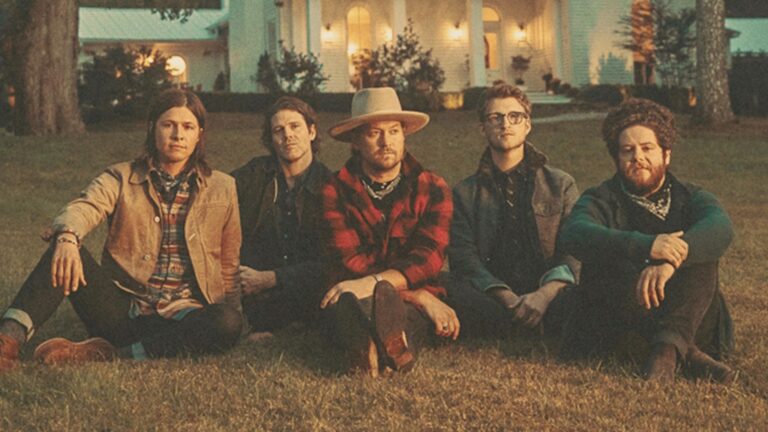
GRAMMY Award-nominated rock band NEEDTOBREATHE have announced an intimate acoustic tour of North America in support of their latest critically acclaimed studio album Into The Mystery. The 26-city Into The Mystery Acoustic Tour will kick off on April 18 in Winnipeg, MB, and wrap on May 22 with two back-to-back shows in Knoxville, TN. Patrick Droney will provide support on all dates.
“The success of the acoustic tours over the years has been one of the biggest surprises of our career,” shared NEEDTOBREATHE frontman Bear Rinehart. “The intimacy and conversation that takes place in these beautiful theaters has been a pretty magical experience for us as a band. So much of our music was written and recorded acoustically in a living room, and with two new albums to pull from, we want to bring that experience to you again.”
NEEDTOBREATHE’s latest studio album Into The Mystery is available now via Elektra Records. The album debuted in the Top 10 across three Billboard charts and received praise from Rolling Stone, Billboard, People, American Songwriter, and more. Leading into release, the band performed Into The Mystery’s lead single “I Wanna Remember” alongside Carrie Underwood at the 2021 CMT Music Awards. NEEDTOBREATHE also delivered unforgettable performances on CBS’s The Late Show with Stephen Colbert and The Late Late Show with James Corden, and ABC’s The Wonderful World of Disney: Magical Holiday Celebration.
Following the album’s release, the band unveiled the accompanying documentary “NEEDTOBREATHE: Into The Mystery”. The film intimately chronicles the group recording the album, while quarantined in a historic house-turned-recording studio in remote Tennessee in fall of 2020. “NEEDTOBREATHE: Into The Mystery” is available on demand (including iTunes / Apple TV and Amazon Prime Video) now via Greenwich Entertainment.
NEEDTOBREATHE celebrated the album’s release with their massive Into The Mystery Tour. The 38 city trek included their fifth consecutive sold out show at Denver, CO’s Red Rocks Amphitheatre and first-ever headline performance at Nashville, TN’s Bridgestone Arena. Returning to the road with a purpose, the band donated $1 from each ticket sold to For Others. In total, over $1.1 million was generated in support for the organization, which endeavors to address the country’s foster care crisis. NEEDTOBREATHE will once again be partnering with For Others on their upcoming Into The Mystery Acoustic Tour. Additionally, the band closed out 2021 by hosting NEEDTOBREATHE & Friends One Night Only Supporting OneWorld Health. The event raised over $1.4 million for OneWorld Health, which will provide sustainable, affordable, and accessible healthcare in East Africa and Central America.
NEEDTOBREATHE INTO THE MYSTERY ACOUSTIC TOUR DATES
April 18, 2022 – Winnipeg, MB – Burton Cummings Theatre
April 20, 2022 – Edmonton, AB – Northern Alberta Jubilee Auditorium
April 21, 2022 – Calgary, AB – Southern Jubilee Auditorium
April 22, 2022 – Vancouver, BC – Queen Elizabeth Theatre
April 24, 2022 – Spokane, WA – First Interstate Center for the Arts
April 25, 2022 – Boise, ID – Boise State University – Morrison Center
April 26, 2022 – Eugene, OR – Hult Center for the Performing Arts – Silva Concert Hall
April 28, 2022 – Paso Robles, CA – Vina Robles Amphitheatre
April 29, 2022 – Las Vegas, NV – The Venetian Theatre
May 01, 2022 – Midland, TX – Wagner Noel Performing Arts Center
May 02, 2022 – San Antonio, TX – Majestic Theatre
May 04, 2022 – New Orleans, LA – Saenger Theatre
May 05, 2022 – Mobile, AL – Saenger Theatre
May 06, 2022 – North Little Rock, AR – Simmons Bank Arena
May 07, 2022 – Springfield, MO – Gillioz Theatre
May 09, 2022 – Wichita, KS – Orpheum Theatre
May 10, 2022 – Ames, IA – Stephens Auditorium – Iowa State Center
May 12, 2022 – Fort Wayne, IN – Sweetwater Pavilion
May 13, 2022 – Milwaukee, WI – Riverside Theater
May 14, 2022 – Peoria, IL – Peoria Civic Theater
May 15, 2022 – Evansville, IN – Victory Theatre
May 17, 2022 – Grand Rapids, MI – Fountain Street Church
May 18, 2022 – Lewiston, NY – Artpark Mainstage Theater
May 20, 2022 – Richmond, VA – Altria Theater
May 21, 2022 – Charleston, WV – Clay Center for Arts & Sciences
May 22, 2022 – Knoxville, TN – The Tennessee Theatre
Sonic Reducers. One topic. Two music nerds. Five minutes. Everything you need to know.
Push play to watch us talk about the day the music died, celebrate the monumental impacts Buddy Holly and Ritchie Valens made on music in their too-brief careers, and ponder what might have become of them had they not taken that fatal plane trip.
Official Trailer for the long awaited documentary “In The Court of the Crimson King” by Toby Amies. An official selection for the 2022 SXSW film festival, with a world premiere in Austin in March.
What began as a traditional documentary about the legendary band King Crimson as it turned 50, mutated into an exploration of time, death, family, and the transcendent power of music to change lives; but with jokes.
In the Court of the Crimson King is a dark, comic film for anyone who wonders whether it is worth sacrificing everything for just a single moment of transcendence. It explores the unique creative environment of King Crimson, one in which freedom and responsibility conspire to place extraordinary demands on the band’s members – only alleviated by the applause of an audience whose adoration threatens to make their lives even harder. It’s a rewarding and perilous space in which the extraordinary is possible, nothing is certain, and not everyone survives intact.