
All photos taken by Mini’s Memories. You can contact her at minismemories@hotmail.com


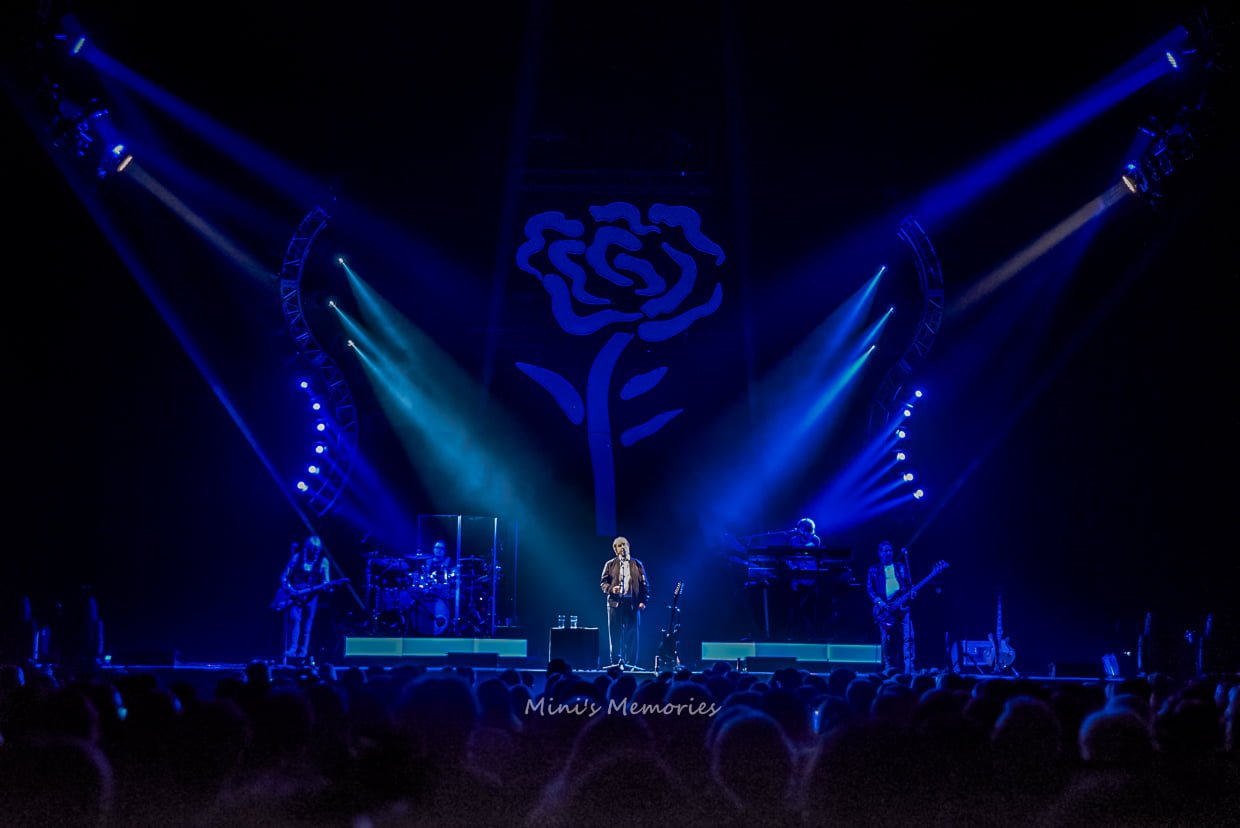
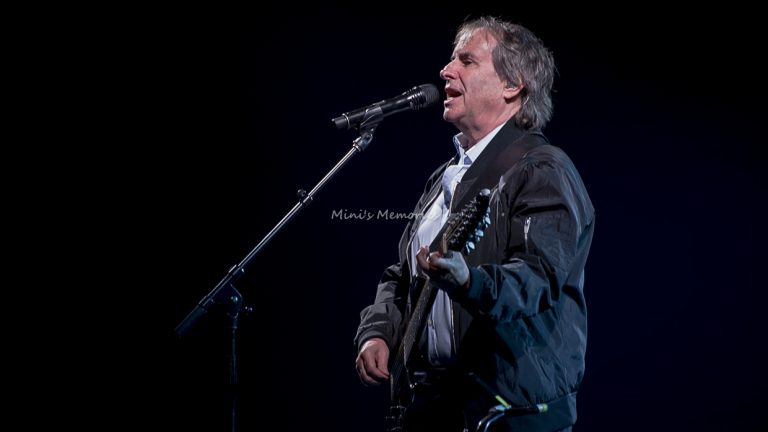
All photos taken by Mini’s Memories. You can contact her at minismemories@hotmail.com
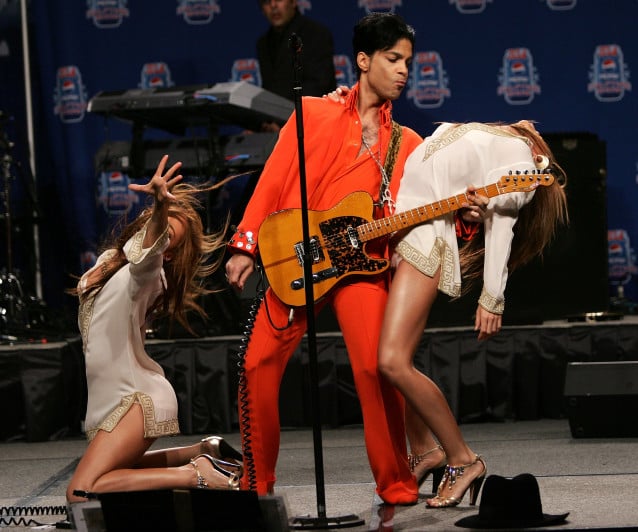
At a pre-Super Bowl press conference back in 2007, Halftime entertainer Prince appeared onstage strapped with an electric guitar, two dancers, and a full band. This wasn’t your average way to answer a few inquires.
“Contrary to rumor, I’d like to take a few questions right now,” Prince told the room full of reporters.
“Prince, how do you feel about …”
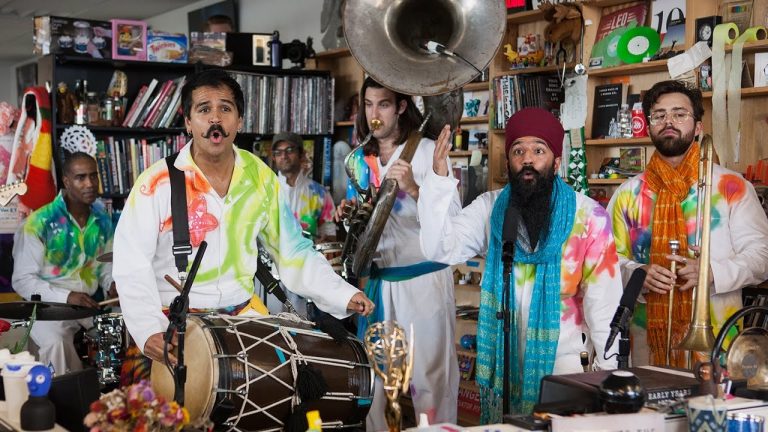
Red Baraat’s fusion of bhangra, go-go, hip-hop and jazz is driven by frontman Sunny Jain’s percolating playing of the dhol, a double-sided drum which forms the rhythmic lattice of support for their boisterous horns and guitar. And though Red Baraat graced the Tiny Desk five years ago, we had to have Jain’s band back to celebrate Holi, the Hindu festival of color, of good over evil, and the coming of spring. Usually you’d see the dusting of brightly colored perfumed powders strewn in the air, covering bodies and clothing. The notion of doing that in the office was a fun thought, but the band (with my nudging) opted instead for confetti cannons and passing candied treats. It made for quicker cleanup, but their uplifting spirits lingered on, giving us a chance to shake off the final days of winter and demonstrating why music is so essential to the soul. – Bob Boilen, NPR, March 13, 2017
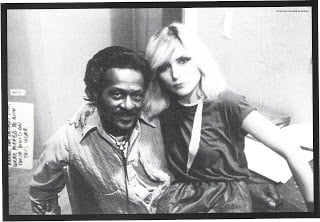
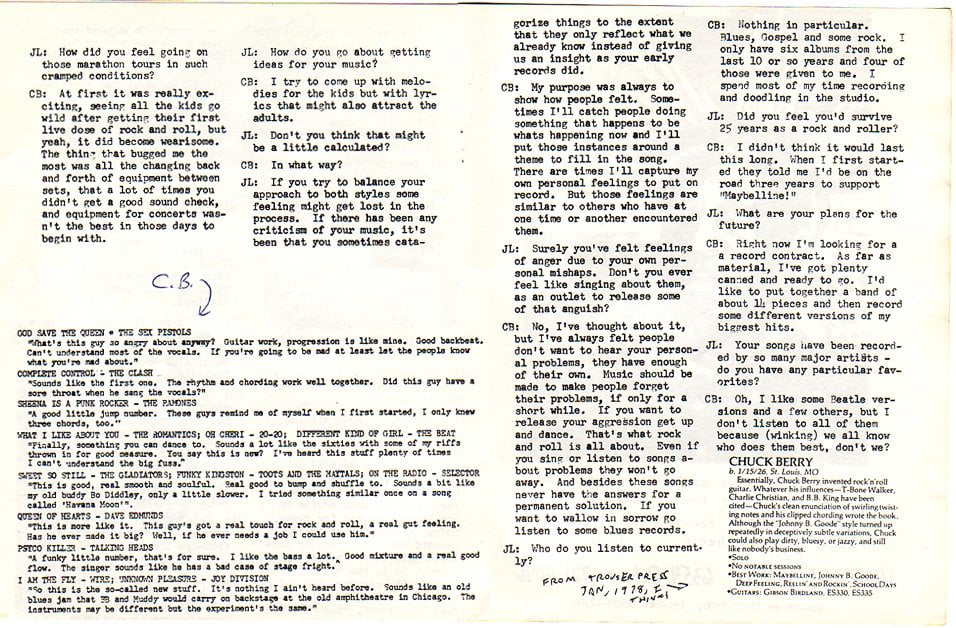
From the punk zine Jet Lag!, here’s a 1980 interview with rock n’ roll godfather, Chuck Berry, where he reviews singles from artists like The Clash The Sex Pistols, and The Ramones.

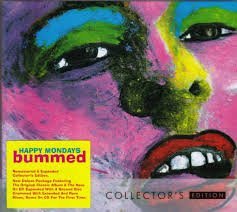
ITV Schools “Information Technology” programme focussing on Factory Records and Happy Mondays during the making of the 1988 album Bummed. This album arrived at a time when the Madchester genre was only beginning to formulate into the scene, closely connected to acid house.

Praise Seth Everman for two things” His great talent, and for accurately titling this video simply as: “When you try all the sounds and beats on your synth (while only playing coldplay – viva la vida).”
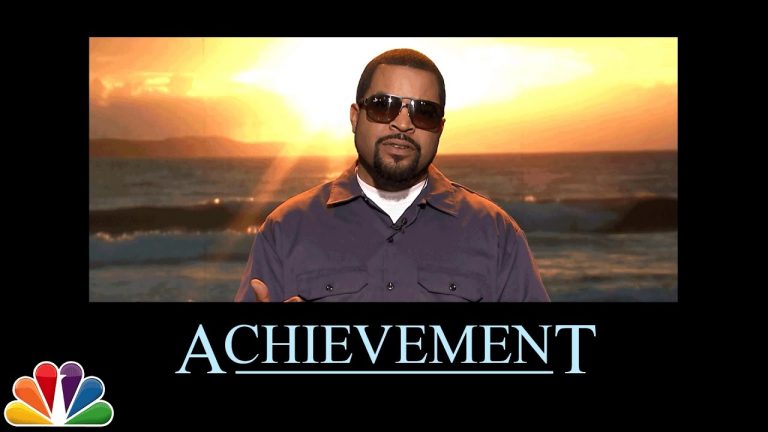
Jimmy Fallon takes a suggestion from the audience asking to hear positive affirmations from Ice Cube.
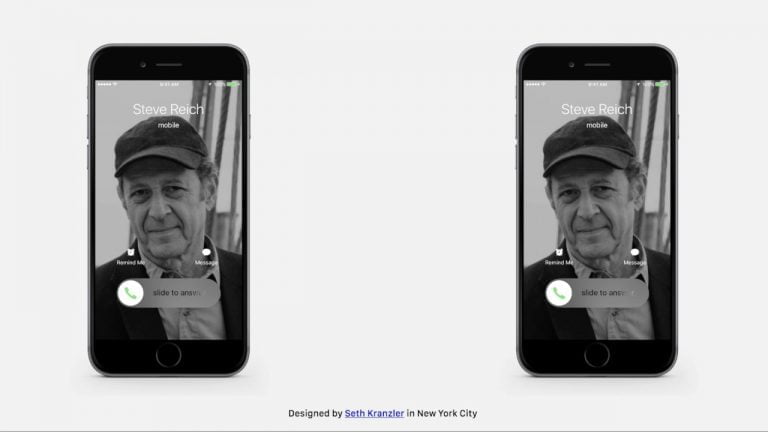
Steve’s Reich’s style of composition influenced many composers and groups. His innovations include using tape loops to create phasing patterns and the use of simple, audible processes to explore musical concepts (for instance, Pendulum Music and Four Organs). These compositions, marked by their use of repetitive figures, slow harmonic rhythm and canons, have significantly influenced contemporary music.
Writing in The Guardian, music critic Andrew Clements suggested that Reich is one of “a handful of living composers who can legitimately claim to have altered the direction of musical history”.[6] The American composer and critic Kyle Gann has said that Reich “may … be considered, by general acclamation, America’s greatest living composer”
“Steve Reich is calling” creates the iPhone’s Marimba ringtone as if it was created by the musical genius.
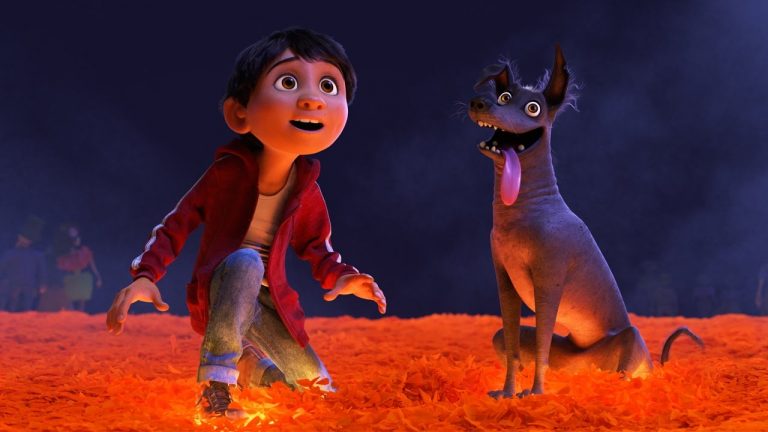
Despite his family’s baffling generations-old ban on music, Miguel (voice of newcomer Anthony Gonzalez) dreams of becoming an accomplished musician like his idol, Ernesto de la Cruz (voice of Benjamin Bratt). Desperate to prove his talent, Miguel finds himself in the stunning and colorful Land of the Dead following a mysterious chain of events. Along the way, he meets charming trickster Hector (voice of Gael García Bernal), and together, they set off on an extraordinary journey to unlock the real story behind Miguel’s family history. Directed by Lee Unkrich (“Toy Story 3”), co-directed by Adrian Molina (story artist “Monsters University”) and produced by Darla K. Anderson (“Toy Story 3”), Disney•Pixar’s “Coco” opens in theatres on November 22, 2017.

Former U2 manager Paul McGuinness shared stories from his illustrious career during a wide-ranging interview at last week’s International Live Music Conference (ILMC).
McGuinness, who was grilled by raconteur Ed Bicknell of Damage Management for ILMC’s traditional Breakfast Meeting, recalled U2’s ground-breaking 360° tour of 2009-11, which remains the highest-grossing tour of all time ($736.42 million).
“The name of that tour was my little joke in a way because the record companies at that time were pursuing these immoral [360°] deals where having failed to exploit digital distribution, the only thing they could think of to make more money was to take it off the artists who were going out doing gigs. It was shameful, I thought,” said McGuinness.
“So when we put together that production – which was playing in the round in stadiums – it was extraordinarily expensive to do. We were $30-40 million into pre-production before the tour started. That tour grossed three quarters of a billion – 110 shows – the net of course was rather less.”
Famous for its four-legged structure dubbed The Claw, 360° was attended by 7.2m people across the globe. Elaborating on the astonishing scale of the presentation, McGuinness revealed that days off effectively cost $300,000. “There were 200 trucks. There were 400 people travelling – but 200 of them were drivers,” he said. “It was great fun in a way but it was a bit of strain waking up each day thinking, Oh god, even though we’re not playing today, we’re spending $300,000.”
Follow us on Instagram @thatericalper

Eric Alper is a 6-time nominee for Publicist of the Year during Canadian Music Week and has overseen the publicity campaigns for over 183 JUNO Award-nominated albums (and 16 in 2025), 45 Grammy-nominated albums, including 47 JUNO Award, 58 Canadian Folk Music Award, 126 Maple Blues Award-winning albums and is also truly honoured to work with some of the biggest and most important artists of our time.
Contact me: eric@thatericalper.com
© Copyright - That Eric Alper