

One of Canada’s finest lyricists has decided to lose the words — at least for the moment. Bruce Cockburn joins q’s Tom Power to discuss his new instrumental album, Crowing Ignites.
Seriously Good Video Mashup Combining Black Sabbath, CCR and Ohio Players
Video editor Bill McClintock mashes up Creedence Clearwater Revival’s Run Through the Jungle, Black Sabbath’s Into the Void, Children of the Grave, and Black Sabbath, Ozzy Osbourne’s Crazy Train and Ohio Players’ Fire. One of these songs do not belong, but fits perfectly.
Watch This Musician Play System Of A Down, Twenty One Pilots, Green Day and The Cranberries on Miniature Drums
Further proof that great drummers can play on any kit, even the smallest ones.
Yes, Please! Rock-Ola Produces the Vinyl Record Collector’s Dream Jukebox
American manufacturer Rock-Ola has announced the debut of the brand-new 45 rpm Vinyl and tube pre-amp powered Bubbler, a revolutionary high-tech update on the world-famous Bubbler series of Jukeboxes. As a unique fusion of cutting-edge sound technology and timeless design, its aesthetics and appearance have been designed to evoke the Golden Age of Jukeboxes.
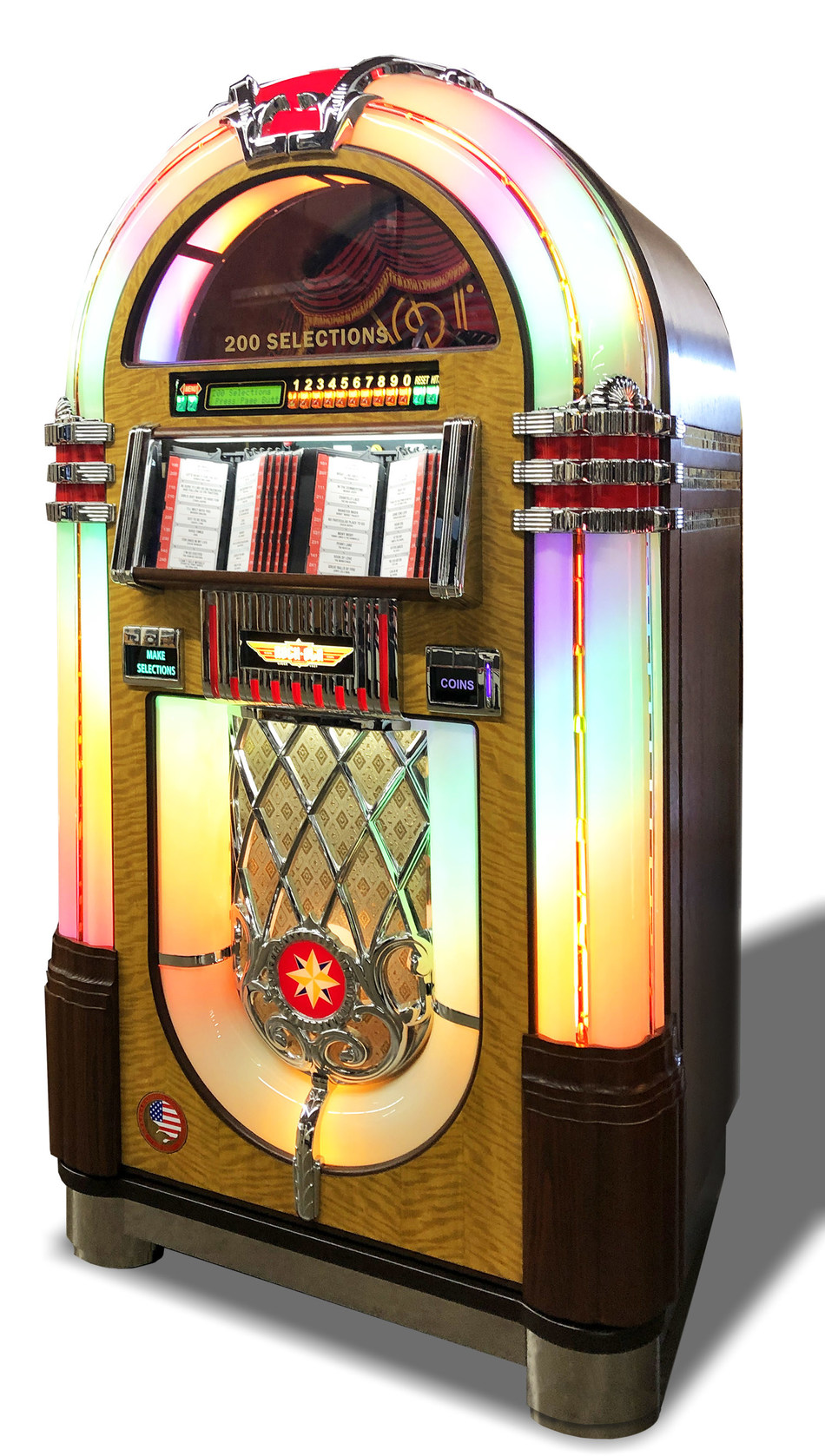
Its manufacturer, Rock-Ola, is globally renowned as the only authentic American Jukebox manufacturer on the planet. The company is highly regarded for its ‘Bubbler’ Jukeboxes, famed for its mesmerizing, multi-colored tubes with ascending bubbles. These became one of the most successful and best-selling series of Jukeboxes in history. This latest model is an evolution of its most enduringly popular design as it combines authenticity and new technologies producing the ultimate in sound experience!
The new Jukebox plays a total of 200 selections (A&B sides) and can stream via Bluetooth so you can combine authentic analog sound or digital music via your device. It’s capable of connecting with integrated music systems like Sonos or Control 4 and is powered by a tube pre-amplifier and a 425-watt digital amplifier, with dual zones so that external speakers can be added if required.
British entrepreneur Alexander Walder-Smith is the new owner of Rock-Ola. He teamed up with former owner Glenn Streeter to create their vision of a new cultural icon that combined the Bubbler’s world-famous aesthetic with all the convenience of modern music players. Now, with Rock-Ola’s unrivaled expertise in creating classic Jukeboxes, their vision has become a reality.
The 45 rpm Vinyl Bubbler’s release comes at an exciting time for the industry, with a sharp upswing in the public’s interest in vinyl. Vinyl Jukeboxes were at their peak in the mid-20th century whereas Jukeboxes in recent decades have used CDs as a medium for their music, or have been entirely digital.
Now, the public’s fresh enthusiasm for the rich, distinctive sound of vinyl is driving Rock-Ola’s return to the Golden Age of classic Jukeboxes, and this has been one of the core concepts underpinning the Vinyl 45 rpm Bubbler’s design.
This exclusive Jukebox produces a Live Performance Sound Reproduction – a sound so flawless as to be almost indistinguishable from the real thing.
Rock-Ola is currently taking pre-orders for the Vinyl 45rpm Jukeboxes, with plans to ship its first releases pre-Xmas 2019. The new website has just launched too, so the whole range and technical specifications can be viewed and purchased online at www.rock-ola.com
Canadian folk and roots’ Durham County Poets dives into the south for “Hand Me Down Blues” album
Canadian folk and roots outfit Durham County Poets are offering up their fourth and newest release, this time celebrating all things blues and the artists that inspired their journeys to the stage.
The album’s premiere single “Hand Me Down Blues” lands today, ahead of the five-piece band’s forthcoming album of the same name later this month — September 20th.
“I went to my first blues concert with three of my best friends in 1981,” says Durham County Poets frontman and lead vocalist Kevin Harvey on the inspiration behind Hand Me Down Blues. “We had tickets to see Muddy Waters at the Spectrum in Montreal. When I entered the venue, Muddy’s signature guitar riff was ringing in the air and spilling into the lobby so we all hurried down to the front of the stage.
“I was awestruck,” Harvey recalls. “I was a 19-year old young man in the presence of a master! I planted my elbows firmly on the stage, as if to stake my claim, and looked Muddy square in the eye…”
That wasn’t the only point of contact for Harvey and the legend. “I placed my hand on his shoe, too,” he continues. “Muddy looked at me and winked, as if to say ‘welcome to the blues, son.’”
Fast forward to 2012 and beyond, and Harvey — along with David Whyte, Neil Elsmore, Carl Rufh and Rob Couture, all hailing from Ormstown, Quebec and its surrounding Chateauguay Valley — have Durham County Poets and previous releases, Grimshaw Road (2017), Chikkaboodah Stew (2014) and Where The River Flows (2012) to show for it.
The five seasoned artists — all of whom are songwriters and musicians hailing from a multitude of genres, including gospel and rock — possess an unmistakable joie de vivre while performing together, offering audiences, including at the Rochester Jazz Festival and Montreal’s Folk Festival, an infectious good-time vibe through song.
“I didn’t know while at that Muddy Waters concert I would have a life-altering spinal cord injury three months later,” Harvey says of the event that placed him in a wheelchair for the rest of his life. “That experience — and seeing Muddy — made blues come alive to me.
“The band and I, we have our own experiences and inspirations to create this dedicated ‘blues album’, paying homage to our favourite blues artists. Muddy Waters was just one of many who handed the genre down to us, and now we want to continue in that tradition by putting our own stamp on it and “Hand” the blues to the next generation.”
Hand Me Down Blues is available now.
Multi-Award Winning and JUNO Award Nominated TORONTO TABLA ENSEMBLE Release Single, “Dream Symposium”
The next generation of Canada’s Toronto Tabla Ensemble are front and centre in the multi-award winning and JUNO Award-nominated group’s newest single and video, “Dream Symposium” — available now!
Serving as a preview for their seventh and forthcoming album, “Dream Symposium” also lands ahead of TTE’s attendance at WOMEX 19 — the World Music Expo — in Tampere, Finland this October. The group recently won both a 2019 Global Music Award and 2019 Independent Music Award, and were nominated for another.
For over 25 years, Toronto Tabla Ensemble (TTE) has produced groundbreaking music that crosses cultures and borders. Led by award-winning and critically acclaimed Artistic Director and Canadian tabla master Ritesh Das, TTE compositions have been licensed for numerous commercials and films, including CBC Radio’s daily Metro Morning theme music, and screened at film festivals around the world.
The group have been long-lauded for introducing a myriad of musical styles to the mainstream public via Das’ groundbreaking, pioneering blend of world music influences — from Japanese Taiko, to Celtic, to Flamenco, to rock n’ roll with the Tea Party — all with traditional Hindustani instruments.
But to the newest members of Toronto Tabla Ensemble — featured throughout the song and video, it’s all just music — full-stop, plain and simple.
“They do not see themselves in a box of ‘Indian music’ or ‘World music’…,” says TTE manager, and music video director Melissa Das-Arp. “They are just regular, Canadian kids who love playing music and having fun.
“They are the next generation in the making for Toronto Tabla Ensemble. Watching them develop their skills and become artists in their own right is something I wanted to project on film.
“I wanted to show these kids being themselves, playing their instruments,” she adds. “But also daydreaming and being a bit mischievous… There’s a real sense of fantasy and humour throughout.”
“It’s based on a traditional Tabla composition that is usually taught at an early stage of learning,” says Das on the track’s origin. “I was influenced by the Toronto Symphony Orchestra, so it features many different percussion instruments which creates an orchestral feeling…”
MICAH BARNES hits #1 on iTunes Canada Jazz Chart with new single “That’s Life”
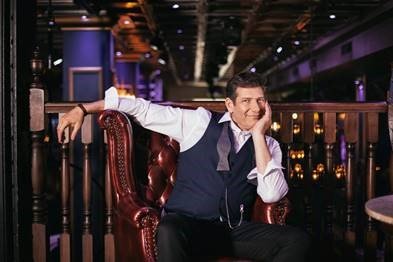
Canadian jazz music star and one of the country’s best-loved vocal coaches Micah Barnes has debuted at #1 on the iTunes Canada Jazz Chart with the first single ahead of his upcoming Vegas Breeze album, “That’s Life”, giving fans an early taste of the album and showcasing his imitable style.
Micah was recently featured in the new book, Bad Singer, as the vocal coach that made the author’s singing much, much better, and gave advice to the Toronto Star and BT in Vancouver on how to become a powerful singer – great advice for the older audience who just want to sing and the younger YouTube generation who are looking for success through social media.
A Juno-nominated recording artist, Micah is also one of Canada’s best-known vocal, performance and career strategy coach and recording artist whose own career has included #1 Billboard hit Welcome To My Head as well as recording and performing internationally with the popular a capella group The Nylons. Micah is currently touring the country with his own solo cabaret show in support of his latest release New York Stories.
When his last album, New York Stories was re-released, it immediately hit the #1 jazz position on iTunes and stayed there for over a month – unheard of for a Canadian album on their jazz charts these days.
And if THAT wasn’t exciting enough, Micah’s friend and client Tatiana Maslany recently took home the Emmy and Canadian Screen Awards for best lead actress in a drama for her multiple roles in the sci-fi series “Orphan Black.”
Micah is a top industry coach used by Managers, Labels, Producers and Directors in the Canadian and U.S. through his Singer’s Playground company. His coaching credentials include Andrew Lloyd Webber’s hit CBC TV show How Do You Solve A Problem Like Maria and the original cast of Tomson Highways The Rez Sisters. He has coached cast members of Mirvish’s The Sound Of Music and Broadways Pricilla Queen Of The Desert as well as pop artists such as So You Think You Can Dance Canada’s” Blake McGrath.
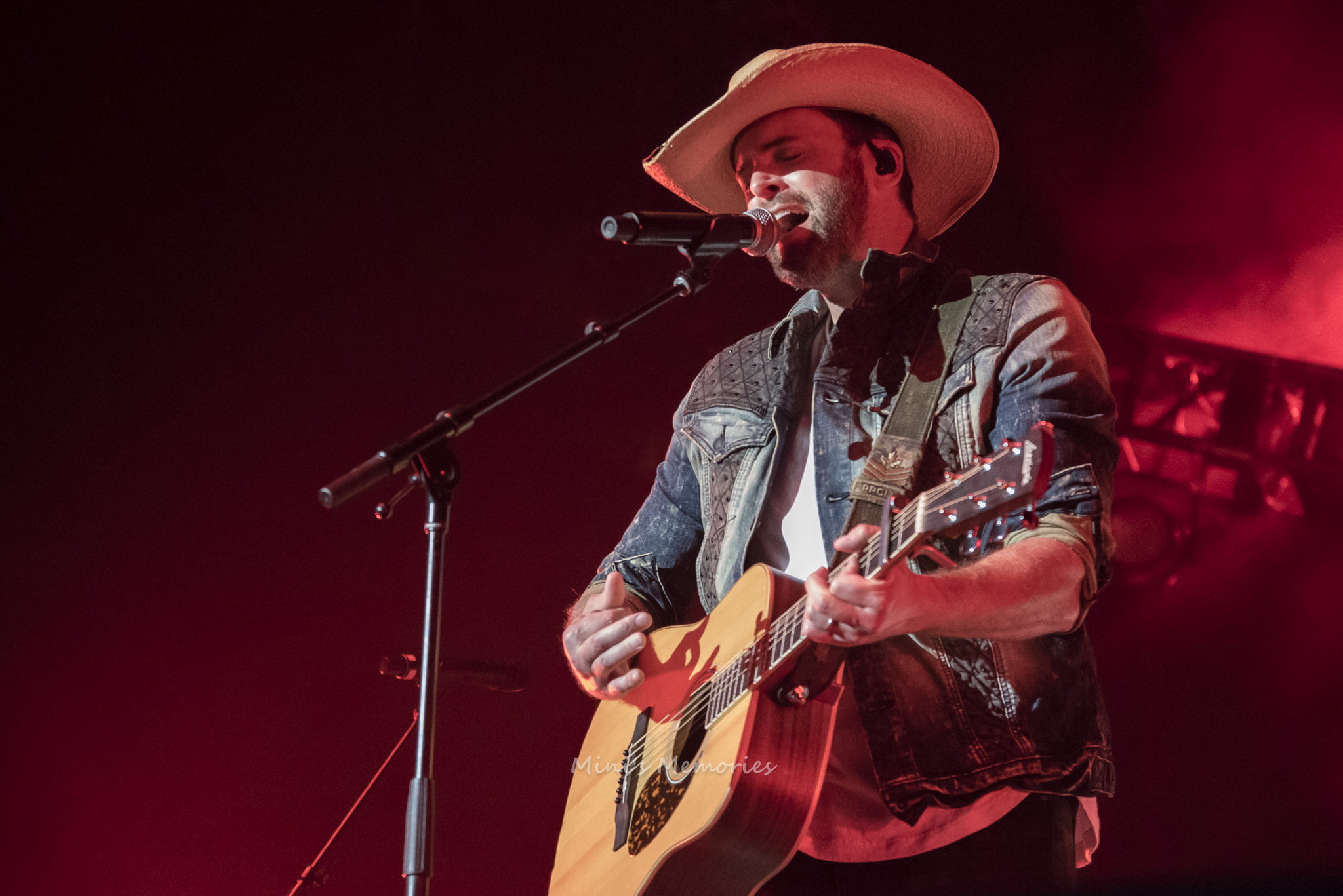
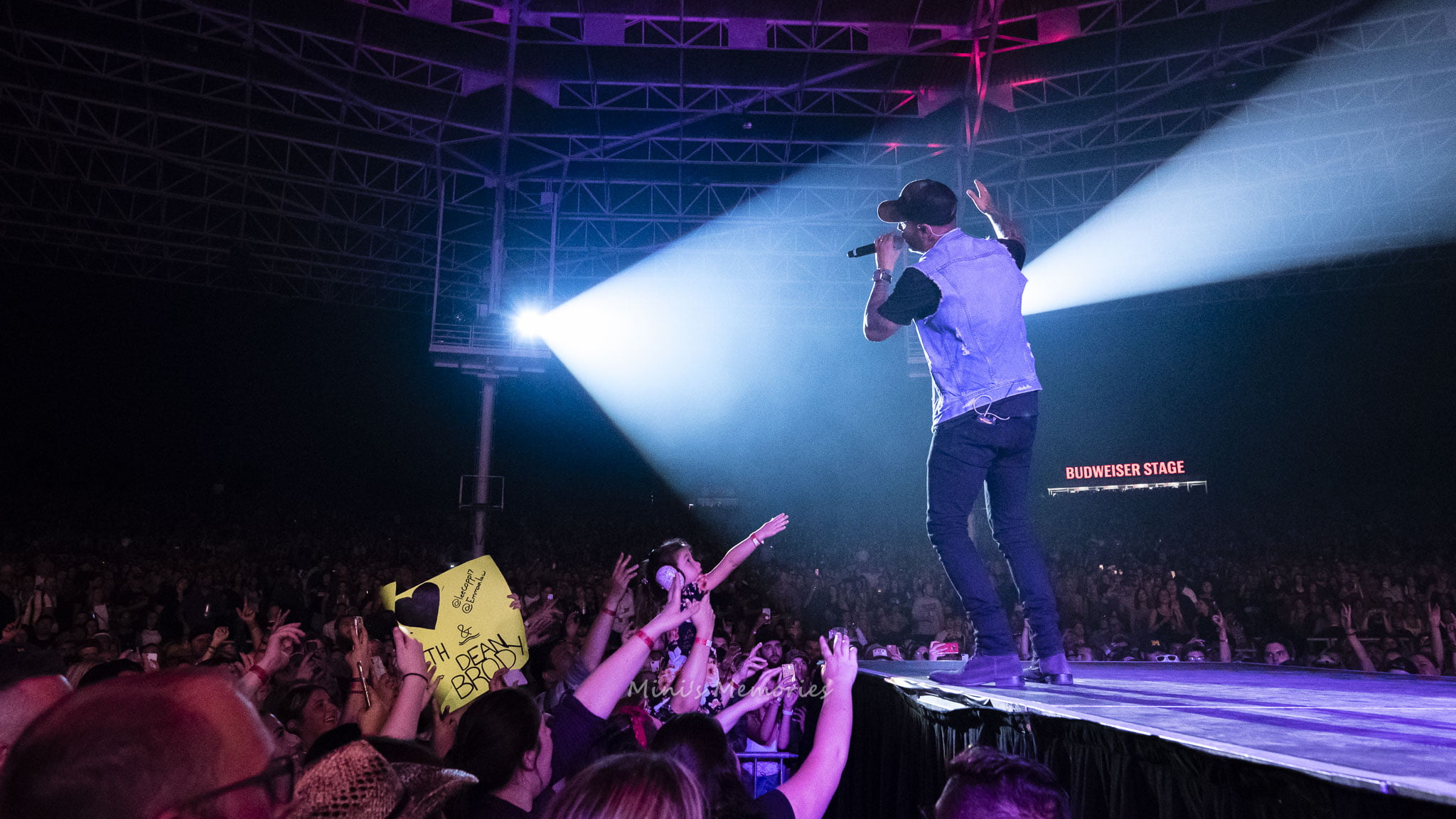
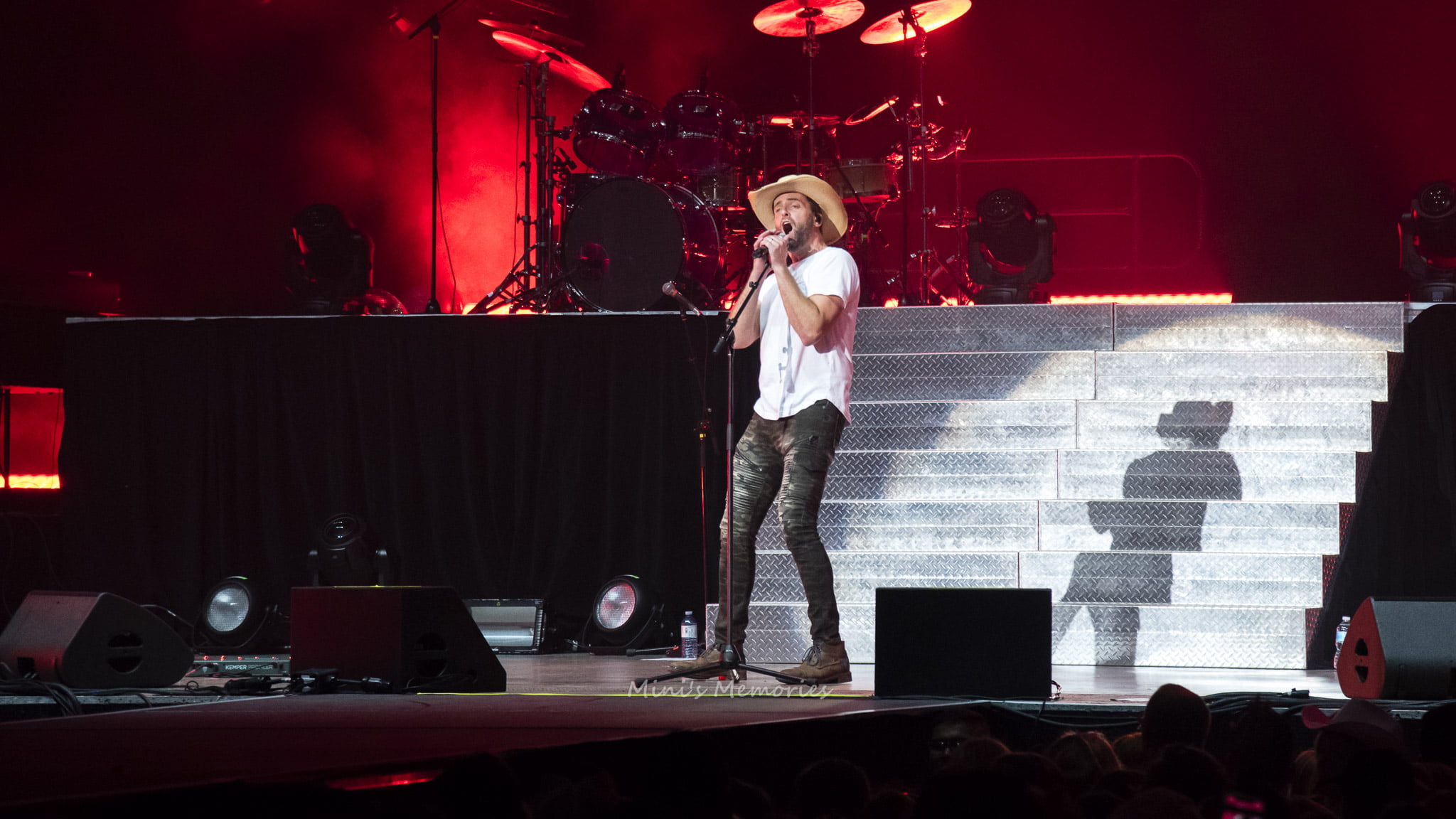
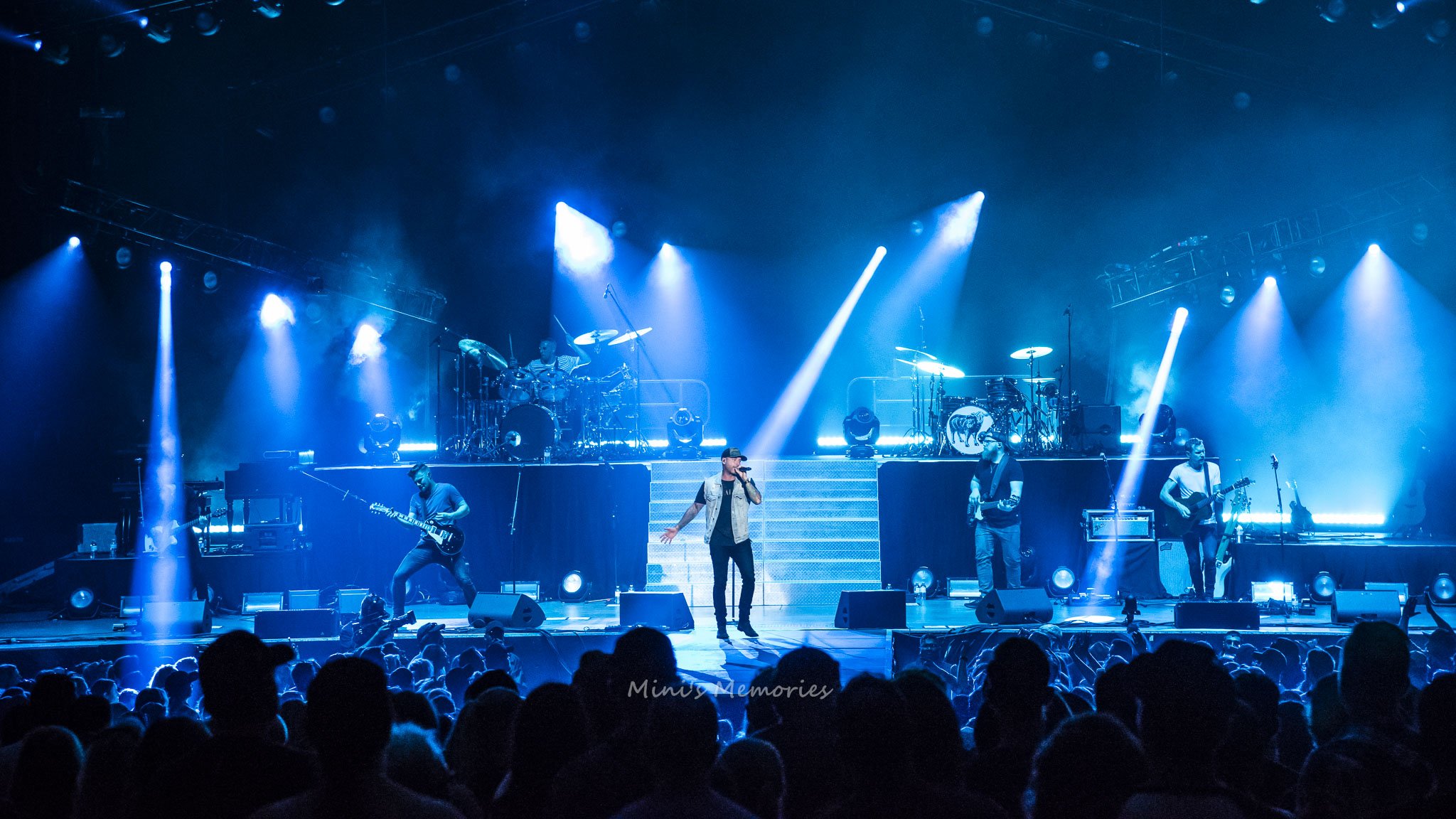
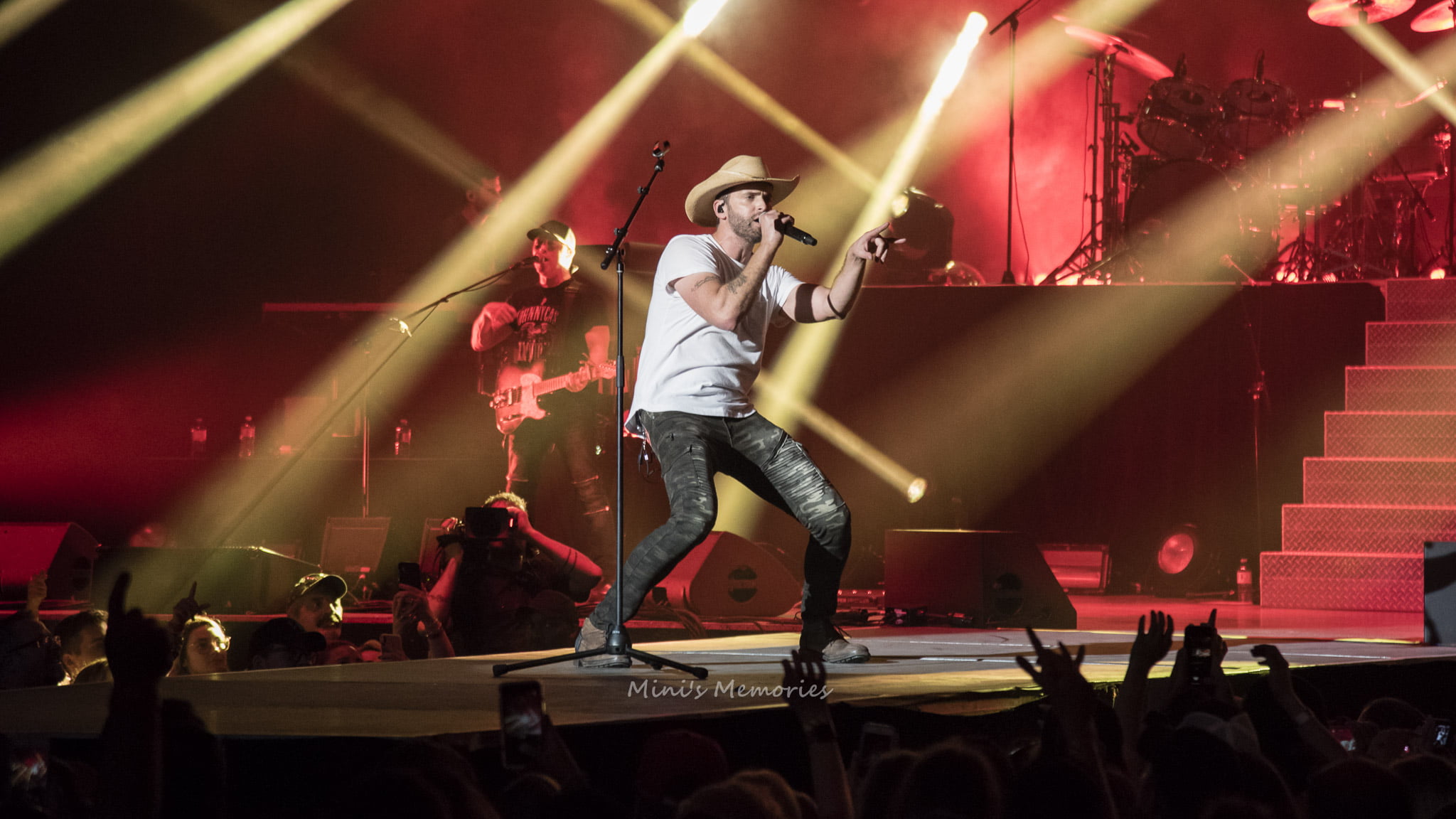
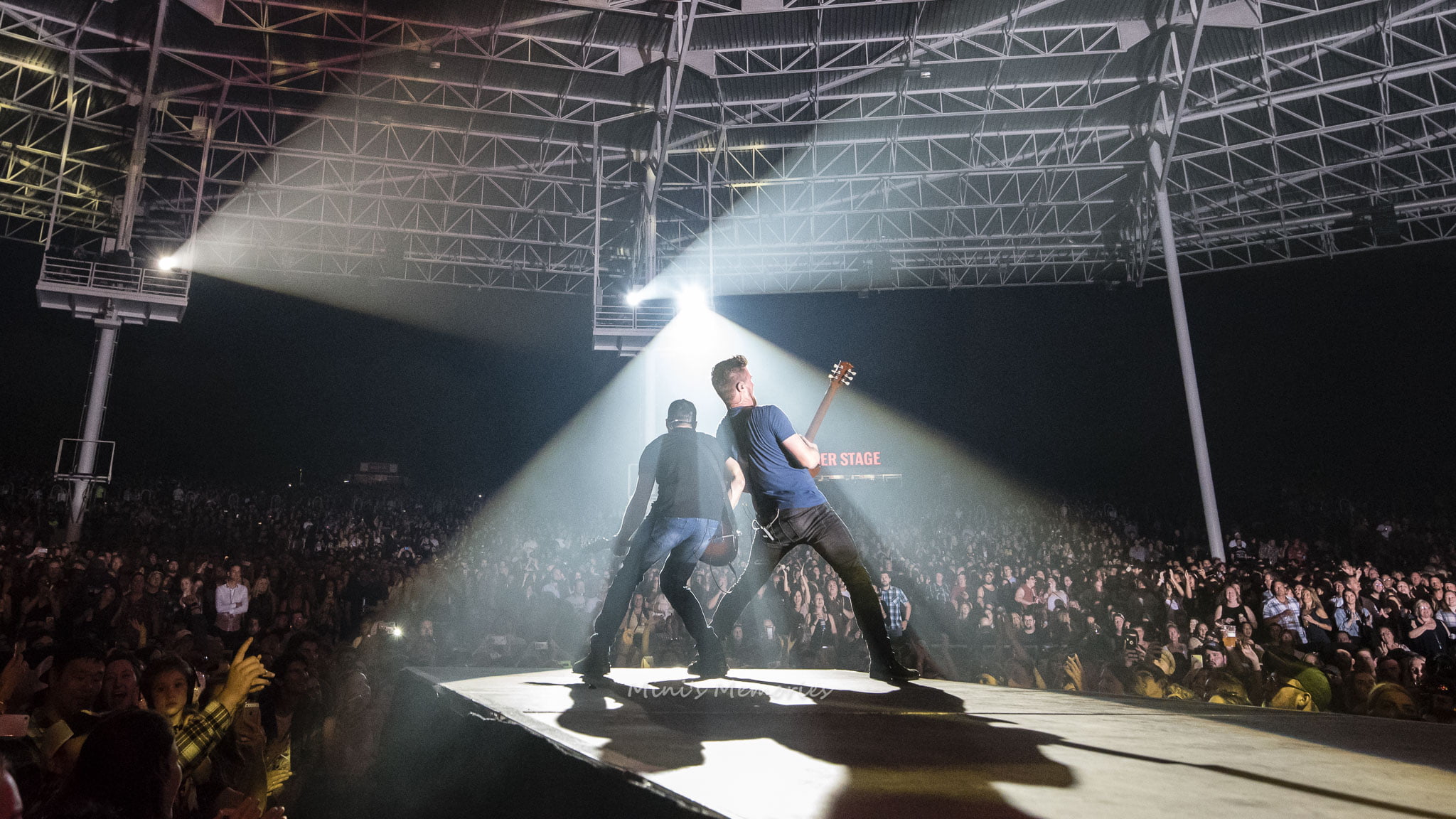
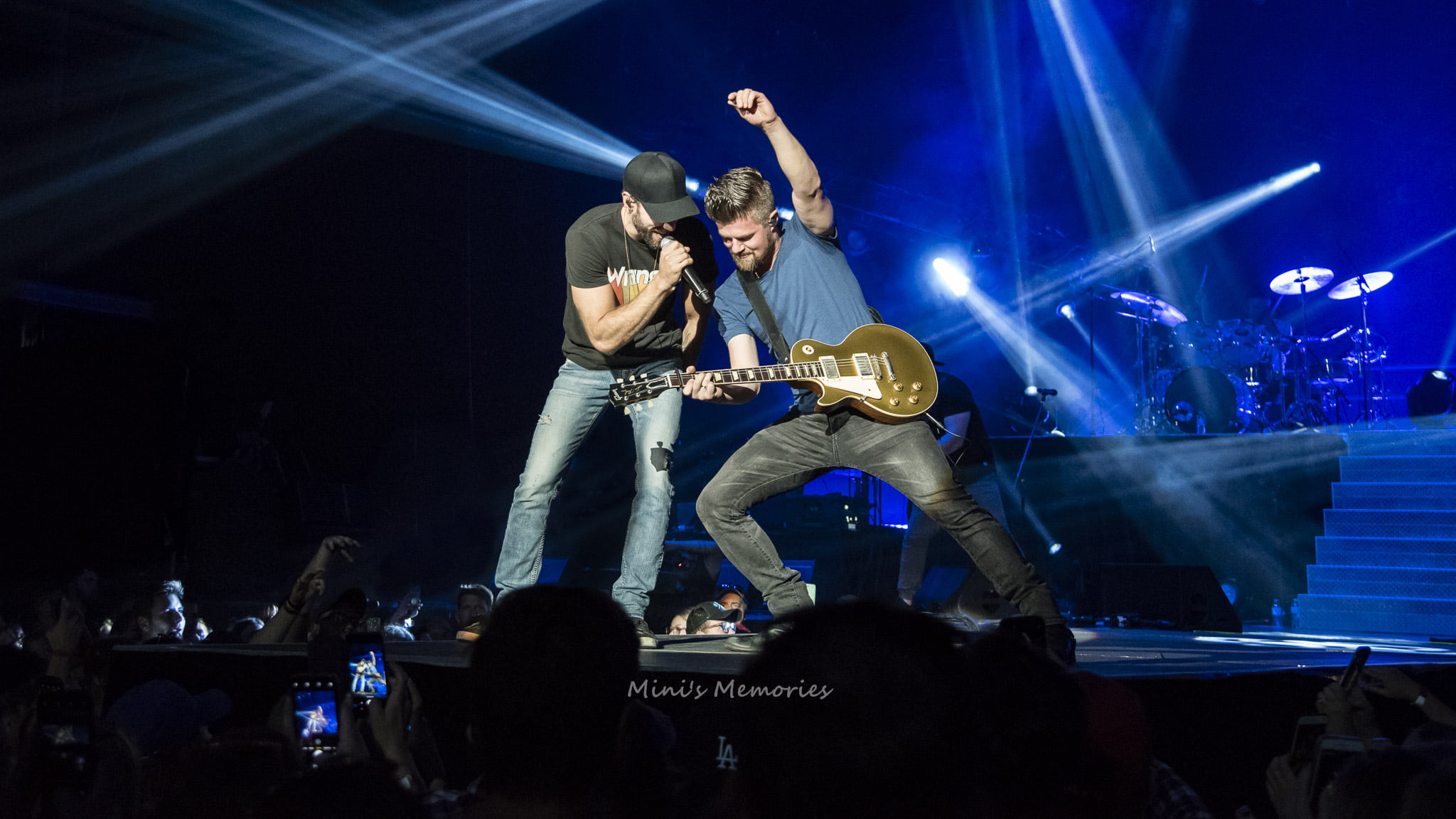
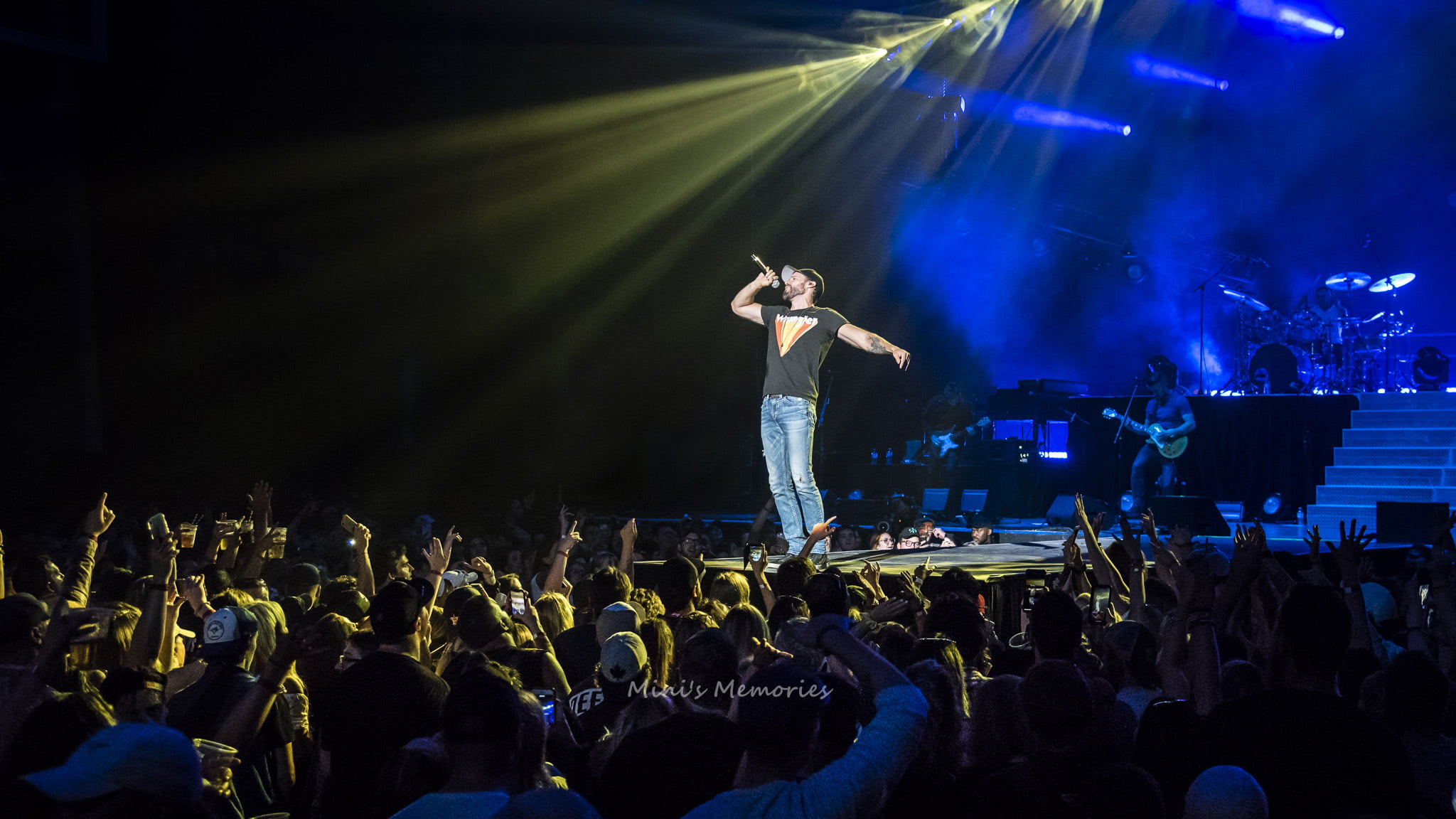
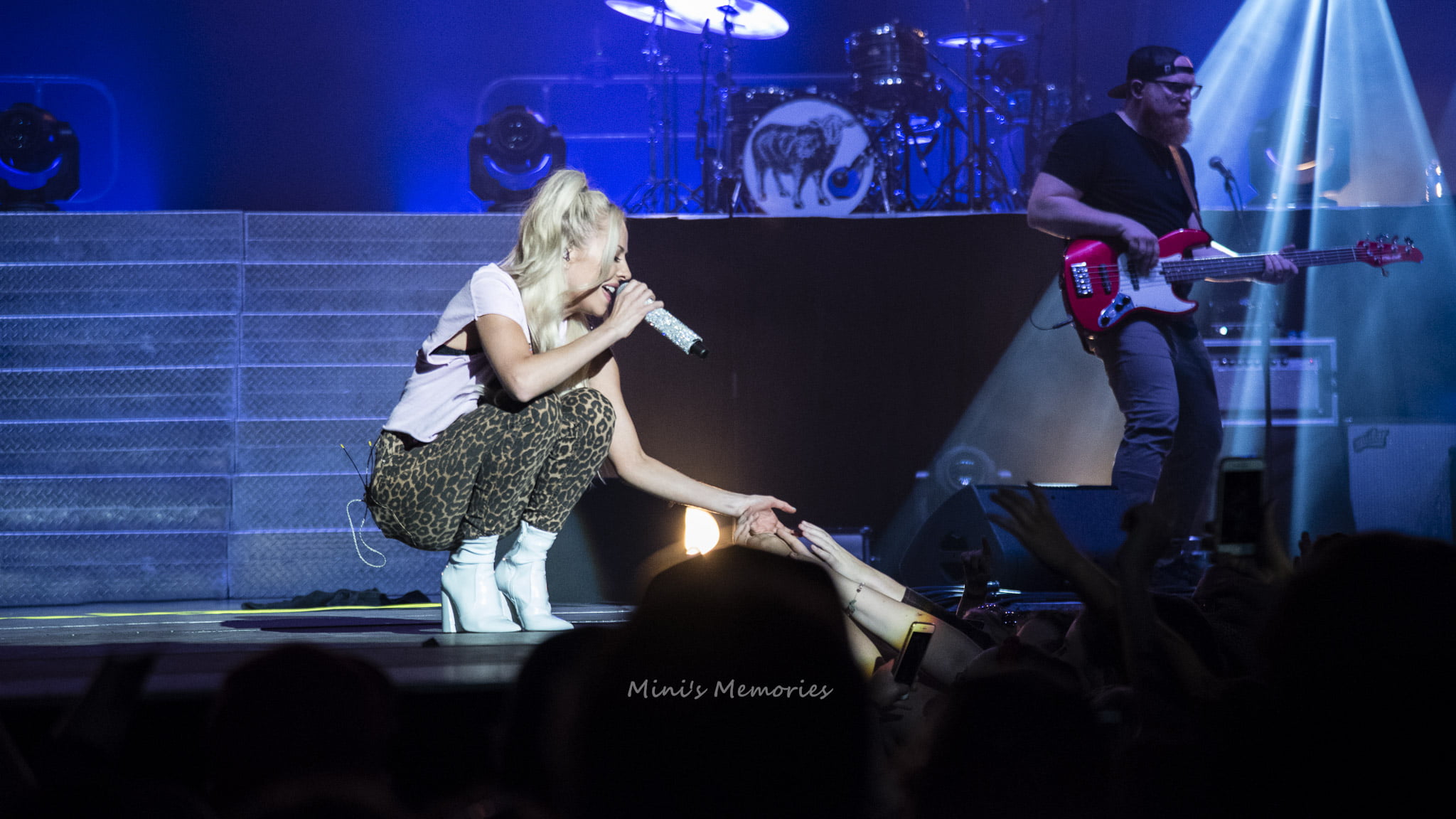
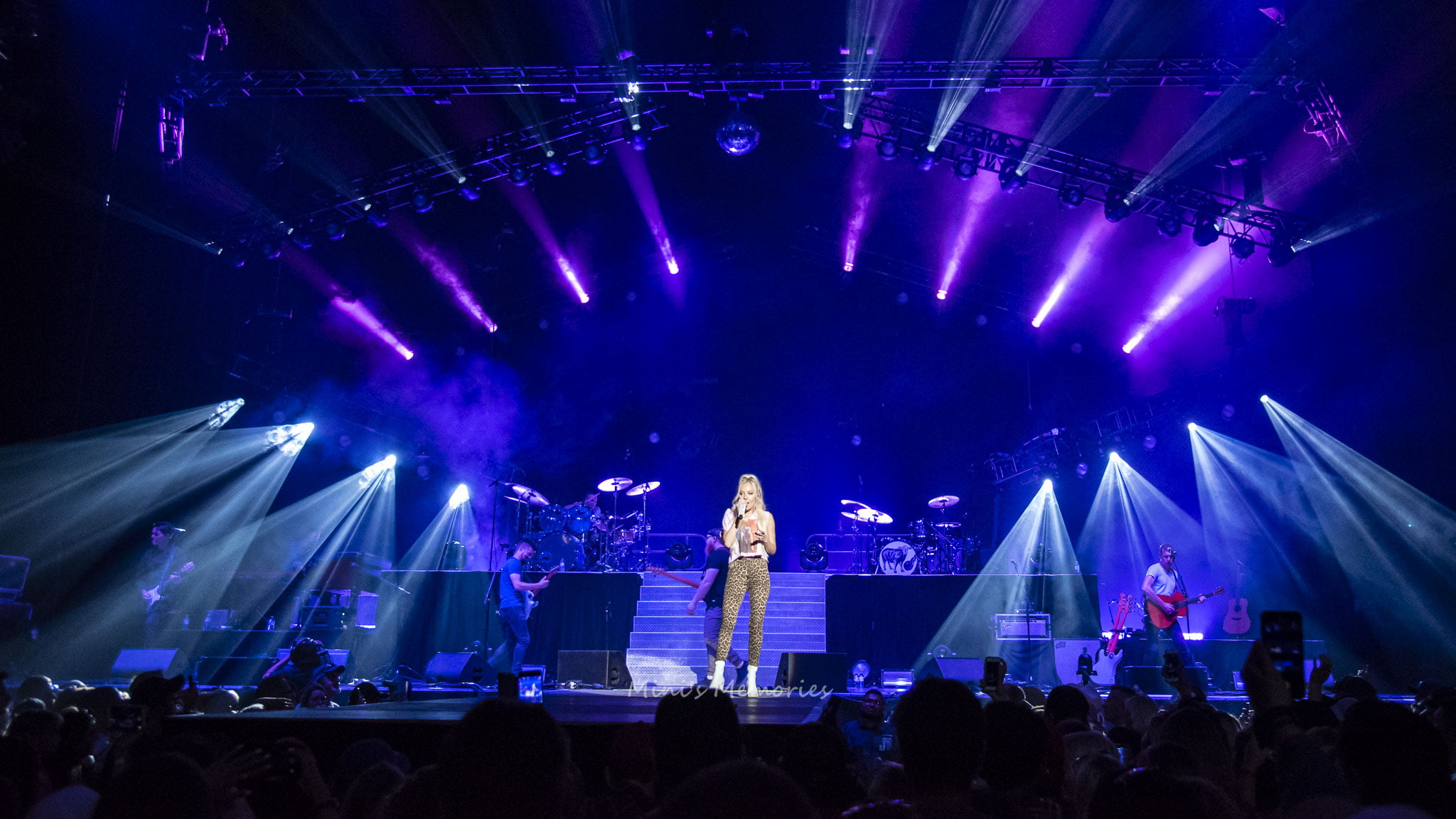
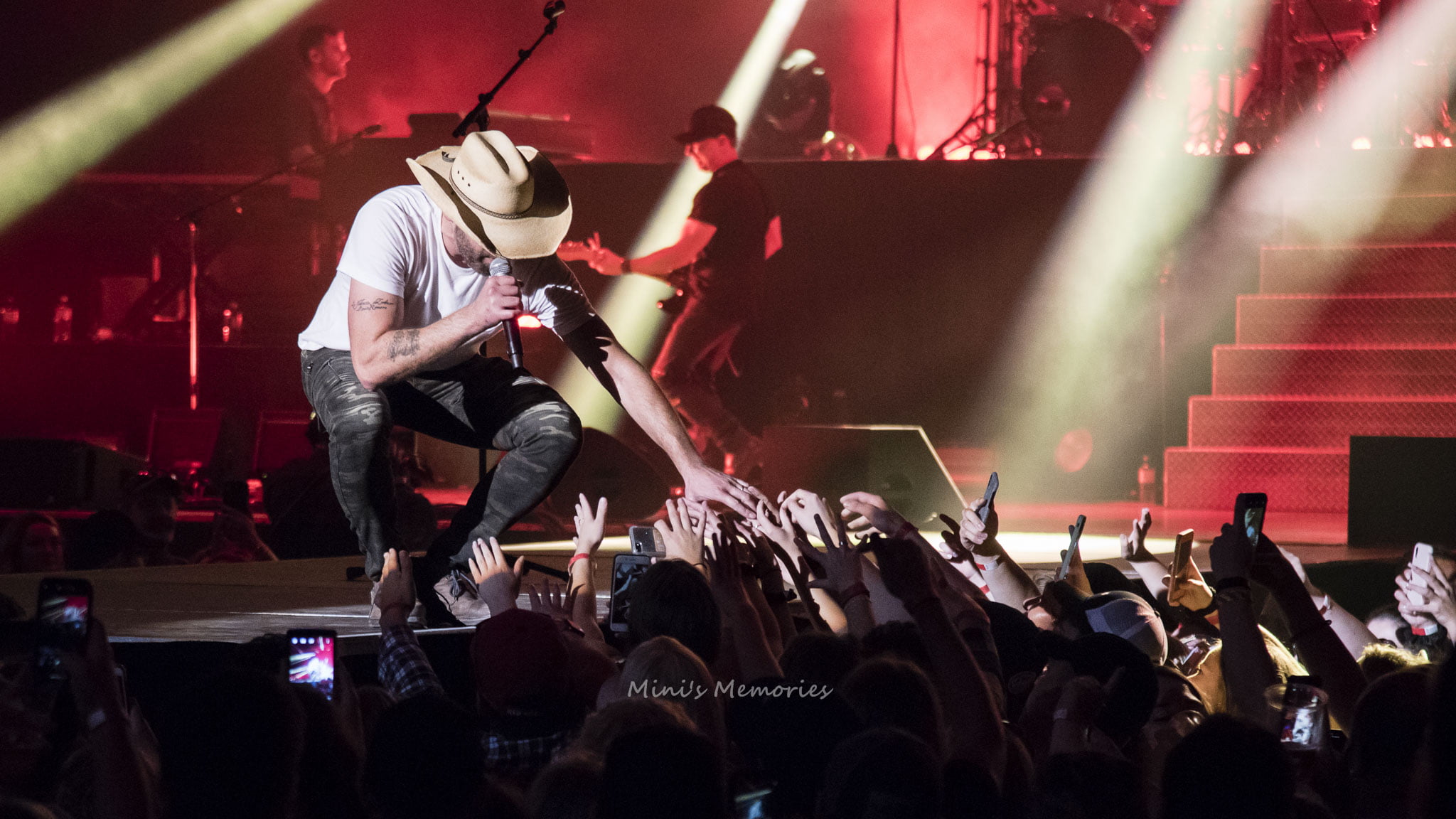
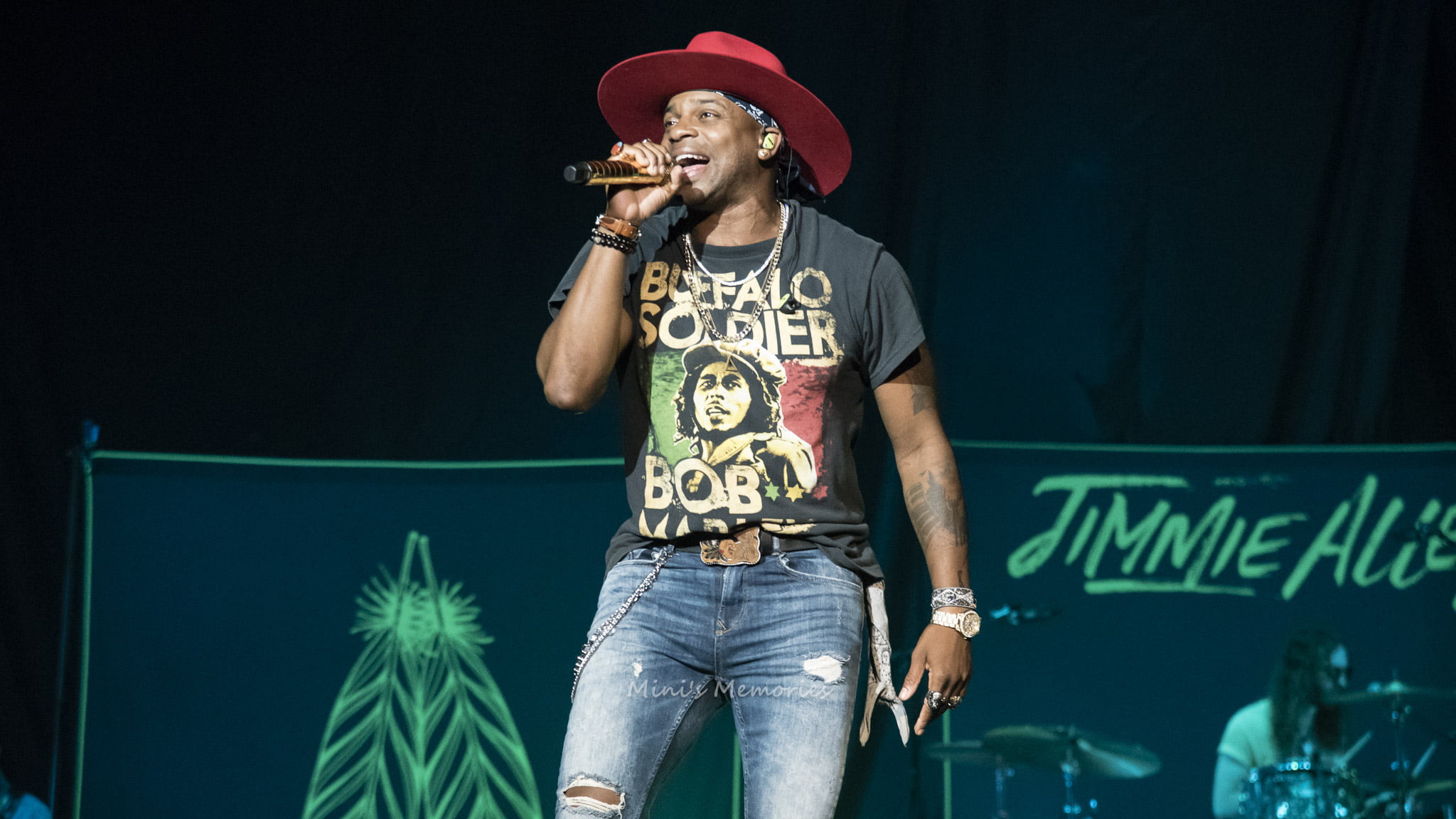
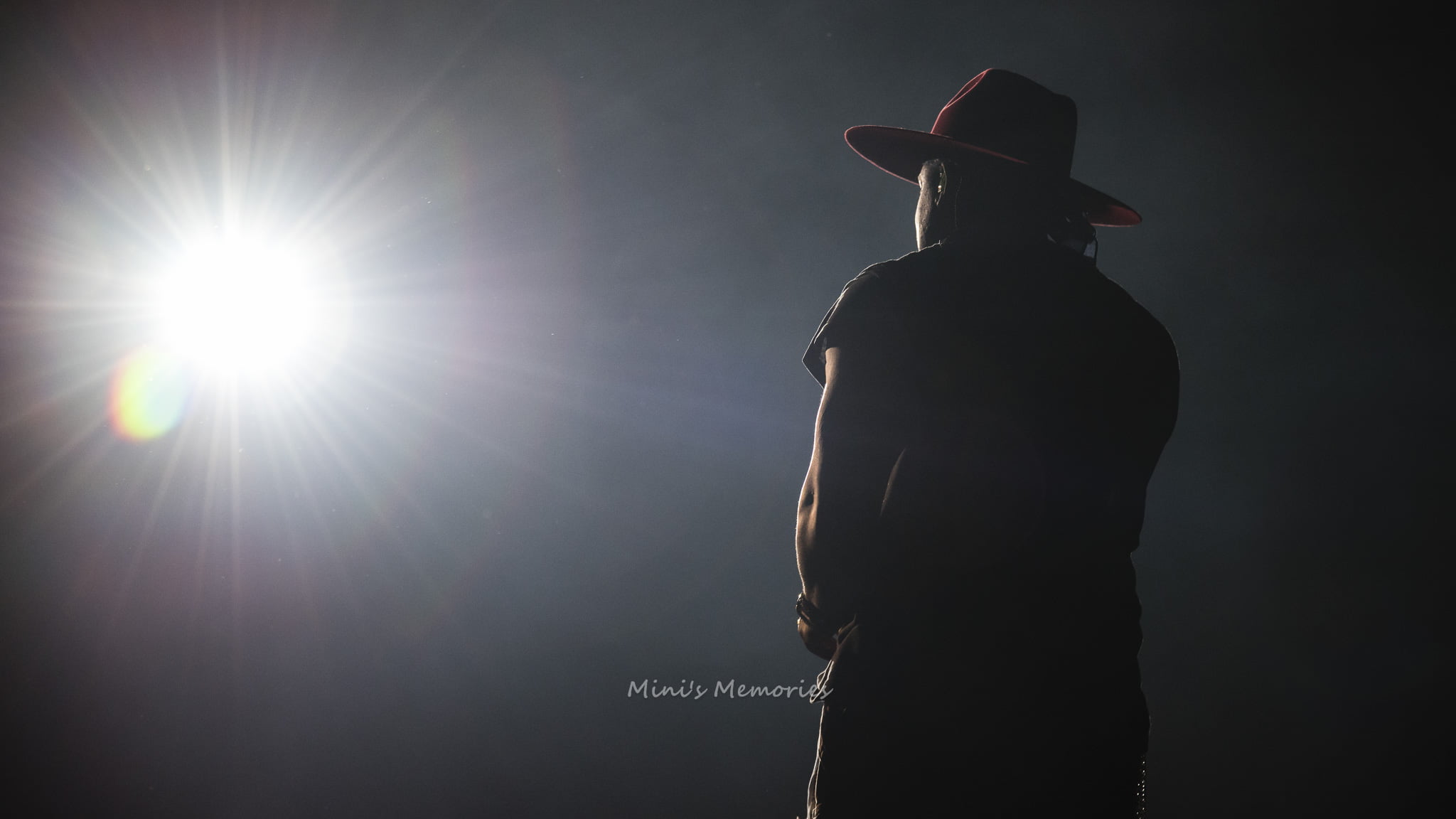
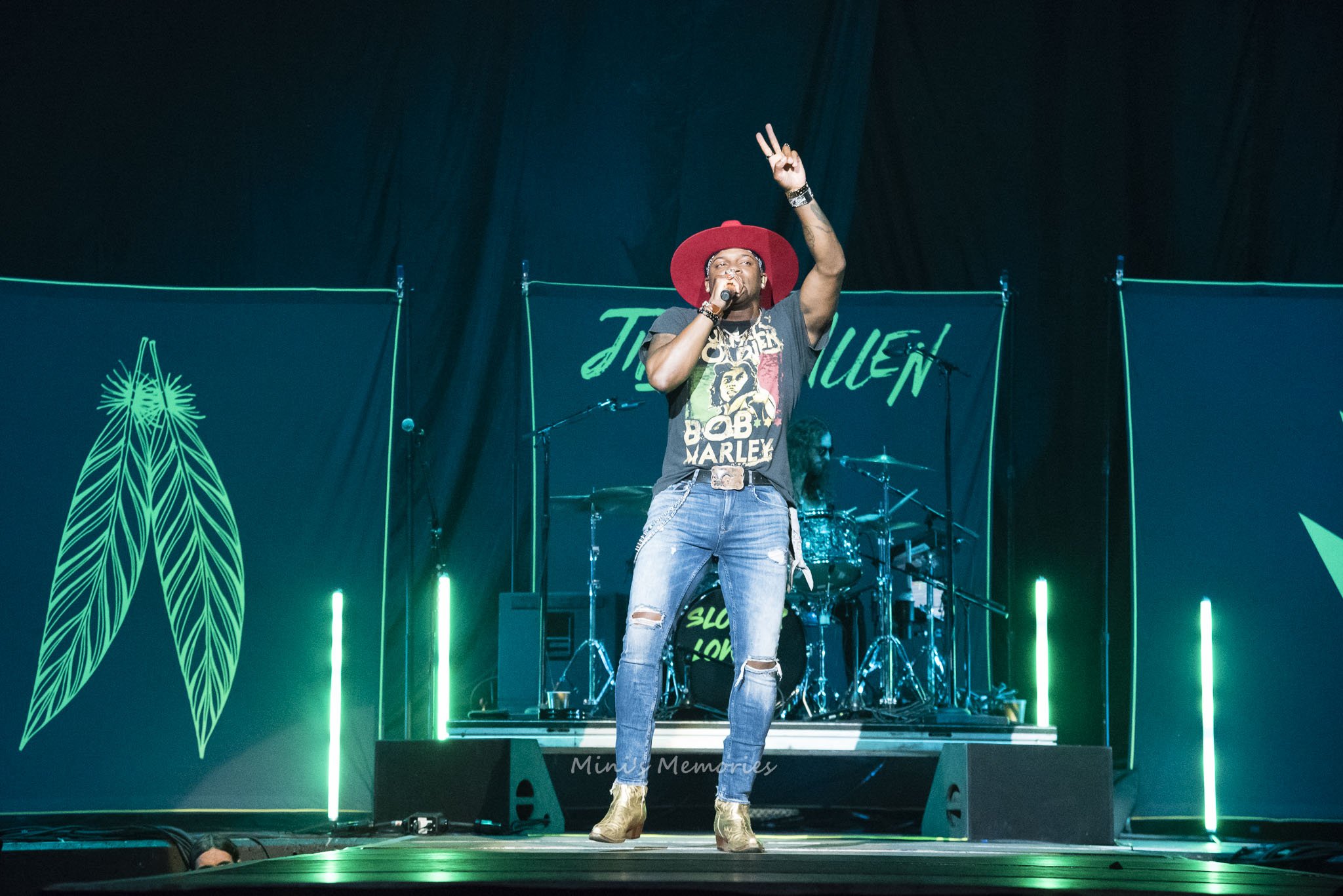
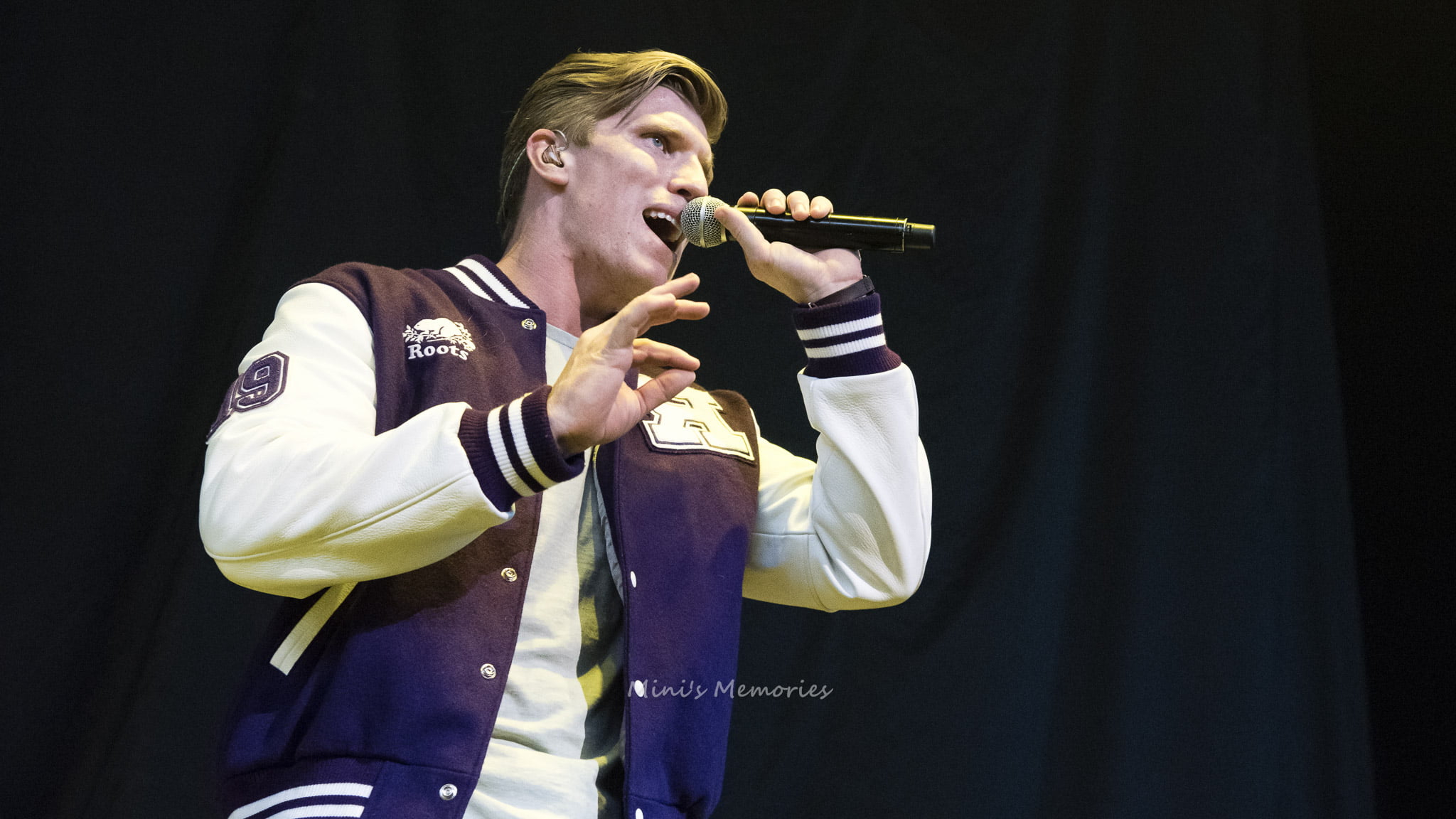
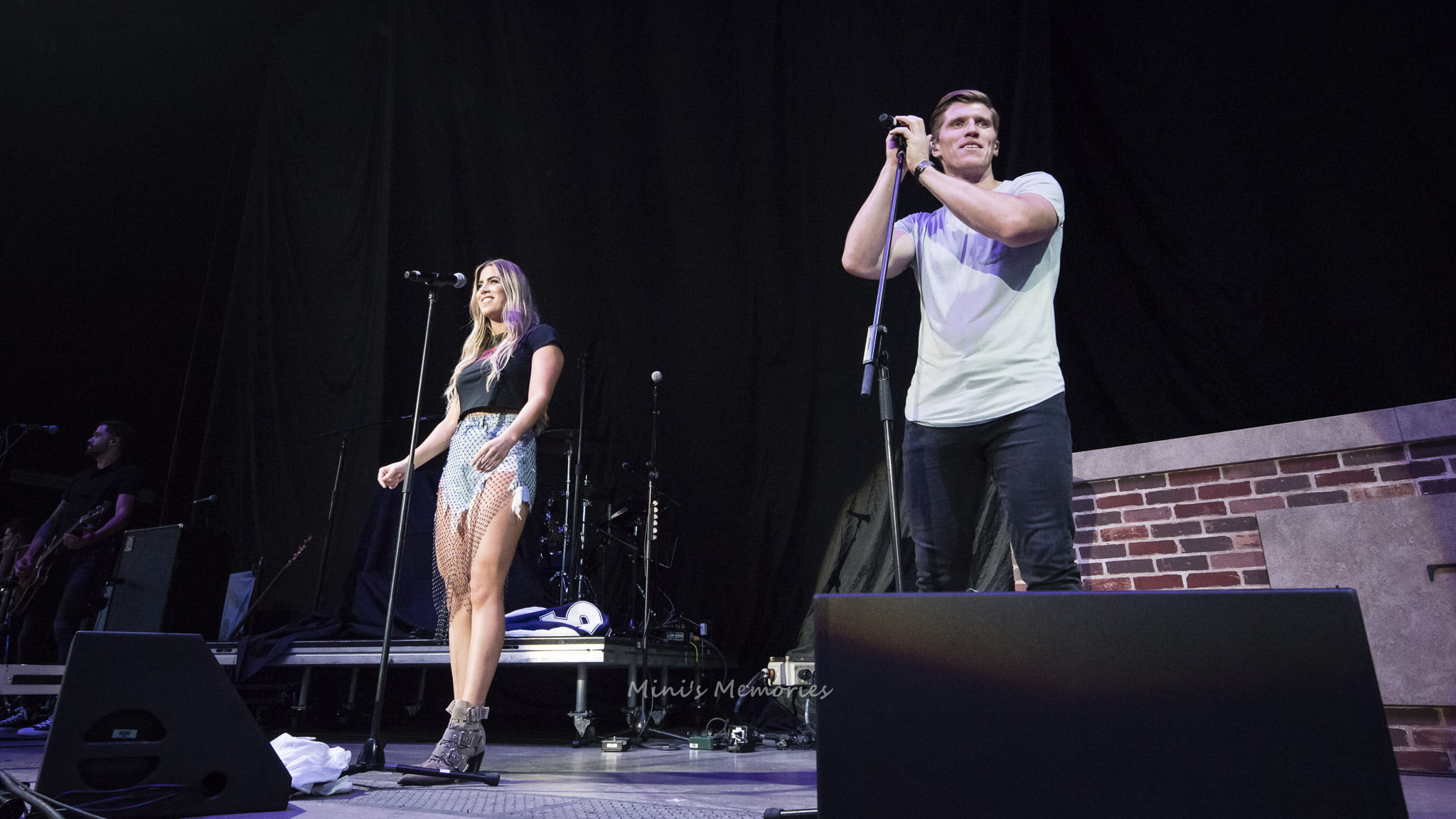
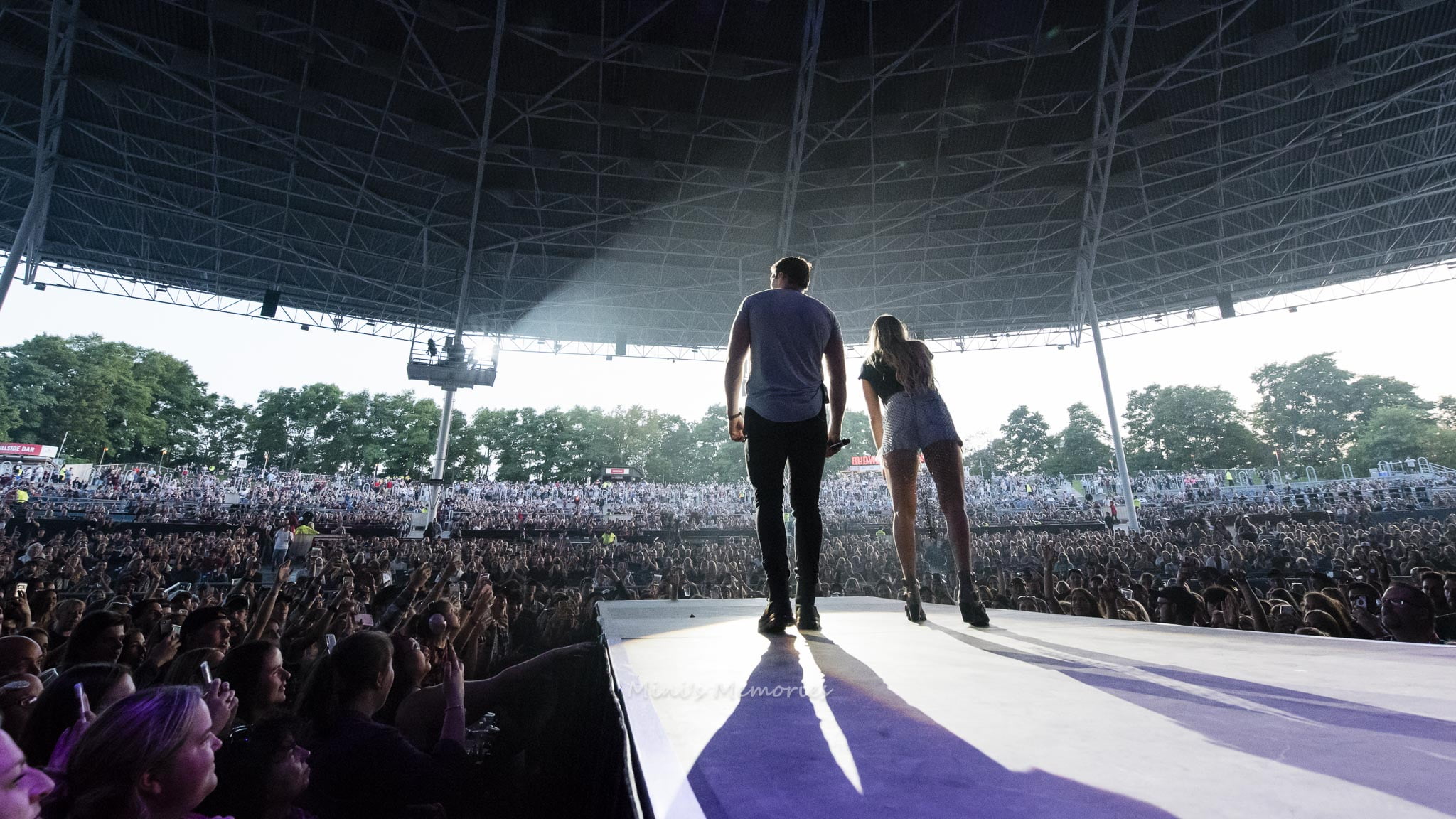
Photo Gallery: Dean Brody with Dallas Smith, Chad Brownlee, Mackenzie Porter, Jimmie Allen and The Reklaws at Toronto’s Budweiser Stage
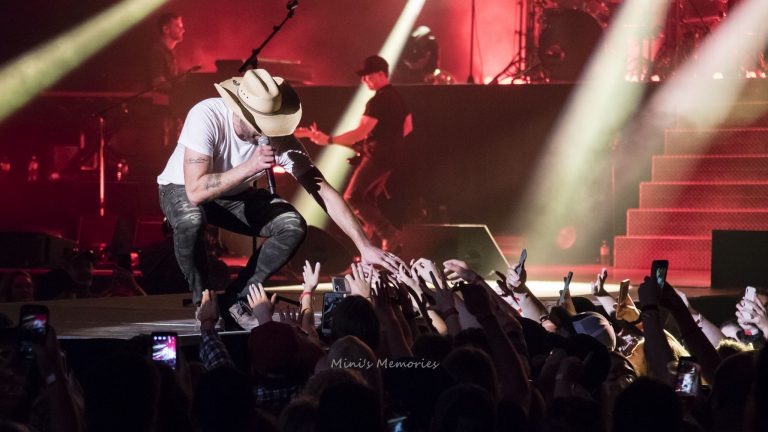
All photos by Mini’s Memories. You can contact her at minismemories@hotmail.com



How Slot Machine Music and Sounds Are Chosen and Produced
Cha-ching, bling, bling, bling… BLAM… BLAM… BLAM, dee-da-deet-deeee-dee-dee-da-deet-deeee-dee…
The sound of a reel clunking into place to trigger a feature. Reels spinning and clattering, jingling on their own, racking you up hundreds of credits. The background music of a jungle-themed game. And the loud craziness of a machine going-absolutely-bananas so as to embarrass you and attract a crowd when a jackpot is hit.
The sounds of a slot machine doing its thing are unmistakable.
Now, I know it’s not usually the genre of music that we cover here, but slot machine music and sounds are still designed, finessed, and produced – like any other music track would be.
Whether it’s on the casino floor, or you just have the sound up on your phone or laptop while playing slots online, the soundscapes of slots are unique. You can get a feel trying these no deposit and completely online slot games to see what I’m talking about if you’ve forgotten the exact style I’m talking about, or you’re not up to speed with modern-day slots symphonies.
While the music and sounds are all very “machine-like” to the ear, there’s a person behind the scenes making all that happen, very carefully placing each note.
Generally, each slots house has their very own writer/s and/or producer/s that will whip up the sounds and tunes for each new game. Each of these tunes and sounds may be all-new, or certain tunes and/or sounds may be recycled from other titles within the company.
And hey, it could be a new job if you’re already in the music biz – or trying to be. If you’re sick of slogging it out trying to get your tracks heard as a producer and want a day job that may even pay fat stacks, then slot machine music and sound production could be an excellent career move.
Wouldn’t making those sounds all day drive you crazy?
Think that developing sound for slots would be repetitive and boring? Well, it might be, depending on your level of imagination, and what sort of music you like to produce – and the type of work environment that you enjoy. And hey, if you’re a big fan of the circus then you would probably be right at home fine tuning sounds for use on the slots.
Jonathon Roberts wrote a piece back in ‘14 on his blog that detailed how his career progressed into a full time role at a slots house. His take on what he does for a crust? “This is a great job. I get to write in a wide range of styles, record live musicians in a professional in-house recording studio, work with the latest audio software and sample instrument libraries, and learn along with a team of accomplished and innovative composers, designers, and audio engineers.”
Sounds pretty interesting, don’t you think?
Building out the music
The first thing that is important to do when designing for a slot machine is to check the theme. A slot will come with a particular theme, let’s say ‘Jungle Princess’, plus graphics and the type of feature the game will have.
This will direct the flow of what the music designer should do for the game. They’ll check out all the info they have been given about the game, view all the graphics, and revisit what the type of feature will do.
Plus, if you have a specific licensed theme, like a Queen-themed slot, or James Bond, you might just be able to use some of the very familiar tunes of these bands and franchises.
And how about some science thrown in for good measure?
There have been studies conducted about the effect of sound on gamblers playing the slots. For instance, The Impact of Sound in Modern Multiline Video Slot Machine Play (2013) found that “sounds… caused players to significantly overestimate the number of times they won (vs. non-audio slot playing)”
Another study, Losses disguised as wins in multiline slots: using an educational animation to reduce erroneous win overestimates (2017) indicates that novice players overestimated the times they remembered winning over a play session when losses disguised as wins (LDWs) were part of the game. LDWs include flashing lights and interesting sounds on a loss. It’s a tricky little nuance of the game industry that can trip up players if they aren’t paying attention, and are simply pressing that spin button over and over.
A journey in sound
If you’re after a Fear and Loathing style take on the music of the slots, you’d be hard-pressed to go past the musings of Adrian Rew, in his rambling, poetic and in depth account of his fascination and encounters with the music of the slots. This man literally put out Slot Machine Music Vol 1 and Vol 2 on a record label. It’s some interesting stuff!
The article is a whirlwind of descriptiveness of casino floors, the varying types of games, a smattering of history, and references to some of the more famous “slot game noise” scenes in movies.
Slot machine music and sounds may not be as glamorous as the latest release by an up and coming indie artist, but they’re a part of the music industry, nonetheless. Like creating jingles for companies, it’s how plenty of musos make a crust while pursuing their passion projects that aren’t exactly raking in the funds. If you think you might be interested in pursuing slot machine sound design and creation, then why not check out the major players in the industry and see what roles they have on offer. You never know what you might find or where it might take you…
‘MOTOWN UNRELEASED: 1969’ Celebrates 60 Years Of Motown With 60 Previously Unreleased Songs Recorded By The Legendary Label In 1969
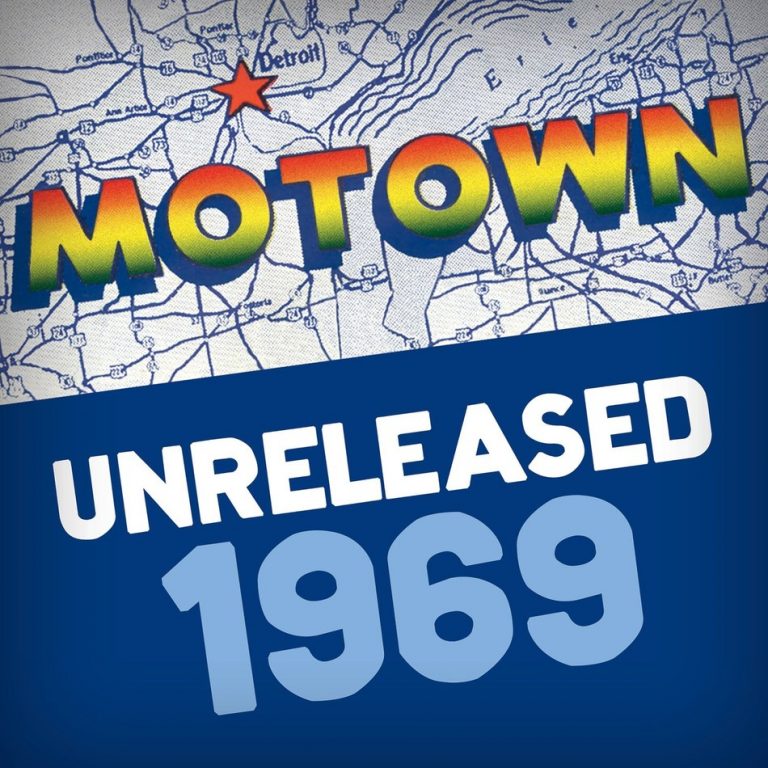
To celebrate the 60th anniversary of the celebrated label, Motown/UMe today released MOTOWN UNRELEASED: 1969, a digital only collection that contains 60 previously unreleased studio recordings made during 1969 including songs by Diana Ross & the Supremes, The Temptations, Stevie Wonder, Marvin Gaye, Smokey Robinson & The Miracles, Gladys Knight & the Pips, and Jr. Walker & the All Stars and many more.
The collection captures the width and breadth of Motown’s iconic catalog, the richness of the label’s roster, and the diversity of material that was being produced at the time. The songs showcase a vision of the future that’s coming into focus, with seminal albums from Stevie Wonder, Marvin Gaye and The Temptations on the horizon.
Owing to the non-stop recording activity at Motown’s studios, more than half of the tracks on MOTOWN UNRELEASED: 1969 are never-before-heard compositions, including the heart-breaking-yet-hopeful “I Had a Dream (Opus I),” written and produced by Ashford & Simpson for Gladys Knight & The Pips, recorded a year after the assassination of Martin Luther King, Jr.; Stevie Wonder’s joyful “Mister Moon,” one of his first self-productions, infused with ecstatic falsetto harmonies; and “Pretty Little Brown Skin Girl,” a celebration of African-American beauty from The Temptations. Also among the jewels is “Touched by Love,” a Johnny Bristol production recorded by Bobby Taylor while he was grooming the Jackson 5 in advance of their first album.
Additional tracks are unique covers of previously released songs, including several by Ivy Jo Hunter, one of the great unsung Motown writers and producers who re-works the hits he had created for other artists including “Dancing in the Street” and “Ask the Lonely.” The Jackson 5, just two months from debuting with “I Want You Back,” lay down a thrilling, up-tempo version of the Miracles’ “What’s So Good About Goodbye,” providing a fresh take of a Smokey Robinson classic. Diana Ross & the Supremes deliver an achingly beautiful version of “For Once In My Life,” an historic session that marks the last time Ms. Ross, Mary Wilson and Cindy Birdsong are together in the studio.
On other tracks, UMe’s A&R executives and studio engineers were able to repair technical issues on the original recordings that had prevented Motown from releasing the songs, including Kiki Dee’s “While They Watch” and “You’re My World.”
The collection also includes five funky instrumental tracks by the Funk Brothers house band – surely highlighted by the Paul Riser production, “Moratorium” – recorded under the name of their indomitable leader, Earl Van Dyke.
All of the new collection’s tracks have been mastered for the first time at Studio 4 by Phil Nicolo from their original analog master tapes, which were individually selected by Motown A&R specialists from UMG’s secure storage facilities. Half the collection’s tracks were sourced from their original Motown mixes, while the rest were mixed for the first time for this release, by Obie O’Brien at Mixville USA and by John Morales at M+M Mix Studios.
MOTOWN UNRELEASED: 1969
1. Diana Ross & the Supremes / For Once In My Life
2. Stevie Wonder / Can’t Do Without Your Love
3. Ivy Jo / It’s Love I Need
4. Chris Clark / My World Is Empty Without You
5. The Temptations / Pretty Little Brown Skin Girl
6. The Volumes / Forever I’ll Love You
7. Jr. Walker & the All Stars / (Baby) I Need You
8. Frank Wilson / Look Out Your Window
9. Edwin Starr / I’ll Always Love You
10. Earl Van Dyke / Stone Soul Booster
11. Gladys Knight & the Pips / You Took Me This Far (Take Me All The Way)
12. Smokey Robinson & the Miracles / Won’t You Come and Fly With Me
13. Edwin Starr / Born Just To Be That Way
14. Smokey Robinson & the Miracles / What About Me
15. Jonah Jones / Too Many Fish In The Sea
16. Edwin Starr / Fan The Flame
17. Chris Clark / The Last Thing On My Mind
18. Smokey Robinson & the Miracles / Backfire (version 1)
19. Gladys Knight & the Pips / I Had A Dream (Opus I)
20. The Temptations / Why (Must We Fall In Love)
21. The Fantastic Four / What Becomes Of The Brokenhearted
22. Ivy Jo / Ask The Lonely
23. Ivy Jo / Yesterday’s Dreams
24. Ivy Jo / I Got To Get To California
25. The Originals / Blame It On War
26. The Stylists / The Jackpot
27. The Spinners / Don’t Think It’s Me
28. Michael Denton / MacArthur Park/Didn’t We
29. Michael Denton / Someone For My Own
30. The Volumes / One Lucky Day I Found You
31. The Rustix / Generation
32. Jr. Walker & the All Stars / Country Girl
33. Jr. Walker & the All Stars / Something You Got (studio version)
34. Bobby Taylor / At Last (I Found A Love)
35. Bobby Taylor / Love Is Here And Now You’re Gone
36. Jackson 5 / What’s So Good About Goodbye
37. Bobby Taylor / You’ve Really Got A Hold On Me – feat. the Jackson 5
38. Earl Van Dyke / The Stranger
39. Earl Van Dyke / I Wish It Would Rain
40. Stevie Wonder / Start Out A New Day
41. Gordon Staples & the Motown Strings / All the Many Shades In Between
42. Valerie Simpson / You Ain’t Livin’ Till You’re Lovin’
43. Edwin Starr / Pain From My Loneliness
44. Yvonne Fair / All I Could Do Was Cry
45. The Temptations / Home Is Where The Heart Is
46. Stevie Wonder / Mister Moon
47. Rare Earth / Your Heartaches I Can Surely Heal
48. Ivy Jo / Dancing In The Street
49. Marvin Gaye / I’ll Take Care Of Business
50. Ivy Jo / Pride, Foolish Pride
51. Earl Van Dyke / Moratorium
52. Kiki Dee / While They Watch
53. Terry Johnson / This Is The Beginning
54. Terry Johnson / I Blew My Mind
55. Earl Van Dyke / Chicken Little 69
56. Kiki Dee / You’re My World
57. Bobby Taylor / Touched By Love
58. Hearts of Stone / When Push Comes To Shove
59. Jimmy Ruffin / I Gotta Cover A Whole Lotta Ground
60. Terry Johnson / Tomorrow’s Child