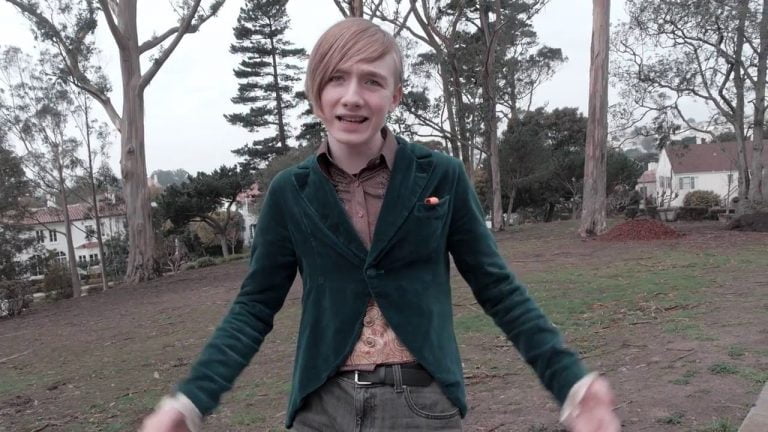
Quinn Muller, a 13-year-old boy in San Francisco, edited and produced a solo videoof the song “Right Hand Man” by Lin-Manuel Miranda from Hamilton, An American Musical, in which he quite superbly, plays the roles of Alexander Hamilton, George Washington, Aaron Burr along with all of the backup dancers and chorus. The only thing he hasn’t done, is seen the actual play.
Thanks to the magic of motion pictures, I performed all the parts to Lin-Manuel Miranda’s “Right Hand Man” from the hit broadway musical, “Hamilton”. I’m a huge fan of this musical and have been fascinated by Alexander Hamilton for several years. Someday, I hope to see the show in New York and meet Lin-Manuel and the cast.
Being a publicist in the music industry has allowed me to have a bit of an inside view on celebrities and musicians, and the privilege to be called upon to speak about music in the media, and especially recently, deaths of musicians. 2016 has been very busy, sadly.
But while others online are suspicious to see people have an emotional outpouring whenever a celebrity dies, PBS Idea Channel, host Mike Rugnetta very eloquently explains why it’s okay to mourn celebrity deaths online, why some people feel it’s inappropriate and why we even care about these larger-than-life figures, when we’ve never even met them.
The answer to the question posed in the title of this video is yes. Yes, it is ok to mourn a celebrity death online and yes, it’s ok to do each component activity. It’s ok to mourn online and it’s ok to mourn celebrities. …If you would prefer to grieve privately that is your right and no one can follow you there is no one correct way to mourn…being a person in the world is allowing oneself to be affected by a multitude of things, with it many things will have great impact and some of those things will be larger than life entities in the public eye. If you want to deny that artists, heads of state, entrepreneurs and performers can have great emotional aspirational philosophical or intellectual impact on others we can disagree fundamentally and then this conversation is over, but if you allow that such a thing is possible, you also have to allow that such impacts can make people feel like those public figures helped them become themselves. This is why it’s sad that David Bowie died and why I’m allowed to be sad and tweet about it. I didn’t know David Bowie, but at times remarkably like David Bowie knew me and what’s more important at times it felt like he knew who I wanted to be. Same is true for people who mourned Oscar de la Renta, Amy Winehouse, Andy Warhol Glenn Frey, Harper Lee, Princess Diana and John Lennon at their passing and forever after. Losing a creative hero is like losing a great teacher someone who knew things about the world you didn’t but showed them to you in this inviting way that encouraged you to become yourself.
The National Music Publishers’ Association (NMPA) and Spotify today announced a landmark agreement allowing independent and major publishers to claim and receive royalties for certain compositions used on Spotify in the United States where ownership information was previously unknown. In addition to identifying the rightful recipients of Spotify royalties, the agreement establishes a large bonus compensation fund that is a substantial percentage of what is currently being held by Spotify for unmatched royalties, and creates a better path forward for finding the owners of publishing rights who should receive streaming royalties.
For years, the issue of “unmatched works” — the lack of proper ownership information — has made it difficult to pay timely royalties to writers and publishers. Not only does today’s groundbreaking agreement distribute royalties to writers, it also improves processes for identifying and compensating writers for their work and establishes a better database for future payments. The deal will allow copyright owners to identify their works and receive the money Spotify has set aside for the past usage of unmatched works. It will allow the entire industry to benefit by filling in the gaps in ownership information, which help to ensure that royalties are promptly paid to their rightful owners in the future. Any royalties associated with works that remain unmatched after each claiming period will be distributed to publishers and songwriters who participate in the settlement, but the agreement will not affect the royalties owed to any publisher or writer who does not choose to participate.
The agreement is a key step in improving transparency in the music community and ensuring that music’s creators receive royalties when their music is used. In addition to allowing copyright owners to identify and receive payment for unmatched works, the agreement enables publishers and Spotify to establish improved practices to identify proper ownership and ensure speedy payment of royalties in the future.
National Music Publishers’ Association President and CEO David Israelite praised the agreement, saying, “NMPA’s goal has always been to ensure publishers and songwriters receive the money they deserve. I am thrilled that through this agreement both independent and major publishers and songwriters will be able to get what is owed to them. We must continue to push digital services to properly pay for the musical works that fuel their businesses and after much work together, we have found a way for Spotify to quickly get royalties to the right people. I look forward to all NMPA members being paid what they are owed, and I am excited about the creation of a better process moving forward.”
Spotify Global Head of Communications and Public Policy Jonathan Prince said, “As we have said many times, we have always been committed to paying songwriters and publishers every penny. We appreciate the hard work of everyone at the NMPA to secure this agreement and we look forward to further collaboration with them as we build a comprehensive publishing administration system.”
The agreement includes payment of bonus compensation, and provides the ability to easily identify and properly claim “unmatched” works online. It also ensures that Spotify will continue working with the NMPA and its members to implement practices that will allow Spotify to match works more accurately and efficiently. Where ownership has not been identified or claimed by publishers, there will be a distribution to publishers and songwriters of royalties held by Spotify based on known usage on Spotify’s service.
Bruce Springsteen’s River tour is long – like around 25 songs on a normal night. And that makes trouble for students being unable to make it to school on time.
On Tuesday night, The Boss played to a sold-out crowd at the Los Angeles Sports Arena. 35 songs. 3 hours and 29 minutes.
And that caused a problem for the son of Scott Glovsky.
However, Springsteen came to the rescue, signing the youngster’s tardy note.
Bruce Springsteen signed Xabi's tardy note for school tomorrow. He is as genuine and gracious as you think he is! pic.twitter.com/mmTlxjFveG
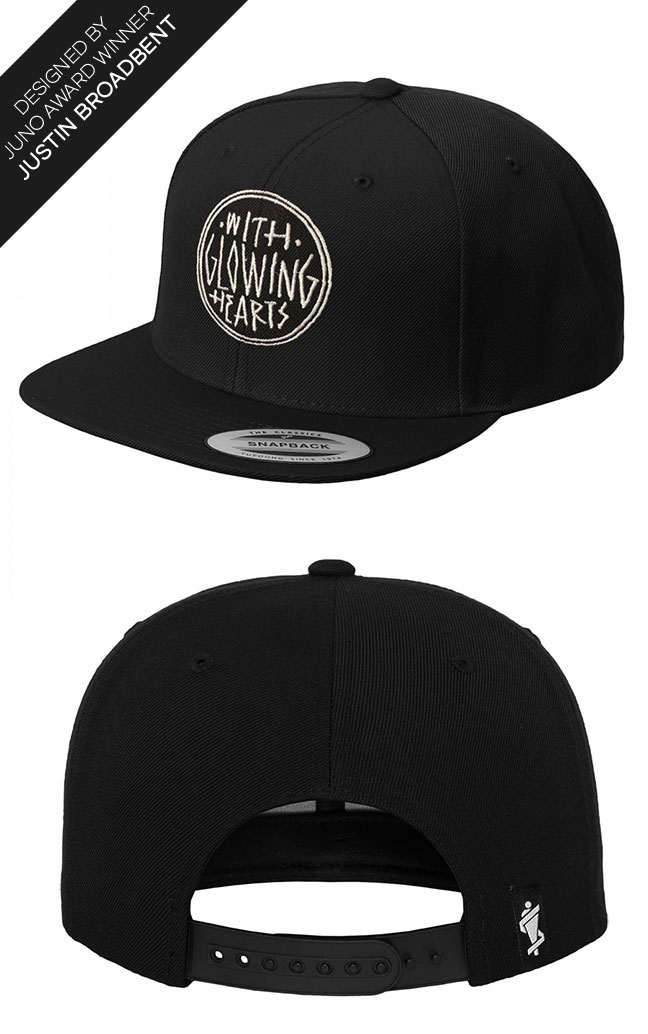
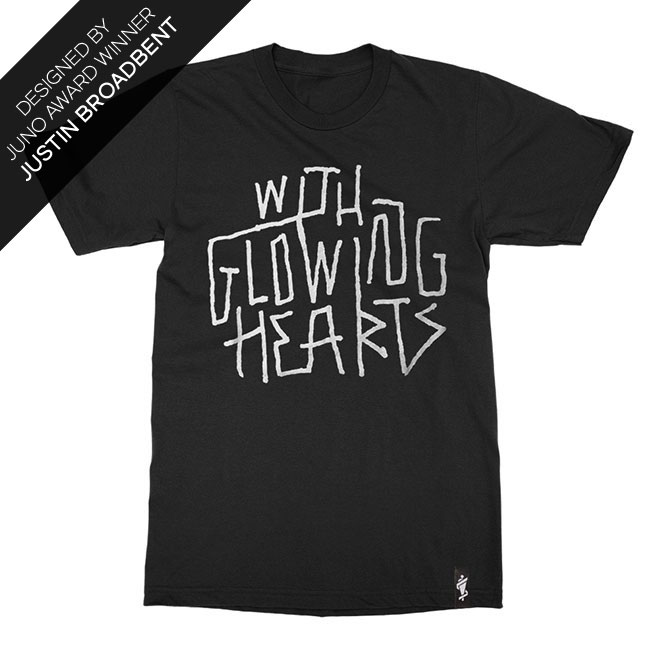
Here’s the thing: Canadians know good music. We always have. We always will. There’s something about that “True North Strong and Free” that creates the perfect conditions for the sweetest sounds. There’s nothing like turning on the radio, hearing a great tune, and bragging loudly “They’re Canadian.” With glowing hearts, with gleeful pride, with enthusiastic resolve, The JUNO Awards, Canada, and around the world celebrate our music. The JUNOs have revealed this year’s merch, designed by JUNO Award winner Justin Broadbent, and they’re all winners. Watch The JUNO Awards hand out a slew of awards on Saturday, April 2nd online at their site, and the rest of the awards and performances Sunday, April 3 on CTV.
The 2016 JUNO Awards “Glowing Hearts” Yupoong Classics brand snapback hats feature a front embroidery, back custom / sewn on tag and adjustable fitment.
The 2016 JUNO Awards “Glowing Hearts” Tee! Printed on super soft cotton, fitted t-shirts, with a front chest print and custom sewn-on tag. Where it loud and proud, Canada.
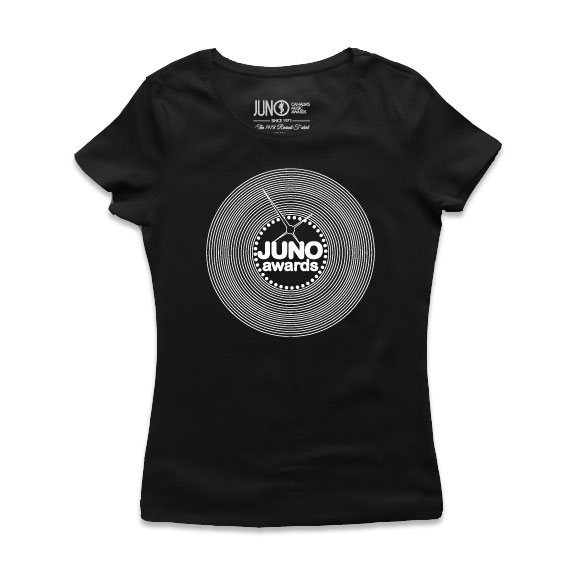
Relive the ‘70s with The JUNO Awards “1978 Revival” Tee! The retro JUNO logo was used on JUNO Award statuettes back in the day. When you rock this t-shirt, it’s almost as if you’ve got your own!
Pretend like you’re in the ‘70s while you sip your coffee from The JUNO Awards “1978 Revival” Mug! The retro JUNO logo was used on JUNO Award statuettes back in the day. It may not be an award, but after you drink from it, you’ll definitely feel like you’re winning!
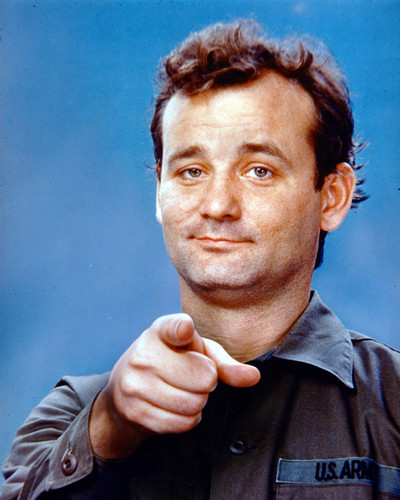
What’s the best and worst thing about being Bill Murray?
“The worst thing about it, they’re one in the same: You wish you could walk down the street and look at things and watch things uninterrupted. The shock of being recognized brings you out of this place where you’re just trying to take it in. It’s an obligation and you’re reminded you have to show up. It’s a coin with two sides. As much as I don’t like the one side, the other side is what might save me.”
What would your ideal superpower would be?
“Invisibility.”
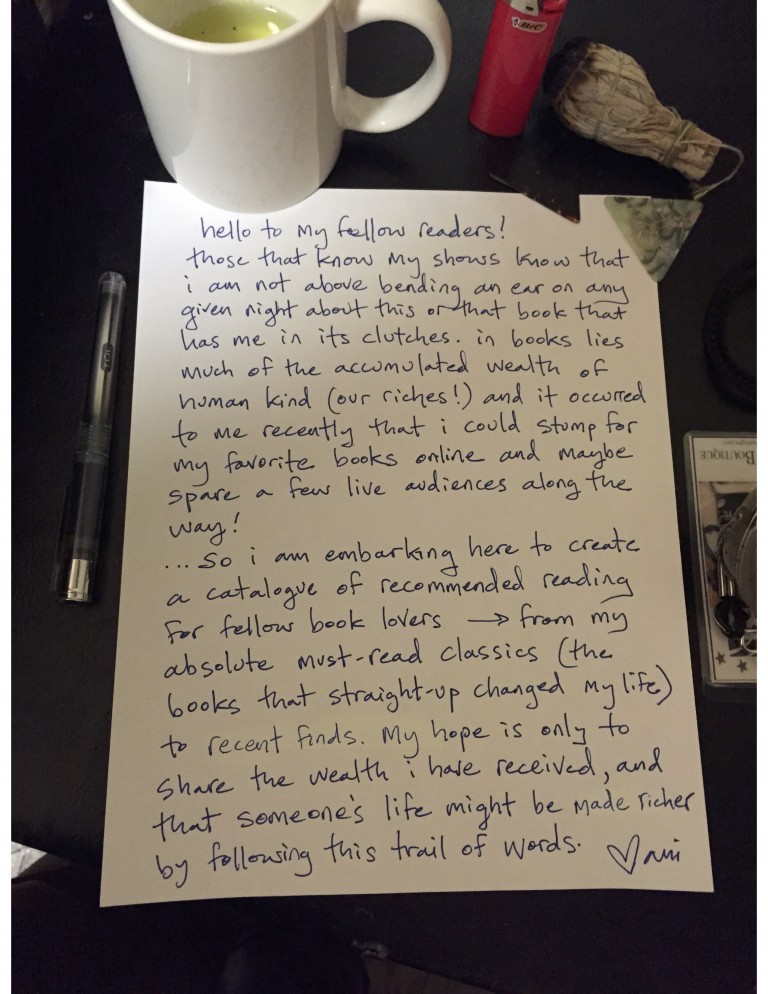
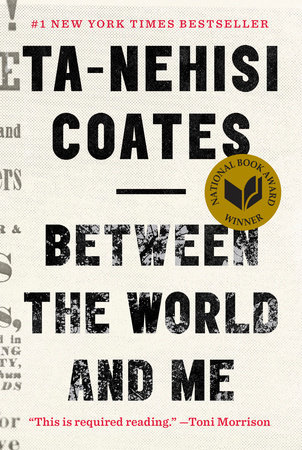
On Ani DiFranco’s website, she affectionately posts her favourite books of the month, an idea more artists should do, really. This month, it’sTa-Nehisi Coates’ Between The World And Me.
this book floored me with its ability to make me (someone who has never experienced what its like to be a black man in America) feel not only the physical peril but the subliminal sabotage of mind and heart that racism perpetrates. addressed from Coates to his son, the pages pulse with the poignant tension of a father torn between trying to caution his somewhat less-damaged son about the limits to, or even the fallacy of, his inclusion in the white power structure, and trying to back-off and allow his son to grow up feeling freer and more hopeful than he ever has. this is a book filled with deeply examined social dynamics and rhythmic sloshes of poetry. it has the power to touch the heart of any parent who aches for their child to have the opportunity to surpass them but fears that a heartbreaking disillusionment lies ahead.
Sony Pictures Home Entertainment (SPHE) and Entertainment One (eOne) today announced that SPHE will distribute eOne’s specialty label, Momentum Pictures, across physical and digital home entertainment platforms globally (excluding Canada).
Momentum Pictures’ current release slate includes The Program, from director Stephen Frears, and starring Ben Foster; Forsaken, starring Kiefer Sutherland and Donald Sutherland; and All Roads Lead to Rome, starring Sarah Jessica Parker. SPHE will also manage U.S. distribution for eOne television titles on DVD and Blu-ray, including Haven and Bitten.
“We are pleased to be working with Sony who have a proven track-record of success in the U.S. home entertainment market,” said Nelson Kuo-Lee, Chief Operating Officer & Executive Vice President, Global Film Group, Entertainment One. “Our new distribution agreement rounds out our plans for home entertainment globally, strengthens our relationship with retail and ideally positions us as consumer behavior evolves.”
“Combining Momentum’s high-quality film and television slate with our current portfolio allows us to create a more diverse product offering to satisfy a wide range of consumer interests. Our distribution agreement represents a significant step forward in our commitment to satisfying those consumer needs while leveraging our global capabilities in delivering tailored solutions to retail,” said Bill Stellman, Executive Vice President, Chief Financial Officer, and Supply Chain, SPHE.
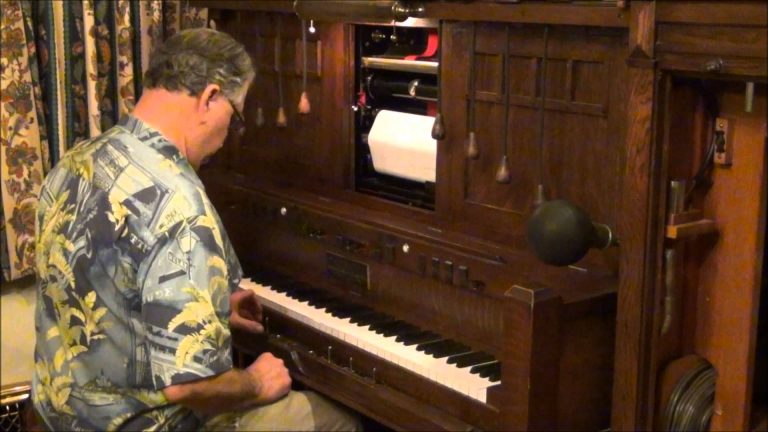
The American Fotoplayer is a type of photoplayer developed by the American Fotoplayer Company between the years of 1912 and 1925. The Fotoplayer is a type of player piano specifically developed to provide music and sound effects for silent movies.
Before movies had sound, it was discovered that playing background music during a film could aid in developing a particular mood for a certain scene. Initially, small theatres would use player pianos to produce music automatically from piano rolls. After some time, some of these pianos were extended in size with pipe organs and sound effects inserted into large cabinets connected to the sides of the piano. The user of this new contraption, which became known as the photoplayer, could then create multiple sounds to match the actions on screen. Between 8,000 and 12,000 of these musical instruments were made between 1910 and 1928, with the American Fotoplayer Company’s Fotoplayer being of the most popular brands.
When sound films were first created in the late 1920s, the Fotoplayer became unnecessary. Therefore, the American Fotoplayer Company ceased production of their product in 1925. Of the thousands of American Fotoplayers made, fewer than 50 survive today, and of those only 12 are known to still be playable.
The appeal of the Fotoplayer to theatre owners was the fact that it took no major musical skill to operate. The Fotoplayer would play the piano and pipe organ mechanically using an electric motor, an air pump, and piano rolls while the user of the Fotoplayer would follow the onscreen action while pulling cords, pushing buttons, and pressing pedals to produce relatable sounds to what was occurring onscreen. These actions could create sounds such as a steamboat whistle, a bird chirp, wind, thunder, a telephone bell, as well as many others. On Fotoplayers specifically, most effects were created using leather cords with wooden handles on the ends which the effects were directly connected to. For example, the steamboat whistle sound effect was created using a household bellows with a whistle at the end. Pulling the cord compressed the bellows, delivering a gust of air into the whistle. Creating a drum roll on the other hand was a bit more complicated. A clockwork device was needed to time the strikes of the drum which required constant winding.
Here’s Joe Rinaudo performing “The Stars and Stripes Forever” on The American Fotoplayer. Stand back.
Here’s an interesting story. Vinyl, already booming in sales and popularity, might just get better. In an article translated by Reddit user Eisfeld, German technology news source FutureZonepublished information that a patent for manufacturing vinyl with a longer playing time and a wider frequency range.
The digital distributor Rebeat has developed in association with Joanneum Research a new method to improve length and frequency range of vinyl records. The patent application for High Definition (HD) vinyl was filed last week and should revolutionize the conventional production method. This should allow the playback in high end quality says Volker Schmidt of the Institute for surface technology and photonics at Joanneum Research. HD-Vinyl records can be played with every customary turntable and 100% compatible.
How does this work? Audio data is processed via a CAD-software and written with a laser on a stamper (extrustion machine?). Because of the digital processing, audio data and groove structures can be optimized. This means that up to 30% more information could be “stored” on the record.
With the new method, a greater frequency range is possible. Normally, the cutting stylus gets hot at higher frequencies which limits the range. With the new method this is no issue. The whole frequency range can be depicted.
Furthermore, the laser is suitable for hard materials, thus the wear of the stamper can be reduces and a higher number of pressings can be achieved.
tl/dr: Austrian company develops a new process where 30% more information can be stored on vinyl, the full frequency range can be used on the record and can reduce wear on the stamper (which may make backlogs in pressing plants obsolete)
Could this be more enticement for music lovers to have more music than originally able in the past? Or is it another way to charge more for a popular format? One poster says, “All I’m seeing here is that they apply computer analysis to optimize the grooves to try and fit more stuff on the disc, then cut the press tooling with a laser instead of a lathe.”