


A beautiful German shepherd/border collie mix named Sadie took a graceful bow after playing an adorably song on the piano at her home in Edmonton, Alberta.
Laurie Anderson’s Heartbreaking Rock Hall Speech for Lou Reed

Laurie Anderson, Reed’s partner of 21 years (they were married in 2008), was at the Rock And Roll Hall Of Fame induction ceremony to accept the posthumous honor on his behalf, and deliver some rules of life for anyone to live by. “Don’t be afraid of anyone. Now can you imagine living your life afraid of no one? Two: Get a really good bullshit detector. And three: Three is be really, really tender. And with those three things, you don’t need anything else.”
Laurie Anderson’s Speech for Lou Reed:
Thank you all. It’s wonderful to be here in Cleveland, and Lou would’ve loved this. He’s here with his heroes — Otis and Dean. He’s here with B.B. King, who he loved and admired. Aretha, who he saw so many times. His dear friend, Doc Pomus, who taught him so much and with who he sang to in his beautiful record Magic and Loss. Of course, the Rock and Roll Hall of Fame is the place where the names of great musicians become completely magic words – Buddy Holly, Little Richard, the Coasters. And now, Lou Reed is one of those magic words.
Lou’s songs are full of life and complexity, and they’re about who have names. Candy and Caroline, Little Joe and Junior Dad and the man. So, now, they’re all here, too. The people from his imagination along with his serious rock & roll groove. Like he said, “Despite all amputation, you can still dance to a rock & roll station. And it was all right.”
Lou really knew the difference between himself as a writer and himself a person and as a rock & roll star. He’d shift between his rolls with such skill. He could take his fame off like one of his leather jackets, or, he could just decide to use it. The fame, itself, was heavily important. Lou’s genuinely proud of what he’d done and could really appreciate his own work. And, tonight, he would have been so immensely proud to be a part of this.
Lou loved musicians. He played with so many — Ornette [Coleman], [Luciano] Pavarotti, Metallica. He brought Jimmy Scott back out into the light and his early champion supporter, Etienne. He had a really big talent for friendship, and he had so many friends — Hal Willner, Julian Schnabel, Bob Ezrin, Doc Pomus, John Zorn, Bill Bentley, Tony Visconti. And Lou loved hearing new music. He and his friend, the encyclopedic and fantastical Hal Willner, had a radio show called New York Shuffle, which was all about featuring new music and new bands.
In the last year and a half, I’ve heard from literally hundreds of people, and they’ve said how much Lou has changed their lives, pushing them towards something, pushing them to be better. Recently a guitar player told me about the time when she was playing with Lou onstage, and it was some kind of benefit with lots of people stepping out and doing solos. Like many musicians, like Lou, she was nervous about what he had to say about her playing. She stepped out and did her solo and she thought it was pretty good, and after she passed him onstage and said “So?” And he said, “Is that all you’ve got?” She couldn’t believe he said that. She was really frustrated and an hour later, she did another solo, and this time she just stepped on it. And she passed him by again, and he said, “That’s what I’m talking about.”
Lou is a wunderkind. He loved gear, he loved good sound. He was a photographer; he was an inventor; he was a warrior of tai chi. He was a great dancer. He could take watches apart and put them back together. He was kind; he was hilarious; he was never, ever cynical. Lou was my best friend, and he was also the person I admire most in the world. In the 21 years we were together, there were a few times I was mad, and there were a few times I was frustrated, but I was never, ever bored. We were touring musicians, and we often had to be apart.
Recently, a musician friend was telling me that he and his girlfriend were on the road so much that he decided not to live anywhere at all. I said, “How do you do that? Isn’t that disorienting not to have a place anywhere?” And he said, “She is my home.” I realized that was what it was like for me and Lou. It just didn’t really matter where we were. Lou loved his sister Merrill and her family. He loved and admired his Aunt Shirley, who’s also known as “Red Shirley,” who was the subject of his film. He was also a radical innovator and an artist right up until the end of his life. He made groundbreaking work like the live versions of Metal Machine Music.
One of his last projects was his album with Metallica. And this was really challenging, and I have a hard time with it. There are many struggles and so much radiance. And after Lou’s death, David Bowie made a big point of saying to me, “Listen, this is Lou’s greatest work; this is his masterpiece. Just wait, it will be like Berlin. It will take everyone a while to catch up.” I’ve been reading the lyrics and it is so fierce. It’s written by a man who understood fear and rage and venom and terror and revenge and love. And it is raging. Anyone heard Lou sing “Junior Dad” will never forget the experience of that song, torn out of the Bible. This was rock & roll taken to whole new levels.
Lou understood pain and he understood beauty. And he knew that these two were often intertwined and that was what energized him. In this duality between yin and yang, he was also in tai chi and he was a tai chi master and he had the most beautiful meditation master of tai chi all over the world. As meditators and students of Buddhism, for many years we often talked about the advice of our Buddhist teacher, which had become central for our lives. One of the things our teacher told us — and something we tried very hard to learn — was this, he said, “You should try to practice how to feel sad without actually being sad,” which is really hard to do, how to feel sad without actually being sad.
As I said, Lou taught me a lot about growth, and I found out what it is to love and to be completely loved in return. This will be a part of me for the rest of my life. It’s also something that changes you forever, to have the love of your life die in your arms. And when Lou died in mine, I watched as he did tai chi with his hands, and I watched with joy and surprise that came over his face as he had died, and I became less afraid. One more thing he taught me. It crosses my mind every hour. It seems like after a year and a half, I’m still waiting for him to call, and sometimes he actually does call. And suddenly I remember one of his phrases or some random words or songs he made up, and I’m reminded also the three rules we came up with, rules to live by. And I’m just going to tell you what they are because they come really handy, because things happen so fast, it’s always good to have with you, like patchworks to fall back on.
And the first is, one: Don’t be afraid of anyone. Now can you imagine living your life afraid of no one? Two: Get a really good bullshit detector. And three: Three is be really, really tender. And with those three things, you don’t need anything else. For people with experience when their partners die, you’re compelled into a magical world where you fully understand many things that were complete mysteries up to that point. And so funnily, I see how people can turn into legs, and turn into music, and eventually turn into other people, and how fluid these bones are. And that’s what the Hall of Fame to me is all about, the transformation of people who took names that stand in beauty and style.
They say you die three times. The first is when your heart stops, and the second is when you’re buried or cremated. And the third is the last time someone says your name. I am so happy that Lou’s name is added to the list of people who will be remembered for the beautiful music that they made. Lou, my sweet lover, I love your last song, “The Power of the Heart.” You know me, I like to dream a lot. Of what there is and what there’s not. But mainly, I dream of you a lot. The power of the heart, the power of the heart. I accept this in your name. One more Lou.
Read Miley Cyrus’ Amazing Hall of Fame Speech for Joan Jett

When The Rock and Roll Hall of Fame announced that Miley Cyrus would be inducting Joan Jett at this year’s ceremonies, there were a few eyebrows raised. I’ve always said that Cryus is more punk rock than any of the pop artists out there, and this speech proves it was a great call.
Miley Cyrus’ speech inducting Joan Jett:
Thank you guys so much. I’m going to start off this induction with the first time I wanted to have sex with Joan Jett. We were doing Oprah together, and I go up to Joan’s hotel room. Joan opens the door, and I come in, and Kenny Laguna is laying in bed. I don’t know what the fuck is going on. There’s towels shoved underneath all the door cracks, shower caps around all the smoke detectors. Joan is running around spraying orange-smelling cleaner to mask the smell of “the pot” (that’s what you guys call it), and we go into her bathroom.
The show was where new artists got to perform with their idols, and I wanted to perform with Joan, of course. And we were in her bathroom, and we were smoking and just talking, and this was one of the moments in my life where I wanted to be as present and absorb everything that she said to me. I listened to her talk about her days with the Runaways. She talked about music. She talked about why she loves animals and she doesn’t want to eat them. I was getting to have this moment with someone that, to me, is Superwoman; what Superwoman really should be.
At first, having this honor to induct Joan Jett into the legendary Rock and Roll Hall of Fame was overwhelming. There was so much that I could say and she just had a life in music that is rare. She’s had a career that’s decades long. She’s been the first to do many things and not just as a woman, but just as a badass babe on the planet.
But this one story is my favorite: So on one trip, Joan went to entertain the troops in Turkey and the Middle East, and Joan was traveling with the Secretary of Air Force. And Joan had requested a trip to Jerusalem, where she was playing, on the USS Bataan in the harbor of Haifa. Not acquainted with the culture, and all covered up in black because it was a cold day and looking kind of androgynous, Joan accepted a yarmulke from one of the guards. And she went over to the men’s side of the Wailing Wall to make a prayer.
And just as Joan noticed a bunch of other women at another part of the wall, Joan’s Israeli friend assigned to the trip appeared freaking out and screaming “international incident.” The American Marines watching us were getting ready to protect Joan from the Orthodox who tried to exact retribution if they knew about the transgression. So everyone agreed to never speak about this (sorry), and swore that Joan was the only woman to ever stick a prayer in the men’s side of the Wailing Wall.
She was also the first major female artist to start her own record label, and that’s only because all the other labels said that there wasn’t a market for that kind of music. And Kenny Laguna, I want to say something to you. I want to say that you’re a fucking genius and this is why: Because when 23 record labels were saying that you started Blackheart Records together with Joan, by the way using his daughter’s college savings, selling records out of the back of your Cadillac. And it takes someone like you that believes in the music but, more than that, believes in us as people and as human beings. You two are an unconventional and unconditional kind of love. What you guys have is what all of us should look for in the people that we spend our lives and our valuable time here on the Earth with. People in this room are probably married to people they love less than you guys love each other. I’m honored to be part of your life.
I’m also honored to induct the Blackhearts tonight. Why don’t we bring everyone up right now.
But I do want to say one final story about when I knew that I loved Joan so fucking much. And this shit kind of fucks me up because it’s the day that she was dedicating her time to an upcoming project for my foundation, supporting the LGBT homeless youth. She was running around our backyard. She was with my dogs, playing with my pig, and I played the Tibetan bowls for her at sunset. Kenny and Joan, they sang along with these bowls. And this relationship seems different than the one five or six years ago smoking pot in Oprah’s bathroom. Oprah was paying for it. It wasn’t her bathroom, but she paid for it.
I now look at her less as a deity, but now I have this connection, and I have this connection with her that she can be a guide for me. Growing up, my dad always kept me around music, and I spent a lot of time with all different artists. But I know there isn’t one other person on this planet that’s been an inspiration to me like you have. Joan’s music, her activism, who she is. In all of our lives, all of us will experience people who try to tell us who to be and what to be. Fuck those people! Instead of changing for other people, if you don’t like how the world is, change it yourself. She made the world evolve, her life and her success is proof that we can self-evolve. I want to thank you for fighting for our freedom, Joan, and I love you so much.
Lady Gaga Creates ‘Emotional Revolution’ Project with Yale University
There’s no question Lady Gaga’s fans love her, and there’s little doubt she cares for them back. Mother Monster herself has launched a new imitative to promote emotional wellness for today’s youth.
The ‘Emotional Revolution’ project is a partnership between the star’s own Born This Way foundation and Yale University’s Center for Emotional Intelligence.
“I know what it’s like to feel depressed, to feel humiliated, to feel isolated, and I know too many people that, no matter who they are, where they come from, they’re feeling the same way that I do,” Gaga says in the video. “It was so beautiful in a way that our sadness bonded us at the shows and I so badly wanted to understand why that cloud was there at all. It’s okay to feel different. It’s okay to feel like you’re not part of this planet, I challenge you to be your biggest fan. Tell the world how you feel, but more importantly, tell them how you want to feel.”
Lady Gaga Speaks About The Emotion Revolution from Born This Way on Vimeo.
Watch An Unseen Interview Of David Bowie From 1977

There is zero information listed for “David Bowie: The Un-Aired Interview, 1977” but this we do know – He’s being interviewed in a hotel room during a 1977 media junket in Holland to promote Heroes. Bowie discusses his plans to produce DEVO, working with Brian Eno on Heroes and even does a lip-sync of “Heroes” while the camera follows everyone into in the control room.
https://youtu.be/gAAJ4tTs91Q
Incredible piece of film of Frank Sinatra in the studio recording Ervin Drake’s “It Was A Very Good Year”
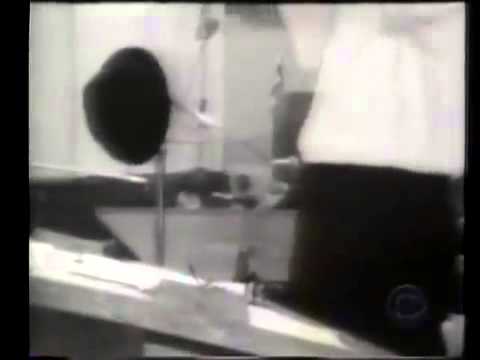
Incredible piece of film of Frank Sinatra in the studio recording Ervin Drake’s “It Was A Very Good Year”.
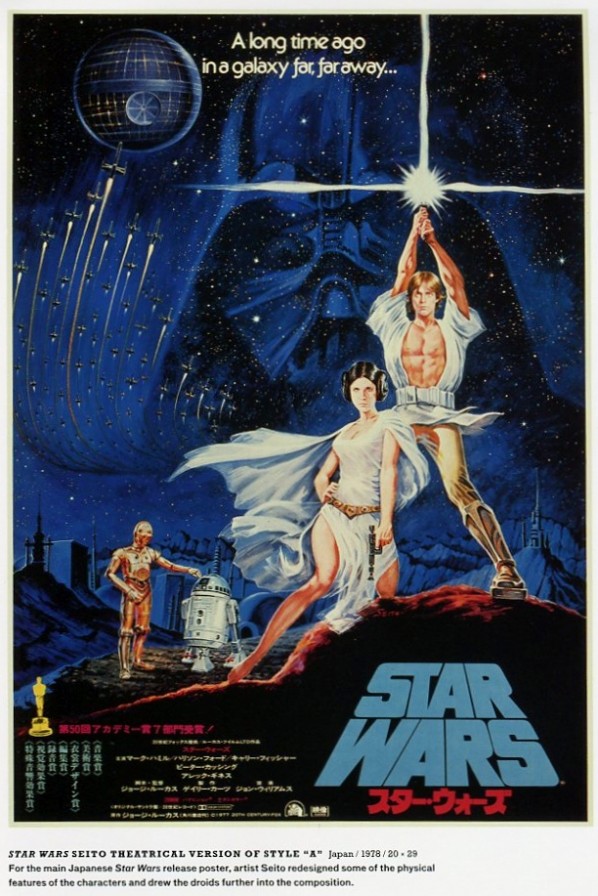
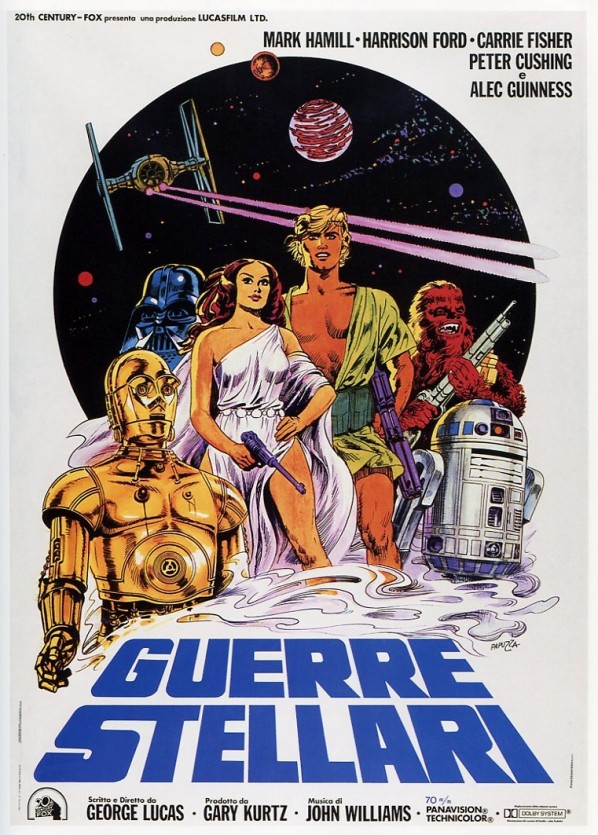
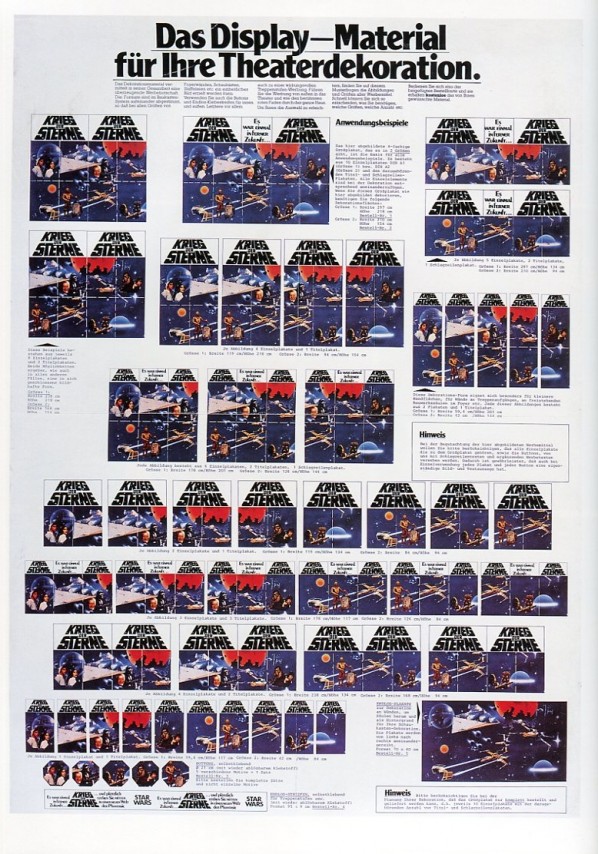
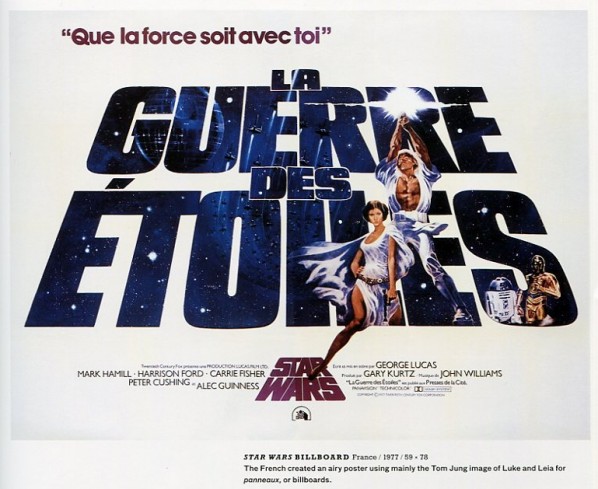
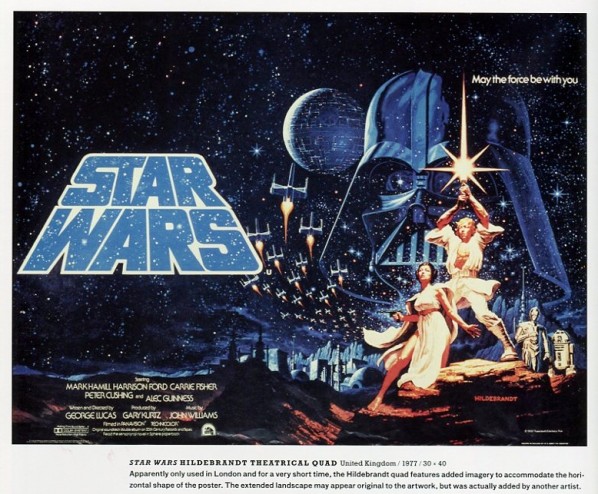
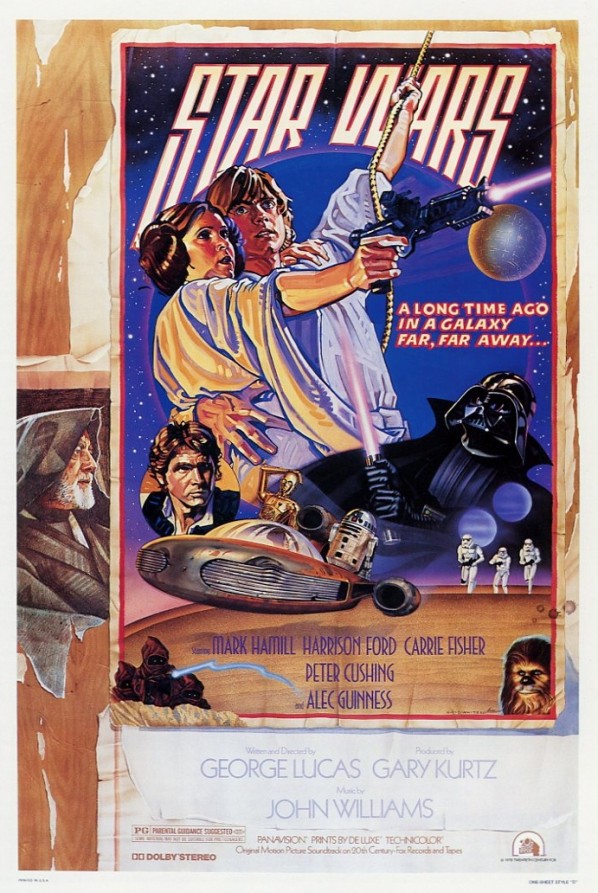
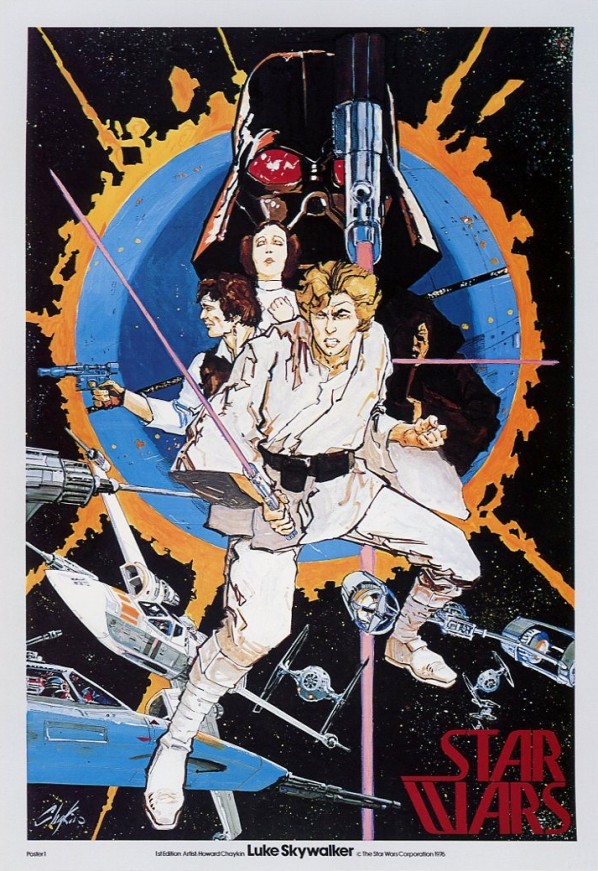
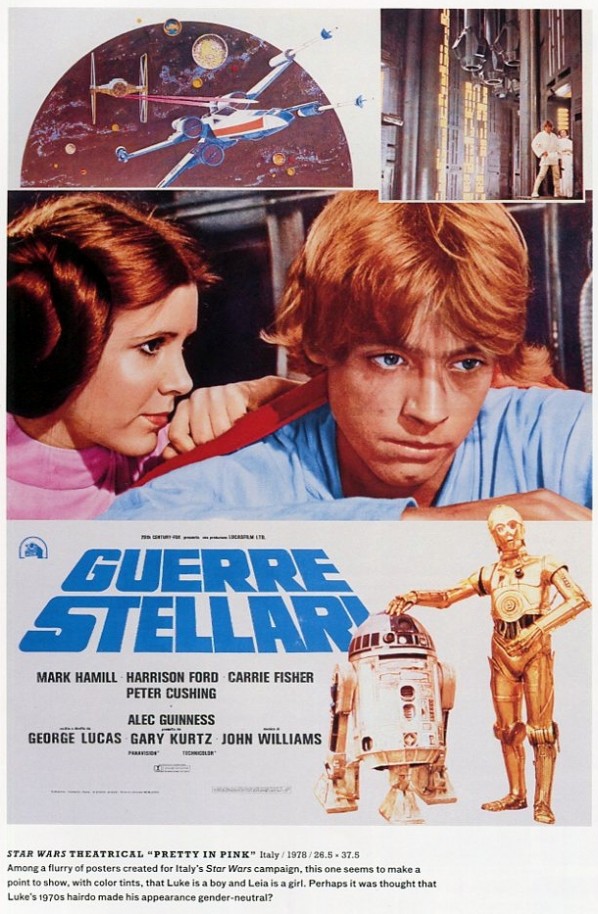
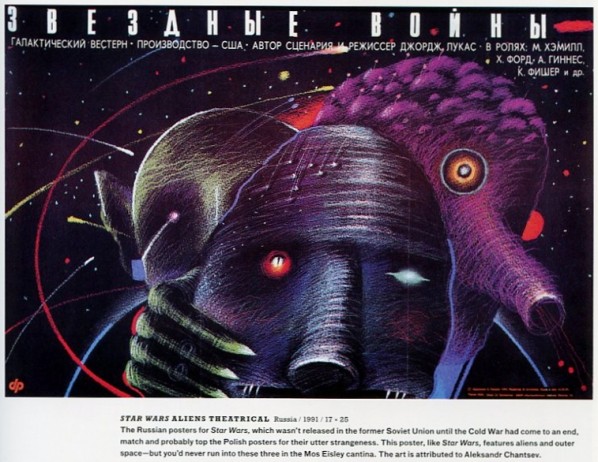
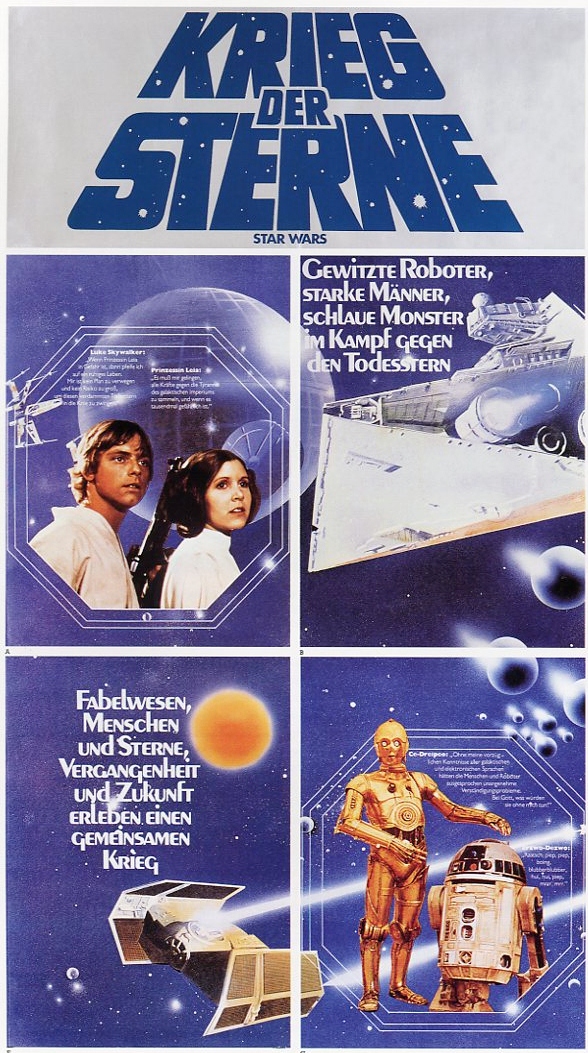
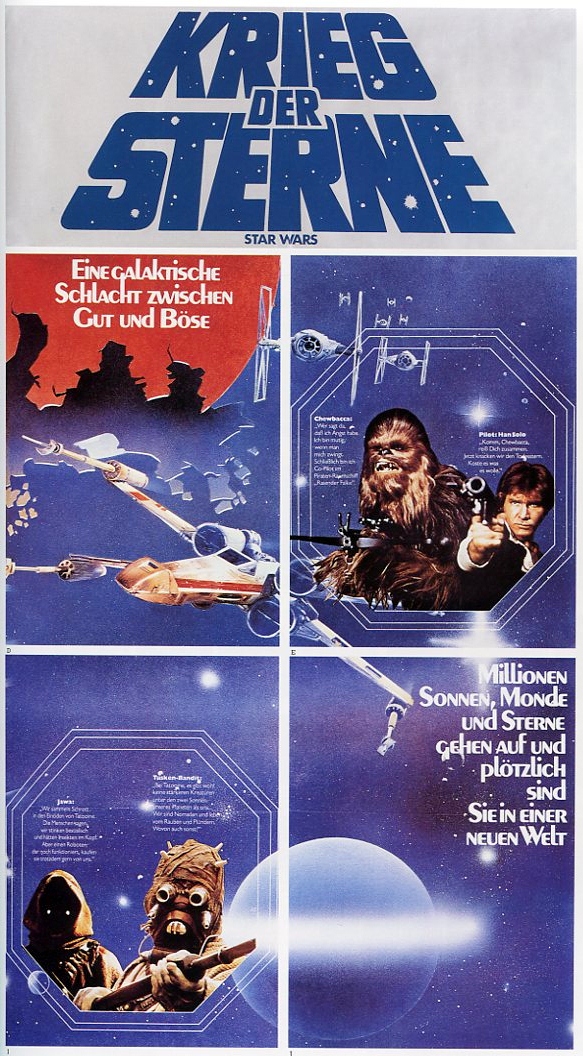
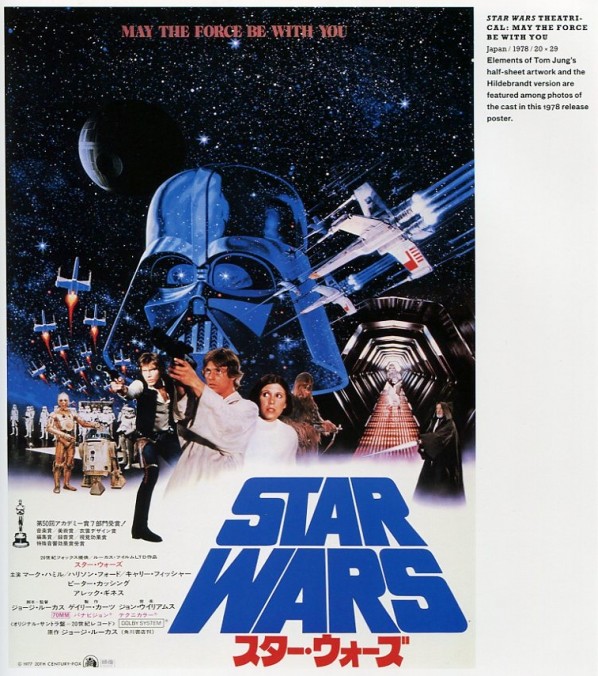
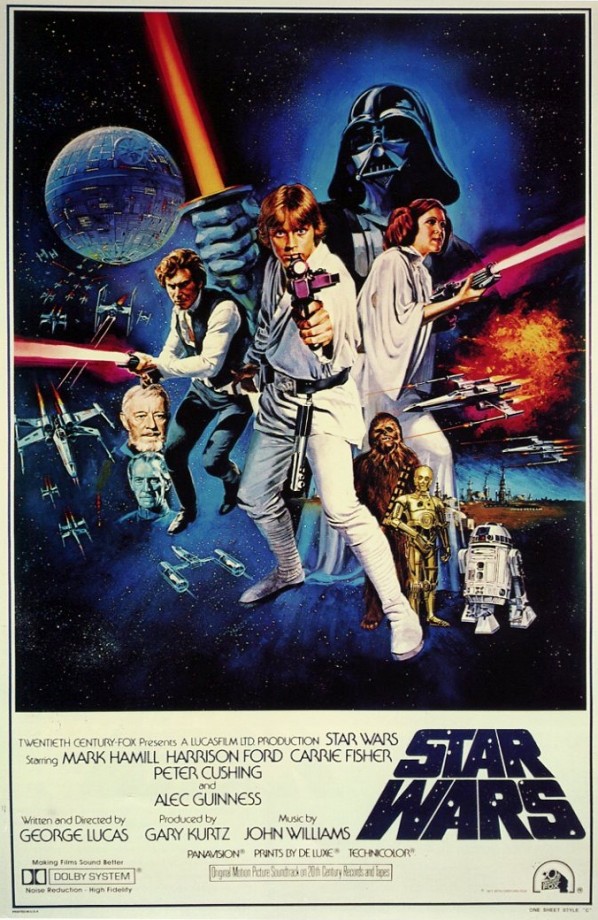
Star Wars Theatrical Posters From Around The World
The new Star Wars teaser trailer is so awesome, it’s already given Disney’s stock a $2 billion boost. Here are the theatreical posters from around the world in 1977.




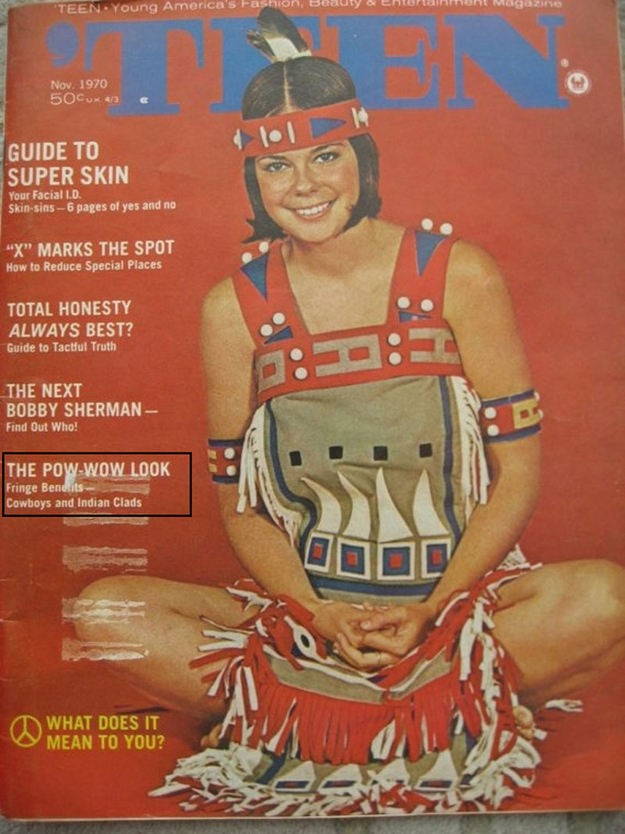
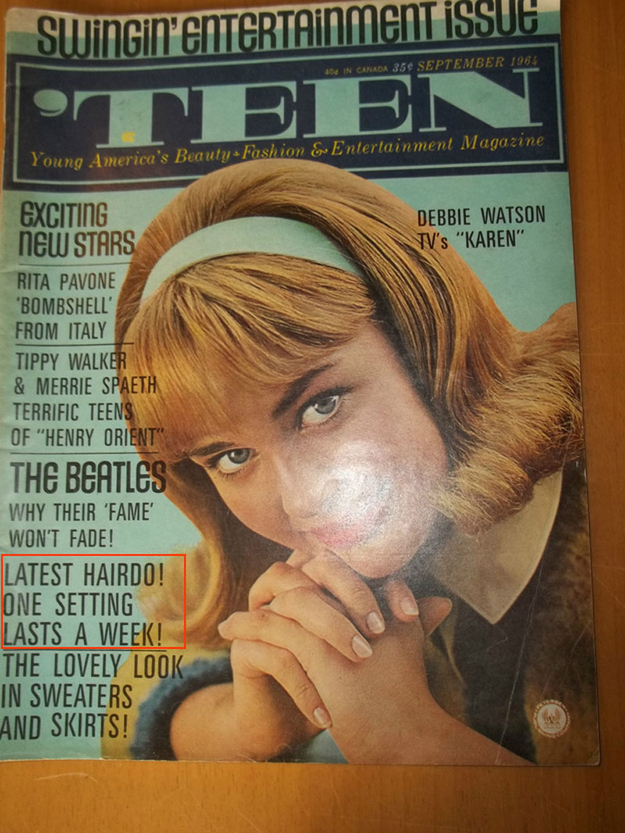
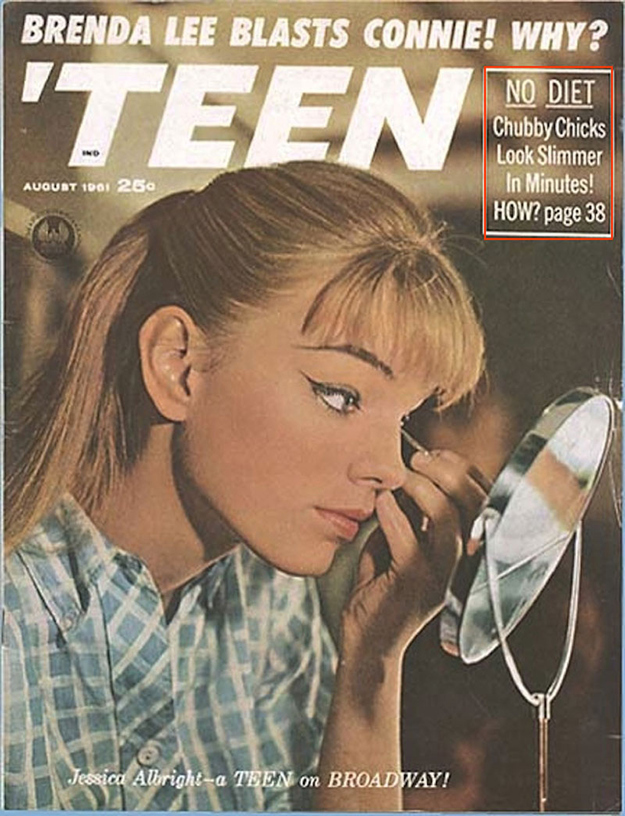
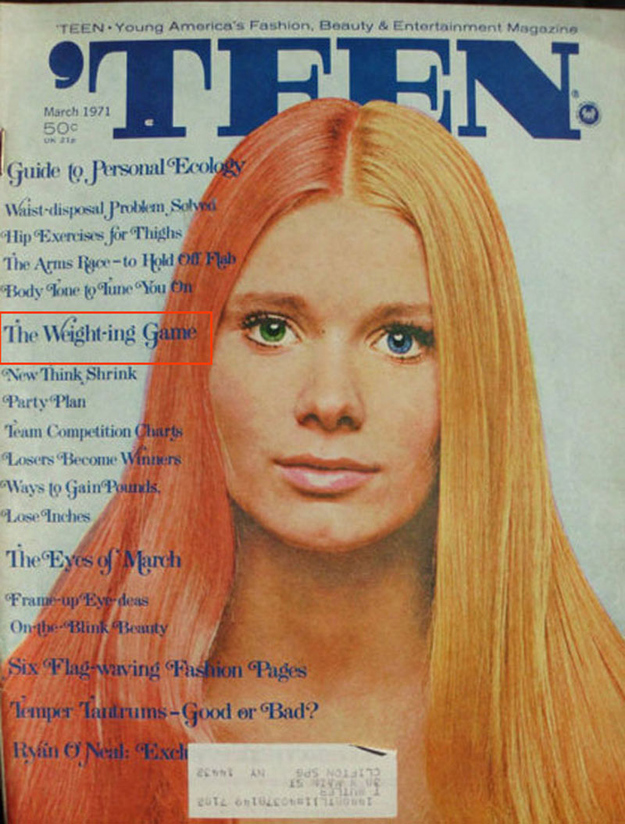
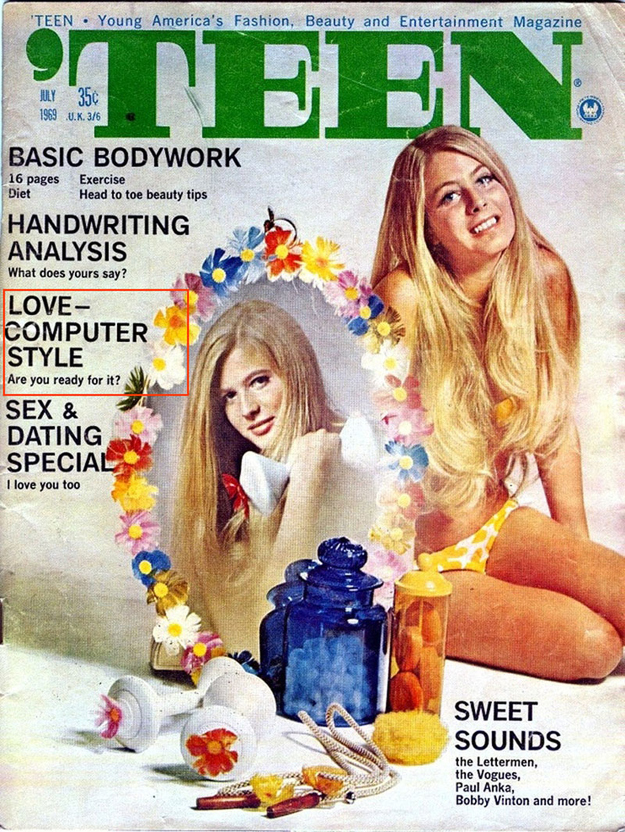
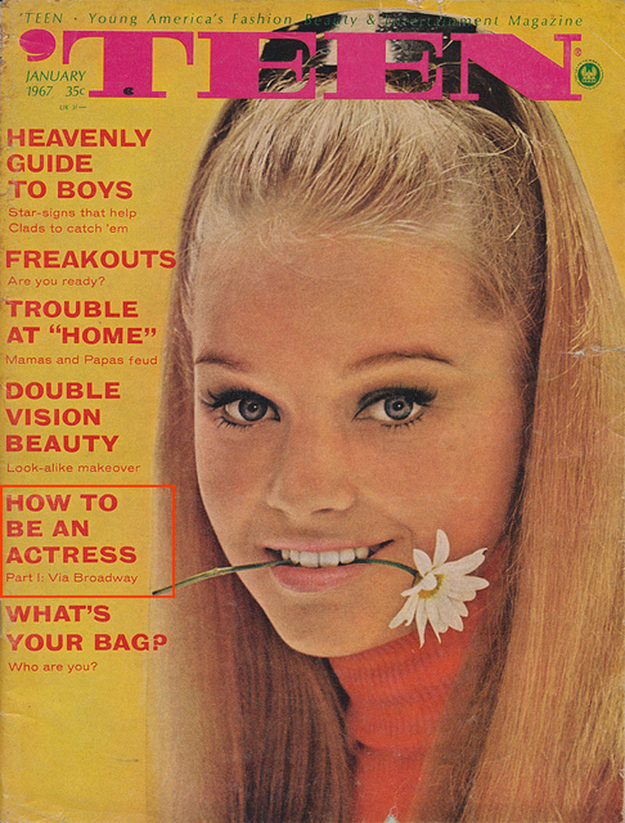
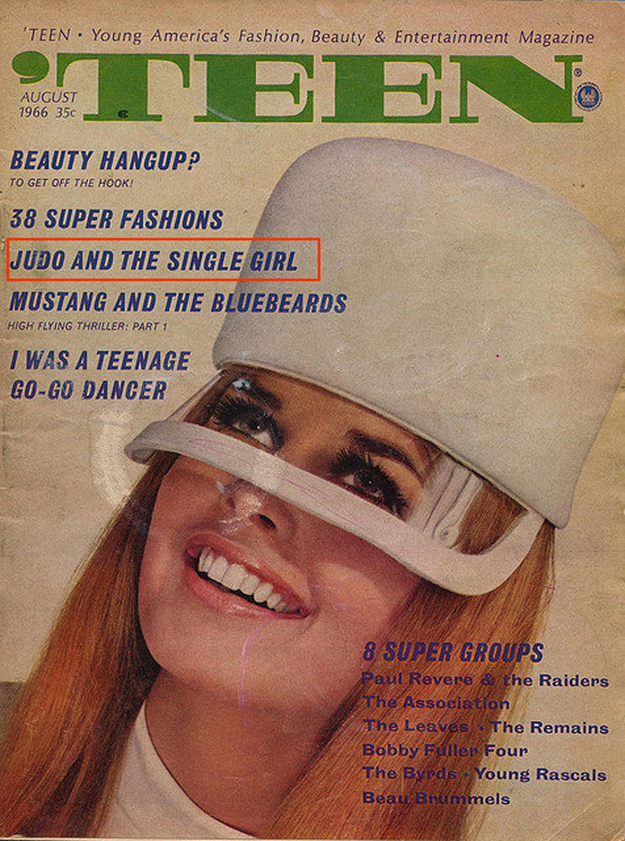
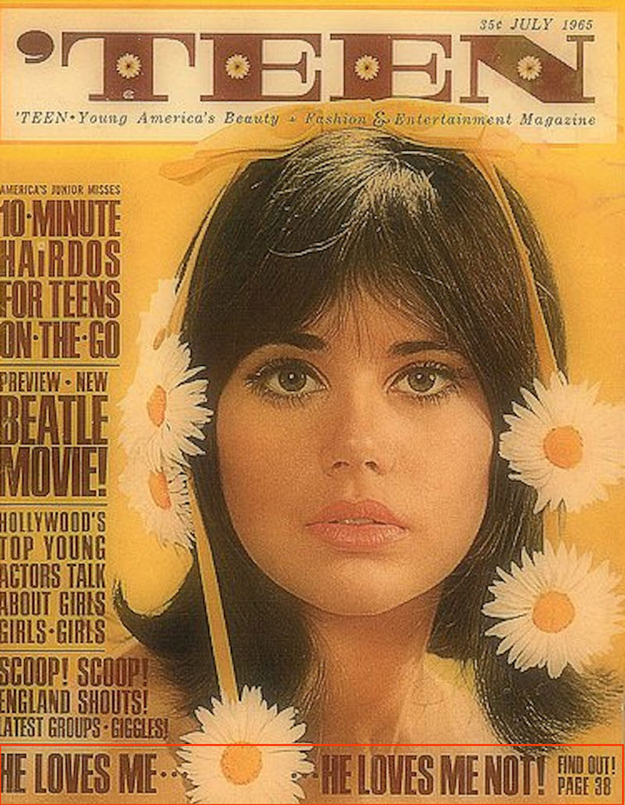
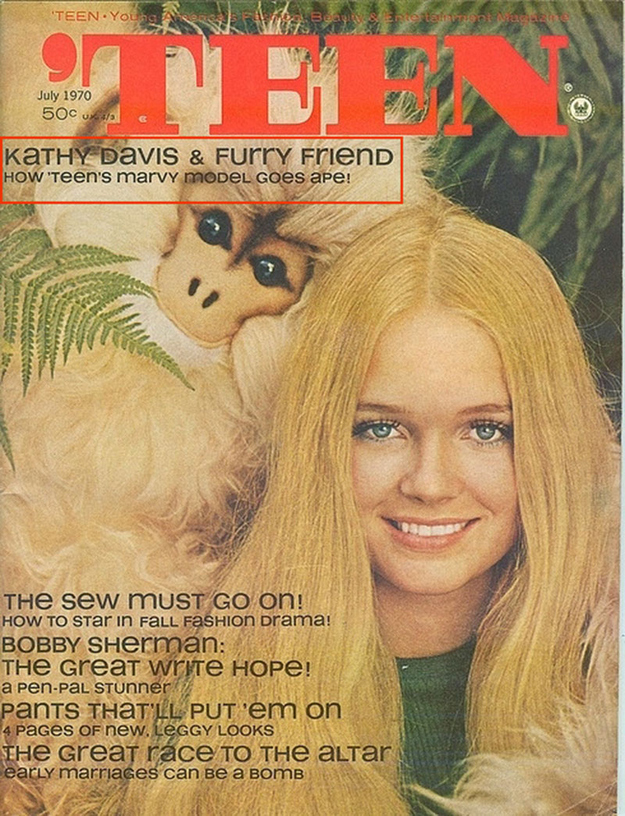
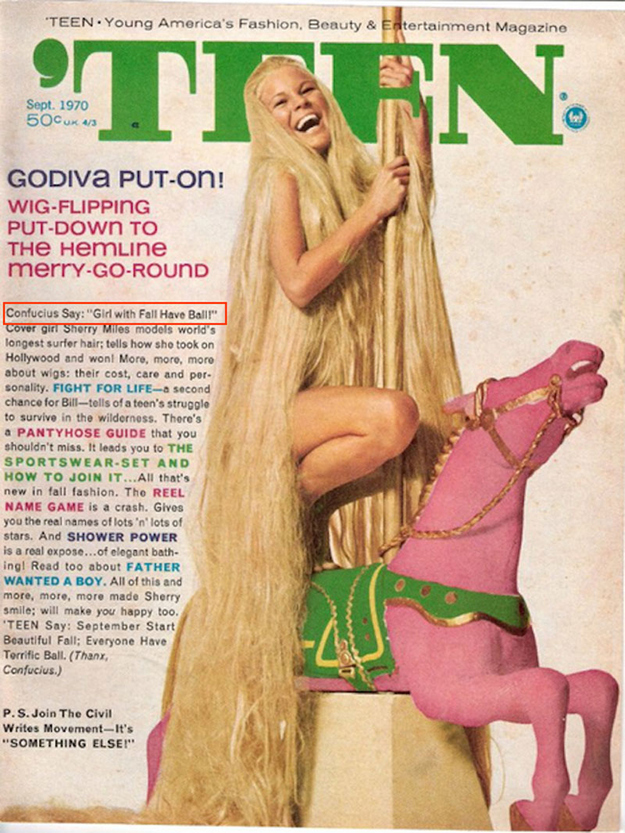
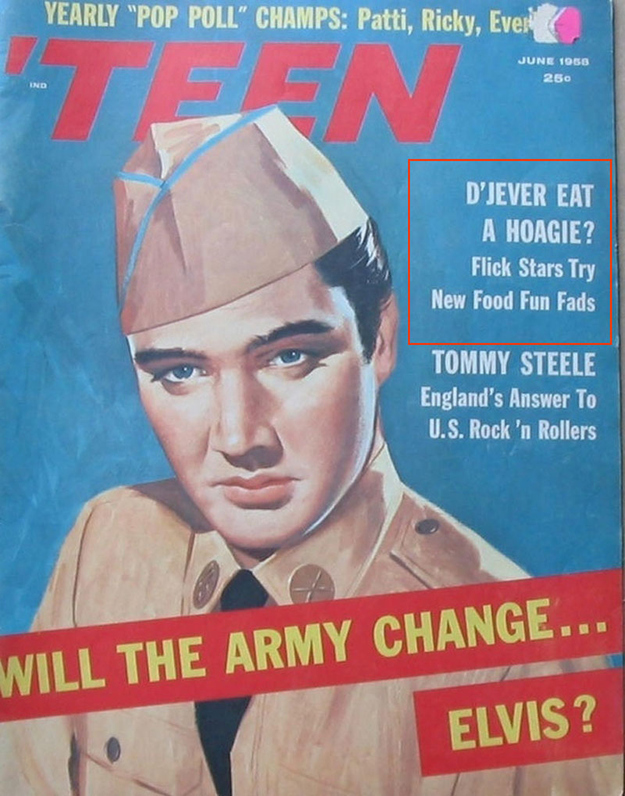
The Best Vintage “Teen Magazine” Covers
The names have changed, but the topics have stayed the same.
The Opening Scene to Pixar’s ‘Inside Out’ Makes Me Want To See This Even More
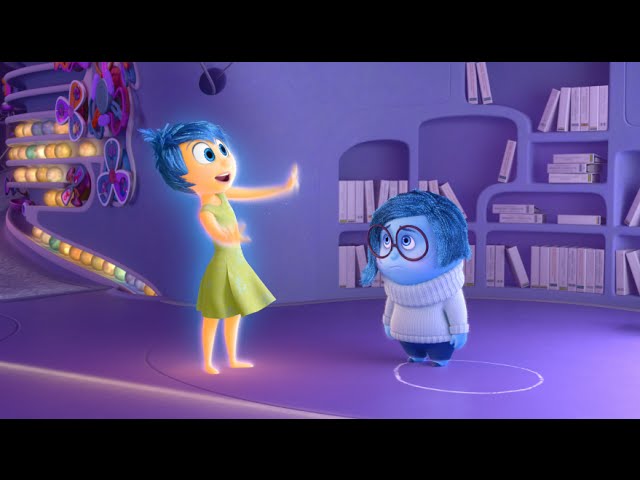
Do you ever look at someone and wonder what is going on inside their head? Disney•Pixar’s original new film “Inside Out” ventures inside the mind to find out. Here’s the first clip from the film.
Based in Headquarters, the control center inside 11-year-old Riley’s mind, five Emotions are hard at work, led by lighthearted optimist Joy (voice of Amy Poehler), whose mission is to make sure Riley stays happy. Fear (voice of Bill Hader) heads up safety, Anger (voice of Lewis Black) ensures all is fair and Disgust (voice of Mindy Kaling) prevents Riley from getting poisoned—both physically and socially. Sadness (voice of Phyllis Smith) isn’t exactly sure what her role is, and frankly, neither is anyone else.
When Riley’s family relocates to a scary new city, the Emotions are on the job, eager to help guide her through the difficult transition. But when Joy and Sadness are inadvertently swept into the far reaches of Riley’s mind—taking some of her core memories with them—Fear, Anger and Disgust are left reluctantly in charge. Joy and Sadness must venture through unfamiliar places—Long Term Memory, Imagination Land, Abstract Thought and Dream Productions—in a desperate effort to get back to Headquarters, and Riley.
Research shows a music star’s sales increase by 50% following their death
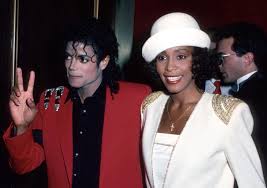
An emotive public increase a musician’s records sales by more than 50 per cent following their death according to new research.
Albums from artists like Michael Jackson, Whitney Houston and Lou Reed are snapped up by nostalgic punters who fondly remember the music, while the publicity and subsequent advertising attracts a new breed of customers according to Leif Brandes, Assistant Professor of Marketing at Warwick Business School.
Dr Brandes said: “Our research indicates death-related publicity serves primarily as informational advertising that informs new customers. However, complementary survey evidence reveals that death-related publicity also triggers considerable nostalgic reactions and personal mortality salience – a feeling of their own mortality – from existing record-owners.
“This all leads to sales more than 50 per cent up on figures pre-death. There is also a marked sales increase on an artist’s more critically well-received albums, which shows the importance of new customers for after-death sales figures.”
In the paper Death-related publicity as informational advertising: evidence from the music industry, Dr Brandes, Stephan Nüesch, of the University of Münster, and Egon Franck, of the University of Zurich, looked at the effects of celebrity deaths on record sales in the music industry.
In total the researchers looked at 446 albums from 77 artists who died between 1992 and 2010, including stars like Jackson, Wilson Pickett, Dusty Springfield, Aaliyah and Notorious B.I.G. They used sales information from music sales tracking company Nielsen Soundscan and experts’ evaluation of the quality of an album as featured on allmusic.com.
They found album sales increased on average by 54.1 per cent in the four months after death compared to the four months before death and that the relative increase in sales is higher for the artist’s critically acclaimed albums.
Dr Brandes said: “While new customers are likely to cherry-pick from the best of an artist’s back catalogue, existing customers are likely to complete their collection with albums they did not buy before the star’s death. Therefore the new customers will look to best-selling items, whereas established customers might pick up rarer, less well critically received albums.”
For example, the researchers found when Jackson died in 2009 it took less than 24 hours for his work to account for every entry in the top 10 album charts at Amazon.com.
The death of Houston even led to a new sales record. In the week following her death in February 2012, she became the first woman to place three albums in the top 10 of the US Billboard 200 charts at the same time.
The researchers also conducted an in-depth survey on the music consumption of more than 2,000 participants, focussed on the albums of Jackson, Houston and Lou Reed.
Participants were asked which albums they purchased before and after the star’s death, and given multiple options on why they bought the albums. Respondents were also asked about their emotional response to hearing about the artist’s death.
“Four interesting differences emerge across new and existing customers,” said Dr Brandes. “First, and most importantly, new customers are more likely to buy items about which they did not know before the artist’s death. Second, new customers are more likely to buy items, because they want to finally own the artist’s best work. Third, existing customers showed stronger emotional reactions to news about the artist’s death, and were more often reminded about their own mortality.”
These latter two observations are particularly important, as they explain why existing customers find an artist’s low-quality albums more appealing after death.
“This is due to feelings of nostalgia,” said Dr Brandes. “Indeed, previous studies suggest that mourning fans are likely to experience such feelings to a greater extent.
“Nostalgia can improve existing customers’ evaluation of the low-quality albums, because it has been found to be inherently a positive affective state, so people like the product better. In the context of music songs, this positive affective state has been found to be strongest when individuals are familiar with the song and link it to important autobiographical events.”
The findings of the study have clear managerial implications for retailers, because they show that a person’s buying activity can be valuable information for targeting them with communication following the death of a music star.
Dr Brandes said: “Many online retailers such as Amazon, iTunes, or Netflix know a customer’s complete order history and often provide person-specific product recommendations. Our results suggest that retailers can also use this information after the death of an artist. While a focus on the informative aspect of the death seems appropriate to attract new customers, existing customers are more likely to respond to an emotionally laden message that triggers the need for loss compensation.”