

Water Conservation in Recent Times: How Modern Treatment Systems Reduce Household Waste?
By Mitch Rice
Today, new-age homeowners face increasing pressure to minimize their environmental footprint. Simultaneously, they also have to retain increased living standards. Advanced engineering has changed the way today’s households manage their domestic water supply to avoid pointless loss and foster sustainability.
Additionally, conventional systems waste several gallons of water during cleaning. However, advanced technologies concentrate on conservation and accuracy. By adopting these smart procedures, homeowners can minimize monthly utility expenses and secure crucial local water resources.
- Accurate and smart engineering in filtration systems
Modern-day filtering devices use advanced sensors and valve systems that continuously monitor water consumption and maximize every drop. The intelligent systems will only start the cleaning cycle of the inner filter media when an actual need is calculated from current data. If you partner with a well-respected company like HQ Water Solutions, your home will be equipped with today’s highest-efficiency products. Such companies take a customized approach that avoids the enormous water waste associated with older systems that operate on predetermined schedules rather than actual requirements.
- Importance of demand-driven regeneration
Traditionally run older treatment units frequently lead to unnecessary and redundant regeneration cycles. Modern-day systems incorporate demand-activated technology to identify how much water has been processed and regenerate water when required. This operational change saves thousands of gallons of water and hundreds of pounds of salt each year. Additionally, homeowners have access to consistent-quality water without concerns about excessive environmental runoff or unnecessary chemical discharge.
- Effects on waste and appliance durability
Treating water to a high standard of quality protects dishwashers, washing machines, and expensive tankless water heaters from scaling. Mineral build-up on appliances means they use far less water and energy to perform everyday tasks when they’re operating as intended. By preventing the early failure of these appliances, the quantity of heavy mechanical waste created is reduced, which ultimately gets diverted from payment to the local landfills. Furthermore, providing a clear water supply enables optimal use of your home’s infrastructure for many years.
- Minimizing plastic and chemical footprints
Whole-house filters eliminate the need for plastic bottles and are a major contributor to global pollution. High-quality drinking water delivered from your kitchen will give families another reason to use fewer environmentally harmful products. Cleaning clothes and dishes with soft water requires less soap and detergent. Reducing chemical use will also help prevent harmful surfactants from entering the local ecosystem through wastewater.
Final words: Future of advanced water management
Therefore, as technology continues to change and advance, you will experience a blend of leak detection and flow management within the treatment system. All these technological tools and features will notify homeowners of concealed pipe leaks that would otherwise go unnoticed, resulting in gallons of water waste. Instant monitoring enables immediate action to prevent all kinds of property damage. Furthermore, it ensures that each drop of water is used correctly and with intention.
That means investing in advanced systems will help you build a sturdy home well-equipped to face future regulatory and environmental challenges. Also, with an expert service provider, you can get your pain points addressed and choose a solution that’s apt for you and within your budget.
Social Distortion End a 15-Year Wait With New Single “The Way Things Were” and Album ‘Born To Kill’
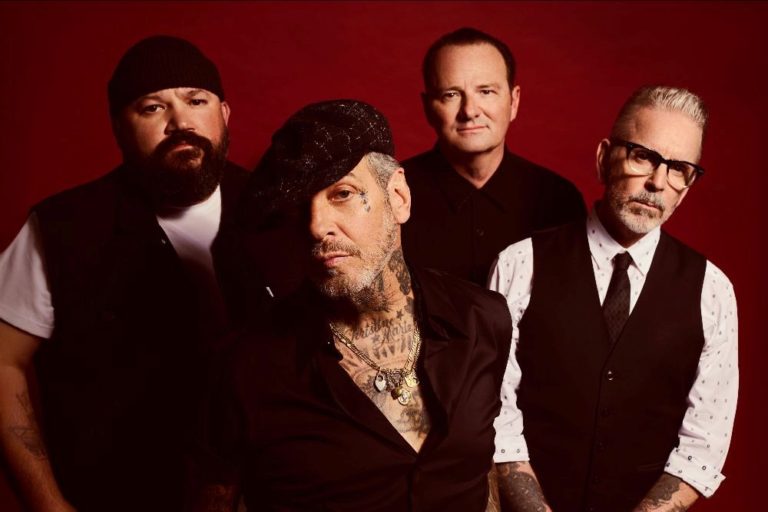
Fifteen years is a long time to wait. ‘Born To Kill’ makes it worth every second.
Social Distortion’s eighth album arrives May 8 via Epitaph Records, and the California punk legends have been methodical about how they’ve rolled it out. “The Way Things Were” is the third and final advance track, landing alongside the anthemic “Partners In Crime” and the title track, which has already surpassed 4 million streams in a single month. The new single carries the emotional DNA of Social D classics like “Story of My Life” and “I Was Wrong,” with a lyric that says everything about where Mike Ness stands: “I wrote a song with a stolen riff / If you ain’t got a song you ain’t got shit.”
‘Born To Kill’ is 11 tracks of rock fury and catharsis, co-produced by Ness and Dave Sardy, and it doesn’t arrive quietly. Rolling Stone called the band “still full of piss and vinegar,” and the record backs that up at every turn, namehecking Lou Reed, Iggy and the Stooges and David Bowie not as nostalgia but as a statement of lineage. This is a band that knows exactly where it comes from and exactly where it’s going.
The album features guest appearances from Benmont Tench of Tom Petty and the Heartbreakers and Lucinda Williams, with collaborative cover art by Ness and Shepard Fairey. That’s a record that earns its packaging. ‘Born To Kill’ joins a catalog that includes the RIAA gold-certified ‘Social Distortion’ (1990), ‘Somewhere Between Heaven and Hell’ (1992) and ‘Hard Times and Nursery Rhymes’ (2011), a run that spans nearly three generations of listeners and shows no signs of slowing.
The band gives the title track its network television debut on Jimmy Kimmel Live on May 7, one day before the album drops. Then it’s straight into an extensive North American tour running through October 3 in San Diego, with The Descendents and The Chats supporting from August 25 onward. Multiple dates are already sold out, including both Los Angeles nights, Toronto, Detroit, Asbury Park, Las Vegas, Reno and San Francisco. Move fast.
‘Born To Kill’ Tracklist:
- Born To Kill
- No Way Out
- The Way Things Were
- Tonight
- Partners In Crime
- Crazy Dreamer
- Wicked Game
- Walk Away (Don’t Look Back)
- Never Goin’ Back Again
- Don’t Keep Me Hanging On
- Over You
Social Distortion North American Tour 2026:
July 17 — Montreal, QC — MTELUS
July 19 — Burlington, VT — Higher Ground Ballroom
July 20 — Portland, ME — State Theatre
July 22 — New Haven, CT — Toad’s Place
August 25 — Phoenix, AZ — Arizona Financial Theatre
August 28 — Austin, TX — Moody Amphitheater
August 29 — Dallas, TX — The Bomb Factory
August 31 — Nashville, TN — The Pinnacle
September 1 — Atlanta, GA — Coca-Cola Roxy
September 3 — Raleigh, NC — The Ritz
September 4 — Washington, DC — The Anthem
September 5 — Asbury Park, NJ — The Stone Pony Summer Stage (SOLD OUT)
September 8 — Philadelphia, PA — The Met Philadelphia presented by Highmark
September 9 — Boston, MA — Roadrunner
September 11 — Brooklyn, NY — Brooklyn Paramount
September 12 — Brooklyn, NY — Brooklyn Paramount
September 14 — Toronto, ON — HISTORY (SOLD OUT)
September 15 — Toronto, ON — HISTORY
September 17 — Detroit, MI — The Fillmore Detroit (SOLD OUT)
September 20 — Minneapolis, MN — The Armory
September 22 — Denver, CO — The Mission Ballroom
September 23 — Salt Lake City, UT — The Union Event Center
September 25 — Las Vegas, NV — The Chelsea at the Cosmopolitan of Las Vegas (SOLD OUT)
September 26 — Reno, NV — Grand Sierra Resort Grand Theatre (SOLD OUT)
September 28 — San Francisco, CA — The Masonic (SOLD OUT)
September 29 — Oakland, CA — Fox Theater
October 1 — Los Angeles, CA — Hollywood Palladium (SOLD OUT)
October 2 — Los Angeles, CA — Hollywood Palladium (SOLD OUT)
October 3 — San Diego, CA — Gallagher Square at Petco Park
Video: Welsh Firebrands Skindred Prove Why They Own Every Stage in Blistering Graspop 2023 Set

Some bands play festivals. Skindred conquers them. The Welsh genre-smashers took the Graspop Metal Meeting stage in Dessel, Belgium in 2023 and delivered exactly what anyone who’s followed them already knows: a live set that operates on a different frequency than almost everything else in heavy music. Metal, reggae, punk and electronic music, all colliding at once, all working perfectly together. Frontman Benji Webbe is the engine of the whole operation, the kind of performer who turns thousands of strangers into a single, unified force within minutes, and this footage captures every second of it.
Thirty Years Deep, Impure Wilhelmina Deliver Their Most Daring Album Yet With ‘Le Sanglot’

Thirty years into one of heavy music’s most quietly essential careers, Impure Wilhelmina have done something remarkable. They’ve started over, on their own terms, and made it sound completely inevitable.
‘Le Sanglot’ arrives May 22 via Season of Mist, the sixth full-length from the Geneva-based post-hardcore quartet, and it’s the record that redraws everything. For the first time in their career, the band has written entirely in French, a shift that’s less a stylistic choice and more a full unlocking of something that’s been building since 1996.
The lead single “Électricité noire” announces the change immediately. It’s a crackling, immersive piece of music, an ode to rock itself, dense with atmosphere and forward momentum. The kind of track that makes you want to hear the whole album right now.
Impure Wilhelmina earned their reputation the hard way. Founded in Geneva in 1996, they built a loyal following through grinding European tours and a catalog that kept getting sharper, from the raw early albums ‘I Can’t Believe I Was Born in July’ (2003) and ‘L’amour, la mort, l’enfance perdue’ (2005), through to the critically celebrated run of ‘Black Honey’ (2014), ‘Radiation’ (2017) and ‘Antidote’ (2021). They’ve shared stages with Gojira, Baroness, Amenra, Sólstafir and Crippled Black Phoenix. That’s not a support slot résumé, that’s a statement of rank.
‘Le Sanglot’ was built with a new creative force in the room. Guitarist Edouard Nicod joined founding members Michael Schindl (vocals, guitar), Sébastien Dutruel (bass) and Mario Togni (drums) for the sessions, and his presence clearly pushed the band into territory they hadn’t explored before. The album was recorded and produced at Kitchen Studio in Geneva by Yvan Bing, with mastering handled by Magnus Lindberg at Redmount Studio in Stockholm. Track 9, “Demain j’abandonne,” was recorded separately by Serge Morattel at Rec Studio.
Guest musician Marion Leclercq of Mütterlein appears on “Train mort,” one of ten tracks spanning a tight, purposeful 50 minutes. The full tracklist moves with real range, from the bruising “Cent mille plaies” at 3:43 to the sprawling “Abîme” at 6:26, with the album closing on the cinematic “À jamais radieuse.” Every turn earns its place.
If you know Impure Wilhelmina, ‘Le Sanglot’ is the album you didn’t know you were waiting for. If you don’t, this is the exact right place to start.
‘Le Sanglot’ Tracklist:
- Électricité noire (5:01)
- Cent mille plaies (3:43)
- Abîme (6:26)
- Larmes de joie (5:02)
- Dévoreur d’étoiles (6:00)
- Train mort (4:03)
- Frelon ivre (4:40)
- Blanche réalité (5:35)
- Demain j’abandonne (4:04)
- À jamais radieuse (5:52)
Post Malone and Country’s Biggest Names Are Headed to Strummingbird Festival 2026

Australia’s biggest touring country festival just made its strongest case yet. Strummingbird 2026 drops into three massive outdoor venues this October, and the lineup is the kind that stops conversations cold.
Headlining is Post Malone, and this isn’t a pivot, it’s a full commitment. His Grammy-nominated album ‘F-1 Trillion’ brought together Dolly Parton, Chris Stapleton, Luke Combs, Lainey Wilson and Jelly Roll on one record and earned him a Best Country Album nomination. Three years after a sold-out Spilt Milk run, he’s back on Australian soil, and country is the vehicle.
Right alongside him is Bailey Zimmerman, one of the most talked-about names in American country right now. His debut ‘Religiously. The Album.’ built a massive following on hits like “Fall In Love” and “Rock and a Hard Place,” and 2025’s ‘Different Night Same Rodeo’ pushed him even further up the ladder. His Stagecoach cover of Miley Cyrus’ “The Climb” took on a life of its own online.
North Carolina’s Cooper Alan brings rowdy energy and genre-bending confidence, with anthems like “Plead The Fifth” already locked into the set. LA-based Stella Lefty and Texan outfit Dexter & The Moonrocks, both climbing the Billboard Top 100, round out a mid-bill that hits harder than most headliners. Dexter & The Moonrocks’ self-coined Western Space Grunge alone is worth the price of admission.
The deeper you go into this lineup, the better it gets. Cam, Beyoncé’s COWBOY CARTER collaborator, brings her Grammy-nominated ‘All Things Light’ and a voice that commands every inch of any stage. Cigarettes @ Sunset deliver raw Appalachian-edged Possum Rock, Kaitlin Butts arrives as a CMT Next Women of Country Class of 2025 alumna, and Sons of the East, fresh off 750 million streams, bring their beloved blues-country-folk blend back to Australian crowds.
Australian talent holds its own here. Back-to-back CMAA Female Artist of the Year Max Jackson is in electrifying form, Brad Cox’s heartland pivot on ‘Endemic Intelligence in Multiple Dimensions’ has been one of the year’s standout stories, and Brisbane’s Briana Dinsdale arrives as a 2026 Countrytown Breakthrough Artist of the Year nominee. Central Queensland cattle station turned global sensation Mack Geiger completes a homegrown contingent that proves Australian country is no support act.
Each stop gets its own local artist. Ballarat welcomes folk-country rising talent Lewis Love, Newcastle spotlights Gamilaraay artist Loren Ryan and her powerful blend of traditional language and modern acoustic songwriting, and the Sunshine Coast closes things out with Sammy White, whose voice is quickly becoming one of the most discussed in modern Australian country. Maddison Glover returns across all three stops to lead the line dancing sessions that became a Strummo institution last year.
Camping is available at Sunshine Coast and Ballarat for the full festival experience, and buses from Melbourne to Ballarat are on offer for those who’d rather leave the driving behind. Camping and bus tickets go on sale later in May.
Presale tickets are available via sign-up at strummingbird.com.au, with GA tickets on sale May 14. Moshtix Ticket Request is open now from 12pm AEST May 6. Payment plans are available through PayPal and Afterpay from May 13.
Strummingbird Festival 2026 Dates:
Saturday, October 10 – Victoria Park, Ballarat, VIC
Saturday, October 17 – Newcastle Foreshore, Newcastle, NSW
Sunday, October 18 – Kawana Sports Precinct, Sunshine Coast, QLD
Ted Turner, CNN Founder and Media Revolutionary Who Changed How the World Watches the News, Dies at 87
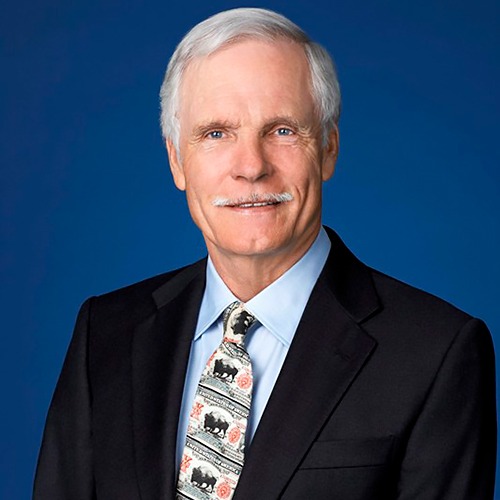
Ted Turner, the brash, visionary media mogul who founded CNN and forever changed the way the world receives its news, died on Wednesday, May 6, 2026. He was 87.
Turner, who had been living with Lewy body dementia since his diagnosis in 2018, died peacefully surrounded by his family. He leaves behind five children, 14 grandchildren, and two great-grandchildren, along with a media legacy that reshaped the 20th century.
Born Robert Edward Turner III on November 19, 1938, in Cincinnati, Ohio, he grew up in Savannah, Georgia, the son of a billboard magnate whose influence over his son was both formative and brutal. His father, a demanding and mercurial man who once wrote that his son’s choice to study classics at Brown University made him “almost puke,” took his own life in 1963, leaving a 24-year-old Ted Turner in charge of the family advertising business. What followed was one of the most audacious careers in the history of American enterprise.
Turner took a struggling Atlanta UHF television station in 1970 and turned it, step by improbable step, into a broadcasting empire. He invented the superstation, used satellites to beam old movies and Braves games into living rooms across the country, bought the Atlanta Braves and the Atlanta Hawks partly just to have programming, and built Turner Broadcasting System into a name that belonged on the same breath as the great American networks he had always wanted to beat.
But the thing that made Ted Turner immortal was CNN.
On June 1, 1980, he launched the first 24-hour cable news channel out of a converted mansion in Atlanta with $21 million and a staff the industry dismissed as the Chicken Noodle Network. A decade later, when CNN broadcast the Gulf War live from Baghdad while the other networks sat their anchors behind desks in New York, the argument was settled. He had changed journalism permanently and irrevocably. “For the first time in history,” Turner wrote in his 2008 autobiography Call Me Ted, “a war was being televised live from behind the scenes.” Time magazine named him Man of the Year in 1991.
He followed CNN with TNT, Turner Classic Movies, Cartoon Network, and a string of other ventures that demonstrated a man perpetually incapable of thinking small. In 1997 he donated $1 billion to the United Nations, at the time the largest single gift in philanthropic history. He co-founded the Nuclear Threat Initiative. He owned more than two million acres of American land, the largest private bison herd in the world, and 14 ranches across six states.
His personal life was as outsized as his professional one. He was married three times, most famously to actress Jane Fonda from 1991 to 2001, a union that generated as many headlines as any of his business deals. His nicknames, the Mouth of the South and Captain Outrageous, were earned honestly. He compared Rupert Murdoch to Hitler. He challenged him to a televised fistfight. He showed up drunk to his own America’s Cup victory press conference in 1977 after piloting his yacht Courageous to one of the great sporting triumphs of his era. He called the AOL Time Warner merger “better than sex,” a remark he spent years regretting after losing an estimated $7 billion when the stock collapsed.
He was contradictory, combustible, and utterly alive in a way that made him impossible to dismiss. CNN CEO Mark Thompson said in a statement Wednesday that Turner was “the presiding spirit of CNN” and “the giant on whose shoulders we stand.”
He was also, in his way, prophetic. His environmental activism, his warnings about overpopulation and climate change, his creation of the animated series Captain Planet in 1990 to reach young people about the planet, all of it looked eccentric at the time and looks prescient now.
Ted Turner was not a man who did anything quietly or halfway. He built things nobody believed in, said things nobody else would say, and left behind a world that looks meaningfully different because he passed through it.
He had nothing more to say. He said it all.
How Vacation Rentals Help Families Enjoy More Organized and Comfortable Trips
By Mitch Rice
Family travel requires careful planning because every member of the group may have different needs, schedules, and expectations. Parents often focus on comfort, convenience, and keeping routines manageable while children need space to relax and feel comfortable during the trip. Accommodations play a major role in determining whether a family vacation feels organized and enjoyable or stressful and exhausting.
Traditional lodging options may work for short visits, but they can become less practical for families traveling together for several days. Limited space, separate hotel rooms, and restricted amenities often create unnecessary challenges during longer stays. Families usually need accommodations that support flexibility and make everyday routines easier to manage.
This is why many travelers now prefer alternative accommodations designed with comfort and convenience in mind. Companies such as Stay Portland help families find spaces that support group travel more naturally. The growing popularity of Vacation Rentals reflects the increasing demand for environments that make family trips feel more relaxed, functional, and enjoyable overall.
Why Space Matters During Family Travel
Families require more room than solo travelers or couples because multiple people must share the same environment comfortably. Small hotel rooms can quickly feel crowded when luggage, meals, and daily activities all happen within one limited space.
Children often need room to play, relax, or sleep while adults may need quieter areas to unwind or plan activities. Without enough separation between spaces, even short trips can feel overwhelming for everyone involved. Privacy also becomes difficult to maintain in confined accommodations.
Vacation Rentals help solve this issue by offering larger living environments with multiple rooms and shared common areas. Families can spread out more naturally while still staying together under one roof. More space often leads to smoother and less stressful travel experiences.
Supporting Daily Family Routines More Naturally
Travel becomes easier when families can maintain routines similar to those they follow at home. Children especially benefit from predictable meal times, sleeping schedules, and comfortable spaces where they can settle in after busy days exploring the destination.
Traditional accommodations sometimes make these routines difficult to manage. Limited dining options, shared public spaces, and lack of kitchen access may create unnecessary disruptions during family trips. Parents often spend additional time adjusting schedules around these limitations.
Stay Portland helps families find accommodations that support familiar routines more effectively. Kitchens, dining areas, and private bedrooms allow travelers to organize daily activities with greater flexibility and convenience. Maintaining routines helps everyone feel more comfortable throughout the stay.
Why Shared Living Areas Improve Group Travel
Family trips are often about spending quality time together and creating shared experiences. Accommodations with common living spaces encourage conversation, relaxation, and bonding after long days spent exploring the destination.
Separate hotel rooms can sometimes reduce these shared moments because family members become divided into different spaces. Gathering together may require meeting in crowded public areas or returning to one small room where everyone feels confined.
Vacation Rentals provide larger shared environments where families can comfortably spend time together. Living rooms, dining spaces, and outdoor areas create opportunities for more natural interaction and relaxation during the trip.
The Convenience of Having a Kitchen
Meal planning is one of the biggest logistical challenges during family travel. Constantly eating in restaurants can become expensive, time-consuming, and difficult when different family members have varying schedules or preferences.
Access to a kitchen gives families greater flexibility and control throughout the trip. Parents can prepare snacks, simple meals, or breakfasts before heading out for daily activities. This convenience helps reduce stress while supporting healthier and more organized routines.
Stay Portland offers accommodations designed to support practical family living during travel. Kitchens provide a sense of normalcy that makes longer stays feel more manageable and comfortable for everyone involved.
Why Privacy Improves Family Comfort
Even during family vacations, personal space remains important. Parents often appreciate having separate bedrooms where they can relax quietly after children go to sleep. Older children and teenagers may also value having more independence and private space during the trip.
Crowded accommodations can increase tension and reduce relaxation over time. Without private areas, travelers may feel exhausted more quickly, especially during longer stays involving busy schedules and frequent activities.
Vacation Rentals create a more balanced environment by offering separate sleeping and living areas that support both togetherness and privacy. Families often feel more relaxed when everyone has enough space to recharge comfortably.
Supporting Longer and More Flexible Stays
Many families now prefer slower travel schedules that allow them to spend more time in one destination instead of rushing through multiple locations. Longer stays require accommodations that remain practical and comfortable throughout the trip.
Having access to laundry facilities, storage space, and multiple rooms helps families settle into routines more naturally during extended visits. This flexibility reduces the pressure of constantly managing schedules and logistics while traveling.
Stay Portland helps families find accommodations suited for both short vacations and longer city stays. Flexible living environments make it easier to enjoy the destination without feeling rushed or overwhelmed by daily travel demands.
Why Organized Accommodations Reduce Travel Stress
Family travel often involves managing luggage, schedules, meals, and activities for multiple people at once. Disorganized or impractical accommodations can increase stress and make small challenges feel more frustrating throughout the trip.
Functional layouts help travelers stay organized more easily. Storage areas, dining spaces, and separate rooms allow families to keep belongings accessible while maintaining a more comfortable environment overall.
Vacation Rentals support this organization by providing spaces designed for everyday living instead of temporary overnight stays alone. Better organization helps trips feel calmer and more enjoyable for both parents and children.
Creating More Memorable Family Travel Experiences
The quality of accommodations often influences how families remember their trips long after returning home. Comfortable and flexible spaces allow travelers to focus more on enjoying experiences together instead of constantly managing inconveniences.
Relaxed environments also encourage spontaneous moments that become lasting memories. Shared meals, evening conversations, and comfortable downtime all contribute to stronger family connections during travel.
With support from providers like Stay Portland, families can access accommodations designed around comfort, flexibility, and practical living. Vacation Rentals continue reshaping family travel by helping groups enjoy more organized, comfortable, and meaningful experiences together.
Data and information are provided for informational purposes only, and are not intended for investment or other purposes.
20 Songs That Celebrate Everyday Joy
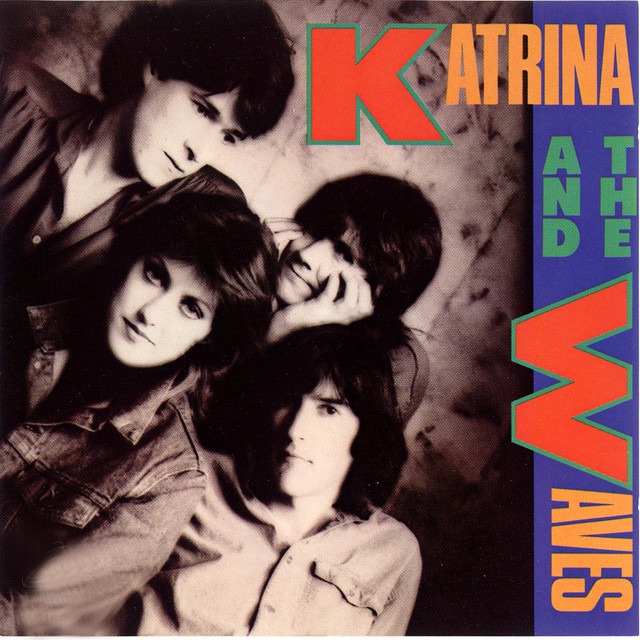
Some songs just make life better. Not because they’re complicated or trying to say something profound, but because they tap into something simple and universal: the feeling of being alive and happy to be here. Whether it’s a funk groove that makes your feet move before your brain catches up, a reggae reminder that everything’s going to be alright, or a pop anthem built purely to make you smile, the twenty songs below have one job and they do it beautifully. Put any one of these on and see what happens to the room.
“Walking on Sunshine” by Katrina & The Waves (1985)
The song was written by Kimberley Rew and originally recorded after he left The Soft Boys. It has since appeared in over 50 films and TV shows and is considered one of the most recognizable opening guitar riffs in pop history. Katrina Leskanich has said she knew it was something special the moment she first heard it.
“Lovely Day” by Bill Withers (1977)
Bill Withers held that sustained note for 18 seconds without any studio trickery, making it one of the longest held notes in pop music history. The song was a modest hit on its original release but became a genuine classic after it was remixed and rereleased in 1988, reaching number four in the UK. Withers wrote it in about 20 minutes.
“Don’t Stop Me Now” by Queen (1978)
Despite being one of Queen’s most beloved songs today, Don’t Stop Me Now was not a big hit when it was first released and received mixed reviews at the time. Freddie Mercury wrote it during one of the happiest periods of his life. A 2005 survey named it the most uplifting song of all time.
“Happy” by Pharrell Williams (2013)
Happy was written for the Despicable Me 2 soundtrack and was the first song ever released as a 24-hour music video, featuring a different person dancing every minute of the day. It spent 47 weeks on the Billboard Hot 100 and won Pharrell a Grammy for Best Pop Solo Performance. He reportedly cried when he first heard it played back.
“Three Little Birds” by Bob Marley & The Wailers (1977)
Marley was inspired to write the song by the three little birds that used to sit on his windowsill at his home in Kingston, Jamaica. The song did not chart significantly on its original release but has since become one of the most covered and recognized reggae songs in history. It remains a go-to comfort song for people all over the world.
“Mr. Blue Sky” by Electric Light Orchestra (1978)
Jeff Lynne wrote the song while holed up in a Swiss chalet during two weeks of relentless rain. The moment the sun finally came out he was so relieved he sat down and wrote it immediately. It took him and the band three months to record and features an orchestra, a choir, and one of the most joyful codas in rock history.
“September” by Earth, Wind & Fire (1978)
The famous opening lyric asks why nobody can remember the twenty-first night of September, and to this day co-writer Allee Willis has said she has no idea why that specific date was chosen. It just felt right. The song has been covered hundreds of times and remains one of the most streamed classic soul tracks on Spotify every single September.
“Here Comes The Sun” by The Beatles (1969)
George Harrison wrote the song in his friend Eric Clapton’s garden after sneaking away from a particularly difficult day of business meetings at Apple Records. He described it as a feeling of enormous relief. It is now consistently ranked as one of the most streamed Beatles songs of all time and one of the most beloved songs ever written.
“You Make My Dreams (Come True)” by Hall & Oates (1980)
The song was not initially released as a single and almost did not make the album at all. It became a massive hit years after its release when it appeared in the final scene of the 2009 film 500 Days of Summer, introducing it to an entirely new generation of fans who had no idea it was 30 years old.
“Dancing Queen” by ABBA (1976)
Dancing Queen was the only ABBA song to reach number one in the United States and was reportedly a favourite of King Carl XVI Gustaf of Sweden, for whom it was performed at his wedding. Benny Andersson has said it remains the song he is most proud of writing. It has never gone out of style for a single day since it was released.
“I Can See Clearly Now” by Johnny Nash (1972)
Nash recorded the song while recovering from an eye infection that had temporarily blurred his vision, making the lyric far more literal than most people realize. It reached number one in the US and Canada and was later covered by Jimmy Cliff for the 1993 film Cool Runnings, introducing it to millions of new fans worldwide.
“Good Vibrations” by The Beach Boys (1966)
Brian Wilson spent six months and recorded the song across four different studios at a cost of around $50,000, making it the most expensive single ever recorded at the time. Wilson called it his pocket symphony and it remains one of the most technically ambitious pop recordings in history. It topped the charts in both the US and the UK.
“Can’t Stop the Feeling!” by Justin Timberlake (2016)
Written for the animated film Trolls, the song won the Academy Award for Best Original Song and became one of the best-selling singles of 2016. Timberlake has said he wanted to write the ultimate feel-good song with no verses, just pure momentum. Mission accomplished.
“Sir Duke” by Stevie Wonder (1976)
Written as a tribute to Duke Ellington following his death in 1974, the song also namedrops Ella Fitzgerald, Count Basie, Glenn Miller, and Louis Armstrong in its lyrics. It reached number one in the US and remains one of Wonder’s most joyful and technically stunning recordings. The horn arrangement alone is a masterclass.
“Send Me on My Way” by Rusted Root (1995)
The song was written by Michael Glabicki in a single sitting and recorded almost exactly as he first played it. It became one of the most recognizable songs of the 1990s after appearing in the films Matilda and Ice Age, introducing it to generations of children who grew up thinking of it as the sound of pure adventure.
“I Wanna Dance with Somebody” by Whitney Houston (1987)
Producer Narada Michael Walden has said he designed the production specifically to showcase Houston’s full vocal range from bottom to top in a single song. It debuted at number one in both the US and the UK and was later the centrepiece of the 2022 biographical film Whitney Houston: I Wanna Dance with Somebody.
“Sunday Best” by Surfaces (2019)
The Texas duo Surfaces released the song independently and watched it go viral on TikTok almost entirely through user-generated content, with fans using it as the backdrop for happy, everyday moments. It has since been streamed hundreds of millions of times and has become one of the defining feel-good songs of the streaming era.
“Celebration” by Kool & The Gang (1980)
The song was written in a single afternoon and recorded quickly, with the band not entirely sure it was special until they heard the playback. It went on to become one of the most played songs at weddings, sporting events, and parties in history and was played at the White House when the American hostages returned from Iran in 1981.
“What a Wonderful World” by Louis Armstrong (1967)
The song was rejected by every major US label when it was first recorded and was barely released in America at all. It became a massive hit in the UK, selling over a million copies, but only found its true American audience after it was used in the 1987 film Good Morning, Vietnam. Armstrong recorded it in one take.
The Obama Presidential Center Opens June 19 and Tickets Are On Sale Right Now
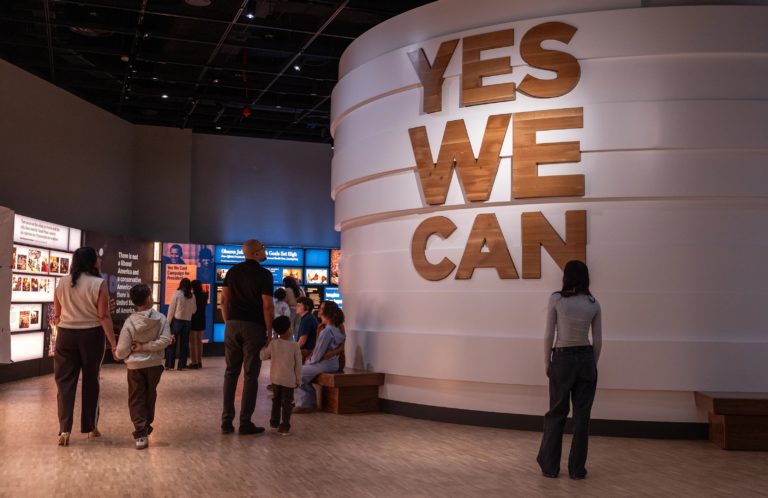
One of the most anticipated cultural openings in American history is almost here. The Obama Presidential Center in Chicago’s historic Jackson Park officially opens its doors to the public on June 19, 2026, and as of this morning, tickets are on sale. The Obama Foundation warned that demand would be high when the queue opened at 9 a.m. today, and if you’re planning a visit this summer you’ll want to move quickly, because weekend and summer dates are expected to sell out fast.
The center itself is genuinely something to behold. Situated on a 19.3-acre campus on Chicago’s South Side, it features a stunning 225-foot museum tower with four floors of immersive exhibits, a replica of the Oval Office, and a Sky Room that offers sweeping panoramic views of the city. The museum tells the story of President and Mrs. Obama and their historic presidency through immersive storytelling and interactive installations, inviting visitors to reflect on the legacy of America’s first Black president and First Lady and the enduring power of civic participation. It also houses the first fully digital presidential library, a Chicago Public Library branch, an auditorium, and community meeting rooms.
Tickets for the museum range from $15 to $30 for general admission, with discounted pricing of $15 to $26 for Illinois residents. Kids under two get in free. Illinois residents also have access to free admission on Tuesdays by selecting a Tuesday time slot and providing their zip code at checkout. You can purchase up to nine tickets at a time, and visit dates are available from opening day on June 19 through November 30 on a timed-entry basis. If you want a deeper experience, the Campus Experience Tour runs $75 to $95 and includes a 90-minute guided tour of the campus plus the ability to skip the line and self-guide through the exhibits.
While the museum requires a timed ticket, everything else on the spectacular 19-acre campus is completely free to the public. That includes public art installations, a winter garden, a playground, a basketball court, and wide open gathering spaces designed to welcome everyone. The grand opening celebration kicks off on June 18 with a ceremony featuring live performances by global icons and remarks from some of today’s most prominent voices and leaders, all available to watch via livestream. June 20 and 21 will bring a free open-house style weekend with live performances, family-friendly activities, food, art, and storytelling across the campus.
This is a landmark moment for Chicago, for the South Side community that has waited years for this, and for anyone who believes in the power of public spaces to inspire and connect people. Tickets are available now at obama.org and if history is any guide, the best dates won’t last long. Go get yours.