A fascinating new deep-dive into sports engineering just dropped on the digital landscape. The popular digital creators over at The Process have officially unveiled their latest compelling episode, “How the World Cup Ball Is Made — The $170 Ball With a Chip Inside”. This stunning release serves as a centerpiece for their acclaimed ‘Material Stories’ series. It’s a massive moment for tech enthusiasts and sports fans alike, pulling back the curtain on the advanced engineering shaping global entertainment.
The brilliantly produced episode uncovers the hidden high-tech architecture built directly into the official 2026 tournament gear. This isn’t just a standard piece of athletic equipment anymore. It features an integrated internal sensor that meticulously tracks high-speed movement hundreds of times per second. This cutting-edge hardware feeds data directly into complex AI judge systems to instantly streamline critical offside calls and deflections. It’s an incredible look at how automated data is revolutionizing the global playing field.
You’ll journey straight onto the bustling factory floors where global production actually happens. The documentary highlights the historic city of Sialkot, Pakistan, a global manufacturing powerhouse responsible for creating the vast majority of the world’s soccer supplies. It maps out the rigorous physical construction and meticulous assembly lines required to bring these advanced sporting goods to life. The narrative captures the immense scale of global industrial craftsmanship with absolute precision.
It’s a story that details how corporate innovator Adidas pioneered a massive shift away from traditional hand-stitched panels toward modern thermal bonding techniques. This specific manufacturing evolution drastically alters how the equipment interacts with the elements during high-stakes matches. The presentation beautifully showcases how even slight reductions in panel counts completely change aerodynamic flight paths.
Anthony Head, the English actor and singer who became a cult hero as Rupert Giles, the tweedy, secretly rock-and-roll Watcher of “Buffy the Vampire Slayer,” has died at 72. His death, from complications of pneumonia, was announced on 5 June 2026.
Born Anthony Stewart Head in Camden Town, London on 20 February 1954, he came from a creative family. His father was documentary filmmaker Seafield Head, a founder of Verity Films, his mother was actress Helen Shingler, and his older brother is actor and singer Murray Head. Both brothers would play Freddie Trumper in the musical ‘Chess’ at London’s Prince Edward Theatre, Murray in the original 1986 cast and Anthony in the final cast in 1989. He trained at the London Academy of Music and Dramatic Art, and traced his calling back to playing the Emperor in a childhood production of ‘The Emperor’s New Clothes’, when he decided this was what he wanted to do.
Theatre and music ran through everything he did. He cut his teeth in ‘Godspell’ in the late 1970s, sang backing vocals for Red Box, and turned the role of Frank N. Furter in ‘The Rocky Horror Show’ into a signature, releasing his rendition of “Sweet Transvestite” as a single in 1991. British audiences first knew his face, and that distinctive baritone, from the long-running Gold Blend coffee commercials opposite Sharon Maughan, a will-they-won’t-they romance that played out across screens from 1987 to 1993.
Then came Sunnydale. In 1997 he took on Rupert Giles in “Buffy the Vampire Slayer,” the librarian and mentor whose buttoned-up exterior hid a sharp wit and a buried past, and the role made him a fixture of a show that defined a generation of television. He appeared across 121 episodes and returned for the celebrated musical episode “Once More, with Feeling,” which showcased the voice that had always been central to who he was. He reprised Giles decades later in the Audible series ‘Slayers: A Buffyverse Story’ in 2023.
His range kept widening. He played the Prime Minister in “Little Britain,” King Uther Pendragon across five seasons of “Merlin,” and a string of roles in “Doctor Who,” “Warehouse 13,” “Dominion,” and “The Split.” On radio he was Herc Shipwright in the beloved “Cabin Pressure” and a gleeful villain in “Bleak Expectations.” Director Darren Lynn Bousman, having seen the “Buffy” musical, built the rock opera ‘Repo! The Genetic Opera’ around him in 2008. Later still, he found a whole new audience as scheming Richmond owner Rupert Mannion in “Ted Lasso,” earning a Screen Actors Guild Award nomination with the ensemble for the show’s final season.
Head lived in Bath, Somerset, with homes in Surrey and Northumberland. His partner of more than four decades, animal-welfare advocate Sarah Fisher, died in December 2025. He is survived by their two daughters, actresses Emily and Daisy Head.
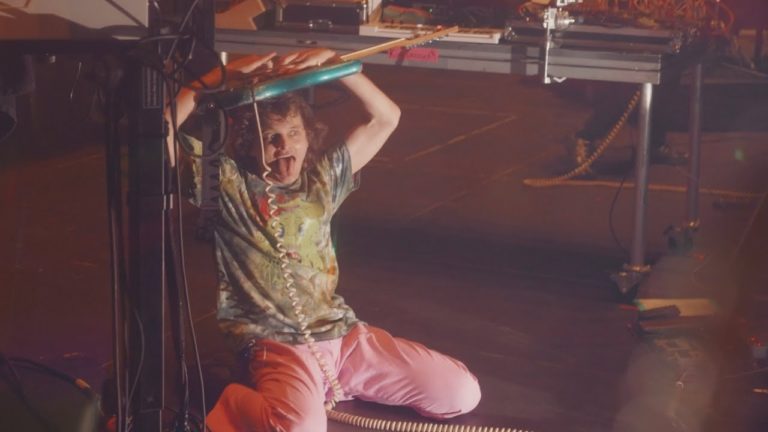
An explosive 2024 performance from psych rock legends King Gizzard & the Lizard Wizard’s taking center stage in a new Chicago concert video. This captured outdoor set highlights the group’s relentless drive, shifting gears from their ‘Nonagon Infinity’ era into the bluesy textures of ‘Flight b741’. Guitarists Stu Mackenzie and Joey Walker trade jagged riffs over Michael Cavanagh’s tight drumming. The live delivery of “Le Risque” serves as a magnificent sonic firecracker, bursting with infectious energy. It’s a spectacular showcase of their wild edge.
A brilliant musical bridge just dropped today, permanently connecting 3 distinct corners of the folk world. Nashville-based folk-country trailblazer Alexandra King’s officially released her debut full-length masterpiece, ‘Across the Pond’. It’s a gorgeous 10-track collection that weaves together Irish tradition, Americana soul, and contemporary storytelling. The highly anticipated record arrives via a transatlantic lens that feels incredibly fresh. It’s a triumphant milestone for a creator who’s spent years honing her craft across multiple continents, and the global music scene’s taking notice immediately. Listen here.
The album’s rollout arrives alongside a deeply moving focus track titled “Anchored to the Sea”, a stunning showcase of emotional depth. King wrote the track about the intense reality of loving someone who feels like home while chasing an engineering dream oceans away. It’s an absolutely beautiful acoustic composition that pairs Celtic folk revival elements with rich Americana resonance. The song unfolds with an infectious energy that’s bound to captivate listeners everywhere. Producer Evan Sieling handled the engineering, mixing, and mastering, ensuring the track’s sonic landscape shines beautifully from start to finish.
This massive full-length project beautifully builds upon her 2025 EP of the same name, incorporating all 4 beloved tracks including “Lose Me to Dublin” and “Freckles (in an Old Pub)”. You’ll also find her standout 2024 singles like “Chasing Rainbows” and “I’d Be Lying” embedded in the tracklist. It’s a cohesive artistic statement shaped by heritage, resilience, and a profound sense of place. The music thrives on an amalgamation of Celtic folk revival-infused anthems and deep emotional resonance, creating a sonic experience that’s completely unforgettable.
The momentum started building earlier this year with the Irish-infused country single “Bottoms Up”, which dropped on March 13. The track’s gained massive recognition after winning American Songwriter’s Shamrock & Roll Road Ready Contest, proving its widespread appeal. Co-written with Sieling, it channels the roaring spirit of a classic pub sing-along, celebrating the warmth of Irish culture. It features spectacular fiddle work by Oliver Bates Craven, alongside traditional bodhrán percussion. The accompanying music video even features her father and childhood friend Luke Manley, bringing a tight-knit community vibe to the screen.
King’s journey to this momentous debut’s defined by an extraordinary level of personal grit. In 2020, a severe diving accident caused a cervical spinal cord injury that temporarily left her partially paralyzed. While recovering in the hospital, she heroically relearned how to hold a guitar pick, entirely reshaping her path forward. She packed her bags for Nashville in January 2022, completely recommitting to her musical career. That relentless determination pulses through every single track on ‘Across the Pond’, turning the record into a magnificent testament to survival and self-discovery.
Listeners’ll also discover an intimate meditation on family through the track “Spare Key”, which released on May 15. It’s a heartfelt tribute to her mother, who raised her to be completely fearless and take big risks. The official music video was filmed right at her mother’s home, beautifully capturing their unbreakable bond. King’s currently hitting the road to support the record, booking essential performances across New York, Ireland, and Nashville. She’s inviting the world into an environment where heritage and reinvention meet, and you’ll want to secure your tickets immediately.
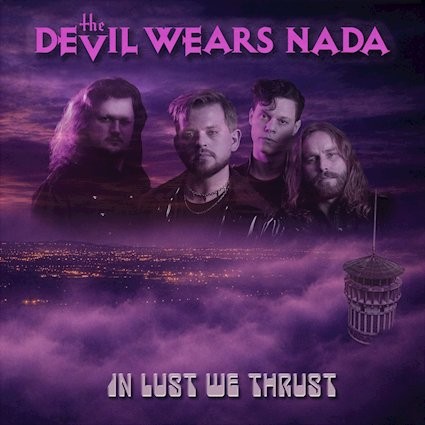
A massive wave of stadium-sized energy is currently surging out of Scandinavia. The formidable Swedish melodic rock force The Devil Wears Nada just unleashed their electrifying new single “Victoria” upon the world. It’s a triumphant teaser for their highly anticipated sophomore album, ‘In Lust We Thrust’, which officially lands on Friday, July 10, 2026 through Eönian Records. This upcoming collection marks a giant leap forward for a group that’s rapidly ascending the ranks of the modern rock revival.
The newly released track delivers an absolute golden era punch with a brilliant modern identity. Listeners’ll immediately notice a monstrous guitar solo delivered by none other than Evan Stanley, the son of the legendary Paul Stanley from KISS. It’s a spectacular collision of rock royalty and fresh blood that makes the track feel incredibly urgent. The song unrolls with soaring polished harmonies and explosive choruses that instantly command attention. It’s an absolutely magnificent piece of retro-fueled songwriting that stays lodged in your head for days.
Hailing from Falköping, Sweden, the four-piece lineup expertly anchors themselves in the legendary sounds of the mid-1980s and early 1990s. They’re combining that classic arena grandeur with theatrical inspiration drawn from icons like Alice Cooper, Ghost, and Lordi. It’s a fascinating mix of vintage hard rock energy and dramatic horror aesthetics. Their celebrated debut album, ‘Postalgia’, previously earned global acclaim and quickly became a highly sought-after collector’s item among rock purists. They’re carrying that exact same fiery momentum straight into this next chapter.
The upcoming record promises to shatter expectations with its razor-sharp modern production and cinematic atmosphere. You’ll find an abundance of massive hooks and deep emotional resonance spread across the eleven tracks. Longtime devotees of classic Scandinavian melodic rock’ll definitely recognize the arena-sized ambition behind the music. It’s a bold reawakening of a beloved genre, meticulously crafted to captivate traditional glam metal loyalists while simultaneously recruiting a brand new generation of followers.
The group’s creative philosophy perfectly explains how they balance these diverse elements so well. “Take the raw pulse of the ’70s, ’80s hard rock and glam metal, and mix it with our fascination for the macabre and the dramatic, that’s where The Devil Wears Nada lives,” explains guitarist Henrik Westergren. It’s a collaborative passion that shines brightly through their material. They’ve poured countless hours of sweat into this new recording, and it’s completely obvious that they’re just getting started on their global takeover.
A monumental piece of contemporary music-theatre just secured its definitive place in the digital landscape. The highly anticipated world premiere recording of ‘Paper Pianos’, a brilliant composition by the Grammy-nominated Armenian-American sonic pioneer Mary Kouyoumdjian, arrives globally on August 7, 2026 via Cantaloupe Music. It’s an evening-length sonic-documentary co-created alongside the brilliant South African-American director and writer Nigel Maister. This upcoming digital release marks a massive milestone for a project that’s already captured the deep attention of the global music community. Listen here.
To mark this major announcement, listeners can dive into the album’s breathtaking third movement, “III. All Good Things”, which drops as a standalone single today. It’s performed with spectacular precision by the Grammy Award-winning ensemble Alarm Will Sound, offering an immediately immersive experience. The music unfolds with a magnificent blend of acoustic instrumentation and recorded human testimony, creating a shimmering sonic world that feels completely vital. This release stands out as a triumphant showcase of modern storytelling, flashing immense creative energy from the very first second.
The foundation of this project runs exceptionally deep, earning a well-deserved spot as a finalist for the 2024 Pulitzer Prize in Music. The production combines live performance, real recorded testimony, and documentary storytelling to map the harrowing journeys and profound resilience of refugees. It’s an essential narrative that explores dislocation, longing, and optimism from the perspective of the displaced individuals and the dedicated resettlement workers who aid them. There’s an undeniable honesty to the storytelling that bypasses simple abstraction to deliver something genuinely transcendent.
Real histories anchor the entire musical landscape, weaving together 4 distinct voices of immigrants who relocated to New York. The work draws its name from Afghan pianist Milad Yousufi, who fled Kabul under the threat of the Taliban. He taught himself to play in total silence by drawing piano keys on paper, an unforgettable image of creative survival. His story intertwines seamlessly with testimonies from Ethiopian judge Getachew Bashir, Somali-born refugee worker Hani Ali, and Iraqi refugee Akil Aljaysh. They’ve given the world an incredibly generous gift by sharing these intensely personal moments.
The creators approach this heavy subject matter with a shared belief in the transformative potential of their craft. Maister notes that the immense gratitude these individuals hold for a second chance is constantly balanced by painful personal sacrifices. Kouyoumdjian views the project through a lens of profound empathy, using real voices to bridge the gap between distant humanitarian conflicts and our shared human desires. It’s a gorgeous philosophy that elevates the entire recording into a historical document, and the artist proceeds from the sales will go directly to support the International Rescue Committee.
The path to this historic recording includes incredible milestones on the live stage. Alarm Will Sound originally delivered the world premiere of the piece at EMPAC in Troy, New York back in 2023, followed by an equally stunning presentation at The Clarice Smith Performing Arts Center in 2025. The live experience features striking animations by Kevork Mourad, scenic design by Afsoon Pajoufar, and lighting by Seth Reiser. Now, they’ve ensured that this recorded version reaches a massive global audience.
Paper Pianos Tracklist:
I. Overture: This is Not a Choice (Gee-Gee’s Primer)
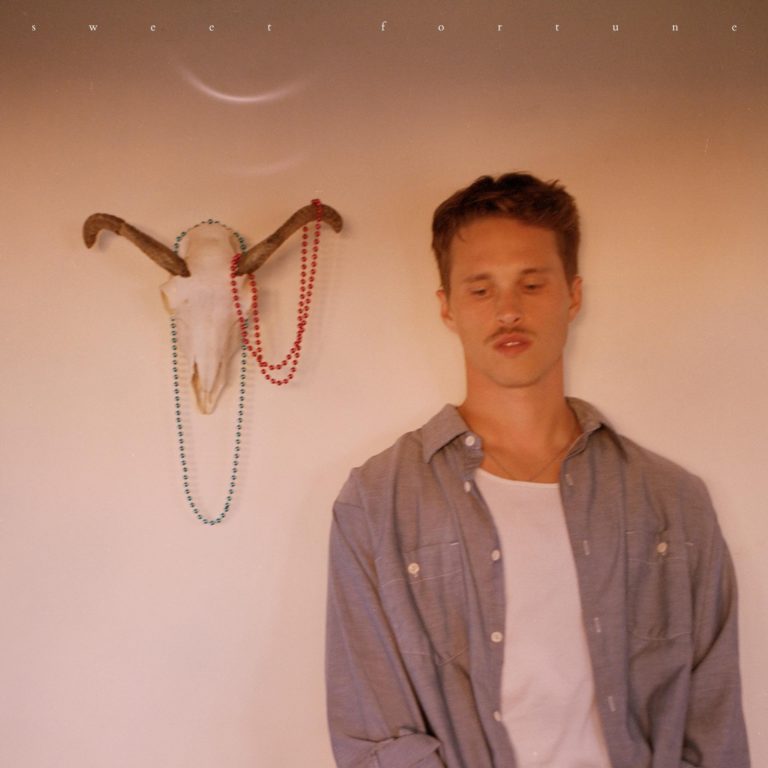
Grammy-winning hitmaker Ryan Beatty just ignited his next massive musical era. He’s officially announced his highly anticipated fourth studio album, ‘Sweet Fortune’, arriving on June 26 via Atlantic Records. It’s a monumental moment for the visionary musician, who’s spent the last few years completely reshaping the landscape of modern pop. This upcoming record delivers a bold leap forward, instantly cementing his status as one of the most vital voices that’s working in the industry today.
To give the world an immediate taste, he’s dropped the stunning lead single, “Secret Language”, alongside a gorgeous music video directed by Rhys Scarabosio. Co-produced by Beatty and his frequent collaborator Ethan Gruska, the track opens with an easygoing, twangy cadence before swelling into a massive sonic landscape. It’s an absolutely breathtaking piece of music that pairs sun-dappled horns with an unforgettable vocal performance. You’ll find yourself completely swept away by the raw emotional energy that’s pulsing through every second.
‘Sweet Fortune’ beautifully expands upon the sonic foundation of his past catalog, delivering a genre-defying body of work that’s entirely timeless. Throughout the 2026 record, he’s distilling the poetry of falling in love into warm, atmospheric vignettes. His brilliant songwriting’s shining brightly across the entire project, offering listeners an intimate glimpse into the early, overwhelming moments of romance. It’s a confident, cohesive collection that shows he’s operating at the absolute peak of his creative powers.
This collection marks his first major full-length release since 2023’s ‘Calico’. That acclaimed record’s earned massive critical praise from heavyweights like Billboard, Rolling Stone, and V Magazine, launching him into a new tier of visibility. He’s spent the intervening years building an untouchable reputation as an elite songwriter, and this next step feels like a natural, triumphant evolution. The momentum behind his solo career’s growing faster than ever, and the industry’s paying close attention.
Beyond his solo work, he’s recently achieved immense global success behind the scenes. He’s taken home an Album of the Year Grammy for his brilliant co-writing contributions to Beyonce’s ‘COWBOY CARTER’, lending his genius to standouts like “Bodyguard” and “Protector”. He’s also secured massive songwriting credits with industry titans like Miley Cyrus, Tyler, The Creator, and Bleachers. He’s established himself as pop music’s most exciting collaborator, and now he’s reclaiming the spotlight for his own magnificent story.
The global music ecosystem just took a massive leap into the digital future. Industry leaders SoundExchange and IFPI unveiled a powerful new capability that automates the assignment of International Standard Recording Codes, completely changing how creators register their music. This integration slashes manual bureaucracy and instantly boosts data accuracy across the globe. It’s a major modernization step for a fast-moving industry that relies entirely on precise tracking.
This fresh system allows immediate online registration to assign an essential tracking code directly to a recording. It’s designed to eliminate heavy administrative burdens for self-publishing creators and smaller independent operations. By securing proper identification right at the start, the system safeguards every single track in the marketplace. It beautifully upgrades the traditional framework where national organizations handle bulk code distribution.
SoundExchange operates this automated ecosystem using the most comprehensive metadata infrastructure on earth. Their vast data network uses advanced matching systems and massive rights administration tools, so there’s no risk of duplicate codes. Once the system registers a track, the metadata lands in a massive public dataset. Anyone can access this directory through an open search tool, making the entire ecosystem completely transparent.
The leadership behind this rollout understands the immense value of clean data. SoundExchange President and CEO Michael Huppe noted that reliable, standardized identification forms the absolute bedrock of a fair music environment. By building this automated infrastructure, they’re removing friction and letting creators get their work to the public with total confidence. It’s an incredible win for efficiency.
Fast tracking matters immensely in the modern landscape. IFPI CEO Victoria Oakley emphasized that precise, swift identification remains completely vital for the global recording sector. This partnership delivers a practical, tech-driven solution that protects the strict standards of the industry while speeding up workflows. It eliminates the messy delays and human errors that traditionally plague manual data entry, ensuring creators get what they’ve earned faster than ever.
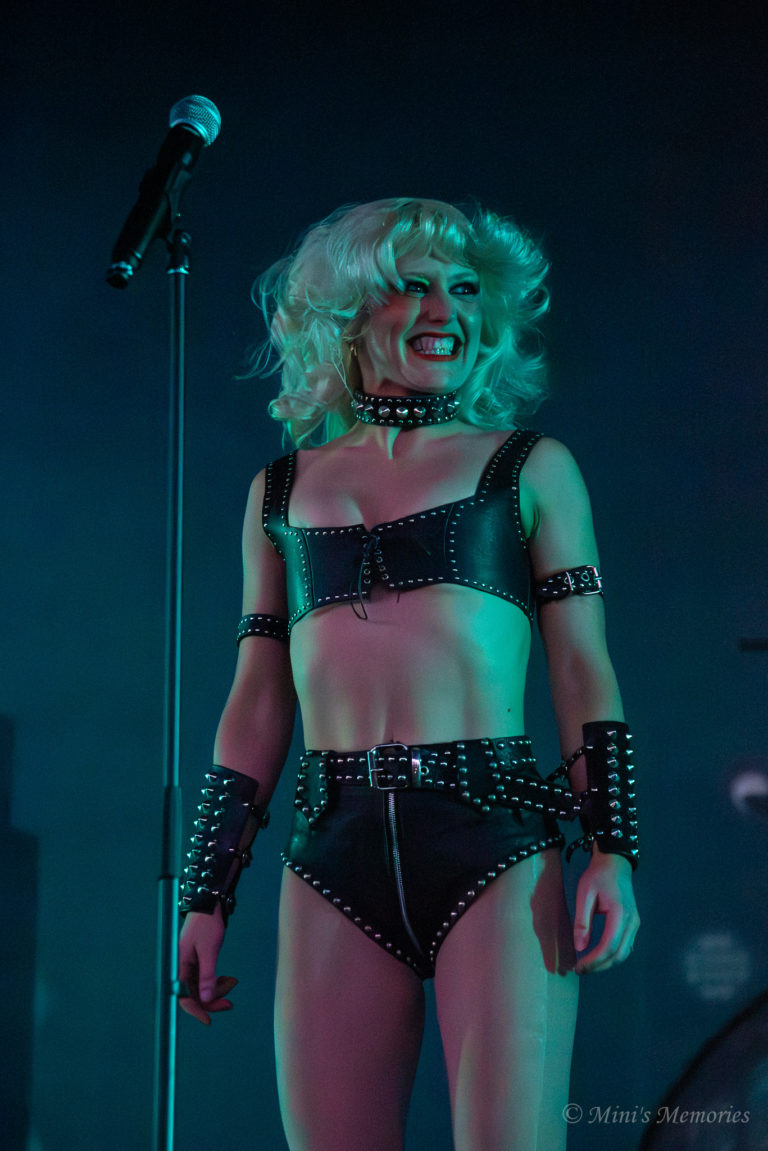
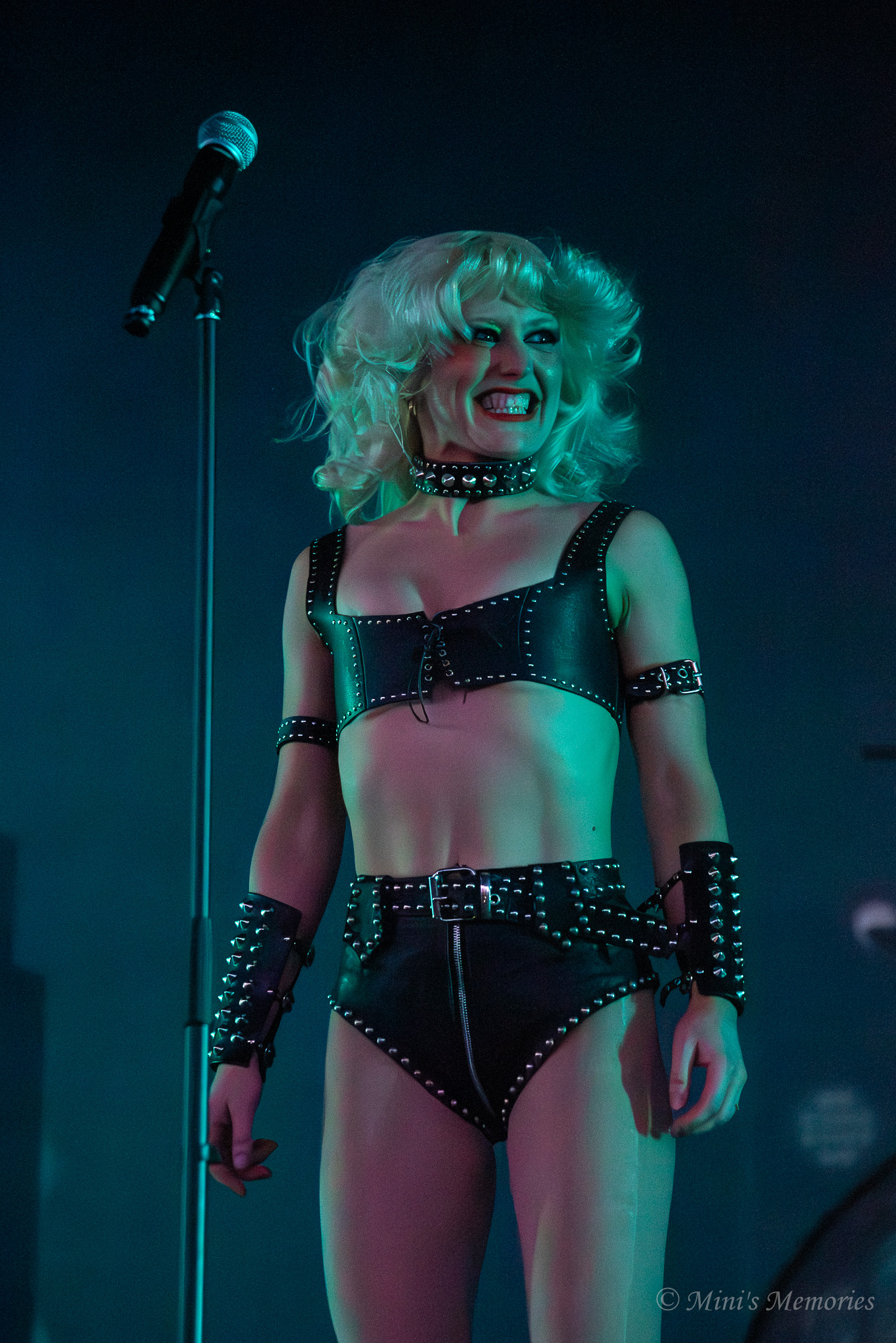
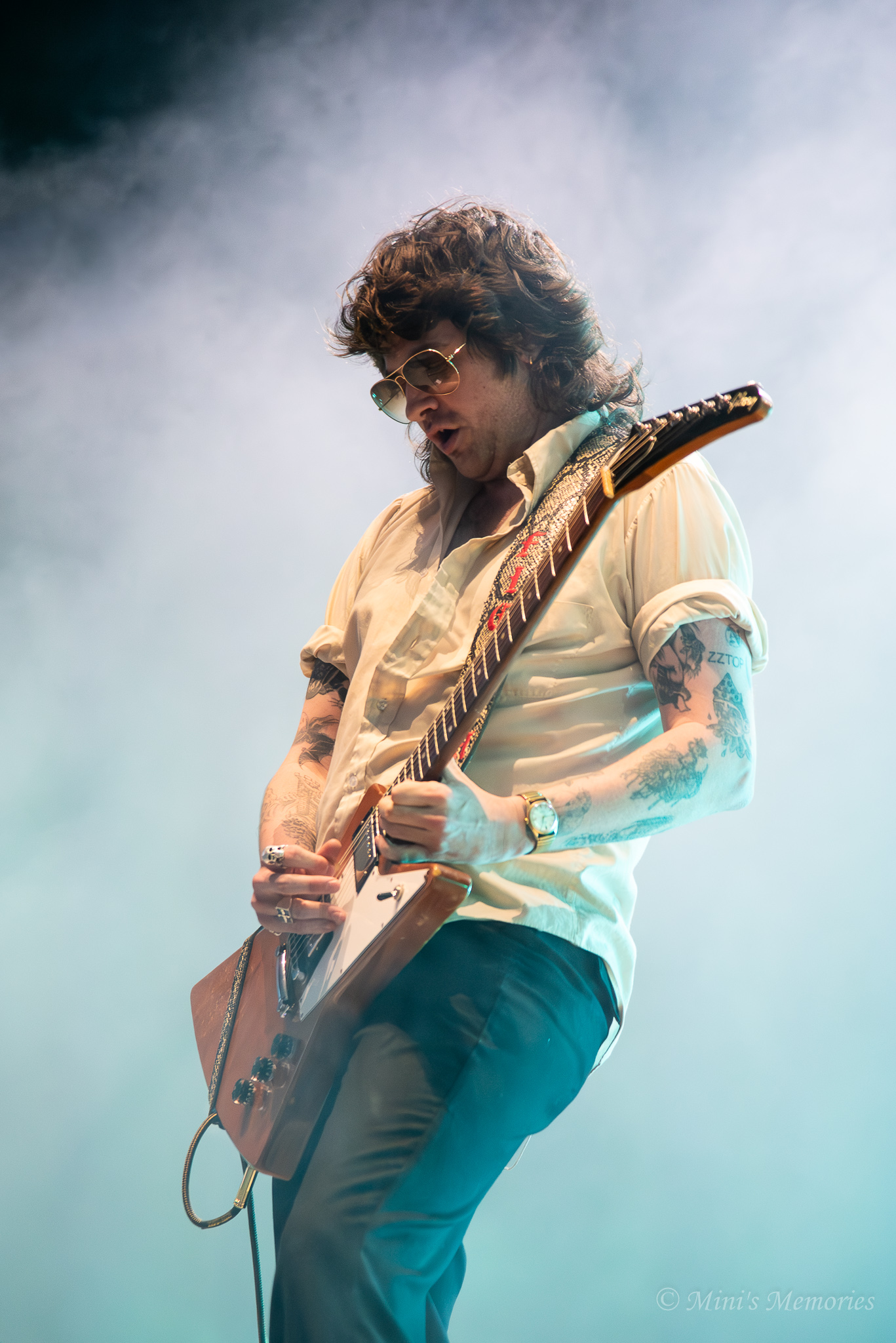
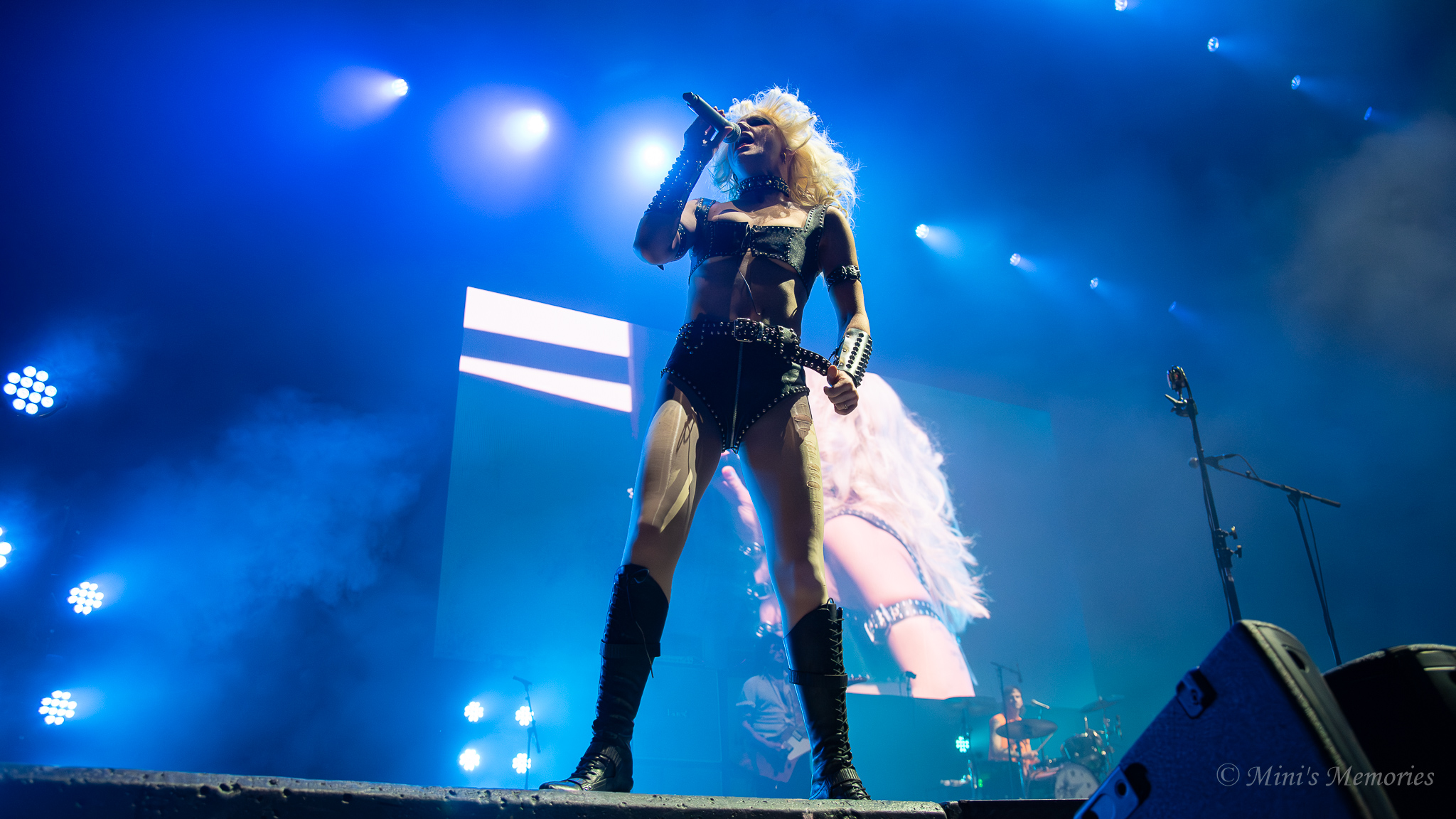
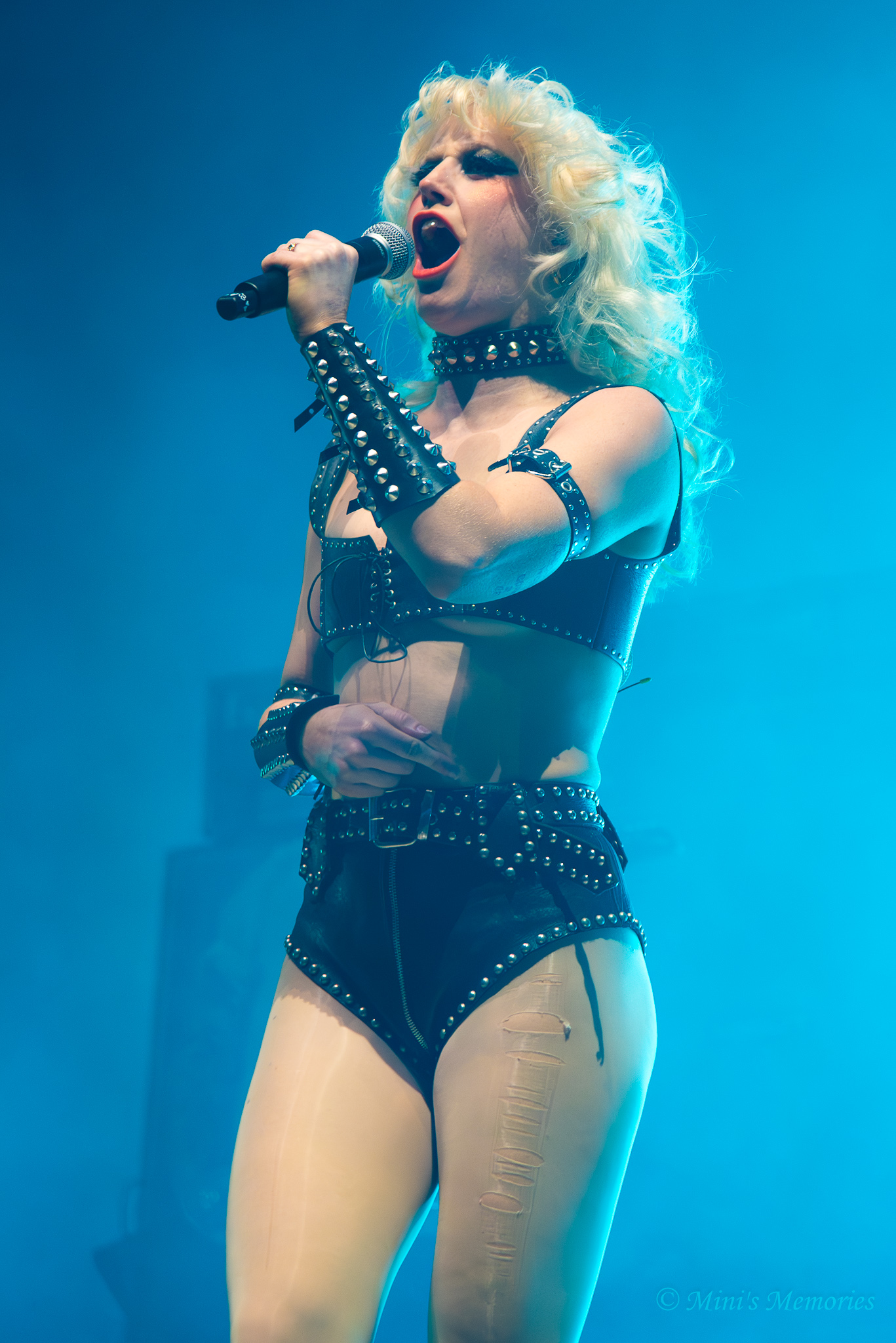
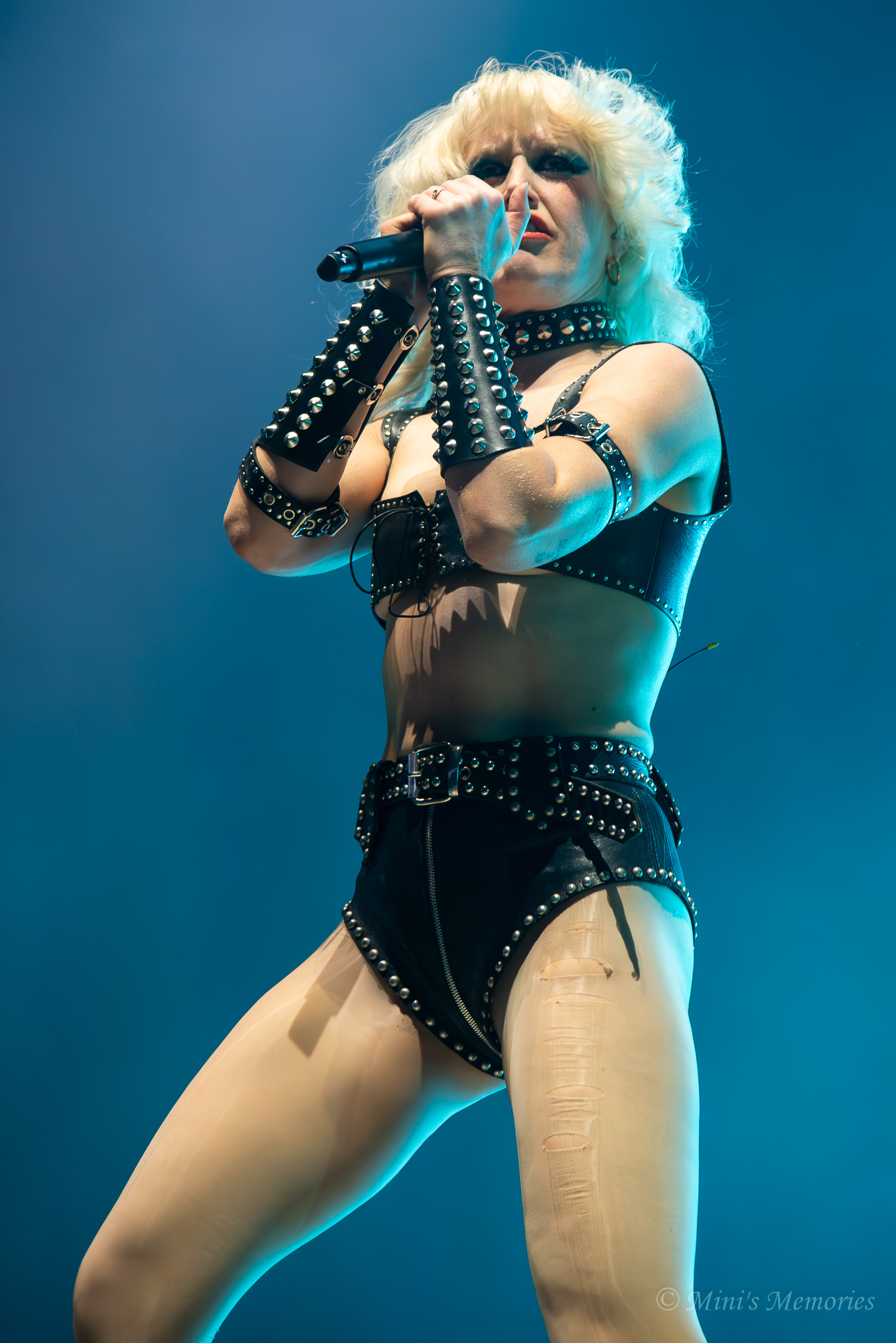
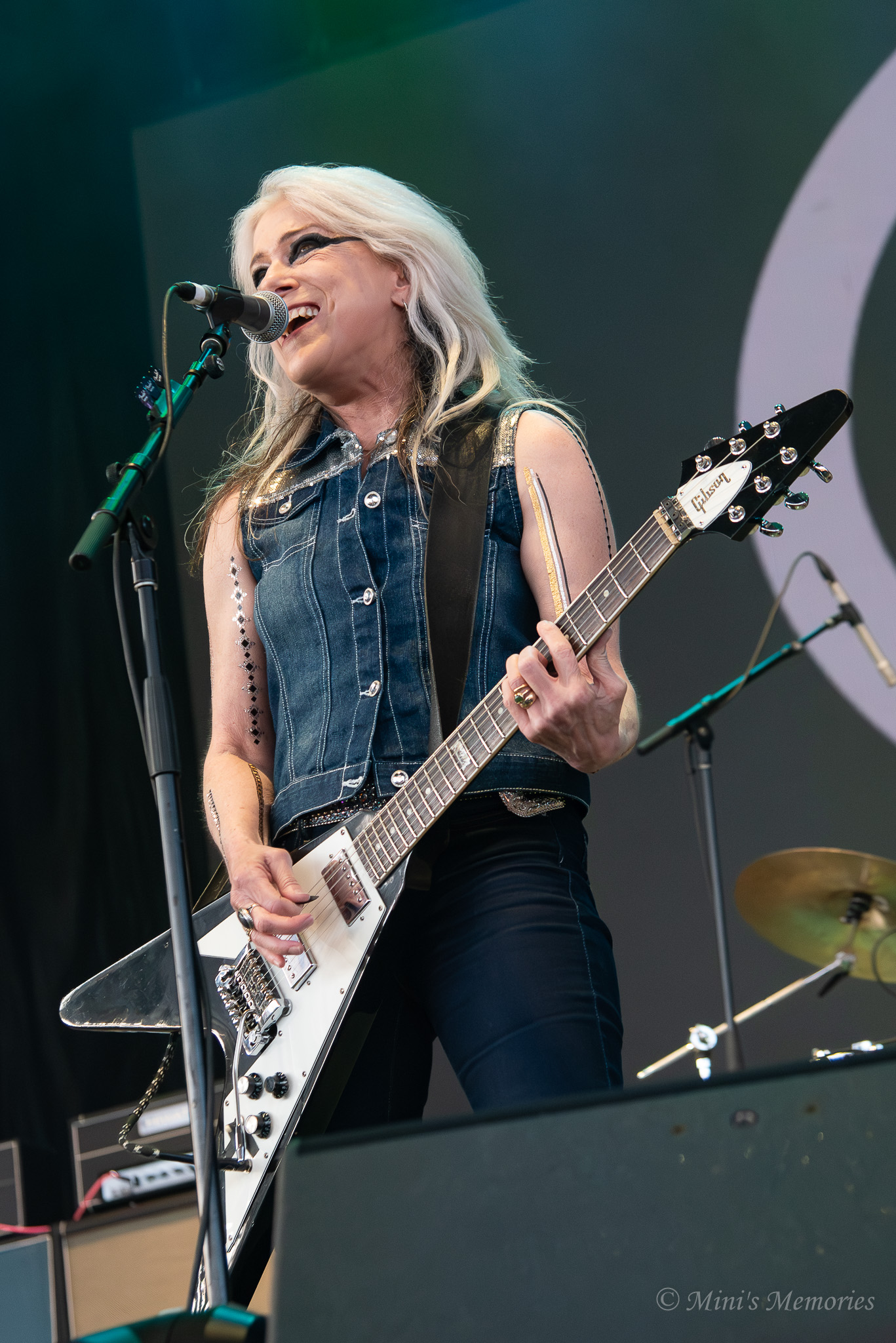
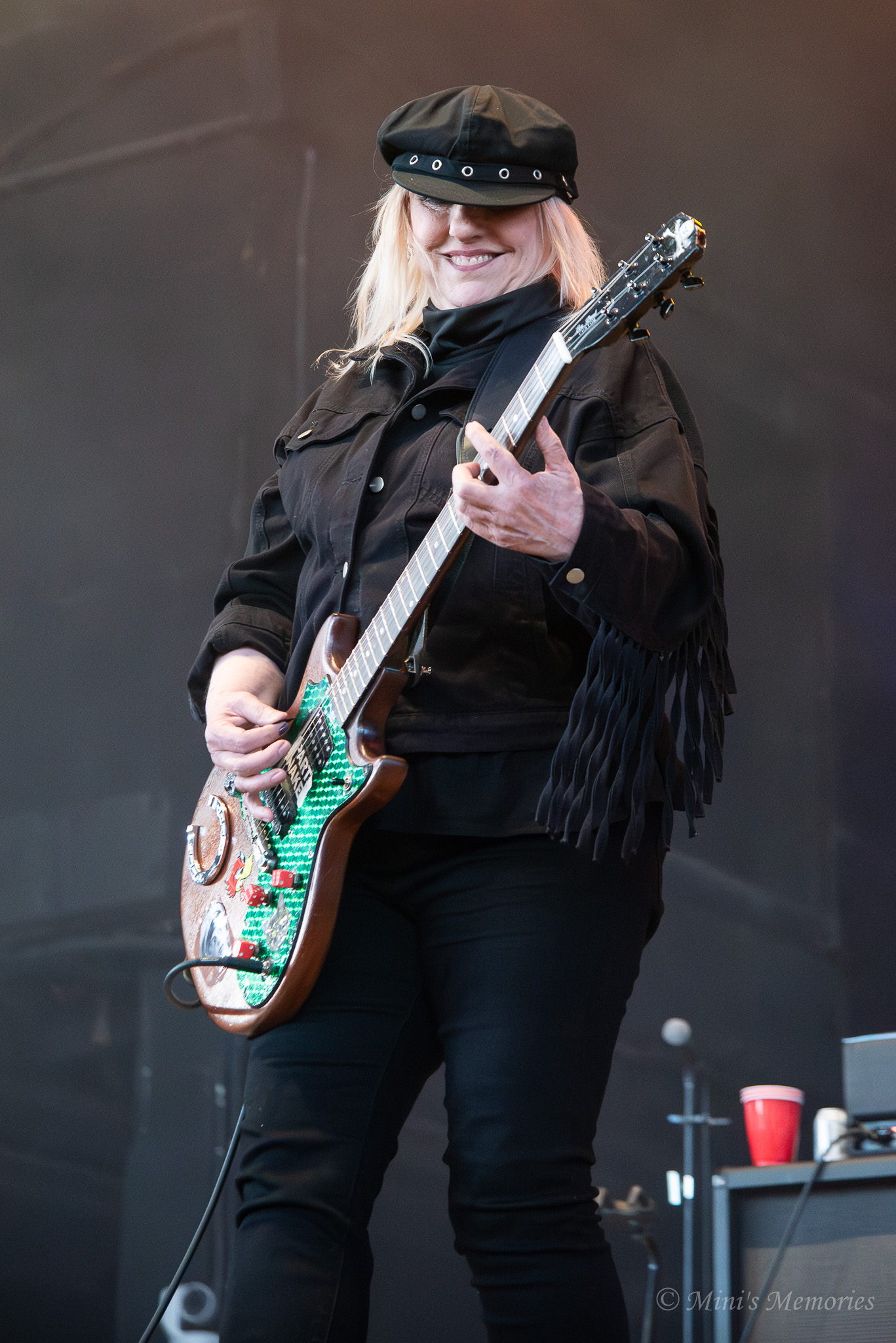
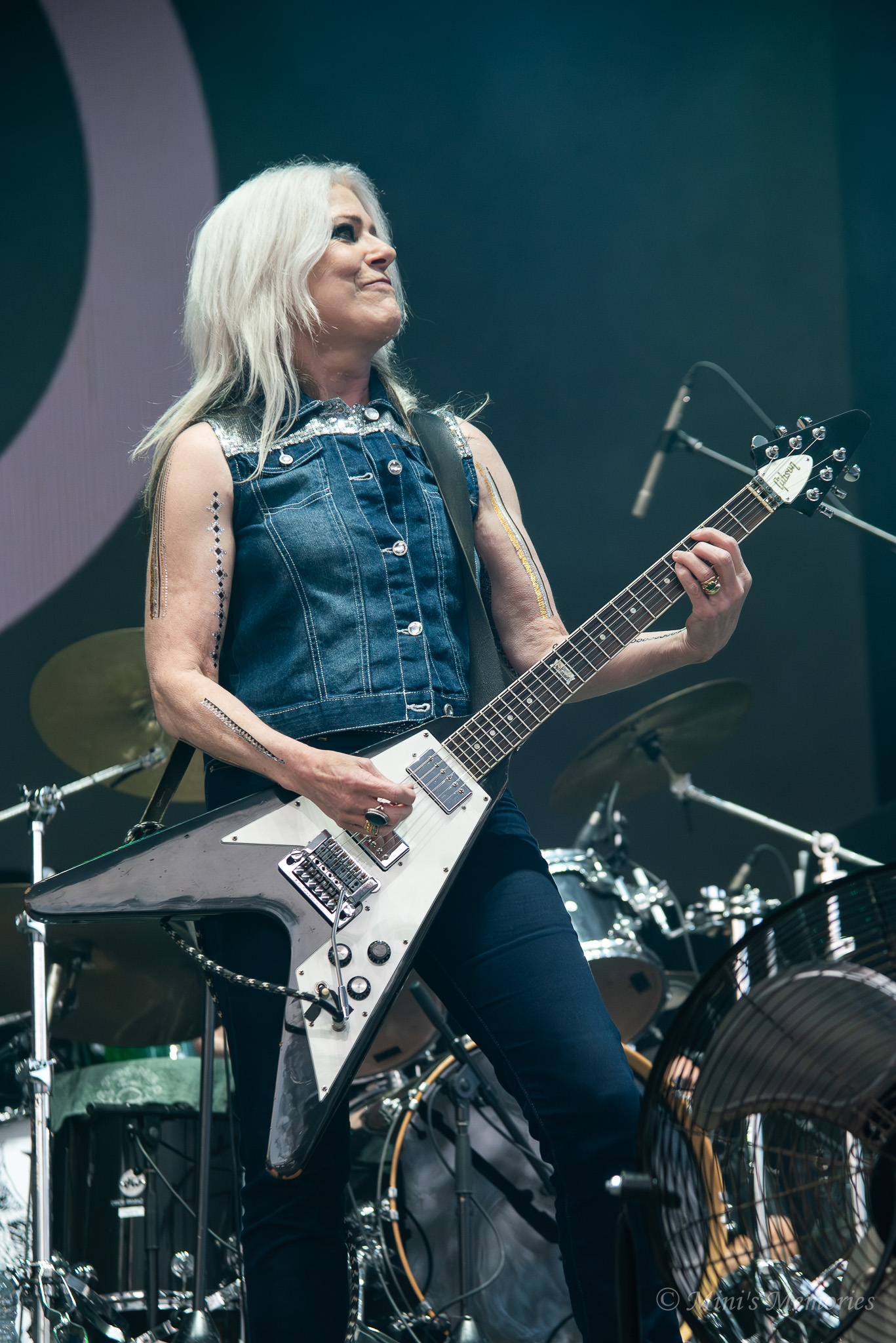
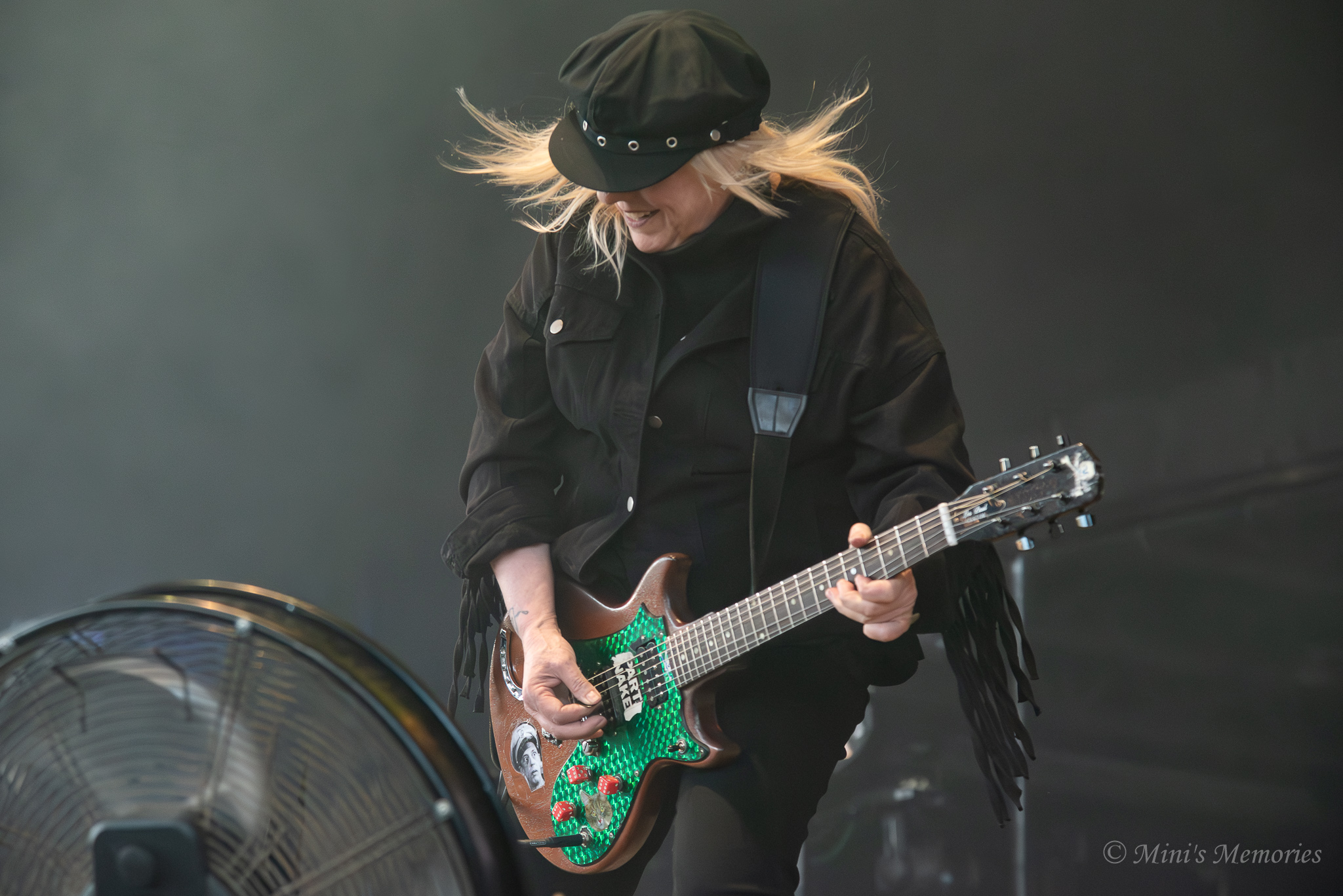
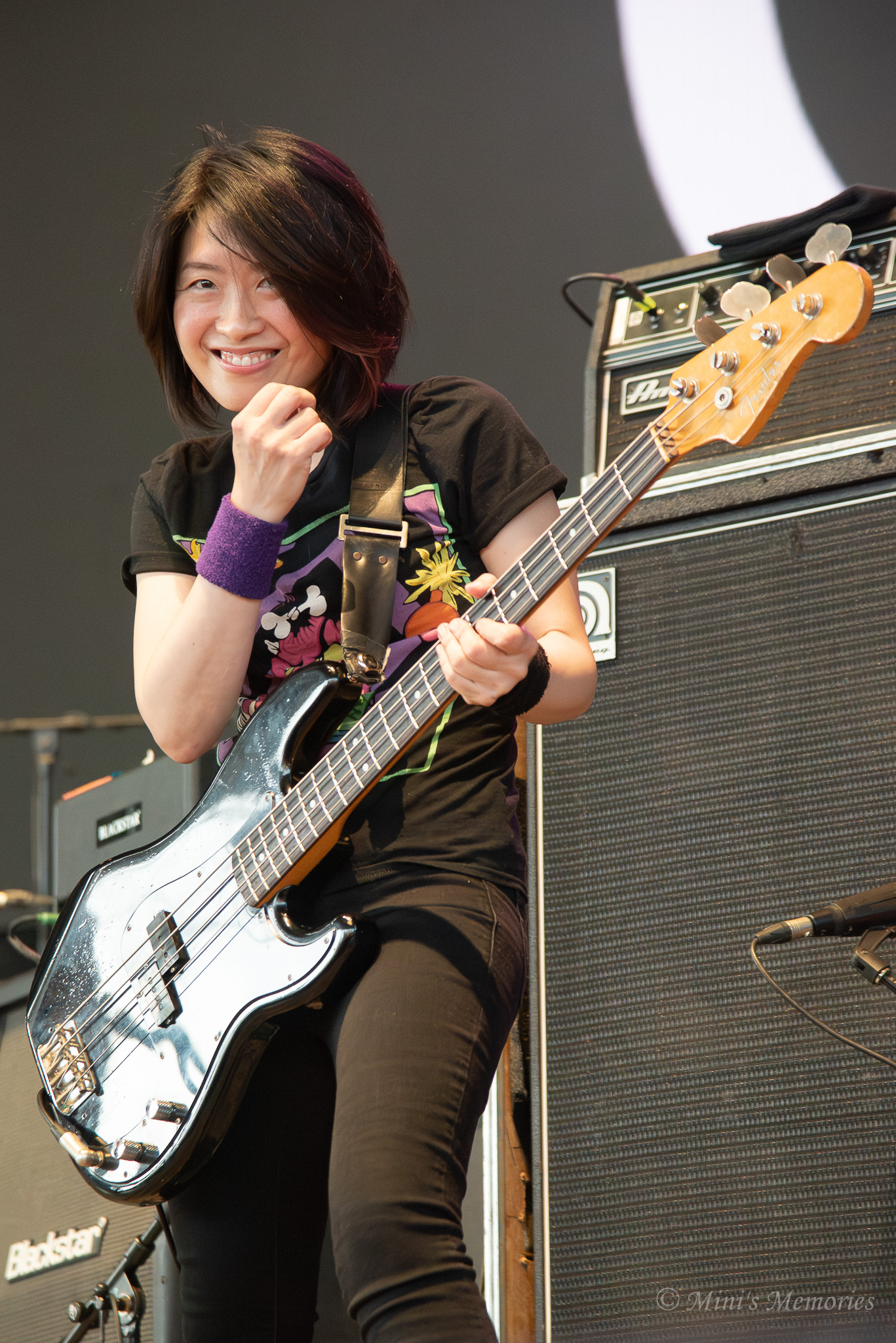
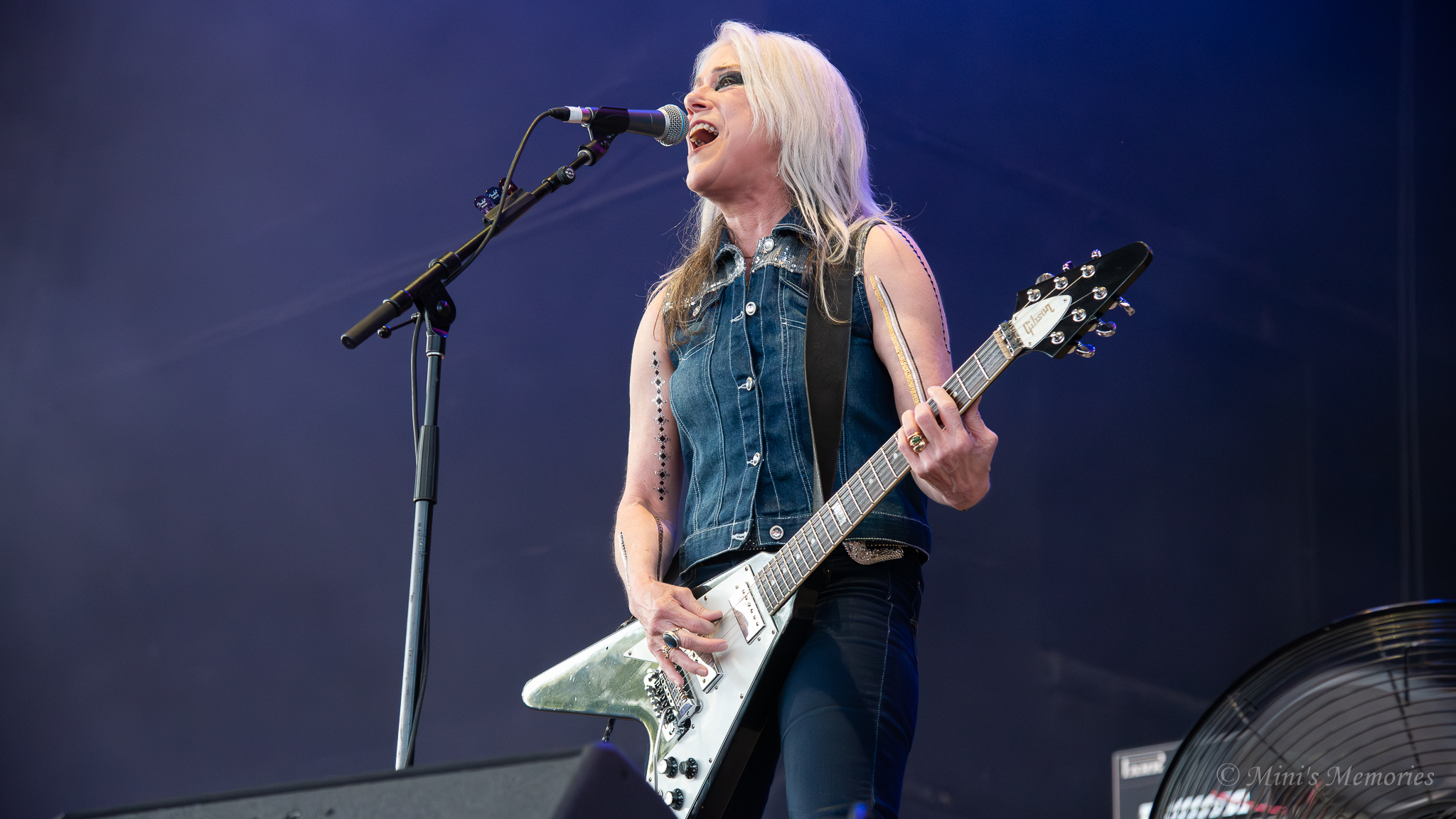
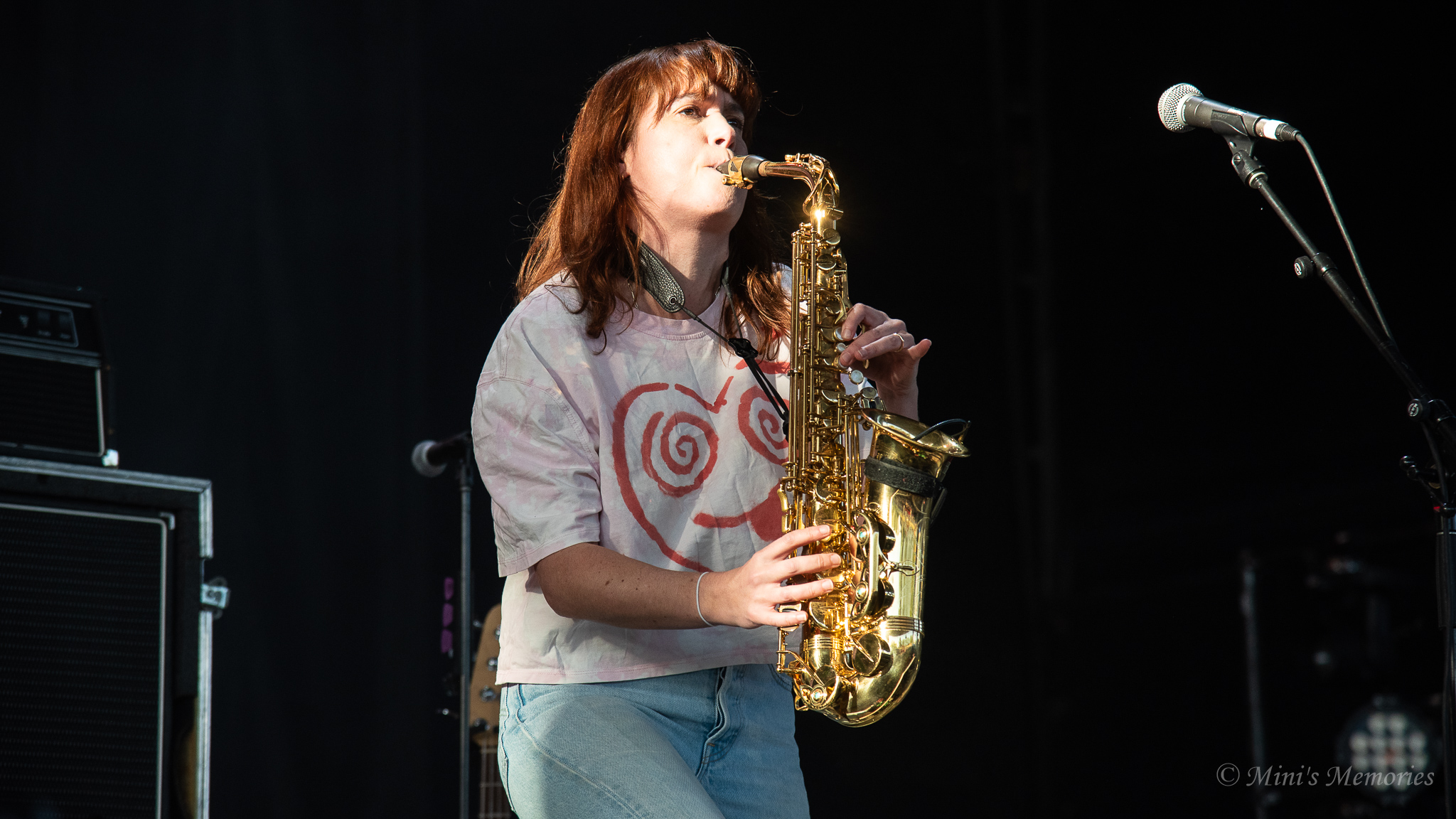
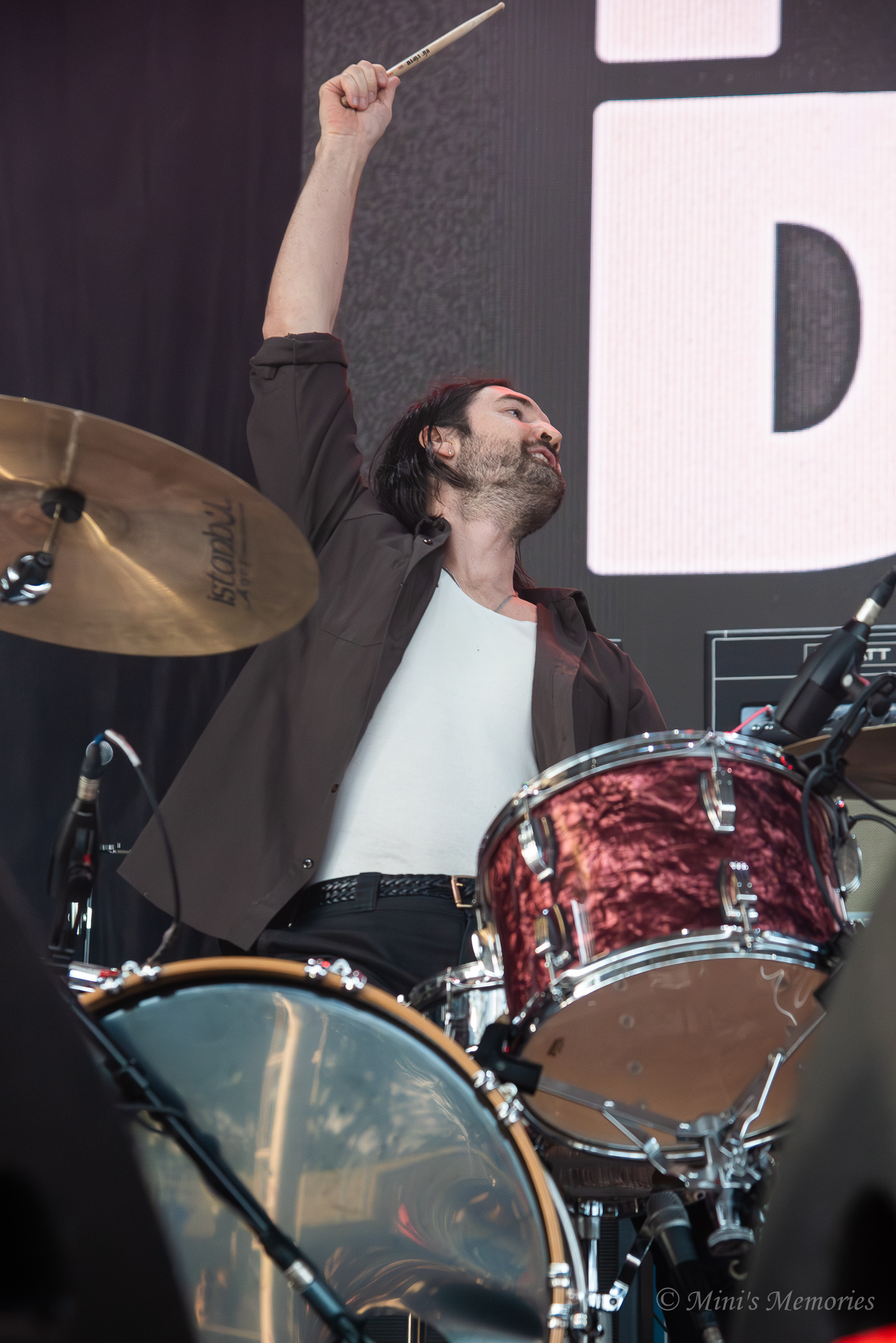
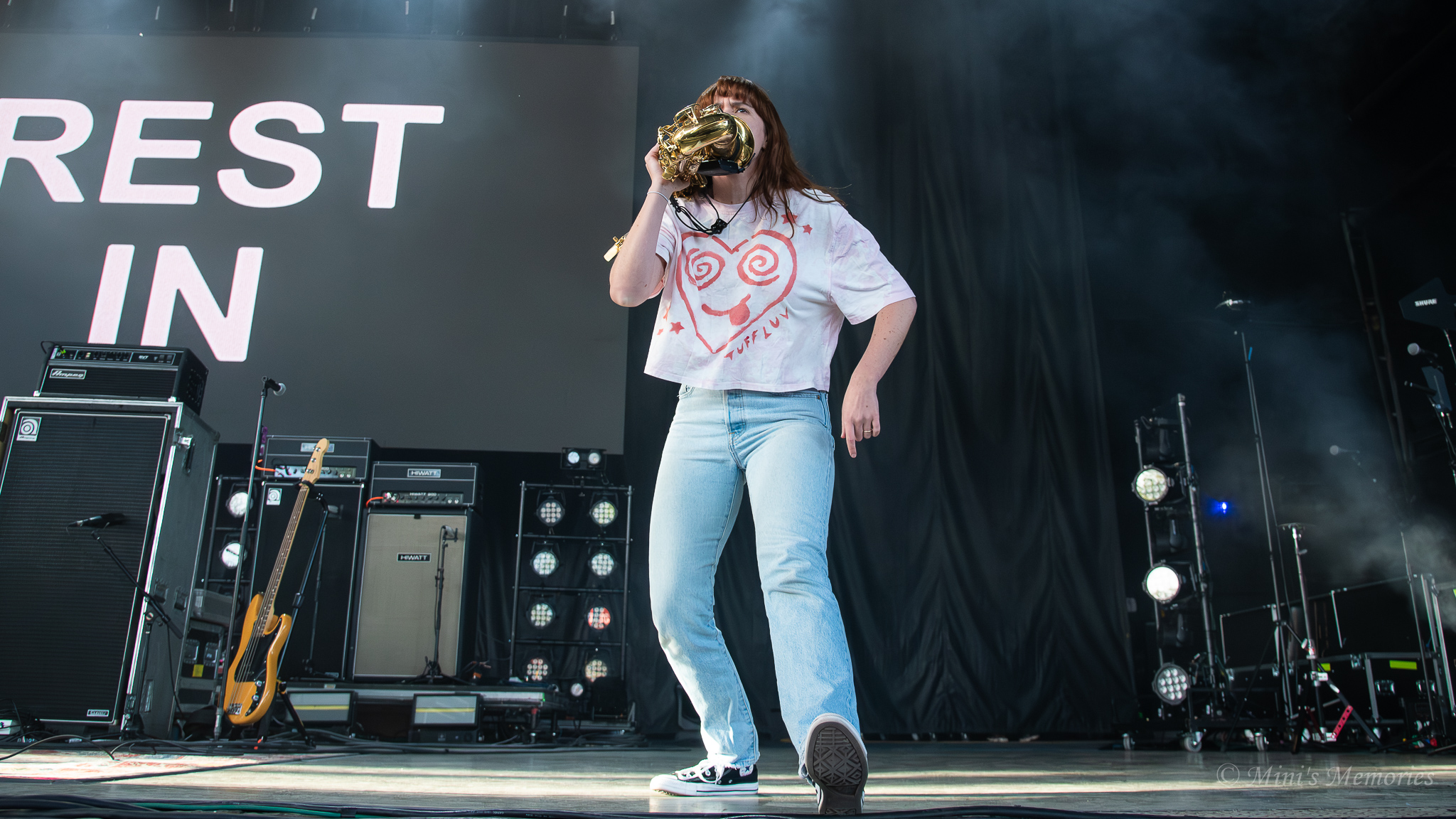
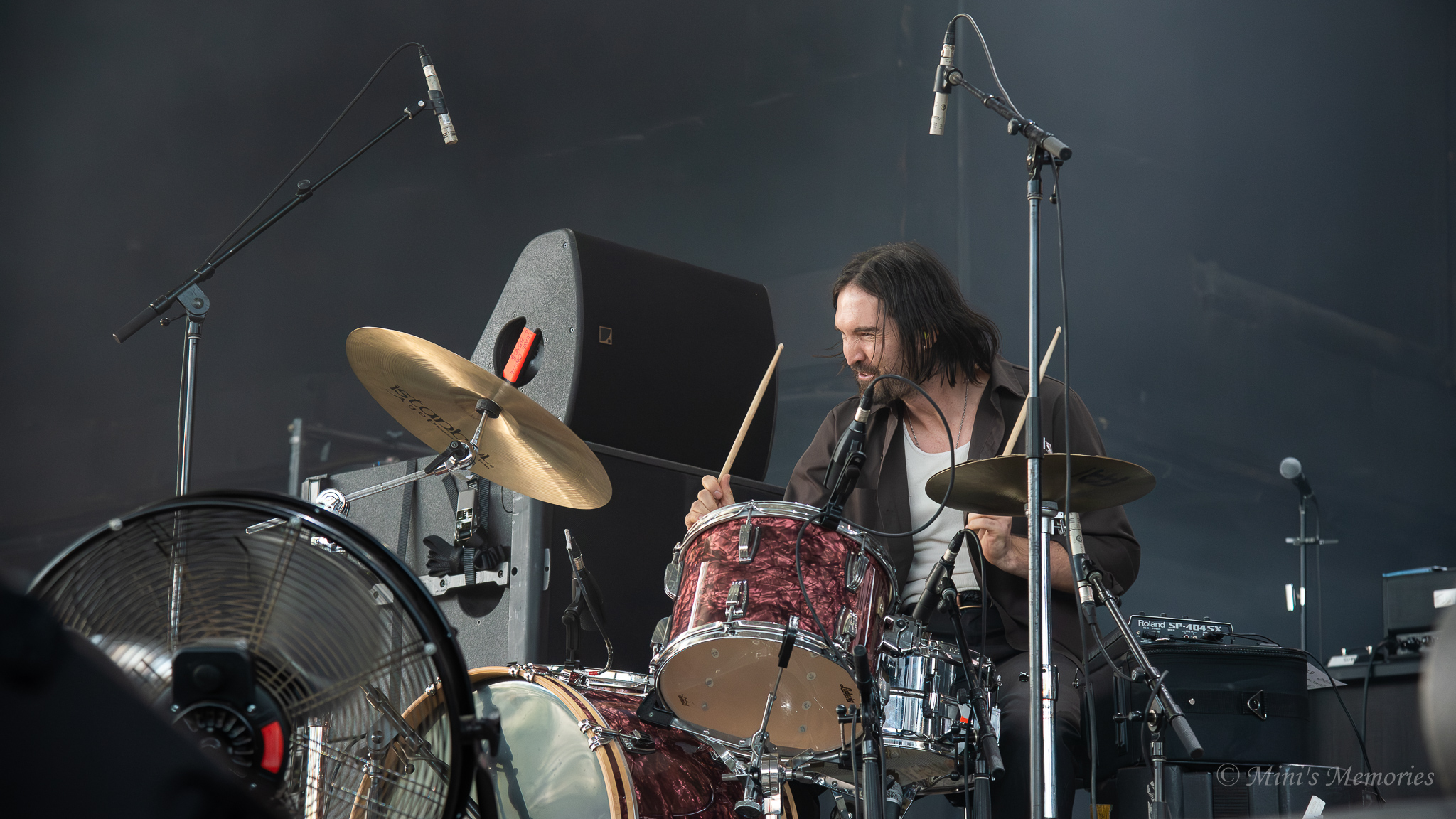
All photos by Mini’s Memories. You can contact her through Instagram or X.
Amly And The SniffersAmly And The SniffersAmly And The SniffersAmly And The SniffersAmly And The SniffersAmly And The SniffersAmly And The SniffersL7L7L7L7L7L7L7Party DozenParty DozenParty DozenParty DozenParty DozenParty Dozen
Global chart-topping phenomenon Alex Warren just blew the lid off his next major musical chapter. The Grammy-nominated force has officially detailed his highly anticipated sophomore studio album, ‘Wildchild’, scheduled for a worldwide arrival on August 28 via Atlantic Records. To spark the anticipation, a cinematic album teaser featuring actor Kevin James is already circulating online. It’s a massive move from a musician who dominated the global landscape last year, and this upcoming body of work signals an even deeper dive into his signature sound.
The album announcement arrives alongside a brilliant new single titled “Passenger”, that’s out right now across all major platforms. Warren wrote the track alongside producer Adam Yaron, crafting a euphoric, driving pop anthem that perfectly captures raw energy. Director Blythe Thomas helmed the accompanying official music video, delivering a visually stunning visual asset that matches the track’s infectious momentum. This song shines as a triumphant example of modern pop songwriting, bursting with vibrant hooks and an undeniable vocal performance that completely demands your attention.
This new era builds on the staggering momentum of his 2025 debut album, ‘You’ll Be Alright, Kid’. That monumental release generated over 9 billion streams globally, entirely reshaping the pop music landscape. The industry took notice quickly, honoring him with 5 iHeart Radio Awards, a 2025 MTV VMA for Best New Artist, and Billboard’s Best New Artist of 2025 title. He’s earned these massive accolades through pure grit, establishing himself as one of the highest charting musicians in the world today.
Listeners will find a profound depth across the tracks on ‘Wildchild’. The album explores themes of loss, grief, and the emotional journey of navigating life while honoring the enduring gifts his father left behind. The album title stems from a deeply personal place, drawing directly from the nickname his father gave him during his childhood. It’s an intimate look at personal evolution, showcasing his rich, soulful vocals and a vulnerable approach to songwriting that instantly connects on a universal level.
The creative process behind the record offered a powerful path forward for the musician. “Creating this album was really healing, therapeutic and a way for me to continue finding out more about myself,” Warren shares. “It’s been really nice to be able to confront those feelings and also be able to share them with the world to give everyone a transparent view into my life.” It’s an honest glimpse into his ongoing personal growth.
The global celebration’s already in motion on the live stage. Warren is currently traveling the globe on his completely sold-out “Finding Family on the Road” world tour. The extensive North American leg hits major cities throughout June and July, bringing these massive anthems directly to arena-sized crowds across the continent.
Finding Family on the Road North American Tour Dates:
Friday, June 5 – Phoenix, AZ – Mortgage Matchup Center
Saturday, June 6 – Los Angeles, CA – Crypto.com Arena
Monday, June 8 – San Diego, CA – Viejas Arena at Aztec Bowl San Diego State University
Friday, June 12 – Portland, OR – Moda Center
Saturday, June 13 – Seattle, WA – Climate Pledge Arena
Sunday, June 14 – Vancouver, BC – Rogers Arena
Wednesday, June 17 – Salt Lake City, UT – Utah First Credit Union Amphitheatre
Friday, June 19 – Omaha, NE – CHI Health Center
Sunday, June 21 – Kansas City, MO – T-Mobile Center
Tuesday, June 23 – Pittsburgh, PA – PPG Paints Arena
Thursday, June 25 – Atlanta GA – State Farm Arena
Friday, June 26 – Charlotte, NC – Spectrum Center
Saturday, June 27 – Cleveland, OH – Rocket Arena
Monday, June 29 – Chicago, IL – United Center
Thursday, July 2 – Minneapolis, MN – Grand Casino Arena
Friday, July 3 – Milwaukee, WI – Summerfest – American Family Insurance Amphitheater
Sunday, July 5 – Detroit, MI – Little Caesars Arena
Tuesday, July 7 – Toronto, ON – RBC Amphitheatre
Wednesday, July 8 – Montreal, QC – Bell Centre
Friday, July 10 – Philadelphia, PA – Xfinity Mobile Arena
Saturday, July 11 – Columbia, MD – Merriweather Post Pavillion
Monday, July 13 – Boston, MA – TD Garden
Wednesday, July 15 – New York, NY – Madison Square Garden