Home Blog Page 365

Jon Pardi Brings ‘The Christmas Show’ To Florida With Festive Honkytonk Flair

0

“Spirited entertainer with infectious energy” (Star Tribune), Jon Pardi will celebrate the holiday season in Florida this December with THE CHRISTMAS SHOW. “There’s no party like a Jon Pardi (Christmas) party” (People), and this year promises the ultimate holiday celebration, bringing Christmas cheer to fans in Florida with four festive, high-energy shows. Pardi will be joined by his 12-piece band, complete with fiddle, steel guitar and horns, paired with an Elvis-inspired wardrobe. The set promises to include Pardi’s hits, holiday classics, alongside fan-favorite tracks from his 2023 Christmas album MERRY CHRISTMAS FROM JON PARDI, including “lighthearted” (New York Times) originals like “Beer for Santa,” “Merry Christmas from the Keys” and “400 Horsepower Sleigh.” Pardi Central Fan Club members can access early tickets starting tomorrow, Sept. 10 at 10 AM local time, while general public tickets go on sale Friday, Sept. 12 at 10 AM local time at JonPardi.com

THE CHRISTMAS SHOW 2025 Dates:

12/12/2025 – St. Augustine, FL – The St. Augustine Amphitheatre

12/13/2025 – St. Augustine, FL – The St. Augustine Amphitheatre

12/18/2025 – Hollywood, FL – Hard Rock Live at Seminole Hard Rock Hotel & Casino Hollywood

12/19/2025 – Tampa, FL – Seminole Hard Rock Hotel & Casino – Hard Rock Event Center

Along with delivering his high-energy holiday performances, Pardi will donate ticket proceeds collected throughout the year to local charities in each Christmas Show city he visits via his Starlight Fund. The Starlight Fund is dedicated to supporting general youth enrichment, especially in trade, agriculture and construction. The fund aims to empower the next generation to thrive professionally and to cultivate a workforce that not only excels but also contributes meaningfully to their communities. Its mission is to provide resources and opportunities to organizations supporting those in need, with a focus on those pursuing hands-on skills and education in these important fields. Join us in building a brighter future together. To learn more about the Starlight Foundation, visit www.cfmt.org/starlight. MCA Nashville artist Jon Pardi began careening down the highway over ten years ago, leading the charge to modernize honkytonk with roaring guitars and a good-time spirit. Pardi’s reputation for punchy, against-the-wind bravado has only grown, with his just-released fifth studio album HONKYTONK HOLLYWOOD led by the now Top 10 single “Friday Night Heartbreaker.” The 17-track album is the spiritual successor to his fearless breakout hits, once again showcasing his commitment to staying true to himself, yet giving his signature sound a new spark. With four Top 5 albums under his belt – including 2016’s Platinum #1, CALIFORNIA SUNRISE – Pardi has solidified his place in country music. Never afraid to break from the pack, fourteen RIAA-certified singles feature six No. One’s (like the back-to-back 6x-Platinum “Head Over Boots” and “Dirt On My Boots”), and with years of blue-collar barnstorming behind him, the California native has earned his international headlining acclaim, alongside 9.3 billion global streams.

Robin Cisek Returns with ‘Tempered,’ a Bold Pop Album of Strength and Self-Discovery

0

Robin Cisek, the award-winning Métis pop artist from Edmonton, has returned with Tempered — a self-produced, seven-track album that reflects her evolution as an artist and the strength she has cultivated navigating a male-dominated industry.

The album was written entirely by Cisek and recorded mainly in her home studio. It blends themes of emotional resilience, identity, and artistic control, with songs such as “Play Dirty” and “Leave Me in the Cold” revealing both personal vulnerability and sonic experimentation.

Robin Cisek. - Tempered Album

“With this project, I wanted to challenge myself to produce my own sounds and the process has been incredibly rewarding,” said Cisek. “I decided to call this project Tempered because I wanted to make a statement about how women are told how to feel in society.”

She continues: “Tempered glass is beautiful, but strong under pressure… it explodes. I am so proud of the work I put into this project.”

10 Artists Who Masterfully Reinvented Themselves

0

Reinvention has always been one of music’s most powerful tools. It can be the difference between an artist burning out after a few years and shaping decades of culture. In a business that thrives on novelty but also punishes missteps, the ability to evolve without losing your core identity is both an art and a survival tactic. Some of the greatest musicians in history have mastered the reset button, shifting genres, images, and sounds in ways that not only shocked fans but redefined popular culture itself.

Here are ten artists who proved that reinvention isn’t just about staying relevant—it’s about creating entirely new worlds for audiences to live in.

David Bowie

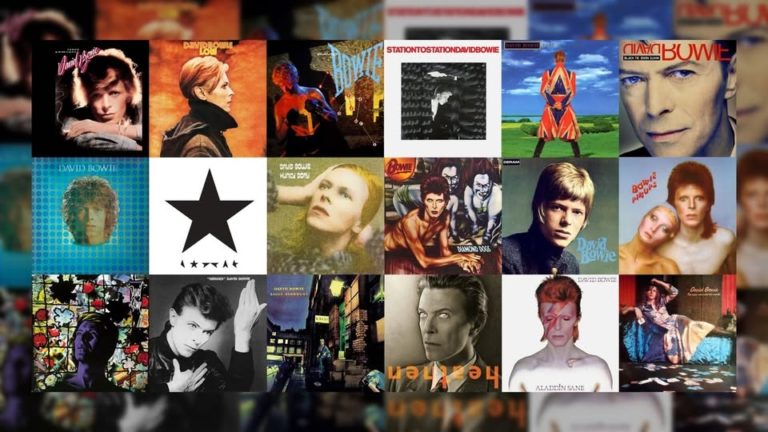
No artist is more synonymous with reinvention than David Bowie. Beginning in the late 1960s as a shaggy-haired folk singer with singles like “Space Oddity,” Bowie quickly realized he had little interest in staying in one lane. His first major transformation came with the creation of Ziggy Stardust in 1972—a glitter-drenched, androgynous alien who pushed glam rock into the mainstream and inspired a generation of outsiders.

By the late ’70s, he abandoned Ziggy and dove into the icy minimalism of the “Berlin Trilogy”—Low, Heroes, and Lodger—created with Brian Eno. This period marked Bowie as more than a chameleon; he was a curator of cultural mood. In the ’80s, he reinvented again with the mainstream pop sheen of Let’s Dance, scoring some of his biggest hits.

Bowie’s transformations weren’t always seamless, but each phase had a cultural impact. He famously said, “I don’t know where I’m going from here, but I promise it won’t be boring.” Reinvention wasn’t just his strategy—it was his identity.

Madonna

Madonna’s career has been a masterclass in evolution since she burst onto the scene in the early 1980s with club-ready hits like “Holiday” and “Borderline.” Initially the playful “Material Girl,” she quickly understood that pop music is as much about imagery as it is about sound.

Her first major reinvention arrived with 1989’s Like a Prayer, pairing provocative religious imagery with deeply personal lyrics. The move scandalized some but proved Madonna could balance controversy with artistry. In the ’90s, she shed the shock for sophistication, leaning into electronic textures with Ray of Light (1998), a critical and commercial triumph that earned her a Grammy and introduced her to a new generation.

Madonna’s constant reinvention has kept her in the cultural conversation for four decades. Whether through shock, style, or sonic innovation, she showed that pop stars who stand still risk fading—those who evolve endure.

Bob Dylan

Few reinventions were as controversial as Bob Dylan’s decision to “go electric.” In the early ’60s, Dylan was hailed as the voice of a generation, writing protest songs like “Blowin’ in the Wind” and “The Times They Are A-Changin’” that became anthems of social change.

Then came Newport Folk Festival, 1965. Dylan walked onstage with an electric guitar and The Paul Butterfield Blues Band. The audience booed. Folk purists felt betrayed, but Dylan pushed forward with Highway 61 Revisited and Blonde on Blonde, cementing his place as a rock poet.

This wasn’t his only reinvention. In the late ’70s, Dylan shocked again by releasing a series of gospel albums, including Slow Train Coming. While divisive, it showed his willingness to follow inspiration wherever it led. Dylan’s career reminds us that reinvention often means alienating some fans to create something greater.

Taylor Swift

Taylor Swift began as country’s golden girl, strumming acoustic guitars and writing about high school heartbreak on her 2006 debut. She dominated country radio, but by 2012’s Red, Swift was leaning heavily into pop hooks. The full pivot arrived with 2014’s 1989, a sleek synth-pop record that won Album of the Year at the Grammys.

In 2017, she reinvented yet again with the darker, reputation-focused Reputation, embracing hip-hop influences and a tougher persona. Then, in 2020, Swift shocked fans by quietly releasing Folklore and Evermore, indie-folk projects created during the pandemic with Aaron Dessner and Jack Antonoff. Both albums redefined her critical reputation, earning comparisons to classic singer-songwriters.

Swift has proven that reinvention can also mean expansion. She doesn’t shed past identities so much as she adds layers, building one of the most dynamic catalogs in pop history.

Johnny Cash

In the 1950s and ’60s, Johnny Cash was a country outlaw, known for his deep voice, rebellious songs like “Folsom Prison Blues,” and the infamous “Man in Black” image. By the late ’80s, though, his career had stalled, and Nashville largely considered him irrelevant.

That changed in the ’90s, when producer Rick Rubin invited Cash to record a stripped-down set of songs for American Recordings. With nothing but his guitar and voice, Cash covered contemporary artists like Nine Inch Nails and Soundgarden. His version of “Hurt” became one of the most haunting reinterpretations of modern music, introducing him to an entirely new audience.

Cash’s reinvention in his later years didn’t just revive his career—it reframed him as an elder statesman of American music. His final act proved that reinvention is possible even after decades in the business.

Radiohead

Radiohead’s early years were defined by the grunge-adjacent hit “Creep” and the guitar-driven The Bends. By the time they released OK Computer in 1997, they were hailed as the heirs to Pink Floyd—an ambitious rock band with big ideas.

But rather than stick with arena-ready guitar anthems, the band dismantled their sound on 2000’s Kid A, leaning heavily into electronic music, abstract lyrics, and glitchy production. Fans expecting another OK Computer were stunned. Critics, however, quickly called it a masterpiece.

Radiohead’s reinvention didn’t just save them from stagnation; it influenced an entire generation of alternative and electronic musicians. Thom Yorke later explained, “We had to destroy it in order to survive.” It was risky, but it cemented their legacy as innovators rather than imitators.

Beyoncé

Beyoncé’s early career was already monumental, fronting Destiny’s Child before launching a solo run with Dangerously in Love (2003). Initially framed as a pop-R&B powerhouse, her artistry deepened with each release.

The true reinvention arrived with her 2013 self-titled visual album, released without warning on iTunes. The project reframed her not just as a performer but as a cultural architect, marrying music, visuals, and narratives of empowerment. Then came Lemonade (2016), blending rock, country, and hip-hop into a personal and political statement that became one of the decade’s defining albums.

Beyoncé’s reinvention was not about changing who she was, but about expanding the boundaries of what a global superstar could achieve. She turned albums into cultural events and set a new standard for artistic control.

Lady Gaga

When Lady Gaga exploded in 2008 with The Fame, she was the embodiment of pop spectacle—meat dresses, outlandish wigs, and club anthems like “Poker Face.” She leaned into shock value, positioning herself as the heir to Madonna’s provocation.

But Gaga showed her depth with 2016’s Joanne, a country-rock departure that stripped away the costumes in favor of intimacy. Some critics questioned the pivot, but it laid the groundwork for her Oscar-winning role in A Star Is Born. Her ballad “Shallow” became a career-defining hit, winning Grammys and an Academy Award.

By balancing pop excess with stripped-down vulnerability, Gaga proved her artistry was never tied to just one persona. Reinvention gave her both credibility and longevity.

The Beatles

The Beatles are often remembered as the clean-cut “Fab Four” who took America by storm in 1964. Their early years were filled with love songs and harmonies that defined Beatlemania. But by 1965’s Rubber Soul, the group began pushing boundaries with more sophisticated songwriting.

The real reinvention arrived with Sgt. Pepper’s Lonely Hearts Club Band (1967), where they abandoned their mop-top image and embraced psychedelia. Later, with The White Album and Abbey Road, they explored everything from avant-garde experiments to hard rock.

Their ability to reinvent themselves album by album kept them ahead of their peers and helped transform the very idea of what a rock band could be. The Beatles’ reinvention wasn’t just personal—it reshaped the music industry itself.

Genesis

Genesis began in the 1970s as a progressive rock outfit, fronted by Peter Gabriel with theatrical live shows and complex compositions like The Lamb Lies Down on Broadway. When Gabriel left, Phil Collins stepped in as lead singer, shifting the band toward more accessible pop rock.

The transition was risky, but albums like Invisible Touch (1986) brought massive commercial success. Genesis went from cult prog heroes to global pop stars, selling out stadiums worldwide. Some fans lamented the change, but others embraced the accessibility, and Collins’ solo career flourished alongside.

Genesis’ reinvention illustrates that shifting direction doesn’t always mean abandoning artistry—it can mean widening the tent to bring more listeners in.

Reinvention is never easy. It risks alienating old fans, confusing critics, and failing commercially. But for artists willing to take that leap, the rewards can be enormous: renewed relevance, deeper artistry, and cultural immortality.

From Bowie’s shapeshifting to Swift’s genre pivots, from Cash’s late-career rebirth to Radiohead’s sonic deconstruction, these artists show that reinvention is more than survival. It’s a declaration: that music, like the people who make it, is always in motion.

The lesson for artists and fans alike? Never fear the reset. Sometimes, the boldest move is to become someone new.


Why Local Press Still Matters in the Streaming Era

In the age of streaming, independent artists are told their success hinges on playlist placements, TikTok virality, and the unpredictable whims of algorithms. Yet, despite all the new tools and technologies, local press remains one of the most powerful and underutilized pathways for long-term growth. Publicists with years of experience know that press at the community level doesn’t just provide exposure—it builds the foundation of a sustainable career.

Local coverage creates authentic connections that streaming alone can’t replicate. A profile in a hometown newspaper or a feature on a neighborhood blog does more than highlight a release; it validates the artist in the eyes of a community that already feels connected. These stories resonate differently because they carry the weight of familiarity and pride. The fans who encounter music through local coverage are the ones who show up at gigs, purchase merch, and invite their friends. In other words, they aren’t just streaming a track passively—they’re investing in the journey.

What often goes unnoticed is how local coverage can influence digital performance. Streaming platforms track momentum, and when articles or interviews spark a surge of regional activity, algorithms take note. A spike in streams from one city or neighborhood can trigger recommendations well beyond that immediate area, leading to playlist adds or expanded visibility on Spotify, Apple Music, or YouTube Music. For emerging artists, this kind of grassroots traction is often the missing piece between obscurity and discovery.

The credibility of press coverage also matters in an oversaturated digital world. Anyone can upload a song, but not everyone can point to a feature in a respected local outlet. These pieces act as third-party validation and strengthen an artist’s press kit, website, and social profiles. They also bring SEO advantages. Articles published online remain searchable for years, and when journalists, bookers, or labels research an artist, appearing in established outlets—even smaller ones—creates a digital footprint that suggests legitimacy and staying power.

There are countless examples of local press serving as a springboard. A singer-songwriter in Toronto might land a short feature in a community magazine that leads to a spike in streams locally. That momentum catches the attention of Spotify’s regional curators, resulting in placement on a national editorial playlist. A hip-hop duo in Chicago could see a review in an alt-weekly spark enough buzz to sell out a local venue, attracting coverage from larger blogs and, eventually, label interest. These aren’t fairy tales—they’re common scenarios that begin with small, consistent press wins.

In a crowded landscape, local outlets also tend to be more accessible than national ones. Editors and writers at community papers or online zines are often looking for emerging talent to spotlight. They become partners in an artist’s growth, eager to support a hometown story that can inspire their readers. For artists, this is not just coverage; it’s a relationship that can grow alongside their career.

For independent musicians, emerging bands, and professionals guiding careers, the message is clear. Streaming metrics are important, but they should not replace press outreach. Local coverage still matters—perhaps more than ever—in the streaming era. It builds genuine connections, fuels algorithmic growth, and creates a credible record of an artist’s story.

Artists who want to stand out should not overlook the influence of their hometown media. Prioritizing local press outreach isn’t just about nostalgia for print or community radio—it’s about leveraging one of the most enduring and effective tools in the music industry. Those who understand this will find that sometimes the smallest stories make the biggest difference.

How Modern Teams Deliver Bug-Free Websites at Scale

0

By Mitch Rice

End-users anticipate web pages to load fast, be stable, and run smoothly across all browsers and platforms in this era of digital firsts. Yet as codebase complexity grows and release schedules get tighter, it seems impossible to deliver a bug-free experience at large volumes daily. Now, QA teams must find the ideal equilibrium between speed and quality, and automated website testing and next-generation website testing tools are where they find this balance.

The Shift to Automated Testing

Manual testing is where it’s at for exploratory testing, but it simply can’t compete with the pace of development today. With weekly or daily updates, you need a solution that is faster and more reliable to ensure seamless functionality. Automated testing allows you to:

  • Run reproducible tests quickly in lots of different environments with ease.
  • Catch regressions before they reach production.
  • Increase test coverage without hiring more testers.

You can prevent human error and free up your QA team’s time for strategic work rather than repetitive verifications by automating the process.

Why Website Testing Is Tougher Today

Websites these days are not static pages anymore. They are dynamic, responsive, and feature APIs, payment gateways, third-party widgets, and layered user interactions. It makes testing harder because:

  • People access your site from multiple devices, screens, and browsers.
  • Expectations of performance are higher than ever—slowness equals drop-offs.
  • Standards of security and accessibility must be complied with at all times.

With poorly defined testing processes, it’s easy for small issues to strike production and negatively affect user trust.

The Role of Automated Website Testing

These issues are addressed by automated website testing, which mimics user interactions, checks for functionality, and makes sure your website works properly across multiple platforms. Automation provides confidence at scale, covering everything from verifying page rendering to examining checkout and login procedures.

The key benefits are:

  • Speed: Hundreds of tests can run in minutes using automated scripts.
  • Scalability: You can test across many browsers and devices at the same time.
  • Consistency: The same tests are executed every time, eliminating human error.
  • Early bug detection: Finding bugs sooner in the development cycle reduces costly rework.

Critical Website Testing Tools

To automate and deliver real value, you need the right website testing tools. These tools provide functionality such as:

  • Cross-browser compatibility testing.
  • Device emulations to simulate real-world usage.
  • Integration with CI/CD pipelines for continuous testing.
  • Visual testing for finding UI inconsistencies.

The instrument to utilise is defined by your team’s process flows, coding expertise, and website complexity. Perfect instruments need to be flexible, simple to utilise, and be able to capture functional and non-functional testing needs.

[1] 

Top Website Testing Tools 2025

Testsigma

Testsigma is a top AI-powered automated testing platform that makes website testing at scale easy. It enables QA teams to write tests in plain English, minimising the need for extensive coding skills. With native cross-browser and cross-device support, Testsigma guarantees your website performs perfectly across environments. Parallel execution is made hassle-free with cloud-based architecture, and integration with CI/CD pipelines means continuous testing without any roadblocks. Attributes such as real-time reporting and self-healing scripts make it a strong contender in today’s modern agile and DevOps pipelines.

Selenium

Selenium is still one of the most popular open-source web testing frameworks. It is flexible, supports cross-platform programming languages, and is compatible with many testing tools out there. Although it is dependent on coding skills, thanks to its large community base, it is a popular choice for teams that require customisation and control.

BrowserStack

BrowserStack offers cloud-based cross-browser and device testing, which allows teams to test on real devices without the need to have an in-house lab. Its live testing and automation features assist in finding problems fast to enable faster releases with higher accuracy. The software also integrates smoothly with CI/CD pipelines for seamless workflows.

Inserting Testing into Agile and DevOps

Testing is not a standalone phase in the DevOps and agile environments. Instead, testing is executed as part of the entire development process. Automated website testing is a vital component of this process.

Each build is checked prior to deployment, and your tests are integrated into CI/CD pipelines with no trouble at all. Because of the higher rate of feedback, developers will be in a position to see any defects at once. It also supports continuous delivery, which allows one to release updates without compromising on quality.

Building a Strong Testing Strategy

You can’t get bug-free sites at scale by merely running tests. You want a structured process that includes all types of testing, like:

  • Functional testing: Ensuring features function correctly.
  • Performance testing: Putting load times and under-pressure stability to the test.
  • Security testing: Identifying security vulnerabilities and compliance issues.
  • Accessibility testing: Making your site usable for everyone.

Automated tests should not replace exploratory and usability testing. Balanced ensures you are not just checking boxes, but you are actually confirming the user experience.

Shared Challenges in Scaling Website Testing

You might run into issues like these as your team expands and projects get more complicated:

  • Test maintenance: Scripts need to be rewritten when UI components or workflows are changed.
  • Flaky tests: Unreliable results can be a waste of time and destroy confidence in automation.
  • Resource allocation: Running large test suites may require additional infrastructure.

To circumvent these, adopt best practices like modular test design, regular maintenance, and high-value test case prioritisation. You also need to ensure that your testing environment supports parallel execution to prevent losing time.

Best Practices for Bug-Free Delivery

To enable smoother releases, QA teams today adopt the following practices:

  • Shift-left testing: Test sooner in the development cycle.
  • Automate regression suites: Mark typical issues early.
  • Employ data-driven tests: Test the function against numerous situations.
  • Monitor production: Combine pre-release testing with real-time monitoring.
  • Work closely together: Encourage communication between developers, testers, and product owners.

Following these principles reduces the risk of late-breaking surprises and keeps your release process on track.

The Future of Website Testing

As websites become more sophisticated, testing will become smarter. Artificial intelligence and machine learning are being integrated into website testing tools to predict high-risk areas, auto-generate test cases, and self-heal error-ridden scripts. Cloud-based platforms are rendering huge cross-device testing trivial.

For QA teams, this implies that testing is not merely about mundane execution but also about strategy, analysis, and quality engineering.

Conclusion

It takes good risk management to deliver a risk-free website at scale, not the total avoidance of all risk. Your team can ship faster without compromising quality by implementing automated website testing, utilising the appropriate tools, and adhering to a tested plan.

Users nowadays won’t accept broken websites, and you shouldn’t be among them. Testing at every stage of development should be included so that your website not only works but also works efficiently in the competitive online market of the modern era.

Data and information are provided for informational purposes only, and are not intended for investment or other purposes.

Latex Catsuits Styling Tips for Any Occasion

0

By Mitch Rice

Most of us think of latex clothing as the kind of unforgettable style that is bold, audacious, or extreme. Latex catsuits are one of the most recognizable pieces in the latex paradigm. They are sleek, body-hugging, impossibly shiny, and fashion’s version of a spotlight — when a latex catsuit walks into a room, it doesn’t just walk in — it owns the whole damn place. While many people often label latex catsuits as strictly for nightlife or fetishism, they are far more versatile than they seem. With some clever styling tricks, a latex catsuit can go from a casual coffee date to a business meeting to a formal evening event. It’s about deliberately accenting the drama of latex with purposeful accessories and layers, while having complete confidence in your style.

One thing is for certain: latex catsuits women has the wonderful ability to sculpt the body more than during a Pilates class, and it tends to accomplish that in a very natural way. With a natural tendency to hug every curve perfectly, a latex catsuit can create a perfect form. The glossy latex catches light perfectly, adding instant glamour to any environment; club lights to a soft daylight. But it is important to realize that wearing a catsuit in such diverse contexts will take some planning and a strategy. You now have to consider the levelling of the high energy of latex to the tone of the event. In other words, you are essentially translating high visual language into a different conversational tone — all the words are the same, but the delivery is different.

In casual environments, the catsuit is not required to be shouting. Pairing it with casual pieces like an oversized denim jacket, a chunky cardigan, or a good old-fashioned soft cotton button-down will tone down the look while still keeping the cool factor. For example, a matte-finish latex catsuit will always have a more pared-back feel than a glossy version that is hard to incorporate into casual, daytime wear. The same concept exists for footwear. Sneakers or flat ankle boots will immediately calm the look down while still keeping the latex as the star of the show. However, if you’re just going for coffee with friends or popping out for errands, keep the accessories to a bare minimum. A crossbody bag and a casual cap (or even a sun hat) will change any piece you may think of as too red carpet and will transform it into a true, casual piece for everyday wear.

When dressing for semi-formal occasions, embrace the elegance associated with latex. Layering is key here! A fitted blazer on top of a catsuit not only provides nice structure, but it also presents a very sophisticated look that is suitable for a dinner date or even a wedding. If you choose a dark, neutral color like black, burgundy, or navy, the latex will appear classy and not too sexually charged. A heeled boot or heeled shoe elevates the entire look, without overshadowing the jacket or catsuit. You can keep the jewelry very simple and sleek (little thin gold hoops, a fine chain necklace, and one great statement ring). At this point, the fit of the catsuit is working for you. With most catsuits being very fitted, this provides a slick canvas for your refined accessories.

Latex is also a great option for creative and imaginative spaces, like art shows, music festivals, or creative themed parties. In these environments, you can push limits and explore with color and texture. You could wear a metallic silver catsuit and holographic platform boots for a futuristic effect, or you could wear a bright red catsuit and maintain a whimsical yet powerful effect with your makeup. Here we can begin to take layering to the next level — a floor-length sheer mesh robe or an oversized multi-colored faux-fur coat can take your catsuit into statement territory that sits at the intersection of art and fashion. Since these are environments that embrace boldness, your accessorizing can also be just as loud; props like mirrored sunglasses, bold geometric jewelry, or a statement belt can make your outfit shape pop even more!

When we are discussing formal or high-glam events, a latex catsuit can take the stage without needing to apologize. Choose a high-shine black or jewel-tone latex in emerald, sapphire, or amethyst, and you instantly have a red-carpet look. Add a long satin coat or a tailored cape to elevate the look to something more royal. This is especially important for heels; dramatic heels play a role here – a stiletto or a pointed-toe pump is perfectly acceptable. Hair and make-up can be so important to formal looks; styles adding a sleek updo or a glossy wave, with a bold lip color can take the catsuit to a level of sophistication unmatched. Latex is not being tamed here; it is being embraced and celebrated. Wearing latex is not only a trendy item, but it is also about comfort and confidence.

Latex catsuits fit like a second skin, and although they conform to your body’s movement (and there is pre-dressing and undressing preparation), they support prep with preventions in application using two dressing aids: silicone-based lubricant or powder. When you are on, latex will conform to your body temperature, and you will be surprised. As a result, you are very comfortable wearing latex catsuits for extended periods. Keeping latex looking pristine, a quick polish shine with a latex shiner just before heading out, will keep your outfit reflecting light in all the right areas.

The committee of maintenance is also a very important part of restoring your latex catsuit’s condition. A good and gentle wash after wearing, using a small amount of latex-safe cleaner in lukewarm water, and letting it dry away from direct sunlight. Keep your latex extended in the natural, cool, dark conditions, as this will help provide longevity for what are already natural elastic and shine! For people wearing latex on a relatively regular basis, and storing it properly, it only makes sense to purchase a good shiner and implement proper hangers with hanging options that are specific to latex, as these small things contribute to keeping it looking as new for years.

The last and possibly most important styling tip for wearing latex catsuits is confidence. Regardless of all fabrics, women catsuit for women turns heads, and in a good way, and it is this part of the appeal of latex that some still may struggle with wearing it. The key to “pulling off” a latex catsuit in any context is to own all of it and make it full on, even if it seems foreign to you initially. If you wear a latex outfit as if it’s what you wore yesterday, now it’s a part of your spirit. What grabs people is how you carry yourself, and with every layer or two, one can see the projection of your attitude, as relaxed and confident, which can make a latex catsuit seem lively and as approachable as a jeans and t-shirt combination.

At the end of the day, for finding opportunities to style a latex catsuit for different occasions, it is like anything else; it relates to balance. For casual, tone it down and soften it in layers with comfortable shoes. For semi-formal, smarten it up with tailored pieces, limited accessories, and sizing. For creative contexts, use all the colors and have fun with textures! For formal, let the catsuit be the show stopper, as you want it to, overshadowing what other garments are attached anywhere with the layers and finishings of your outfit. Regardless of where, a latex catsuit can turn everyday attire into memorable styling of impressions and statements. In the end, with some sense of propriety, it is less about keeping a dress code or making it “work” as intended, and more about re-framing and defining who YOU are!

Fashion combined with latex clothing, in particular catsuits, is much more than just owning a piece dear that is changing the status quo! Nothing’s defined the self like fashion, nothing’s broken the mold like latex clothing, and it has never been easier to express the individual self and find your new aesthetic(s) at the same time, regardless of what you are dressing for (and climate). Whether it is brunch, quiet or fast gallery openings, or grand events, there is a latex catsuit out for you! At the end of the day, it comes down to styling it, and being context reliant, having confidence in knowing your outfit said whatever it said. There is a cactus takeaway of “tips” to tell, being fashionable (like clothing, is for no one to shed their own identity) is much less than belonging to the same, but to the four of you, and possibly an even bigger way!

Data and information are provided for informational purposes only, and are not intended for investment or other purposes.

Dave Grohl to Be Honored by Hope The Mission at Hope In The City Of Angels Gala

0

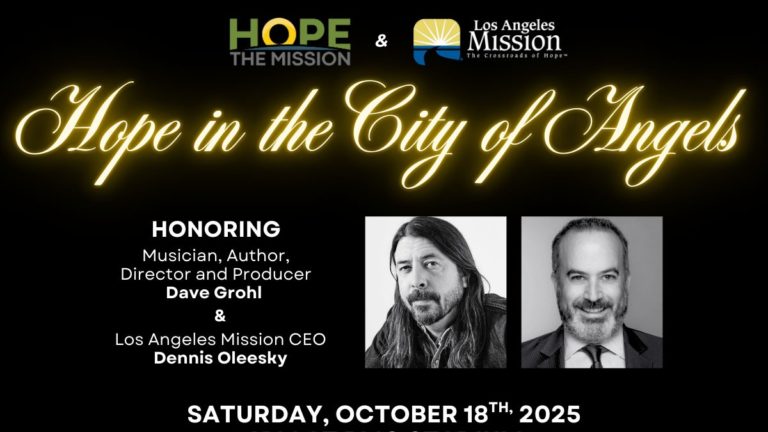
Hope The Mission will honor Dave Grohl for his volunteer work at the organization’s 16th annual Hope In The City Of Angels gala. The event will take place on October 18th at BMO Stadium in Los Angeles. The Foo Fighters frontman will receive special recognition for his years of artistic and charitable contributions to the Los Angeles community.

Grohl frequently uses his BBQ skills for charitable purposes. He has cooked for hundreds of people at homeless shelters, including for Hope The Mission in Los Angeles. He has also cooked for firefighters battling California wildfires and for people displaced by the fires. He often does this work without fanfare and even sleeps in his car in the parking lot to tend to the smoker for extended periods, sometimes over 24 hours at a time.

“Long regarded as one of the most respected and prolific presences in modern music, Dave Grohl has been equally passionate in his offstage service to his local community,” Hope The Mission shares. “Without fanfare, Dave has volunteered for days at a time, preparing and serving meals to people experiencing homelessness and food insecurity. At this year’s gala, we honor him for inspiring advocacy on behalf of the less fortunate in his backyard, just as his music has provided hope and solace for fans the world over.”

The event celebrates a night of unity where the angels of Los Angeles gather—not just in name, but in heart—to lift the voices and spirits of those experiencing homelessness. Guests can enjoy red carpet arrival and VIP lounges, live DJs and special musical performances, and powerful real-life stories from formerly homeless individuals.

Founded out of a van in the San Fernando Valley, Hope the Mission has grown to become the largest rescue mission in the United States. Each day, Hope provides shelter, meals, medical support, and critical services to thousands of individuals and families across Los Angeles.

Since 1936, Los Angeles Mission has been a pillar of compassion in the heart of Skid Row. With a focus on dignity, stability, and long-term recovery, LA Mission serves those most often overlooked—offering food, housing, and a pathway forward.

Together, these two organizations provide more than three million meals and 750,000 nights of shelter every year.

Phantogram Teams With Whethan for New Single “In My Head” Amid Tour With Deftones

0

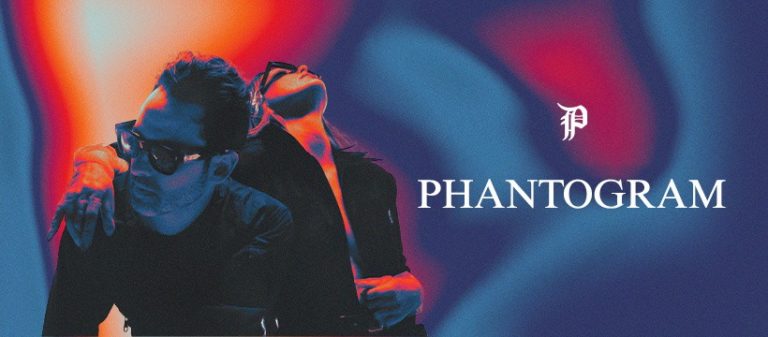
Phantogram release “In My Head”, in collaboration with electronic musician Whethan (Charli XCX, Dua Lipa etc.) whose “Money on the Dash” just got the certified gold status, and as Phantogram reflect on their last album release Memory Of A Day last fall.

They are currently out on tour with Deftones across North America before they dive into another headline tour, including stops at Austin City Limits (ACL) and iii POINTS Festival.

Phantogram adds: “In My Head” was an idea we thought had strong potential, but couldn’t quite find the right way to execute it. Upon meeting Whethan, we decided to try working it out with him and it turned into this very cool hybrid of both of our styles.”

Whethan says: “Honored to have a song coming out with Phantogram. Been a fan for a long time so this is really cool.”

Last year, Phantogram released their album Memory Of A Day in a new partnership with Neon Gold Records, the celebrated indie label known for its long lineage of powerful alt pop artists from Charli XCX and HAIM to Tove Lo, MARINA and Christine and the Queens.

Becky Buller Releases Star-Studded Covers Album ‘Songs That Sing Me’

0

Becky Buller, the ten-time IBMA Award winner (with three 2025 nominations), has released her long-awaited covers album, Songs That Sing Me, on Dark Shadow Recording.

The project features an impressive roster of collaborators, including Molly Tuttle, Becky Isaacs Bowman, Béla Fleck, Sierra Hull, Ricky Skaggs, Abigail Washburn, Dan Tyminski, Andrea Zonn, Jim Lauderdale, Alison Brown, Jeff Hyde, Missy Raines, Chris “Critter” Eldridge, Jay Starling, Ned Luberecki, Sharon White, Stuart Duncan, Cheryl White, The Becky Buller Band, and more.

“This collection of songs is singing me into being. They awoke a deep love of music within me. They continue to teach me how to form melody and lyric. Their sonic energy pulses through me, shaping and coloring my own creativity. These echoes are my way of thanking the artists who shared them with me. I hope they inspire you, too. Bless you for giving them a listen.” – Becky Buller

Producer/engineer Stephen Mougin added: “This project was a long time in the making as many of the songs feature unique bands, assembled to serve the specific needs of each particular tune and feature some of Becky’s talented friends. There’s heartbreak and joy, love and loss, and a really fun children’s song for good measure. It was a treat to revisit the music that shaped her love of song and rhyme, and bring our creative stamp to the process.”

Bruce Springsteen Announces ‘Nebraska ’82: Expanded Edition’ With Unreleased Recordings and Film

0

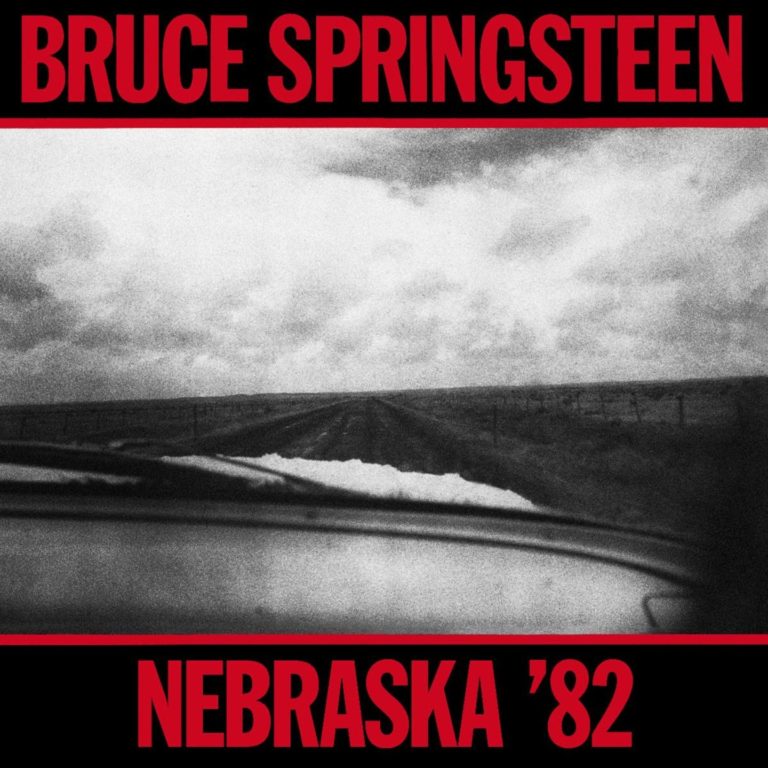
Bruce Springsteen’s “Nebraska” will be explored with more context and depth than ever before this fall, with the release of a five-disc box set featuring many never-before-heard and previously-undiscovered recordings. “Nebraska ’82: Expanded Edition” will arrive on Oct. 17 from Sony Music, and include The E Street Band’s fabled “Electric Nebraska” sessions and solo outtakes from the era, as well as a newly shot performance film of “Nebraska” in its entirety – and a 2025 remaster of the original album. Together, they represent a wholly unprecedented look into the sonic world of this improbable lo-fi masterpiece turned enduring Springsteen classic.

“Nebraska ’82: Expanded Edition” is previewed today with a previously-unreleased version of “Born in the U.S.A” (which was originally written alongside “Nebraska”), featuring Springsteen backed by Max Weinberg and Garry Tallent, in a trio rendition from late April 1982. “We threw out the keyboards and played basically as a three-piece,” Springsteen reflected. “It was kinda like punk rockabilly. We were trying to bring ‘Nebraska’ into the electric world.”

In addition to “Electric Nebraska” — which features Tallent, Weinberg, Danny Federici, Roy Bittan and Stevie Van Zandt — the set’s collection of “Nebraska Outtakes” unearths Springsteen solo rarities including more songs from the original “Nebraska” home recordings (“Losin’ Kind,” “Child Bride,” “Downbound Train”) and tracks from a one-off 1982 solo studio session (“Gun In Every Home,” “On the Prowl”). Also included is a present-day performance film of the “Nebraska” album – played in sequence for the first time ever and captured at New Jersey’s Count Basie Theatre by Thom Zimny. Having never toured behind “Nebraska,” Springsteen revisits the material more than 40 years later. “I think in playing these songs again to be filmed, their weight impressed upon me,” said Springsteen. “I’ve written a lot of other narrative records, but there’s just something about that batch of songs on ‘Nebraska’ that holds some sort of magic.”

One week after the release of “Nebraska ’82: Expanded Edition,” the feature film “Springsteen: Deliver Me from Nowhere” will arrive in theaters from 20th Century Studios on Oct. 24 and chronicles the making of Springsteen’s “Nebraska.” Directed by Scott Cooper, and adapted by Cooper from Warren Zanes’ “Deliver Me From Nowhere,” the film stars Jeremy Allen White as Bruce Springsteen and Jeremy Strong as his longtime manager and producer Jon Landau, alongside Stephen Graham, Odessa Young, Paul Walter Hauser, Gaby Hoffman, Marc Maron and David Krumholtz.

Pre-order “Nebraska ’82: Expanded Edition” in both 4-LP plus Blu-Ray and 4-CD plus Blu-Ray configurations here: https://brucespringsteen.lnk.to/Nebraska82EE

“Nebraska ’82: Expanded Edition” Tracklist

Disc 1: Nebraska Outtakes

1. Born in the U.S.A.

2. Losin’ Kind

3. Downbound Train

4. Child Bride

5. Pink Cadillac

6. The Big Payback

7. Working on the Highway

8. On the Prowl

9. Gun in Every Home

Disc 2: Electric Nebraska

1. Nebraska

2. Atlantic City

3. Mansion on the Hill

4. Johnny 99

5. Downbound Train

6. Open All Night

7. Born in the U.S.A.

8. Reason to Believe

Disc 3: Nebraska (Count Basie Theatre, Red Bank, NJ)

1. Nebraska

2. Atlantic City

3. Mansion on the Hill

4. Johnny 99

5. Highway Patrolman

6. State Trooper

7. Used Cars

8. Open All Night

9. My Father’s House

10. Reason To Believe

Disc 4: 2025 Remaster

1. Nebraska

2. Atlantic City

3. Mansion on the Hill

4. Johnny 99

5. Highway Patrolman

6. State Trooper

7. Used Cars

8. Open All Night

9. My Father’s House

10. Reason To Believe

Disc 5 (Blu-Ray): Nebraska (Count Basie Theatre, Red Bank, NJ)

1. Nebraska

2. Atlantic City

3. Mansion on the Hill

4. Johnny 99

5. Highway Patrolman

6. State Trooper

7. Used Cars

8. Open All Night

9. My Father’s House

10. Reason To Believe