Home Blog Page 4

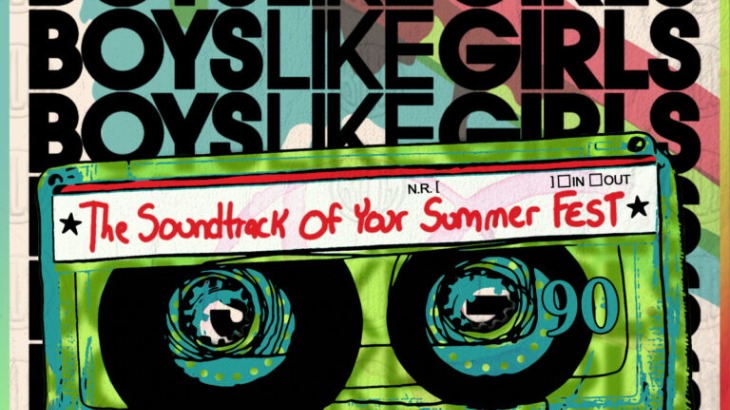
Boys Like Girls Bring the “Soundtrack Of Your Summer Festival” Home to Boston

0

Boys Like Girls are throwing a hometown festival, and the lineup hits exactly where it should. The Soundtrack Of Your Summer Festival lands Saturday, August 29 at Leader Bank Pavilion in Boston, with Cartel, Cute Is What We Aim For, and Hit The Lights on the bill for a one-night-only celebration of the music that defined a generation of rock fans.

The festival serves as the US encore of the band’s Soundtrack Of Your Life Tour, where they performed their self-titled debut and ‘Love Drunk’ in full and in tracklist order every night. Boston gets both albums, one stage, and the full experience brought home.

The bill carries some real weight. Cute Is What We Aim For make their first public appearance in nearly 10 years, making this more than a festival, it’s a genuine moment for a community of fans who grew up on this music.

Presales are underway now. General on-sale hits Friday, May 29 at 10 AM local time, with VIP packages available.

Wet Leg Drop an FDC DJs Remix and Announce ‘Moisturizer (Deluxe)’ for July

0

Wet Leg have shared a new remix of “catch these fists” by FDC DJs, the duo made up of Fontaines D.C. members Carlos O’Connell and Tom Coll, and it’s a sharp left turn from the original. Darker, seedier, built on brooding synths and propulsive drums, it leans hard into Rhian Teasdale’s barbed lyrics and lands with real menace.

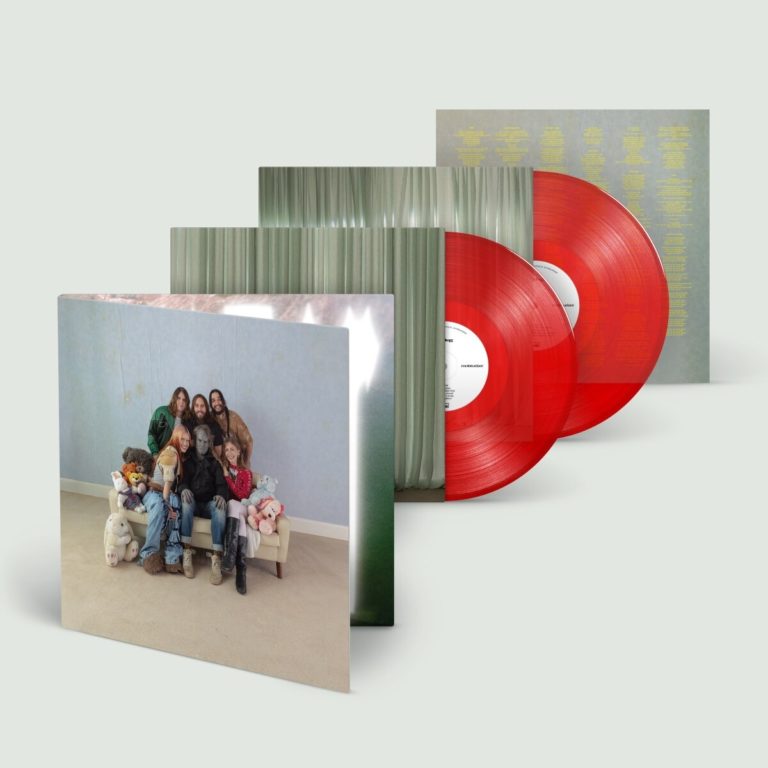
The remix is the first taste of ‘moisturizer (deluxe)’, arriving July 10. The expanded edition adds remixes from horsegiirL and The Dare alongside 3 previously streaming-unavailable tracks: “hi from me” (originally a Japanese CD exclusive), a home studio demo of “don’t speak” recorded by Hester, and “u and me at home intro/outro,” the latter already familiar to fans as the band’s walk-on music.

Rounding out the package are live recordings made at LA’s The Village Studios in 2025. The deluxe is available on double translucent red vinyl, CD, and digitally.

‘moisturizer’ has had a run few albums can match. It debuted at No. 1 on the UK albums chart, earned 3 Grammy nominations and 2 Brit nominations, and spawned “mangetout,” which recently hit No. 1 on the US Alternative Radio airplay chart, making Wet Leg the first female-fronted independent act to top that chart this decade.

The year has only added to the momentum. Wet Leg opened 2026 touring Australia and New Zealand as part of Laneway Festival alongside Chappell Roan, Geese, and Pinkpantheress. Japan dates followed. In March, they became the first musical guest on SNL UK’s debut season, appearing alongside host Tina Fey. Teasdale also walked Paris Fashion Week and joined comedian Joe Wilkinson for an episode of his Channel 4 show Train-ing It.

This summer brings their largest UK headline shows to date, plus festival slots at Bonnaroo, Governors Ball, Lollapalooza, and a hometown appearance at Isle of Wight Festival.

‘moisturizer (deluxe)’ drops July 10. Pre-order and pre-save are live now.

‘moisturizer (deluxe)’ Track Listing:

  1. CPR
  2. liquidize
  3. catch these fists
  4. davina mccall
  5. jennifer’s body
  6. mangetout
  7. pond song
  8. pokemon
  9. pillow talk
  10. don’t speak
  11. 11:21
  12. u and me at home
  13. hi from me
  14. mangetout (The Dare remix)
  15. CPR (horsegiirL Remix)
  16. catch these fists (FDC DJs remix)
  17. CPR (live from the village)
  18. davina mccall (live from the village)
  19. mangetout (live from the village)
  20. liquidize (live from the village)
  21. don’t speak (acoustic demo version)
  22. u and me at home intro/outro

Video: Florence and the Machine Literally Moved the Earth at Berlin’s Tempelhof Sounds Festival

0

Florence + The Machine played Tempelhof Sounds Festival in Berlin on June 10, 2022, and the crowd jumped so hard during “Dog Days Are Over” that local seismological stations registered a 1.4 magnitude tremor. That’s not a metaphor. Tens of thousands of fans, moving in unison at Florence Welch’s command, left a measurable physical imprint on the city. Touring behind ‘Dance Fever,’ the band delivered a set that ranged from the raw force of “Kiss With a Fist” and “What Kind of Man” to the euphoric lift of “Rabbit Heart (Raise It Up)” and “Shake It Out,” a full-spectrum performance that reminded everyone why a Florence + The Machine live show is an event, not just a concert.

The Tirith Are Back With a Prog Monster Album and a Single That Demands Your Attention

0

UK progressive rockers The Tirith have a new album arriving July 3, and the lead single “Save The Oak” makes a strong case for why it’s worth your time.

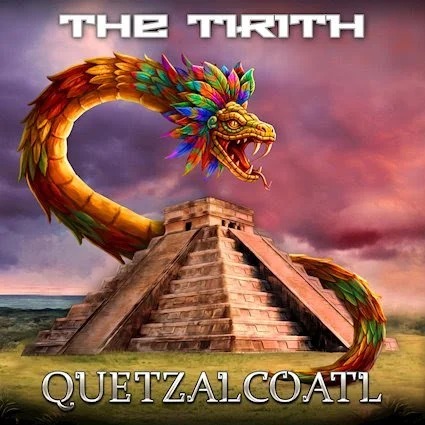
‘Quetzalcoatl’ is the band’s fourth studio album, and it arrives as their most expansive and cohesive work yet. Blending folk, jazz, and heavier rock into a signature prog framework, the record showcases intricate musicianship, shifting dynamics, and the kind of atmospheric storytelling the band has built their reputation on.

The Tirith’s story is a compelling one. Founding members Tim Cox and Dick Cory first played together as schoolmates in the 1970s under the name Minas Tirith, then reunited in 2010 after more than 3 decades apart. They came back with a catalogue of unreleased material and serious credentials behind them.

Tim Cox, the band’s guitarist, earned his stripes as a professional songwriter and producer, co-writing Rozalla’s iconic dancefloor staple “Everybody’s Free (To Feel Good).” Dick Cory spent those intervening years writing prolifically, and much of that work found its way into The Tirith’s sound.

Since reforming, the band released ‘Tales from the Tower’ (2015), ‘A Leap into the Dark’ (2019), and ‘Return of the Lydia’ (2022), all recognized for their conceptual ambition and expressive guitar work. Each record moved the needle. ‘Quetzalcoatl’ moves it further.

With drummer Paul Williams and keyboardist Anthony Hill now firmly in the fold, the band operate with a tighter, more unified sound. The live circuit has taken notice too. The Tirith have played Cambridge Rock Festival and HRH Prog, sharing stages with Focus, Karnataka, and Gnidrolog.

“Save The Oak” is a confident entry point into the new album, a track that channels the band’s layered approach into something immediate and gripping. The video is out now on YouTube.

‘Quetzalcoatl’ drops July 3. Twelve tracks, one of the UK prog scene’s most seasoned outfits, and a record built to last.

‘Quetzalcoatl’ Track Listing:

  1. Intro
  2. Quetzalcoatl
  3. The Slide
  4. Moon King
  5. Back to Space
  6. Rabbit Ings
  7. Dancing With Vampires
  8. Spirit of the Volcano
  9. Masters of Highways
  10. Save The Oak
  11. No Mind (Mushin)
  12. The Riddles

Reddit Asked for the Most Beautiful Album You’ve Ever Heard. Here Are 20 of Their Answers.

Someone on Reddit posed a simple question: give me the most beautiful album you’ve ever heard. Any genre, any timeframe. The thread exploded. Hundreds of answers poured in, covering jazz and goth and ambient and folk and everything in between. Here are twenty of the best responses, and honestly, it’s a pretty great list.

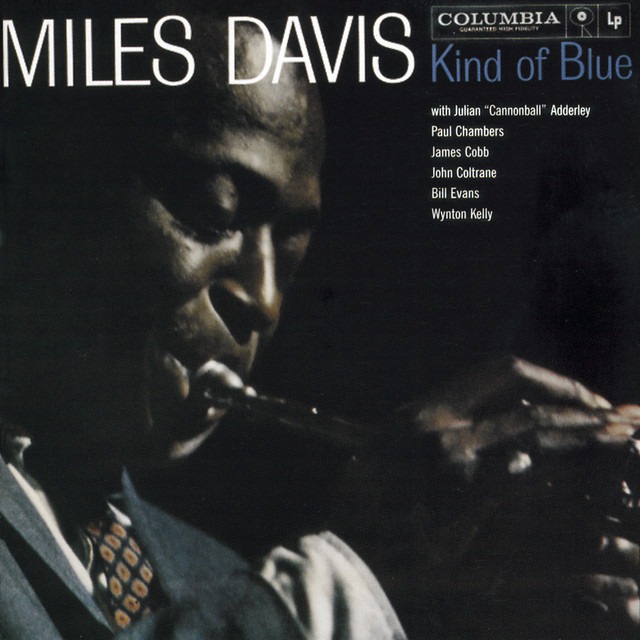
‘Kind of Blue’ — Miles Davis

The most upvoted jazz answer in the thread, and no one should be surprised. This is the album that invented a mood. Cool, unhurried, and so perfectly recorded it sounds like the musicians are in the room with you.

‘Dark Side of the Moon’ — Pink Floyd

It showed up multiple times, and with good reason. One commenter who played through it for a New Year’s gig said that learning all its brilliant thematic connections and back-door transitions made them love it even more. Fifty-plus years in and it still sounds like the future.

‘In Rainbows’ — Radiohead

Multiple commenters called it out without hesitation. It’s the album where Radiohead stopped being cold and started being warm, all without sacrificing a single ounce of what made them great. Side two alone is worth the price of admission.

‘Disintegration’ — The Cure

The thread had genuine enthusiasm for this one. One commenter pointed out that the opener ‘Plainsong’ alone is a gorgeous piece of music, and they’re right. Lush, oceanic, and genuinely moving in a way that goth rock rarely gets credit for.

‘Astral Weeks’ — Van Morrison

Two separate commenters called it, one of them with a response that can only be described as enthusiastic punctuation. Recorded in two days in 1968, it sounds like it came from another dimension entirely. Nothing before or since sounds quite like it.

‘Heaven or Las Vegas’ — Cocteau Twins

Paired with ‘Mezzanine’ by Massive Attack in one of the thread’s best double picks. Elizabeth Fraser’s voice operates at a frequency that bypasses the brain entirely and goes straight somewhere deeper. Lush and completely otherworldly.

‘Mezzanine’ — Massive Attack

Dense, cinematic, and unsettling in the best possible way. This is trip-hop at its absolute peak, a record that sounds equally at home in a late-night headphone session or a film you’ll never forget.

‘Ágætis byrjun’ — Sigur Rós

The thread had enormous love for Sigur Rós across several albums, but this one and ‘( )’ came up the most. One commenter described discovering ‘Svefn-g-englar’ on college radio a quarter century ago and being changed by it. That tracks.

‘( )’ — Sigur Rós

Called an art rock dark masterpiece in the thread, and that’s about right. An album sung in a language the band invented, which somehow makes it more emotionally direct, not less. You don’t need to understand it to feel it.

‘Vespertine’ — Björk

Two separate commenters landed on this one. Intimate, wintry, and constructed from the tiniest sounds imaginable, harps and music boxes and whispers, built into something genuinely majestic. One of her very best.

‘The Seeds of Love’ — Tears for Fears

One commenter called it gorgeously recorded, and that’s the word. An album that took four years to make and sounds like it. Layered, ambitious, and emotionally enormous in ways that still catch people off guard.

‘Pet Sounds’ — The Beach Boys

It showed up and kept showing up in the replies. Brian Wilson building a cathedral out of car horns and sleigh bells and heartbreak. Still the most audacious thing anyone has ever done with a pop album.

‘Five Leaves Left’ — Nick Drake

Quiet, fingerpicked, and deeply melancholy in a way that feels like autumn afternoon light. Nick Drake barely got to make three albums, but this debut announced someone operating at a level most artists spend careers chasing.

‘Automatic for the People’ — R.E.M.

One commenter grouped it with Kraftwerk and Julien Baker, which is a very good triple bill. This is R.E.M. at their most spare and grief-stricken, an album about loss that somehow never feels hopeless.

‘Avalon’ — Roxy Music

Came up more than once, and one commenter said they were glad to see it right off the bat. Brian Ferry at his most cinematic and seductive, an album that sounds like the last slow dance of the evening and makes you wish it never ended.

‘Yoshimi Battles the Pink Robots’ — The Flaming Lips

One commenter said they think ‘The Soft Bulletin’ might edge it out, which is a perfectly reasonable argument to have. But ‘Yoshimi’ has a warmth and gentle sadness that sneaks up on you completely.

‘What’s Going On’ — Marvin Gaye

One commenter said it’s the only album that can make them cry. That’s as good a definition of beautiful as any. A concept album about war and poverty and love that feels, impossibly, more relevant with every passing decade.

‘Wildflowers’ — Tom Petty

Called a masterpiece in the thread, and the response to that was pure emoji and gratitude. Petty at his most open-hearted, an album that sounds like driving somewhere good with the windows down and nothing on your mind.

‘Ghosteen’ — Nick Cave and the Bad Seeds

One commenter described it as saturated with the spirit of his deceased son but also so beautiful and hopeful. Made in the wake of profound grief, it somehow transcends it. One of the most quietly devastating albums of the last decade.

‘Carrie and Lowell’ — Sufjan Stevens

Called haunting by the commenter who suggested it, which undersells it slightly. This is one of the most intimate and gut-wrenching records ever made, a meditation on loss and memory so personal it almost feels wrong to listen to, and yet completely impossible to stop.


How to Get Your Music in a Commercial

You’re watching TV. A car glides through a mountain pass, the cinematography is gorgeous, and then a song hits — and suddenly you’re not thinking about the car at all, you’re thinking about that song. Who is that? Where can I find it? That is sync licensing doing exactly what it’s supposed to do. And your music could be the one doing it.

Getting your music placed in a commercial is one of the best things that can happen to an artist. It generates significant income, boosts your visibility, introduces your work to new audiences, and being associated with well-known brands adds professional credibility that opens doors for future opportunities. So how do you actually make it happen? Let’s break it down.

First, Understand What You’re Actually Selling

Sync licensing, or synchronization licensing, is the legal process of placing music with visual media. When your music is matched with images in films, TV commercials, online videos, or video games, that is called a sync placement. To legally earn from these uses, you need permission from both the master rights owner, who owns the recording of the song, and the publishing rights owner, who owns the composition of the song. If you’re an independent artist who owns both, that’s actually a major advantage — you can move faster and negotiate more cleanly.

Make Your Music “Sync Ready”

Before you pitch a single track, get your house in order. Music supervisors look for tracks with emotional clarity, meaning each song conveys a distinct and identifiable mood, along with strong structure, including a clear intro, build, climax, and resolution. A track that meanders through its own arrangement is a problem for an editor trying to cut to picture.

Write songs with universal themes like love, hope, change, or resilience. Avoid super-specific references that might limit your track’s use. Commercials love broad, uplifting vibes. Always create multiple versions of your tracks. An instrumental version is essential — many advertisers love the music but need to layer their own voiceover on top.

Know Who’s Actually Making the Decision

Music supervisors are the unsung heroes of the advertising world. They are experts in music licensing, music trends, and finding the perfect song for each project. They work closely with advertising agencies and brands, search for songs that will fit the brand, and manage all the details of music licensing so the brand is in full compliance. Getting your music in front of the right supervisor is the whole game. Attend industry events, join music sync licensing companies, and connect with music supervisors on social media. These are not people who are hiding — many are quite active online and genuinely interested in discovering new music.

Get Into Music Libraries

The most reliable path for most independent artists is through music libraries. Artists submit their music to libraries, which handle curation and legal checks before offering songs to supervisors. The workflow is streamlined for speed and efficiency, with pre-cleared music ready for instant placement. Libraries like Musicbed, Artlist, Epidemic Sound, and Pond5 are good starting points, and there are dozens more that specialize in everything from indie folk to hard electronic.

What Can You Actually Earn?

Here’s where it gets interesting. The range is enormous. A placement in a small web commercial or a local brand’s online video might bring in anywhere from $50 to $300. It’s not going to pay your rent, but it’s still money earned from your music — and it builds your track record. On the other end of the spectrum, national commercials and big-budget campaigns can pay from $10,000 up to $100,000 or more, especially for popular songs or exclusive licenses. The average commercial sync license in the US runs between $15,000 and $50,000. That’s a meaningful number for any artist.

Beyond the upfront fee, sync licensing is now the second-highest royalty stream for independent artists, because every time that commercial airs, performance royalties are generated. The money keeps coming long after the deal is signed.

The Pitch Itself

Keep it short, keep it targeted, and do your homework. Don’t email a supervisor who works exclusively in horror films and pitch them your acoustic lullaby. Research what brands a supervisor has worked with, what kind of music they gravitate toward, and tailor your approach accordingly. Include a brief bio, a direct link to your music (not an attachment), and make it easy to clear. The faster a supervisor can say yes, the better your chances.

Sync licensing is no longer just for TV and film. The landscape has exploded with new opportunities, from Netflix originals and YouTube creators to TikTok trends, video games, mobile apps, and branded content. Every one of those is a door. Your job is to knock on as many as possible with music that’s ready, rights that are clear, and a pitch that respects everyone’s time.

The song that stops someone mid-channel-surf and makes them reach for their phone to find out who made it could be yours. Start building that catalog today.

The Songs That Tell Belfast’s Story

0

Belfast is hosting Fleadh Cheoil na hÉireann for the very first time this August, and there is no better moment to think about the music that has always lived in this city’s bones. From Sunday August 2 to Sunday August 9, 2026, Belfast will transform into a vibrant carnival of sound, colour, culture and craic, with pub sessions, street performances, céilí bands and All-Ireland competitions filling every corner of Ireland’s only UNESCO City of Music. Belfast has been telling its story through song for centuries. The Fleadh simply gives the whole world a reason to finally listen.

From the linen mills of the 19th century to the shipyards that built the Titanic, from the darkest years of The Troubles to the hopeful rhythms of a city reborn, Belfast has always sung. Here are eight songs that tell its story.

“The Belle of Belfast City” (Traditional)

Few songs capture the warmth and wit of Belfast’s people quite like this one. A celebration of the city’s women and working-class neighbourhoods, it has been passed down through generations and remains one of the most joyful expressions of Belfast identity. Rend Collective’s toe-tapping rendition brought it to a whole new audience, but its roots go deep into the cobblestones of the city itself.

“The Belfast Mill” (Traditional)

This poignant folk ballad doesn’t romanticize the past, it tells the truth of it. The song shines a light on the harsh realities of the Industrial Revolution in Belfast, chronicling the poverty, exploitation, and human cost of the booming linen and shipbuilding industries. Behind every great industrial city is a working class that paid dearly for its growth, and this song makes sure they aren’t forgotten.

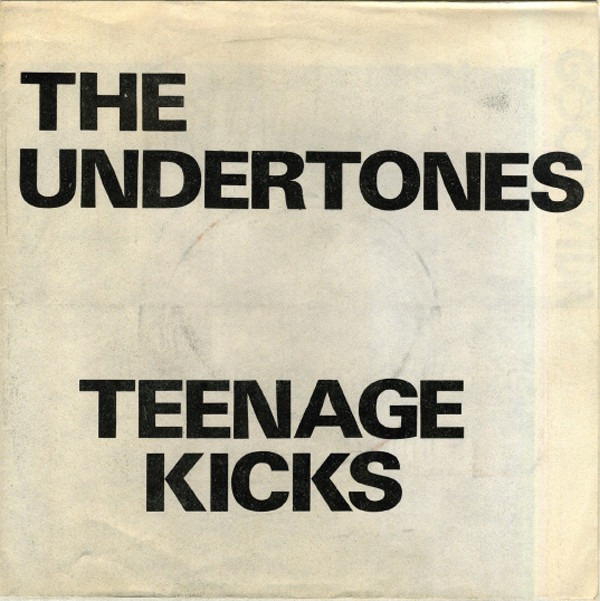
“Teenage Kicks” (The Undertones)

By the late 1970s, Belfast was living through the worst years of The Troubles. Against that violent backdrop, The Undertones from Derry gave young people across Northern Ireland something urgent and electric: a song about being a teenager that had nothing to do with politics and everything to do with desire, energy, and escape. John Peel called it the greatest record ever made, and he wasn’t wrong.

“Alternative Ulster” (Stiff Little Fingers)

Where The Undertones looked inward, Stiff Little Fingers looked outward and screamed. “Alternative Ulster” was a direct challenge to the militarized reality of life in Belfast, the checkpoints, the tension, the sense that young people had no future worth imagining. It remains one of the most viscerally honest songs ever written about the city, and it still rattles the walls.

“Belfast Child” (Simple Minds)

Written in the aftermath of the 1987 Enniskillen bombing, this haunting anthem by Simple Minds, built around the traditional melody of “She Moved Through the Fair,” is one of the most moving musical responses to The Troubles ever recorded. It doesn’t rage or protest; it mourns. And in that mourning, it became an anthem for everyone who had lost someone, and everyone who simply wanted it all to stop.

“The Town I Loved So Well” (Phil Coulter)

Written about Derry, yes, but this song belongs to the whole of Northern Ireland, and Belfast claims it too. Phil Coulter’s masterpiece traces the arc from childhood innocence to the scarred, militarized streets of the conflict years, before reaching toward something like hope. Every time it’s sung, it feels like a prayer for a place that deserved better than what it was given.

“Cyprus Avenue” (Van Morrison)

Born in East Belfast, Van Morrison immortalized the streets of his youth in music that transcends time and geography. “Cyprus Avenue” is both a specific Belfast street and a state of mind, a song about longing, beauty, and the strange ache of a place that shaped you. Morrison’s catalogue is full of Belfast’s geography and soul, and this track sits at the very heart of it.

“Into the Light” (Van Morrison)

If “Cyprus Avenue” captures the longing, “Into the Light” captures the healing. Morrison’s music has always carried a spiritual undercurrent, and this song speaks to Belfast’s own long journey toward something brighter. A city that has endured what Belfast has endured earns the right to songs like this one, full of quiet resilience and the stubborn belief that light, eventually, wins.

20 Songs to Play at Your Funeral to Absolutely Ruin Everyone’s Day

Death comes for us all, but that doesn’t mean you can’t get the last laugh.Here are 20 of the best options together for your consideration. Some are darkly poetic. Some are logistically inspired. Some are just weapons. All of them will ensure that nobody leaves your funeral feeling the way they expected to.

“Never Gonna Give You Up” by Rick Astley, a lot of times

The undisputed champion of this entire list and one of the greatest long-form funeral pranks ever conceived. You play it 20 consecutive times, but you insert a single play of “Never Gonna Give You Up” after the seventh repetition, just to give people a brief, beautiful flicker of hope before the thoughts of memes come rushing back. It requires a level of advance planning that honestly shows more commitment than most people demonstrate while alive.

“Man in the Box” by Alice in Chains

Technically accurate. Uncommonly on the nose. The mourners’ll either burst out laughing or stare at each other in horrified silence, and either outcome is a victory.

“Knock on Wood” Played from Inside the Coffin

Not strictly a song choice but an execution strategy so inspired it deserves its own entry. The logistics of arranging this in advance are genuinely complex, which makes it the Mount Everest of posthumous pranking. Commit to the bit.

“Highway to Hell” by AC/DC

Imagine being a funeral director who’s heard every possible song choice and thinks they’ve seen it all, and then this comes on over the speakers. The beauty of this one is that it works equally well whether you were a devoted churchgoer or a committed heathen. Both readings are hilarious for entirely different reasons.

“Baby Shark”

There’s something uniquely diabolical about subjecting grieving adults to the most relentlessly cheerful earworm ever inflicted on the human race. They’ll be humming it in the car on the way home. They’ll wake up with it three days later. You’ll be gone. You win completely.

“Astronomia” by Tony Igy

Also known as the Coffin Dance song. Every single person at your funeral’s seen the meme at least forty times. Playing this at your own actual funeral while you’re actually in a coffin is the kind of meta-joke that belongs in a comedy hall of fame. The pallbearers won’t know whether to laugh or walk faster.

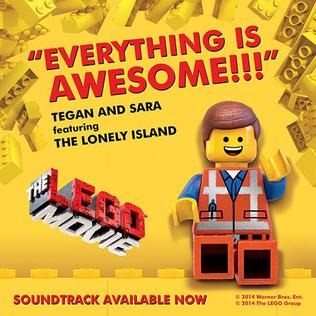
“Everything Is Awesome” from The Lego Movie

Aggressively optimistic. Tonally catastrophic. The key is that it’s not ironic enough to give anyone an escape hatch. There’s no reading of this song that makes it appropriate for a funeral, which means everyone just has to sit there and absorb it for three full minutes while nodding politely.

“Wake Me Up Before You Go-Go” by Wham!

The request embedded in the title takes on an entirely new dimension in this context and the song is so relentlessly cheerful that the dissonance becomes almost philosophical. You also get to go out to George Michael, which is never a bad decision.

“Celebration” by Kool and the Gang

Celebrate good times, come on. Is this not exactly what funerals are supposed to be, at least in theory? The genius of this choice is that you could play it completely straight and the argument that you meant it sincerely would make everyone even more uncomfortable than if you’d meant it as a joke.

“Don’t Care Anymore” by Phil Collins

Three words that summarise the entire vibe of being dead. Phil Collins didn’t write this as a farewell message but it functions as one with devastating efficiency. Short, blunt, and impossible to misread.

“They’re Coming to Take Me Away” by Napoleon XIV

A 1966 novelty song about being carted off to a psychiatric facility, delivered in an increasingly manic voice over a marching beat. Playing this at your funeral raises questions about your final mental state that your loved ones’ll spend years unpacking in therapy.

“War Pigs” by Black Sabbath

I’ve been mentally planning this one since roughly third grade and I’m not embarrassed about it. At eight minutes of slow-building doom metal it’s also a significant time commitment for the mourners, which feels right. They’ll sit through it. They’ll think about what they’ve done.

“The Roof Is on Fire” by Bloodhound Gang

If you’re going for cremation, the thematic consistency here is simply too good to pass up. It’s not just a funeral song. It’s a program note.

“It’s Getting Hot in Here” by Nelly

Again, cremation-specific programming deserves its own sub-genre and this is the founding text. You could run an entire cremation-themed playlist and it’d be genuinely impressive. Something to consider.

“Living in a Box” by Living in a Box

A band called Living in a Box playing a song called “Living in a Box” at your funeral while you’re literally in a box. This is the kind of layered absurdist poetry that most artists spend their entire careers trying to achieve and most of them never get there.

“Hokey Cokey”

The staging possibilities alone make this essential. The pallbearers put the casket in, take the casket out, put it in again, shake it all about. If you can choreograph this with willing participants it’s the single greatest physical comedy achievement in the history of funerals.

“The Final Countdown” by Europe

The drama. The synthesisers. The mounting sense of impending something. It works almost too well as a funeral song, which is exactly why it belongs here. Nobody’ll be able to keep a straight face and everyone’ll pretend they’re managing.

“Free Bird” by Lynyrd Skynyrd

At nine minutes long and culturally understood as the universal symbol of someone who refuses to leave, playing this as your curtain call has a beautiful circular logic to it. You’re the one not leaving this time. The shoe is on the other foot. The bird is free.

“Bohemian Rhapsody” by Queen

Print the lyrics in the order of service. Make it participatory. Is this the real life? Is this just fantasy? At a funeral, genuinely unclear, and the fact that nobody’ll know whether to sing along’ll create an atmosphere of exquisite social tension that money simply can’t buy.

“Hamster Dance”

No explanation required. No justification possible. An act of pure sonic warfare against everyone who ever loved you, delivered from beyond the grave with a smile. Go out swinging.

How to License Your Music for TV and Film

So your song comes on during a pivotal scene in a drama and suddenly three million people are Shazaming it at 11pm on a Tuesday. That is the sync licensing dream, and it is more achievable than you think. Sync licensing is the most lucrative and transformative revenue stream available to independent musicians right now, and a single well-placed song can catapult an unknown artist into the mainstream overnight. While streaming pays fractions of a cent per play, sync licensing pays independent artists anywhere from $250 for a corporate video placement to $150,000 or more for a featured spot in a national TV commercial. Here is how to get in the room.

Before anything else, you need to understand the two separate rights involved in every sync deal. Master rights cover ownership of the actual sound recording, while publishing rights cover ownership of the underlying composition including the melody, lyrics, and arrangement. Major-label artists typically split these rights across multiple parties, requiring lengthy clearance processes. This is why being an independent artist is genuinely an advantage in sync. One-stop clearance, where you own and control both master and publishing, is strongly preferred by music supervisors. It removes a major friction point in production timelines, and supervisors regularly pass on music they love because the rights are too complex to clear in time.

If you co-wrote a song or had other contributors, get your ownership splits in writing before you pitch anything to anyone. Sync licensing deals can fall apart instantly if there is confusion about who owns what. A split sheet is not bureaucratic busywork. It is what keeps your opportunity alive.

This is non-negotiable and it costs you almost nothing. To collect royalties from sync placements, you must register your music with a Performing Rights Organization such as ASCAP, BMI, or SESAC in the US. These organizations ensure you are compensated when your music is used in various media. In Canada that is SOCAN; in the UK it is PRS for Music. In the US, most independent artists should register with either ASCAP, which charges a $50 one-time fee, or BMI, which is free for songwriters. Register as both songwriter and publisher to collect both halves of your performance royalties, because if you only register as a writer you are leaving half your money on the table.

You should also ensure your recordings have ISRC codes, the unique fingerprint for each recording. Most digital distributors assign these automatically when you upload. Without an ISRC, royalties from broadcast usage cannot be correctly attributed to your recording.

Music supervisors are not talent scouts. They are problem solvers. A supervisor needs a specific sound for a specific scene with specific licensing terms, and they need it fast. They do not care if your song is amazing. They care if it fits the brief, clears quickly, and stays within budget. Your job is to make their job as easy as possible.

For every track you pitch, you should have the full stereo mix, a clean version without profanity, a full instrumental version, and ideally separated stems covering drums, bass, melody, and vocals. Music supervisors frequently request these variations and tracks without instrumental versions are at a significant disadvantage.

Metadata matters more than most artists realise. Tag your files with accurate information including song title, artist name, genre, mood keywords, and contact info in the file data. A supervisor might search a library for “upbeat indie rock with female vocals,” and good metadata is what makes your song show up in that search. Think of your catalog as a library someone else has to navigate. Make it easy for them.

Around 70% of sync deals in 2024 went through libraries, while 30% were direct-to-brand or supervisor. Libraries are the most practical entry point for most independent artists because they already have the relationships with the people doing the hiring. Platforms like Musicbed, Artlist, Marmoset, Epidemic Sound, and Artlist handle the pitching on your behalf, taking a cut of the fee in exchange. An artist with a catalog of 50 tracks on a popular platform can generate consistent monthly income from sync placements alone, not life-changing money from any single placement, but meaningful passive income that compounds as the catalog grows.

You can also build a professional, searchable catalog on a platform like DISCO, which is considered industry standard for pitching directly to supervisors, as well as your own website for full control over presentation and terms.

Once you have some credits and confidence, going direct is worth pursuing. You can find contacts through LinkedIn, IMDbPro, and industry resources like Tunefind, Film Music Reporter, and Music Supervisor Network. Personalize every pitch and reference specific projects they have worked on. Never mass-email. A supervisor who has spent three years placing music in crime dramas does not want a pitch for your bubbly summer pop track, and sending it anyway marks you as someone who has not done their homework.

In 2026, an estimated 65% of music supervisors use AI-powered search tools to discover music, which makes clean, detailed metadata even more important. If the algorithm cannot find you, the supervisor never sees you.

Not all placements are created equal. A Netflix series placement can pay between $3,000 and $50,000 upfront, while a national television commercial can reach $500,000 or more. Background cues in cable shows pay less but still represent real income, and the backend performance royalties that come every time that show airs or streams can generate money for years after the initial deal. Micro-syncs for YouTube, TikTok, podcasts, and the creator economy might only pay $50 to $2,000 per placement, but a sync-ready track on a popular platform can be licensed dozens or even hundreds of times per month.

The key to making sync a real income stream is volume of catalog and quality of preparation, not waiting for one perfect song to change everything.

Diversifying your catalog by creating a variety of tracks with different moods, tempos, and instrumentation increases your chances of finding a match for any sync opportunity. Genre and geographic diversity is actively sought right now, with supervisors specifically requesting non-US sounds including French indie pop, Latin American singer-songwriter styles, and Asian instrumental music. The world is a wider market than it used to be, and that is good news for anyone making music outside the obvious commercial lanes.

The sync world rewards the prepared and the prolific. Get your rights straight, get your files ready, get your metadata tight, and then get your music out there.

Where to Stay During Fleadh Cheoil Belfast 2026

0

Belfast is hosting Fleadh Cheoil na hÉireann for the very first time, and the world’s biggest celebration of Irish music and culture runs from Sunday 2 August to Sunday 9 August 2026. Eight days of pub sessions, céilí bands, street performances, All-Ireland competitions, and enough craic to last you well into the following year. Over 700,000 international visitors are expected in the city for the week, which means one thing above all others: sort your accommodation now, not later.

Central Belfast is already at 95% capacity for the first week of August. If you needed a reason to stop reading and start booking, that is it. For everyone still here, here is your guide to where to lay your head when the fiddles start flying.

Belfast is a compact, walkable city and the Cathedral Quarter and the areas around Victoria Square and City Hall will be at the heart of the Fleadh action, so staying centrally means you are never far from wherever the music breaks out next. The city has over 30 hotels to choose from, including big international names like the Crowne Plaza, Aloft, Residence Inn by Marriott, and Holiday Inn. For luxury, the Fitzwilliam Hotel on Great Victoria Street, adjacent to the Grand Opera House, is one of the most central five-star options in the city, with 146 elegantly designed rooms and suites and award-winning dining on site. If you want to splash out and wake up already in the thick of it, that is your spot.

For mid-range, the Grand Central Hotel in the Linen Quarter puts you within easy walking distance of the Titanic Quarter, the Cathedral Quarter, and just about every cultural attraction the city has to offer.

The Cathedral Quarter is arguably the soul of Belfast’s pub and music scene at the best of times, and during Fleadh week it will be absolutely electric. The lively pubs in the Cathedral Quarter are considered among the best for meeting fellow travellers, with the Duke of York a popular spot for live music and the Crown Liquor Saloon a beautiful Victorian pub with a friendly atmosphere. The Merchant Hotel, a grand Victorian property right in the heart of the quarter, is one of the most distinctive places to stay in the city. If your budget is tighter, the Premier Inn Belfast City Cathedral Quarter offers reliable, comfortable rooms without the luxury price tag.

The Queen’s Quarter is a lively student area known for its vintage shops and quirky pubs, and it is a top pick for backpackers as it is home to a lot of Belfast’s budget accommodation. The Belfast International Youth Hostel sits just off Shaftesbury Square, between City Hall and Queen’s University, and is the closest hostel to the Europa Bus Station. It offers direct rail connections to the Titanic Quarter and is a short walk from both City Hall and the university. The Botanic Avenue Hostel is another solid budget option in this area, offering comfortable dorm rooms with individual lockers and reading lights, a communal lounge, a full kitchen, and free Wi-Fi.

If you have left it late and the city itself is fully booked, do not panic. Major surrounding towns and cities like Lisburn, Bangor, Carrickfergus, and Newry are around a half-hour train journey away and make perfectly viable bases for the week. Specific options in surrounding areas include the Clandeboye Lodge Hotel, the Haslem Hotel, and the Maldron Hotel, all within easy reach of Belfast by rail. Translink services are frequent and the journey in is straightforward.

For those who want to sleep inside the festival rather than just visit it, there are three official campsites being set up for the week. Confirmed locations include Ormeau Park for tents, Titanic Quarter for motorhomes and caravans, and Falls Park as an additional tents-only site. The fully serviced campsite will include 24-hour security, shower blocks, toilets, fresh water, a dedicated family zone, and a bus service running to the city centre in under ten minutes. Register your interest at fleadhcheoil.ie.

Belfast TradFest is offering a combined accommodation rate for people attending both the Belfast TradFest Summer School, which runs 26 July to 1 August, and the Fleadh itself, with city-centre student accommodation available at a reduced combined rate for the full fortnight. If you play traditional music and have been thinking about a summer school, this is a genuinely clever way to stretch your budget and arrive already warmed up.

If you are flexible on dates, mid-week accommodation is often easier to secure than the main weekend slots at either end of the festival. But whatever you do, do not leave it. Belfast in August 2026 is going to be one for the ages.

Fleadh Cheoil na hÉireann takes place in Belfast, August 2–9, 2026. For more information visit fleadhcheoil.ievisitbelfast.com, and discovernorthernireland.com.