Home Blog Page 4

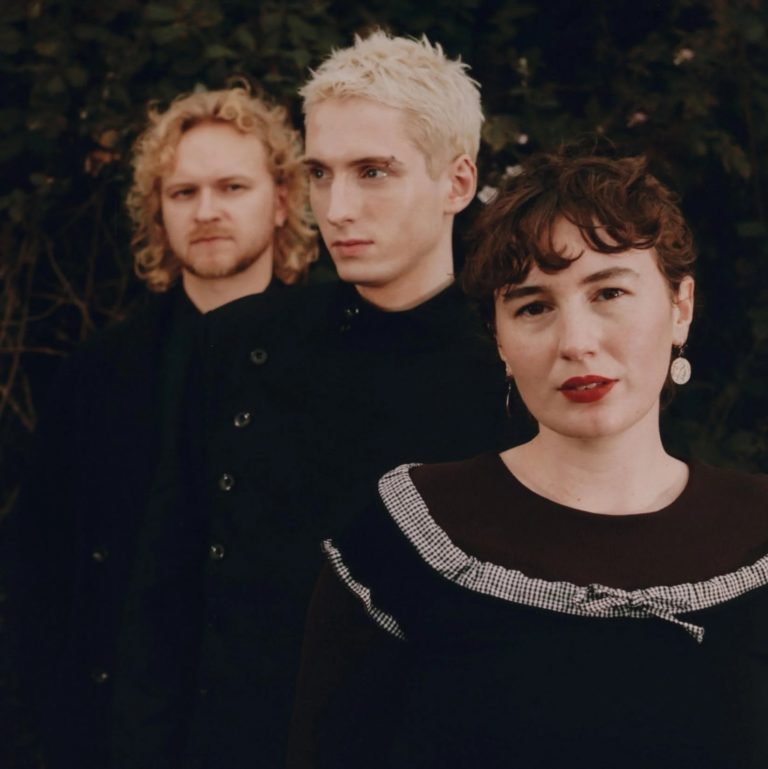
Dreampop Three-Piece deary Arrive Fully Formed on Debut Album ‘Birding’ and New Single “Alfie”

0

deary have been building toward this moment, and ‘Birding’ makes clear the wait was worth every second. The debut full-length from the dreampop three-piece is out now via Bella Union, and it’s the sound of a band who know exactly who they are and what they’re making.

New single “Alfie” arrives alongside a beautifully shot video directed by Limb, and it’s a remarkable piece of music. What began as a tender ode to guitarist Ben Easton’s family dog who had just passed, an emotional release of the reins of childhood, blossomed into a Sigur Rós-style wall of intricately crafted noise that runs 7 and a half minutes and earns every one of them.

‘Birding’ spans 11 tracks that move from soaring shoegaze riffs to cloud-light sprinkles of ethereal indie, following lead single “Seabird,” which drew acclaim from Stereogum, Clash, The Line Of Best Fit, BrooklynVegan, and God Is In The TV. The album was self-produced by the band in collaboration with longtime collaborator Iggy B, a decision that paid off completely.

The title carries real meaning. Singer and guitarist Dottie Cockram explains: “You find these beautiful images of birds that represent hope, but they’re also animals. Some of them, like vultures and crows, are a sign of death to some people. They represent all these different elements, which I think sum up a lot of the album.”

Ben frames the album’s emotional core directly. “The album is all about human consequences. Consequences on each other, our own minds, on mental health, on nature. It goes with the vulnerability of our inner selves, or the child in us, which pairs with the album art, a kid trying to fly.”

deary came together during COVID lockdown, with Ben stepping away from the southeast London scene to write more emotional, introspective music. A mutual friend brought Dottie in during 2021, and the pair bonded immediately over a shared love of Cocteau Twins, Slowdive, and My Bloody Valentine. Drummer Harry Catchpole joined later, completing the lineup that recorded ‘Birding’.

Dottie captures the band’s evolution with precision. “Our last EP was us trying to be deary,” says Ben, “and this album is us being deary.” That distinction comes through in every corner of ‘Birding’. It’s a confident, emotionally rich debut from a band fully in command of their sound.

‘Birding’ Tracklist:

  1. Smile
  2. Seabird
  3. Baby’s Breath
  4. Gypsophila
  5. Blue Ribbon
  6. Garden Of Eden
  7. Alma
  8. No Sweeter Feeling
  9. Terra Fable
  10. Alfie
  11. Birding

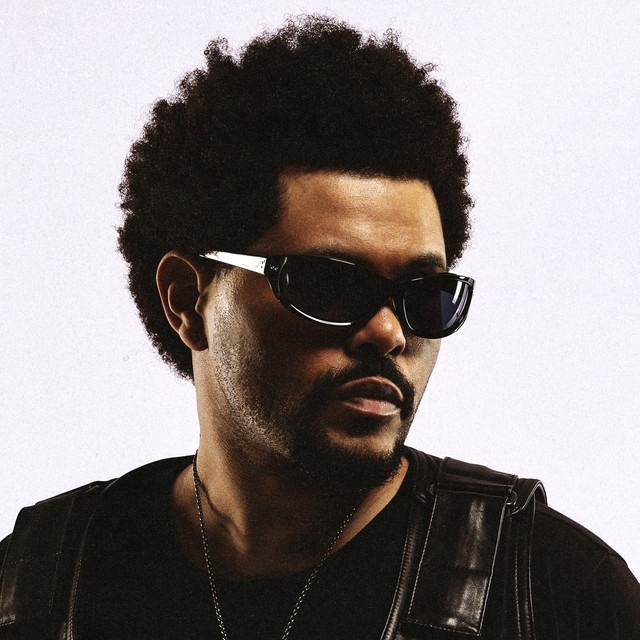
How The Weeknd Built a Dark Pop Empire

Abel Makkonen Tesfaye was born on February 16, 1990, in Scarborough, Ontario, raised by his Ethiopian mother and grandmother, largely without his father — a void that later echoed through his lyrics. At 17, he dropped out of high school, left home, and started couch-surfing around Toronto while writing songs nobody had heard yet. He began releasing music anonymously in 2009, with a collection of leaked demos simply titled “The Noise.” Tracks like “Love Through Her” and “Material Girl” attracted interest from listeners online, establishing the dark R&B sound and hedonistic themes The Weeknd would become known for. He uploaded songs to YouTube without a photo, without a press release, and without a name anyone could attach to a face. The mystery was not a marketing strategy. It was just how he operated.

What happened next was one of the most organic rises in modern music history. In 2011, Tesfaye capitalized on the buzz generated by his first releases by putting out a flurry of additional mixtapes — ‘House of Balloons’, ‘Thursday’, and ‘Echoes of Silence’ — which he would later repackage into the platinum compilation album ‘Trilogy’. The Weeknd’s first entry on the Billboard Hot 100, the haunting “Wicked Games,” opened with waves crashing and his signature falsetto layered on top. The painful but alluring lyrics, plucked straight out of the Tumblr generation where he thrived, earned the track triple platinum status. ‘House of Balloons’ was never even intended to be an R&B project — its architects called heavily upon dream pop and post-punk to lay the groundwork for what would become one of popular music’s most successful disruptors. The underground loved it immediately and the mainstream was about to catch up.

The transition from cult favourite to global force happened album by album, each one a deliberate expansion of the sonic and commercial territory he was willing to claim. ‘Beauty Behind the Madness’ in 2015 launched him into stadiums. ‘Starboy’ in 2016 refined the sound with Daft Punk and delivered one of the defining pop records of the decade. Then came ‘After Hours’ in 2020, and with it, “Blinding Lights” — the first song to reach five billion streams on Spotify. His Super Bowl LV halftime show in 2021 drew 96.5 million viewers, blending spectacle with personal narrative in a performance that felt less like a halftime show and more like a cinematic statement. He has become the architect of modern pop’s darker, more cinematic turn.

What separates The Weeknd from his contemporaries is not just the music but the world-building. Every album era arrives with its own visual identity, its own emotional logic, its own colour palette. The bandaged face of the ‘After Hours’ era. The radio static of ‘Dawn FM’. ‘Hurry Up Tomorrow’ in 2025, which dropped alongside a film starring Jenna Ortega and Barry Keoghan, capping the trilogy and expanding his storytelling into a full multimedia universe. After spending 15 years building his reputation as the dark prince of pop, he is now in the process of making a major career shift, dropping The Weeknd stage name in favour of his real name, Abel Tesfaye. It is exactly the kind of move that makes sense for an artist who has never been interested in standing still.

In 2025 alone, his total streams exceeded 20 billion globally. He has notched ten number-one hits on the Billboard Hot 100. He has sold over 120 million records worldwide and built a career estimated at $300 million. None of those numbers, impressive as they are, quite capture what he actually did. He took the darkest corners of R&B, the loneliest hours of the night, the parts of human experience that pop music usually polishes away, and he put them at the centre of some of the biggest songs of the last fifteen years. His ability to evolve — from the hazy drug anthems of ‘House of Balloons’ to the polished pop of ‘Dawn FM’ — keeps him ahead of trends he helps create. That is not an accident. That is a career built exactly the way he intended, from the very first anonymous upload in a city where nobody knew his name yet.

Marcia Lucas, Oscar-Winning Editor Who Helped Shape Star Wars, Dies at 80

0

Marcia Lucas, the Academy Award-winning film editor whose contributions to Star Wars and some of the most important films of the 1970s helped define an era of Hollywood filmmaking, died on May 27, 2026 at her vacation home in Rancho Mirage, California. She was 80. The cause was metastatic cancer.

Born Marcia Lou Griffin on October 4, 1945 in Modesto, California, she came to film editing not through any formal training but through persistence and instinct. She started as an apprentice film librarian with no experience, worked her way up to assistant editor by the time she was twenty, and spent eight years in the Motion Picture Editors Guild apprenticeship before earning her full editor’s credit. By the time Hollywood’s most consequential decade came around, she was ready for it.

Her editing credits read like a syllabus for 1970s American cinema. She edited Martin Scorsese’s Alice Doesn’t Live Here Anymore in 1974, brought her supervising touch to Taxi Driver in 1976 and New York, New York in 1977, and received an Academy Award nomination for her work on American Graffiti in 1973. Filmmaker John Milius, who worked alongside her during that period, called her one of the best editors he knew — not one of the best women editors, one of the best editors, full stop.

But it is Star Wars that defines her legacy, and not simply because of the Oscar it earned her. When the first rough cut of the film was screened and director John Jympson was fired, it was Marcia who was brought in to salvage it alongside Richard Chew and Paul Hirsch. She was specifically tasked with the Battle of Yavin sequence — the climactic Death Star assault that determines whether the entire film works or fails. George Lucas later estimated it took her eight weeks to cut that battle alone, working through 40,000 feet of dialogue footage to build what became one of the most thrilling sequences in cinema history. She also gave the film something it badly needed and might not otherwise have had: she warned George that if the audience didn’t cheer when Han Solo arrived in the Millennium Falcon at the last moment, the picture didn’t work. She was right, and the scene was fixed. At the 50th Academy Awards, she won the Academy Award for Best Film Editing for Star Wars alongside Chew and Hirsch.

Her contributions extended beyond the cutting room. It was Marcia who suggested to George that Obi-Wan Kenobi should be killed off and return as a spiritual guide to Luke rather than simply escaping through a blast door — a narrative decision that fundamentally changed the emotional architecture of the film. After viewing the rough cut of Raiders of the Lost Ark, she identified that the ending lacked emotional closure because Marion was absent, which led directly to George shooting the final scene that completed the story. When Return of the Jedi went into production in 1982, she came back as one of three editors on the film, handling what George described as the emotional dying and crying scenes that gave the trilogy its heart.

She and George Lucas married on February 22, 1969 and divorced in 1983, after which she stepped away from the industry to raise her family. She had been clear-eyed about her work, about its value, and about the ways in which it was sometimes overlooked. When people called George the head of Star Wars and Marcia its heart, she pushed back with characteristic honesty: “I definitely made scenes work. I made the end battle work. I definitely had a lot to do with making it work. But I wasn’t the writer and I wasn’t the director.” She knew exactly what she had done, and she knew exactly what she hadn’t, and she had no interest in inflating either.

The films she worked on are still being watched. The galaxy she helped build is still standing. That is the measure of a career.

She is survived by her daughters Amanda and Amy.

How to Get a Music Grant in Canada

Canada is one of the best countries in the world to be an independent musician, and a big part of the reason is the grant system. While artists in most countries are left entirely to fend for themselves, Canadian musicians have access to a network of public and private funding bodies that can cover recording costs, touring, video production, marketing, and artist development. Making music is an expensive endeavour. Releasing an album that has an impact requires hiring a producer, booking a studio, paying for musicians, PR, marketing, and so many costs which can add up to an overwhelming dollar amount. Luckily, in Canada, we are fortunate to have access to the Canadian grant system. The money is there. The question is how to get it.

Start With FACTOR

For most Canadian musicians, FACTOR — the Foundation Assisting Canadian Talent on Recordings — is the first and most important stop. FACTOR is Canada’s primary music industry grant program, delivering the federal Canada Music Fund through multiple streams for Canadian artists, labels, and music companies. Programs cover sound recording up to $67,500 per album, live performance touring up to $75,000, music video production up to $30,000, and artist development up to $5,000. The program covers up to 75% of eligible costs. That is a significant amount of money for an independent artist, and it is not theoretical — thousands of Canadian musicians access it every year. Quebec-based French-language artists should apply to MUSICACTION instead. Before you apply to anything, build your FACTOR Artist Profile with your genre, discography, streaming stats, and audience metrics, because FACTOR assigns a rating that determines which programs you can access, and higher ratings unlock higher-value programs.

Canada Council for the Arts

The Canada Council for the Arts is Canada’s public arts funder, and in 2024-25, more than 3,000 Canadian artists, 390 groups, and 1,950 arts organizations received Canada Council grants. The Canada Council’s Explore and Create program supports up to $75,000 for artistic creation with rolling deadlines before project start. The Canada Council tends to reward artists with a clear artistic vision and a demonstrable track record, so it is worth building your application file before diving in. The good news is that grants are now organized into streamlined programs, making it easier than before to identify where you actually fit.

Provincial and Municipal Funding

Do not stop at the federal level. Organizations like SOCAN, Ontario Arts Council, Canadian Starmaker Fund, Toronto Arts Council, and more are supporting Canadian artists by helping to fund their projects. Every province has its own arts council with its own programs, deadlines, and eligibility criteria. The Ontario Music Fund supports music companies and organizations specifically. SaskMusic, Music BC, Music Nova Scotia, and equivalent bodies across the country offer regional programs that are often less competitive than the national ones, which means your chances of success are meaningfully higher. Stack these with federal funding where possible — there is no rule against holding multiple grants simultaneously.

Write the Application Like a Professional

The money exists. The harder part is writing an application good enough to get it. FACTOR’s communications team is direct about what they want: your plan should be really specific, with realistic and achievable goals, and not too long. There is only so much time jurors can dedicate to one application, so get your point across quickly and professionally. For FACTOR’s juried programs, which are incredibly competitive, it is important to be very specific when you outline your goals, upload assessment tracks that showcase your best work, proofread your application, and not leave anything blank. If you have any questions, call your Project Coordinator. That last point matters more than most applicants realise — FACTOR’s Project Coordinators exist specifically to help you succeed, and picking up the phone is free.

The Single Biggest Mistake

The most common mistake first-time applicants make is applying to every program they find rather than targeting two or three that genuinely match their situation. The average application takes 40 to 80 hours to prepare, most competitive programs have 15 to 30% success rates, and the single biggest factor in success is not writing quality — it is program selection. Applying to two or three well-matched programs dramatically outperforms submitting ten generic applications. Read the eligibility requirements carefully before you invest a single hour of writing time. Confirm that you qualify before you start, track all deadlines obsessively, and treat every application like the professional document it is. The artists who get funded in Canada are not necessarily the most talented ones in the room. They are the most prepared.

How Belfast Became a World-Class Music City

0

Belfast was designated as a UNESCO City of Music in November 2021, becoming the first city on the island of Ireland to receive the accolade. This prestigious status celebrates the city’s rich musical heritage — ranging from traditional Irish and folk to punk, rock, and electronic music. But the designation did not create a music city. It recognised one that had been building, note by note, for well over a century.

It Began Long Before Anyone Was Paying Attention

Belfast’s musical story does not start with any single moment or any single artist. It starts with the marching bands and the folk sessions and the church halls, with the deep roots of traditional Irish music that never stopped running beneath the surface of the city regardless of what was happening above it. The McPeake family from West Belfast gave the world their timeless ballad “Wild Mountain Thyme.” Flautist James Galway came out of the Shore Road marching band tradition to win worldwide acclaim. Ruby Murray, born on the Donegall Road in 1935, scored ten hits in the UK Singles Chart between 1954 and 1959, and made pop chart history in March 1955 by having five hits in the Top Twenty in a single week. Belfast was producing world-class musicians long before the world had a label for what it was doing.

Van Morrison Made the Streets Into Mythology

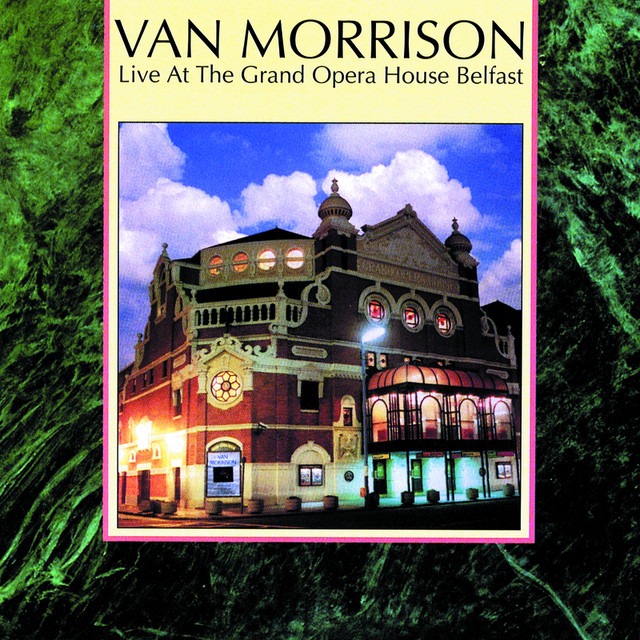
At 125 Hyndford Street in Belfast, there lived a little boy called George. He loved music and would listen to pirate radio stations late into the night as the sounds of the Mississippi Delta floated over the East Belfast skyline. As a teenager, he started writing songs himself, joined a band that sent their peers crazy in those smoky black and white days of the 1960s in places like the Maritime Hotel and Sammy Houston’s Jazz Club. He shortened his second name Ivan to Van, went to America, and a superstar was born.

Van Morrison turned the streets of Belfast into something magical, with Cyprus Avenue just as mythical a place as The Eagles’ Hotel California or Sinatra’s New York, New York. That is a significant achievement for any city. When a songwriter turns your streets into mythology, you have earned a permanent place in music history.

Punk Arrived and Gave the City a Voice

By the mid-1970s, Belfast was living through the worst years of The Troubles, and the pressure produced something remarkable. Good Vibrations, founded in 1976 by Terri Hooley, served as a voice of defiance, offering an escape from violence where people didn’t care about sectarian labels. It released “Teenage Kicks” by The Undertones — a track that legendary DJ John Peel loved so much he played it twice in a row. Stiff Little Fingers wrote “Alternative Ulster” as a direct challenge to the militarised streets they were living on. The punk scene put Belfast music on the world stage in the seventies and eighties in a way that no marketing campaign could have manufactured. It was real, it was urgent, and it was heard.

Peace Unlocked a New Era

After the Good Friday Agreement in 1998, Belfast’s music scene did not just survive — it accelerated. Snow Patrol’s Gary Lightbody said he had watched, in those 25 years of relative peace, the music scene grow and then thrive and now burst at the seams with fearless and limitless talent. “Belfast’s heart beats fervidly with music,” he said.

Two Door Cinema Club and Snow Patrol made waves around the globe, changing up the indie and rock scenes. EDM favourites Bicep headlined the annual AVA festival in their home town. David Holmes, a cornerstone of the city’s 1990s club culture, went on to score major films including the Ocean’s trilogy, exporting a Belfast sensibility to cinema worldwide. The city was producing excellence in every genre simultaneously.

The UNESCO Designation and What It Really Means

When Belfast was awarded UNESCO City of Music status, its patrons Gary Lightbody and pioneering electronic composer Hannah Peel had helped win the bid. Peel’s response to the news set the terms perfectly. “We are so much more than just Van Morrison and The Undertones,” she said. “There is female-empowered punk, new wave, Brit-nominated EDM, jazz and an abundance of classical music that runs through the veins of this city. Yet to the wider world it is all unheard of, underground, eclipsed by its past but still supplying a pulse and vibrancy that needs to be lauded.”

Being a UNESCO City of Music is not just about looking back at the names that have shaped Belfast’s musical legacy. It is about looking forward — about supporting the next generation of creators who are pushing boundaries. The commitment is clear: continue to invest in the music industry, support local venues and festivals, and create opportunities where artists can grow and share their work.

And Now, the Fleadh

Belfast is hosting Fleadh Cheoil na hÉireann for the very first time this August, from August 2 to 9, 2026 — the largest celebration of traditional Irish music in the world, coming to Ireland’s only UNESCO City of Music. It is not a coincidence. It is the culmination of everything this city has been building toward. The traditional music sessions that run seven nights a week at Kelly’s Cellars and Madden’s. The Ulster Orchestra at the restored Ulster Hall. The Oh Yeah Music Centre nurturing artists who haven’t made headlines yet. The punk records, the folk ballads, the electronic producers, the street sessions. All of it is the same story. Belfast did not become a world-class music city. It always was one. The rest of the world is finally showing up.

Fleadh Cheoil na hÉireann takes place in Belfast, August 2–9, 2026. For more information visit fleadhcheoil.ievisitbelfast.com, and discovernorthernireland.com.

UK Blues Award Winners The Zac Schulze Gang Bring Raw Power to 6-Date November Tour

0

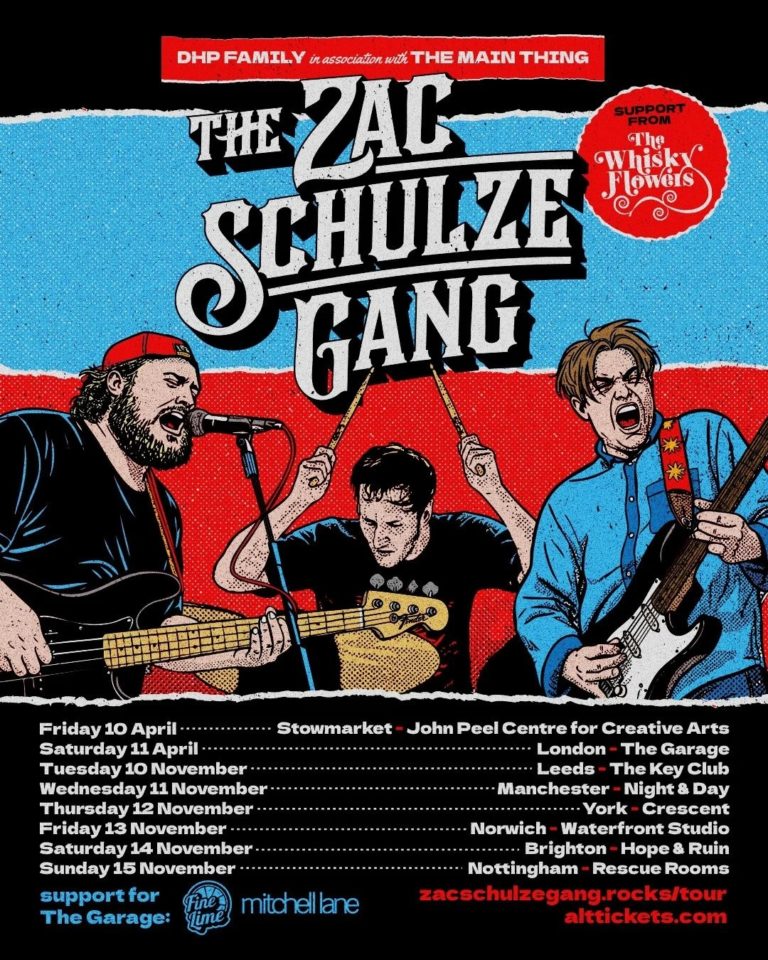
The Zac Schulze Gang have been building toward this, and November is when it all lands. The Kent-based blues-rock trio have announced a 6-date UK tour, tickets on sale now via alttickets.com and zacschulzegang.rocks/tour.

Winners of Young Artist of the Year at the UK Blues Awards 2025, following Zac Schulze’s Emerging Artist of the Year win at the same awards in 2024, the Gang have been on an upward trajectory that shows no signs of slowing. Sold-out shows in the Netherlands, Germany, and London’s legendary 100 Club have cemented their reputation as one of the most electrifying live acts working in this space.

Frontman and guitarist Zac Schulze plays with precision, speed, and passion, but this is very much a band built on collective chemistry. Drummer Ben Schulze and bassist Ant Greenwell generate a thunderous rhythm section behind him, and together the trio create a massive roar without ever losing sight of the song.

Their debut studio album ‘Straight To It’, released in September 2025, captures exactly what makes them special. It opens with “The Rocker,” whose breathless hooks function almost as a rallying call, before pushing through the blitzkrieg rush of “High Roller.” The record also makes room for the bright power-pop of “Angeline” and the soaring alt-rock anthem “Betterland,” demonstrating a range that goes well beyond straightforward blues-rock.

The influences running through their sound are serious ones. Rory Gallagher, Dr Feelgood, AC/DC, and Thin Lizzy on the classic side, Turnstile, Royal Blood, and Queens of the Stone Age on the contemporary end. It’s a blend of melody and muscle that gives ‘Straight To It’ real visceral energy throughout.

Rock News summed it up cleanly: “The Zac Schulze Gang are no ordinary blues-rock band; they’re an unstoppable force, poised on the brink of something extraordinary.” Metal Planet Music called them “a phenomenon in the making.” Both assessments feel accurate.

Festival appearances at Eric Clapton’s Crossroads in LA, Planet Rock’s Winter End, Fairport’s Cropredy Festival, and the Rory Gallagher Tribute Festival in Ballyshannon have introduced them to audiences well beyond their UK base. November gives those audiences a chance to see them up close.

November 2026 Tour Dates:

November 10 – Leeds, The Key Club

November 11 – Manchester, Night & Day

November 12 – York, The Crescent

November 13 – Norwich, Waterfront Studio

November 14 – Brighton, Hope & Ruin

November 15 – Nottingham, Rescue Rooms

Soul Trio The Womack Sisters Refuse to Wait on Powerful New Single “You Went Away Too Long”

0

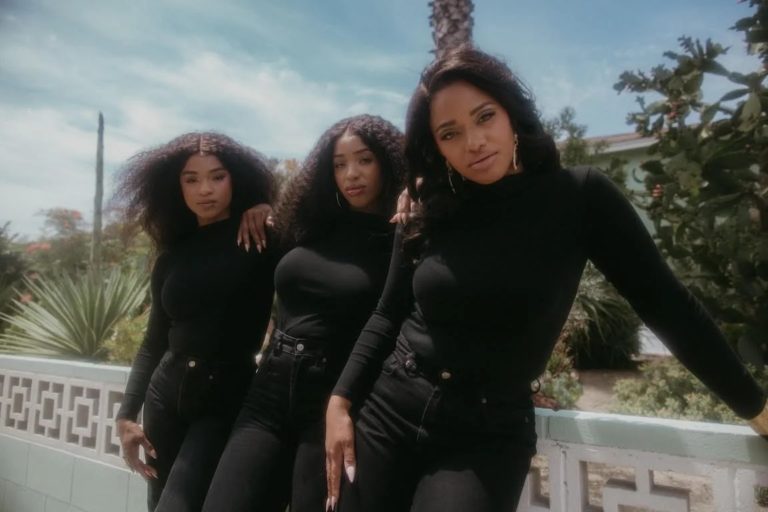
The Womack Sisters arrive with a single that hits like a memory you can’t shake. “You Went Away Too Long,” out now on Daptone Records, is a beautifully constructed R&B track that moves through grief, longing, and hard-won confidence with the kind of effortless control that only comes from singers who have lived every note. Listen here.

The track opens with a dark herald of horns, orchestral chimes, and percussion groove before settling into a tender, melancholy first verse. Then the mood shifts. When BG, Zeimani, and Kucha lock into the haunting unison chorus, the vulnerability gives way to something fiercer, 3 women who know exactly what they’re worth and have run out of patience waiting for it.

The Sisters explain the song’s personal weight. “Imagine precious time stolen from your life, slipping away like sand through an hourglass, as your loved ones slowly forget the sound of your laughter. ‘You Went Away Too Long’ is a song about love and life interrupted.”

Produced by Gabriel Roth, aka Bosco Mann, the Daptone co-owner who has been in their corner since 2016, the single follows 2 previous releases that established the trio as one of the most exciting new acts in the Daptone universe. Debut single “I Just Don’t Want You (To Say Goodbye)” is a deeply soulful ballad, while “If You Want Me” showcases their pop-sensible control and uncompromising rawness in equal measure.

The backstory is extraordinary. Kucha, Zeimani, and BG grew up singing behind their parents and their uncle, the legendary Bobby Womack, on stages and in studios across London, Thailand, Amsterdam, Kenya, West Virginia, and the Bahamas. BG carries a direct bloodline to the iconic Sam Cooke, and his uncanny ability to move between pristine pop runs and bluesy gospel growls runs straight through her voice.

As a trio, their 3 distinct voices function as a single instrument. Kucha brings a pure soulful tone with gritty sweetness. Zeimani’s voice is rich, sultry, and capable of moving from a moan to a squall with silky smoothness. BG anchors it all with a range that seems genuinely boundless. Together, they trade leads and blend into harmonies that only sisters can pull off.

This summer, The Womack Sisters support Daptone label-mates Thee Sacred Souls across North American amphitheaters, and on August 14 they open for Al Green at the Hollywood Bowl. Both opportunities feel entirely earned.

Upcoming Dates:

August 14 – Los Angeles, CA, Hollywood Bowl (opening for Al Green)

Irish Folk Songwriter Ó hEaráin Finds Beauty in Farewell With New Single “On My Mind”

0

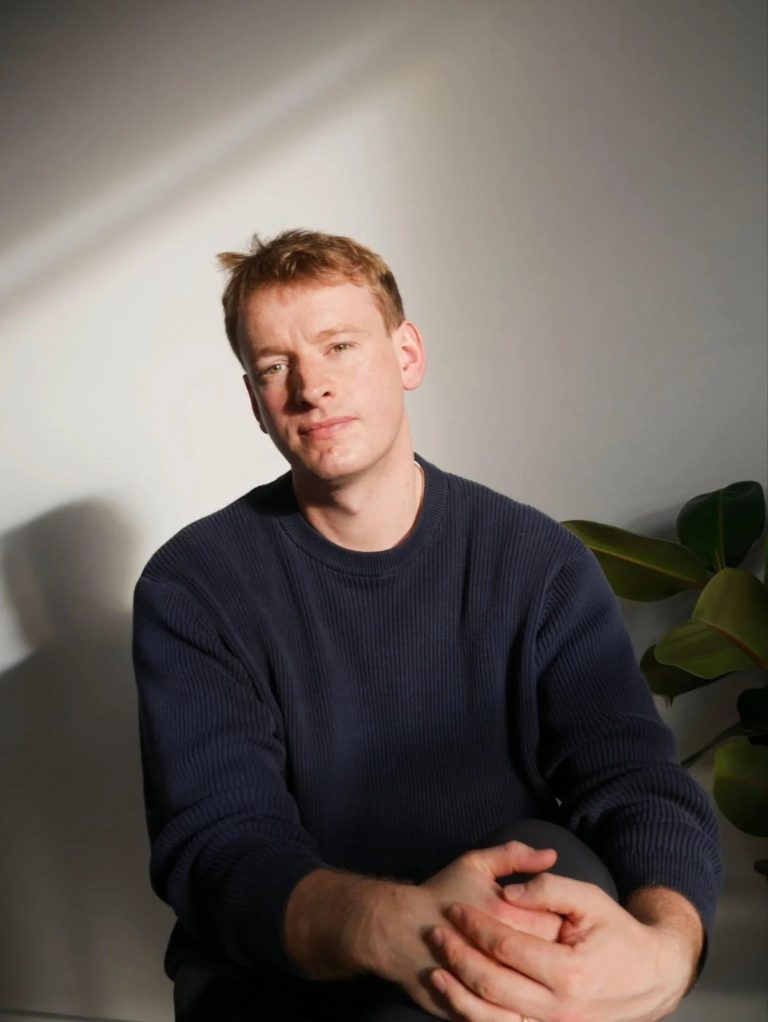
Kevin Herron writes from places most songwriters avoid, and “On My Mind” goes straight to one of the most universal human experiences there is. Released under his Ó hEaráin project, the new single is a folk meditation on love, memory, and the quiet acceptance that comes at the end of a life well lived.

The song opens with a simple, captivating acoustic guitar melody before gradually unfolding through emotive slide guitar and spacious, understated arrangements. It’s the kind of production that trusts the material completely, leaving room for the emotional core to do its work without interference.

Herron is direct about what the song is trying to say. “On My Mind is a love song written from the perspective of someone approaching the end of life. Despite the somber theme, I think the music and melodies create an uplifting and reflective feel, anchored in the belief that we will see them again.”

That belief carries the track. For all its weight, “On My Mind” doesn’t feel heavy. It feels generous, an ode to connection and continuity rather than loss.

Herron performs both acoustic and slide guitar on the recording, joined by vocalist Gráinne Gavigan, a longtime collaborator whose presence adds real warmth to the arrangement. Rounding out the session are Nick Scott on double bass, Laura McFadden on cello, and Eamon Ferris on drums, a group of respected Irish session musicians who bring exactly the right touch to a song that demands restraint.

Donegal-born and folk-rooted, Herron has built a quiet but impressive resume as a session musician alongside artists including Little Hours, Stephanie Rainey, and Clare Sands, and as a former member of Cork indie outfit Rowan. The Ó hEaráin project channels all of that experience into something more personal, more intimate, and more emotionally honest.

“On My Mind” blends folk songwriting with traditional Irish and Americana influences in a way that feels entirely natural. It’s a song that earns its feeling, and it lingers long after the final note.

The Maine Get Intimately Honest on New Single “Quiet Part Out Loud”

0

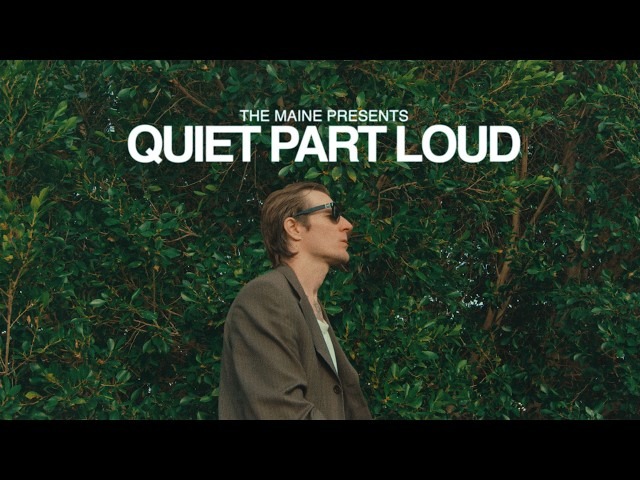
The Maine have always known how to make a song feel like a private conversation, and “Quiet Part Out Loud” is exactly that. The new single arrives alongside an official music video, and it’s one of the most immediate, emotionally direct tracks the band has released in years.

Frontman John O’Callaghan wrote the song with urgency as the driving force. “Some songs take months or years to write, and some take hours. This one came together quickly out of necessity, because time is sometimes not on your side. With that notion in mind, say what you want while you still can.”

That philosophy is all over the track. Martial drums and an enchanting vocal effect drive a pulsating, therapeutically intimate sound, with O’Callaghan pleading “talk to me just like there’s no one around.” It lands with the kind of quiet intensity the band does better than almost anyone working in this space.

“Quiet Part Out Loud” comes from ‘Joy Next Door’, The Maine’s latest studio album and arguably their most essential to date. True to the band’s meticulous approach to craft, the LP was written and recorded in sequential order, treating the album as a complete narrative rather than a collection of individual tracks.

Drummer Pat Kirch explains the visual identity behind the record. “Every album of ours has a color that represents it, and Joy Next Door is the green era. The green grass on the album art feels like it matches perfectly with the organic instrumentation and imperfections left intact on the album.”

Those imperfections are a deliberate choice, and they give ‘Joy Next Door’ a warmth and humanity that feels earned. The Maine have been doing this since 2008, with 9 studio albums, 5 of which charted on the Billboard 200, and over 1 billion global streams to their name. They’ve headlined their own 8123 Fest in Tempe and played Bonnaroo and Lollapalooza. The fanbase they’ve built is as dedicated as it gets.

“Quiet Part Out Loud” is a reminder of exactly why that connection runs so deep. It’s honest, precise, and genuinely moving.