Home Blog Page 4

How To Get Verified on Instagram in 2026

That little blue checkmark next to someone’s name on Instagram has meant different things at different times. For years it was a symbol of celebrity, reserved for the famous and the powerful. Then Meta changed the rules, and now the game is a little more democratic. Here’s everything you need to know about getting verified on Instagram in 2026, whether you’re an artist, a brand, a creator, or just someone who wants people to know you’re the real deal.

Beyond the status, there are genuinely practical reasons to want that badge. Verification helps Instagram users find real accounts and helps stop impersonation. If you’re a musician, a public figure, or a business, having someone impersonate you on Instagram is a real risk, and verification is one of the best defences against it. It also adds immediate credibility. When someone lands on your profile for the first time and sees that checkmark, they know they’re in the right place.

You can get a blue check either through a paid Meta Verified subscription or by proving you are a notable public figure. Meta Verified typically takes 48 hours, while notable figure applications can take up to 30 days.

Here’s how each one works.

This is the traditional route and the harder one to get approved for. To request a verified badge for your Instagram profile, you must be a public figure, celebrity, or brand and meet certain account and eligibility requirements.

Open the Instagram app and head to Settings. Navigate to Account type and tools, then Request Verification. Fill out the form with your full name and upload a government-issued ID for individuals, or official business documentation for brands. Choose your account category, then add supporting links that prove your public presence, including press coverage, your website, or other verified social profiles. Submit your application and wait. You’ll typically receive a decision within 30 days.

A fashion blogger with 15,000 followers and press coverage may have better odds than a business account with 100,000 followers but no media mentions. It’s about proof of presence, not just popularity.

Open the Instagram app, head to Settings, then Meta Verified, and select the account you want to verify. Pay the subscription fee, which differs by platform and region. You may be asked to submit a government-issued ID and possibly a selfie or video for identity matching. Once Meta verifies your identity, your badge will be granted, which can take less than 20 minutes. Because this is a subscription, if you cancel or fail to comply with Meta’s rules, you can lose verification.

Subscription pricing starts at $14.99 per month for the Standard plan, with higher tiers available at $49.99, $149.99, and $499.99 per month.

Press coverage is the single biggest factor. Instagram wants to see that you exist in the world beyond your own social media. Get your name in news articles, blogs, interviews, and media features. Make sure your profile is complete, consistent, and public. Link to your Instagram from your website and other platforms. And don’t make major changes to your username or profile photo right before you apply, as excessive changes to your account within a certain time period prior to applying can work against you.

If you get rejected, don’t give up. You can apply again in 30 days and use that time to strengthen your presence. Plenty of accounts don’t make it on their first try but get approved later.

Verification on Instagram in 2026 is more accessible than it’s ever been. Whether you go the free route by building a genuinely public presence or you take the Meta Verified subscription path, the blue checkmark is within reach for more people than ever. Either way, what it signals remains the same: you’re real, you’re here, and you mean business.
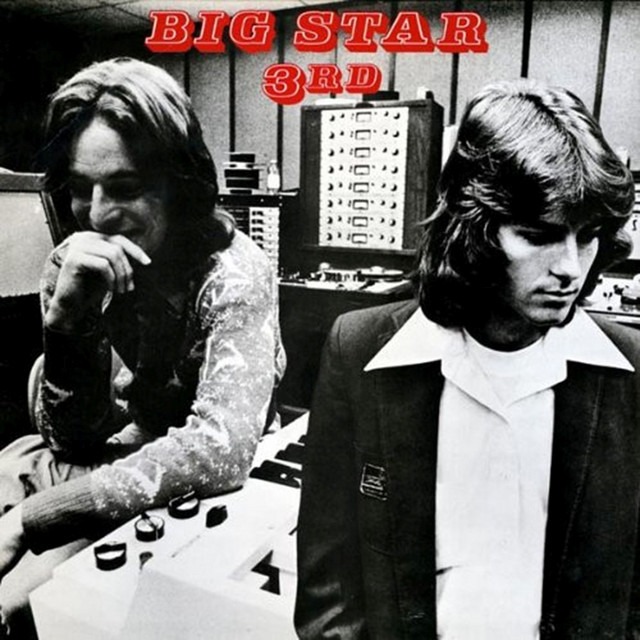
5 Surprising Facts About Big Star’s ‘Third’

0

There are albums that arrive too late, sound too strange, and carry too much personal wreckage to find their audience right away. Big Star’s ‘Third’ is the definitive example. Recorded in the fall of 1974 at Ardent Studios in Memphis, the album sat unreleased for nearly four years before PVC Records put it out in March 1978. By then, the band had already collapsed under the weight of commercial failure, personal deterioration, and the declining mental state of singer Alex Chilton. Rolling Stone placed it at number 285 on their 2020 list of the 500 greatest albums of all time, up from 449 in 2012. NME ranked it the number one heartbreak album of all time in 2000 and called it one of the darkest albums ever made. AllMusic described it as “among the most harrowing experiences in pop music.” Pitchfork gave it a perfect score. And yet for years, almost nobody heard it. Here are five facts that explain how this record came to exist, and why it sounds the way it does.

Alex Chilton Didn’t Consider It a Big Star Album, and the Session Sheets Prove It

According to Chilton, “We never saw it as a Big Star record. That was a marketing decision when the record was sold in whatever year that was sold. And they didn’t ask me anything about it and they never have asked me anything about it.” The session sheets from Ardent Studios back him up. They have the band name “Sister Lovers” clearly written on them, a reference to the fact that Chilton and drummer Jody Stephens were dating sisters Lesa and Holliday Aldridge at the time. Whether it was a joke or a genuine working title, the record was called something else entirely while it was being made.

Lesa Aldridge Was a Major Part of the Record, Then Alex Erased Her

Lesa Aldridge, a cousin of photographer William Eggleston who created the ‘Radio City’ album cover, contributed vocals throughout the sessions and was, in producer Jim Dickinson’s words, “a big, big part of the record.” Her relationship with Chilton was stormy, and at some point during or after the sessions, Chilton went back into the tapes and began removing her contributions. Dickinson described it plainly: “he started to go back and erase her — there was a lot more of Lesa on the album than there is now.” What survived of her presence is what you hear on the finished record.

The Sessions Were So Chaotic That the Studio’s Own Producer Called a Halt to “Escalating Madness”

Ardent’s John Fry, who had produced Big Star’s first two albums, was also involved with the third. According to biographer Bruce Eaton, Fry “finally called a halt to the escalating madness” and the album was mastered by Larry Nix on February 13, 1975. Severe personal issues burdened the sessions throughout. Chilton was in a turbulent relationship, disconnected from the direction of his own music, and surrounded by what Eaton described as “a large and revolving cast of Memphis musicians.” The album was mastered and then sat in a drawer for three years.

Steve Cropper and William Eggleston Both Played on the Record

The session musicians brought in during the recording extended well beyond the band’s core lineup. Steve Cropper, the guitarist whose work at Stax Records helped define an entire era of American soul music, contributed guitar to the album’s cover of the Velvet Underground’s “Femme Fatale.” William Eggleston, one of the most celebrated photographers in American art history, played piano on the cover of eden ahbez’s “Nature Boy.” Both were there because of personal connections to Chilton and the Memphis scene, not because of any conventional studio logic.

The Album’s Tribute Concert After Chilton’s Death Featured Members of R.E.M., Big Star, and the Posies

Alex Chilton died of a heart attack in New Orleans on March 17, 2010, at the age of 59, without health insurance and just days before a scheduled Big Star performance at South by Southwest in Austin. That show went ahead as a tribute, with Curt Kirkwood, Chris Stamey, M. Ward, Mike Mills of R.E.M., John Doe, Sondre Lerche, Chuck Prophet, Evan Dando, the Watson Twins, and original Big Star member Andy Hummel joining Jody Stephens on stage. Hummel himself died four months later. Stephens is now the sole surviving original member of the band.

5 Surprising Facts About The Modern Lovers’ Self-Titled Debut Album

Here’s a record that technically shouldn’t exist. The Modern Lovers’ self-titled debut was released in August 1976, but the tracks on it were recorded in 1971 and 1972, shelved by two separate record labels, and sat untouched for years before anyone thought to put them out. The band had already broken up by the time the album arrived. And yet it landed with the force of something completely new, pointing directly toward punk, new wave, and indie rock before any of those genres had names. Rolling Stone ranked it at number 288 on their list of the 500 greatest albums of all time. Pitchfork gave it 9.2 out of 10. Critic Ira Robbins of Trouser Press called it “one of the truly great art rock albums of all time.” The Sex Pistols covered one of its songs. David Bowie covered another. A Boston music venue was named after a third. Here are five facts about how this record actually came to exist.

The Album Was Released Four Years After It Was Recorded, by a Label That Had Nothing to Do With Making It

The original tracks were recorded in 1971 and 1972 for Warner Brothers and A&M, neither of which released them. The band signed with Warner Brothers, worked with John Cale, clashed over musical direction, watched sessions collapse, and eventually broke up in early 1974. Two years later, Matthew Kaufman of Beserkley Records took the old demo recordings, had them remixed, and released them as an album without any new sessions. The band that made the record no longer existed when it came out.

John Cale Produced the Sessions, But the Band Was Already Falling Apart Around Him

Cale, former member of the Velvet Underground, produced six of the album’s nine original tracks during April 1972 sessions in Los Angeles. By the time the band returned to California that summer to record a proper debut with Cale, personality clashes had taken hold and Jonathan Richman had shifted toward a mellower, quieter direction, pulling away from the aggressive sound Cale had captured on tape. The sessions were terminated before any new recordings were completed. What Cale had already recorded in April ended up being the album.

“Roadrunner” Was Nearly the Official Rock Song of Massachusetts, but Richman Campaigned Against It

“Roadrunner” reached number 11 on the UK singles chart in 1977, topped Rolling Stone’s list of the 50 Best Road-Trip Songs in 2025, and ranked number 77 on their 500 Greatest Songs of All Time in 2021. In 2013, then State Representative Marty Walsh introduced a bill to make it the official rock song of Massachusetts. Richman publicly opposed his own song receiving the honor, saying he didn’t think it was good enough to represent the state in any capacity. The Roadrunner music venue in Boston, which opened in 2022, is named after it anyway.

The Sex Pistols Covered “Roadrunner” as a Spontaneous Transition Out of a Chuck Berry Song

The Sex Pistols recorded a rough demo of “Roadrunner” in 1976, apparently sliding into it mid-performance from Chuck Berry’s “Johnny B. Goode,” which sits in the same key and at a similar tempo. The recording was overdubbed in 1978 and released in 1979 on ‘The Great Rock ‘n’ Roll Swindle.’ Johnny Rotten, who has stated he hates all music, named “Roadrunner” as his favourite song. In the recording, he forgets most of the lyrics.

“Pablo Picasso” Was Covered by David Bowie, John Cale, Jack White, and Burning Sensations for the Repo Man Soundtrack

The album’s fourth track, written by Richman and produced by Cale, has accumulated a remarkable cover history across five decades. John Cale recorded his own version for his 1975 album ‘Helen of Troy,’ releasing it before the Modern Lovers original came out. Burning Sensations put it on the 1984 ‘Repo Man’ soundtrack. David Bowie covered it on his 2003 album ‘Reality.’ Jack White recorded a live Spotify Singles version in 2018. The central joke of the lyric, that Pablo Picasso was never called an asshole, has proven remarkably durable.

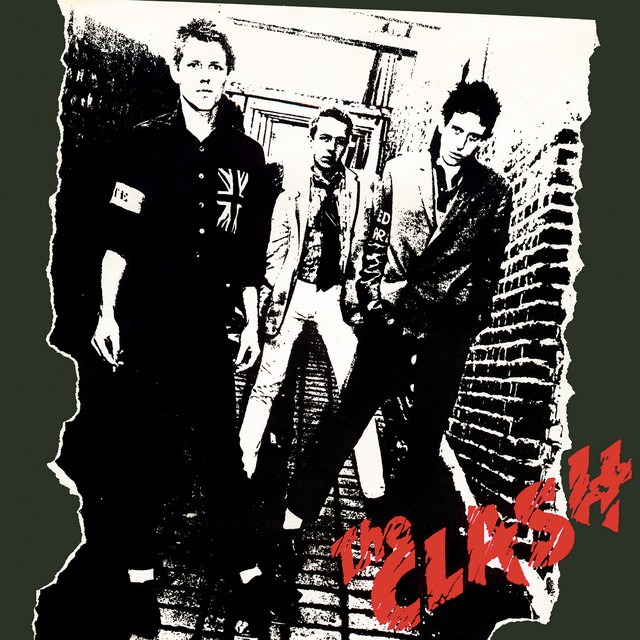
5 Surprising Facts About The Clash’s Self-Titled Debut Album

Released on April 8, 1977, The Clash’s self-titled debut cost £4,000, took three weeks to record, and arrived at the exact moment British punk was detonating everything that came before it. The band had already built a reputation as one of the most politically charged live acts in the country, and the album delivered on every promise. Robert Christgau called the UK version “the greatest rock and roll album ever manufactured anywhere.” NME placed it at number 13 on its all-time greatest albums list in 1993. Rolling Stone ranked it in the top 80 of their 500 greatest albums of all time. It influenced generations of bands across punk, post-punk, and alternative rock, and it did all of that while being refused a US release for two full years. Here are five facts about how it actually got made.

The Whole Album Was Conceived in Mick Jones’s Grandmother’s Flat

Most of the album was written on the 18th floor of a council high rise on London’s Harrow Road, in a flat rented by Mick Jones’s grandmother, who went to see their live concerts regularly. The album was then recorded and mixed over three consecutive Thursday-to-Sunday sessions at CBS Studio 3 in February 1977. By the third weekend, it was done. The tapes went to CBS at the start of March and the record was in shops six weeks later.

“Garageland” Was Written in Direct Response to a Critic Who Said the Band Should Go Back to the Garage With the Engine Running

The album’s closing track didn’t emerge from general frustration. It was a direct rebuttal. Charles Shaar Murray of NME had reviewed the Clash’s early appearance at the Sex Pistols’ Screen on the Green concert and written that “The Clash are the kind of garage band who should be returned to the garage immediately, preferably with the engine running.” The band wrote “Garageland” in response and made it the final track recorded for the album.

“Complete Control” Was Produced by Lee “Scratch” Perry Because He Heard Their Cover of His Song

Perry came across the Clash’s cover of “Police and Thieves,” a song he had produced for Junior Murvin, and was moved enough to put a photo of the band on the walls of his Black Ark Studios in Jamaica, the only white artist given that treatment. When the Clash learned Perry was in London producing for Bob Marley and the Wailers, they invited him to produce “Complete Control.” He agreed immediately. During the session, Perry reportedly blew out a studio mixing board trying to get a deep bass sound. The band later went back and adjusted the mix themselves to bring the guitars forward.

“Clash City Rockers” Was Secretly Sped Up Without the Band’s Knowledge, and They Fired the Producer for It

After recording, producer Mickey Foote increased the speed of the master tape by one semitone, a technique called varispeeding, because manager Bernie Rhodes felt the song sounded “a bit flat.” Strummer and Jones were in Jamaica when the altered version was finished. When they heard it, they fired Foote on the spot. With the exception of one reissue in 2000, every subsequent release of the song has used the original version at the correct speed.

Americans Didn’t Hear the Album Until 1979, But It Became the Best-Selling Import of 1977

CBS in America decided the debut was not radio friendly and declined to release it in the US. The album was available stateside only as an import for two years, during which time it sold over 100,000 copies and became the best-selling import album of 1977. When Epic finally released a US version in July 1979, they changed the track listing significantly, swapping out four songs and replacing them with non-album singles and B-sides. Robert Christgau, reviewing the US version, noted that while that release was excellent, the UK original remained “the greatest rock and roll album ever manufactured anywhere.”

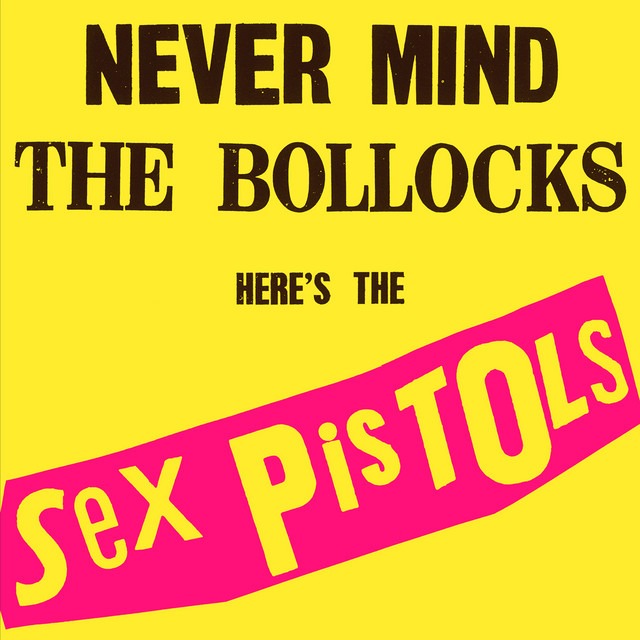
5 Surprising Facts About The Sex Pistols’ ‘Never Mind The Bollocks, Here’s The Sex Pistols’

One album. One band. One year that changed everything. The Sex Pistols only ever made one studio album, and the story of how ‘Never Mind the Bollocks, Here’s the Sex Pistols’ got made is as anarchic, accidental, and confrontational as the record itself. Here are five facts that go deeper than the mythology.

Sid Vicious Barely Played on the Album He’s Associated With

Sid Vicious is the face most people picture when they think of the Sex Pistols. He played bass on exactly two tracks, “Bodies” and “God Save the Queen,” and his playing on those was considered so inadequate that guitarist Steve Jones overdubbed the bass on most of what Vicious had recorded. Jones ended up playing bass on nearly every track on the album. When the band asked original bassist Glen Matlock to return for the sessions, he agreed on the condition of being paid first. Payment never came, so he never showed. Jones stepped in and, according to producer Chris Thomas, his playing was so satisfactory that he simply kept going.

“Pretty Vacant” Was Inspired by an ABBA Song

The main riff of one of punk’s defining anthems came from an unexpected source. According to Glen Matlock, who wrote the song, it was directly inspired by hearing “SOS” by ABBA. Matlock has also said the lyrics drew from Richard Hell’s “Blank Generation,” though he admitted he’d somewhat misunderstood what Hell’s song was actually about. The result was a track NME named their Single of the Year in 1977, built on a riff borrowed from Sweden’s most polished pop act.

Sid Vicious Walked Into a Queen Recording Session and Got Thrown Out by Freddie Mercury

During the sessions at Wessex Sound Studios, Vicious stumbled into a room where Queen were recording. He aimed an insult at Freddie Mercury, asking whether he’d “brought ballet to the masses yet.” Mercury stood up, responded “Aren’t you Simon Ferocious or something? What’re you gonna do about it?”, took Vicious by the collar and threw him out of the room. Queen’s producer Roy Thomas Baker later had a separate word with the Pistols’ engineer about Johnny Rotten crawling on all fours across their studio to the side of the piano, saying hello to Mercury, then crawling back out.

A University Professor Saved the Album From Being Banned by Arguing That “Bollocks” Was an Old Word for a Priest

When a Virgin Records shop manager in Nottingham was arrested for displaying the album cover, Virgin owner Richard Branson hired Queen’s Counsel John Mortimer as defence. Mortimer brought in Professor James Kinsley, Head of the School of English at the University of Nottingham, who argued in court that “bollocks” was a legitimate Old English term historically used to refer to a priest, and that in the album’s title it simply meant “nonsense.” The magistrates found the defendant not guilty while making clear they deplored “the vulgar exploitation of the worst instincts of human nature.” Johnny Rotten passed a note to lawyer Geoffrey Robertson during proceedings reading: “Don’t worry. If we lose the case, we’ll retitle the album Never Mind the Stones, Here’s the Sex Pistols.”

Nirvana’s Album Title Was Directly Inspired by the Sex Pistols Record

Kurt Cobain listed ‘Never Mind the Bollocks’ among his top 50 favourite albums, and Nirvana’s second album ‘Nevermind’ took its title as a direct nod to the Sex Pistols record. This reportedly angered John Lydon at the time. Rolling Stone journalist Charles M. Young said in 2002: “Never Mind the Bollocks changed everything. There had never been anything like it before and really there’s never been anything quite like it since. The closest was probably Nirvana, a band very heavily influenced by the Sex Pistols.” Noel Gallagher went further, saying of the album: “I made 10 albums and in my mind they don’t match up to that, and I’m an arrogant bastard. I’d give them all up to have written that, I truly would.”

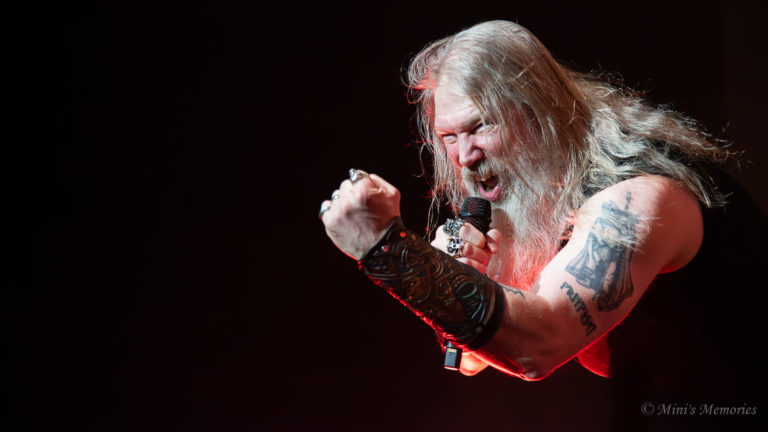
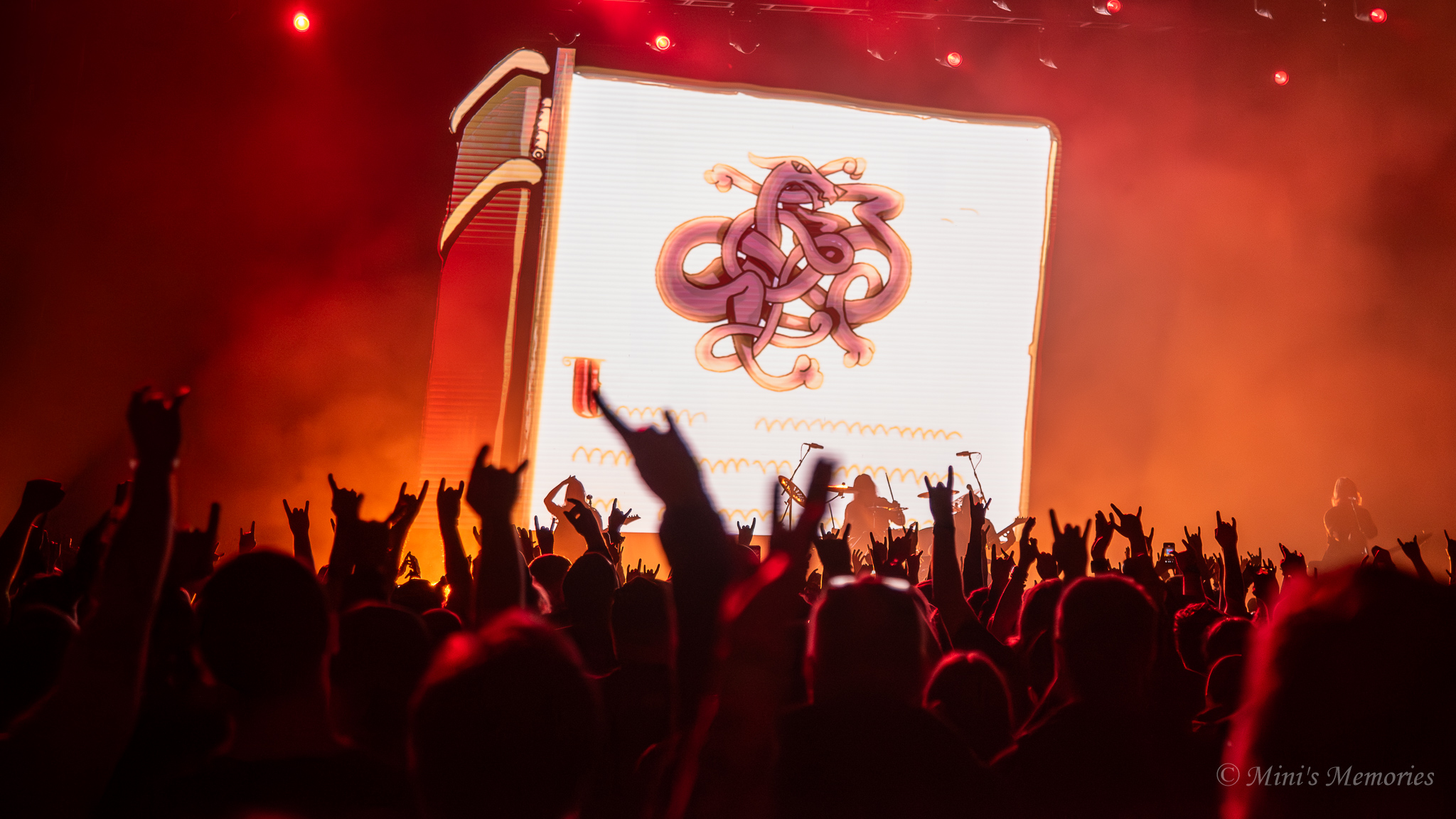
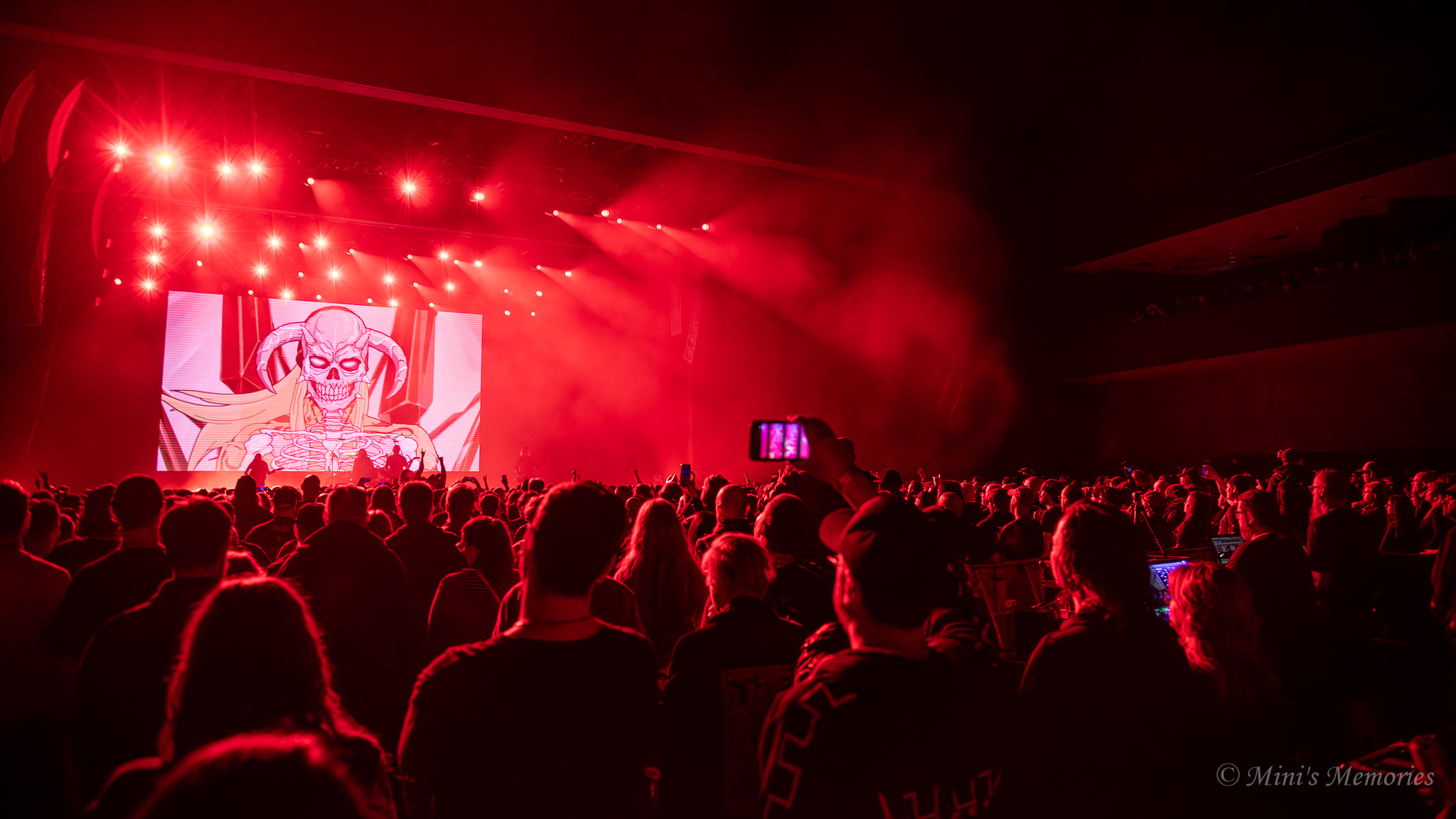
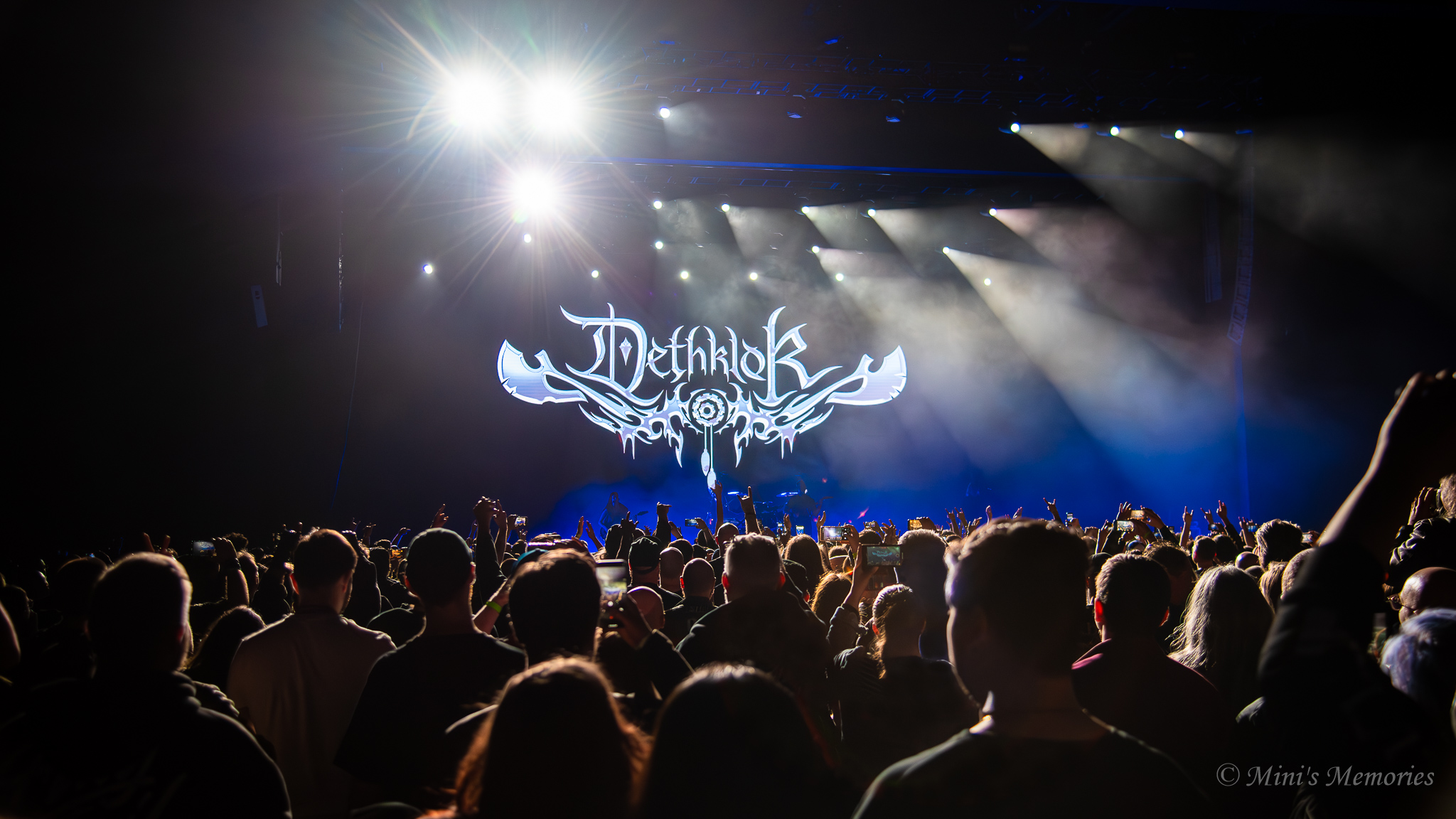
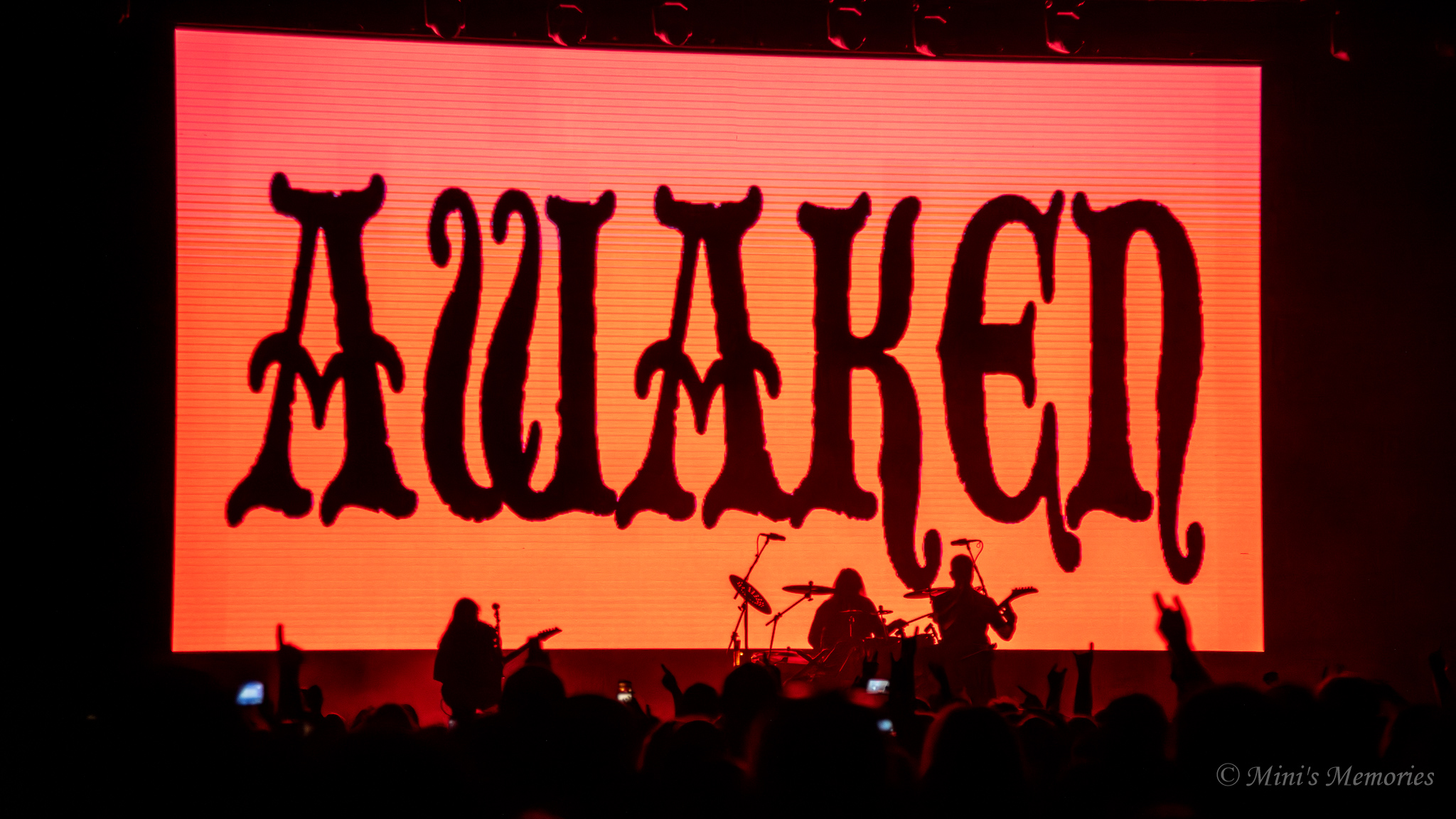
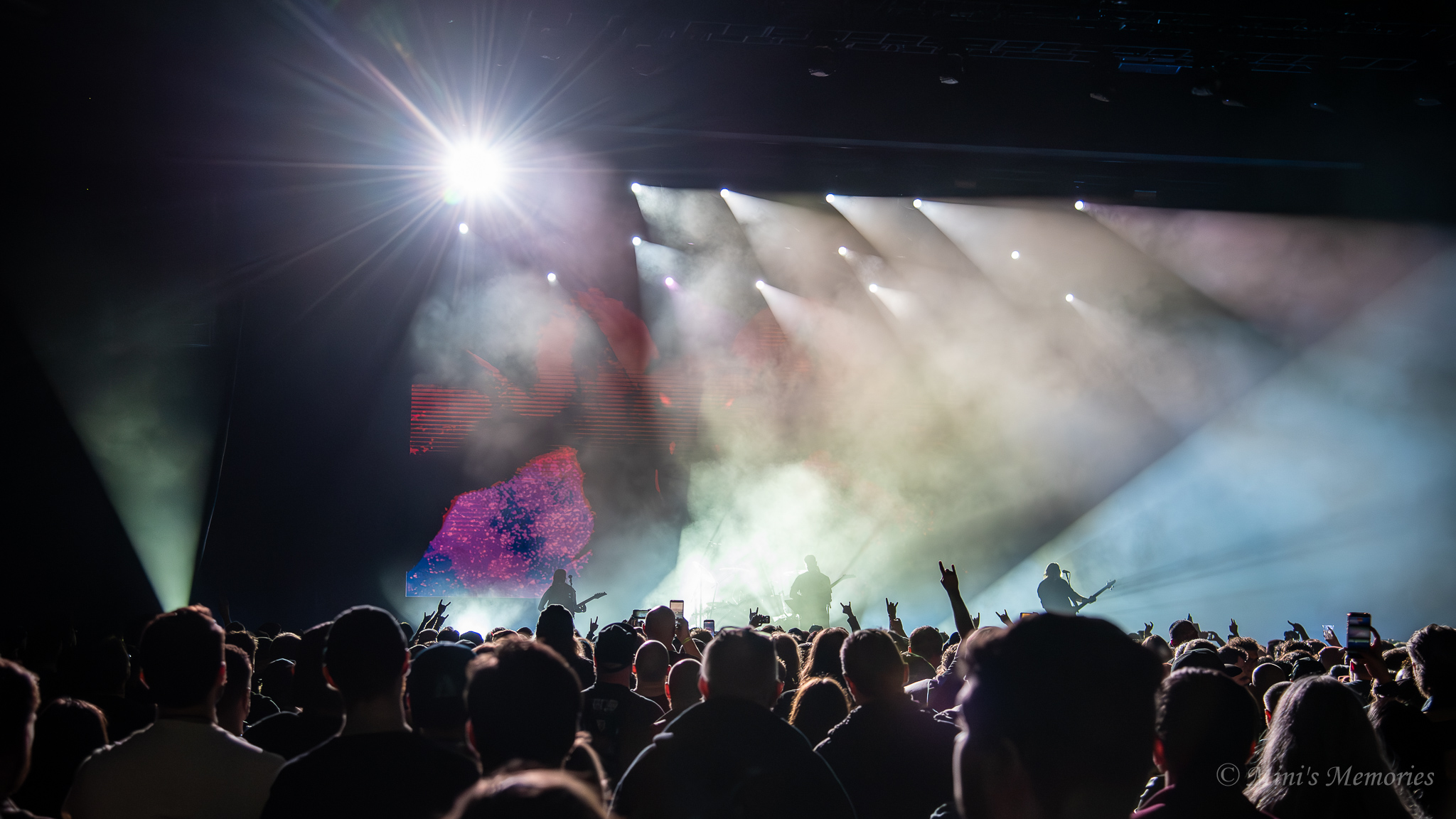
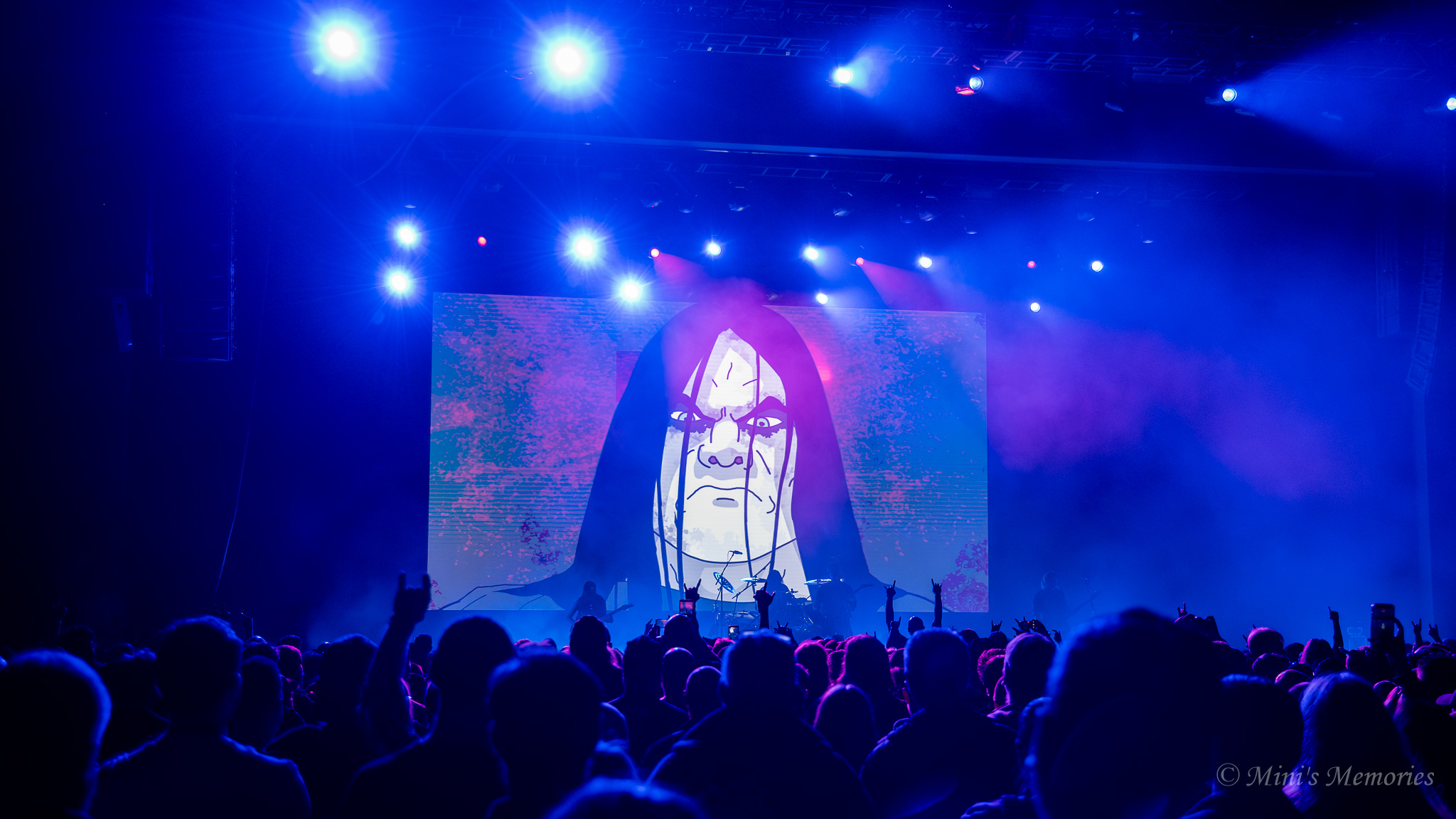
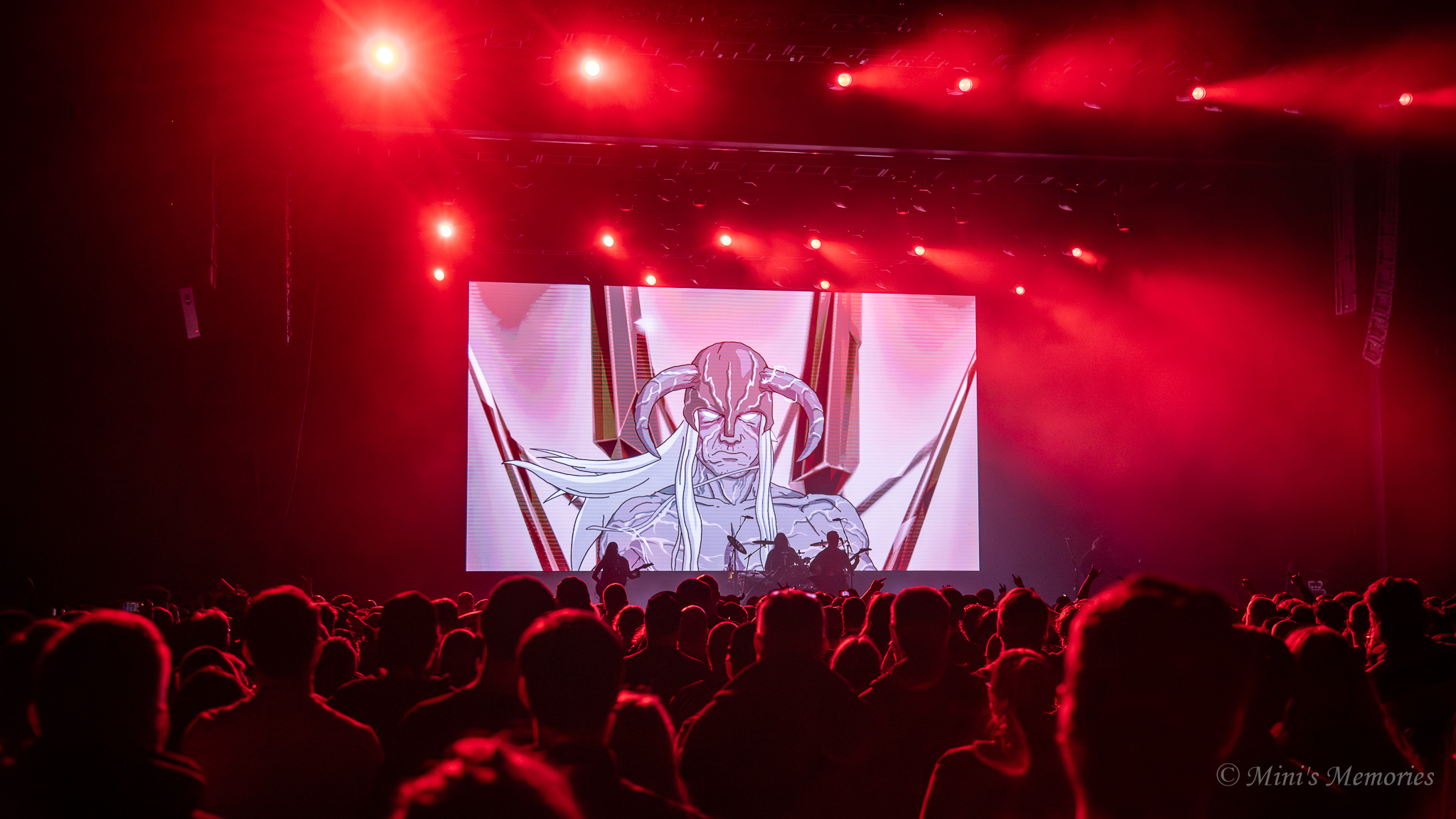
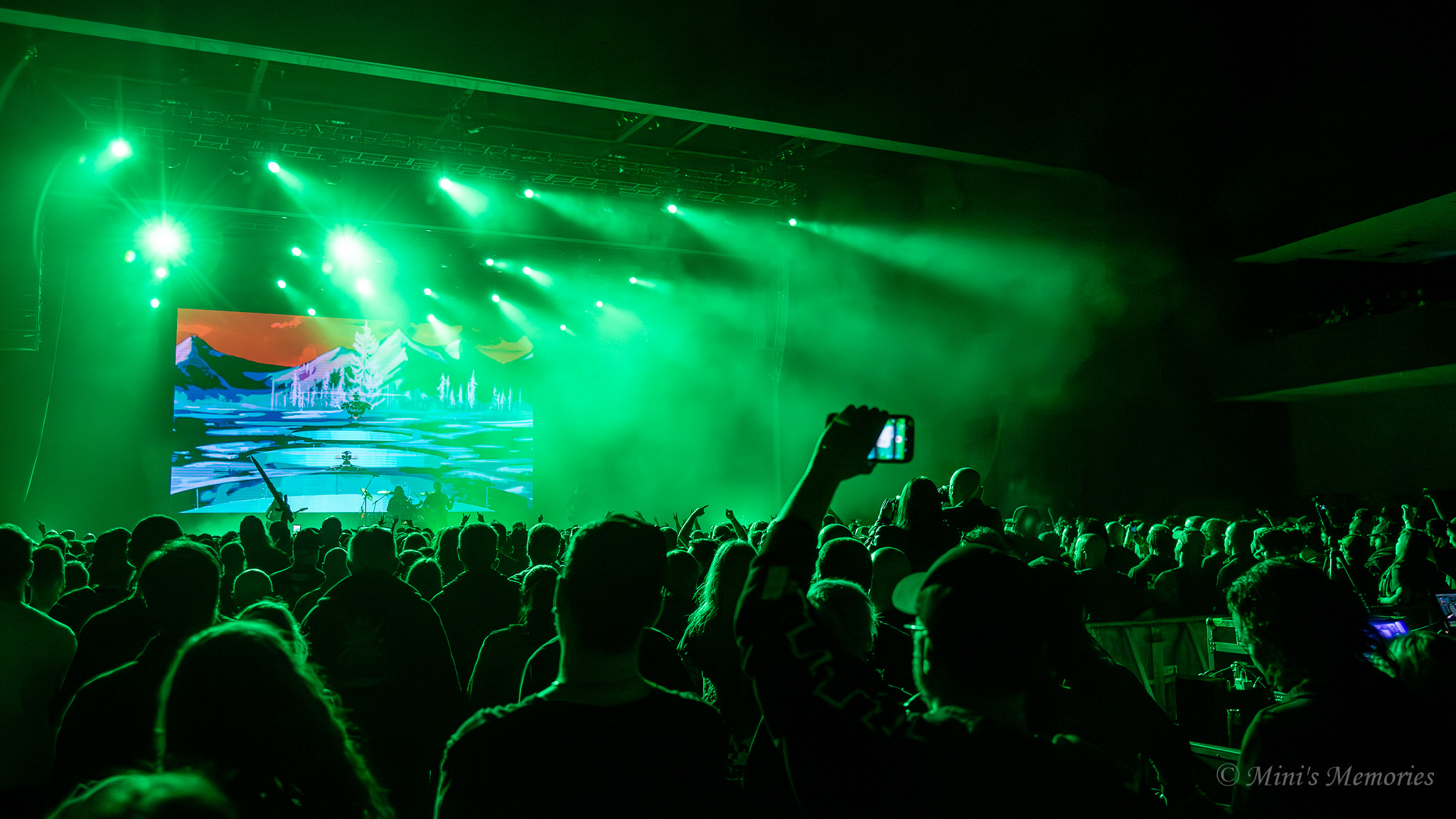
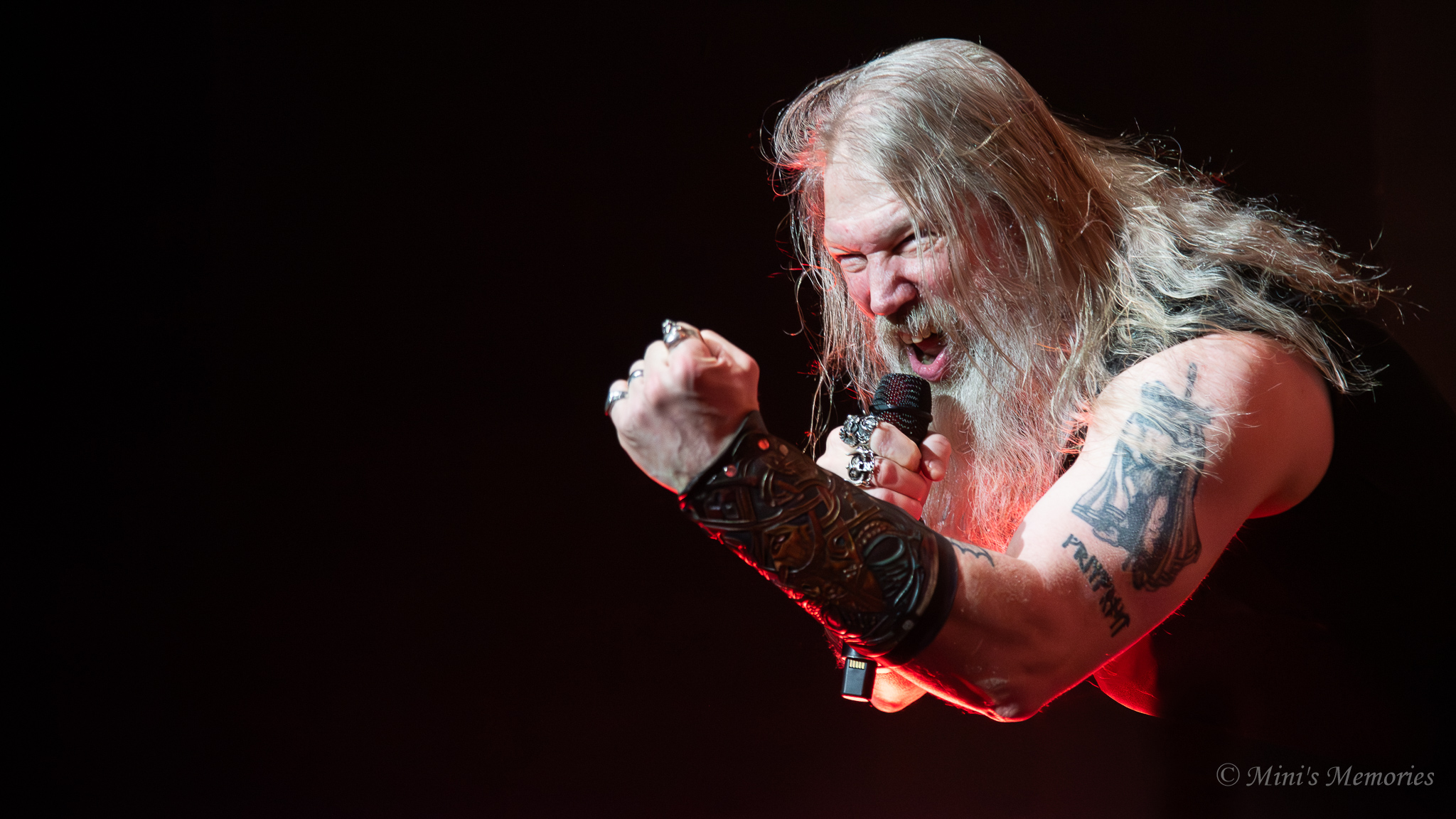
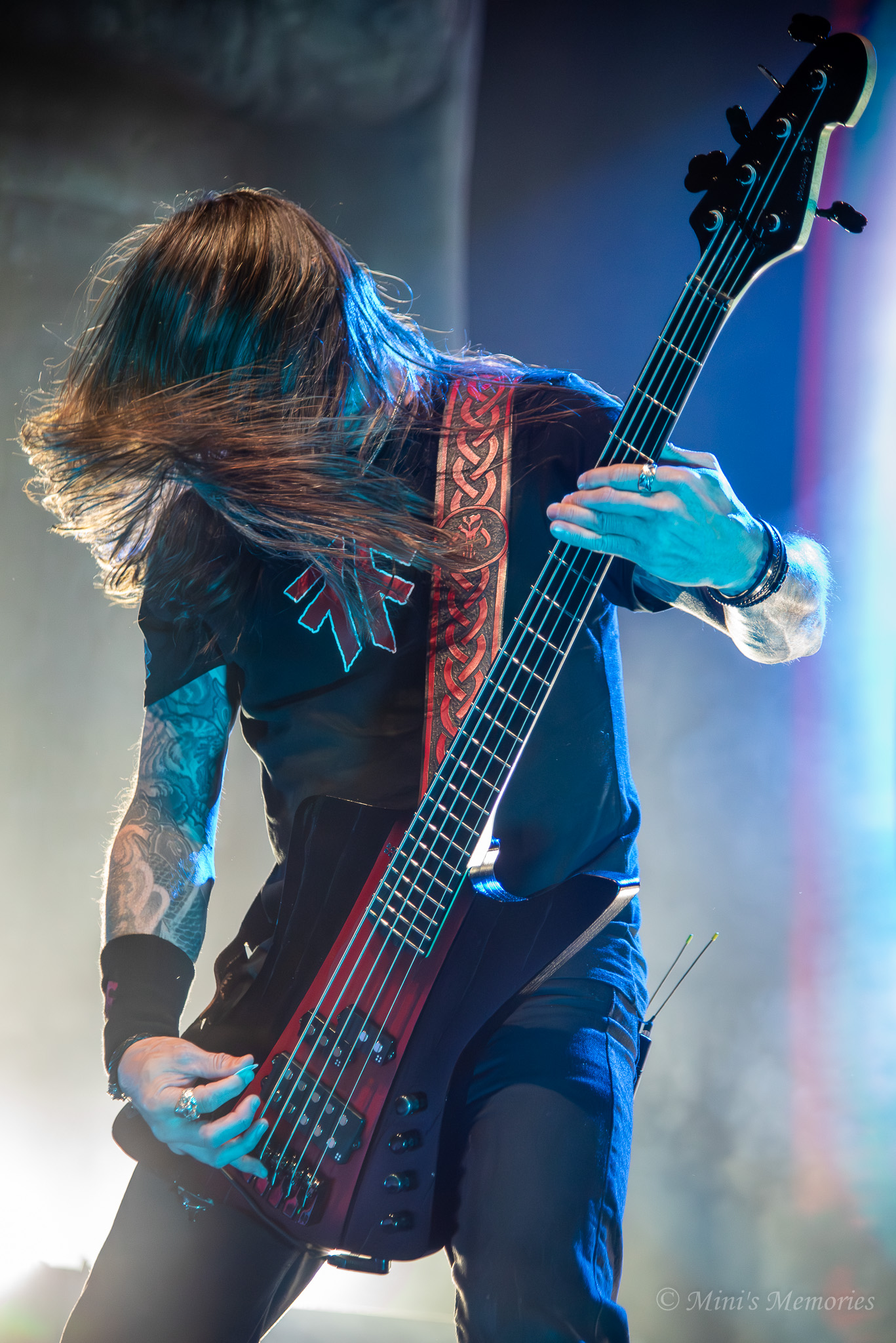
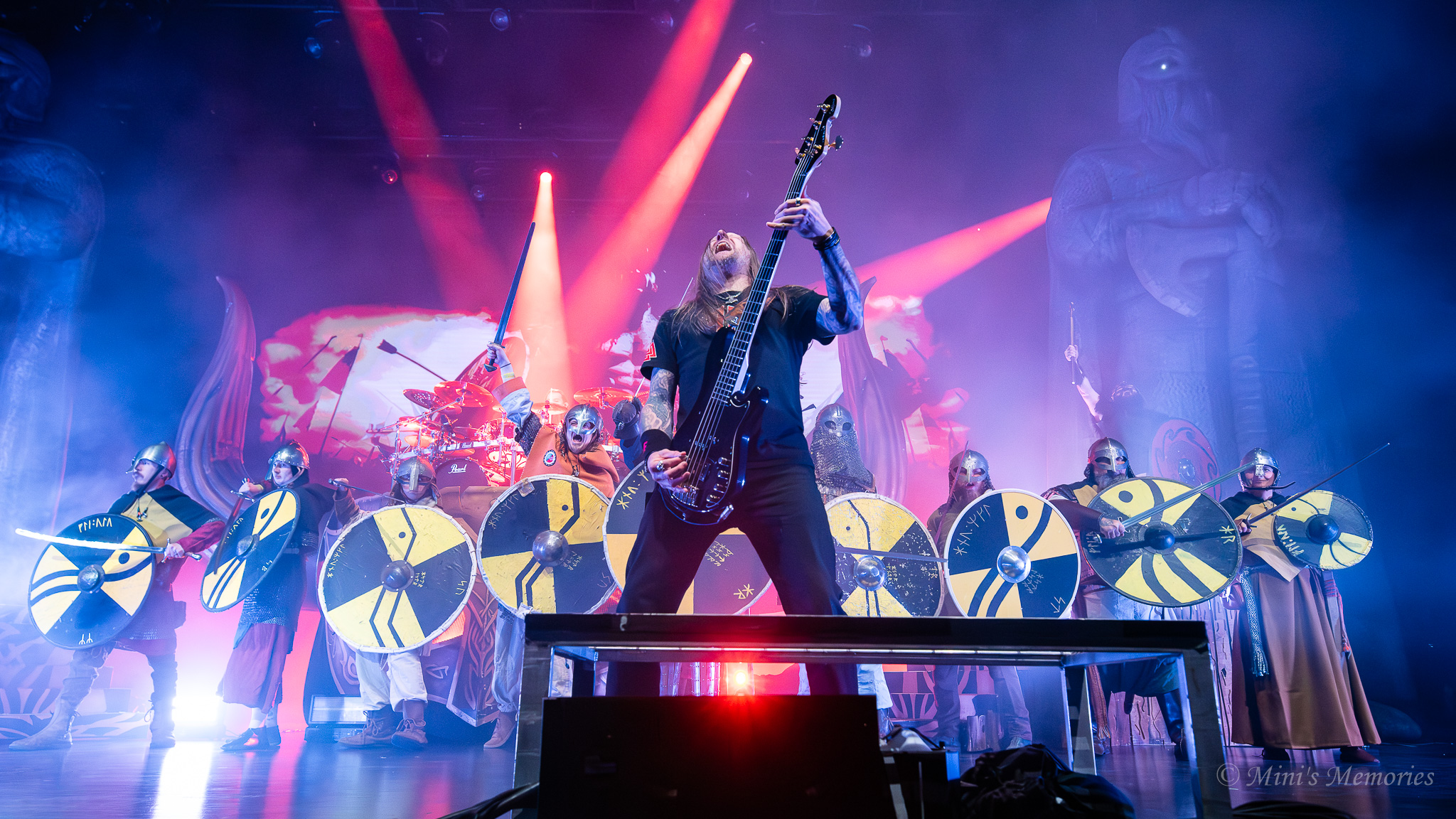
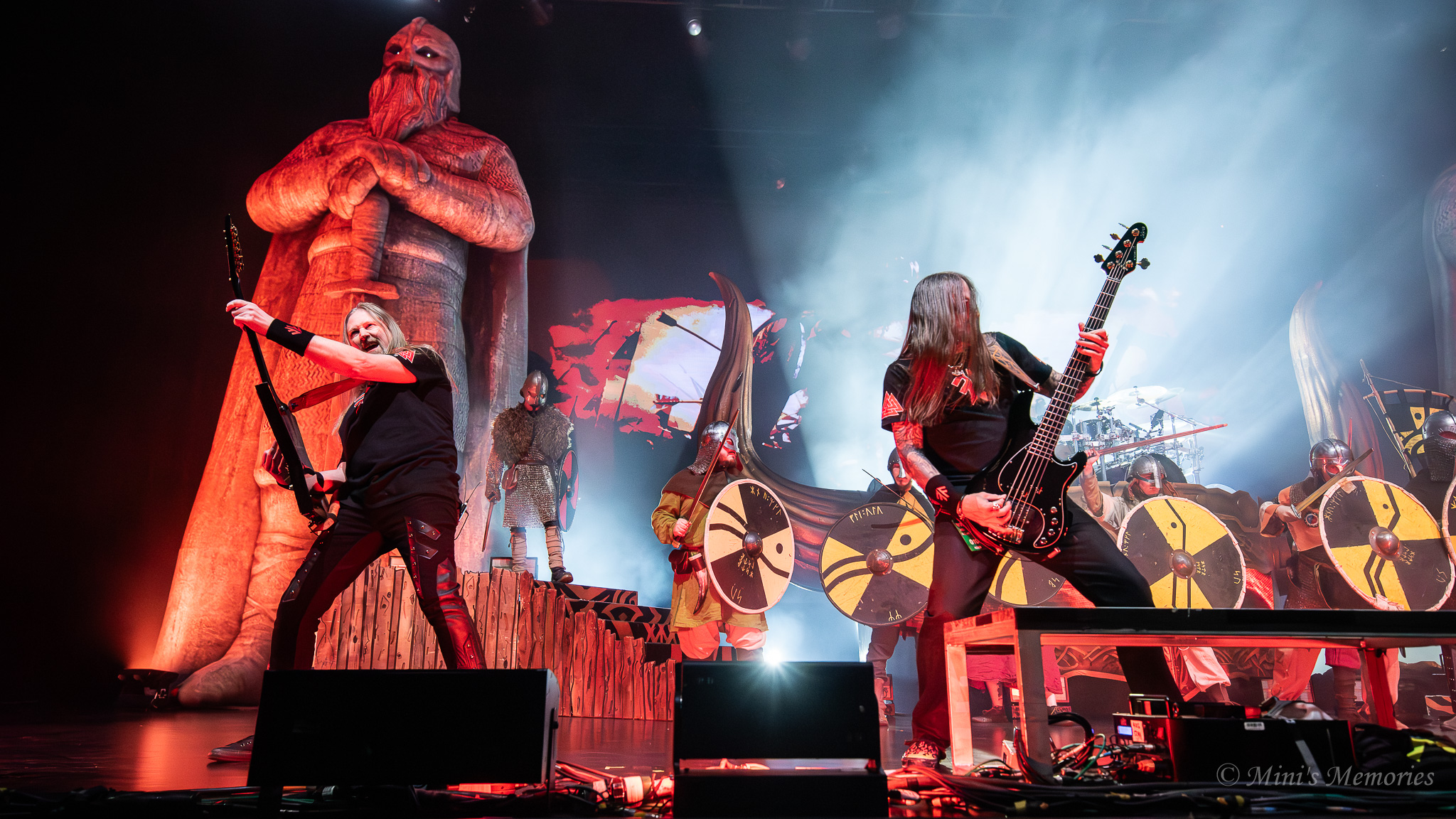
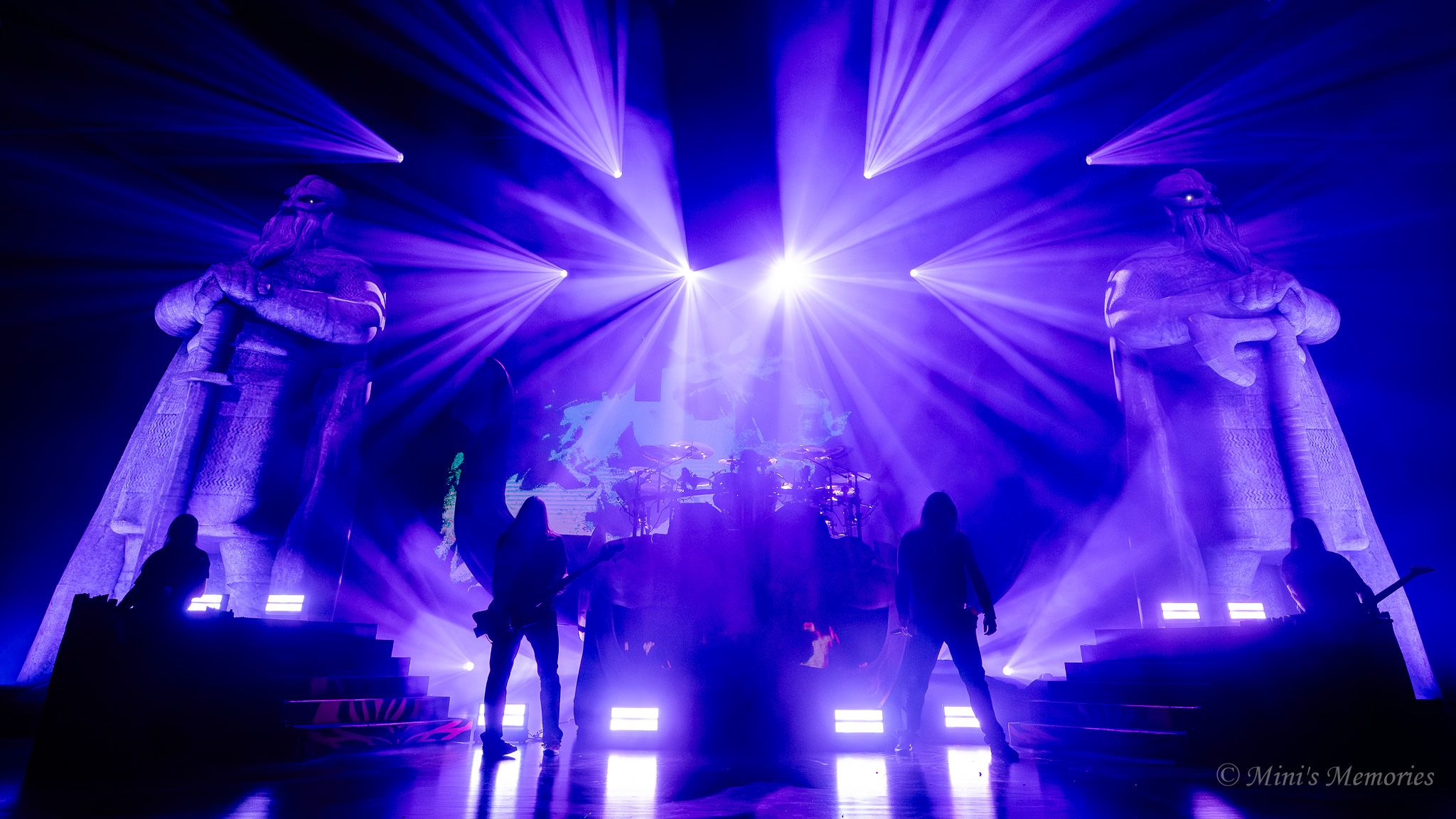
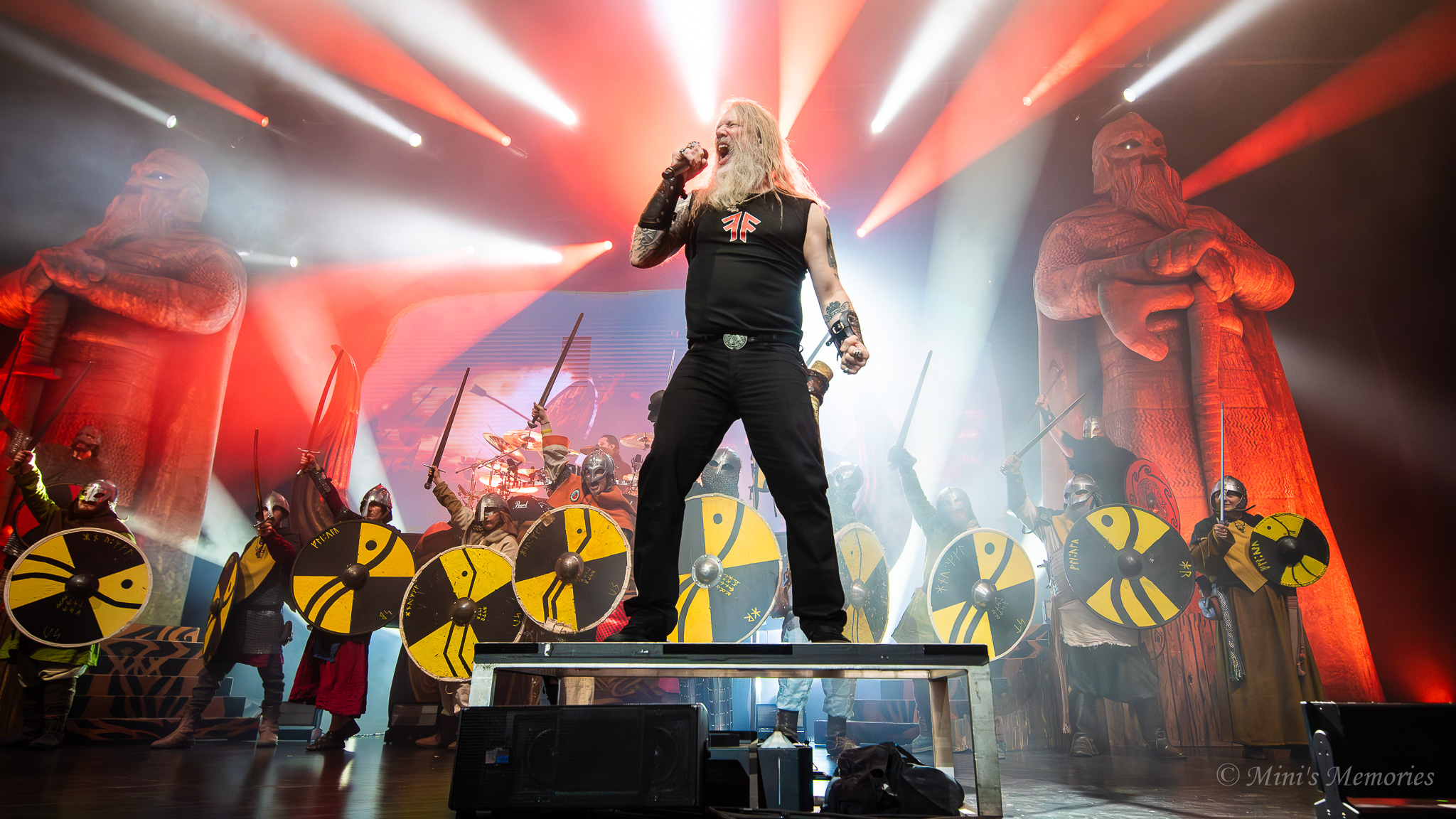
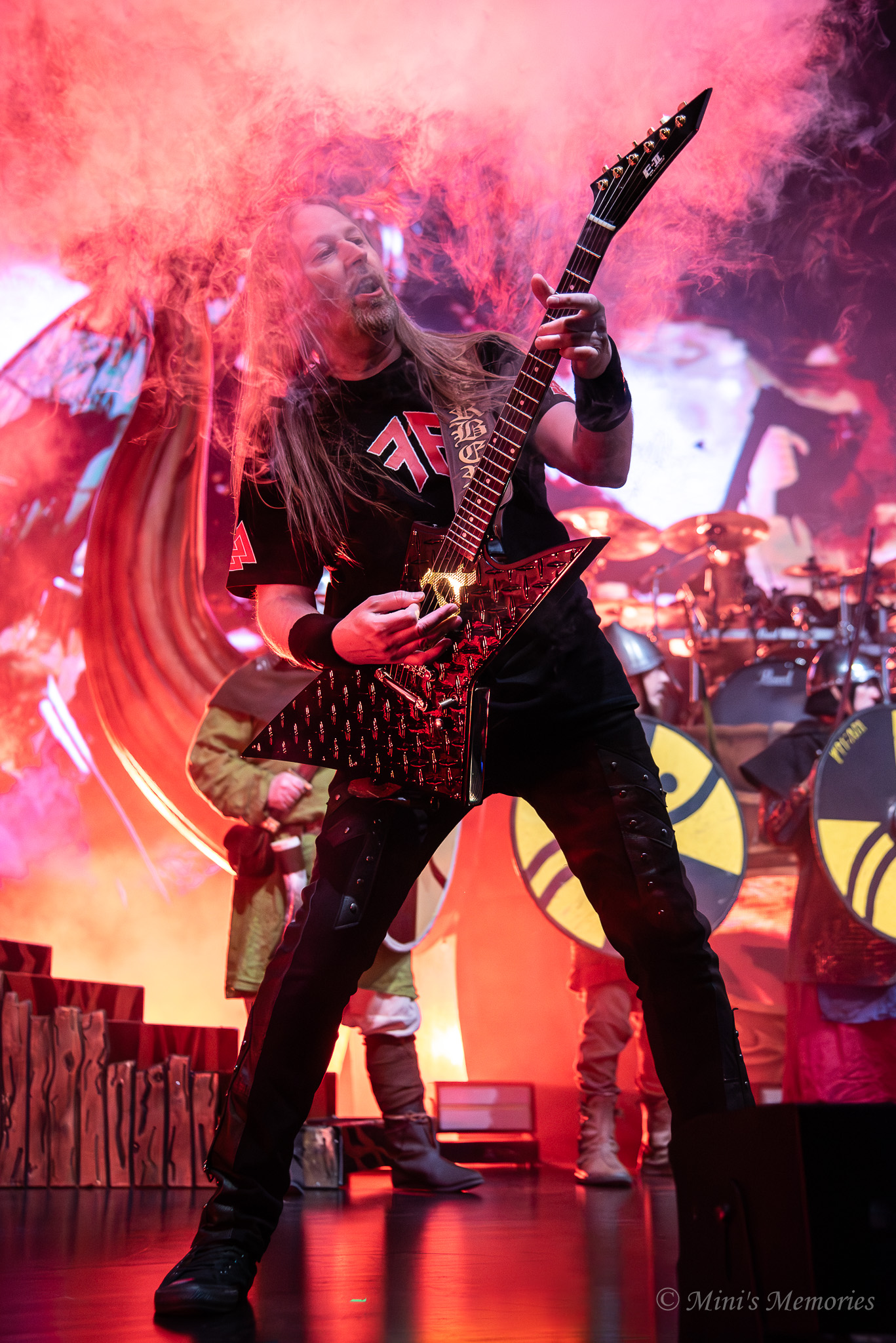
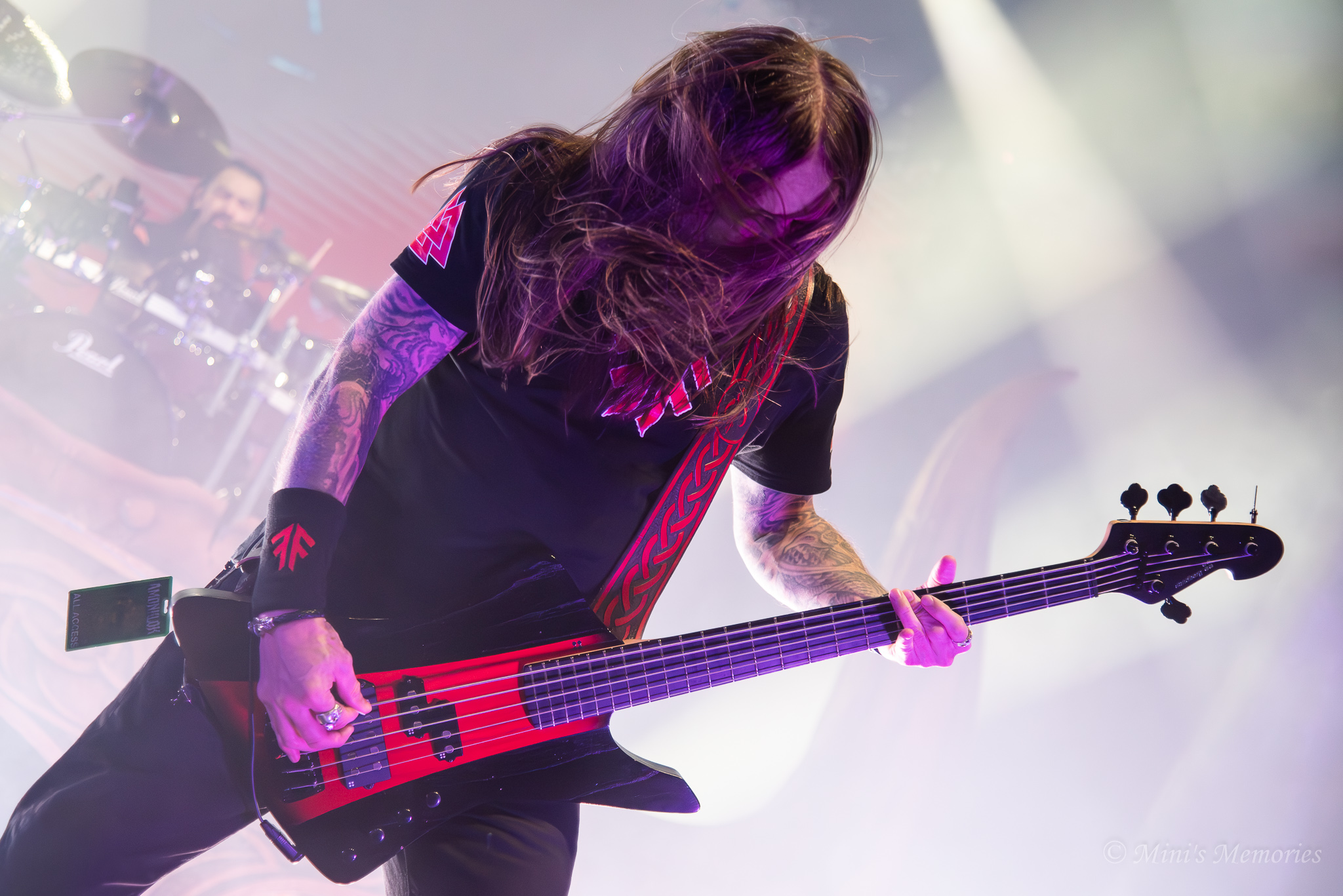
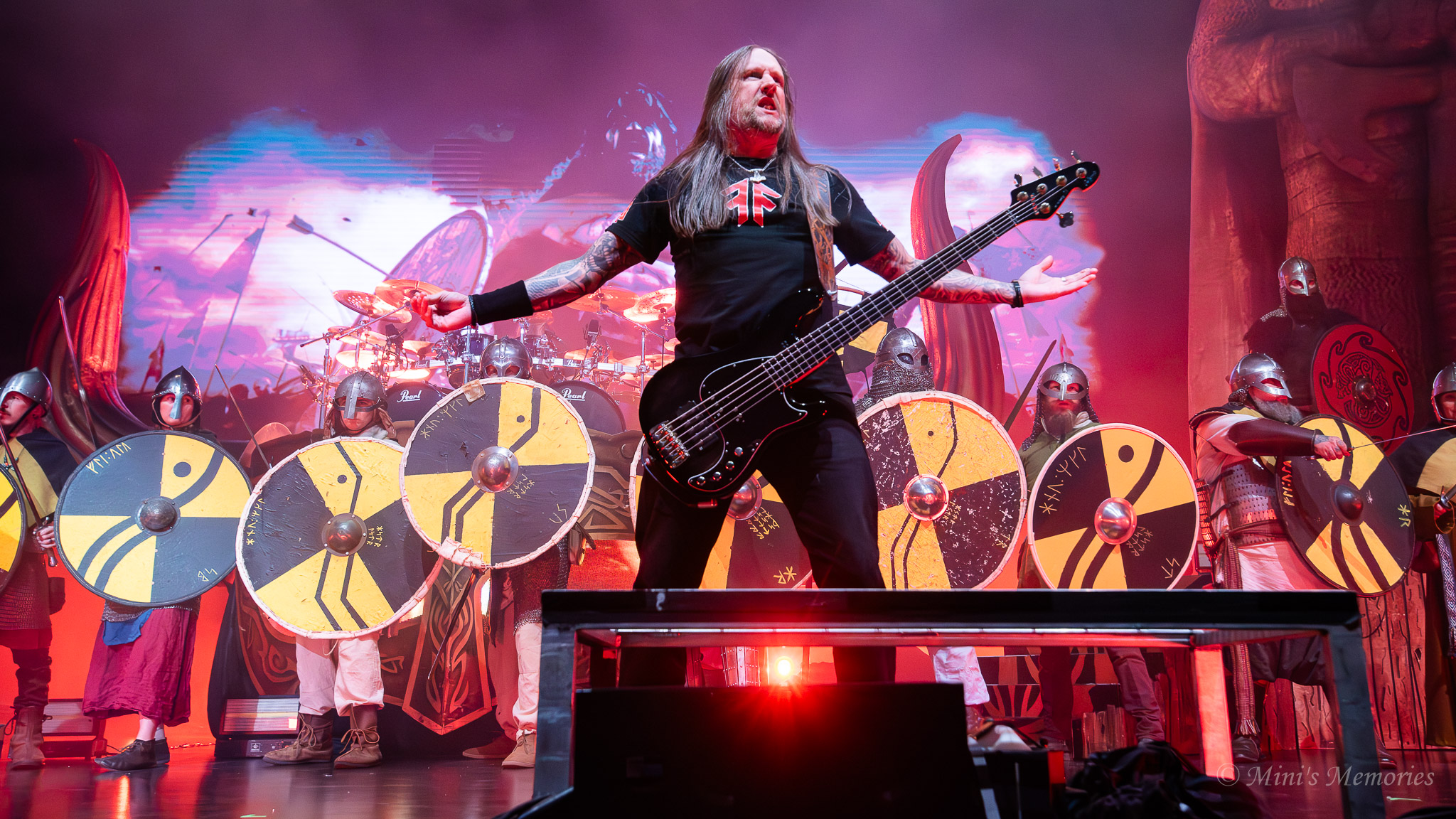
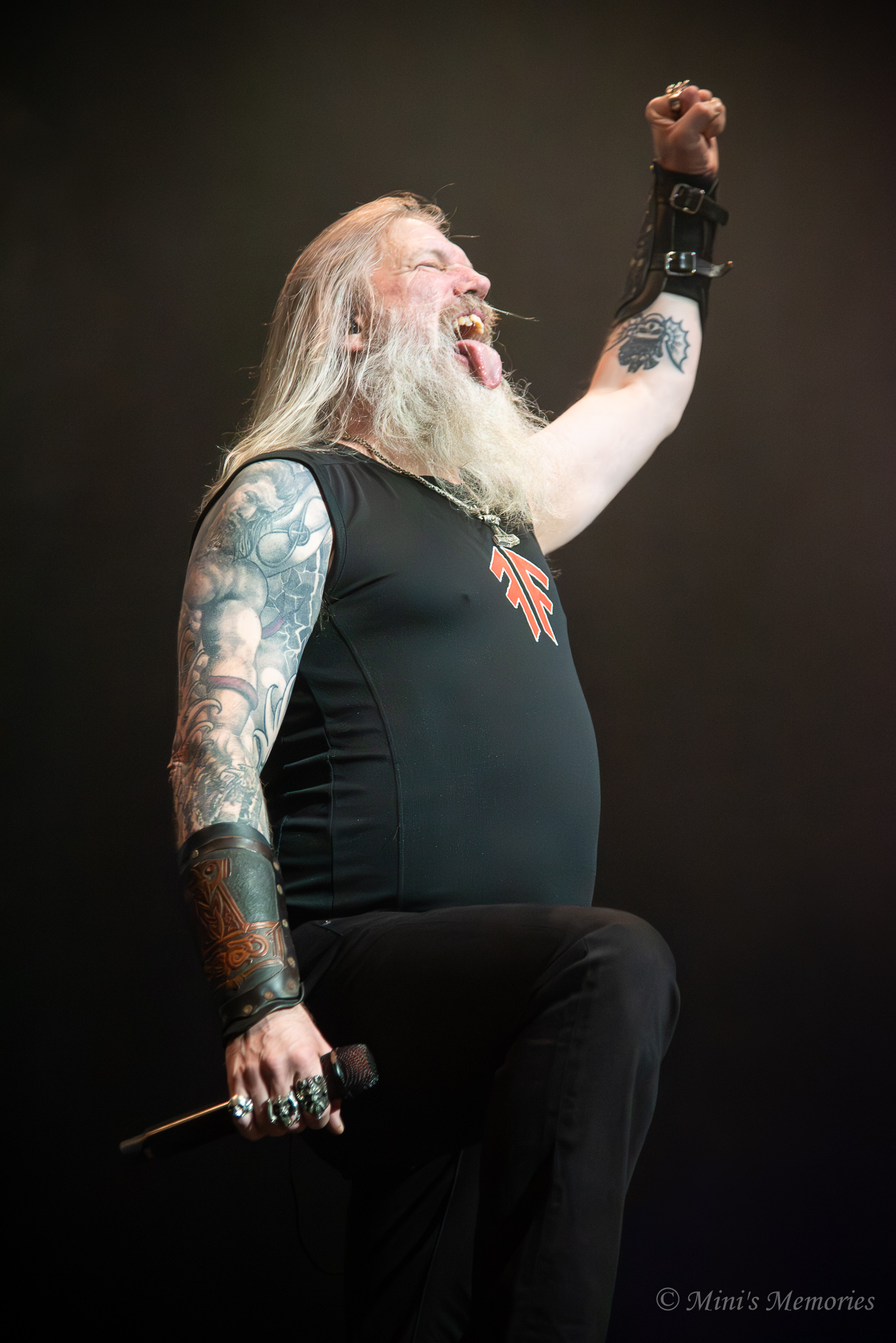
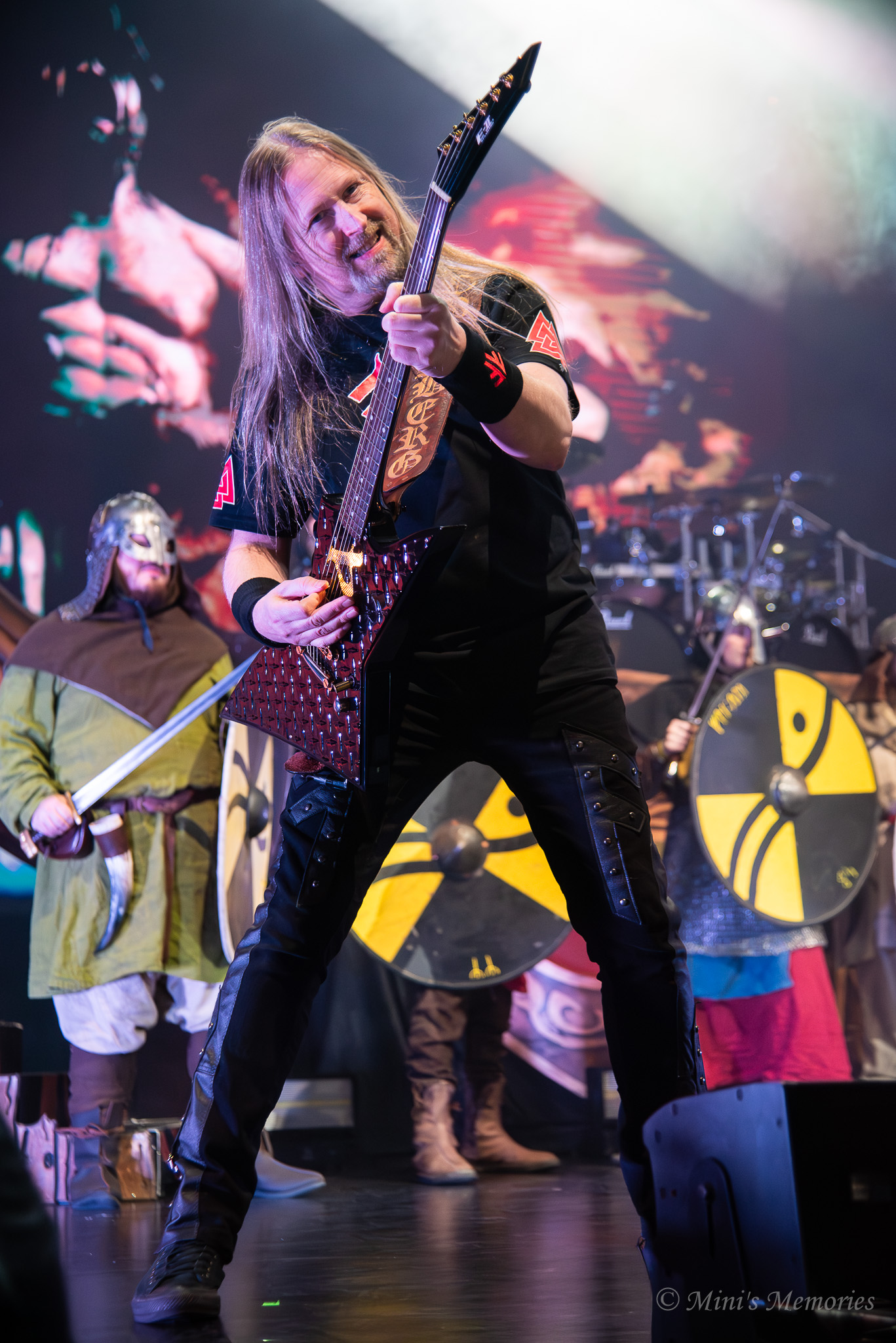
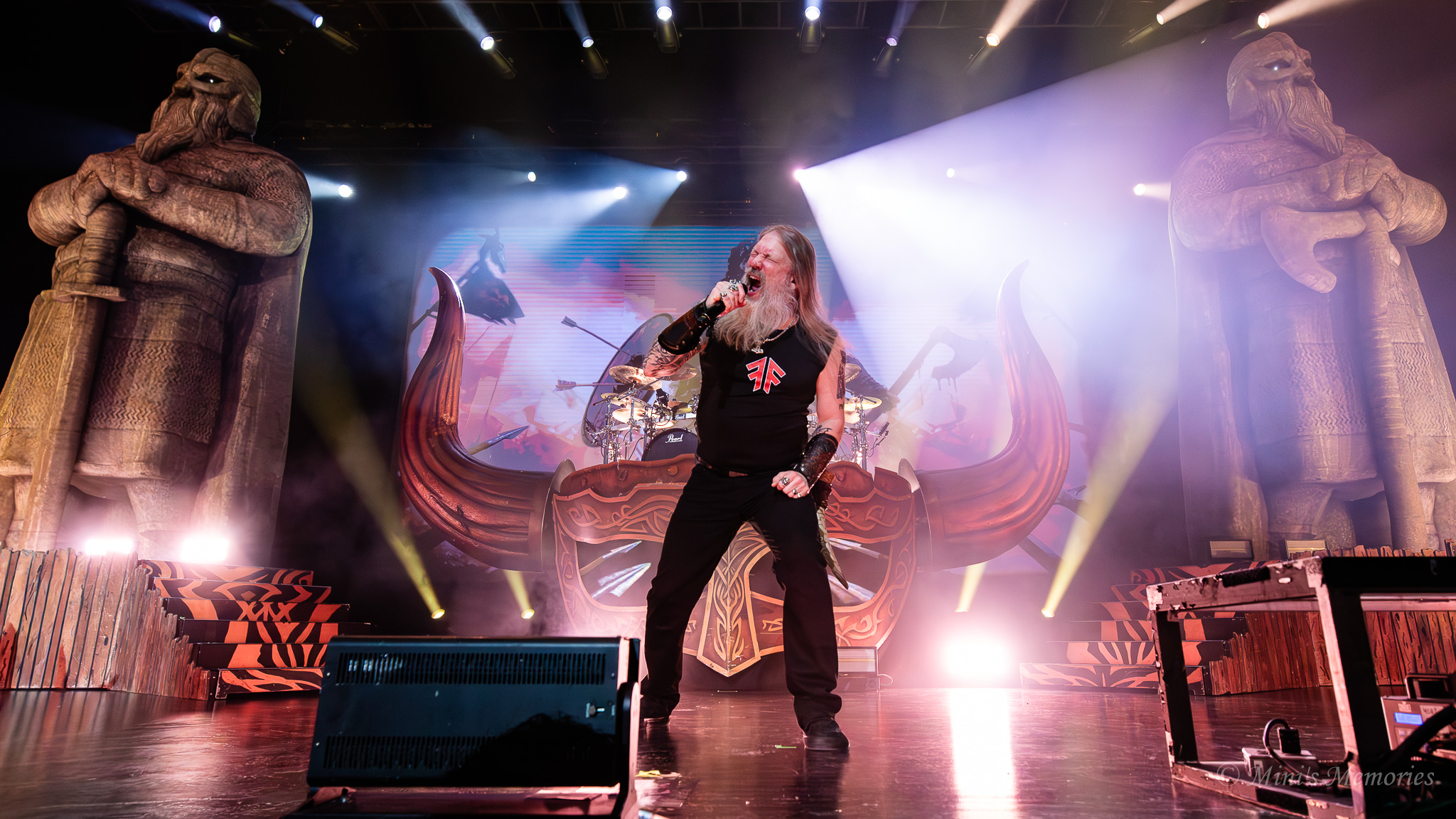
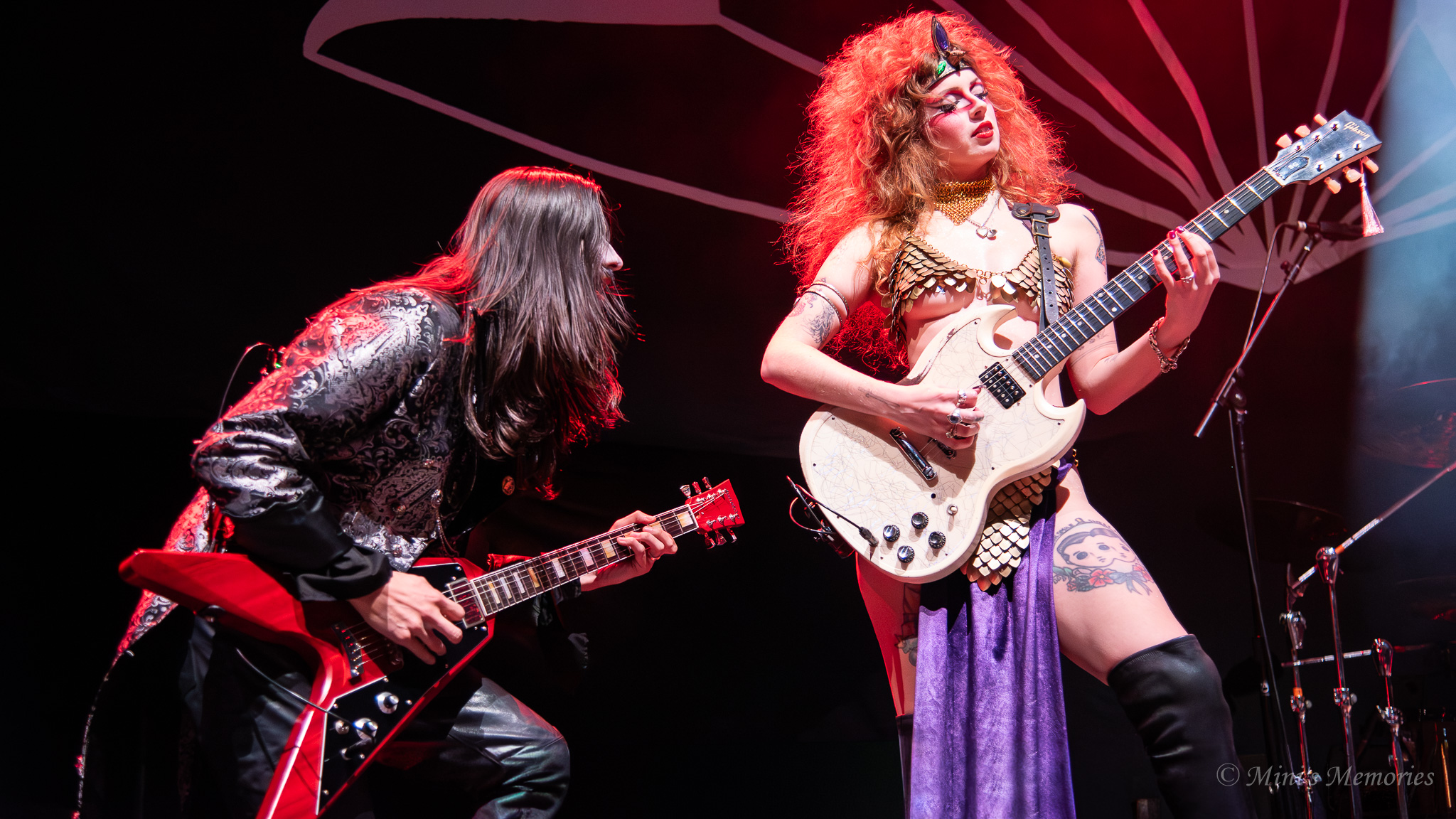
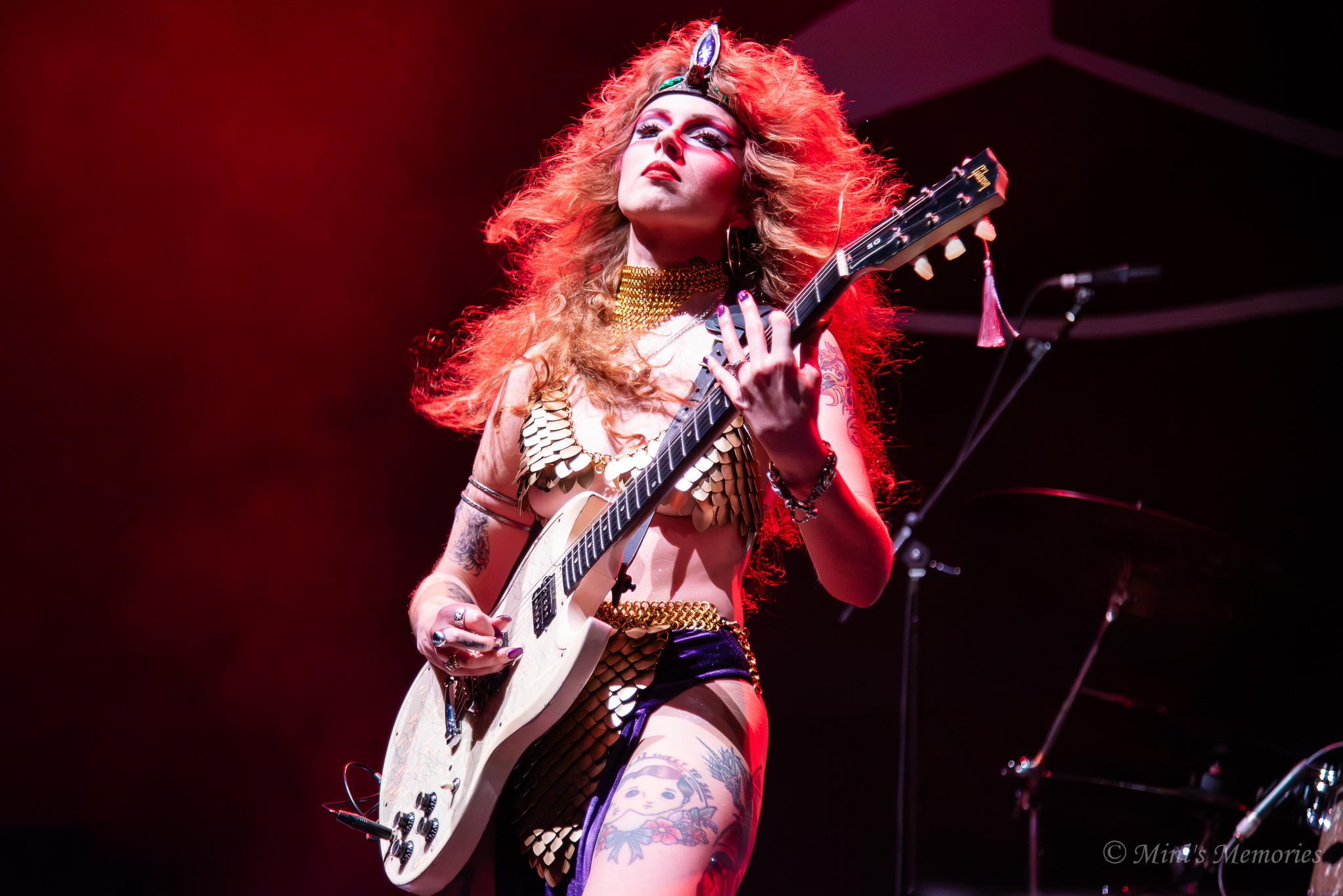
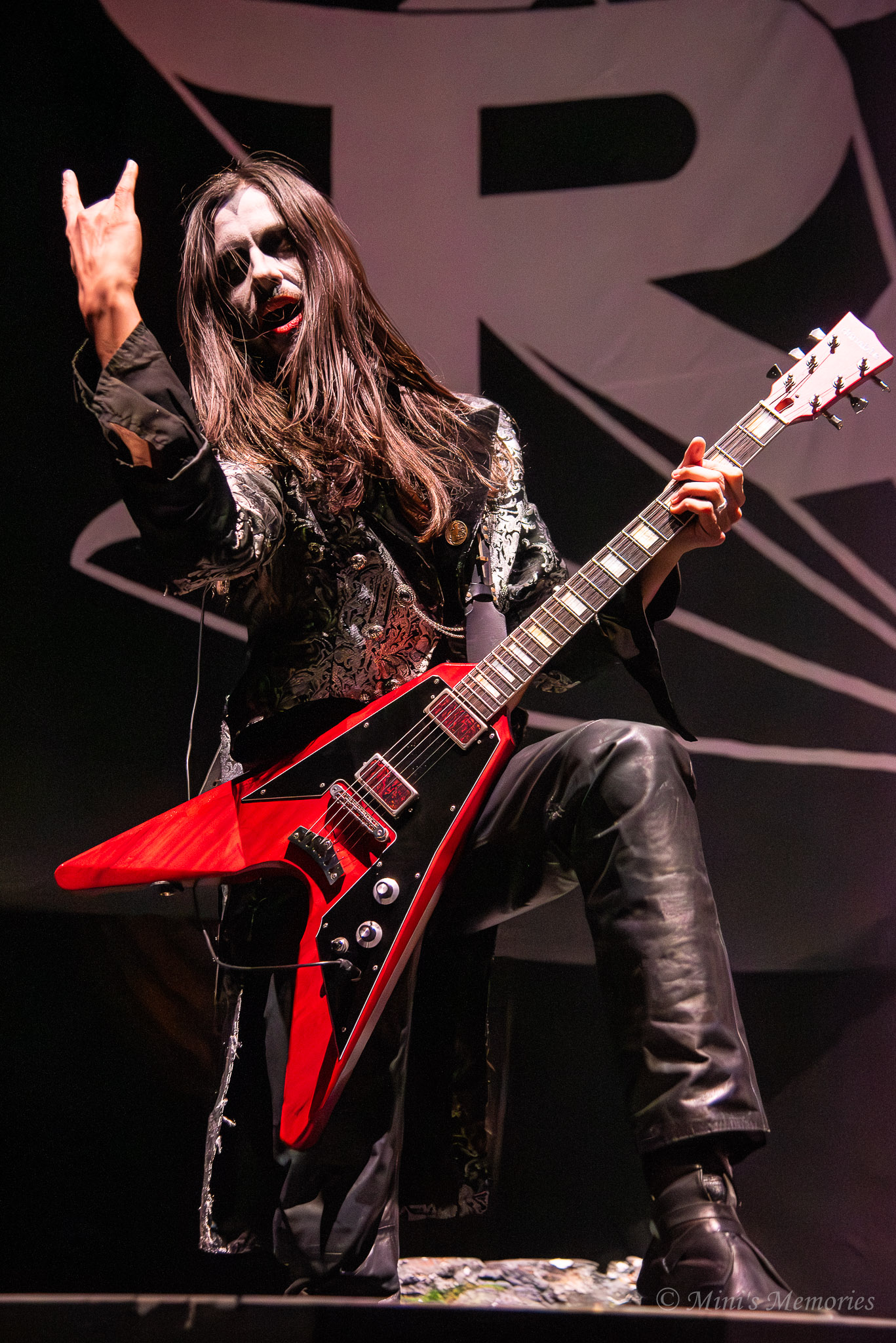
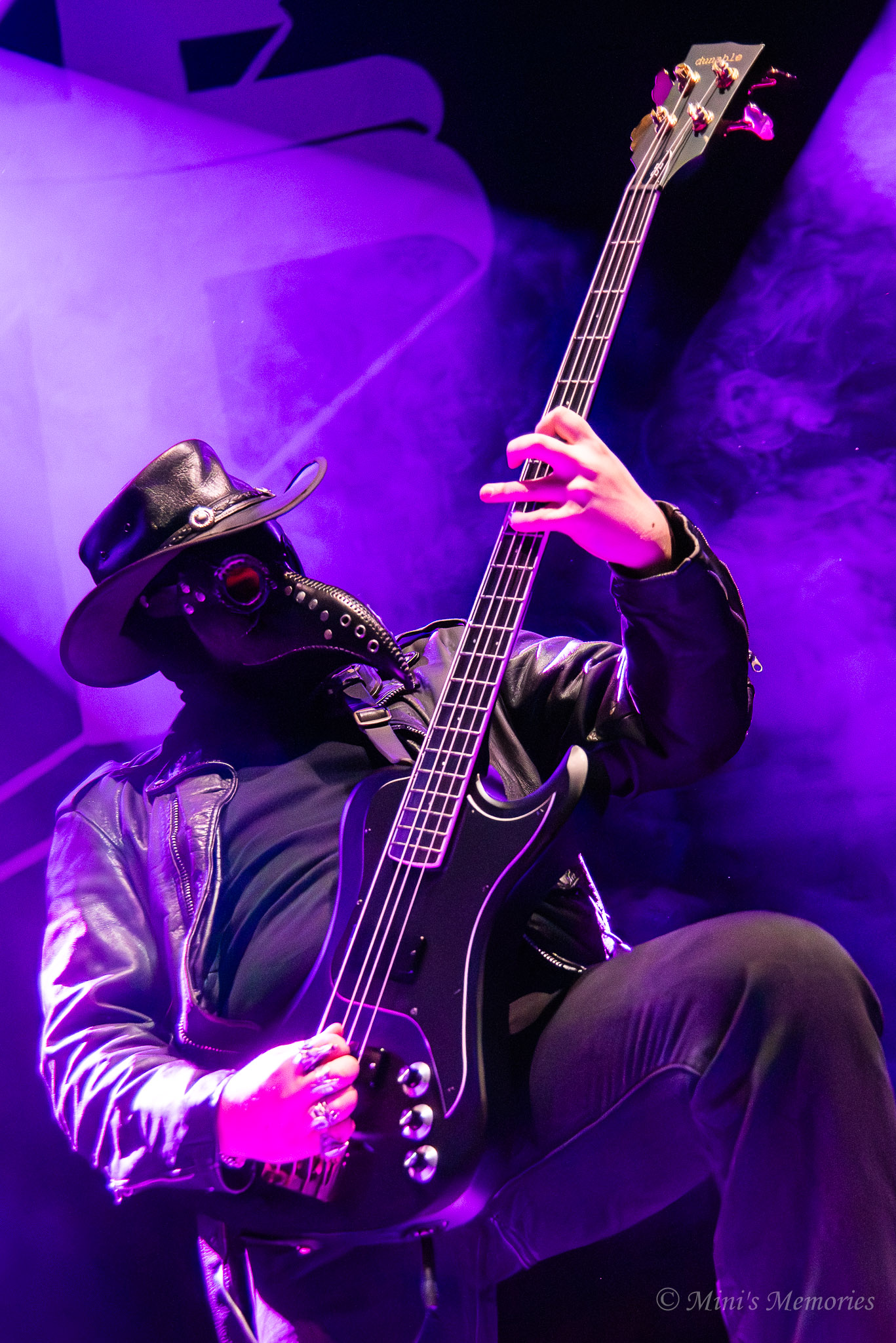
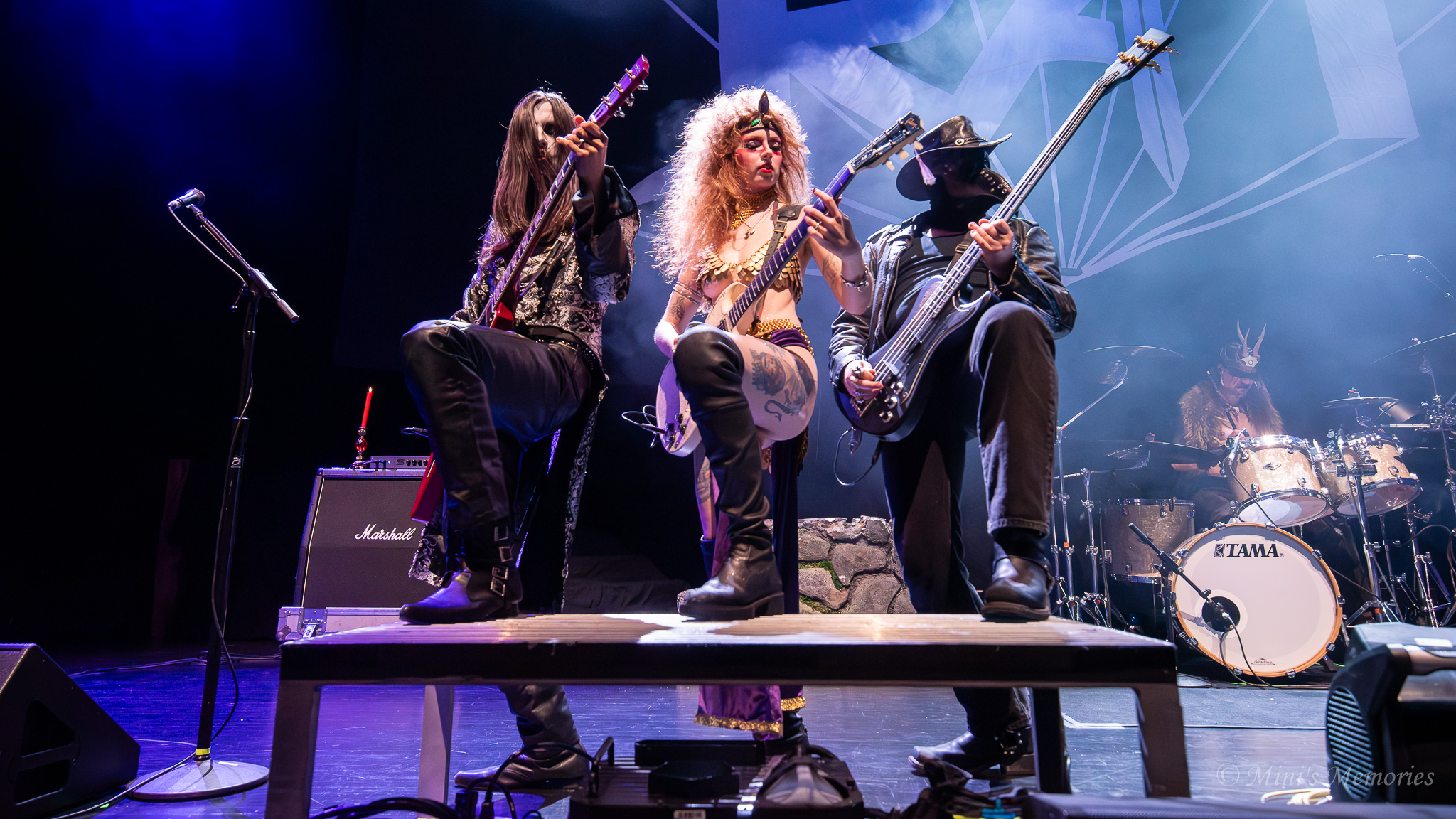
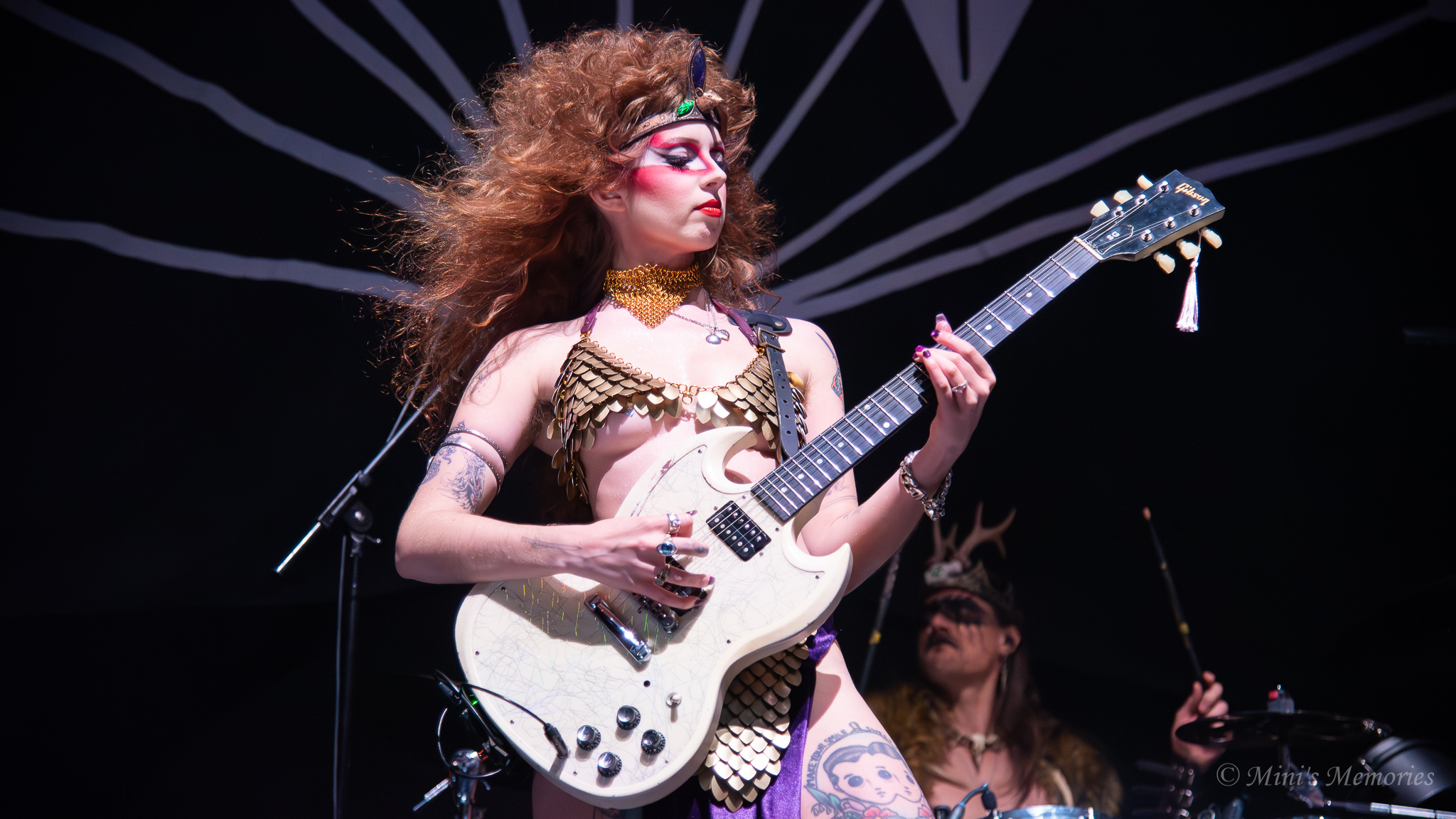
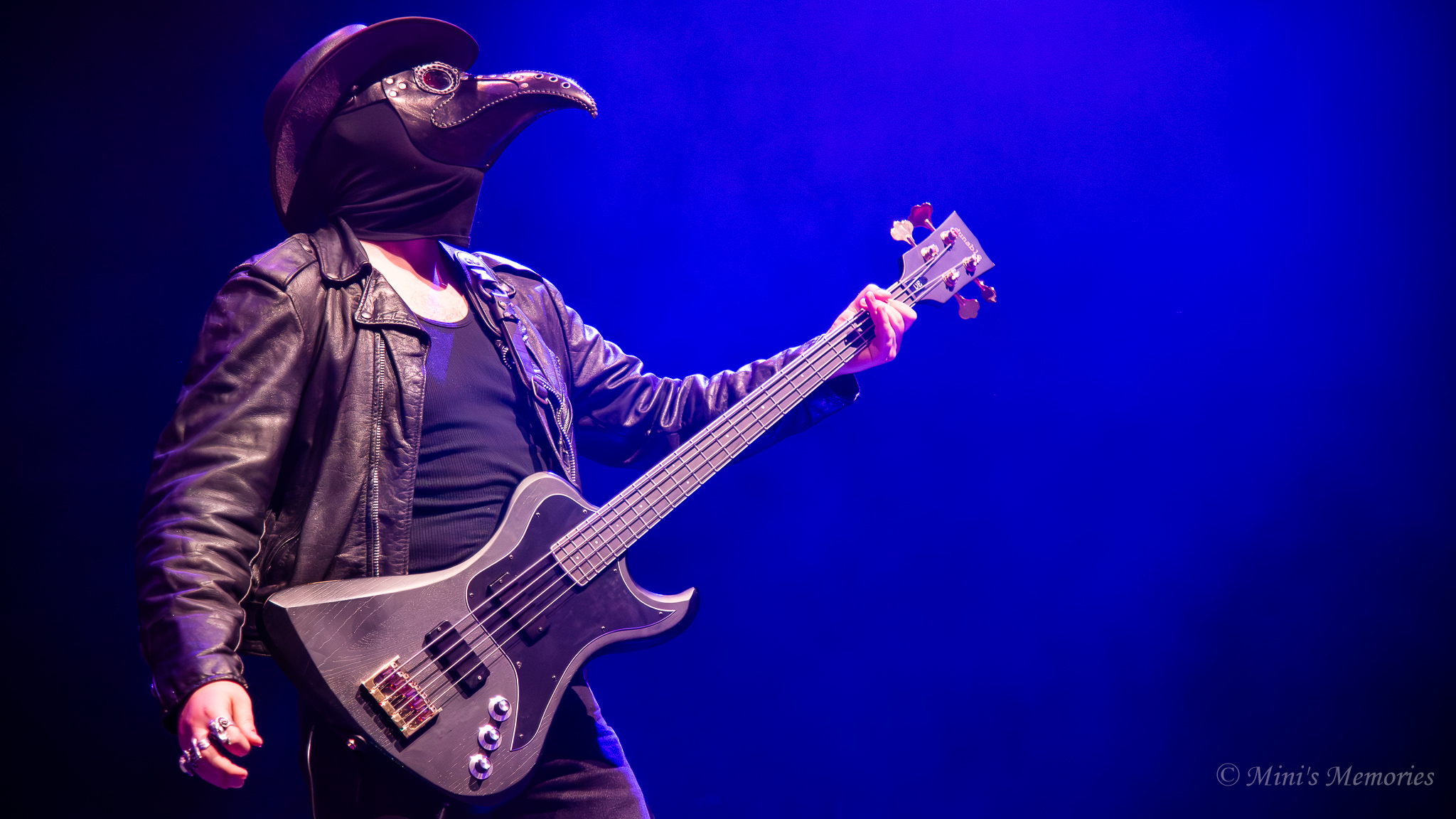
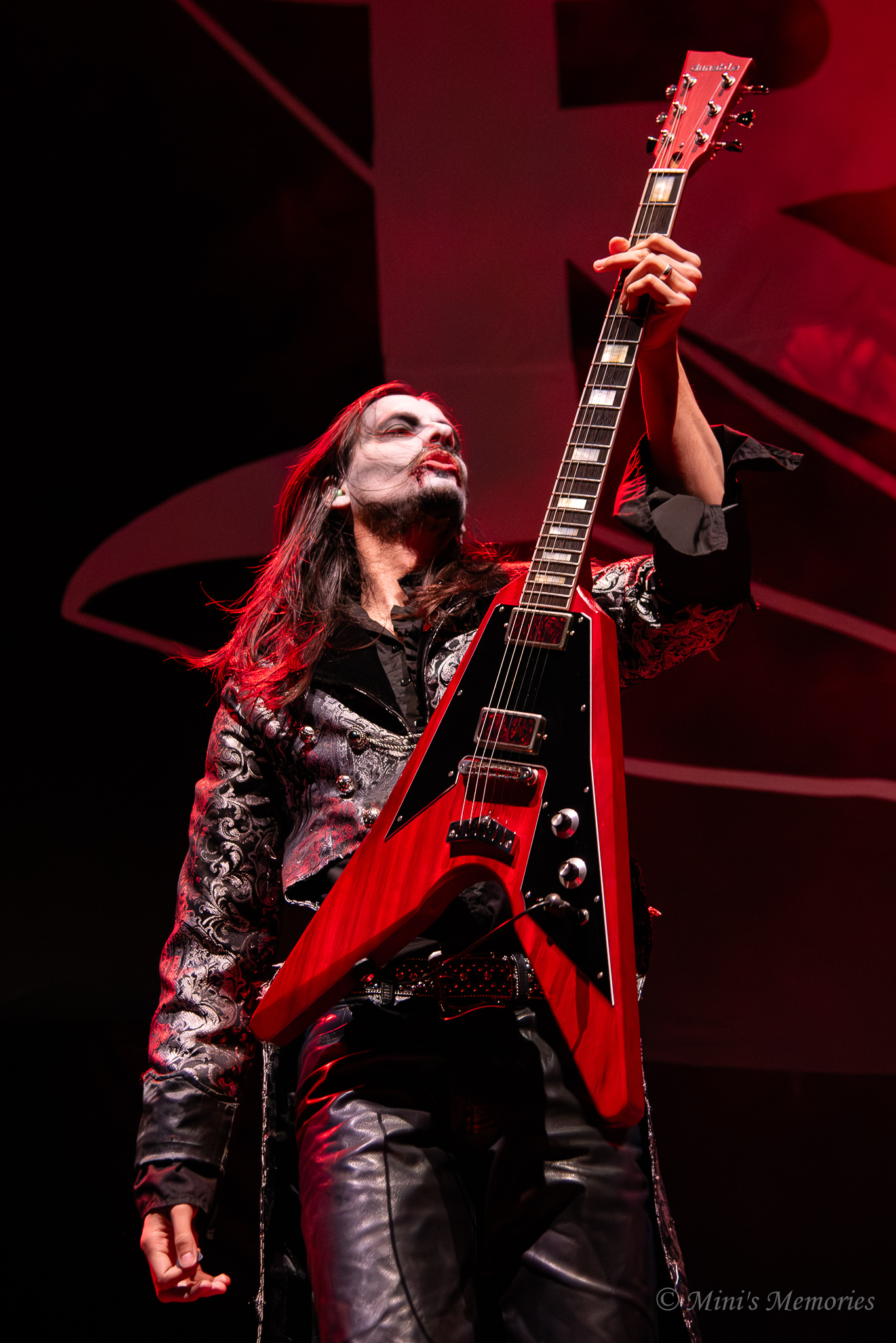
Photo Gallery: Dethklok, Amon Amarth, and Castle Rat at Great Canadian Casino Resort on May 1, 2026

0

All photos by Mini’s Memories. You can contact her through Instagram or X.

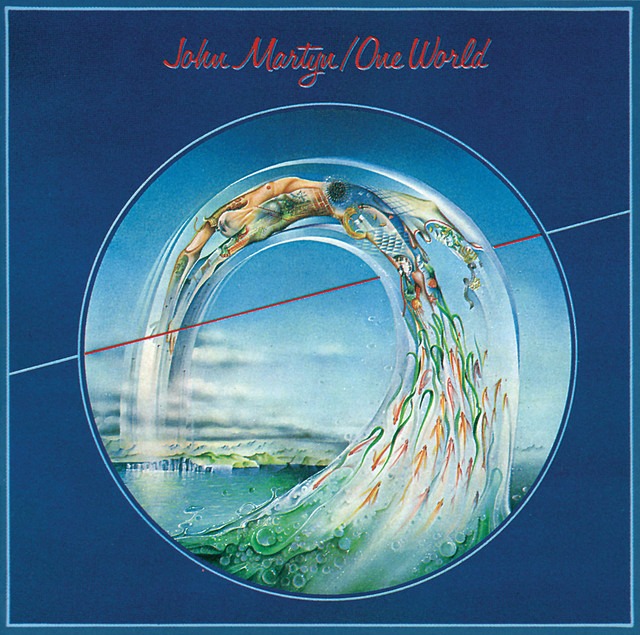
5 Surprising Facts About John Martyn’s ‘One World’

Most people know ‘One World’ as the album that helped invent trip hop before anyone had a name for it. What they don’t know is how it actually got made. Speakers on a punt. Geese on the microphone. Opium at the farm. The story behind John Martyn’s 1977 masterpiece is as strange and beautiful as the record itself.

The Album Was Recorded Outdoors Across a Lake Using Speakers on a Punt

Producer Chris Blackwell didn’t just record ‘One World’ at his Berkshire farm. He put speakers on a punt, floated them into the middle of the surrounding lake, and ran a live feed half a mile from the main farmhouse. Microphones picked up the full ambience of the surroundings, including natural reverb, passing trains, and the farm’s resident geese. Martyn later recalled: “I remember thinking this is fucking wonderful, recording from a speaker a half a mile away across a load of water. That was real ambience.”

“Big Muff” Was Written at Breakfast Over Animal-Shaped Tea Cups

The song co-written with legendary dub producer Lee “Scratch” Perry didn’t emerge from a late-night studio session. It started at a breakfast table when Perry became fixated on tea cups shaped like animals. Martyn recalled Perry going: “Boy, look at the muff on that! Now put this with the pig, see? Now boy, this is one big muff!” The pair wrote the lyrics together on the spot while Martyn added the chords later. Vivien Goldman of Sounds described the result as resembling “a new musical form, jazz-dub.”

“Small Hours” Features a Passing Train That Nobody Planned

The album’s eight-and-a-half minute closing track was recorded outdoors in the early hours of the morning. Blackwell confirmed the sound of geese is audible in the background throughout. At the two-and-a-half minute mark, a train passes by and ends up on the recording. Neither was removed. Blackwell considers the track “one of the best I ever worked on. I think it’s just magical.” Folk musician Ralph McTell was more direct: “If that doesn’t move you, there’s something wrong with you.”

The Album Helped Invent Trip Hop, But Nobody Noticed at the Time

‘One World’ was released at the height of the British punk rock movement in 1977 and was, as Simon Reynolds of The Guardian put it, “gloriously out of step with the UK rock scene.” It took decades for critics to credit the album with helping originate trip hop, a genre that wouldn’t emerge in earnest until the 1990s with Portishead and Massive Attack. World music pioneer Jah Wobble called “Smiling Stranger” a forerunner to Massive Attack’s sound and “one of the great moments in dub.” Brian Boyd of The Irish Times considers it possibly the first album in the genre.

The Album Only Charted Because of a BBC Television Performance

‘One World’ was Martyn’s first album to chart in the UK, reaching number 54, but it needed a specific television moment to get there. On January 10, 1978, Martyn performed at the Collegiate Theatre in London for a special edition of the BBC’s Old Grey Whistle Test dedicated entirely to introducing his music to a wider audience. Presenter Bob Harris introduced it the same night it aired. The album debuted on the chart that week and left after one week. Without that broadcast, it likely would have disappeared entirely.

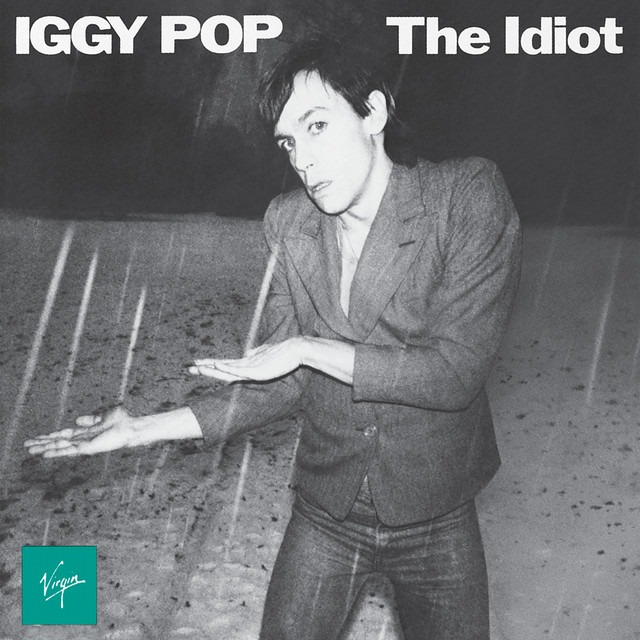
5 Surprising Facts About Iggy Pop’s ‘The Idiot’

David Bowie called Iggy Pop a guinea pig. Pop called the album his “album of freedom.” One critic called it “a funky, robotic Hellhole.” Whoever was right, ‘The Idiot’ is one of the strangest, most influential debut solo albums ever made, and the story behind it is even wilder than the record itself.

Bowie Finished His Own Album First So Nobody Would Think He Stole From Iggy

‘The Idiot’ was completed by August 1976, but RCA didn’t release it until March 1977. Why the wait? Bowie wanted his own album, ‘Low,’ in stores first. The château’s former owner Laurent Thibault put it plainly: Bowie didn’t want people thinking he’d been inspired by Iggy’s record, even though, as Thibault noted, “it was all the same thing.” Bowie recorded ‘Low’ between September and October 1976, released it in January 1977, and only then did ‘The Idiot’ follow two months later.

The Drummer Thought He Was Playing on Demos

Michel Santangeli was hired to play drums at the Château d’Hérouville and was given minimal guidance. For two days, he played to what he assumed were rough demo tracks. He was wrong. Those first takes became part of the final mix. Bowie dismissed him at the end of the second day, leaving Santangeli convinced his playing had been rejected. He later expressed regret over the final drum sound, not knowing his work was already on the record.

“Nightclubbing” Was Built Around a Drum Machine Because Iggy Refused Real Drums

When Bowie finished the music for “Nightclubbing,” he insisted real drums were needed to complete it. Iggy Pop refused. Pop had written the lyrics on the spot in ten minutes, Bowie suggesting he write about “walking through the night like ghosts,” and he was done. He told Bowie the Roland drum machine “kicks ass, it’s better than a drummer.” The machine stayed. Nine Inch Nails later used a modified sample of that same Roland bass drum on their 1994 hit “Closer.”

“China Girl” Was Inspired by a Woman Who Didn’t Speak the Same Language as Iggy

During recording at the château, French actor and singer Jacques Higelin visited with his Vietnamese girlfriend Kuelan Nguyen. Pop had a brief affair with Nguyen despite the fact that the two did not share a common language, communicating only through gestures and expressions. Pop improvised the lyrics for “China Girl” while standing at the microphone, and the protagonist’s whispered “Shhh…” in the song was a direct quote from Nguyen after Pop confessed his feelings for her one night.

Ian Curtis Was Playing ‘The Idiot’ When He Died

Joy Division formed in the months between the releases of ‘Low’ and ‘The Idiot,’ and both records hit them hard. ‘The Idiot’ directly shaped the industrial soundscapes and relentless percussion of their debut album ‘Unknown Pleasures’ (1979). The connection runs deeper than influence though. When Joy Division singer Ian Curtis was found having died by suicide in May 1980, ‘The Idiot’ was still playing on the turntable.

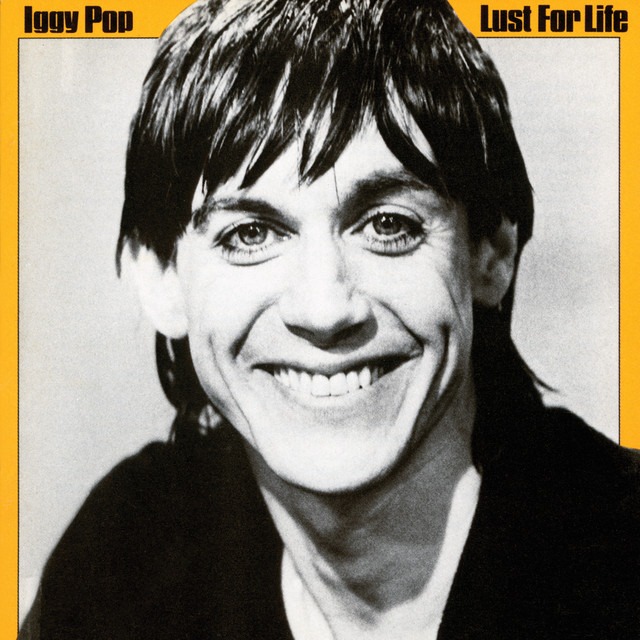
5 Surprising Facts About Iggy Pop’s ‘Lust For Life’

If you know Iggy Pop’s “Lust for Life,” you probably know it from a cruise ship commercial, a Trainspotting montage, or that moment someone plays it at a party and everyone suddenly feels invincible. But the story behind the album is far stranger and more fascinating than the song’s second life as a motivational anthem suggests. Here are five facts about the 1977 classic that might genuinely surprise you.

The Whole Album Was Written, Recorded, and Mixed in Eight Days

Iggy Pop said it himself. Eight days. The entire record, done. Pop, David Bowie, and the band moved into Hansa Studio by the Wall in West Berlin in May 1977 and came out the other side with one of rock’s most enduring albums. They had money left over from the advance, which Pop and Bowie split.

The Famous Opening Drumbeat Was Inspired by a Morse Code Broadcast

That iconic driving rhythm on “Lust for Life,” the one Joy Division’s Stephen Morris said he “wanted to sound like, still do,” wasn’t born from pure rock instinct. Bowie based the riff on the Morse code opening of the American Forces Network news in Berlin, which the two caught while waiting for a broadcast of Starsky and Hutch.

“The Passenger” Was Written by the Guitarist, Not Bowie

Most people assume Bowie’s fingerprints are all over every corner of the album. But the music for “The Passenger” was composed entirely by guitarist Ricky Gardiner, who came up with the riff while wandering through the countryside “in the field beside an orchard, on one of those glorious spring days with the trees in full blossom.” Pop wrote the lyrics largely on the spot in the studio.

The Band Swapped Instruments for One Track

For the impromptu “Fall in Love with Me,” the band shuffled positions entirely. Hunt Sales moved from drums to bass, Tony Fox Sales moved from bass to guitar, and Ricky Gardiner, normally the lead guitarist, played drums. It started as a jam and Pop wrote the lyrics around it afterward.

RCA Buried the Album Because Elvis Presley Died

‘Lust for Life’ received almost no promotion from its own label. The reason? Elvis Presley died two weeks after the album’s September 9, 1977 release, and RCA was fixated on reissuing his catalog. Once the first pressing sold out, there were no more copies. Tony Sales recalled simply: “Lust for Life just disappeared from the shelves, and that was it.” It took a 1996 British film called Trainspotting to finally give the album the audience it always deserved.

Canadian Arts/Media Job Posts For May 3, 2026

Creative Multimedia News Journalist, Acadia Broadcasting Corporation, Saint-Augustin-de-Desmaures, Quebec, Apply Here

Internship – Journalist and FB Administrator, ATIA Ltd, Edmonton, Alberta, Apply Here

Remote Journalism and Social Media Admin Intern, ATIA Ltd, Mississauga, Ontario, Apply Here

Multimedia Journalist, Baxter Media, Ontario, Apply Here

Ladysmith and Chemainus Multimedia Journalist, Black Press Media, Ladysmith, British Columbia, Apply Here

Reporter-Researcher French Services On Site, CBC Radio Canada, Sherbrooke, Quebec, Apply Here

Reporter Editor Talent Community English Services On call, CBC Radio Canada, Vancouver, British Columbia, Apply Here

Provincial affairs reporter assigned to Queen’s Park English Services On Site, CBC Radio Canada, Toronto, Ontario, Apply Here

Regional News and Content Lead French Services, CBC Radio Canada, Matane, Quebec, Apply Here

Business Reporter Network, Corus Entertainment, Toronto, Ontario, Apply Here

Digital Broadcast Journalist Global News Toronto, Corus Entertainment, Toronto, Ontario, Apply Here

Video Journalist Global News, Corus Entertainment, Kelowna, British Columbia, Apply Here

Digital Journalist Global News, Corus Entertainment Inc, Lethbridge, Alberta, Apply Here

Journalist Remote, Crossing Hurdles, Canada, Apply Here

Creative Journalist with Strong Research Skills, Crossing Hurdles, Canada, Apply Here

Director of News Programming and Content, CJSR, Toronto, Ontario, Apply Here

News Director, CJSR, Toronto, Ontario, Apply Here

Journalist, Exeter Lakeshore Times Advance Goderich Signal Star, Ontario, Apply Here

Reporter Bureau d Ottawa La Presse, Fédération professionnelle des journalistes du Québec, Ottawa, Ontario, Apply Here

Ottawa Bureau Chief, Gaulin Media, Ottawa, Ontario, Apply Here

Ottawa Financial Journalist, Jeffgaulin, Ottawa, Ontario, Apply Here

Journalism Intern Remote and Engaging, Jeffgaulin, Canada, Apply Here

BIPOC Youth Journalism Fellow Kuku kwes News, Journalists for Human Rights JHR, Toronto, Ontario, Apply Here

BIPOC Youth Journalism Fellow Kuku kwes News, Journalists for Human Rights, Toronto, Ontario, Apply Here

Sports Media Journalist, Mercor, Toronto, Ontario, Apply Here

Freelance Journalist, Mercor, Canada, Apply Here

Team Editor Audience, Metroland Media, Toronto, Ontario, Apply Here

Reporter Mississauga Temporary, Mississauga News, Toronto, Ontario, Apply Here

News Reporter Journalist Summer Student, Media Matters Inc, Peterborough, Ontario, Apply Here

Multimedia Journalist, Newcom Media, Toronto, Ontario, Apply Here

Broadcast Journalist, Pattison Media, Lethbridge, Alberta, Apply Here

Reporter, Postmedia Network Inc, Toronto, Ontario, Apply Here

Journalist Senior, Postmedia Network Inc, Toronto, Ontario, Apply Here

Multimedia Journalist, Postmedia Network Inc, Alberta, Apply Here

Multimedia Journalist, Postmedia Network Inc, Alberta, Apply Here

Photo Journalist Visual Journalist, Postmedia Network Inc, Canada, Apply Here

Summer multi media journalists, Postmedia Network Inc, Canada, Apply Here

CBC News Journalism Internship Program Fall 2026, Radio Canada, Toronto, Ontario, Apply Here

Reporter Editor, Radio Canada, Montreal, Quebec, Apply Here

Indigenous News Video Reporter and On Air Storyteller, Rogers Communications Inc, Toronto, Ontario, Apply Here

Video Journalist Ottawa, Rogers Communications, Ottawa, Ontario, Apply Here

Indigenous Video Journalist, Rogers Communications, Montreal, Quebec, Apply Here

Broadcast Video Journalist, Rogers Communications Inc, Ottawa, Ontario, Apply Here

OMNI News Video Journalist Role, Rogers Sports and Media, Ottawa, Ontario, Apply Here

VOCM Broadcast Journalist, Stingray, Labrador City, Newfoundland and Labrador, Apply Here

Reporter Ottawa Valley Full time, Torstar, Toronto, Ontario, Apply Here

Reporter Hamilton, Torstar, Toronto, Ontario, Apply Here

Reporter Georgina and York Region Full time, Torstar, Canada, Apply Here

Journalist Ottawa Parliamentary Bureau, The Financial Post, Ottawa, Ontario, Apply Here

Reporter, The Carillon, Steinbach, Manitoba, Apply Here

Reporter Photographer, The Creemore Echo, Creemore, Ontario, Apply Here

Ottawa Bureau Chief, The Globe and Mail, Montreal, Quebec, Apply Here

Community reporter, U Multicultural, Winnipeg, Manitoba, Apply Here

University of Toronto Journalism Fellowship for Health Experts, University of Toronto Canada, Toronto, Ontario, Apply Here

General Assignment Reporter, Village Media, Sault Ste Marie, Ontario, Apply Here

General Assignment Reporter, Village Media Inc, Canada, Apply Here