Home Blog Page 404

Gel Pens vs Ballpoint Pens: Which Should You Use?

0

By Mitch Rice

When it comes to writing, two main options stand out: gel pens and ballpoint pens. There’s nothing wrong with pencils, of course; they’re a tried and tested choice for drafts and sketches. But when you need something more permanent and smooth on paper, pens are the professional go-to.

Everyone has their own preference when it comes to pens. Maybe you want something simple for everyday use. Or perhaps you’d prefer a more precise and polished option for specific projects. In either case, both ballpoint pens and gel pens are solid choices, they just bring different things to the table.

If you can’t decide between the two, this guide will break down the key differences in features, feel, and where each one works best.

What’s the Difference?

Not all pens are created equal. Ballpoint pens use oil-based ink, thicker, slower-drying, and longer-lasting. You’ll usually need to apply a bit more pressure as you write, but the result is controlled, clean lines that smudge less. This makes them a go-to for general note-taking, carbon copies, or official paperwork.

Gel pens, on the other hand, use water-based gel ink. It flows more freely and smoothly but takes longer to dry. What you get is a much more fluid writing experience with rich, vibrant colours that really stand out.

Think of ballpoint pens as the reliable workhorse, not flashy, but gets the job done. Gel pens? They’re the smooth operator, full of colour and expression, with a flair for the creative.

Fun fact: Ballpoint pens were invented in the late 1930s by Hungarian journalist László Bíró, who was frustrated by how often fountain pens smudged. Gel pens came along decades later in the 1980s, offering smoother flow and punchy colours. Both changed the way we write, just in different ways.

Writing Experience & Feel

No matter what type of pen you use, there are two things you should consider:

  • How does it feel in your hand? Is it comfortable, and would you want to use it for long periods?
  • How easy is it to write with? Does it glide across the page or need extra pressure?

Both comfort and performance matter, and each pen type performs differently depending on the task.

Gel pens tend to offer a smoother writing experience, gliding across the page with minimal effort. They’re great for fast note-taking or long writing sessions, especially if your handwriting is small and neat. However, the ink can smudge easily, particularly if you’re left-handed or using cheaper paper.

Ballpoint pens, on the other hand, require more hand pressure, which can get tiring over time. But they make up for it in reliability. They’re less likely to smear, can handle a wider variety of surfaces (including glossy or slick paper), and offer better resistance and control if you tend to write quickly or with more pressure.

If smudging is more important to you than colour or fluidity, ballpoints might be the safer bet.

Ink Quality & Appearance

If you’re just jotting down quick notes or working on something personal, the quality of the ink may not be a dealbreaker. In those cases, something practical and functional does the job.

But when it comes to professional settings, ink quality matters. Your handwriting reflects your attention to detail, and smudged signatures or faded ink won’t do you any favours.

For official documents, contracts, and signing papers, ballpoints are a better option. The colours are usually more muted, typically black or blue, and while they may fade as the ink runs low, they’re generally consistent and dependable.

Gel pens, on the other hand, are more expressive. Their bold, vibrant colours are great for highlighting, colour-coding, or creative work like journaling. But they can bleed through paper and are more prone to smudging, especially on glossy or thin paper.

Pros & Cons by Scenario

Your ideal pen depends on where and how you plan to use it. What works well for studying may not be the best fit for signing documents.

Gel pens are also a favourite among scrapbookers, calligraphers, and anyone who enjoys bullet journaling. With fine tips and colour options like neons, glitters, and pastels, they add a stylish flair to headings, lists, and trims.

Meanwhile, illustrators might still use ballpoints for technical sketches or quick cross-hatching thanks to the pen’s precise control and lighter touch.

Here’s how they compare across a few common settings:

Office & Business

In most office or corporate settings, ballpoint pens are the standard. They’re reliable, clean, and unlikely to smear, ideal for forms, signatures, and paperwork. Gel pens might look stylish, but they can bleed through paper or smudge easily, which isn’t ideal for contracts or important reports.

School & Study

For students and note-takers, gel pens offer smoother writing and come in loads of colours, which makes revising more visual and engaging. They reduce hand strain during long sessions, but can smudge on planner pages or glossy textbook paper.

Ballpoints last longer and are more forgiving when you’re flipping through books and taking quick notes, just expect lighter ink and less vibrancy.

Creative Uses

If you’re journaling, doodling, or sketching, gel pens usually take the crown. With crisp lines, bright pigments, and effects like metallics and pastels, they’re perfect for making your work pop.

Ballpoints are still useful, particularly for outlines, captions, or shading, but they’re not as expressive. If you’re using delicate journal paper, a fine ballpoint might help avoid ink bleeding through.

Longevity, Reliability & Cost

You want a pen that won’t quit halfway through your notes. That often means looking at how long it lasts and how much it costs to replace.

Ballpoint pens tend to have the upper hand here. The ink lasts longer, especially per refill, and they’re more resistant to drying out. If you forget to pop the cap back on, they’ll usually still work.

Gel pens, while great for comfort and style, run out quicker and can dry out if left uncapped. Most gel pens can be refilled, which is great for sustainability, though you’ll often need to source specific cartridges.

If you’re the type to lose pens before they ever run out, it might not matter. But if you stick with the same pen for months, it’s something to think about. For value and longevity, ballpoints often come out on top.

The Final Verdict

As with any type of stationery supplies, it depends on how you plan to use it. There’s no one-size-fits-all; just the one that suits your writing style best.

Choose gel pens if you want smoother writing, bold colours, and a more expressive touch. They’re great for journaling, note-taking, and anything creative.

Or if you need something dependable, long-lasting, and mess-free, you might prefer ballpoint pens. Perfect for work settings and daily writing tasks.

Still unsure? Try using both for a week and see which one you naturally reach for. The key is to find what makes writing feel right for you. If you’re ready to start shopping, head out to your local stationery store, or for the best deals, shop online.

Data and information are provided for informational purposes only, and are not intended for investment or other purposes.

How to Automate Repricing for 1,000+ SKUs Without Losing Control

0

By Mitch Rice

In the fast-paced world of eCommerce, where prices shift constantly and competition is fierce, manual repricing is no longer viable, especially if you’re managing more than 1,000 SKUs. While automation is the clear solution, many sellers fear losing control over their pricing strategy, profit margins, and brand perception.

The good news? With the right tools, strategy, and monitoring processes in place, it’s possible to automate repricing without sacrificing control.

In this article, we’ll explore how to implement automated repricing at scale while maintaining full oversight of your business strategy.

Why Repricing Matters, Especially at Scale

For online sellers, pricing is one of the most important levers for winning the Buy Box, increasing sales velocity, and staying competitive. According to Feedvisor, more than 80% of Amazon sales go through the Buy Box, and one of the major Buy Box determinants is price competitiveness.

With over 1,000 SKUs, price updates become a daily (if not hourly) necessity. But doing this manually leads to errors, inconsistencies, and missed opportunities.

Benefits of automated repricing:

  • Saves time and manual effort

  • Ensures prices are always competitive

  • Adapts instantly to market conditions

  • Protects profit margins with floor and ceiling rules

Step 1: Choose the Right Repricing Tool

There are many repricing tools on the market, some built for speed, others for intelligence. Choosing the right one depends on your platform (e.g., Amazon, Walmart, Shopify), your catalog complexity, and your strategic goals.

Key features to look for:

  • Rule-based or AI-powered automation

  • Real-time repricing to react to competition

  • Customizable minimum/maximum price settings

  • Buy Box tracking and competitor monitoring

  • Performance reporting and alerts

Recommended tools:

  • RepricerExpress—Ideal for Amazon and Walmart sellers with aggressive pricing needs
  • Aura—AI-powered with a focus on Buy Box win-rate optimization
  • Seller Snap—Uses Game Theory repricing to adapt to competitors’ behaviour.
  • BQool offers dynamic repricing with a user-friendly dashboard
  • AlphaRepricer—A fastand affordable repricing tool offering 24/7 real-time price updates and Buy Box targeting

Step 2: Set Clear Pricing Boundaries

One of the biggest fears with automation is that a tool might lower prices too much or too quickly. That’s why setting boundaries is essential.

Define:

  • Minimum price (floor): The lowest price you’re willing to sell at while maintaining profit margins.

  • Maximum price (ceiling): Helps you avoid price gouging or going out of market range.

  • MAP (Minimum Advertised Price) compliance: For brands that must maintain pricing standards.

Make sure your repricer respects these limits for every SKU, especially across multiple marketplaces or countries.

Step 3: Segment Your SKUs Strategically

Not all products should be repriced the same way. For instance, high-demand seasonal items may need dynamic pricing, while evergreen or niche items benefit from more stable strategies.

Create SKU segments such as:

  • High-volume, competitive SKUs aggressive repricing to win the Buy Box

  • Niche or premium products more conservative pricing to protect brand perception

  • Discontinued or clearance items lowest possible price to move inventory fast

Segmentation allows you to apply custom repricing rules per product group, maintaining control over your broader pricing strategy.

Step 4: Use a Hybrid Repricing Strategy (Rules + AI)

Most tools offer two approaches:

  • Rule-based repricing: You set the conditions (e.g., “Price 5 cents below the lowest seller”)

  • Algorithmic or AI-powered repricing: The system learns from your competitors and adjusts intelligently

Why go hybrid?

A combined approach gives you control and adaptability. For example:

  • Apply rules for low-margin products

  • Use AI for competitive categories with more volatility

This allows automation with human oversight, reducing risk while maximising opportunity.

Step 5: Monitor Performance & Set Alerts

Even with automation, you must monitor repricing performance to ensure it aligns with your goals.

What to track:

  • Buy Box win percentage

  • Sales velocity per SKU

  • Profit margin per repriced item

  • Average selling price trend

  • Competitor changes

Most tools offer real-time dashboards and reports. Set up email or SMS alerts for:

  • Sudden price drops

  • Loss of Buy Box

  • Unusual volume changes

Proactive monitoring helps you stay in control and intervene when needed.

Step 6: Sync With Inventory and Order Management

Automated repricing should integrate seamlessly with your inventory and order systems.

Why this matters:

  • Prevent repricing on out-of-stock items

  • Adjust pricing based on inventory velocity (e.g., raise prices if stock is low)

  • Automatically pause repricing on SKUs in higher return or damage zones

Pro Tip:

If your tool allows it, trigger repricing based on inventory levels, such as:

  • If stock is less than 10 units, raise price by 10%
  • If product hasn’t sold in 30 days, drop price by 15%

Step 7: Test, Refine, Repeat

Start small: run A/B tests across select SKUs or categories.

Measure:

  • Revenue change

  • Profit margins

  • Buy Box retention

  • Sales velocity

Refine rules and strategies based on data. Automation doesn’t mean set-it-and-forget-it. It means set-it, watch-it, tweak-it.

Common Mistakes to Avoid

  1. No minimum price set can lead to losses

  2. Same rules for all SKUs ignores product diversity

  3. Ignoring competitor behaviourputs you at a disadvantage

  4. Not checking reports regularly leads to blind spots

  5. Over-optimizing for sales sacrifices long-term brand value

Avoid these pitfalls by combining automation with strong data discipline.

Final Thoughts

Automating repricing for 1,000+ SKUs doesn’t mean giving up control. It means amplifying your control by using smart tools and clear rules. When done right, automated repricing can boost efficiency, protect margins, and position your store for long-term growth.

The key is to:

  • Choose the right tool

  • Set strategic boundaries

  • Monitor performance consistently

  • Customise based on product behaviour.

With the right strategy, repricing becomes a powerful weapon and not a risk.

Data and information are provided for informational purposes only, and are not intended for investment or other purposes.

98 Songs That Say “Good Riddance” (and Mean It)

0

There’s something deeply satisfying about a song that doesn’t just end a relationship, friendship, or bad chapter—it celebrates it. Whether it’s a disco groove, punk snarl, or soulful roast, these tracks slam the door and throw the key into the sea. Here’s your ultimate A–Z playlist of “I’m glad you’re gone” anthems, each one ready to soundtrack your most triumphant exits.

“ABCDEFU” – Gayle’s viral breakup anthem spells out exactly how little she cares, one letter at a time.

“Alfie” – Lily Allen roasts her brother with affectionate mockery that’s somehow still savage.

“Already Gone” – Eagles’ breezy harmonies mask the sting of a confident goodbye.

“Another One Bites the Dust” – Queen’s funky bassline becomes a victory march over your downfall.

“Baby Bitch” – Ween delivers an acoustic kiss-off soaked in sarcasm.

“Better Place” – Saint Asonia’s rock edge insists life’s better without you in it.

“Black Me Out” – Against Me! fires off a punk-fueled middle finger with heart.

“Bye Bye Bye” – *NSYNC’s pop perfection says “I’m over you” with choreographed flair.

“Change of Heart” – Tom Petty makes a gentle, jangly exit sound effortless.

“Changed the Locks” – Lucinda Williams turns self-protection into bluesy empowerment.

“Dead” – My Chemical Romance brings theatrical flair to a defiant farewell.

“Delusional” – Kesha calls out someone lost in their own fantasy with biting pop energy.

“Devotion and Desire” – Bayside’s emo-punk wall of sound says the spark is gone.

“Ding-Dong! The Witch Is Dead” – The Wizard of Oz crew delivers the OG celebratory send-off.

“Don’t Come Close” – Yeasayer turns “stay away” into a dreamy yet decisive statement.

“Don’t Shed a Tear” – Paul Carrack croons goodbye without a single tear wasted.

“Don’t Think Twice, It’s All Right” – Bob Dylan’s folk poetry says more with less.

“Don’t Think Twice, It’s All Right” (Mike Ness cover) – Punk grit gives Dylan’s goodbye a streetwise edge.

“Eat My Dust You Insensitive Fuck” – Catherine Wheel channels grunge guitars into pure venom.

“Everything About You” – Ugly Kid Joe’s bratty hard rock leaves no doubt they’re done.

“Fall Back Down” – Rancid turns betrayal into punk resilience and loyalty to self.

“Fuck You” – Lily Allen smiles sweetly while twisting the lyrical knife.

“Fuck You” – The Headstones strip it down to a raw, grungy punch.

“Fuck You” – CeeLo Green’s soul swagger turns spite into something danceable.

“Friend of Mine” – Lily Allen exposes a backstabbing acquaintance with catchy charm.

“Friday Night” – Lily Allen’s scrappy storytelling makes club drama an anthem.

“Get Gone” – Fiona Apple’s jazzy cool masks steel-trap resolve.

“Get Out of My House” – Miya Folick sets strict boundaries to an alt-pop pulse.

“Gives You Hell” – The All-American Rejects make petty sound like pure joy.

“Glad to See You Go” – The Ramones put goodbye on fast-forward with punk speed.

“Go to Hell” – CeeLo Green delivers gospel fury with a smirk.

“Go to Hell” – Dolly Parton sweetens the blow but still sends you packing.

“Go Your Own Way” – Fleetwood Mac’s breakup classic is still devastatingly direct.

“Good F**** Bye”** – Matt Skiba’s punk venom leaves nothing to interpretation.

“Good Goodbye” – Linkin Park’s rap-rock swagger is the perfect wave-off.

“Good Riddance” – Green Day’s bittersweet acoustic farewell is as sharp as it is ironic.

“Goodbye Earl” – The Chicks mix dark humor and twang in the ultimate revenge tale.

“Goodbye to You” – Scandal’s power-pop parting shot still stings.

“Great Big Beautiful Tomorrow” – Rex Allen’s optimism is perfect for a clean break.

“Great American Sharpshooter” – Less Than Jake fires off ska-punk precision.

“Hair of the Dog” – Nazareth snarls through a bluesy hard rock put-down.

“Ha Ha You’re Dead” – Green Day turns your exit into a punk party.

“Heartless” – Kanye West’s frosty autotune chills to the core.

“Hit the Road Jack” – Ray Charles delivers the definitive R&B dismissal.

“I Am the Highway” – Audioslave’s poetic imagery drives off into the sunset.

“I Don’t Care” – Apocalyptica and Adam Gontier’s cello metal makes apathy heavy.

“I Don’t Care Anymore” – Phil Collins trades tenderness for ice-cold detachment.

“I Don’t F* With You” – Big Sean’s unfiltered rap rant leaves no bridges unburned.

“I Don’t Want You Back” – Eamon’s blunt R&B goodbye still shocks.

“I Hate Everything About You” – Three Days Grace’s grunge roar says it all.

“I Hate Everything About You” – Ugly Kid Joe’s earlier hard rock version is equally scathing.

“I Hope You Die” – John Wing’s comedic venom hits with surprising bite.

“I’ll Be Glad When You’re Dead, You Rascal, You” – Louis Armstrong makes jazz feel like a roast.

“I’ll Feel a Whole Lot Better” – The Byrds’ chiming guitars say relief loud and clear.

“I’m Looking Through You” – The Beatles’ folk-rock cool makes ghosting sound classy.

“I’m Still Standing” – Elton John struts through survival in glitter and grit.

“Idiot Wind” – Bob Dylan’s hurricane of words blows the bridge to pieces.

“If You Ain’t Glad” – Justin Townes Earle’s Americana flair spins smugness into gold.

“In My Life” – The Brian Jonestown Massacre’s hazy psych-rock farewell.

“In the Air Tonight” – Phil Collins’ slow build makes every grudge feel cinematic.

“Irreplaceable” – Beyoncé’s “to the left” mantra became a breakup blueprint.

“King Nothing” – Metallica’s metal growl strips a fallen ego bare.

“Knock ’Em Out” – Lily Allen warns off unwanted attention with quick wit.

“LDN” – Lily Allen sings sunny but cuts sharp about city life’s seedy underbelly.

“Leave (Get Out)” – JoJo’s teen pop debut was pure “we’re done” energy.

“Littlest Things” – Lily Allen’s bittersweet farewell still stings with truth.

“Love Yourself” – Justin Bieber’s polite-sounding put-down hides ruthless precision.

“Married with Children” – Oasis turns domestic boredom into Britpop snark.

“Nan You’re a Window Shopper” – Lily Allen’s playful takedown hides real shade.

“Na Na Hey Hey Kiss Him Goodbye” – Steam’s singalong is perfect for any public exit.

“No Children” – The Mountain Goats make mutual destruction weirdly catchy.

“Not Big” – Lily Allen’s bedroom burn is as blunt as it gets.

“Platypus (I Hate You)” – Green Day’s punk blast is pure spite.

“Positively 4th Street” – Bob Dylan’s sneer is as timeless as it is cutting.

“Rearviewmirror” – Pearl Jam’s grunge catharsis leaves you firmly in the past.

“Rest in Peace” – Dorothy’s rock stomp turns goodbye into a victory lap.

“Rootless Tree” – Damien Rice’s acoustic beauty hides a profane dagger.

“Seven Years” – Sully Erna’s raspy delivery makes the goodbye final.

“Shame for You” – Lily Allen calls out another cheating ex with pop bite.

“She’s Leaving You” – MJ Lenderman’s lo-fi charm makes the exit sting.

“Since U Been Gone” – Kelly Clarkson’s vocal power soars with freedom.

“Smile” – Lily Allen’s cheerful melody hides razor-sharp revenge.

“Somebody More Like You” – Nickel Creek’s folk precision twists the knife softly.

“Somebody That I Used to Know” – Gotye’s art-pop turns detachment into a masterpiece.

“Song for the Dumped” – Ben Folds Five mixes bitterness and humor perfectly.

“Superman” – Eminem’s love-hate rap makes clear there’s no saving this one.

“Tattoo” – Jordin Sparks turns permanent ink into a permanent goodbye.

“Take What You Take” – Lily Allen’s advice to meddling critics lands like a punch.

“Thank God and Greyhound You’re Gone” – Roy Clark’s country wit is sharp as ever.

“Thanks for Nothing” – Fefe Dobson’s pop-rock sneer is catchy catharsis.

“The Let Go” – Elle King’s bluesy rasp makes release sound sweet.

“Thnks fr th Mmrs” – Fall Out Boy’s pop-punk memory wipe is deliciously petty.

“Time for Me to Fly” – REO Speedwagon’s soaring vocals send you packing.

“Too Little Too Late” – JoJo’s R&B pop says the window’s closed.

“Unhappy Birthday” – The Smiths make cruelty sound almost charming.

“Your Legacy” – Ruby Red & Mr Ken’s brooding sound paints a final goodbye.

“You Don’t Know” – Reel Big Fish’s ska brass makes rejection bouncy.

“You Oughta Know” – Alanis Morissette’s alt-rock fury still scorches decades later.

How One-Second Intros Became the Streaming Survival Tactic You Need to Know About

Imagine you’re scrolling through your favorite streaming app—perhaps Spotify, Apple Music, or YouTube Music. Your thumb hovers, and suddenly you encounter a song that wastes a full five seconds before getting to the good stuff. Ouch. In the land of endless playlists and algorithmic whims, even five seconds of dead space can feel like an eternity. But what if you only needed one second—yes, just a blink—to hook a listener? Welcome to the world of micro-intros: where brevity isn’t just the soul of wit—it’s your streaming survival tactic.

We humans are wired to make snap judgments. In mere milliseconds, our brains begin deciding whether something is worth our attention. In music, that tiny window of first impression is even teenier. On streaming services, listeners aren’t just choosing songs; they’re choosing whether to tap “play” or swipe on by. According to industry studies, the majority of listeners decide to keep listening within the first 1–2 seconds of a track. If the intro stumbles, the listener bounces—back to the algorithm, off to the next track. That’s not just idle whimsy; it’s a hard fact driving developers to push artists toward micro-intros. You could call it the “twitch-thumb reflex.” As an artist, delivering an instant emotional or rhythmic cue isn’t optional—it’s essential.

Some of the world’s biggest artists have already turned the one-second intro into a superpower. Billie Eilish’s “bad guy” delivers an instantly recognizable bass line and snappy “duh-duh” beat that hits like a musical wink within the first second, a tiny seed that grows into a full-blown hook. The Weeknd’s “Blinding Lights” uses synth stabs so immediate they feel like lightning, hooking you before you even realize it. Dua Lipa’s “Don’t Start Now” offers a crisp, funky bass pluck and a click of percussion that promises disco-infused groove almost instantly. Lil Nas X’s “Montero (Call Me By Your Name)” opens with an atmospheric vocal tonality—provocative and unmistakably him—that demands your curiosity. And Drake’s “Nonstop” launches with rolling 808s that refuse to give you even a breath before you’re moving along with them. None of this is accidental. These intros are intention-packed bursts that deliver genre, mood, and persona in seconds, arming the listener’s brain with a reason to stay locked in.

Micro-intros work because they serve as auditory anchors—mental bookmarks the brain can latch onto immediately. They offer signal clarity, communicating a track’s genre, rhythm, vibe, or emotional palette in a heartbeat. And in the algorithmic age, they provide a measurable advantage: many streaming platforms track “time to first beat” or “time to first vocal” as performance metrics that can influence playlist placements and promotional boosts.

So how do you, the artist, create an intro that turns a casual click into a full listen? Start with a sonic signature, whether it’s a vocal “hey,” a distinctive synth stab, or a rhythmic sample that instantly brands you. Use rhythmic jolts, not filler—skip the long ambient pad swells or gentle fades, and go straight for something percussive or melodic that sparks curiosity. Test your intros with real audiences by running A/B versions to see which hooks faster. Balance surprise with familiarity so the listener says “Whoa!” instead of “Wait, what?” Match the song’s core emotion—launch a ballad with a whispered lyric or felt piano hit, while a high-energy track should punch in with beats or synths that immediately signal movement. And always be aware of platform metrics, because a strong micro-intro can boost completion rates and playlist optimization.

If it helps, picture your track as a charming party guest arriving at a crowded streaming soiree. You only get one peek before the host decides whether to keep you or send you packing. That’s your one-second window to dazzle, so show up wearing something unforgettable—sonically speaking. While that analogy is playful, the reality is rooted in precision: carefully placed sonic accents, psychoacoustic priming, A&R teams analyzing skip metrics, and optimizing every millisecond for streaming survival.

The future might take this concept even further. We’re already heading toward nano-intros—hooks optimized not just to catch any listener, but to sync with individual micro-preferences. Imagine intros that shift based on a listener’s mood, history, or even the time of day, changing from a bright synth burst in the morning to a mellow guitar pluck at night. There could also be dynamic intros, where streaming platforms splice personalized hooks for each listener, weaving in a melodic motif they’ve responded to before. It sounds wild, but the technology is closer than you think.

In the end, this is the story of how one second—a blink, a breath—has become a musician’s best shot at survival in the streaming jungle. With psychology-backed urgency, examples from top-tier artists, and practical advice, the micro-intro is no longer a novelty; it’s a necessity. Keep it sharp, distinct, and emotionally illuminating, because in today’s music world, it’s not just what you say—it’s how fast you say it. And tomorrow? The next wave of micro-intros might whisper your name directly into a listener’s heart before they even know you’re there.

Ariana Grande’s Isolated Vocals For “Just a Little Bit of Your Heart”

“Just A Little Bit of Your Heart,” the tenth track on Ariana Grande’s 2014 album My Everything, is a heartfelt piano ballad written by Harry Styles with Johan Carlsson. Grande debuted it live at the 57th GRAMMY Awards and later performed it with Chris Martin at the 2015 Global Citizen Festival. The tender track has since been covered by Styles himself, too.

Why Lifestyle Diseases Like Diabetes Can Trigger ED

0

By Mitch Rice

Lifestyle diseases are more likely to be regarded as slow-burning issues — controllable, perhaps annoying, but not usually urgent. But for a lot of men, these chronic diseases have unforeseen repercussions that extend far from blood glucose levels or cholesterol graphs. One such issue that tends to take a backseat is erectile dysfunction (ED).

What starts as a manageable medical concern such as diabetes or high blood pressure can silently bleed over into intimate areas, not only impacting physical functioning but emotional equilibrium & self-esteem as well. Recognizing this link is not simply a matter of addressing a symptom — it’s a matter of viewing health in a more holistic, empathetic manner.

The Intersect of Chronic Illness & Intimacy

Erectile dysfunction does not occur in isolation. It’s hardly ever solely a matter of the penis. For most men with ED, particularly at midlife, there’s often a combination of physical, psychological & lifestyle-related etiology.

One of the most powerful yet least widely acknowledged contributors is chronic disease — particularly lifestyle conditions such as Type 2 diabetes, hypertension, obesity & cardiovascular disease.

In places such as Kothrud or Wakad, medical professionals are noticing a consistent rise in young & middle-aged men who are experiencing ED associated with poorly controlled health habits.

How Diabetes Affects Sexual Health

Diabetes may damage sexual function in several ways:

Nerve Damage: High blood sugar can gradually hurt the nerves that cause arousal & sustain erections.

  • Blood Flow Problems: Diabetes is well-known to affect blood vessels. Erections need good blood flow — any limitation here can make them hard to obtain or sustain.
  • Hormonal Imbalance: Resistance to insulin can affect testosterone production, which has a direct bearing on libido.
  • Mental Health Pressure: Chronic conditions exact a mental cost. Anxiety, frustration & fear of not delivering tend to creep in & worsen ED.

Even men who have borderline blood sugar levels — not quite diabetic, but pre-diabetic — can start to feel very subtle changes in their sexual health years before an official diagnosis.

It’s Not Just About Diabetes: Other Lifestyle Factors at Play

Even though diabetes is a primary issue, it’s not the sole one. The contemporary lifestyle bundle — stressful work, little exercise, processed foods, & non-traditional sleep — is a recipe for disaster. Chronic tension creates this over time, leading to:

  • Hypertension: Blood pressure ruins arteries & hinders blood flow.
  • Obesity: Raises men’s estrogen levels & lowers testosterone.
  • Smoking & Alcohol: Both have long-term consequences on blood vessels & the nervous system.
  • Sedentary Living: Lack of exercise means weaker circulation, lower stamina & reduced energy.

A pattern being observed across metro cities like Pune is that ED is no longer a concern limited to men above 50. In clinics across Wakad & Kothrud, doctors are seeing men in their early 30s walking in with early-stage ED complaints — often surprised that it could be tied to diet or lack of sleep.

Why Men Don’t Talk About It (But Should)

The connection between chronic illness & erectile dysfunction is one that rarely sees the light of day — not because it’s uncommon, but because it’s uncomfortable. While discussions around blood sugar, cholesterol, or medication are relatively easy to bring up in a doctor’s clinic, conversations around sexual performance tend to hit a wall. What starts off as hesitation quickly turns into silence.

This silence isn’t just cultural — though societal norms do play a role. It’s also deeply emotional. Erectile dysfunction doesn’t just affect the body. It hits identity, confidence & often triggers internal fears about no longer being ‘enough.’ For many men, ED feels like a threat to masculinity. Add a chronic condition like diabetes or heart disease into the equation, & the situation becomes layered. Now, it’s not just about performance in the bedroom — it’s about losing control in multiple areas of life.

There’s also the fear of being dismissed. Some men worry that their concerns won’t be taken seriously, or worse, they’ll be told to “just relax” or “focus on health first.” This disconnect keeps them from seeking help, even when solutions are available. Partners may notice the distance, but without open communication, misunderstandings often follow — emotional, physical & relational gaps begin to widen.

This is where stigma-free conversations can act as a turning point. Recognizing that ED might be a side effect of a lifestyle disease — not a personal failing — makes it easier to approach the issue with clarity & kindness. The earlier that understanding comes in, the faster men can explore manageable, non-invasive solutions before the problem escalates or seeps into other areas of life.

Taking Charge of Lifestyle, Regaining Intimacy

Fortunately, the treatment of lifestyle ailments has a twofold advantage — it aids overall health & augments sexual well-being at the same time.

Small changes can make significant gains in sexual functioning:

  • Improved Sugar Control = Reduced nerve damage
  • Regular Movement = Enhanced blood circulation & endurance
  • Weight Loss = Hormonal equilibrium & self-confidence
  • Mindful Eating = Lower inflammation & tiredness
  • Therapy/Support = Coping with anxiety & performance anxiety

Numerous couples in Pune now are combining these changes with low-pressure, directed help from medical & counseling experts. Be it a general physician or a skilled sexologist in pune, timely intervention results in enhanced long-term success.

When to Seek Expert Help

If ED is ongoing or slowly worsening despite adopting health-oriented lifestyle modifications, it might be time to see a specialist. That doesn’t necessarily mean committing to surgery or medication. It just means understanding what’s behind the problem.

A seasoned practitioner may conduct tests to see if the underlying cause is vascular, hormonal, psychological or an amalgamation. Indeed, services like India’s top sexual wellness providers such as Allo Health provide discreet, non-judgmental consultations which merge medical knowledge with empathy.

It’s not about labelling or diagnosing — it’s about trusting one’s body again.

The Emotional Weight No One Discusses

ED related to chronic illness can set off more than mere sexual frustration. It can silently affect the emotional intimacy between couples. Some avoid intimacy altogether. Others retreat in fear of being let down or judged.

Lost in the process is vulnerability — the same that deepens relationships.

Men who are dealing with conditions such as diabetes tend to already feel that they have lost control in some aspect of their lives. When ED enters the mix, this feeling of control seems even more elusive.

But here’s the thing: health isn’t a fixed state. With effort, awareness & support, things change.

Last Thought: Connection is Health Too

Sexual well-being is usually handled like an add-on — a treat that comes after physical health has been squared. In reality, it’s intricately intertwined with overall well-being.

As Pune and other cities grow bigger & life becomes more stressful, lifestyle disease chit-chat needs to change too. It’s not merely about dodging insulin injections or a blood pressure watch. It’s about safeguarding joy, intimacy & self-confidence that results from being whole.

For anyone quietly suffering from ED along with a lifestyle disease, here’s the thing: change is within reach. Sometimes it begins with a walk. Sometimes it begins with a conversation. But it almost always begins with honesty — the kind that allows people to care for their bodies without shame.

Data and information are provided for informational purposes only, and are not intended for investment or other purposes.

Kid Congo & The Pink Monkey Birds Announce Fall Tour as ‘That Delicious Vice’ Hits Second Pressing

0

Celebrating the fact that the That Delicious Vice album has gone into its second pressing, Kid Congo & The Pink Monkey Birds are playing their first shows of 2025 next month, with a run of dates in the Midwest and Canada beginning September 9th.

The band also recently shared the video for “Silver For My Sister.” The song, taken from the album, was inspired by the sentence “A wish to crawl,” which was jotted on a post-it note when Kid was laid up in bed, unable to walk unassisted for five months, after a bicycle accident left him with a shattered tibia plateau. At the same time, he was also mourning the death of a long-time friend, Julie Long Gallegos, who was the jeweller with “red lipstick hair.” She was an advocate for wolf preservation and loved all wolf symbolism, so the song took shape as a tribute of sorts as it veered into storybook-land. Video directors Max Flick and Ambar Navarro capture the mood perfectly, with gorgeous, surreal settings and fantastic stop motion animation.

Punk icon Alice Bag also appears in the video as the jeweller. Her and Kid’s paths first crossed in 1977, during the early days of the Hollywood punk movement. Their friendship, rooted in a shared passion for raw, boundary-pushing music, led to a new creative partnership and dynamic musical duo, Juanita & Juan, that transcends genres and defies labels, although the two refer to their sound as “Loud Lounge.” Their debut album, Jungle Cruise, was released in April on In The Red Records, and they have been playing select dates on the West Coast, and will open for Redd Kross at the Levitt Pavilion in Los Angeles on August 30th.

Juanita & Juan:

08/30 – Los Angeles, CA, Levitt Pavilion w/ Redd Kross

Kid Congo & The Pink Monkey Birds Tour Dates:

09/09 – Kansas City, MO Record Bar
09/10 – Omaha, NE Reverb Lounge
09/11 – Green Bay, WI UFO Museum Shop & Records
09/12 – Minneapolis, MN Palmer’s Bar
09/13 – Milwaukee, WI X-Ray Arcade
09/14 – Chicago, IL Beat Kitchen
09/16 – Detroit, MI Lager House
09/17 – London, ON Palasad Social Bowl
09/18 – Toronto, ON Monarch Tavern
09/19 – Hamilton, ON The Bright Room
09/20 – Cleveland, OH Grog Shop
09/21 – Cincinnati, OH MOTR Pub

Foxy Shazam Unveil “Magic” with Wild Energy and Rock ’n’ Roll Flair

0

Foxy Shazam surprised fans with a dazzling new single “Magic” today. The track perfectly captures the band’s signature blend of timeless rock and roll, infectious pop melodies, and electrifying, high-octane songwriting. “Magic” is available now on all streaming platforms.

Quote from Eric Nally on “Magic”: “Foxy Shazam slowly reaches into the magic hat, and with much drama and anticipation, pulls out a middle finger. From there, that middle finger turns into one of two dancing legs attached to a hand puppet.

“Then, that hand puppet runs across the table and clings onto my shirt. It proceeds to scale my body and make its way upon my shoulder, subsequently whispering in my ear long lost secrets of music, forgotten through the ages. But now, I remember”

This release follows Foxy’s recent splash into the DC Universe, where they performed “The Mighty Crabjoys Theme” for James Gunn’s blockbuster Superman (with frontman Eric Nally even making a cameo appearance in the movie). Their classic anthem “Oh Lord” was also recently announced as the theme song for Season 2 of Peacemaker. At Comic-Con this July, Gunn revealed the choice, calling it “a song from my favorite band in the world, that is objectively the greatest rock and roll band in the world.”

Formed in Cincinnati, Ohio in 2004, Foxy Shazam quickly rose to prominence on the strength of a string of ambitious albums and their now-legendary, theatrical live shows. Known for his acrobatic stage presence and soaring vocals, Nally has been described as a cross between Freddie Mercury and Noel Fielding, often seen scaling rafters, diving from high places, or riding his bandmates’ shoulders, all while delivering surreal stage banter.

Fans can catch the band’s legendary live energy this fall, with a run of headline dates in September and a performance at Chicago’s Edgewater Music Festival. In December, they’ll join Waterparks for a string of West Coast shows.

BEAUTIFUL FREAKIN’ WEIRDO Unleash “Psychohead” from Electrifying EP ‘Zap The Fear’

0

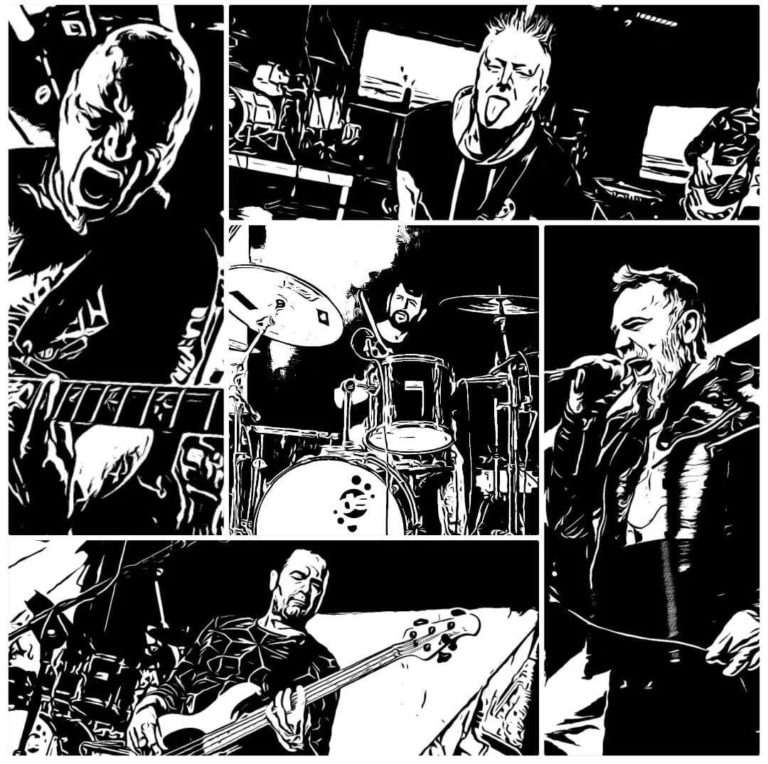
UK industrial metal project, BEAUTIFUL FREAKIN’ WEIRDO, recently dropped the video for their single, “Psychohead.” The track appears on their latest EP, Zap The Fear.

“Psychohead” dives head-first into escapism, away from this world of fear in which we are all manipulated and controlled. BEAUTIFUL FREAKIN’ WEIRDO Founding member, Mick Pritchard, says, “I think most, if not all, people have a little psycho in them. Your alter ego, your dark side, call it what you will. Take the red pill. Take the blue pill and all placebos. Good luck!”

“Psychohead” is a tale of sleepwalking into the abyss of smoke and mirrors – into a world controlled by fear because there isn’t a “Hell.” Hell is here. This is where you take the red pill just to try and kill your savage alter ego – the Phsyco in your head.

Tom Odell Unveils “Ugly” Ahead of Soul-Stirring New Album ‘A Wonderful Life’

0

Global star and award-winning singer-songwriter Tom Odell unveils his new song “Ugly.” The song comes ahead of his new album, A Wonderful Life, out on September 5. In lead up to release, Odell also shared “Don’t Cry, Put Your Head On My Shoulder” and “Don’t Let Me Go.” Recently, Odell appeared on CBS Saturday Morning to perform “Don’t Let Me Go” alongside an interview with Anthony Mason.

“Something I’ve never really talked about is some of my own weird shame around my body, and it feels so uncomfortable to actually say that in a song,” says Odell. “But when you say it, it’s really f***ing powerful. ‘Ugly’ is an exploration of what it feels like to be a human being – of looking out at the world and feeling like everybody seems to glide through life so easily, but the experience of actually living it yourself is so fraught and it’s not pretty.”

He will share songs from the album with fans on his headline European arena tour this fall. Dates include stops at London’s O2 Arena, Paris’ Accor Arena, two nights at Amsterdam’s Ziggo Dome, Berlin’s Uber Arena and more. Odell just wrapped up select European arena dates with Billie Eilish on the sold-out Hit Me Hard and Soft Tour and is currently on the road with The Lumineers for select U.S. arena dates of the Automatic World Tour. Ahead of his headline arena dates, Odell will also embark on a special run of intimate shows across the U.S. and Canada. These club performances provide fans a unique chance to see him in the smallest rooms he’s played in years.

A Wonderful Life was written partly as a reaction to the news cycle and “the sense, almost every week, that the world is ending in some capacity-which it is, for some people.” Odell’s lyrics channel the despair, frustration and helplessness in the modern world.

He recorded A Wonderful Life in Church Studios, HOXA and RAK Studios’ legendary Room One, the space that birthed classic albums from Radiohead, The Pogues, Ultravox and more. Odell and his band recorded everything live with the instruments “bleeding in on one another” for a more authentic sound.
His emotionally charged songs detailing love, heartbreak and self-reflection continue to receive critical acclaim, winning the prestigious BRIT and Ivor Novello Awards and garnering praise from The Guardian, The Telegraph, Rolling Stone, The Evening Standard, The Observer, among others.

Odell is a renowned British singer and songwriter whose love for music can be traced back to grade school, pivoting from songwriter to singer in his band when they couldn’t hold down a frontman. After studying music in college, he embarked on a decade-long career in which his soul-baring projects have topped charts and won accolades worldwide.

Though Odell first came to prominence as a chart-topping artist, it’s never been mainstream success that fuels him. “I never applied to the role of pop star, and I always felt like I was being perceived in the wrong way,” he reflects. As he’s committed further to his own vision-crafting intensely personal songs dealing with mental health struggles, body image issues and beyond-he’s seen the connections spread across the globe. “It alleviates some of the loneliness of existing,” he suggests of why his music has resonated so strongly, “which is what we’re all going through, together.”

Odell has amassed a rabid following, with multiple headline world tours, 31 million monthly listeners on Spotify and over 14 billion career streams. His sixth album Black Friday reached number five on Spotify’s Top Album Debut Global Chart and the haunting title track has earned over 700 million combined streams since its late-2023 release. Fans also re-discovered his first ever single, 2012’s “Another Love,” which has become an anthem on TikTok to show solidarity with the people of Ukraine and soared to over four billion plays on Spotify alone. With more imminent from Odell, he continues to push boundaries and unite people through his art.