Home Blog Page 462

Why Career Awareness Matters for Junior High Students in the Philippines

0

By Mitch Rice

In many Filipino households, conversations about the future start early—but not always clearly. Someone mentions becoming a nurse, an engineer, or working abroad, and that idea quietly sticks. For junior high students, these early ideas often feel heavy, confusing, and far away at the same time. 

Somewhere between school subjects, peer pressure, and family expectations, tools like an ncae reviewer begin to appear—not as answers, but as signposts pointing students toward understanding themselves a little better.

Junior High: The Age of “I Don’t Know Yet”

Ask a junior high student what they want to be, and the most honest answer is often silence. Or a shrug. Or a hesitant, “I’m not sure.”

That uncertainty isn’t laziness. It’s normal.

At this age, students are still figuring out their interests, strengths, and confidence. One week they love science. The next week they’re suddenly into art. Then someone says math is important, and now they’re worried again.

Why Waiting Too Long Creates Bigger Problems

Some people believe career discussions should wait until senior high or college. But by then, many students are already choosing tracks, strands, or programs without really understanding why.

That’s when problems show up:

  • Students shifting courses repeatedly
  • Loss of motivation
  • Anxiety about “wasting time”
  • Pressure to follow paths they don’t enjoy

Early awareness doesn’t force decisions. It prevents regret.

The Reality of Choices in the Philippine Education System

Education in the Philippines, junior high students eventually face decisions that affect senior high tracks and beyond. Academic, technical-vocational, sports, arts—each path leads somewhere different.

Without career awareness, those choices feel random.

Some students choose based on friends. Others choose based on what sounds impressive. Some follow family suggestions without understanding the daily reality of those careers.

Career Awareness Is Really About Self-Awareness

Career awareness starts inward.

Before thinking about job titles, students need to understand:

  • What subjects energize them
  • What drains them
  • How they learn best
  • What environments they feel comfortable in

This kind of reflection doesn’t come naturally to everyone. It needs guidance. Conversation. Exposure.

The Role of Guidance Counselors and Teachers

Teachers and counselors often see sides of students whose families don’t.

They notice who leads group work. Who asks curious questions. Who struggles quietly. Who thrives with structure or creativity.

When educators introduce career awareness early—through talks, activities, or even simple classroom conversations—it normalizes exploration.

Parents Mean Well, But Pressure Is Real

Most Filipino parents want stability for their children. That often translates to encouraging “practical” careers.

The intention is love. The impact can be pressure.

Career awareness helps balance this dynamic. When students understand their strengths and interests, conversations at home become more grounded.

Why Exposure Matters More Than Advice

Telling students about careers isn’t enough. They need exposure.

Stories. Real examples. Guest speakers. Community connections. Even casual conversations about work life.

When students hear what careers actually look like—daily tasks, challenges, growth paths—their ideas become realistic.

Small Activities That Make a Big Difference

Career awareness doesn’t need grand programs to be effective.

Simple things help:

  • Career days
  • Interest checklists
  • Classroom discussions about jobs tied to subjects
  • Reflection journals
  • Exploring strengths and preferences

Even reviewing structured materials meant to guide thinking—like an ncae reviewer—can spark conversations that go beyond scores.

The value lies in reflection, not labels.

Career Awareness Helps Students Take School Seriously

Something interesting happens when students see the connection between school and real life.

Subjects start to matter differently.

Math isn’t just numbers. It’s logic, analysis, and problem-solving. English isn’t just grammar. It’s communication, persuasion, expression.

The Social Impact of Early Career Guidance

When students make informed choices, communities benefit.

There’s less dropout. Less wasted time. More motivated learners. More aligned career paths.

Career awareness isn’t just personal—it’s social.

Helping Students Ask Better Questions

Career awareness doesn’t give answers. It teaches students what to ask.

Questions like:

  • What kind of work environment suits me?
  • What skills do I enjoy using?
  • What challenges am I willing to face?
  • How do my interests connect to real opportunities?

Those questions guide better decisions than any single recommendation ever could.

Data and information are provided for informational purposes only, and are not intended for investment or other purposes.

Pennsylvania Southern Rock Outfit Six Gun Sally Slide Into A Smooth Groove On “Easy Love”

0

Pennsylvania based indie southern rock outfit Six Gun Sally release their new single “Easy Love”, out now. Written by Aimee Jane Williams with Dave Barbe and Jeff Ford Thurston, the track marks the band’s 21st studio recording and leans into a smoother, more intimate pocket. Produced by Thurston alongside Barbe, the song blends modern country, southern rock, R&B, and pop through a mid tempo groove that keeps everything warm and close to the chest.

“Easy Love” moves on feel rather than force, with guitars, keys, bass, and percussion settling into a relaxed swing that leaves room for Williams’ vocal delivery. There is early buzz around the song’s ease and restraint, especially how the arrangement stays loose while the melody stays locked in. The track plays like a late night slow burner, carried by tone, texture, and a steady rhythmic pull that never rushes the moment.

Queer Alt Pop Artist Maryze Skewers Celebrity Mythmaking On “False Icon”

0

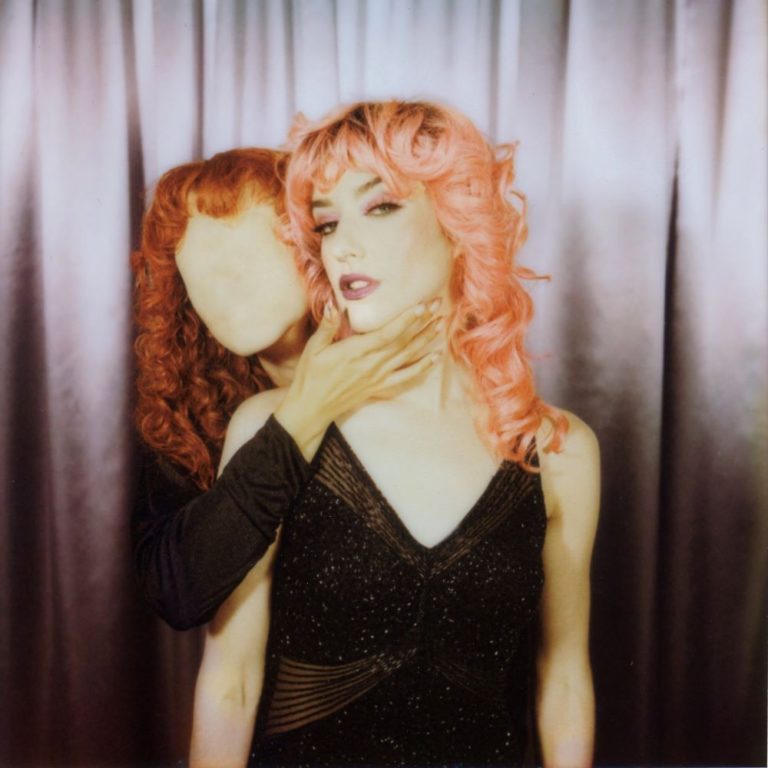
Queer Canadian French alt pop artist Maryze releases their debut UK single “False Icon”, out now via Hot Tramp Distribution. Produced by Skyler Cocco, the track leans into dramatic 80s synth textures while pulling in the exaggerated unease of cult body horror cinema. Polaroid artwork shot by Andrea Calvetti mirrors the song’s tension between glamour and distortion, framing “False Icon” as both theatrical and unsettling. Inspired in part by the 1986 film Society, the song examines celebrity worship through a sharp, stylized lens that cuts through surface level shine.

“False Icon” moves with pulsing synth lines and heightened drama, pairing camp aesthetics with pointed observation. The track is already generating buzz for how boldly it tackles manipulation and image-making in pop culture, sounding sleek while keeping its edge intact. A self-contained visual world expands the concept further, with Sadie Scheufler portraying the magnetic figure at the center of the song’s narrative. “False Icon” stands out as a striking introduction to Maryze’s UK audience, combining theatrical sound design, vivid imagery, and direct lyrical focus.

Heavy Alt Rock Outfit Hail Your Highness Close The Arc With “Reset The Stars”

0

ail Your Highness return with “Reset The Stars”, the third and final single from their EP ‘Wonderdust’. Out now, the track arrives alongside a self-produced music video filmed DIY at sunset on a mountain, completing the visual run tied to the ‘Wonderdust’ era. Framed as the closing moment of the project, the song centers on collapse, renewal, and motion restarting, using time as both image and structure rather than a fixed narrative.

Musically, “Reset The Stars” pulls together the band’s full range, with grinding mathcore sections colliding against dance-driven hooks before opening into a djent-leaning final stretch that swells and releases. There has been buzz around how the track moves between tension and release without smoothing out the edges, giving it a physical, cinematic weight. The song’s long development adds texture to the result, rebuilt at SHEFREAK after an earlier version sat dormant, and shaped into something that feels expansive, heavy, and locked into its moment.

Calgary Country Rockers Brother Bicker Band Hits The Highway With “The Good Road”

0

Calgary country rock seven member Brother Bicker Band release “The Good Road”, a driving anthem written in response to the completion of the city’s ring road in their hometown. The song draws directly from that moment of expansion and movement, pairing steady drums, layered guitars, and stacked vocals with imagery tied to pavement, distance, and keeping your wheels pointed forward. Recorded at Evergreen Sound with producer Mark Troyer, the track moves at a cruising pace built for long stretches of road rather than quick turns.

Fresh off their album ‘Another Kind of Train’, out now, and following multiple 2025 Calgary Music Award nominations, the band lean into what they do best here, tight musicianship, shared vocals, and a sound that sits comfortably between country, blues, and roots rock. “The Good Road” is picking up buzz for how naturally it fits into the highway rock tradition, sounding at home through open windows, late drives, and familiar routes driven one more time. The full seven member lineup gives the song weight and width, with keys, harmonies, and rhythm locking together into a solid, road-tested groove.

West Wales Folk Songwriter Louis O’Hara Releases Debut Album ‘A Peaceful Kind of Fun’

0

West Wales songwriter Louis O’Hara releases his debut album ‘A Peaceful Kind of Fun’, out now via Libertino Records. Recorded in Spain with his band His Burley Chassis and produced by James Trevascus, the 14-track album draws from folk traditions while folding in chamber-pop touches and restrained arrangements. Songs take shape around memory, place, and personal history, with nylon-string guitar and piano anchoring much of the record’s sound. The single “Magpie” sits at the heart of the album, offering a snapshot of O’Hara’s reflective songwriting and melodic focus.

Across tracks like “Sunnyhill Farm”, “Audrey”, and “Plant a Tree”, the album moves through family ties, landscapes of home, and moments that leave lasting marks. There has been genuine buzz around how naturally the songs settle into their emotions, with listeners responding to the warmth and intimacy of the performances. ‘A Peaceful Kind of Fun’ carries a grounded, lived-in vibe that rewards close listening, letting small details surface through melody, voice, and careful pacing.

Nottingham Indie Pop Five Piece Vona Vella Step Into Colour And Motion On ‘Carnival’

0

Nottingham based five piece Vona Vella release their new full-length album ‘Carnival’, out now via Strap Originals. Produced by Jason Stafford, the record expands the band’s art-pop sound with spangling guitars, entwined vocals, and a sense of constant movement. The title track “Carnival” has already travelled widely, featuring in NBA2K 26 and drawing word of mouth buzz from players who cite it as a standout on the game. Its video, directed by Roger Sargent, places the band inside the lights and motion of Nottingham Goose Fair, matching sound to setting.

Across thirteen tracks, ‘Carnival’ moves between rush and release, letting texture and rhythm lead the way. Songs like “Bass Driver”, “Over And Over”, and “Bear Trap” carry forward drive, while “Falling In A Sleeping Wind” and “I Wanna Tap Into Your Heaven Again” slow the pace and open up space. There is strong buzz around how immersive the record feels from start to finish, with the album delivering a vivid, high-colour vibe that keeps momentum locked in. ‘Carnival’ captures a band stretching outward and embracing the blur, speed, and glow of the ride.

FoaFoa and A$H Map the Emotional Galaxy on New Collaborative EP ‘Vibe Frequency’

0

FoaFoa and A$H team up from opposite ends of the UK on ‘Vibe Frequency’, a four-track EP out now that leans into mood, texture, and feeling. Each song is tied to a specific emotion acceptance, pride, excitement, and sadness with the production and performances shifting tone as the record moves forward. The EP unfolds in a tight sequence, letting changes in tempo, energy, and atmosphere do the storytelling.

“Artist Anonymous (A.A)” opens with a measured, grounded feel, setting up acceptance before “Right Here! Right Now!” brings a surge of confidence and momentum. “Lost In The Vibe” pushes into faster movement and heightened energy, while “Leanne’s Light” closes with a restrained, reflective mood that hangs in the air. The release is picking up buzz for how naturally the emotions translate into sound, and the vibe stays consistent from start to finish. ‘Vibe Frequency’ comes across as a short listen built around feel first, letting rhythm and tone carry the weight.

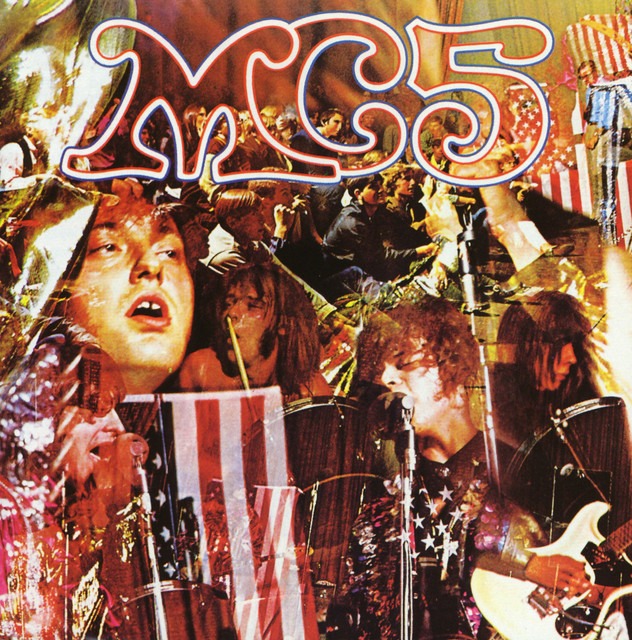
5 Surprising Facts About MC5’s ‘Kick Out the Jams’

Forget the peace-and-love vibrations of the late sixties; in Detroit, the revolution was being amplified through a wall of Marshalls. MC5 didn’t just play rock and roll; they waged a high-decibel assault on the establishment from the stage of the Grande Ballroom. Managed by White Panther leader John Sinclair and fueled by a 10-point program of total liberation, this wasn’t an album—it was a declaration of war. It’s raw, it’s raging, and it effectively threw a Molotov cocktail into the face of the music industry.

A Retail War That Toppled a Giant

When the Detroit-based department store chain Hudson’s refused to stock the album due to its obscene lyrics, the MC5 didn’t back down—they escalated. The band took out a full-page ad in the underground magazine Fifth Estate that simply read “Fuck Hudson’s!” and prominently featured the Elektra Records logo. The stunt backfired when Hudson’s retaliated by pulling all Elektra releases from their shelves, forcing the label to drop the MC5 to save their own bottom line.

The “Brothers and Sisters” Radio Fake-Out

The band and their label knew that Rob Tyner’s infamous motherfuckers battle cry would never fly on the airwaves. To get around the censors, they recorded an alternative introduction for the single version, swapping the profanity for brothers and sisters!”While guitarist Wayne Kramer saw this as a pragmatic move to get the song on the charts, Tyner later claimed the decision was made without a full group consensus, highlighting the internal tension between commercial success and revolutionary purity.

A Masterpiece Recorded Over Two Nights of Chaos

Unlike most debut albums of the era, Kick Out the Jams was recorded entirely live at the Grande Ballroom on October 30 and 31, 1968. The band wanted to capture the “visceral commitment” and high-energy spectacular of their hometown shows. The result was a recording so savage that it initially received a scathing review from Rolling Stone, only to be hailed years later as the foundational blueprint for the entire punk rock movement.

Targeted by the White House and COINTELPRO

The MC5 weren’t just playing at being radicals; the federal government took them deadly seriously. Freedom of Information Act documents later revealed that the band was targeted by the FBI’s COINTELPRO program. Their phones were tapped, they were followed by agents, and they were systematically harassed by the Detroit Police Department. G. Gordon Liddy even admitted to reading their propaganda and treating the band as a legitimate threat to national security.

The “Macho” Energy That Alienated the West Coast

Despite their massive success in the industrial Midwest and New York, the MC5 were famously out of sync with the California Flower Power scene. When they took their message to the West Coast, the hippies were repelled by their big amps, shiny clothes, and aggressive, leaping performances. Wayne Kramer noted that the band had too much macho energ” for the San Francisco crowd, who preferred wearing flowers in their hair to the MC5’s brand of sonic guerrilla warfare.

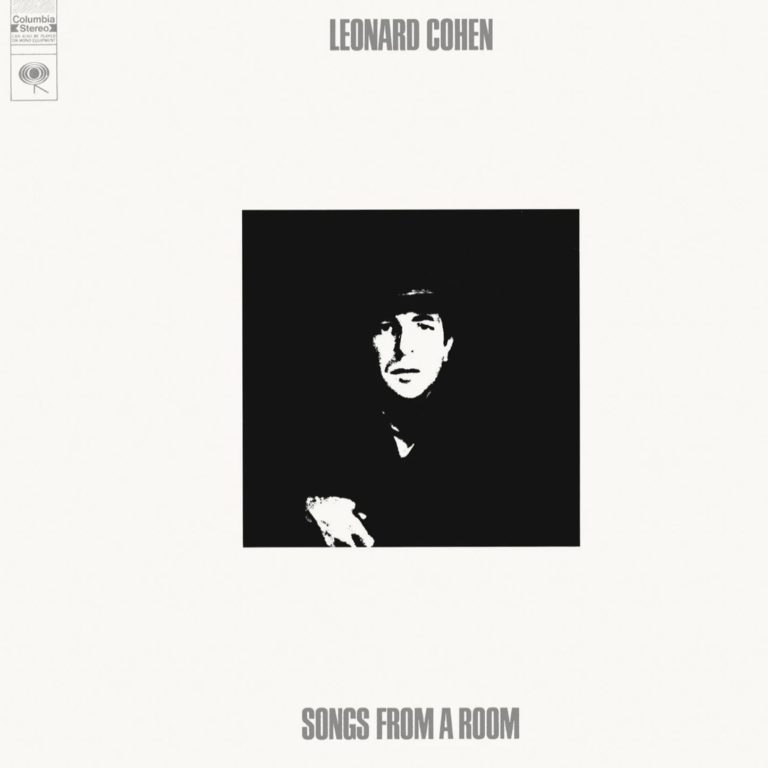
5 Surprising Facts About Leonard Cohen’s ‘Songs from a Room’

By 1969, Leonard Cohen was ready to strip everything back to the bone. Disillusioned with the “lushness” of his debut, he retreated to a farm in Tennessee to find a sound as honest and unadorned as his poetry. Produced by Bob Johnston—the legendary ears behind Dylan and Cash—this album is a masterclass in musical austerity. It’s a record where the silence between the notes is just as vital as the words, capturing a towering songwriter in his most skeletal and vulnerable form.

A Failed Collaboration with David Crosby

The road to this album actually began in Hollywood with David Crosby in the producer’s chair. However, the partnership quickly soured, and Cohen nearly abandoned the project entirely out of frustration. It wasn’t until he met Bob Johnston that he found a musical bodyguard willing to protect the spartan, stripped-down sound he craved. While the Crosby sessions were scrapped for the original release, a few tracks from those early dates eventually surfaced decades later as bonus material.

A Masterpiece Inspired by Telephone Wires

One of the most famous songs in the Cohen canon, “Bird on the Wire,” was born from a moment of technological dread on the Greek island of Hydra. Cohen had moved there to live an 11th-century life without electricity, but he was devastated when civilization finally caught up and telephone poles were installed. His girlfriend, Marianne, helped him out of a depression by handing him his guitar, and he began writing as he watched birds landing on those new, unwanted wires.

The Producer Fled to France for Overdubs

Bob Johnston was obsessive about getting the atmosphere right for the track “The Partisan,” a cover of a French Resistance anthem from WWII. Feeling that authentic French voices were the only way to enhance the song’s gravity, Johnston and Cohen actually flew to France during the production. They overdubbed three female French singers to provide the haunting background vocals that gave the track its unmistakable, somber survivalist energy.

A Future Country Legend on the Fiddle

To achieve the painting of a sound Cohen wanted, Johnston enlisted a small, tight-knit group of Nashville’s finest. Among them was a young Charlie Daniels, years before he became a country superstar in his own right. Daniels contributed bass, fiddle, and acoustic guitar to the sessions, following Johnston’s strict instructions to “become one of the colors” in the song rather than just playing a part.

The Mystery of the Missing Song “Priests”

When the sheet music for the album was originally released, it included a song titled “Priests” that was reportedly recorded during the Nashville sessions. Curiously, the track never appeared on the final LP or any subsequent Cohen studio record, making it a lost holy grail for fans. While Cohen’s own version stayed in the vault, the song found life through other artists, most notably being recorded by Judy Collins and Richie Havens.