Home Blog Page 48

Marco Antonio Solís Brings “Tour Gratitud 2026” to North American Arenas This Summer

0

23 dates. Arenas and amphitheaters coast to coast. Marco Antonio Solís, the Michoacán-born singer whose catalog has defined Latin music for decades, brings his “Tour Gratitud 2026” to North American stages starting July 24.

Solís carries one of the most celebrated legacies in Mexican music. Known to generations of fans as El Buki, the frontman of Los Bukis, he built a solo career that stands fully on its own. Hits like “Si No Te Hubieras Ido” and “Tu Cárcel” remain touchstones, tracks that audiences know by heart and sing back loud.

The Live Nation-promoted tour opens at Moody Center in Austin and moves through major markets including Washington D.C., Boston, Las Vegas (2 nights at Dolby Live at Park MGM), Sacramento, and the Los Angeles area before wrapping October 10 at Yaamava’ Theater in Highland, California.

Last year’s solo run was a genuine success. His performance at Estadio GNP Seguros in Mexico City alone grossed $4.6 million off 56,140 tickets. In February, Los Bukis reunited for a 2-night stand at SoFi Stadium in Inglewood, grossing $14,246,905 off 95,720 tickets. The demand for Solís, in any configuration, is real and consistent.

The accolades match the audience. In 2022, the Latin Recording Academy named him Person of the Year, and that same year he appeared on the cover of Pollstar. The recognition reflects a career that has never stopped moving.

Tickets go on sale to the general public May 22 at 10 a.m. local time at LiveNation.com. Presales are on now through May 21. Citi cardmembers and Verizon customers both have presale access running until May 21 at 11 p.m. local time. VIP packages, including meet-and-greet and photo opportunities, early entry, and access to a preshow lounge, are available at vipnation.com.

“Tour Gratitud 2026” Dates:

July 24 — Austin, TX — Moody Center

July 25 — Hidalgo, TX — Payne Arena

Aug. 7 — Fort Worth, TX — Dickies Arena

Aug. 8 — Tulsa, OK — BOK Center

Aug. 14 — Washington, DC — The Theater at MGM National Harbor

Aug. 15 — Boston, MA — MGM Music Hall at Fenway

Aug. 19 — Uncasville, CT — Mohegan Sun

Aug. 21 — Reading, PA — Santander Arena

Aug. 22 — Belmont Park, NY — UBS Arena

Aug. 28 — Laval, QC — Place Bell

Aug. 29 — Hamilton, ON — TD Coliseum

Sept. 4 — Sterling Heights, MI — Michigan Lottery Amphitheatre

Sept. 5 — Rosemont, IL — Allstate Arena

Sept. 11 — Las Vegas, NV — Dolby Live at Park MGM

Sept. 12 — Las Vegas, NV — Dolby Live at Park MGM

Sept. 18 — Tucson, AZ — Tucson Arena

Sept. 19 — Phoenix, AZ — Mortgage Matchup Center

Sept. 25 — Sacramento, CA — Golden 1 Center

Sept. 26 — San Jose, CA — SAP Center

Oct. 2 — Chula Vista, CA — North Island Credit Union Amphitheatre

Oct. 4 — Long Beach, CA — Long Beach Amphitheater

Oct. 9 — Fresno, CA — Save Mart Center

Oct. 10 — Highland, CA — Yaamava’ Theater

Bonnaroo, Lollapalooza, and Austin City Limits Are Coming to Disney+ and Hulu This Summer

0

Three of the biggest festivals in North America just got a massive global platform. Disney+ is joining Hulu to livestream Bonnaroo, Lollapalooza, and Austin City Limits, putting all 3 events in front of music fans anywhere in the world.

Hulu enters its sixth year as the exclusive streaming home of the Live Nation festivals, and the addition of Disney+ represents a significant expansion of that reach. The partnership means subscribers across the globe get real-time access to some of the most culturally significant festival weekends of the year.

The dates are locked. Bonnaroo runs June 11-14, Lollapalooza follows July 30 through August 2, and Austin City Limits closes the run October 2-4. That’s a summer and fall of major live music, all accessible from wherever fans are watching.

Beyond the sets themselves, Disney+ and Hulu are bringing back Live Set, an on-site studio production featuring artist interviews and behind-the-scenes access at each festival weekend. It adds a layer of context and access that a straight livestream doesn’t offer.

“Music festivals are among the most electric, can’t-miss moments in culture,” said Lauren Tempest, Head of Content Planning and Partnerships at The Walt Disney Company. “We remain committed to bringing fans the biggest, most iconic moments right as they happen.”

The business case is clear. Live Nation’s Living for Live Global Study found that 73% of fans say they’re listening to more international artists than before, and 85% agreed live music transcends borders and languages. Streaming these festivals isn’t just a content play, it’s a response to how music fandom actually works now.

“Music festivals used to be experiences reserved for the people who could physically be there,” said Kevin Chernett, EVP and Head of Global Media Partnerships at Live Nation. “Expanding this partnership with Disney+ and Hulu allows these festivals to reach music fans at an entirely different scale.”

Corona Capital 2026 Locks In Gorillaz, The Strokes, and Twenty One Pilots for Mexico City

0

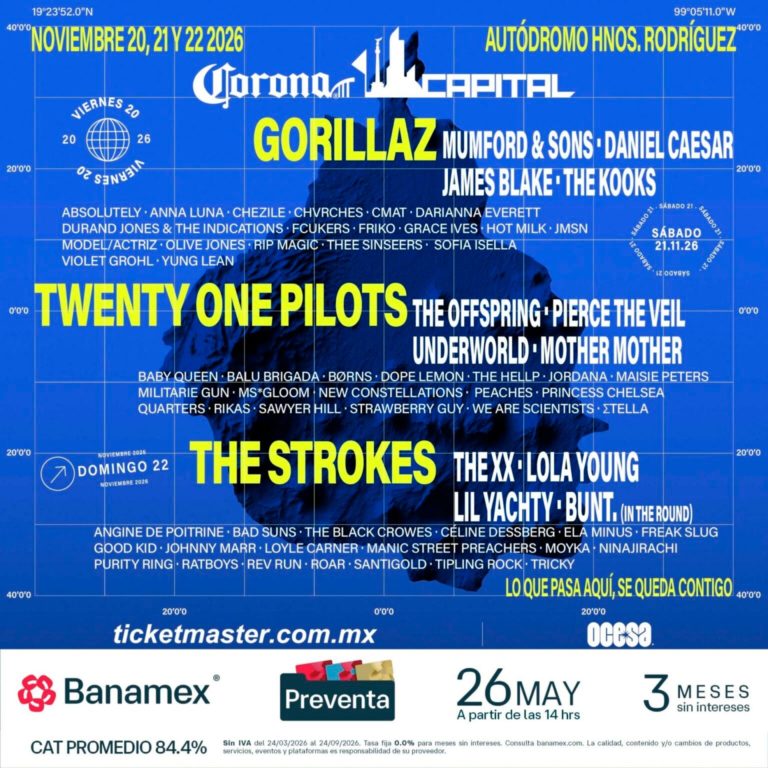
Corona Capital just announced its 2026 lineup, and it’s a statement. The 16th edition of Mexico City’s premier rock festival lands November 20-22 at Autódromo Hermanos Rodríguez, with Gorillaz, The Strokes, and Twenty One Pilots each commanding a headline slot across the three-day run.

Mexican promoter OCESA is going rock-heavy this year, and the depth of the bill backs that up. More than 60 acts spread across multiple stages makes this one of the most stacked Corona Capital editions in recent memory. Last year’s festival drew nearly 174,000 attendees over three days and grossed $16.7 million, so the bar coming in was already high.

Gorillaz close out Friday night on a bill that also includes Mumford & Sons, Daniel Caesar, James Blake, The Kooks, and Chvrches. That’s a Friday with genuine range, genre-spanning and consistently strong from top to bottom.

Saturday belongs to Twenty One Pilots, closing the night after a day that includes The Offspring, Pierce The Veil, Underworld, Mother Mother, Baby Queen, Børns, and Maisie Peters. The Offspring and Pierce The Veil both earned Pollstar cover features last year, and seeing them on the same day card is a genuine draw.

The Strokes headline Sunday, closing out the full weekend on a bill featuring The xx, Lola Young, Lil Yachty, The Black Crowes, Johnny Marr, Manic Street Preachers, and Loyle Carner. That’s a Sunday closer with real weight behind it.

A presale for Banamex cardholders begins May 26 at 2 p.m. local time, with the general on-sale following May 27 at 2 p.m. local time. Full details and tickets are available at coronacapital.com.mx.

Corona Capital 2026 Lineup Highlights:

Friday, November 20 Gorillaz, Mumford & Sons, Daniel Caesar, James Blake, The Kooks, Chvrches, CMAT, Anna Luna, Chezile, Absolutely and more

Saturday, November 21 Twenty One Pilots, The Offspring, Pierce The Veil, Underworld, Mother Mother, Baby Queen, Børns, Maisie Peters, Baby Queen, Balu Brigada, Dope Lemon, Jordana, Militarie Gun, Peaches and more

Sunday, November 22 The Strokes, The xx, Lola Young, Lil Yachty, The Black Crowes, Johnny Marr, Manic Street Preachers, Loyle Carner, Lola Young, Bad Suns, Ela Minus, Good Kid and more

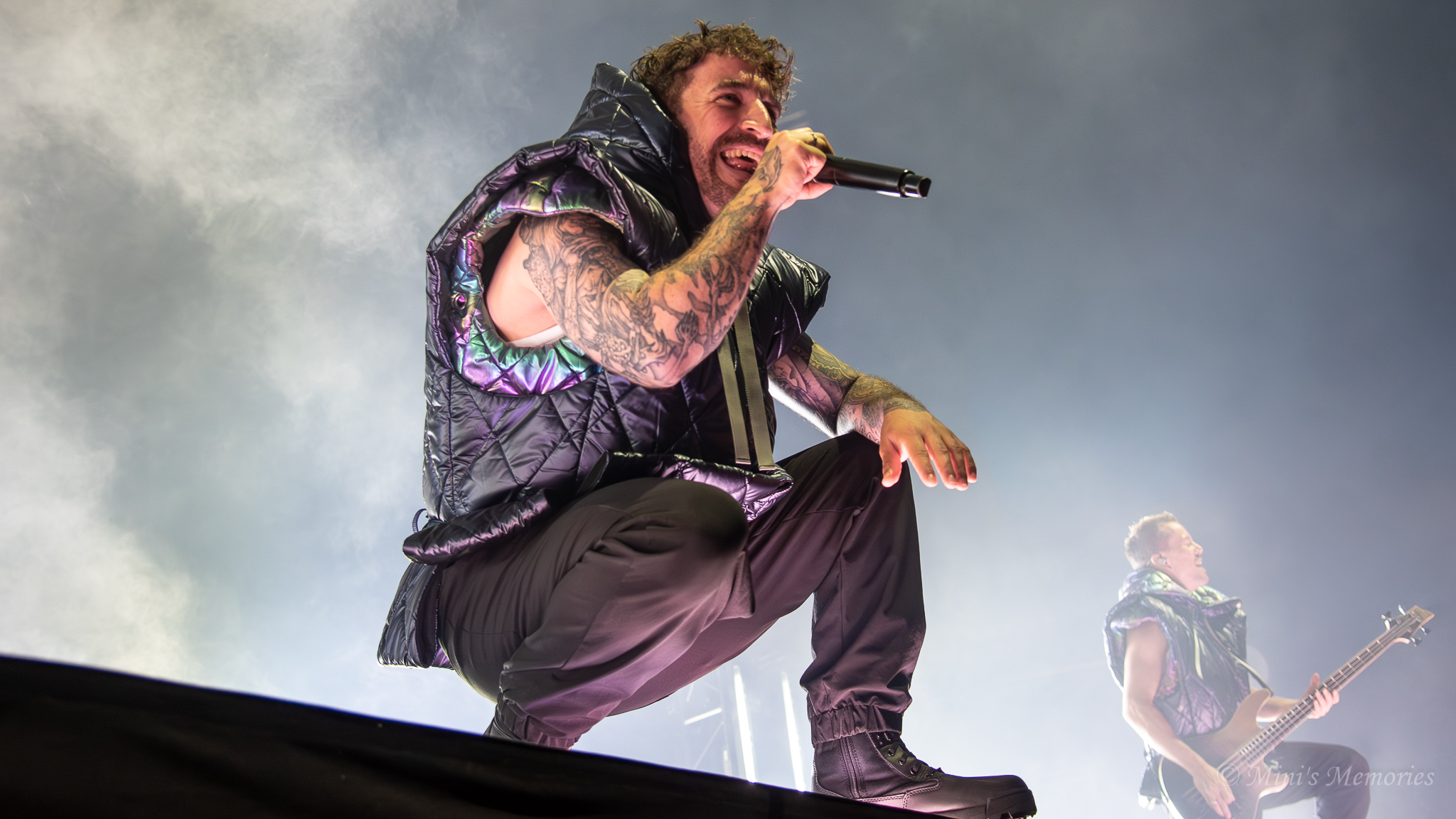
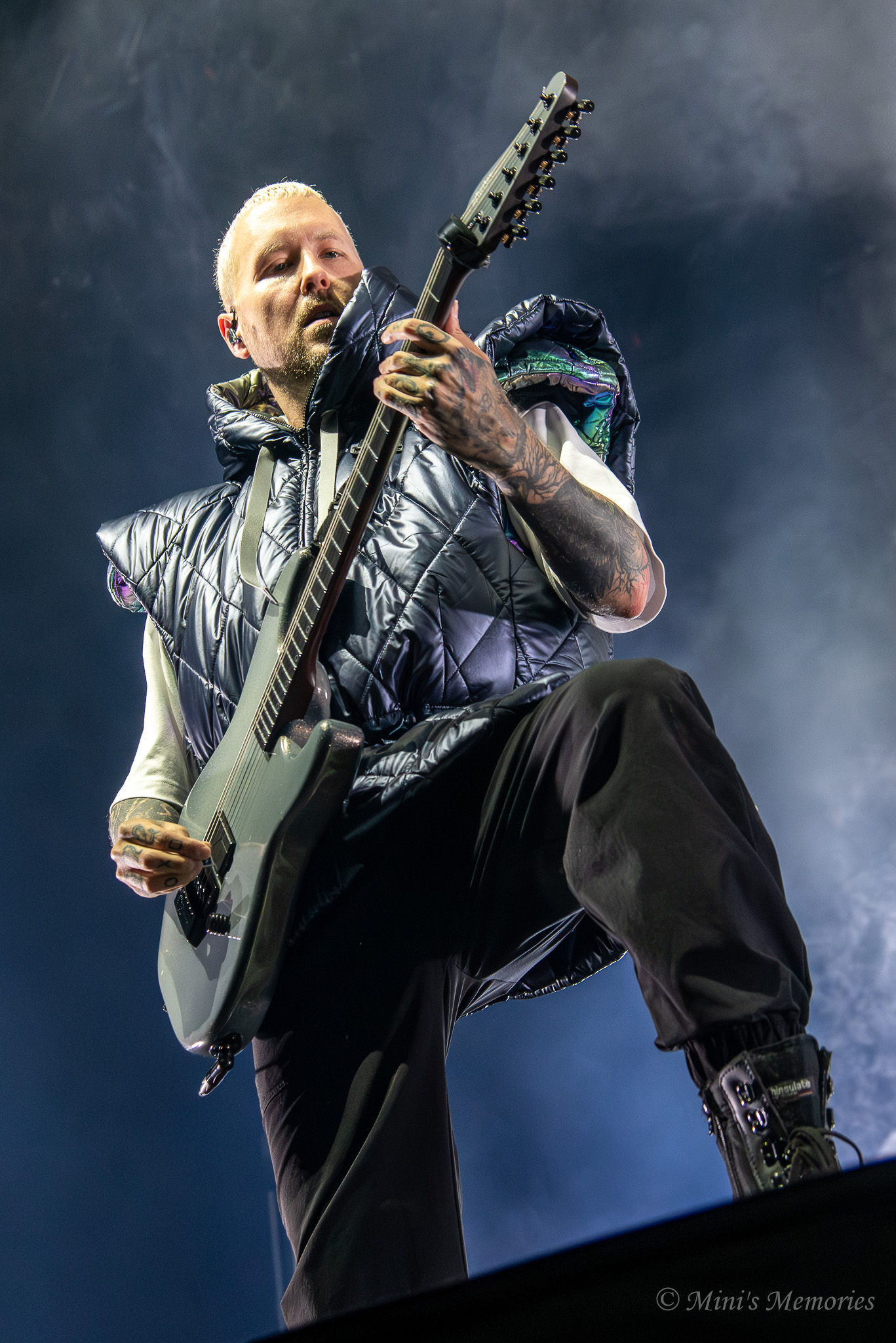
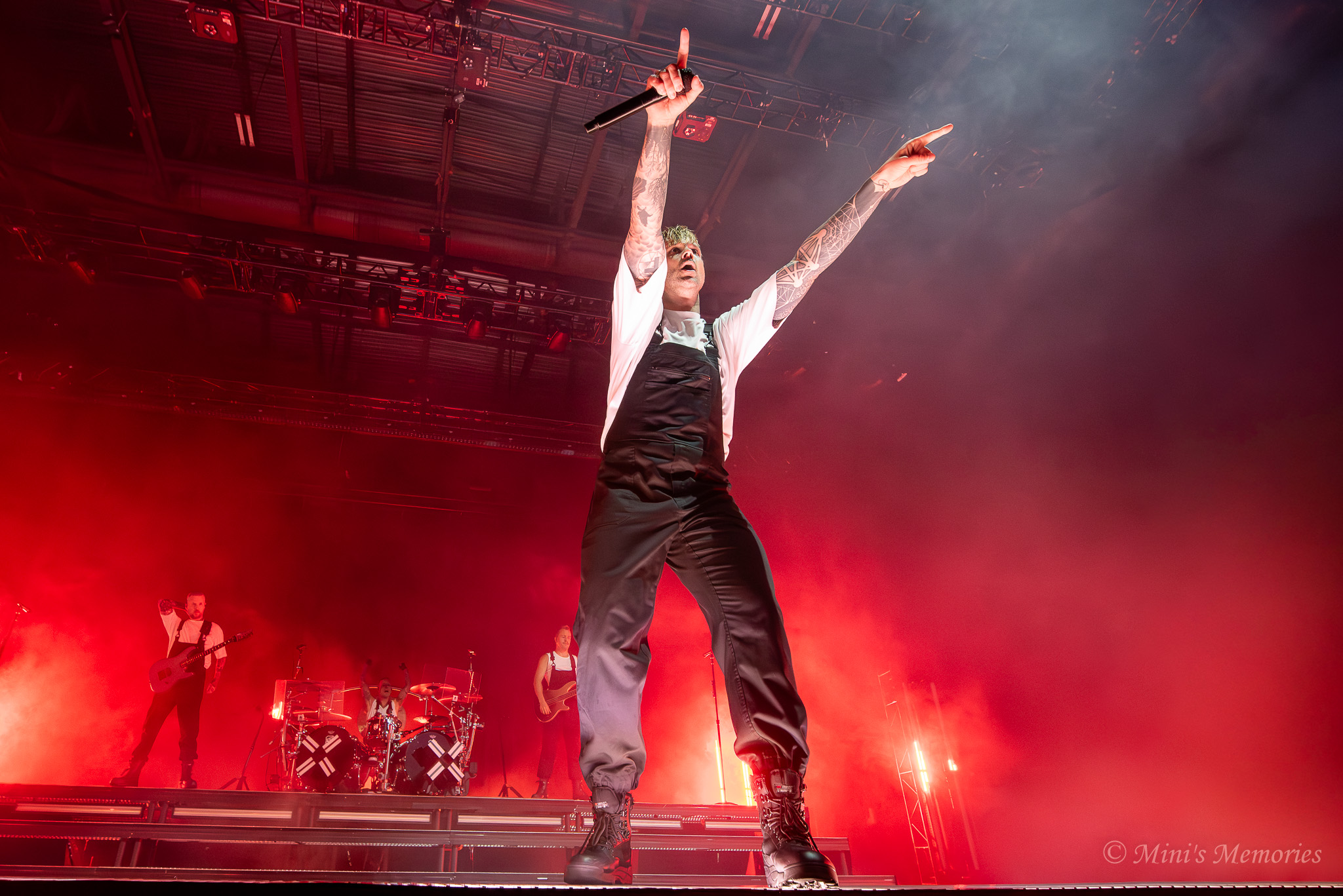
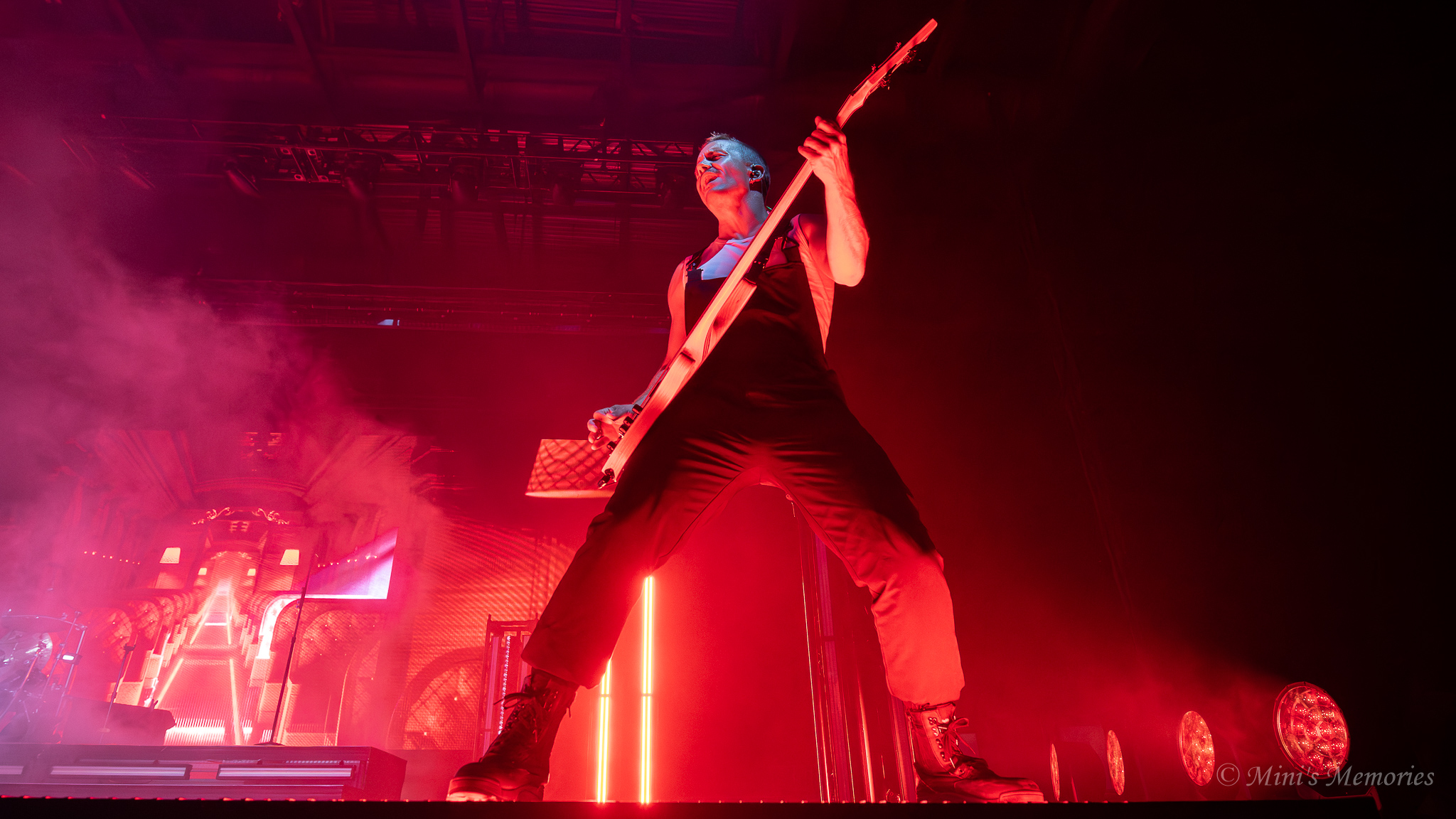
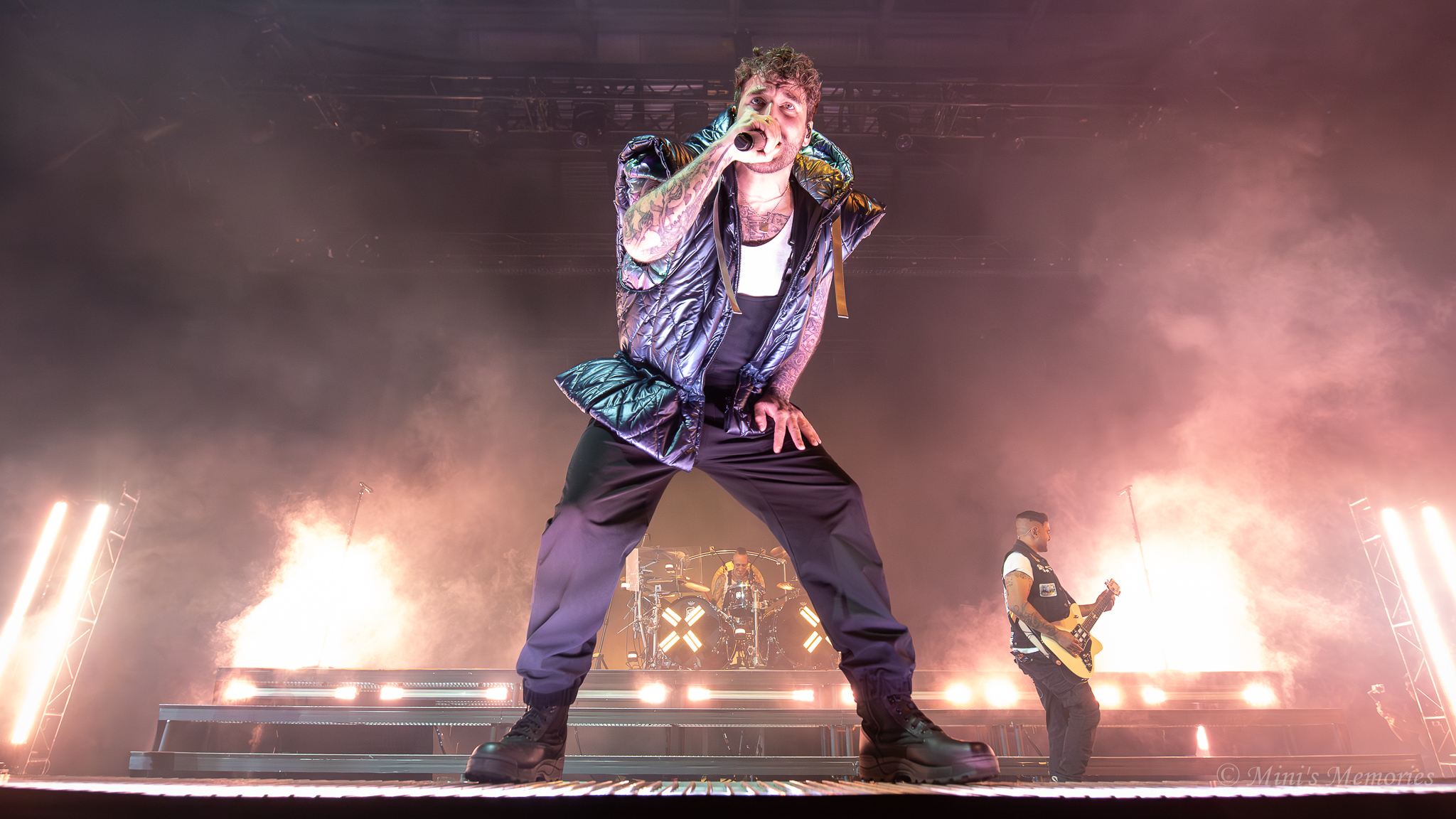
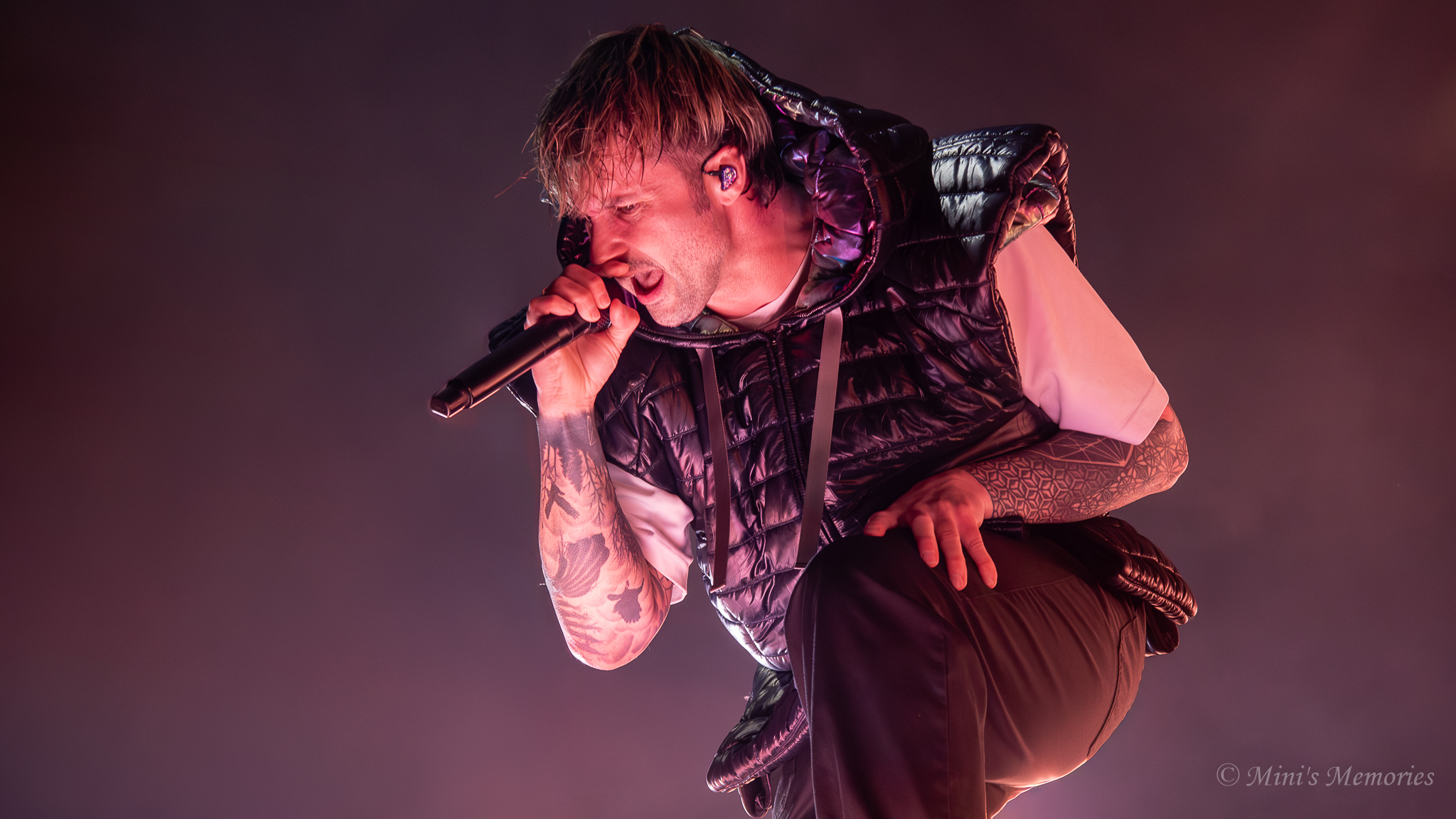
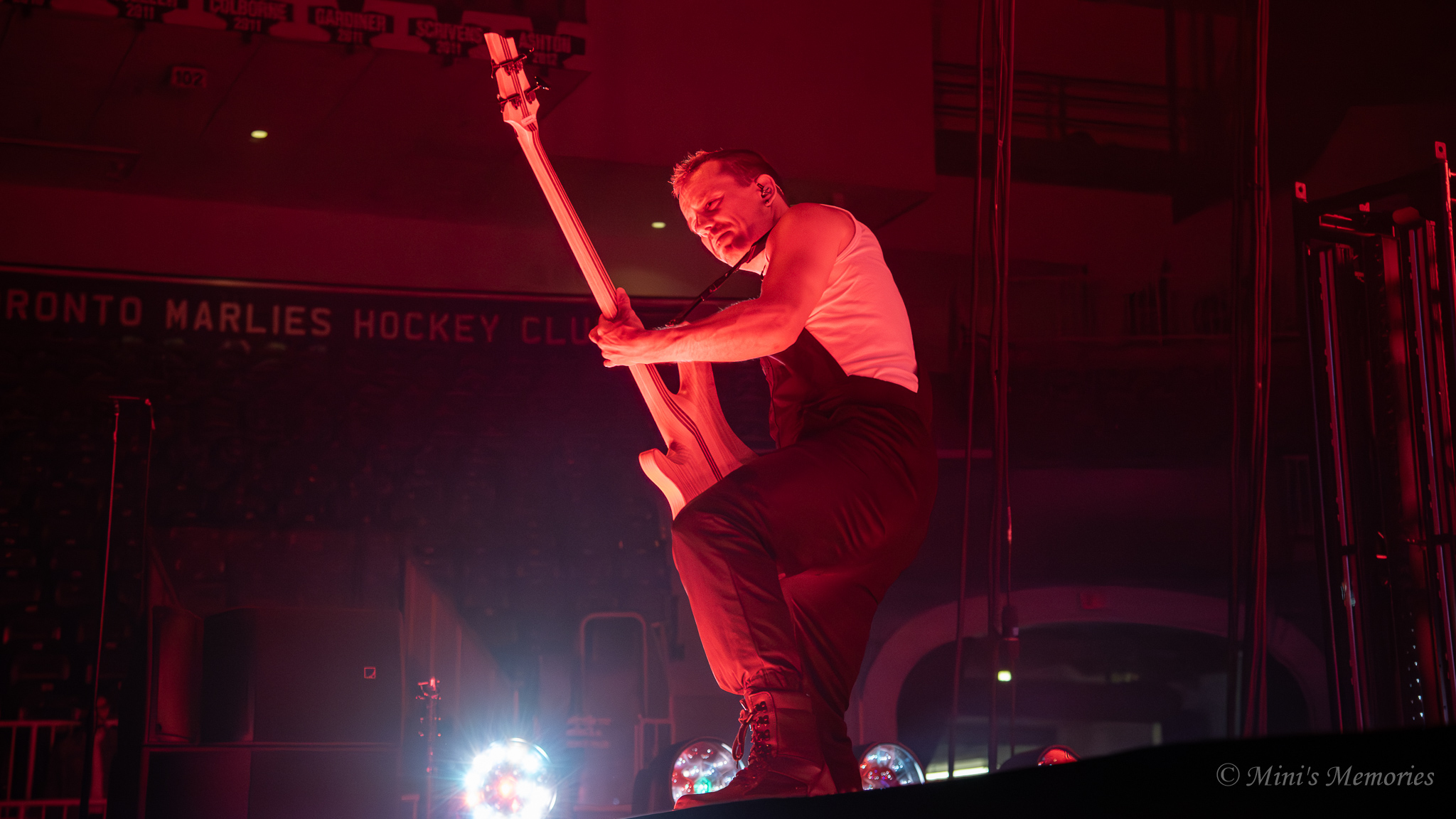
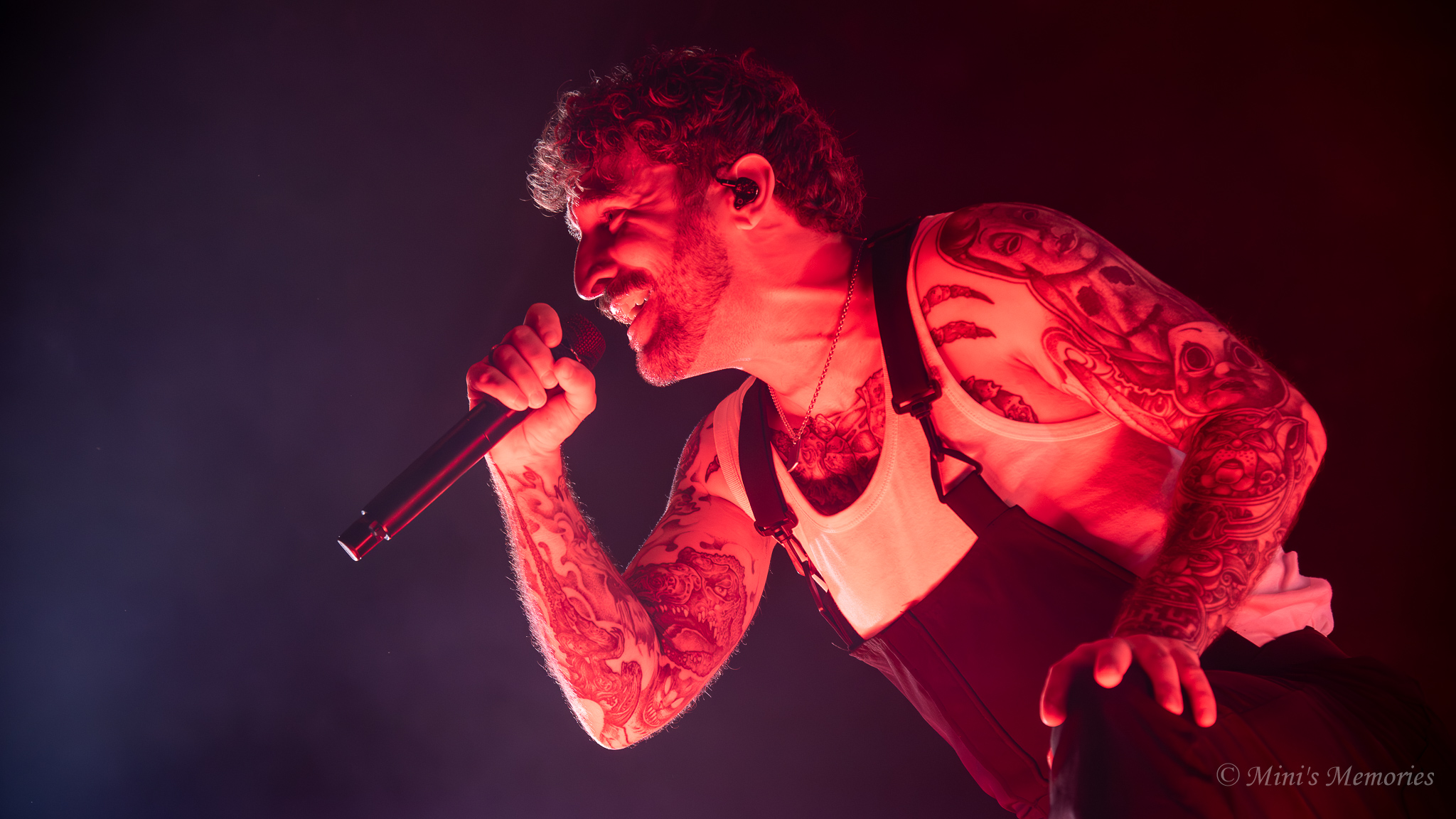
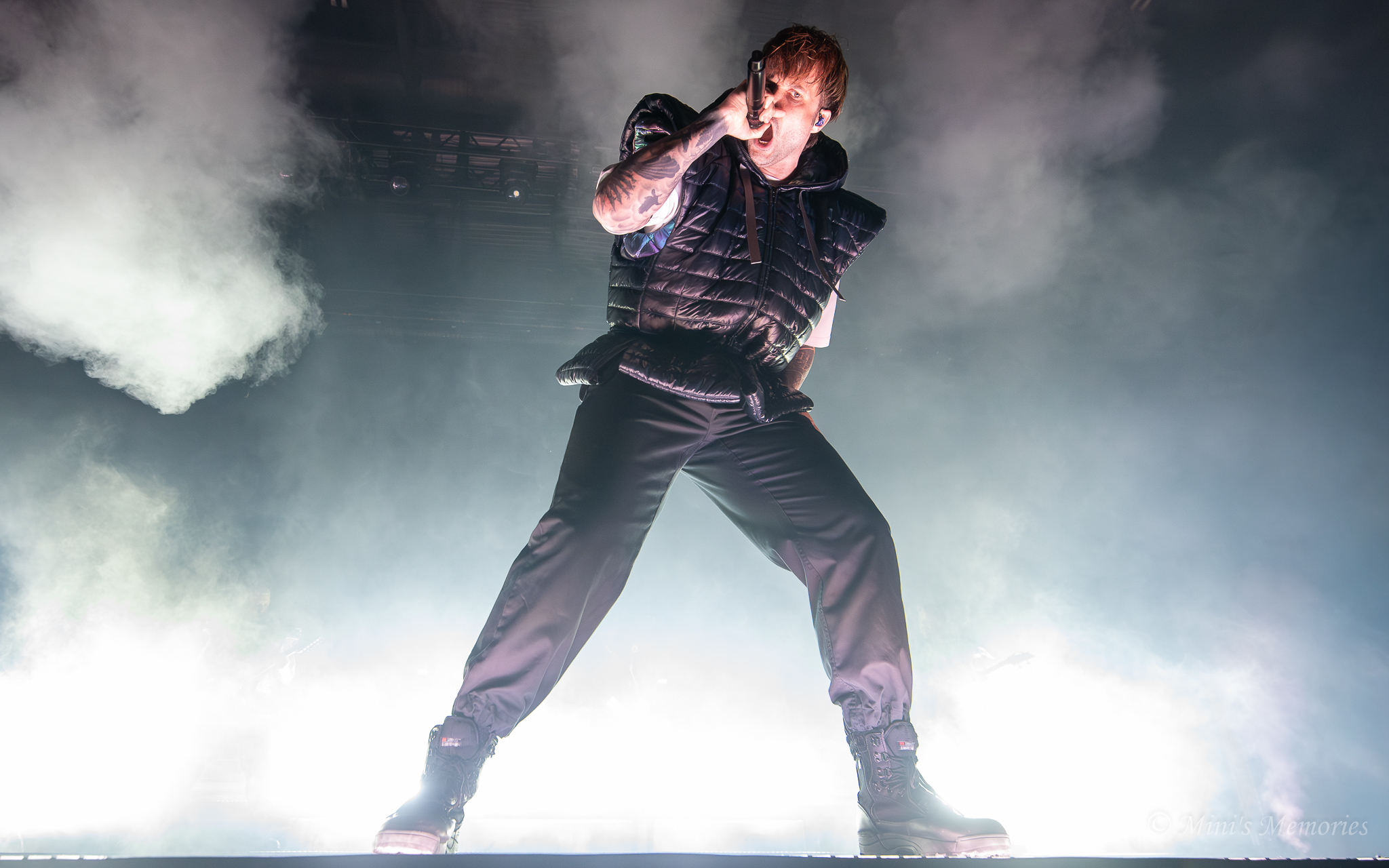
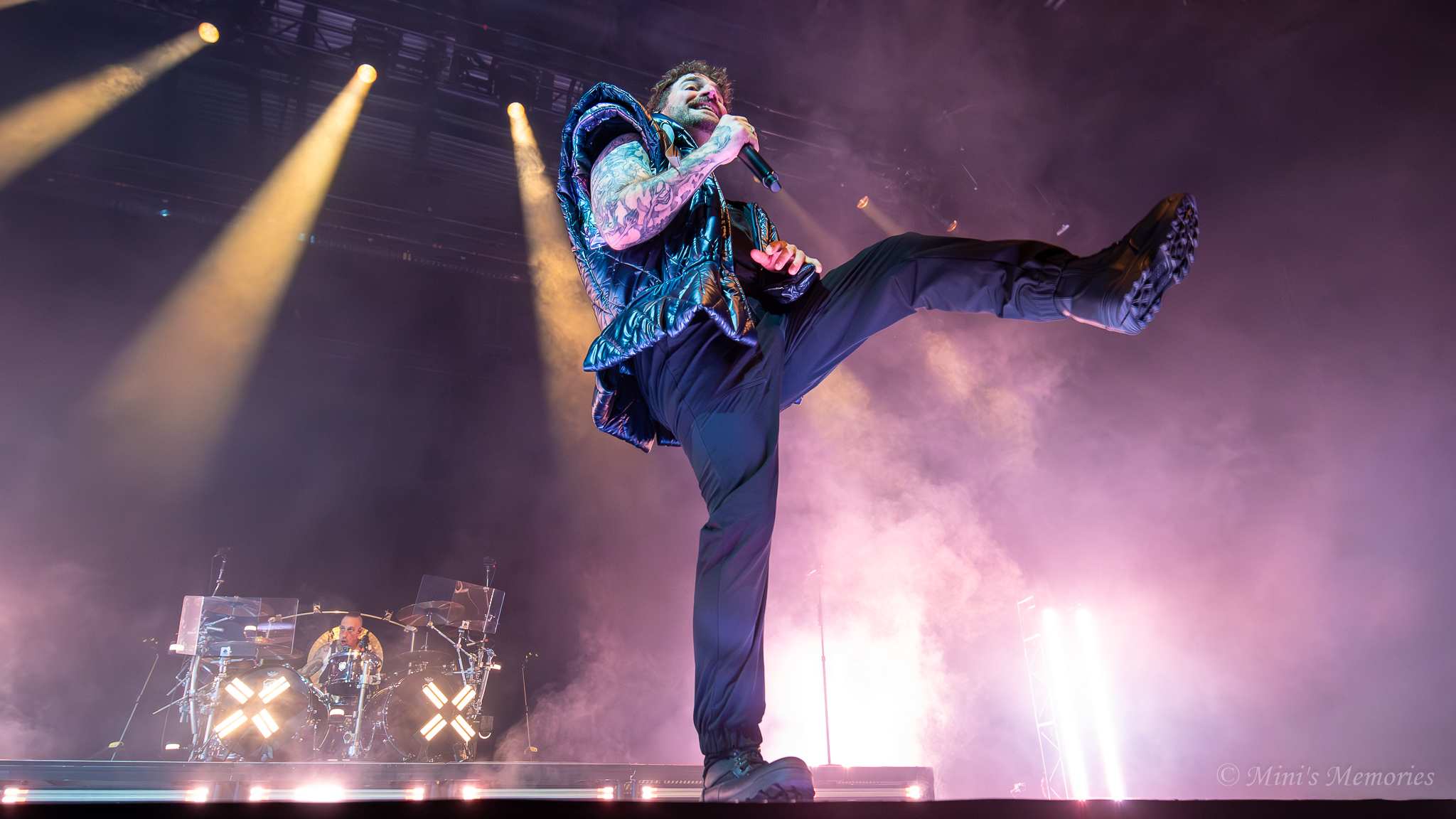
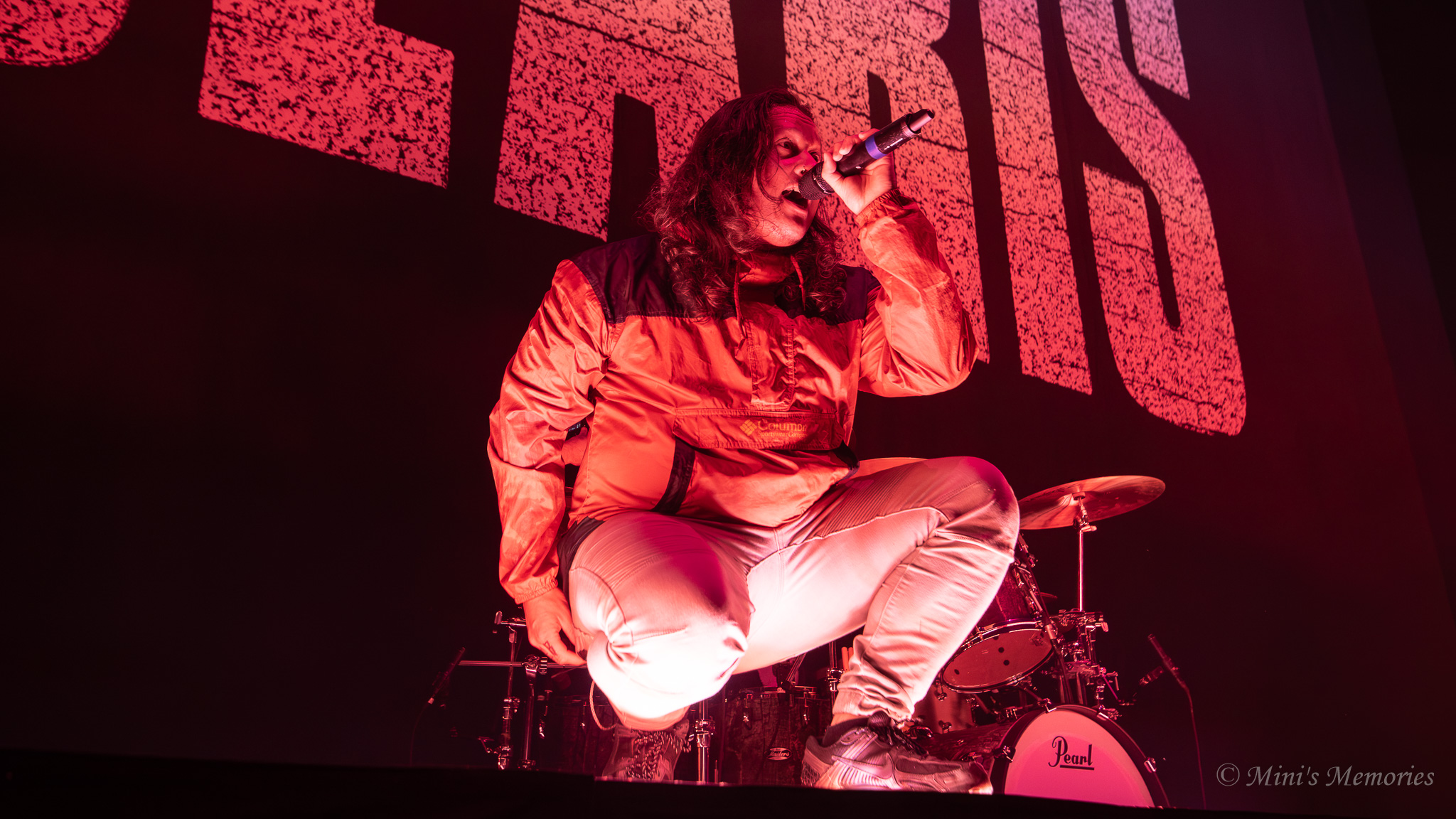
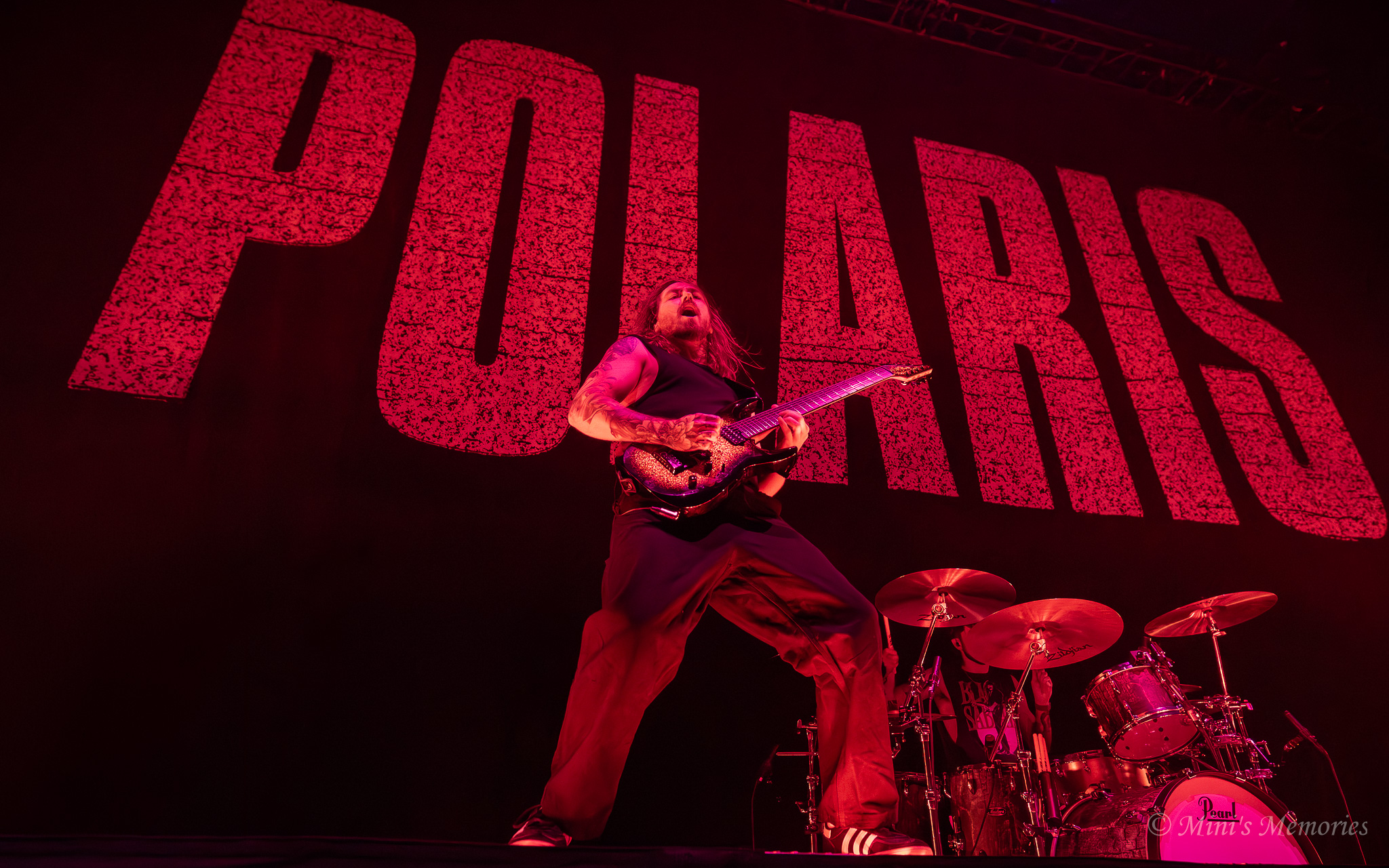
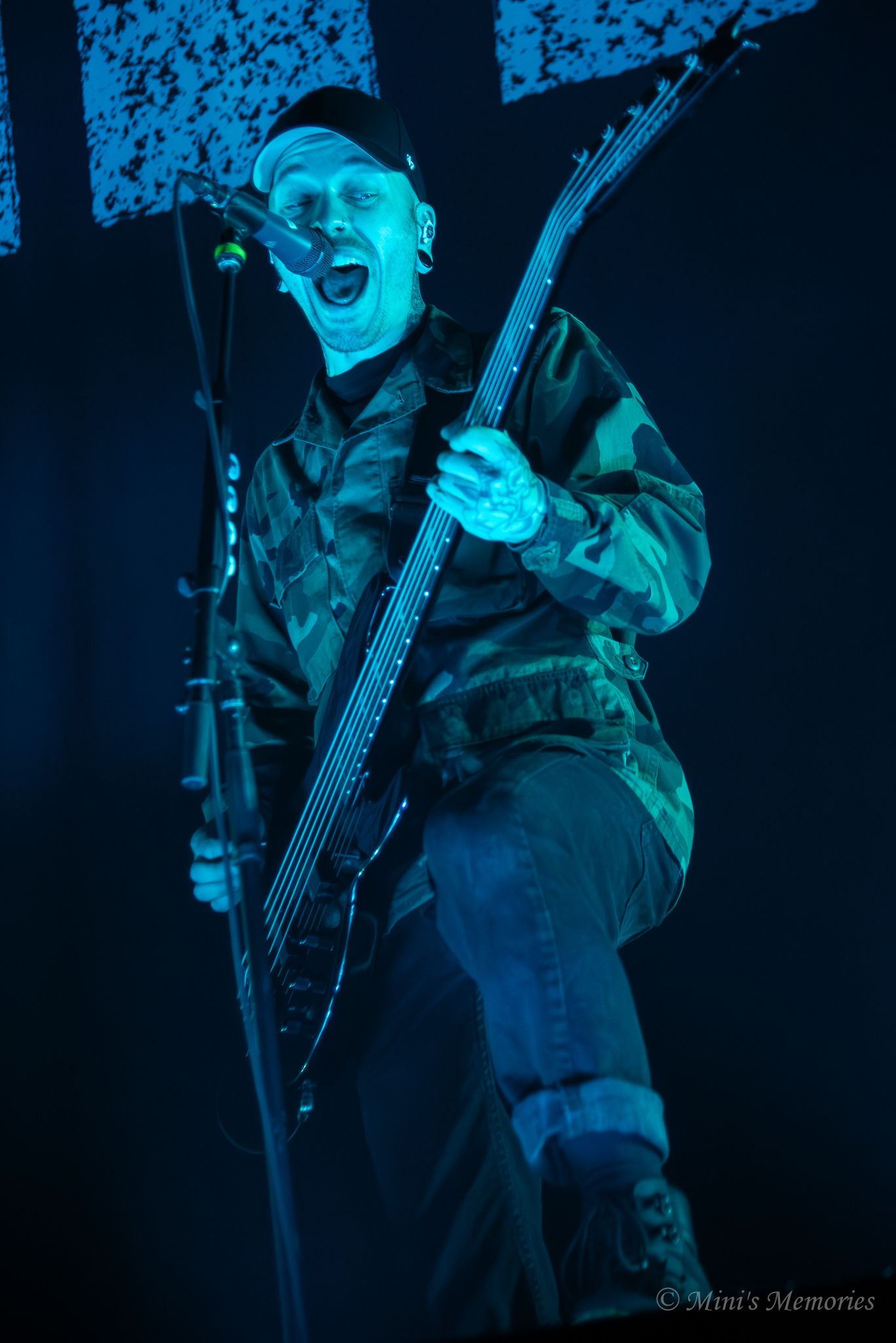
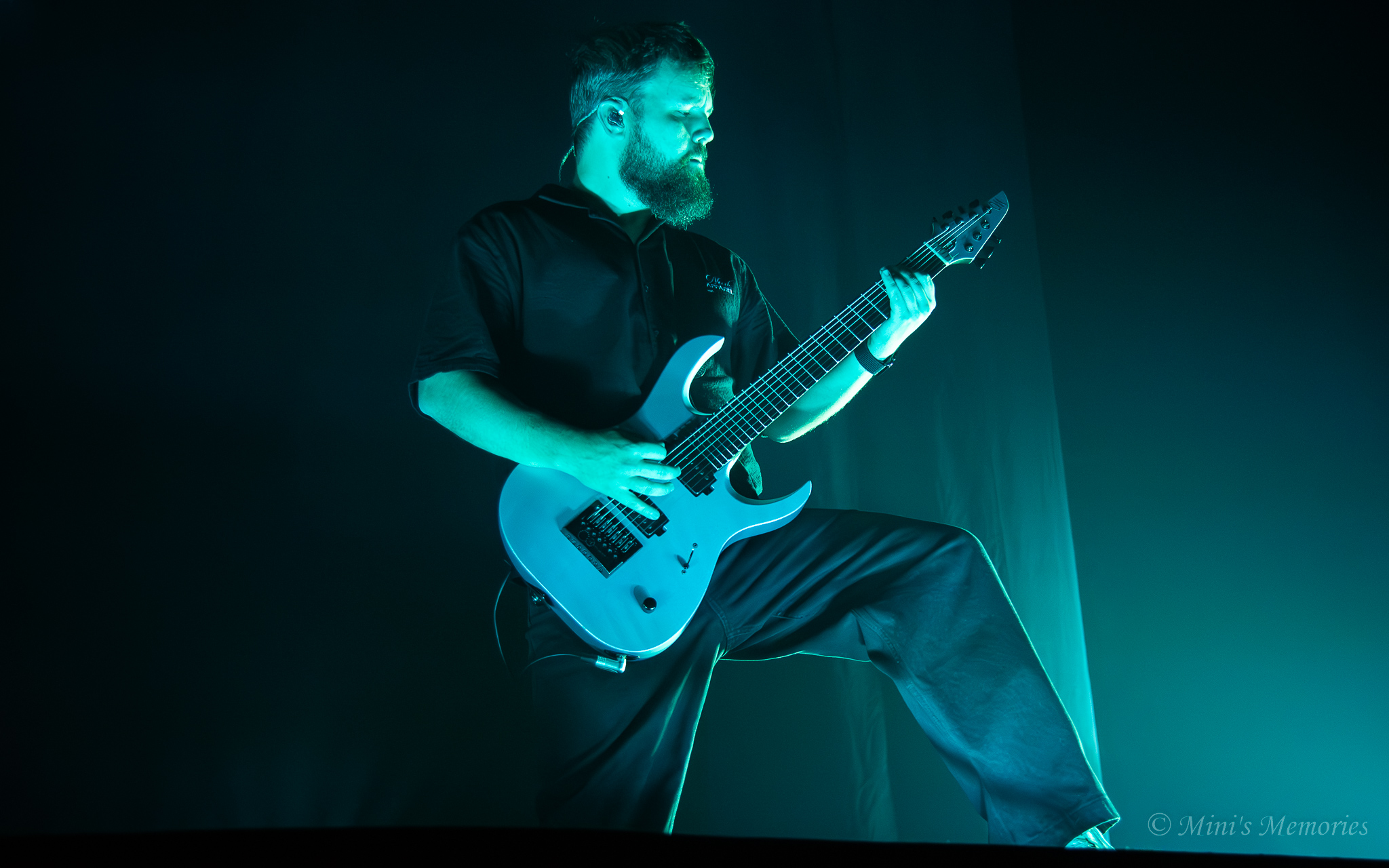
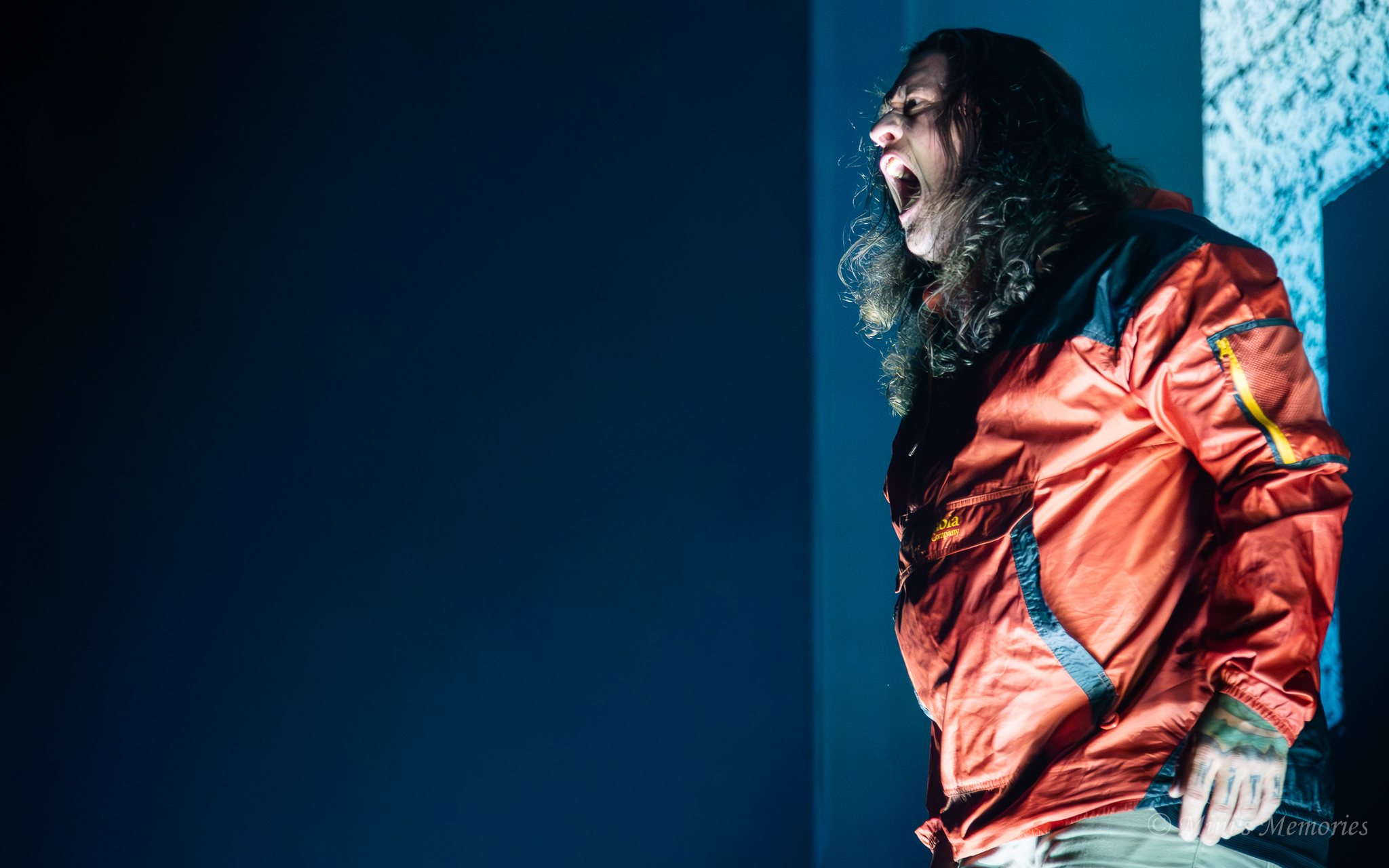
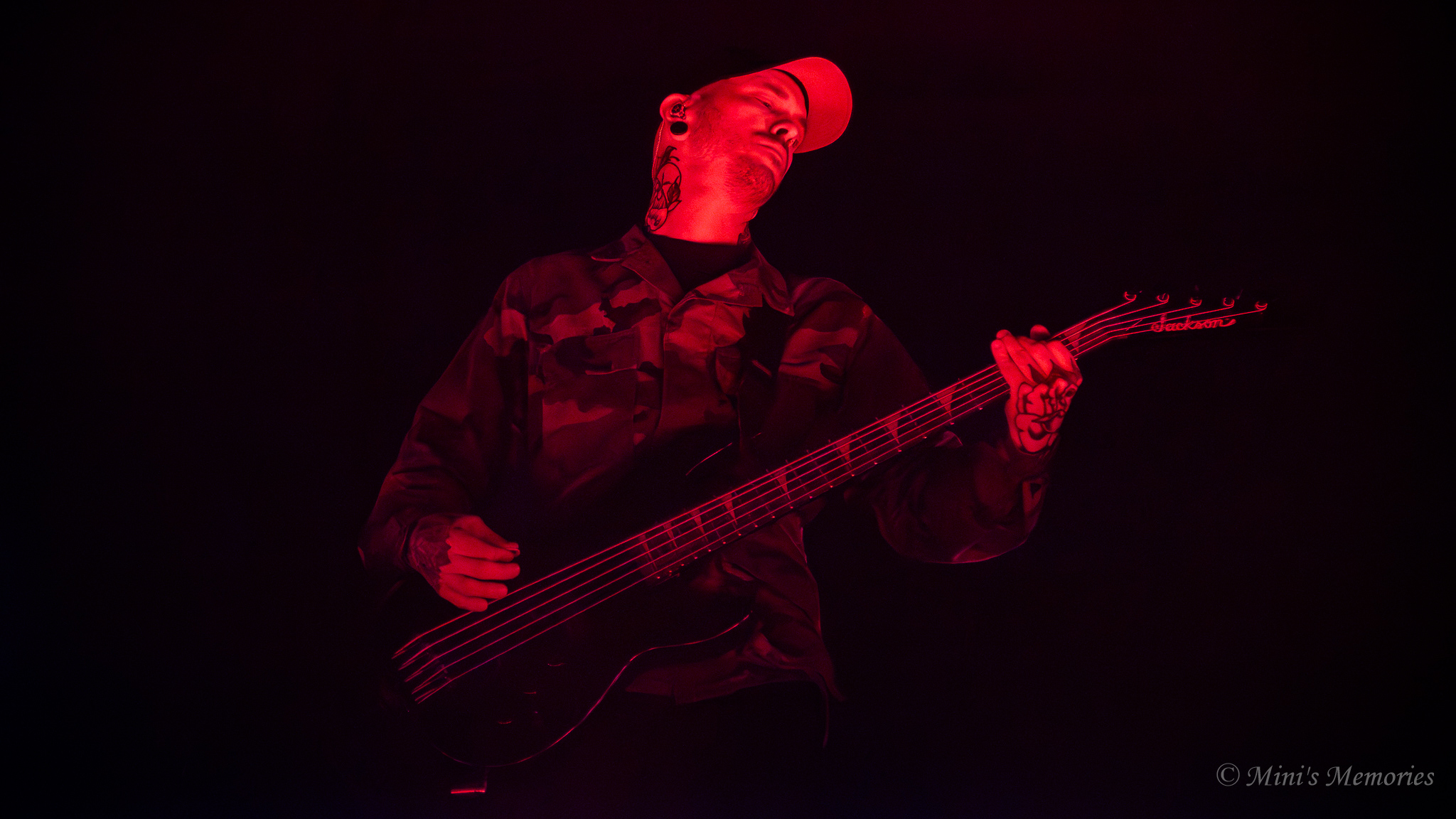
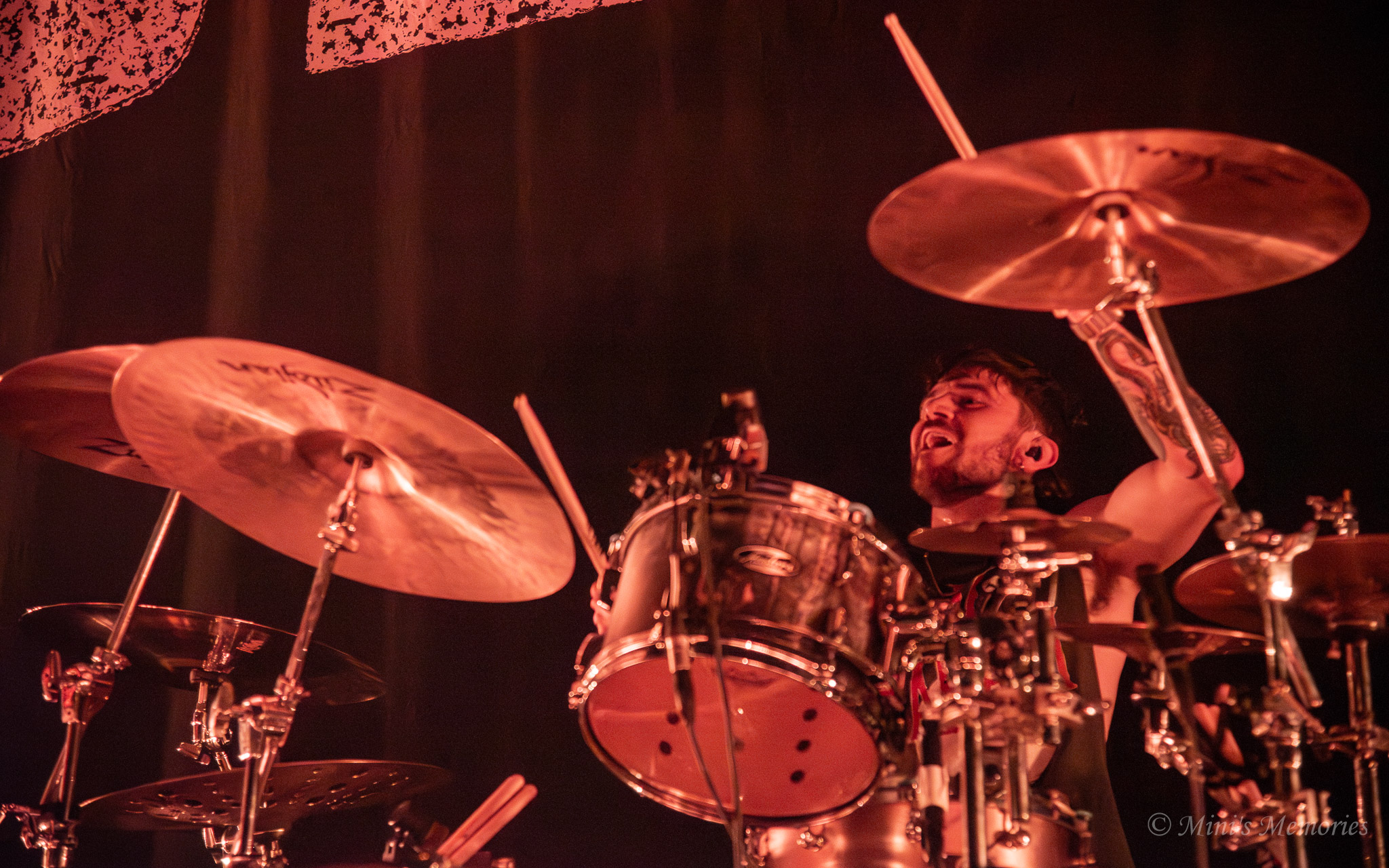
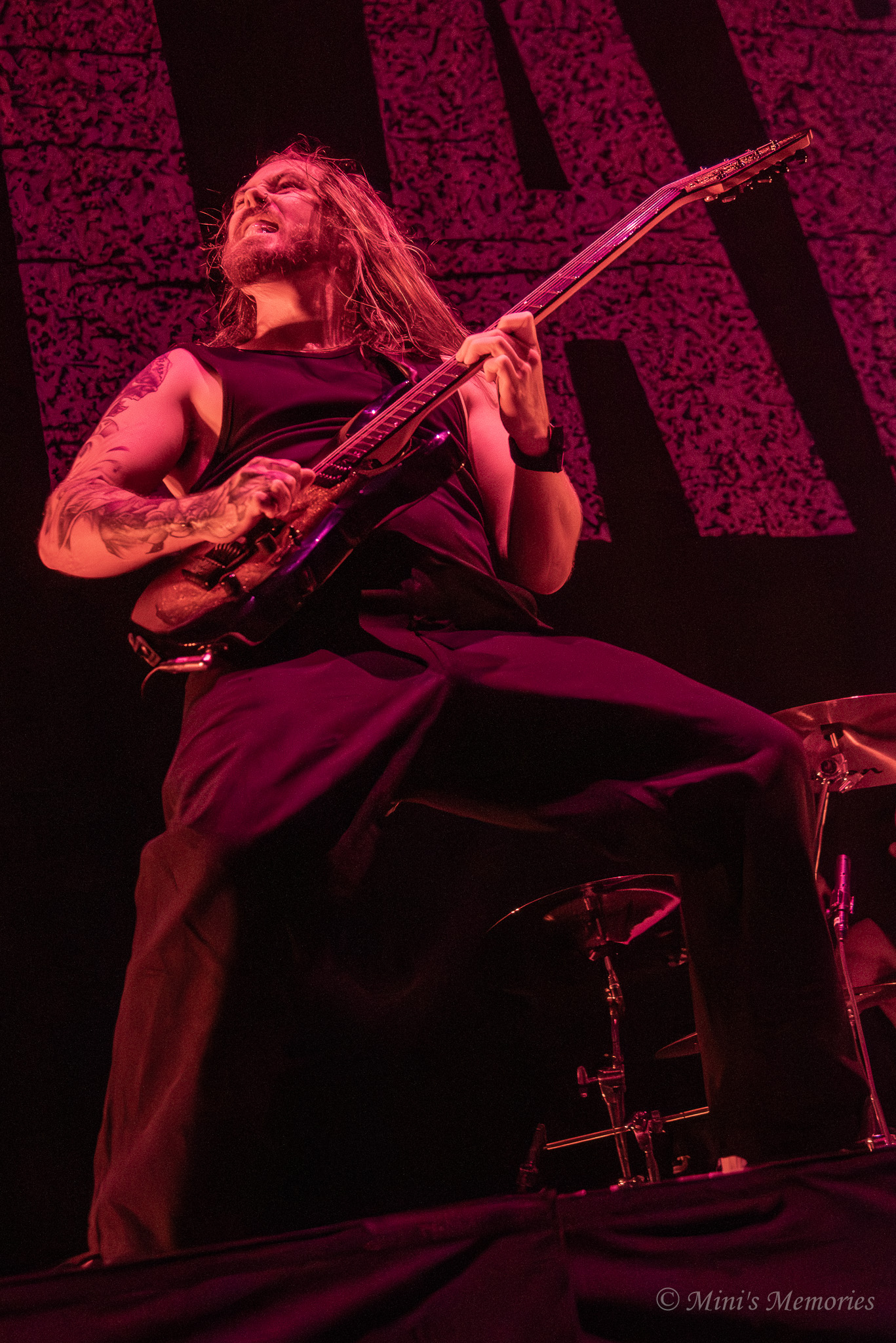
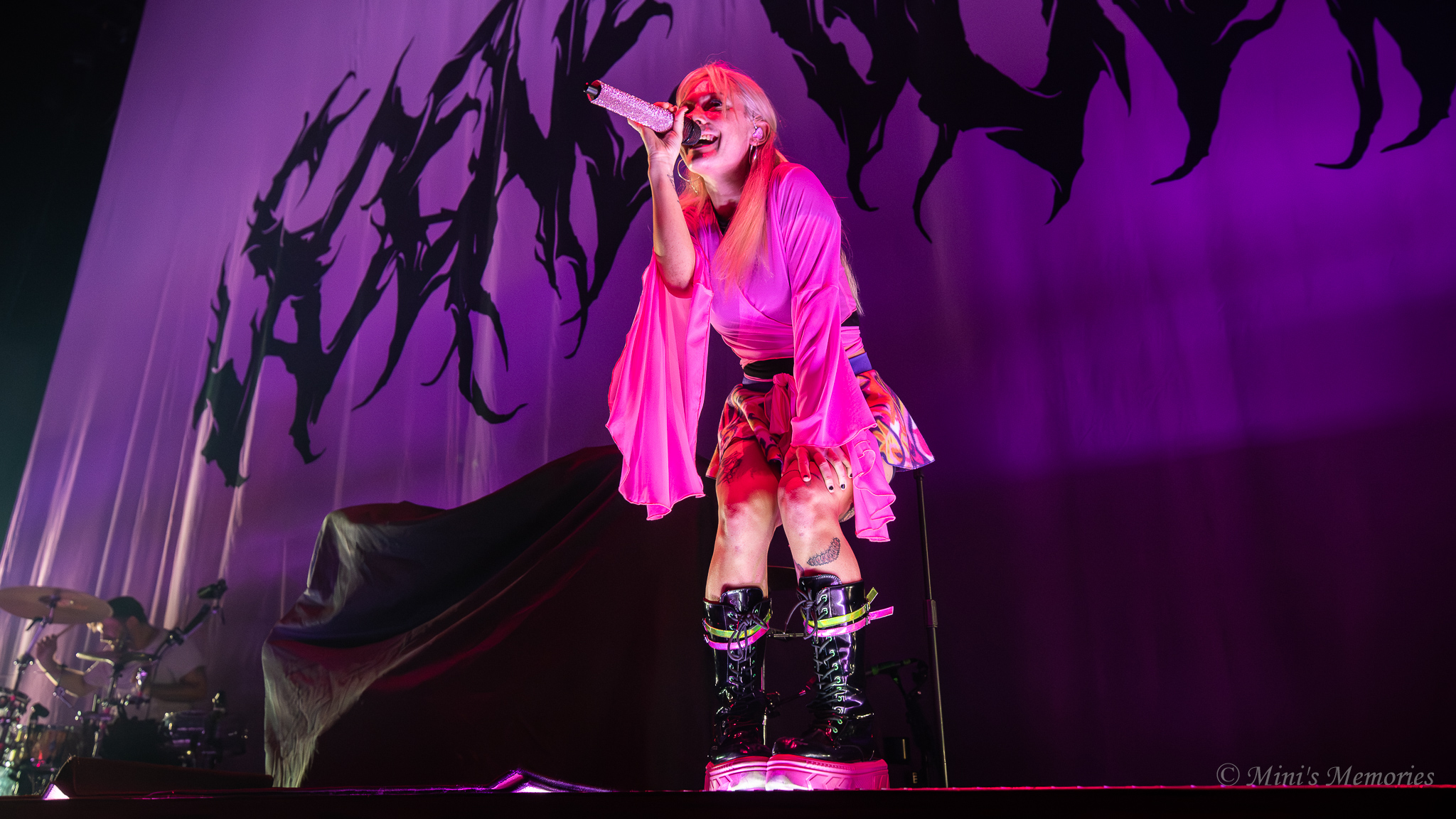
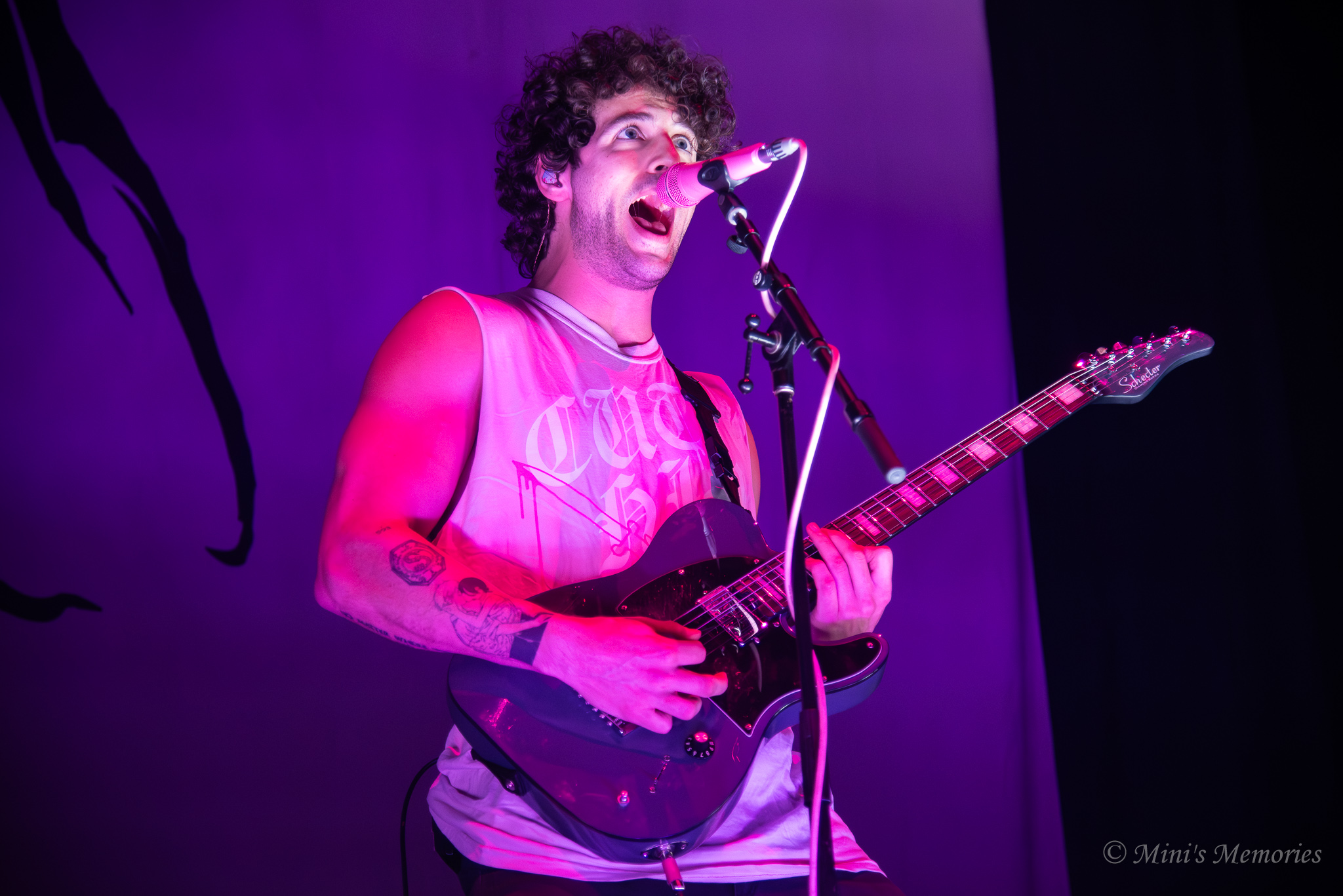
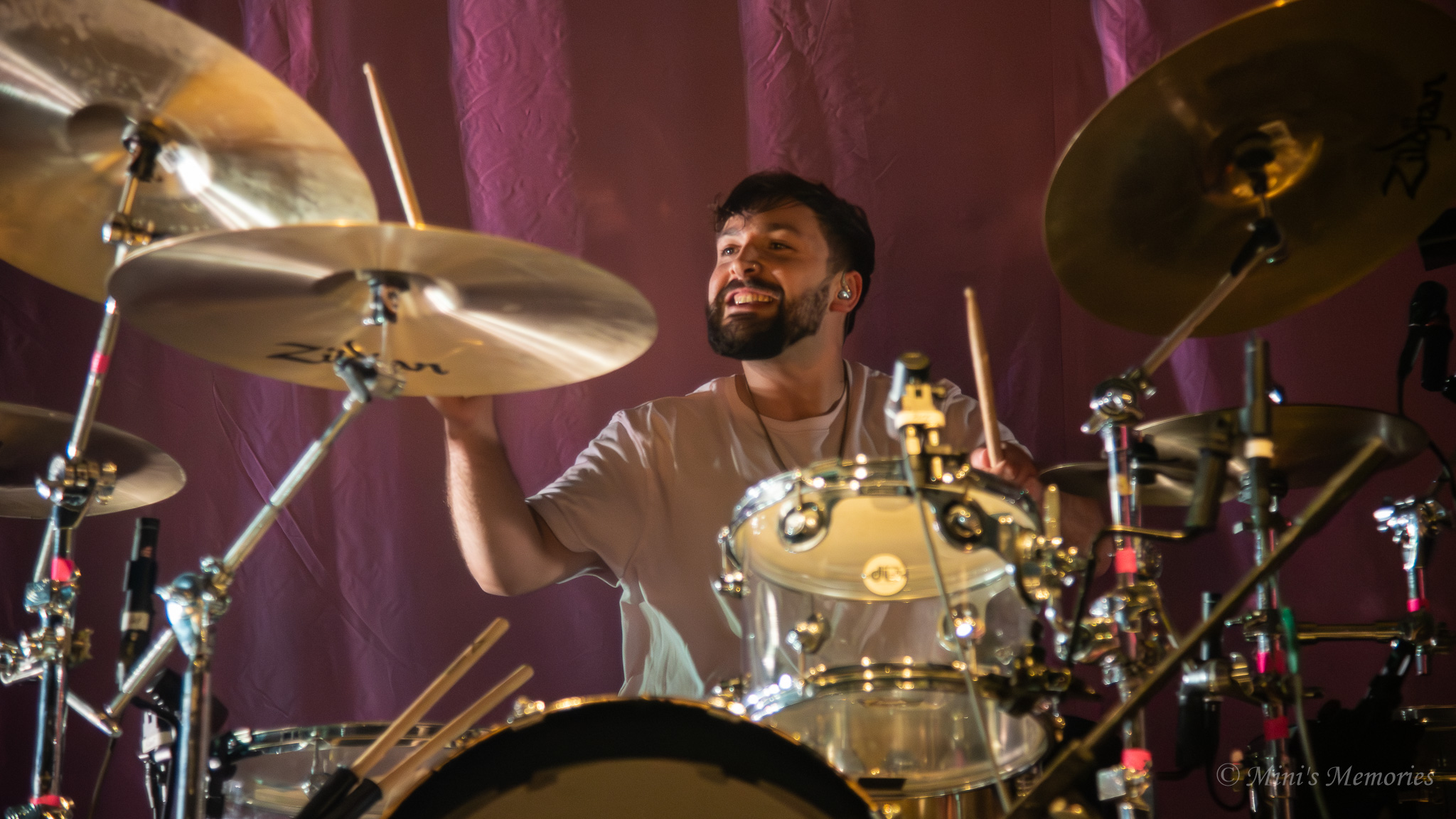
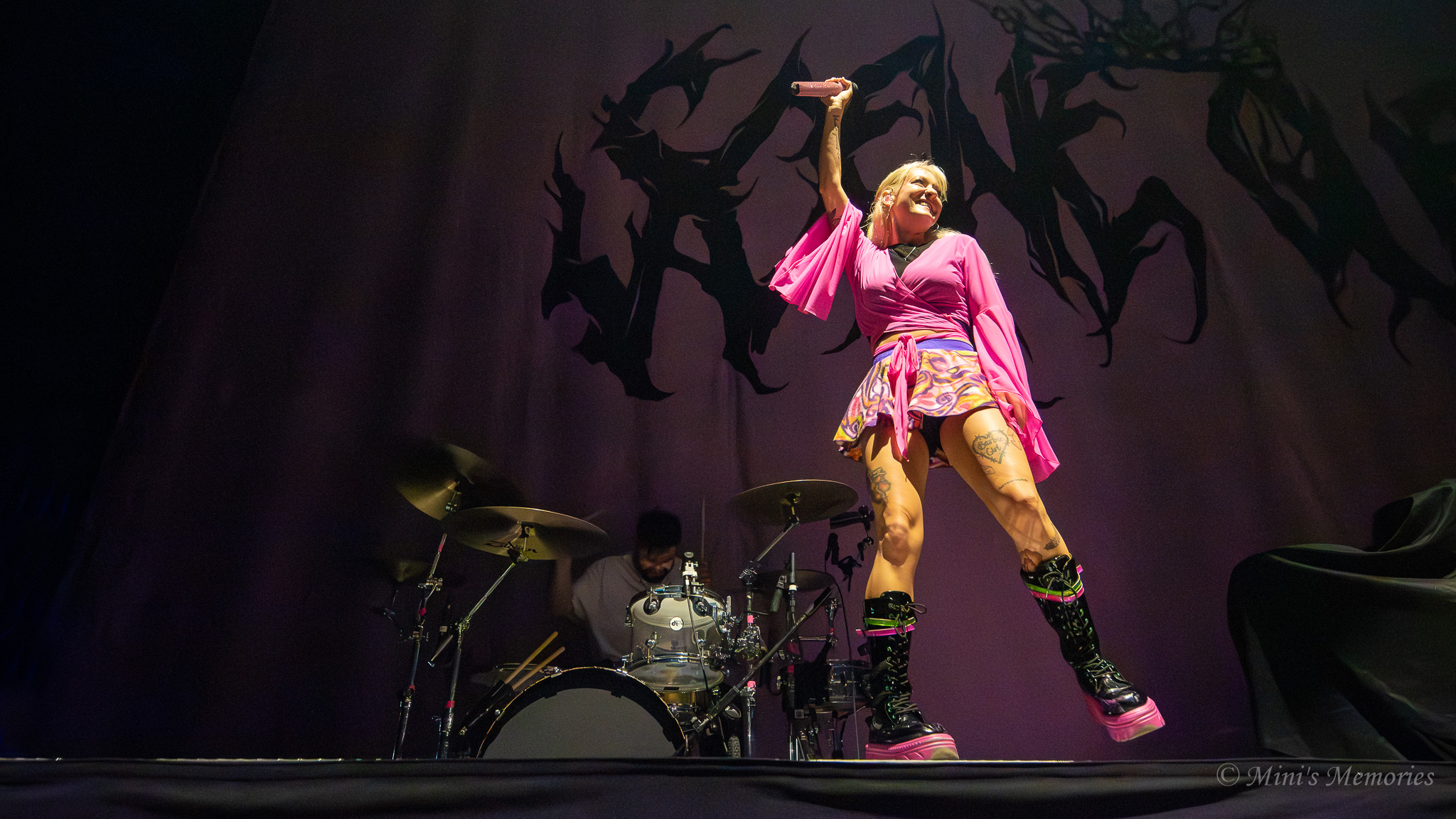
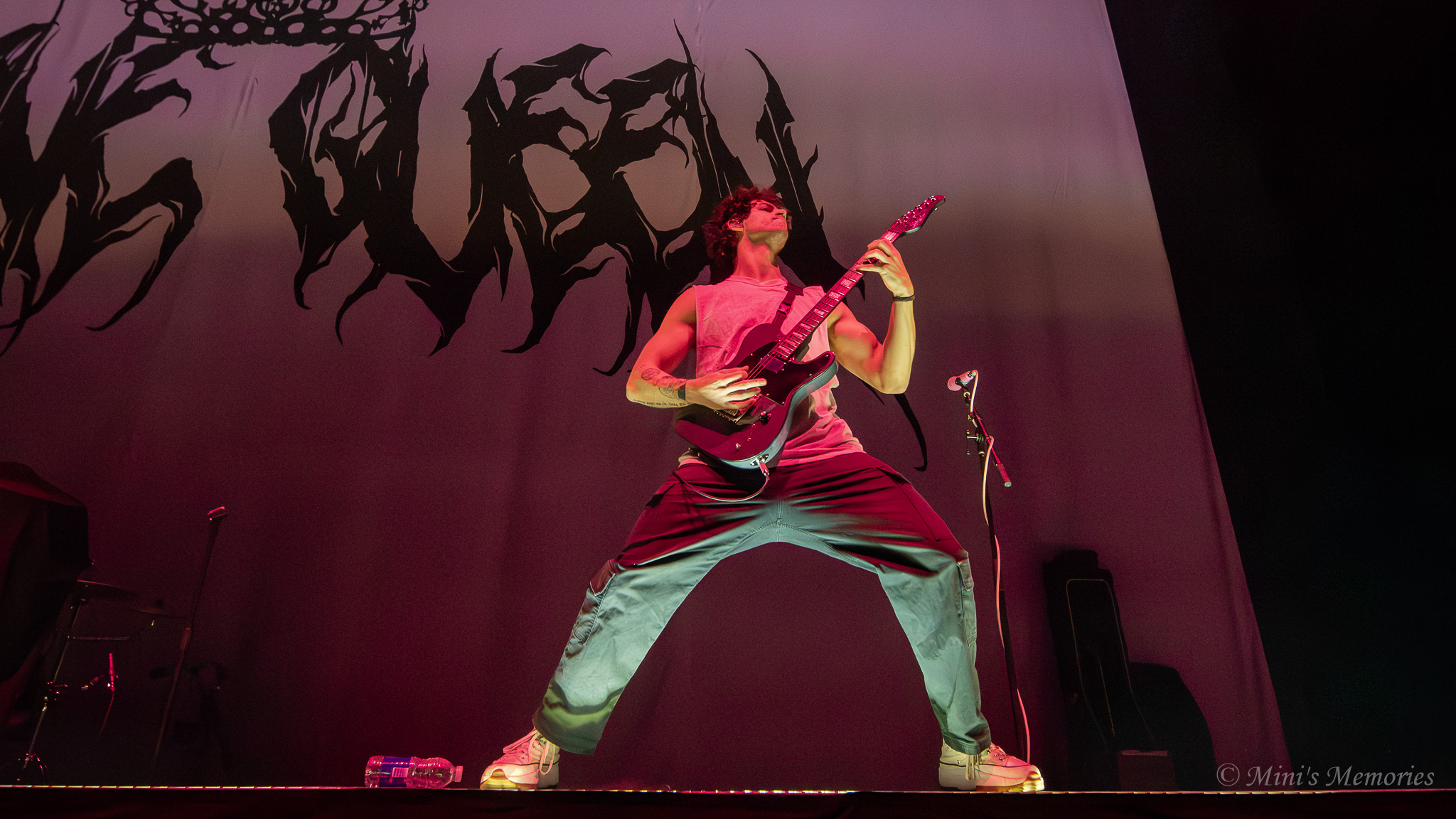
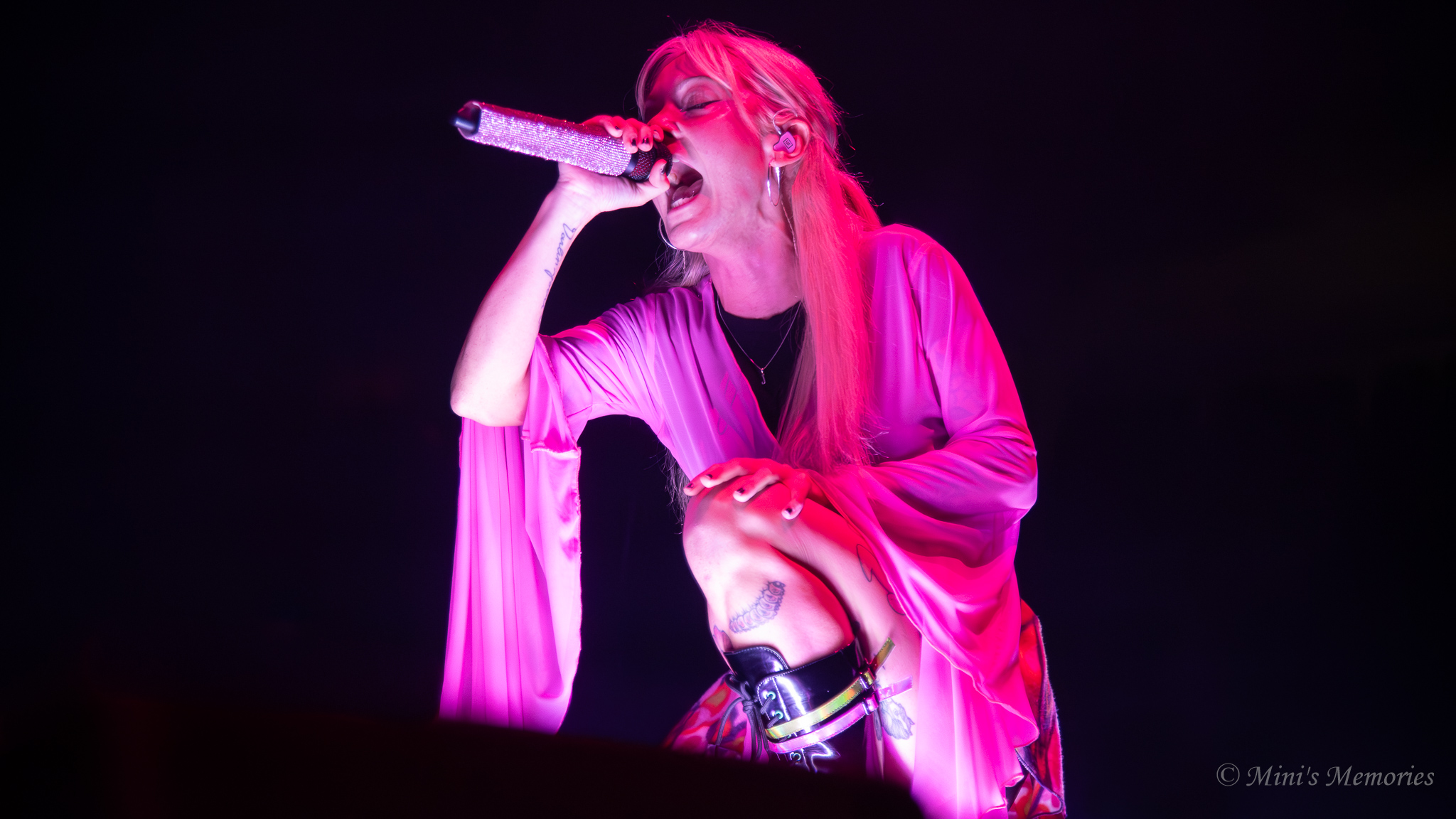
Photo Gallery: Electric Callboy, Polaris, and Scene Queen at Toronto’s Coca-Cola Coliseum on May 16, 2026

0

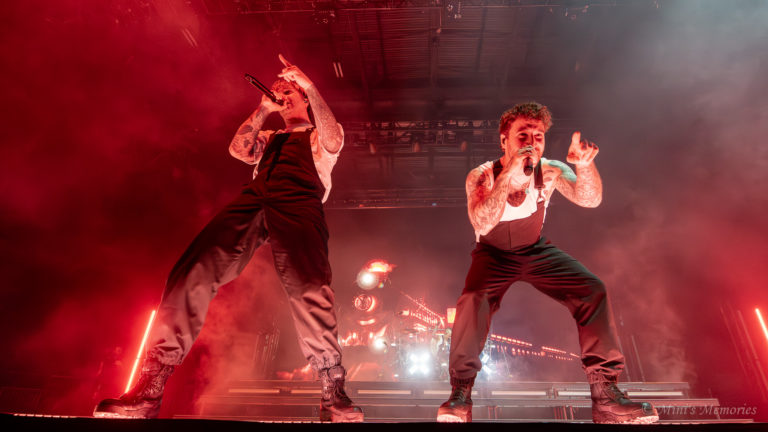
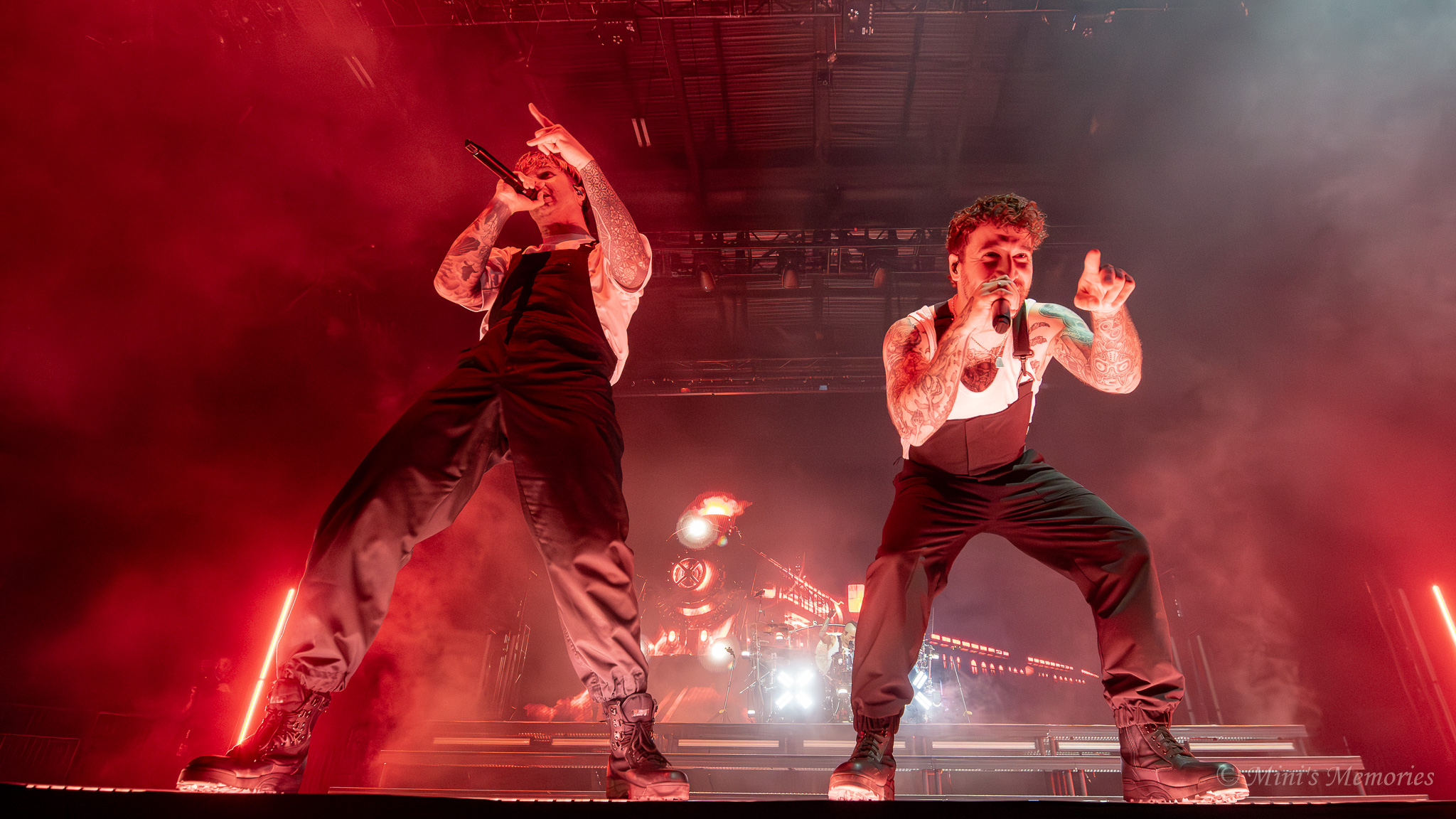
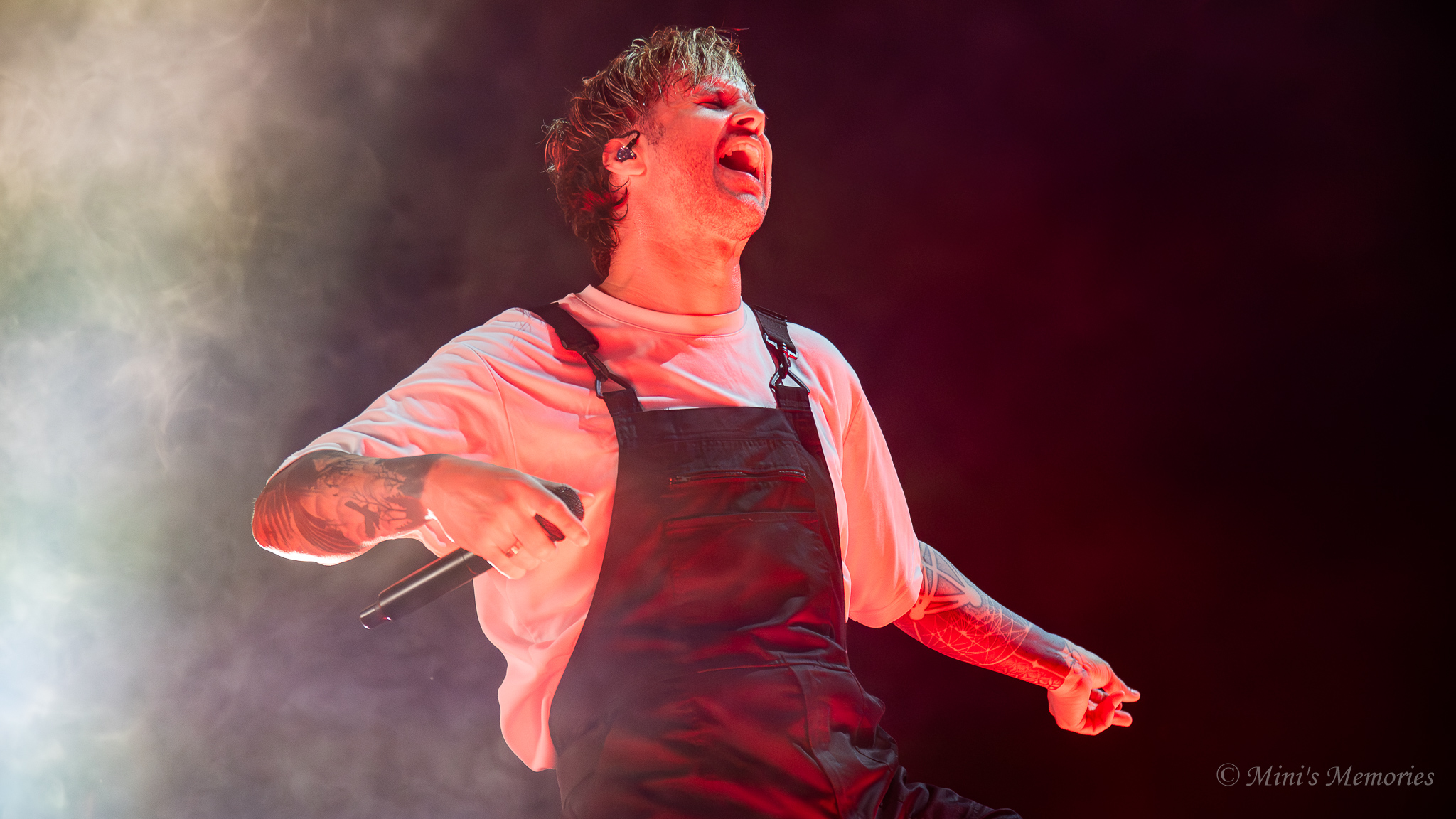
All photos by Mini’s Memories. You can contact her through Instagram or X.

Bounding Boxes in Computer Vision: Best Practices for AI Data Annotation

0

By Mitch Rice

Computer vision technologies are rapidly transforming industries such as healthcare, retail, manufacturing, logistics, and autonomous driving. Behind every successful object detection model is high-quality training data, and one of the most important annotation methods used in AI development is bounding box annotation.

Bounding boxes help machine learning models identify and localize objects inside images and videos. From detecting vehicles on busy roads to recognizing products in retail stores, properly annotated datasets are essential for building accurate and reliable AI systems.

What Is a Bounding Box in Computer Vision?

A bounding box is a rectangular frame used to define the position of an object within an image. In computer vision, these annotations help AI models learn where objects appear and how they should be classified during training.

Bounding box annotation is widely used in:

  • object detection
  • facial recognition
  • retail analytics
  • autonomous driving
  • medical imaging
  • warehouse automation

Because bounding boxes are relatively fast to create and scale efficiently, they remain one of the most popular image annotation techniques for AI training data.

Why Bounding Box Annotation Quality Matters

The accuracy of AI models depends heavily on annotation quality. Poorly placed bounding boxes can reduce object detection performance and create unreliable predictions in production environments.

Common annotation issues include:

  • loose object boundaries
  • inconsistent labeling
  • clipped objects
  • inaccurate occlusion handling
  • missing small objects

Even minor inconsistencies across datasets can negatively affect machine learning accuracy. This is why many organizations use structured quality assurance workflows and human review processes when building large-scale computer vision datasets.

Professional AI data annotation services help companies improve annotation consistency, reduce dataset errors, and build reliable training data for enterprise AI applications.

Main Types of Bounding Boxes

Several types of bounding boxes are used in computer vision projects depending on the complexity of the data and the intended AI application.

Axis-Aligned Bounding Boxes

These are the most common annotations used in object detection tasks. They are simple rectangular boxes aligned with the image axes and are commonly used in retail AI, security systems, and manufacturing inspection.

Oriented Bounding Boxes

Oriented boxes can rotate to better match angled or irregularly positioned objects. They are often used in satellite imagery, aerial analysis, and robotics.

3D Bounding Boxes

3D bounding boxes help AI systems understand object depth and spatial positioning. These annotations are frequently used in autonomous driving and LiDAR-based computer vision systems.

Bounding Boxes vs Semantic Segmentation

Bounding boxes are ideal for many object detection tasks because they balance annotation speed and model performance. However, some AI applications require more detailed annotation methods.

Semantic segmentation provides pixel-level object labeling and is commonly used in medical imaging, autonomous driving, and advanced scene understanding projects.

For teams exploring more advanced image annotation workflows, semantic segmentation in computer vision is often used alongside bounding boxes to improve model precision and contextual understanding.

Common Applications of Bounding Boxes

Bounding box annotation supports a wide range of AI and machine learning applications across modern industries.

Autonomous Driving

Self-driving vehicles rely on bounding boxes to detect pedestrians, vehicles, road signs, and obstacles in real time.

Retail and E-Commerce

Retail AI systems use object detection models for inventory management, shelf monitoring, and automated checkout technologies.

Medical Imaging

Healthcare AI platforms use annotated datasets to detect tumors, abnormalities, and anatomical structures within medical scans.

Manufacturing and Quality Inspection

Factories use computer vision systems to identify product defects, monitor assembly lines, and improve operational efficiency.

Human-in-the-Loop Annotation Workflows

Although automated annotation tools continue to improve, human validation remains critical for maintaining dataset accuracy and consistency.

Many enterprise AI companies use human-in-the-loop workflows that combine automation with expert review to reduce annotation errors and improve machine learning performance.

Human reviewers help validate:

  • object boundaries
  • class consistency
  • edge cases
  • occluded objects
  • dataset quality

This approach improves the reliability of AI training datasets while supporting better object detection accuracy in production systems.

Conclusion

Bounding boxes remain one of the most effective and scalable annotation methods in computer vision. They help AI systems localize objects, improve object detection accuracy, and support a wide range of machine learning applications across industries.

As AI adoption grows, businesses increasingly recognize that high-quality annotation directly affects model performance and operational reliability. Consistent labeling, structured QA workflows, and human validation all play a major role in building successful AI training datasets.

Companies developing computer vision solutions at scale often invest in professional annotation workflows to improve dataset quality and accelerate AI deployment.

Data and information are provided for informational purposes only, and are not intended for investment or other purposes.

The Real Difference Between In-House AV Teams And Outsourced Event Production

0

By Mitch Rice

When planning a conference, corporate event, or product launch, one question appears early in the process: should you manage AV internally or hire an outside production company?

It sounds straightforward, but the decision affects far more than cost alone. It influences event quality, technical reliability, staff workload, and how your audience experiences the event.

This guide breaks down the real difference between in-house AV and outsourced event production so you can decide which option fits your event best.

In-House AV vs Outsourced Event Production

In-house AV means using your own equipment and internal staff to manage event production. This approach works best for regular, low-complexity events where the setup rarely changes.

Outsourced AV means hiring a professional event production company to supply equipment, technical crew, and operational support. It is often the better option for larger, high-profile, or technically demanding events.

Neither option is automatically right or wrong. The best choice depends on the scale of the event, the experience of your team, and the consequences of technical failure.

The Hidden Cost of In-House AV

In-house AV often appears cheaper because the equipment has already been purchased. However, the true cost is frequently underestimated.

Common Hidden Costs Include:

  • Equipment maintenance and repairs
  • Storage requirements
  • Technology upgrades
  • Staff training
  • Setup and testing time
  • Troubleshooting during live events
  • Business impact of technical failures

The real question is not simply whether you own the equipment. It is whether your team can operate it confidently under live event pressure.

What Outsourced AV Support Includes

Professional AV companies do far more than deliver equipment. A full-service production partner handles technical planning, setup, operation, and troubleshooting throughout the event.

A professional outsourced AV provider typically offers:

  • Dedicated technical specialists
  • Professional-grade equipment
  • Audio, lighting, and video management
  • Pre-event planning and risk assessments
  • On-site technical support
  • Event-day troubleshooting
  • A single production contact

The goal is not to take control away from your team, but to remove the technical burden so your staff can focus on the event itself.

Events That Benefit Most from Outsourced AV

Outsourced production becomes especially valuable for:

  • Conferences with large audiences
  • Award ceremonies
  • Product launches
  • AGMs and shareholder meetings
  • Hybrid or live-streamed events
  • Multi-room productions
  • Events with staging and lighting design

These events involve moving parts that require experienced operators and coordinated production management.

When In-House AV Makes Sense

There are situations where keeping AV internal is completely reasonable.

Frequent Internal Meetings

If your organisation runs similar meetings regularly in the same space, investing in a reliable setup can be cost-effective.

Your Team Already Knows the System

If your staff are familiar with the equipment and the event format remains simple, there may be little reason to outsource.

Low-Risk Events

For informal internal updates or team briefings, basic AV setups are often sufficient.

The key question is this: what would a poor AV experience cost your organisation in that situation?

For a small internal meeting, the impact may be minimal. For a client-facing conference, the stakes are much higher.

When You Should Hire an Outside AV Company

There are situations where outsourcing becomes the safer and more practical option.

The Event Is Public or Client-Facing

Technical failures at external events affect your brand reputation immediately.

The Production Is Complex

Events involving lighting cues, staging, live audio, video playback, or multiple presenters require coordinated technical operation.

Your Team Lacks Specialist Experience

Managing live sound, lighting, and streaming is skilled work. Expecting non-technical staff to handle production often creates unnecessary pressure and risk.

The Event Includes Hybrid or Streaming Elements

Live streaming introduces additional technical demands, including cameras, switching, encoding, audio routing, and network management.

You Need Professional Results

Even if you already own equipment, experienced operators typically deliver smoother and more reliable outcomes than self-managed setups.

Final Thoughts

The difference between in-house AV and outsourced event production is not simply about cost. It is about expertise, reliability, scalability, and risk management.

In-house AV works well for regular, low-complexity internal events. Outsourced production is usually the better choice for high-profile, technically demanding, or audience-facing experiences where quality matters.

The right production setup should support your event goals, reduce operational stress, and create a smoother experience for both your audience and your internal team.

Data and information are provided for informational purposes only, and are not intended for investment or other purposes.

How Video Content Became Part of Everyday Communication

0

By Mitch Rice

A few years back, making videos was mostly tied up with filmmakers, YouTubers, or media companies. Now it’s kind of everywhere. Small businesses use it for marketing, students put it into presentations, and families share everyday personal moments by posting short clips online.  

The way people talk and connect on the internet has shifted a lot, and video feels like the main piece in that change.  

Whether someone is pushing a product, walking through an explanation, or just dropping memories for friends, videos often seem quicker and more involving than plain text ,or static pictures.

Why People Prefer Video Content

There is, like, a simple reason video keeps on growing across every major platform. It really grabs attention fast, almost immediately, and that matters a lot.  

People can absorb information at a quicker pace because of visuals plus sound, instead of reading those long blocks of text. And this is even more significant on mobile devices, where people scroll through content feeds pretty rapidly, without stopping.

Video is now commonly used for:

  • Product demonstrations
  • Tutorials
  • Educational content
  • Event highlights
  • Social media updates
  • Personal storytelling

According to YouTube, billions of hours of video content are watched globally every single day, and that kind of demonstrates just how deeply video has been integrated into modern internet behavior, like really.

The Challenge Behind Creating Videos

Even though recording videos is now way easier because of smartphones, the whole editing part still causes this annoying friction for a lot of people.  

Most professional editing tools come with advanced features, the kind that casual users may never touch. If someone is only trying to cut a few clips, put in captions, or stitch scenes together, then these complicated timelines and technical controls can feel a bit pointless, like, too much for the job.  

So it makes sense that many viewers and creators are starting to search for an editing platform that leans toward simplicity and easy access not so much on complexity.  

In that sense, an online video maker may help, especially if you want to do quick edits straight from your browser without installing big desktop applications.  

And honestly the comfort factor matters more than ever because plenty of users publish content regularly, not only once in a while.

.

Simplicity Is Becoming More Important

Modern content creators often prioritize speed over perfection.

For example, someone posting daily social media updates usually needs:

  • Fast exporting
  • Mobile-friendly formatting
  • Quick trimming tools
  • Subtitle support
  • Easy file sharing

The goal is efficiency.

Instead of spending, like hours, polishing every frame it seems a lot of creators just go for publishing consistently , and they try to keep the audience engaged , like on a steady basis.

This trend is especially noticeable among:

  • Freelancers
  • Small businesses
  • Online educators
  • Social media managers
  • Remote teams

Cloud based tools kind of support these workflows too, because users can keep editing from different devices, without having to rely 100% on a super high performance computer, or whatever.

Mobile Editing Continues to Rise

Phones aren’t used just to record videos anymore. A lot of people now sort of edit and publish right from their mobile devices, like straight away.

Because of that there’s been a real jump in demand for light weight editing applications that can still run smoothly on smaller screens without acting sluggish.

Some platforms even come with dedicated mobile apps, so users can keep working while they’re remote or traveling. Clideo is one example, it has an iOS editing application you can get through the App Store, for people who like mobile workflows better.

And as mobile internet speeds keep improving everywhere, more creators are leaning toward browser based as well as app based editing options, rather than sticking with older desktop-only software.

The Future of Online Video Creation

Video content is probably going to keep growing across basically every major industry, sort of like it can’t stop, or. Companies are going to depend more and more on video for customer engagement, but creators are also using it to grow an audience and reinforce their personal brand. And yeah, at the same time, people are asking for tools that strip away the extra friction and unnecessary complication from the editing workflow, so it feels way less complicated then before, you know?

Future editing platforms will probably focus more on:

  • Faster workflows
  • Automation features
  • Cloud collaboration
  • Mobile compatibility
  • Simple user experiences

Most users don’t really want to become professional video editors, they just want a few tools that help them craft something polished fast and in an efficient way.  That whole shift is slowly changing the way video software gets designed, and honestly how people create content online, each day.

Data and information are provided for informational purposes only, and are not intended for investment or other purposes.

William Shatner Assembles an All-Star Metal Army for a Fearless New Album

0

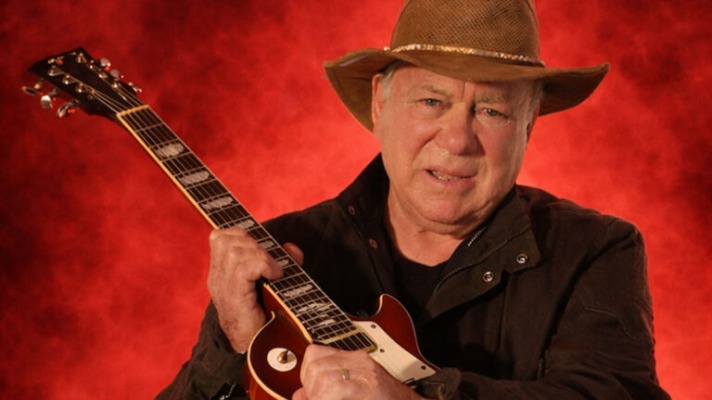
William Shatner is making a metal album, and he’s doing it with an army. The legendary actor, author, and cultural icon has announced a full-scale heavy metal project via Cleopatra Records, built around massive guitars, cinematic arrangements, and a personally hand-picked roster of elite metal talent.

The catalyst was Shatner’s involvement with Nuclear Messiah’s upcoming album ‘Black Flame’, where he voiced an intro piece created with ex-Megadeth founding guitarist and widely revered metal innovator Chris Poland. That collaboration opened a door Shatner walked straight through.

“When Nuclear Messiah came to life, something clicked,” Shatner says. “It wasn’t just a track, it was a doorway. It made me want to go all the way in, bring in the best metal players I could find, and create something fearless.”

His history with heavy music runs deep. Zakk Wylde, Ritchie Blackmore, Edgar Froese of Tangerine Dream, Wayne Kramer of MC5, and Henry Rollins of Black Flag and The Rollins Band have all recorded with him previously. This new project raises the stakes considerably, more artists, more distortion, more drama, with Wylde personally gifting Shatner a guitar as the project took shape.

Shatner framed his vision plainly: “I am covering Black Sabbath, Judas Priest and Iron Maiden as well as a number of new songs written by my team. Metal has always been a place where imagination gets loud. I chose these artists because they have something to say, and because metal demands honesty.”

Full album details including title, tracklist, release date, lead single, and the complete roster of featured artists are still to be announced via Cleopatra Records.

Rock Legends Queen Deliver a Lavish 5-CD Collector’s Edition of Their Landmark 1974 Album ‘Queen II’

0

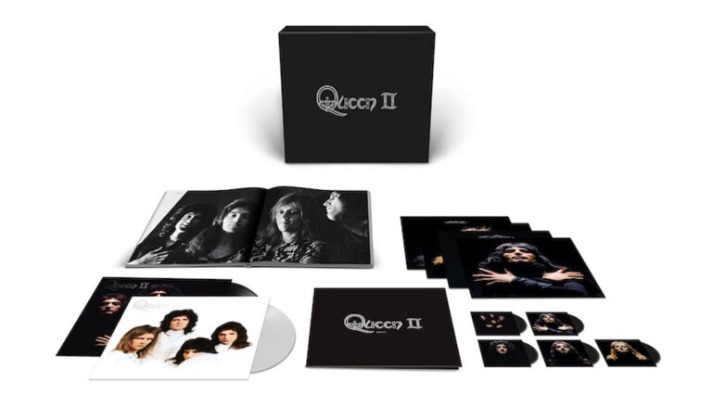
More than 50 years after it set Queen on the path to superstardom, ‘Queen II’ has been remixed, remastered, and expanded into one of the most comprehensive archival releases the band has ever put together. The 5 CD/2 LP Queen II Collector’s Edition box set is out now via UMe, with Brian May and Roger Taylor serving as executive producers.

The 2026 mix was handled by the trusted team of Justin Shirley-Smith, Joshua J Macrae, and Kris Fredriksson, the same team behind the Queen I reissue and several other past releases. The results are stunning, bringing new dimension to an album that May has called the band’s single biggest leap forward.

May was direct about what ‘Queen II’ represented: “That’s when we really started making music the way we wanted to, rather than the way we were being pushed into recording it.” Taylor echoed that: “I think we felt we were evolving our own sound. We were pioneering this sort of multitracking thing. It gave you a tremendous palette, massive choral effects with just 3 of us singing.”

The box set goes deep. CD 2 presents a completely different, 100 percent previously unreleased version of every song on the album, drawn from original Trident sessions outtakes, complete with false starts, guide vocals, and studio banter between all 4 band members. Highlights include a solo Brian May demo of “White Queen (As It Began)” dating from 1969 and 2 solo Roger Taylor demos of “The Loser In The End” that track the song’s evolution. The never-completed session track “Not For Sale (Polar Bear)” also surfaces here for the first time.

CD 3 strips the songs to their backing tracks, spotlighting the band’s musical performances without lead vocals. CD 4 brings together BBC Radio 1 sessions for John Peel and Bob Harris from late 1973 and early 1974, plus a full live set from Golders Green Hippodrome on September 13, 1973, 6 months before ‘Queen II’ was even released. CD 5 closes the set with live performances from the Rainbow Theatre in March 1974 and Hammersmith Odeon in December of that year.

The Collector’s Edition also includes a 112-page book packed with previously unseen photographs, handwritten lyrics and musical notation from Freddie Mercury, Brian May, and Roger Taylor, journal entries, letters, vintage adverts, gig posters, and outtakes from Mick Rock’s legendary photo session for the album cover.

Tracklist:

CD 1: Queen II — 2026 Mix

  1. Procession
  2. Father To Son
  3. White Queen (As It Began)
  4. Some Day One Day
  5. The Loser in the End
  6. Ogre Battle
  7. The Fairy Feller’s Master-Stroke
  8. Nevermore
  9. The March of the Black Queen
  10. Funny How Love Is
  11. Seven Seas Of Rhye

CD 2: Queen II — Sessions

  1. Procession (Stage Intro Tape — April 1973)
  2. Father To Son (Takes 4 & 9 — with Guide Vocal)
  3. As It Began (Brian’s Studio Demo — October 1969)
  4. Some Day One Day (Take 1 — with Guide Vocals)
  5. The Loser In The End (Roger’s First Demo)
  6. The Loser In The End (Roger’s Second Demo)
  7. Ogre Battle (Takes 2 & 6 — with Guide Vocal)
  8. The Fairy Feller’s Master-Stroke (Takes 4 & 9)
  9. Nevermore (Take 6)
  10. The March Of The Black Queen (First Section Takes 3 & 5)
  11. The March Of The Black Queen (Second Section Take 1)
  12. Funny How Love Is (Take 4)
  13. Seven Seas Of Rhye (Takes 4, 5 & 6)
  14. I Do Like To Be Beside The Seaside (Take 4)
  15. See What A Fool I’ve Been (B-side Version 2026 Mix)
  16. Not For Sale (Polar Bear)

CD 3: Queen II — Backing Tracks

  1. Procession
  2. Father To Son
  3. White Queen (As It Began)
  4. Some Day One Day
  5. The Loser in the End
  6. Ogre Battle
  7. The Fairy Feller’s Master-Stroke
  8. Nevermore
  9. The March of the Black Queen
  10. Funny How Love Is
  11. Seven Seas Of Rhye

CD 4: Queen II — At The BBC

  1. See What a Fool I’ve Been (BBC Session 2, July 1973 — 2011 Mix)
  2. Ogre Battle (BBC Session 3, December 1973)
  3. Nevermore (BBC Session 4, April 1974)
  4. White Queen (As It Began) (BBC Session 4, April 1974)
  5. Procession — Intro Tape (Live at Golders Green Hippodrome, September 13, 1973)
  6. Father To Son (Live at Golders Green Hippodrome, September 13, 1973)
  7. Son And Daughter (Live at Golders Green Hippodrome, September 13, 1973)
  8. Guitar Solo (Live at Golders Green Hippodrome, September 13, 1973)
  9. Son And Daughter — Reprise (Live at Golders Green Hippodrome, September 13, 1973)
  10. Ogre Battle (Live at Golders Green Hippodrome, September 13, 1973)
  11. Liar (Live at Golders Green Hippodrome, September 13, 1973)
  12. Jailhouse Rock (Live at Golders Green Hippodrome, September 13, 1973)

CD 5: Queen II — Live

  1. Procession — Intro Tape (Live at the Rainbow, March 1974)
  2. Father To Son (Live at the Rainbow, March 1974)
  3. Ogre Battle (Live at the Rainbow, March 1974)
  4. White Queen (As It Began) (Live at the Hammersmith Odeon, December 1975)
  5. The March Of The Black Queen (Live at the Rainbow, March 1974)
  6. The Fairy Feller’s Master-Stroke (Live at the Rainbow, March 1974)
  7. Seven Seas Of Rhye (Live at the Rainbow, March 1974)
  8. See What A Fool I’ve Been (Live at the Rainbow, March 1974)

Country Star Kane Brown Teams With The Elia Group to Open a 4-Story Entertainment Complex on Nashville’s Lower Broadway

0

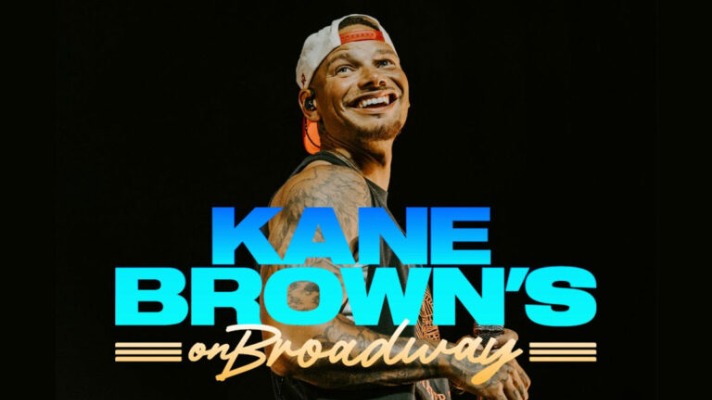
Kane Brown’s name is going on a building on Lower Broadway, and the story behind it is a genuine full-circle moment. Brown’s On Broadway, a 4-story bar, restaurant, and live music venue spanning 11,400 square feet, opens this summer at 312 Broadway in the historic space that previously housed The Valentine.

Brown used to spend his early career nights at The Valentine, drawn to its live music and energy. Now his name is on the building. He and The Elia Group have built something that reflects both the artist and the street it sits on, from a main floor anchored by a full-scale live music stage set against exposed brick and steel-and-glass accents, to a mezzanine with dedicated bar service, a 3rd-floor lounge wrapped in walnut paneling and platinum records, and a rooftop delivering Broadway’s ultimate day-to-night experience against the Nashville skyline.

Brown laid out his vision directly: “We wanted to make it a place that stands apart from everything else on Lower Broadway. I wanted to build a place that I want to hang out at, my friends want to hang out at and will be an unforgettable experience for anyone who visits. Nights in Nashville are about to hit a little bit different.”

Elia Group Founder and CEO Zaid Elia called the partnership a defining moment for both the company and the city, describing Brown as “a visionary artist who has continually redefined boundaries while remaining deeply rooted in authenticity,” a philosophy that mirrors the group’s own approach to hospitality.

For Elia Group, Kane Brown’s On Broadway is the next step in a multi-venue Nashville expansion that also includes Zuzu Nashville, an upscale Asian-inspired dining experience on 1st Avenue South, and a 3rd concept on 3rd Avenue with an artist partnership still to be revealed.

2025 was already a landmark year for Brown. He released his acclaimed album ‘The High Road’, launched an arena tour of the same name, earned his 2nd RIAA diamond certification with “What Ifs” featuring Lauren Alaina, guest-starred on 9-1-1: Nashville, and executive-produced a Lifetime film alongside his wife Katelyn Brown.