Home Blog Page 499

The Weeknd Brings a Fever Dream Home

0

From the opening notes of The Abyss, Abel Tesfaye drew 50,000 fans into a world designed to mesmerize. His return to Toronto marked a full-circle moment—scarlet-lit, stadium-sized, and rich with gratitude. The Weeknd guided the audience through a 40-song narrative that shimmered with memory, power, and an otherworldly sense of control.

The stage design revolved around a towering LED structure that morphed into a hallway, a skyline, a mirror—always alive, always watching. Every moment flowed seamlessly, a testament to Tesfaye’s mastery of sequencing and set design. Dancers in flowing red robes moved with an eerie stillness, channeling the tension of a fever dream. Their presence felt theatrical and ritualistic, adding depth to the world Tesfaye built note by note.

After Starboy, he removed his mask, revealing himself like a character stepping from myth into reality – whatever that is, as we know so little about him compared to other pop stars living on social media. The gesture echoed the Super Bowl moment that introduced many to his full creative vision—knowing, deliberate, and timed with precision. From After Hours to Save Your Tears, Tesfaye held the crowd in a trance, always in motion, always tethered to something larger than the sum of lights and beats.

The stretch from São Paulo to Save Your Tears carried a BPM pocket that sent shockwaves through the stadium floor. In this sequence, Tesfaye connected the emotional core of his catalog to the rhythm of a packed dancefloor. Each drop hit with the clarity of intention and the thrill of freedom.

Throughout the night, he moved like someone guiding a story, not just performing one. His voice soared across Wicked Games, Timeless, and House of Balloons with the same wounded clarity that first earned him a devoted following in Toronto. That connection remained strong as he paused to reflect on watching Blue Jays games in the very stadium where he now stood, bathed in gold light.

The concert featured over two dozen songs with more than a billion streams, but the show never relied on numbers alone. Every moment felt earned, shaped by Tesfaye’s vision and carried forward by the crowd’s devotion. With each song, he invited fans deeper into the narrative – even coming off-stage to have members of the audience sing along with him – one full of neon reflections, masked silhouettes, and music that moves from club to cathedral.

Toronto Mayor Olivia Chow presented Tesfaye with a key to the city ahead of his shows, and declared this weekend “The Weeknd Weekend.” In response, Tesfaye pledged support for new creative voices in Toronto, backing it with Live Nation to support the the Boys & Girls Club of West Scarborough and The Weeknd’s alma mater of Birchmount Park Collegiate Institute to create spaces for youth to connect, create and thrive. That generosity extended into the performance itself—designed not to prove anything, but to share everything. To bring you along for the ride, and to remind you that he’s the kind of guy that will always have a second location to take you to when going out – and you’ll love it.

With this first of four nights at the Rogers Centre, The Weeknd expanded his legacy while anchoring it firmly at home. After several past cancelations in the city for reasons not his doing, It was a coronation lit by every voice, every strobe, and every memory brought into the present, knowing he’s only 35 and 6 albums in. After last night, it’s proof he’s just getting started.

20 Guitar Riffs That Changed Everything

A great guitar riff carries more than melody. It sets tone, defines identity, and often becomes the heartbeat of a song. Some riffs spark movements. Others turn young listeners into lifelong players. All of them make a mark that keeps echoing through music history.

Here are 20 guitar riffs that changed everything—from tone to technique to culture.

Chuck Berry – “Johnny B. Goode” (1958)
A rock and roll blueprint. Berry’s riff brought lightning to the fretboard and paved the way for electric guitar as a lead instrument.

The Rolling Stones – “(I Can’t Get No) Satisfaction” (1965)
Keith Richards plugged a fuzz pedal into the mainstream with this hypnotic, swaggering hook. The riff says everything before the lyrics begin.

The Kinks – “You Really Got Me” (1964)
Raw, distorted, and razor-sharp. Dave Davies’ power-chord riff opened the floodgates for hard rock and punk.

Jimi Hendrix – “Purple Haze” (1967)
With blazing tone and a tritone intro, Hendrix introduced a psychedelic vocabulary that still expands minds and possibilities.

Cream – “Sunshine of Your Love” (1967)
Eric Clapton’s fat, descending riff blends blues and power, delivering a groove that locks in deep.

Led Zeppelin – “Whole Lotta Love” (1969)
Jimmy Page’s riff roars with primal force. It helped define the riff as a central force in hard rock storytelling.

Black Sabbath – “Iron Man” (1970)
Tony Iommi’s menacing riff slowed things down and added weight, creating a foundation for what would become heavy metal.

Deep Purple – “Smoke on the Water” (1972)
Built on four notes and pure attitude. Ritchie Blackmore delivered a riff every beginner plays and every arena still loves.

David Bowie – “Rebel Rebel” (1974)
A glam rock anthem driven by a slinky, strutting riff. One of Bowie’s most guitar-forward tracks, it became a rite of passage for rock fans.

AC/DC – “Back in Black” (1980)
Angus Young carved a riff so crisp and confident, it became one of the most iconic openers in hard rock history.

Michael Jackson – “Beat It” (1982)
Eddie Van Halen’s solo is legendary, but Steve Lukather’s opening riff sets the fire. A pop song with a rock heart and serious edge.

The Clash – “Should I Stay or Should I Go” (1982)
Simple and punchy. Mick Jones created a call-and-response riff that keeps energy high and crowds moving.

Guns N’ Roses – “Sweet Child O’ Mine” (1987)
Slash’s opening riff began as a warmup and became one of the most beloved intros in rock. Bright, melodic, unforgettable.

Metallica – “Enter Sandman” (1991)
James Hetfield’s tight, chugging riff set the tone for a new era of metal—arena-sized and instantly gripping.

Nirvana – “Smells Like Teen Spirit” (1991)
Kurt Cobain’s riff cracked the mainstream open for grunge. Fuzzy, loose, and explosive—it turned disaffection into a roar.

Rage Against the Machine – “Killing in the Name” (1992)
Tom Morello’s riff flips funk and metal into protest. Built on power and precision, it still energizes movements and mosh pits.

Radiohead – “Just” (1995)
Johnny Greenwood’s jagged riff twists, turns, and erupts with restless tension. A reminder that complexity can still rock hard.

The White Stripes – “Seven Nation Army” (2003)
Jack White wrote a riff that’s now chanted in stadiums, protests, and clubs around the world. Minimalist. Monumental.

Arctic Monkeys – “I Bet You Look Good on the Dancefloor” (2005)
Alex Turner’s scrappy, high-speed riff helped launch a new wave of British guitar bands with energy and wit.

Tame Impala – “Elephant” (2012)
Kevin Parker fused fuzz and groove into a hypnotic stomp. A psych-rock standout that roars across generations.

These riffs continue to inspire players and producers alike. They aren’t just parts of songs—they’re part of the musical DNA that shapes how guitars are played, loved, and remembered.

10 Tips for Making Your Music Video Go Further

A music video holds powerful potential. It showcases your artistry, brings your song to life, and invites audiences into your world. With a thoughtful strategy, your video can grow beyond the initial drop and become a long-term asset for your music career.

Here are 10 ways to help your music video go further:

1. Create a Campaign Timeline
Every strong release begins with a plan. Map out your content for the days and weeks around the video launch—teasers, countdowns, behind-the-scenes footage, and follow-ups all help create a sense of story and anticipation.

2. Prioritize Vertical Formats
Short-form, vertical video thrives on platforms like TikTok, Instagram Reels, and YouTube Shorts. Clip standout moments from your music video and repackage them into eye-catching snippets that are easy to share.

3. Design a Strong Thumbnail and Title
A striking visual and clear title spark curiosity and clicks. Use a vibrant, high-quality frame from the video and choose a title that’s memorable, searchable, and reflects your style.

4. Upload Natively to Key Platforms
Each platform has unique strengths. Upload directly to YouTube, Facebook, and Instagram for stronger reach, better autoplay performance, and access to platform-specific tools like tagging and monetization.

5. Engage With Your Fans
Your video is a great conversation starter. Ask viewers what their favourite moment was, or encourage them to recreate a scene. Respond to comments and repost fan content to create a two-way connection.

6. Use Captions and Subtitles
Captions help more people access your video, especially when sound is off. They also make your lyrics and storytelling more memorable. Include subtitles in multiple languages to reach international audiences.

7. Include a Clear Call to Action
Guide your viewers with purpose. Include a call to stream the full song, follow your profile, or join your mailing list. Pin a comment with next steps and links to keep the momentum going.

8. Collaborate With Creators
Invite dancers, animators, editors, and influencers to put their spin on your video. Their versions introduce your music to new circles and help your visuals live in fresh, creative spaces.

9. Pitch the Video to Blogs and Playlisters
Music writers and curators love standout visuals. Reach out with a short pitch, high-quality stills, and a private link in advance of your public release. Coverage from blogs and playlist brands adds credibility and reach.

10. Keep It Alive With Follow-Up Content
Your video keeps working long after launch day. Share director’s cuts, cast shoutouts, bloopers, or acoustic versions inspired by the original. Every post adds life to the campaign and deepens fan connection.

A music video is more than a moment—it’s an opportunity. With these ten tips, you’re setting your visuals up for lasting impact, creative growth, and audience discovery.

The Marvelettes’ Isolated Vocals For “Don’t Mess With Bill”

Released in 1966, “Don’t Mess with Bill” gave The Marvelettes their final Top 10 hit, reaching #7 on the Billboard Hot 100. Written by Smokey Robinson and sung by Wanda Young, it’s a smooth, sassy plea to keep hands off her man. And no, “Bill” wasn’t Smokey.

Photo Gallery: Davido, Victony, and ECool at Toronto’s Scotiabank Arena on July 25, 2025

0

All photos by Mini’s Memories. You can contact her through Instagram or X.

Erroll Starr’s Journey: From Award-Winning Doc “Temple of Love” to Electrifying New Music with TRIBZ

0

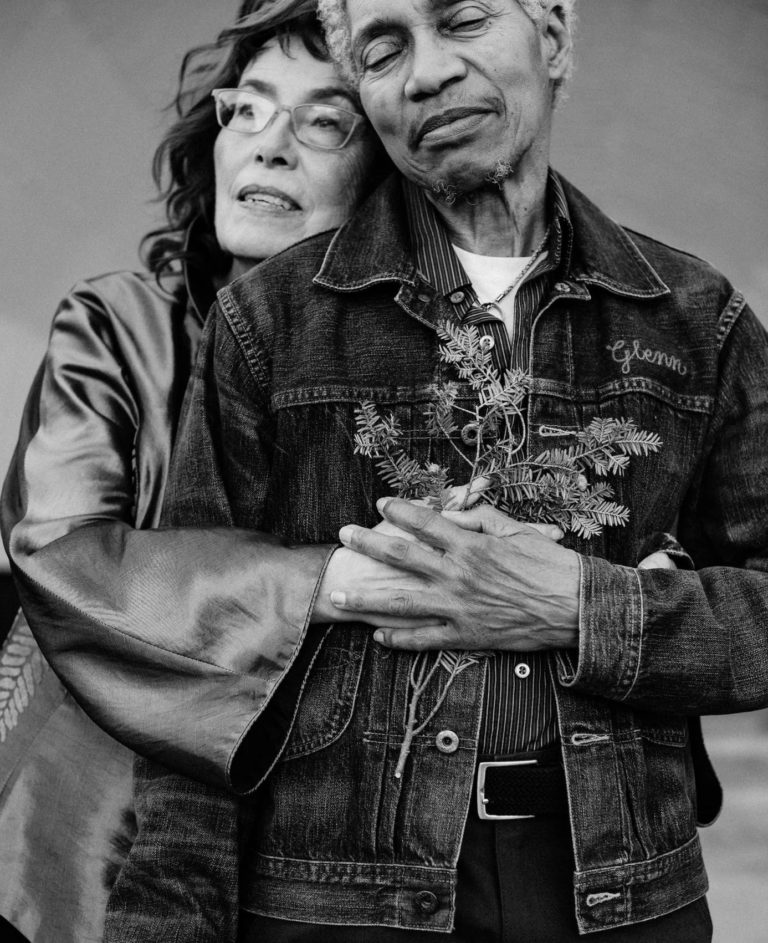
Juno Award-winning artist Erroll Starr Francis has long been a force in Canadian music, his voice echoing across decades and genres. Now, his remarkable story is reaching new audiences through the acclaimed short documentary, Temple of Love: The Erroll Starr Story—and through the powerful new sounds of his band, TRIBZ.

Temple of Love— Produced independently by executive producer Aaron T. Francis (Vintage Black Canada) and directed by Kyle Sawyer and Katie Billo of Digital Sabbath — chronicles Starr’s meteoric rise in the 1980s, his quiet retreat from the spotlight, and his triumphant return as the front man of TRIBZ. More than a music doc, the film is a story of erasure, resilience, and reclamation, unpacking the unspoken rules of race, genre, and cultural memory in Canadian media. Featuring commentary from Tony “Master T” Young, Michael Williams, and music executive Mark S. Berry, the film paints a rich portrait of one of Canada’s most dynamic and misunderstood voices.

Festival & Screening Highlights (2024):

  • Winner: Best Canadian Short – Northwest International Documentary Festival (Edmonton)
  • Official Selections: Toronto Black Film Festival, Seattle Black Film Festival, Hamilton International Film Festival
  • Academic & Community Screenings: Wilfrid Laurier University, Princess Cinemas Waterloo
  • Now playing on Air Canada in-flight entertainment (June–Dec 2024)

As the film continues its celebrated festival run and reaches global audiences via Air Canada, Erroll Starr’s musical journey is far from over. With TRIBZ—a genre-defying Indigenous blues-rock collective rooted in Six Nations and Hamilton—Starr electrifies stages with powerful vocals, lived history, and soulful truth. The band’s latest single, “Long Black Cadillac,” is a gritty fusion of Southern soul, Indigenous power, and classic blues-rock, channeling decades of experience and ancestral rhythm into something both timeless and urgent. TRIBZ features Erroll Starr (vocals), Earl Johnson (guitar), Donny Hill (bass), and Dave Davidson (drums). “Long Black Cadillac.”

In tandem with the film, the Temple of Love album has been reissued independently, offering a chance to revisit the tracks that first set a standard for Black excellence in Canadian rock and soul. Stream the reissued album: Temple of Love Album: https://errollstarr.hearnow.com/temple-of-love]

Both the film and the band share a commitment to truth-telling, heritage, and rhythm. Temple of Love offers a look back at Starr’s singular path, while TRIBZ points boldly forward. Together, they capture the full spectrum of what it means to rise, reflect, and reclaim.

Eddie Schwartz Triumphantly Returns with New Single “We Win” and ‘Film School’ EP

0

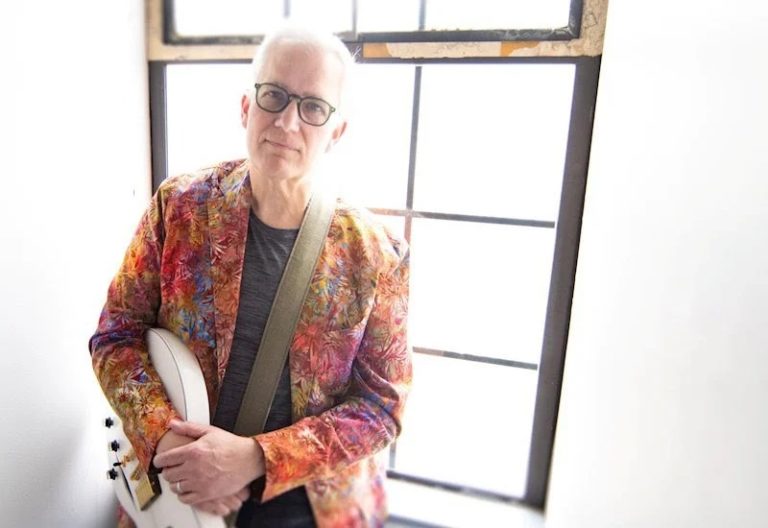
For decades, Eddie Schwartz has remained one of the most respected figures in the music world—an iconic Canadian songwriter, producer, performer, and rights advocate whose songs have echoed across generations. With his new single “We Win,” Eddie marks a bold and inspiring return to his roots as a solo artist, leading into the release of his new EP Film School, both out now. The project showcases the full spectrum of his brilliance: lyrical poignancy, musical craftsmanship, and the indomitable spirit that has defined his legacy.

A Member of the Order of Canada and the Canadian Songwriters Hall of Fame, Eddie Schwartz is the architect behind enduring hits like “Hit Me With Your Best Shot,” popularized by Pat Benatar, and “All Our Tomorrows,” later covered by Joe Cocker. His catalog spans more than 200 recorded songs and over 65 million physical sales worldwide—long before streaming platforms entered the conversation. With Film School, Eddie adds a powerful new chapter to his discography and creative journey.

The lead single “We Win” pulses with optimism and resolve, themes that mirror the artist’s own return to songwriting after a prolonged pause. “We’ll break down the walls, we’ll tear up the rules / Come out swinging, fighting, not afraid to lose,” Eddie sings in the chorus—his words now layered with personal and cultural meaning. “We get up off our knees / We stand up and believe / No matter how the story ends, we win.” Delivered with trademark sincerity, “We Win” feels as timely as it is timeless.

“These songs didn’t come easily,” Eddie writes in his artist notes. “After stepping away from writing, I wasn’t sure I’d ever return. But with encouragement from my wife Joanne and friends in Nashville and beyond, I found my way back.” His creative rebirth is deeply felt throughout Film School, a collection of mostly new songs that channel reflection, purpose, and an undiminished creative spark.

Born in Toronto in 1949, Eddie Schwartz holds a degree in music and English literature from York University. He first made his mark in the band Icarus alongside industry titans Bob Ezrin and Ben Mink, before launching a solo career that led to multiple hit singles and an enduring role as one of Canada’s great musical exports. “Hit Me With Your Best Shot” may have been dismissed by a publisher early on, but Benatar’s iconic recording turned it into a cultural lightning rod. Eddie, ever gracious, always let the music speak for itself.

His songs have been recorded by an astonishing roster: Paul Carrack, The Doobie Brothers, Carly Simon, America, Donna Summer, Rita Coolidge, Rascal Flatts, and Mountain, among many others. As a producer, his credits include the Doobie Brothers’ Cycles, Carrack’s Groove Approved, and his own albums, all resonating with an unmistakable blend of craftsmanship and soul.

Film School arrives not only as an artistic statement but also as a deeply personal one. “After a number of years doing the Nashville-style co-writing every day—two songs a day, five days a week—I burned out,” Eddie reflects. “The blank page stayed blank for a long time.” His ability to re-engage with songwriting—on his own terms—underscores the quiet power behind “We Win” and the entire EP.

From the cinematic textures of the title track to the soul-stirring honesty of “We Win,” every note on Film School reveals a master returning to form. “I wrote these songs slower than before. But every line, every melody came from a real place,” Eddie notes. “I wanted the music to reflect what I’ve lived through and what I still believe in.”

That belief has extended far beyond music. Eddie’s work as a global music creators’ advocate has earned him deep admiration. As past president of the International Council of Music Creators and the Songwriters Association of Canada, and as president of Music Creators North America, Eddie has shaped policy and fought for the rights of the creative community worldwide.

SOCAN recognized his impact with their Cultural Impact Award, while his induction into the Canadian Songwriters Hall of Fame remains a testament to his artistry and influence. Still, despite the accolades, Film School reminds audiences why Eddie Schwartz is—first and foremost—an artist.

“I wrote ‘We Win’ as a song of hope,” he says. “I hope people hear it and feel the power of standing up again. Because there’s always a reason to try again, to keep moving forward.” With Film School, Eddie Schwartz continues to do just that—creating music that uplifts, empowers, and endures.

Noëlly to Sing “O Canada” at Canadian Women’s Open Kickoff Wearing Tennis Dress of Her Own Design

0

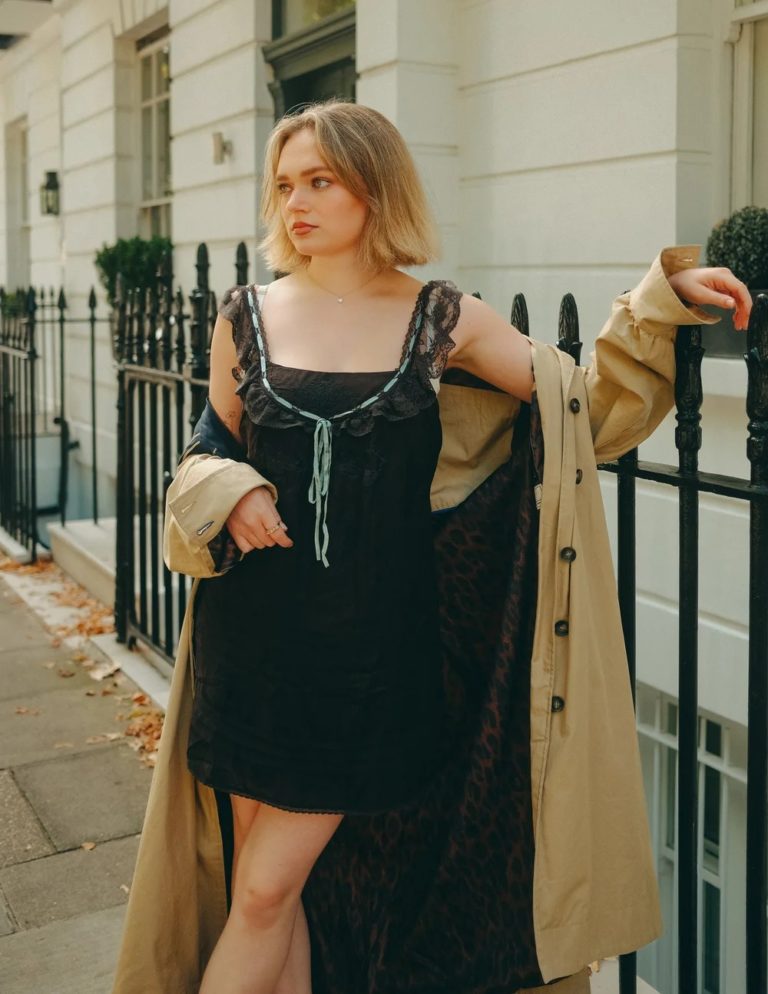
Noëlly Nsimba is set to combine her love of tennis and country when she’ll perform “O Canada, her native land’s national anthem, at the start of the 2025 Canadian Women’s Open.  She’ll kick off the National Bank Open presented by Rogers on July 27 at IGA Stadium in Montréal, her hometown.  She’s the daughter of immigrants from Democratic Republic of Congo and is a proud Canadian as well as a former participant on the WTA Tour having played in tournaments across the globe including in Israel, Tunisia, Mexico, Macedonia, Georgia, Congo, Germany, Netherlands, France, and many other countries. She’s now started both a family – she is the mother of Zyon, a 9-month-old boy — and new career in music that launches with the release two digital singles concurrent with her performance at opening the Women’s National Bank Open presented by Rogers.

The singles that will be released via all streaming services are two bilingual versions of “O Canada,” one with rock/electric accompaniment, the other an a cappella performance with vocal harmonies. The other release is “4 De Love: Tennis,” a mirthful song she wrote in celebration of her favorite sport and an instrumental version of the song. Download and streaming proceeds realized from the recording will be channeled to support The Love & Love Tennis Foundationestablished by Hall of Famer Rosie Casals and dedicated to empowering youth by offering tennis programs, educational support, and specialized clinics.

Noëlly considers herself a true patriot and cites Canada’s inclusive attitude toward immigration that made her parents feel welcome when they first arrived in Montreal from Africa.  She comments, “Canada is a country that makes you feel at home no matter where you were born, what you look like, what you eat, how you dress or the languages you speak. We are one nation made up of many different people who are comfortable sharing with and caring for each other.” 

Speaking of dress, Noëlly will be debuting a new fashion creation of hers when she sings “O Canada”, in both French and English, on the 27th. The dress she’ll be wearing is one of her own creation that she conceptualized a few years ago when she was deep in training and competing at a tennis academy in Cancun, Mexico. Beyond the discipline of daily practice and the heat of competition, she carried a vision — a vivid dream of one day standing victorious at the Australian Open.  She didn’t just dream of winning. She imagined every detail, including the outfit she would wear at that moment: a green tennis dress with black and white lines, graceful and elegant like a ballerina’s attire. This dress symbolized the athlete she was and the woman she had become— strong, feminine, and determined. Noëlly sketched the design herself — every curve, every contour drawn from her imagination and heart. This vision was shared with a friend who introduced her to Reina, a skilled local tailor.

Together, Noëlly and Reina brought the vision to life. They carefully selected the fabric, discussed every detail, and shaped the dress stitch by stitch. Reina embraced Noëlly’s design with precision and artistry, transforming her dream into a stunning, one-of-a-kind reality. While Noëlly has since moved on from competitive tennis, her spirit of ambition never faded but has been applied to her music so it is fitting, in every sense, that she will be performing the national anthem wearing her green tennis dress for the very first time. That appearance will be her debut as a singer at a major event as well as the debut of her own creation representing a remarkable intersection of her passions for tennis, music and fashion design. For Noëlly, this is more than a performance. It’s a champion moment — an honorable opportunity to represent her country, her evolution, and perhaps, the beginning of a future clothing venture designed to empower others the way this dress has empowered her.

Apart from music, tennis and fashion, Noëlly has quite a few other artistic outlets: she’s an accomplished cake maker as well as a painter; in short Noëlly is a truly creative soul and a proud Canadian. “We are all given gifts that are not only for us but also to share with others,” and is truly living up to that credo.

Celtic Folksters Lo & the High Road Release Enchanting New Single “Lanterns in the Mist”

0

Folk group Lo & the High Road invite listeners into a twilight world of myth, music, and magical ambiguity with their new single “Lanterns in the Mist,” out now. Weaving together Celtic instrumentation and modern folk storytelling, the track continues the ensemble’s tradition of grounding fantasy in emotional truth, set to a soundscape of bouzouki, bodhrán, fiddle, and harmonized vocals that feel like they’ve wandered out of the fog between dreams and daybreak.

Led by Lauren Halász (vocals, bass, bodhrán, whistle) and Colin McMahon (guitar, mandolin, bouzouki, production), the Cobourg-based project draws inspiration from folklore, fairy tales, and the living tradition of Celtic music. “This song is from the perspective of a child who is being stolen away by fairies,” explains Lauren. “It’s a theme in stories from cultures all over the world. Sometimes they’re taken for sinister reasons, sometimes to be saved. We wanted to leave that question open”.

Musically, the song plays in that same liminal space—balancing ethereal beauty with unease. “When Lo brought me the lyrics, I was struck by the darkness,” says Colin. “But what I heard was something energetic, almost danceable. So we settled into that tension—between wonder and danger, between the comforting past and the unknown world ahead”.

The lyrics are poetry in motion: “Listen, they are calling me away / to a land in between the night and day / with voices that are clearer than the church bells…”. It’s a sonic invitation to follow the fairies through oak and ash, to leave behind kings and crowns, and wander into a world where dew tastes like honey and violins shimmer with gold. The fairies—sung in wispy three-part harmony—are at once alluring and untrustworthy, leaving the listener suspended in longing.

Lo & the High Road has developed a devoted international following of over 200,000 fans online, many of whom use their music as soundtracks for Dungeons & Dragons campaigns, woodland weddings, and even Renaissance Faires. Their first album Jackalope Tales (& other stories) reached over a million streams and established the band as an emerging voice in Canada’s modern folk scene.

“Lanterns in the Mist” is the band’s latest exploration of myth, music, and meaning—a song that resonates with anyone looking for escape, imagination, or even healing. “I think I wrote this song as a coping mechanism,” says Lauren. “Sometimes we all need a space between worlds to rest. A place where the land is healthy and we are safe. A place to keep our lanterns lit”.

Following the release of the single, Lo & the High Road will bring their haunting harmonies and rich arrangements to Ontario stages throughout the summer:

Lo & the High Road – 2025 Tour Dates:

  • August 10 – Summer Music in the Garden – Toronto, ON
  • September 12 – Victoria Hall – Cobourg, ON

Fans of Celtic traditions, fantasy storytelling, and indie folk revival will find themselves at home in the mossy, melodic world Lo & the High Road continues to build. “We’re not trying to escape reality,” says Colin. “We’re trying to build bridges between the old stories and the ones we’re still writing.”

HERDD & Overwork Unleash Cathartic Club Banger “Pick You Up (Overwork Remix)”

0

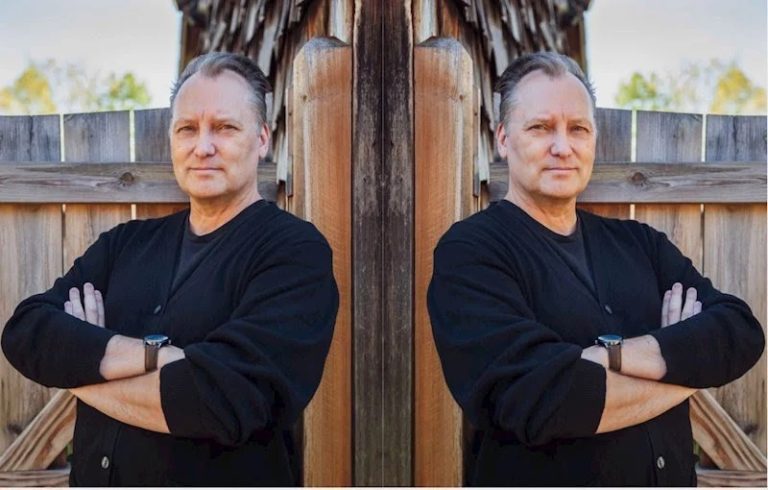
When you’ve had enough of being someone’s emotional lifeline, you write a song like this. HERDD, the Montreal-born, Sudbury-based pop provocateur, teams up with U.K. remix artist Overwork (aka Matthew Smith) for a revamped take on his breakup anthem “Pick You Up.” The Overwork Remix lands with electrifying flair, dripping with catharsis, and booming with bass lines built for healing.

Set to a pounding pop/dance beat, the track lets HERDD (a.k.a. François Côté) drop the mask and reclaim his time. “It’s not my job / to pick you up,” he declares in the infectious hook, before driving it home with a cheeky mic-drop: “Seriously, go find a man / and if you don’t know how, there’s an app for that.”

But there’s depth behind the sass. “‘Pick You Up’ started out bitter,” HERDD explains. “It was about a very specific kind of person—someone who asks how you are just to pivot back to themselves. But over time, I began to feel more powerful than resentful. That inspired me to work on a new version that celebrated the empowerment hiding in the original track.” The result? A dancefloor confessional where boundaries are sacred, recovery is righteous, and queerness is a badge of pride.

HERDD and Overwork’s friendship spans school days spent binging Murder She Wrote (yes, all 12 seasons plus the movies) and awkward teenage jam sessions in Overwork’s childhood home. “Matt was the first person I came out to,” HERDD says. “He just said ‘Cool!’ and we moved on. I’ll never forget how easy he made it for me to just be myself.”

Originally featured on HERDD’s 2024 debut album Afterlife, the track chronicles the messy aftermath of a one-sided relationship, set against the backdrop of HERDD’s post-pandemic self-reckoning. Now, with newly recorded vocals and an elevated soundscape, the Overwork Remix brings that story full circle—bitter turned bold, heartbreak transformed into clarity.

HERDD has long used music to explore identity, mental health, and resilience. “I was raised in a religious household that saw queerness as something to repent. I’ve carried a lot of that shame. But when I stopped trying to be ‘nice’ and started being real, that’s when I found real love—and real hate too. But that’s life. That’s what this song is about.”

If you’re looking for a track that hits hard on the dancefloor and in your soul, this is it.