Home Blog Page 52

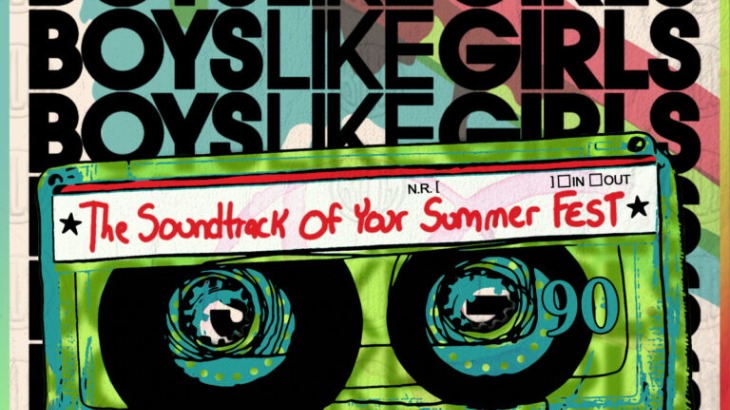
Boys Like Girls Bring the “Soundtrack Of Your Summer Festival” Home to Boston

0

Boys Like Girls are throwing a hometown festival, and the lineup hits exactly where it should. The Soundtrack Of Your Summer Festival lands Saturday, August 29 at Leader Bank Pavilion in Boston, with Cartel, Cute Is What We Aim For, and Hit The Lights on the bill for a one-night-only celebration of the music that defined a generation of rock fans.

The festival serves as the US encore of the band’s Soundtrack Of Your Life Tour, where they performed their self-titled debut and ‘Love Drunk’ in full and in tracklist order every night. Boston gets both albums, one stage, and the full experience brought home.

The bill carries some real weight. Cute Is What We Aim For make their first public appearance in nearly 10 years, making this more than a festival, it’s a genuine moment for a community of fans who grew up on this music.

Presales are underway now. General on-sale hits Friday, May 29 at 10 AM local time, with VIP packages available.

Wet Leg Drop an FDC DJs Remix and Announce ‘Moisturizer (Deluxe)’ for July

0

Wet Leg have shared a new remix of “catch these fists” by FDC DJs, the duo made up of Fontaines D.C. members Carlos O’Connell and Tom Coll, and it’s a sharp left turn from the original. Darker, seedier, built on brooding synths and propulsive drums, it leans hard into Rhian Teasdale’s barbed lyrics and lands with real menace.

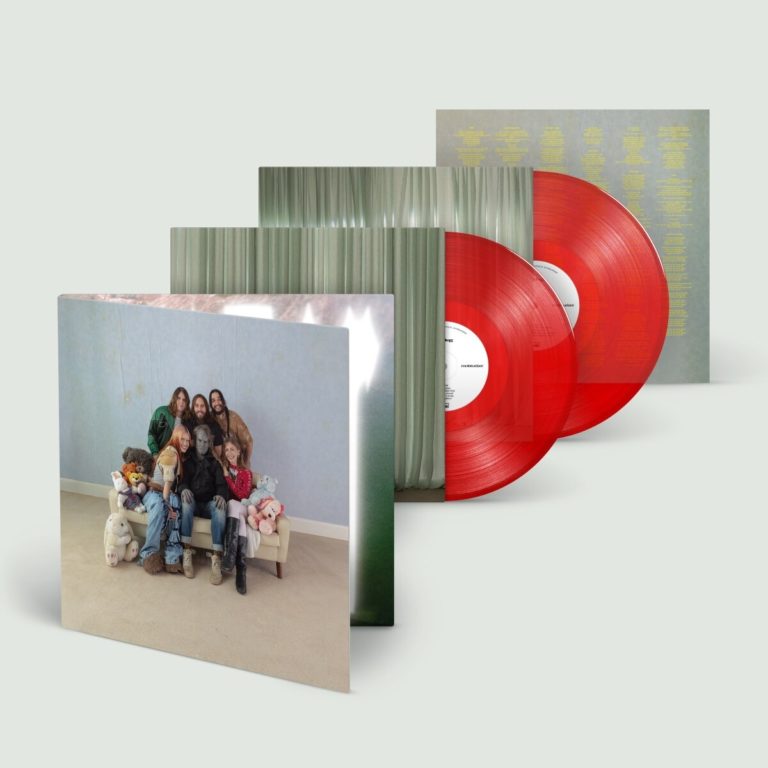
The remix is the first taste of ‘moisturizer (deluxe)’, arriving July 10. The expanded edition adds remixes from horsegiirL and The Dare alongside 3 previously streaming-unavailable tracks: “hi from me” (originally a Japanese CD exclusive), a home studio demo of “don’t speak” recorded by Hester, and “u and me at home intro/outro,” the latter already familiar to fans as the band’s walk-on music.

Rounding out the package are live recordings made at LA’s The Village Studios in 2025. The deluxe is available on double translucent red vinyl, CD, and digitally.

‘moisturizer’ has had a run few albums can match. It debuted at No. 1 on the UK albums chart, earned 3 Grammy nominations and 2 Brit nominations, and spawned “mangetout,” which recently hit No. 1 on the US Alternative Radio airplay chart, making Wet Leg the first female-fronted independent act to top that chart this decade.

The year has only added to the momentum. Wet Leg opened 2026 touring Australia and New Zealand as part of Laneway Festival alongside Chappell Roan, Geese, and Pinkpantheress. Japan dates followed. In March, they became the first musical guest on SNL UK’s debut season, appearing alongside host Tina Fey. Teasdale also walked Paris Fashion Week and joined comedian Joe Wilkinson for an episode of his Channel 4 show Train-ing It.

This summer brings their largest UK headline shows to date, plus festival slots at Bonnaroo, Governors Ball, Lollapalooza, and a hometown appearance at Isle of Wight Festival.

‘moisturizer (deluxe)’ drops July 10. Pre-order and pre-save are live now.

‘moisturizer (deluxe)’ Track Listing:

  1. CPR
  2. liquidize
  3. catch these fists
  4. davina mccall
  5. jennifer’s body
  6. mangetout
  7. pond song
  8. pokemon
  9. pillow talk
  10. don’t speak
  11. 11:21
  12. u and me at home
  13. hi from me
  14. mangetout (The Dare remix)
  15. CPR (horsegiirL Remix)
  16. catch these fists (FDC DJs remix)
  17. CPR (live from the village)
  18. davina mccall (live from the village)
  19. mangetout (live from the village)
  20. liquidize (live from the village)
  21. don’t speak (acoustic demo version)
  22. u and me at home intro/outro

Video: Florence and the Machine Literally Moved the Earth at Berlin’s Tempelhof Sounds Festival

0

Florence + The Machine played Tempelhof Sounds Festival in Berlin on June 10, 2022, and the crowd jumped so hard during “Dog Days Are Over” that local seismological stations registered a 1.4 magnitude tremor. That’s not a metaphor. Tens of thousands of fans, moving in unison at Florence Welch’s command, left a measurable physical imprint on the city. Touring behind ‘Dance Fever,’ the band delivered a set that ranged from the raw force of “Kiss With a Fist” and “What Kind of Man” to the euphoric lift of “Rabbit Heart (Raise It Up)” and “Shake It Out,” a full-spectrum performance that reminded everyone why a Florence + The Machine live show is an event, not just a concert.

The Tirith Are Back With a Prog Monster Album and a Single That Demands Your Attention

0

UK progressive rockers The Tirith have a new album arriving July 3, and the lead single “Save The Oak” makes a strong case for why it’s worth your time.

‘Quetzalcoatl’ is the band’s fourth studio album, and it arrives as their most expansive and cohesive work yet. Blending folk, jazz, and heavier rock into a signature prog framework, the record showcases intricate musicianship, shifting dynamics, and the kind of atmospheric storytelling the band has built their reputation on.

The Tirith’s story is a compelling one. Founding members Tim Cox and Dick Cory first played together as schoolmates in the 1970s under the name Minas Tirith, then reunited in 2010 after more than 3 decades apart. They came back with a catalogue of unreleased material and serious credentials behind them.

Tim Cox, the band’s guitarist, earned his stripes as a professional songwriter and producer, co-writing Rozalla’s iconic dancefloor staple “Everybody’s Free (To Feel Good).” Dick Cory spent those intervening years writing prolifically, and much of that work found its way into The Tirith’s sound.

Since reforming, the band released ‘Tales from the Tower’ (2015), ‘A Leap into the Dark’ (2019), and ‘Return of the Lydia’ (2022), all recognized for their conceptual ambition and expressive guitar work. Each record moved the needle. ‘Quetzalcoatl’ moves it further.

With drummer Paul Williams and keyboardist Anthony Hill now firmly in the fold, the band operate with a tighter, more unified sound. The live circuit has taken notice too. The Tirith have played Cambridge Rock Festival and HRH Prog, sharing stages with Focus, Karnataka, and Gnidrolog.

“Save The Oak” is a confident entry point into the new album, a track that channels the band’s layered approach into something immediate and gripping. The video is out now on YouTube.

‘Quetzalcoatl’ drops July 3. Twelve tracks, one of the UK prog scene’s most seasoned outfits, and a record built to last.

‘Quetzalcoatl’ Track Listing:

  1. Intro
  2. Quetzalcoatl
  3. The Slide
  4. Moon King
  5. Back to Space
  6. Rabbit Ings
  7. Dancing With Vampires
  8. Spirit of the Volcano
  9. Masters of Highways
  10. Save The Oak
  11. No Mind (Mushin)
  12. The Riddles

Reddit Asked for the Most Beautiful Album You’ve Ever Heard. Here Are 20 of Their Answers.

Someone on Reddit posed a simple question: give me the most beautiful album you’ve ever heard. Any genre, any timeframe. The thread exploded. Hundreds of answers poured in, covering jazz and goth and ambient and folk and everything in between. Here are twenty of the best responses, and honestly, it’s a pretty great list.

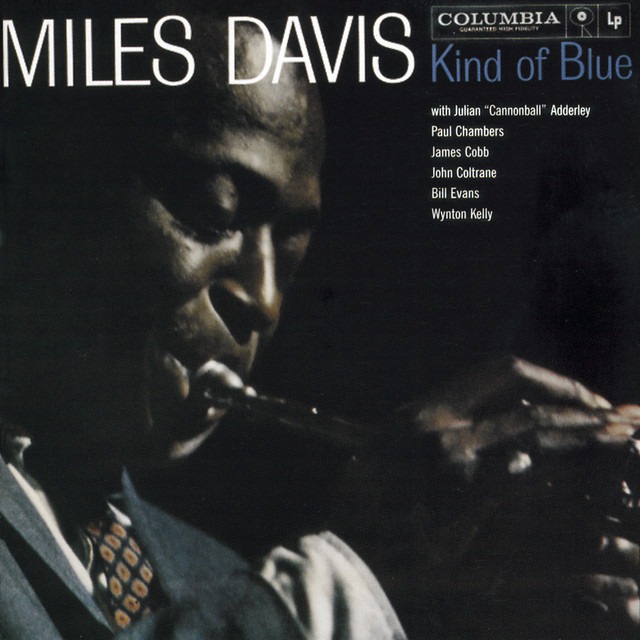
‘Kind of Blue’ — Miles Davis

The most upvoted jazz answer in the thread, and no one should be surprised. This is the album that invented a mood. Cool, unhurried, and so perfectly recorded it sounds like the musicians are in the room with you.

‘Dark Side of the Moon’ — Pink Floyd

It showed up multiple times, and with good reason. One commenter who played through it for a New Year’s gig said that learning all its brilliant thematic connections and back-door transitions made them love it even more. Fifty-plus years in and it still sounds like the future.

‘In Rainbows’ — Radiohead

Multiple commenters called it out without hesitation. It’s the album where Radiohead stopped being cold and started being warm, all without sacrificing a single ounce of what made them great. Side two alone is worth the price of admission.

‘Disintegration’ — The Cure

The thread had genuine enthusiasm for this one. One commenter pointed out that the opener ‘Plainsong’ alone is a gorgeous piece of music, and they’re right. Lush, oceanic, and genuinely moving in a way that goth rock rarely gets credit for.

‘Astral Weeks’ — Van Morrison

Two separate commenters called it, one of them with a response that can only be described as enthusiastic punctuation. Recorded in two days in 1968, it sounds like it came from another dimension entirely. Nothing before or since sounds quite like it.

‘Heaven or Las Vegas’ — Cocteau Twins

Paired with ‘Mezzanine’ by Massive Attack in one of the thread’s best double picks. Elizabeth Fraser’s voice operates at a frequency that bypasses the brain entirely and goes straight somewhere deeper. Lush and completely otherworldly.

‘Mezzanine’ — Massive Attack

Dense, cinematic, and unsettling in the best possible way. This is trip-hop at its absolute peak, a record that sounds equally at home in a late-night headphone session or a film you’ll never forget.

‘Ágætis byrjun’ — Sigur Rós

The thread had enormous love for Sigur Rós across several albums, but this one and ‘( )’ came up the most. One commenter described discovering ‘Svefn-g-englar’ on college radio a quarter century ago and being changed by it. That tracks.

‘( )’ — Sigur Rós

Called an art rock dark masterpiece in the thread, and that’s about right. An album sung in a language the band invented, which somehow makes it more emotionally direct, not less. You don’t need to understand it to feel it.

‘Vespertine’ — Björk

Two separate commenters landed on this one. Intimate, wintry, and constructed from the tiniest sounds imaginable, harps and music boxes and whispers, built into something genuinely majestic. One of her very best.

‘The Seeds of Love’ — Tears for Fears

One commenter called it gorgeously recorded, and that’s the word. An album that took four years to make and sounds like it. Layered, ambitious, and emotionally enormous in ways that still catch people off guard.

‘Pet Sounds’ — The Beach Boys

It showed up and kept showing up in the replies. Brian Wilson building a cathedral out of car horns and sleigh bells and heartbreak. Still the most audacious thing anyone has ever done with a pop album.

‘Five Leaves Left’ — Nick Drake

Quiet, fingerpicked, and deeply melancholy in a way that feels like autumn afternoon light. Nick Drake barely got to make three albums, but this debut announced someone operating at a level most artists spend careers chasing.

‘Automatic for the People’ — R.E.M.

One commenter grouped it with Kraftwerk and Julien Baker, which is a very good triple bill. This is R.E.M. at their most spare and grief-stricken, an album about loss that somehow never feels hopeless.

‘Avalon’ — Roxy Music

Came up more than once, and one commenter said they were glad to see it right off the bat. Brian Ferry at his most cinematic and seductive, an album that sounds like the last slow dance of the evening and makes you wish it never ended.

‘Yoshimi Battles the Pink Robots’ — The Flaming Lips

One commenter said they think ‘The Soft Bulletin’ might edge it out, which is a perfectly reasonable argument to have. But ‘Yoshimi’ has a warmth and gentle sadness that sneaks up on you completely.

‘What’s Going On’ — Marvin Gaye

One commenter said it’s the only album that can make them cry. That’s as good a definition of beautiful as any. A concept album about war and poverty and love that feels, impossibly, more relevant with every passing decade.

‘Wildflowers’ — Tom Petty

Called a masterpiece in the thread, and the response to that was pure emoji and gratitude. Petty at his most open-hearted, an album that sounds like driving somewhere good with the windows down and nothing on your mind.

‘Ghosteen’ — Nick Cave and the Bad Seeds

One commenter described it as saturated with the spirit of his deceased son but also so beautiful and hopeful. Made in the wake of profound grief, it somehow transcends it. One of the most quietly devastating albums of the last decade.

‘Carrie and Lowell’ — Sufjan Stevens

Called haunting by the commenter who suggested it, which undersells it slightly. This is one of the most intimate and gut-wrenching records ever made, a meditation on loss and memory so personal it almost feels wrong to listen to, and yet completely impossible to stop.

How to Get Your Music in a Commercial

You’re watching TV. A car glides through a mountain pass, the cinematography is gorgeous, and then a song hits — and suddenly you’re not thinking about the car at all, you’re thinking about that song. Who is that? Where can I find it? That is sync licensing doing exactly what it’s supposed to do. And your music could be the one doing it.

Getting your music placed in a commercial is one of the best things that can happen to an artist. It generates significant income, boosts your visibility, introduces your work to new audiences, and being associated with well-known brands adds professional credibility that opens doors for future opportunities. So how do you actually make it happen? Let’s break it down.

First, Understand What You’re Actually Selling

Sync licensing, or synchronization licensing, is the legal process of placing music with visual media. When your music is matched with images in films, TV commercials, online videos, or video games, that is called a sync placement. To legally earn from these uses, you need permission from both the master rights owner, who owns the recording of the song, and the publishing rights owner, who owns the composition of the song. If you’re an independent artist who owns both, that’s actually a major advantage — you can move faster and negotiate more cleanly.

Make Your Music “Sync Ready”

Before you pitch a single track, get your house in order. Music supervisors look for tracks with emotional clarity, meaning each song conveys a distinct and identifiable mood, along with strong structure, including a clear intro, build, climax, and resolution. A track that meanders through its own arrangement is a problem for an editor trying to cut to picture.

Write songs with universal themes like love, hope, change, or resilience. Avoid super-specific references that might limit your track’s use. Commercials love broad, uplifting vibes. Always create multiple versions of your tracks. An instrumental version is essential — many advertisers love the music but need to layer their own voiceover on top.

Know Who’s Actually Making the Decision

Music supervisors are the unsung heroes of the advertising world. They are experts in music licensing, music trends, and finding the perfect song for each project. They work closely with advertising agencies and brands, search for songs that will fit the brand, and manage all the details of music licensing so the brand is in full compliance. Getting your music in front of the right supervisor is the whole game. Attend industry events, join music sync licensing companies, and connect with music supervisors on social media. These are not people who are hiding — many are quite active online and genuinely interested in discovering new music.

Get Into Music Libraries

The most reliable path for most independent artists is through music libraries. Artists submit their music to libraries, which handle curation and legal checks before offering songs to supervisors. The workflow is streamlined for speed and efficiency, with pre-cleared music ready for instant placement. Libraries like Musicbed, Artlist, Epidemic Sound, and Pond5 are good starting points, and there are dozens more that specialize in everything from indie folk to hard electronic.

What Can You Actually Earn?

Here’s where it gets interesting. The range is enormous. A placement in a small web commercial or a local brand’s online video might bring in anywhere from $50 to $300. It’s not going to pay your rent, but it’s still money earned from your music — and it builds your track record. On the other end of the spectrum, national commercials and big-budget campaigns can pay from $10,000 up to $100,000 or more, especially for popular songs or exclusive licenses. The average commercial sync license in the US runs between $15,000 and $50,000. That’s a meaningful number for any artist.

Beyond the upfront fee, sync licensing is now the second-highest royalty stream for independent artists, because every time that commercial airs, performance royalties are generated. The money keeps coming long after the deal is signed.

The Pitch Itself

Keep it short, keep it targeted, and do your homework. Don’t email a supervisor who works exclusively in horror films and pitch them your acoustic lullaby. Research what brands a supervisor has worked with, what kind of music they gravitate toward, and tailor your approach accordingly. Include a brief bio, a direct link to your music (not an attachment), and make it easy to clear. The faster a supervisor can say yes, the better your chances.

Sync licensing is no longer just for TV and film. The landscape has exploded with new opportunities, from Netflix originals and YouTube creators to TikTok trends, video games, mobile apps, and branded content. Every one of those is a door. Your job is to knock on as many as possible with music that’s ready, rights that are clear, and a pitch that respects everyone’s time.

The song that stops someone mid-channel-surf and makes them reach for their phone to find out who made it could be yours. Start building that catalog today.

The Songs That Tell Belfast’s Story

0

Belfast is hosting Fleadh Cheoil na hÉireann for the very first time this August, and there is no better moment to think about the music that has always lived in this city’s bones. From Sunday August 2 to Sunday August 9, 2026, Belfast will transform into a vibrant carnival of sound, colour, culture and craic, with pub sessions, street performances, céilí bands and All-Ireland competitions filling every corner of Ireland’s only UNESCO City of Music. Belfast has been telling its story through song for centuries. The Fleadh simply gives the whole world a reason to finally listen.

From the linen mills of the 19th century to the shipyards that built the Titanic, from the darkest years of The Troubles to the hopeful rhythms of a city reborn, Belfast has always sung. Here are eight songs that tell its story.

“The Belle of Belfast City” (Traditional)

Few songs capture the warmth and wit of Belfast’s people quite like this one. A celebration of the city’s women and working-class neighbourhoods, it has been passed down through generations and remains one of the most joyful expressions of Belfast identity. Rend Collective’s toe-tapping rendition brought it to a whole new audience, but its roots go deep into the cobblestones of the city itself.

“The Belfast Mill” (Traditional)

This poignant folk ballad doesn’t romanticize the past, it tells the truth of it. The song shines a light on the harsh realities of the Industrial Revolution in Belfast, chronicling the poverty, exploitation, and human cost of the booming linen and shipbuilding industries. Behind every great industrial city is a working class that paid dearly for its growth, and this song makes sure they aren’t forgotten.

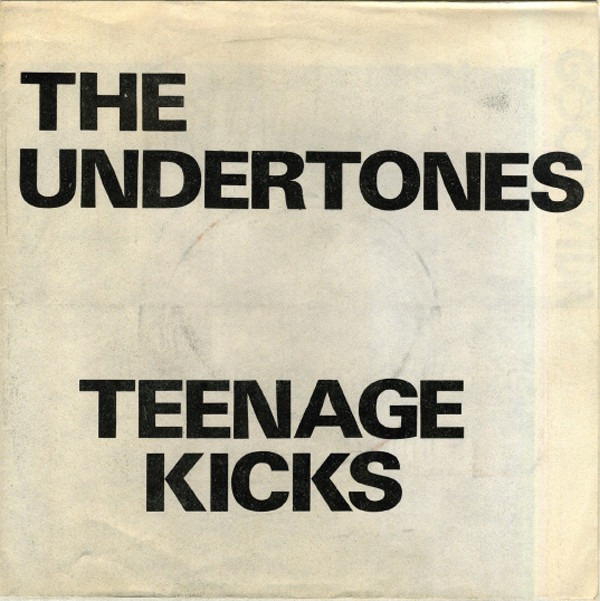
“Teenage Kicks” (The Undertones)

By the late 1970s, Belfast was living through the worst years of The Troubles. Against that violent backdrop, The Undertones from Derry gave young people across Northern Ireland something urgent and electric: a song about being a teenager that had nothing to do with politics and everything to do with desire, energy, and escape. John Peel called it the greatest record ever made, and he wasn’t wrong.

“Alternative Ulster” (Stiff Little Fingers)

Where The Undertones looked inward, Stiff Little Fingers looked outward and screamed. “Alternative Ulster” was a direct challenge to the militarized reality of life in Belfast, the checkpoints, the tension, the sense that young people had no future worth imagining. It remains one of the most viscerally honest songs ever written about the city, and it still rattles the walls.

“Belfast Child” (Simple Minds)

Written in the aftermath of the 1987 Enniskillen bombing, this haunting anthem by Simple Minds, built around the traditional melody of “She Moved Through the Fair,” is one of the most moving musical responses to The Troubles ever recorded. It doesn’t rage or protest; it mourns. And in that mourning, it became an anthem for everyone who had lost someone, and everyone who simply wanted it all to stop.

“The Town I Loved So Well” (Phil Coulter)

Written about Derry, yes, but this song belongs to the whole of Northern Ireland, and Belfast claims it too. Phil Coulter’s masterpiece traces the arc from childhood innocence to the scarred, militarized streets of the conflict years, before reaching toward something like hope. Every time it’s sung, it feels like a prayer for a place that deserved better than what it was given.

“Cyprus Avenue” (Van Morrison)

Born in East Belfast, Van Morrison immortalized the streets of his youth in music that transcends time and geography. “Cyprus Avenue” is both a specific Belfast street and a state of mind, a song about longing, beauty, and the strange ache of a place that shaped you. Morrison’s catalogue is full of Belfast’s geography and soul, and this track sits at the very heart of it.

“Into the Light” (Van Morrison)

If “Cyprus Avenue” captures the longing, “Into the Light” captures the healing. Morrison’s music has always carried a spiritual undercurrent, and this song speaks to Belfast’s own long journey toward something brighter. A city that has endured what Belfast has endured earns the right to songs like this one, full of quiet resilience and the stubborn belief that light, eventually, wins.

Fleadh Cheoil na hÉireann takes place in Belfast, August 2–9, 2026. For more information visit fleadhcheoil.ievisitbelfast.com, and discovernorthernireland.com.

Protected: 5 AI Video Agents That Are Quietly Replacing Entire Production Teams 2026

0

This content is password protected. To view it please enter your password below:

What Happens to the Body During Constant Anxiety and Overexertion

0

By Mitch Rice

We live in a world that praises the non-stop grind, forcing ourselves to stay busy every single minute. From the second we wake up, our minds race with endless tasks. We push through fatigue with coffee and willpower, but pairing constant anxiety with physical overexertion pushes our internal systems past safe boundaries.

Your body is a physical machine with a strictly limited fuel supply, not a computer that runs forever. Your organs, muscles, and brain require real energy and regular downtime to repair from daily wear and tear. When you ignore these natural limits and run in emergency mode without stopping, your physical engine breaks down. You must learn to safely slow down before your body forces you to.

The Endless Emergency: Your Hormones on High Alert

To understand the physical toll of a busy life, you must look at how your brain handles ongoing pressure. Whenever you feel anxious about a deadline or push your body to work past the point of exhaustion, your brain assumes you are fighting for your life against a wild animal. It immediately orders your glands to flood your bloodstream with survival hormones like cortisol and adrenaline. 

In a real emergency, these chemicals are wonderful because they boost your heart rate and give your muscles a sudden burst of strength to escape danger. However, they are only meant to stay in your system for a few minutes until you reach safety.

The crisis occurs when you never allow the danger to pass. Keeping these survival chemicals active all day long turns them from lifesavers into toxins that destroy your muscles, bones, and organs. This constant hormonal flooding triggers clear signs of nervous system dysregulation, meaning your body completely loses its ability to calm down, lower its heart rate, or enter a natural state of healing. When your nervous system is thrown out of balance like this, your internal engine completely overheats, acting exactly like driving a car at top speed down a highway without ever changing the oil or letting the motor cool down.

The Physical Breakdown: Where the Damage Shows Up

When you live in a state of endless emergency, the physical damage quickly shows up in your vital organs, starting with severe heart and breathing troubles. Because your body thinks it is always running away from a threat, you experience a chronically racing pulse, shallow chest breathing, and high blood pressure. Your heart never gets a chance to rest or beat at a calm, natural pace, which places an immense amount of daily strain on your blood vessels.

At the same time, this non-stop pushing completely destroys your body’s internal defenses by shutting down your immune system. Your brain views fighting a cold as a low priority when it thinks you are fighting for basic survival, so it redirects all your energy away from your immune cells.

 As a result, you find yourself catching every single cold, flu, or stomach bug that goes around your office or neighborhood, and it takes you weeks to recover from simple illnesses. 

Furthermore, this mental worry creates intense muscle lock, turning emotional stress into actual physical pain that shows up as permanent, painful knots in your neck, back, shoulders, and jaw.

Draining the Battery: Energy and Sleep Crises

Living this way for months at a time eventually drains your internal battery to zero, leading to a profound energy drought. This isn’t the type of normal tiredness that can be fixed by sleeping in on a Saturday morning or taking a short weekend vacation. It is a deep, structural exhaustion that lives in your bones, leaving you feeling completely heavy and wiped out no matter how much you try to relax.

This creates a highly frustrating sleep paradox. You might feel completely physically exhausted from a long day of hard work, but the moment you lie down in bed, your anxious mind refuses to turn off. Your brain is so full of survival hormones that it blocks you from entering the deep, healing stages of sleep that your body desperately needs to rebuild its tissues.

Because you are locked out of this restorative rest, you end up waking up completely empty every single morning, starting your day with less than half a charge in your battery.

Small Steps to Stop the Physical Collapse

Thankfully, you can reverse this damage and heal your body by introducing small, intentional changes into your daily routine. The first step is to practice the hard stop. This means forcing yourself to take short, non-negotiable breaks during your workday where you do absolutely nothing productive. Turn off your computer, put away your phone, and simply sit quietly for ten minutes without checking a list or planning your next task.

Next, you must focus on properly feeding the machine. When we are overworked, we often skip meals or survive on sugary snacks and energy drinks, which only spikes our anxiety. Replacing these survival foods with real, simple meals gives your body the actual building blocks it needs to repair its tissues and lower inflammation. Finally, focus on releasing the tension through basic physical habits like taking a warm bath, stretching your tight muscles, or going for a slow, aimless walk outside to let your nervous system uncoil.

Choosing Survival Over Success

No amount of career success, money, or productivity is worth destroying the physical body that you have to live in for the rest of your life. We often treat our bodies like tools to get things done, forgetting that our health is the absolute foundation of everything we experience. True strength isn’t about how much pain you can push through or how long you can run on empty. True wisdom is having the courage to stop, honor your limitations, and give your physical engine the deep, quiet rest it needs to survive.

Data and information are provided for informational purposes only, and are not intended for investment or other purposes.


The Art of Designing Championship Belts for Wrestling Promotions

0

By Mitch Rice

A championship belt is more than a prize. In wrestling, it is a visual identity, a storytelling tool, and a symbol of status all at once. The design of that belt plays a major role in how the audience perceives the title and how the champion feels holding it.

For wrestling promotions, designing a championship belt is not a casual task. It is a creative process that blends branding, symbolism, craftsmanship, and emotion. A well designed belt can elevate an entire promotion, while a weak design can make even a major title feel forgettable.

Understanding the art behind championship belt design reveals why these objects carry so much weight in wrestling culture.

A Championship Belt Is a Brand Statement

Every wrestling promotion has its own identity. Some focus on high intensity competition, others on storytelling, and some on entertainment driven performances. The championship belt needs to reflect that identity instantly.

A belt is often the first thing fans notice when a champion walks out. It communicates the level of prestige associated with the title before a single word is spoken.

That is why design choices are never random. Every detail, from shape to color to logo placement, contributes to how the promotion is perceived.

A strong design can make a small promotion look professional and established. A weak design can have the opposite effect, no matter how good the matches are.

The Importance of Symbolism in Design

Championship belts work because they represent more than metal and leather. They represent achievement, struggle, and recognition.

Designers often use symbols to reinforce that meaning. Eagles, crowns, shields, and stars are common elements because they represent strength, victory, and leadership.

But modern wrestling promotions are moving beyond generic symbols. They want designs that reflect their specific storylines and brand identity.

This is where custom wrestling belts play a major role. They allow promotions to move away from standard templates and create belts that carry unique meaning. A custom design can reflect a promotion’s history, its audience, or even a specific championship storyline.

When symbolism aligns with storytelling, the belt becomes part of the narrative instead of just a prop.

Balance Between Tradition and Innovation

Wrestling has deep roots, and championship belts have a long history. Because of that, many fans expect a certain traditional look.

Wide plates, bold centerpieces, and gold finishes are often associated with legitimacy and prestige. If a belt strays too far from tradition, it risks losing that sense of importance.

At the same time, promotions also want to stand out. This creates a balance challenge for designers.

The best championship belts respect tradition while introducing modern elements. This could mean cleaner designs, updated shapes, unique textures, or personalized branding that reflects the promotion’s identity.

Successful designs do not abandon tradition. They evolve it.

The Role of Detail in Visual Impact

Small details often make the biggest difference in belt design.

Engraving quality, plate depth, border patterns, and color contrast all contribute to how the belt looks both in person and on camera. In modern wrestling, where events are filmed and shared online, these details matter even more.

A belt that looks average in person may look even weaker on screen. But a well detailed belt stands out in every format, whether it is live, photographed, or streamed.

This is why many promotions now invest in high quality custom wrestling belts that are designed specifically for visual impact. The goal is not just durability. It is presence.

Customization as a Creative Tool

Customization has changed the way championship belts are designed.

Instead of choosing from fixed templates, promotions can now build belts that reflect their exact vision. This includes logos, nameplates, color themes, and even storytelling elements tied to specific rivalries or events.

Custom design allows each championship to feel unique. A world title can look different from a tag team title. A women’s championship can have its own identity. Special event belts can be created for tournaments or anniversary shows.

This flexibility gives promotions more creative control over how they present their championships.

Custom wrestling belts have become the standard choice for promotions that want full creative freedom in design.

Designing for the Audience Experience

A championship belt is not just for the wrestler holding it. It is for the audience watching it.

Fans need to immediately understand what the title represents. A strong design helps communicate that without explanation.

When a belt is introduced on screen or in the arena, it should feel important. The audience should recognize it as something worth competing for.

This is why clarity matters in design. Overly complex or confusing designs can reduce impact. The best belts strike a balance between detail and readability.

Emotional Connection Through Design

Design is not just visual. It is emotional.

A well designed championship belt creates pride for the wrestler who holds it. It becomes something they want to display, photograph, and remember.

For fans, it becomes part of the identity of the promotion. Iconic belts are often remembered just as much as the matches themselves.

This emotional connection is what separates average designs from great ones.

When a belt feels meaningful, it becomes part of wrestling history rather than just event equipment.

The Rise of Personalized Championship Culture

Modern wrestling has shifted toward personalization across all levels.

Independent promotions, fantasy leagues, and fan driven events are all looking for ways to create unique identities. Championship belts play a major role in this shift.

Instead of generic designs, promotions now prefer custom wrestling belts that reflect their branding and audience expectations. A similar emphasis on personalization can be seen in educational platforms like Sparx Reader, where tailored experiences help create stronger engagement and a greater sense of achievement.

This trend has made championship design more important than ever. It is no longer just about appearance. It is about identity creation.

The Influence of Presentation and Media

How a championship belt looks on camera is now just as important as how it looks in person.

With wrestling content being shared across social platforms, belts are constantly being viewed in clips, photos, and highlight reels.

A strong design increases shareability. It makes championship moments more visually appealing and helps promotions gain attention beyond their immediate audience.

This media driven environment has pushed designers to focus more on bold visuals, strong contrast, and memorable shapes.

Designing for Longevity

A good championship belt should not feel outdated after one season.

Timeless design is important in wrestling because championships often carry long term history. A belt may pass through multiple champions over several years.

Designers aim to create belts that can last visually and emotionally. This means avoiding overly trendy elements and focusing on strong foundational design principles.

A timeless belt becomes part of the promotion’s legacy.

Conclusion

The art of designing championship belts for wrestling promotions is a careful balance of creativity, tradition, branding, and storytelling.

A championship belt is not just an accessory. It is a symbol that represents everything a promotion stands for and everything a wrestler has achieved.

Through thoughtful design, attention to detail, and meaningful customization, championship belts become more than awards. They become identity markers and storytelling tools that define wrestling culture.

As the industry continues to evolve, custom wrestling belts will remain at the center of this transformation, giving promotions the freedom to create designs that are as unique and powerful as the champions who wear them.

Data and information are provided for informational purposes only, and are not intended for investment or other purposes.