Home Blog Page 557

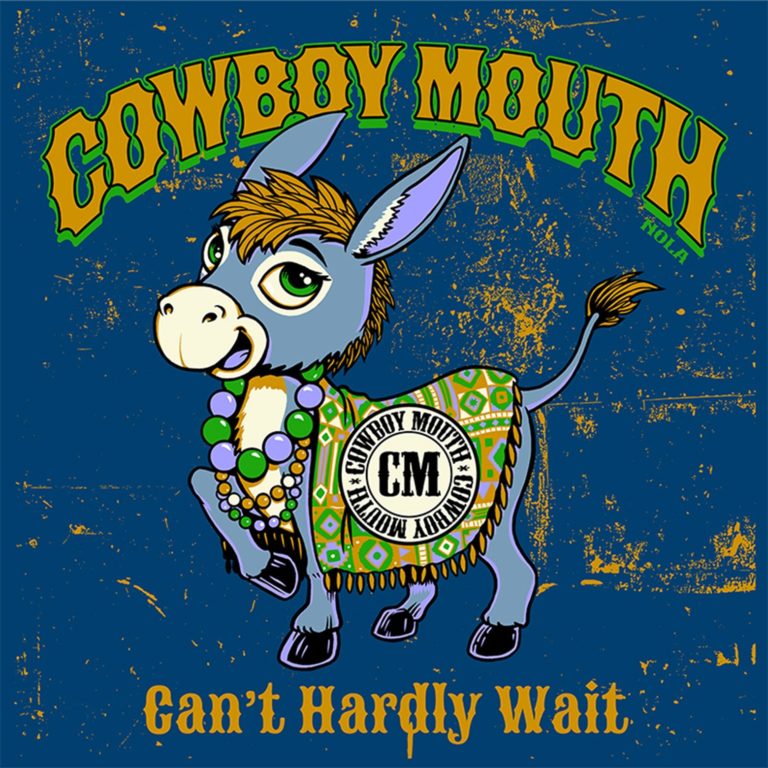
Cowboy Mouth Revs Up ‘Cover Yo’ Azz’ With The Replacements’ “Can’t Hardly Wait”

0

One of the great American rock bands of the last four decades, Louisiana stalwarts Cowboy Mouth have released “Can’t Hardly Wait,” the searing second single from Cover Yo’ Azz, a brand new collection of recordings paying homage to some of their favorite songwriters of the last 60 years. 

Vocalist/drummer Fred LeBlanc has a special affinity for the songwriting chops of The Replacements. “(They) particularly captured my ear and heart. Not only with their devotion to classic pop and punk rock but also their attitude of IDGAF to the entire music industry.”

The fevered take on “Can’t Hardly Wait,” which Glide Magazine dubbed, “innovative and powerful,” along with the previously released Appalachian infused spin on Queen’s “Fat Bottomed Girls,” comprise a pair of advance singles amping anticipation for Cover Yo’ Azz, which arrives August 15 via Symphonic Distribution. The 10-track collection marks the band’s first full-length of newly recorded material since 2014’s ‘Go!’.

LeBlanc explains the title and the impetus for the recording, “There’s no rhyme or reason. It just kind of… happened. For CYA, we compiled a bunch of songs we liked and threw them together. Everybody brought a different sound and vibe to the tracks, and we had a blast re-creating some amazing songs – with a CM twist.”

Adds guitarist/co-founder John Thomas Griffith, “Music of any flavor has a way of being your own personal sage advisor. Listen closely, and you will hear the wind blow.”

Flanked by bassist Brian “Bruiser” Broussard and guitarist Frank Grocholski, the band enflames Southern boogie on the Ian Hunter/Mick Ronson penned, “Just Another Night” (arriving July 11) while injecting a cacophony of rhythm on the 1971 Cher-classic, “Gypsies, Tramps & Thieves,” the original written by Bob Stone.

“Gypsies, Tramps & Thieves always fired my imagination, because the original recording sounded like a circus,” offers LeBlanc.

Elsewhere, the band adds heft to perennial jukebox heroes, The Who (on “The Real Me”), Fats Domino (on “I’m Gonna Be Wheel Someday”) and Frank Sinatra/Elvis Presley/Sid Vicious (on “My Way”) but downshifts on gorgeous renditions of the Rodney Crowell masterwork, “‘Til I Gain Control Again” and Hootie & the Blowfish’s “City By A River,” a tribute to an elegant song about “longing for the intangible.” “Maybe it’s heaven, maybe it’s home… maybe it’s both” but also to their lifelong friends from Columbia, SC. Joining the proceedings is Hootie guitarist Mark Bryan, who elevates spirits even higher.

Elevating the collective mood is the band’s primary groove. Through the end of the year and beyond, the quartet is on the road, playing to rapturous crowds from coast to coast. A little bit rock, a little bit revival, a little bit rodeo, when Cowboy Mouth bellows, anything goes.
_______

Cowboy Mouth Tour Dates

6/26 – Milwaukee, WI – Summerfest, US Cellular Stage (4:30p)
7/11 – Chattanooga, TN – The Barrelhouse Ballroom
7/12 – Huntsville, AL – Furniture Factory Bar & Grill
8/09 – New Orleans, LA – Louis Armstrong Park (Red Dress Run)
8/16 – Savannah, GA – Coach’s Corner (w/ The Ain’t Sisters)
8/17 – Isle of Palms, SC – The Windjammer (Sister Hazel’s The Hang)
9/18 – Denver, CO – Oriental Theater
9/19 – Colorado Springs, CO – The Black Sheep
9/20 – Boulder, CO – The Fox Theatre
10/9 – San Antonio, TX – Sam’s Burger Joint
10/10 – Houston, TX – The Heights Theater
10/11 – Plano, TX – Love & War in Texas
11/6 – Madison, WI – Atwood Music Hall
11/7 – Evanston, IL – SPACE
11/8 – St. Louis, MO – Old Rock House
1/18-25/2026 – The Big Easy Cruise (Fort Lauderdale to Cozumel)

Cowboy Mouth Cover Yo Azz Tracklist:

1. My Way (Sinatra/Elvis/Sid Vicious)
2. The Real Me (The Who) 
3. Can’t Hardly Wait (The Replacements) 
4. I’m Gonna Be A Wheel Someday (Fats Domino) 
5. ‘Til I Gain Control Again (Crystal Gayle/Blue Rodeo)
6. Gypsies, Tramps, & Thieves (Cher)
7. Perfect Circle (R.E.M.) 
8. Just Another Night (Ian Hunter) 
9. Fat Bottomed Girls Queen)
10. City By A River (Hootie & the Blowfish)

Bruses Unleashes New Chapter with Heart-Wrenching Single “ME ESTOY RINDIENDO am0r :(”

0

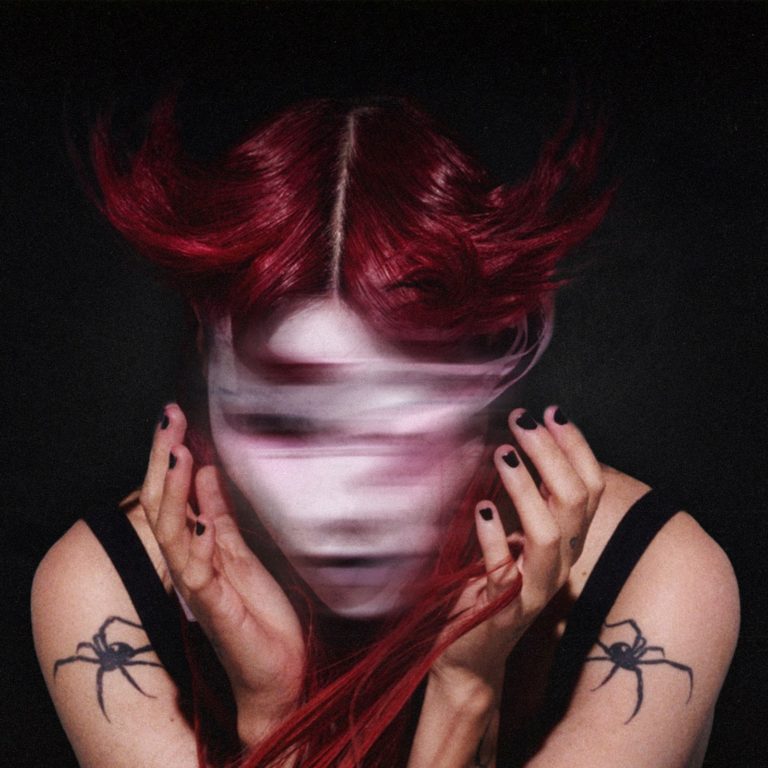
Four-time Latin Grammy nominee, Bruses, returns with “ME ESTOY RINDIENDO am0r 🙁,” a raw and emotional song about what it feels like to lose yourself, stop recognizing who you are,  and carrying emotions you don’t always know you can’t always explain. Released under RCA Records, this track invites listeners into Bruses’ world, one that’s unfiltered, emotional, and completely her own. “ME ESTOY RINDIENDO am0r 🙁 is now available on all digital platforms.

Since she teased a snippet on social media, the song has sparked over a thousand organic TikTok creations, a clear sign of the deep connection it’s building with her audience. This new release not only continues the emotional thread that runs through her music, but also marks the beginning of a new chapter in her career.

“ME ESTOY RINDIENDO am0r :(,” blends a melancholic piano base with a production that rises and falls in intensity like an emotional rollercoaster. The song builds slowly until it reaches a climax of sharp, rock-infused sounds that contrast with Bruses’ soft voice, evoking the feeling of someone crying out for help from deep within. Towards the end, the track erupts, breaking the calm, hitting the listener like a wake-up call. With lyrics such as: “I don’t know what happened, I don’t smile anymore. If they take pictures of me, you can see the emptiness. I used to be so happy ,now I don’t even remember. I think I broke, or maybe I’m giving up.” (“No sé qué pasó, que ya no sonrío. Si me toman fotos, se nota el vacío. Era tan feliz, hoy ya no me acuerdo. Creo que me rompí o me estoy rindiendo,”) she lays herself bare in a way that turns her feelings into something universal. 

With 4 Latin Grammy nominations under her belt, Bruses marks this release as the official start of a new chapter in her artistic journey. Her latest tracks “I’M SO HAPPY,” “COMA PARTY,” and now “ME ESTOY RINDIENDO am0r :(,” prove that in Bruses’ universe, anything is possible. With each song, she opens new doors for listeners to discover who she really is: not just a performer, but one of the most authentic voices in Latin pop. 

Lola Brooke Serves Up Grit and Glory on New Single “Bon Appétit”

0

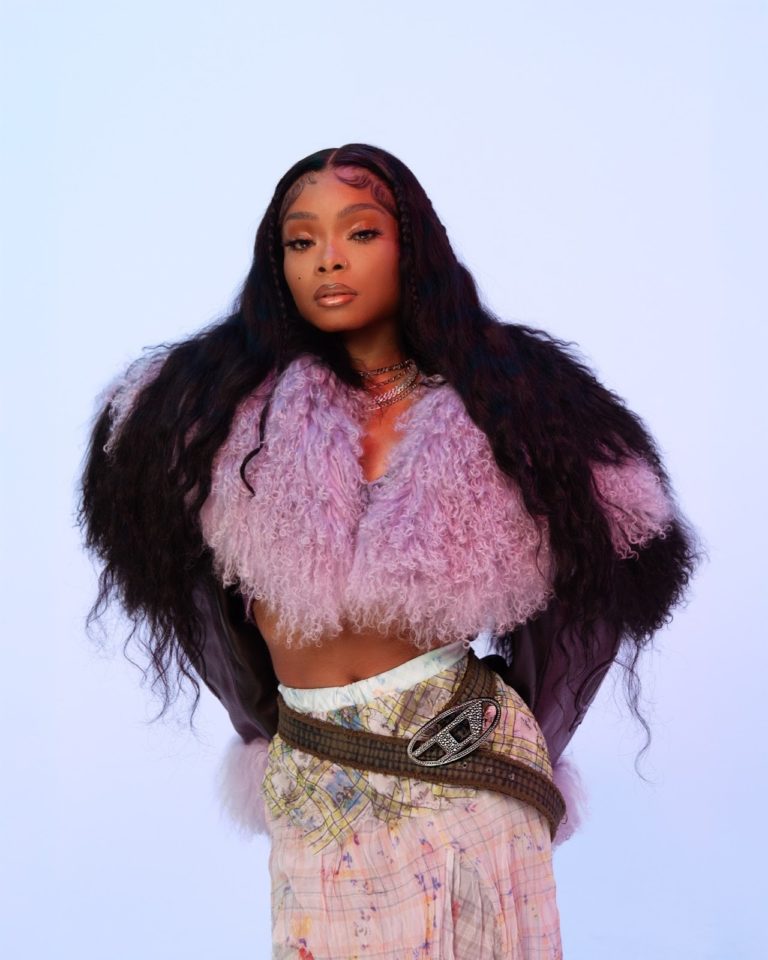
Lola Brooke unveils her latest song today, “Bon Appétit,” alongside an official lyric video via Team Eighty Productions/Arista Records.

Lola spins the block with her latest release, bringing forth a stark reminder that she’s not the one, or the two, to be messed with. The gully, gritty production draws listeners in with an ominous vibe while Lola delivers back-to-back verses that capture the essence of authentic street rap. Her charismatic rawness and bling-bling bars add the needed heat to the rap scene of the now. 

“I mean it when I say I whipped up “Bon Appétit” super-fast. I came up with it on the fly, just trying to give back to the streets, and now it’s finally getting released because folks seem to be hungry for this side of me. That’s dope. I’ve been keeping a lot inside, so think of this as me just letting it all out and dropping what I want whenever I want,” Lola shares exclusivity as it relates to “Bon Appétit.”

Fresh from headlining Baltimore’s Maryland Pride, where she delivered her first live performance of “Bon Appétit,” it’s evident that Lola is bringing the thrills that the summer of 2025 needs. With more new music on the way and a successful recent run highlighted by songs like “Disgusted” and “You The One,” there’s no telling what to expect from Ms. Lola Brooke. Stay tuned and check out “Bon Appétit” today [HERE].

Few have stayed true to the roots of Brooklyn, New York while possessing the necessary charisma and talent to transcend its world-renowned identity. However, Lola Brooke has shown herself to be just that, while also making a stand-out case as one of the new heavyweights in a city that might boast the best legacy of Hip-Hop. Though petite in stature, her lyrical presence and personality cast a skyscraper-sized shadow over the game. With quotable lyrics and unforgettable bars, she delivers street-influenced songs with unwavering confidence and an unpredictable cadence that evokes an essence reminiscent of the golden age of Hip Hop as she leans into the future of music with genre-busting fire.  

Lola’s love for rap started early; she dropped her first music video to a freestyle titled “2017 Flow” and instantly began to build a buzz in the city. She continued to release numerous songs, each displaying her incredible rapping skills and starlike persona, but her song “Don’t Play With It” started to grab people’s attention. Soon after, she began to perform at events such as Rolling Loud NYC, Break The Internet Fest, and HOT97’s “Who’s Up Next” showcase, as well as a halftime performance for her beloved hometown team, the Brooklyn Nets. During the first half of 2023, Lola embarked on her first nationwide tour with A Boogie wit da Hoodie, signaling her rising super-stardom status felt outside the East Coast. Later that year, she embarked on her first international touring stint, taking center stage on festival stages at WOO HAH! X ROLLING LOUD Festival in Rotterdam, Rolling Loud Portugal, Rolling Loud Germany, Splash Festival in Germany, Wireless Festival in Finsbury Park, London, Openair Festival in Frauenfeld Switzerland, and brought the efforts back to the states with acclaimed performance at Hot 97 Summer Jam, Rolling Loud Miami and Broccoli Festival. 

Lola Brooke’s talent and hard work have not gone unnoticed. Her hit single ‘Don’t Play With It’ featuring Billy B earned her a Platinum certification from RIAA and debuted on the Billboard Hot 100 charts, a testament to her growing popularity. She made her television debut at the prestigious 2023 BET Awards, where she was nominated for ‘Best New Artist ‘. Lola’s breakthrough was further recognized with a nomination for ‘Best Breakthrough Hip Hop Artist’ at the 2023 BET Hip Hop Awards and a feature as a 2023 XXL Freshman member. In November of 2023, Lola released her debut project, Dennis Daughter, a deeply personal reflection of her life experiences and a showcase of her versatility and range as a powerhouse artist. 

Lola’s music is a reflection of the unbridled energy and resilience of Brooklyn. Her dominant flow and powerful rhymes captivate and mesmerize new fans daily, drawing them into the world of Brooklyn’s music scene. As she continues to assert herself as New York’s next hometown hero, her growing body of work, which has already tallied streams and views in the millions, is a testament to her undeniable talent. Standing at just 4’9″, Lola Brooke is not just a rising star, but potentially music’s NEXT BIG THING, a symbol of Brooklyn’s enduring spirit and musical prowess.

Chloe Stroll Unveils Healing New Single and Video “You’re OK”

0

Rising singer-songwriter Chloe Stroll unveils a new song and accompanying video, “You’re OK.”

“‘You’re OK’” was a big healing song for me. I wrote it about my grandmother,” Stroll explains of penning the song after her grandmother’s passing. “She and I were very, very close, and the only thing that really gave me comfort in that moment was knowing that she was OK.”

Stroll continues, “My grandma was spectacular. She would always sit in this big yellow chair in her bedroom and wait for us to come and visit her…You could never call enough, you could never see her enough.” She goes on to explain, “So I painted the picture that I remembered, of her sitting in the chair… I painted that picture, I wanted to capture the sadness, but also turn it into something that felt healing for me. ‘At least one of us is OK.’

Further new music is imminent. 

Born and raised in Montreal, Stroll wrote her first song at seven years old. As a teenager she attended a Broadway boot camp but eventually turned her focus to other ventures including business and fashion. However, music always remained close to her heart, and she returned to her true passion full time with the release of her debut single “Run,” which Popdust raved is “a sensational entry into the industry, Chloe’s melodic tone and crushing lyrics will have you begging for more.” 

Last year found Stroll releasing several singles, including “Thin Air,” “Water Over Sand” and more. She performed 2023’s “Pedestal” on The Kelly Clarkson Show, and of the song The Knockturnal details “it takes the feelings commonly associated with broken bonds and is described through expressive lyrics combined with a variety of soft tones and melodies. This song incorporates a range of raw emotions that many listeners can relate to due to past or current experiences.” Artists that inspire Stroll include Lana Del Rey, Billie Eilish, Whitney Houston, Barbara Streisand, and Adele, also drawing inspiration and meaning behind many of her songs from a deep love of her family and husband, Scotty James. 

76 Amazing Facts About Lionel Richie

  1. Lionel Richie was born June 20, 1949, in Tuskegee, Alabama—because the universe knew music needed him.
  2. Before he made hits, he made marching band memories at Tuskegee Institute as part of the Crimson Pipers.
  3. He grew up on campus in a home gifted by Booker T. Washington to his grandparents—yes, that Booker T. Washington.
  4. Lionel was a tennis star in high school. Your move, Serena.
  5. He almost became a priest, but the world clearly needed “All Night Long” more than a sermon.
  6. He couldn’t read music, but he could feel it—and we’ve been feeling it ever since.
  7. He’s a lifelong member of Alpha Phi Alpha and Kappa Kappa Psi.
  8. Lionel joined the Commodores in 1968, which means the ’70s immediately got funkier.
  9. His saxophone skills got him in the band—but his voice made him a legend.
  10. “Easy,” “Still,” “Sail On,” and “Three Times a Lady” were all Lionel-led lullabies from the Commodores.
  11. In 1980, he wrote “Lady” for Kenny Rogers—proof that Lionel could turn country into gold.
  12. “Endless Love,” his duet with Diana Ross in 1981, became one of Motown’s biggest-selling singles ever.
  13. His 1982 solo debut album included “Truly,” which hit #1, because of course it did.
  14. The album sold 4 million copies and made Lionel a household name without even needing a last name.
  15. Then came Can’t Slow Down in 1983, which didn’t just slow down—it sped up to 20 million copies sold.
  16. “All Night Long” was the party anthem of the ’80s, danced to on Olympic stages and wedding floors alike.
  17. Lionel co-wrote “We Are The World” with Michael Jackson—casually saving the world through song.
  18. “Hello” in 1984 made you feel everything and inspired a thousand clay head memes.
  19. “Say You, Say Me” won him an Oscar and a Golden Globe—truly saying a lot.
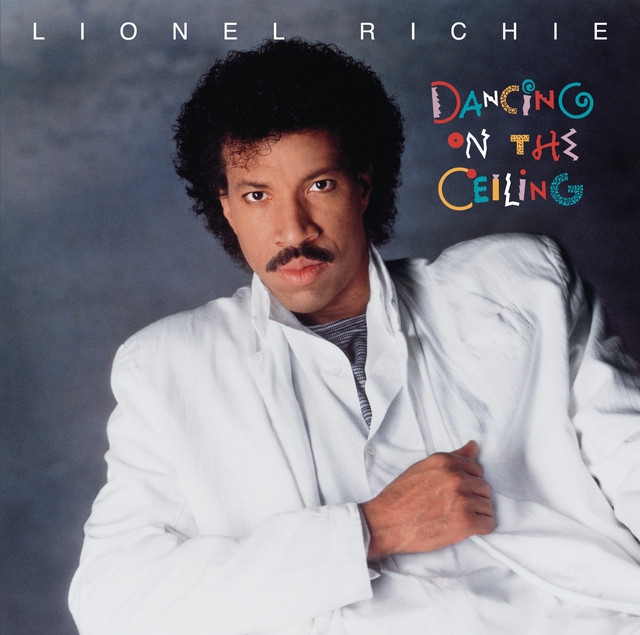
  20. The Dancing on the Ceiling album in 1986 had five Top 20 hits because Lionel was simply unstoppable.
  21. He took a recording break from 1986 to 1996—and we still missed him every year.
  22. He came back in 1996 with Louder Than Words, because his voice deserved to be heard again.
  23. Lionel’s Coming Home in 2006 gave him his highest U.S. charting in a decade.
  24. He performed at Michael Jackson’s memorial in 2009 with “Jesus is Love,” and the world wept.
  25. His country duet album Tuskegee in 2012 hit #1—because country can’t resist Lionel either.
  26. He lit up Glastonbury in 2015 with a set so joyful, it sent him back to the top of UK charts.
  27. He’s been a judge on American Idol since 2018, mentoring the next generation of greatness.
  28. He received the Gershwin Prize in 2022 from the Library of Congress—because melodies like his never fade.
  29. He’s a Rock and Roll Hall of Famer, finally—and we’re only surprised it took that long.
  30. Lionel Richie is a beloved superstar across the Arab world—he’s even been called Iraq’s favorite singer.
  31. He nearly performed in Baghdad, where “All Night Long” was played the night U.S. tanks rolled in.
  32. He was married to his college sweetheart Brenda Harvey and adopted Nicole Richie as their daughter.
  33. Nicole Richie made him a grandfather in 2008—twice the joy, twice the lullabies.
  34. Lionel had throat surgery four times before discovering it was just acid reflux.
  35. Grand Marnier was his drink of choice—and not just because it sounded fancy.
  36. In the 1970s, he was the balladeer of the decade—silky, smooth, and irresistible.
  37. He co-wrote “Missing You” for Diana Ross—because she still missed him after “Endless Love.”
  38. Richie’s friend Eric Clapton once tried to join The Band after hearing Lionel.
  39. He headlined the Coronation Concert at Windsor Castle in 2023—King Lionel, anyone?
  40. His voice made Van Morrison and Michael Jackson go, “Wow.”
  41. “Say You, Say Me” was from White Nights—and yes, it won an Oscar for a reason.
  42. His Grammy for “Truly” in 1982 kicked off a very golden decade.
  43. He’s a breast cancer research champion and raised $3.1 million for the cause.
  44. He loves soul food and classic suits equally—truly a man of style and soul.
  45. He became the first artist to receive an RIAA diamond album award.
  46. Lionel’s voice can melt butter—scientific fact (or it should be).
  47. He’s sold over 100 million records globally—and somehow still underrated.
  48. He recorded “All Night Long” in one night—and we still haven’t stopped dancing.
  49. His influence is everywhere from pop to R&B to country to Latin dance clubs.
  50. His favorite compliment? Being told his music still brings people joy.
  51. He was inducted into the Black Music & Entertainment Walk of Fame in 2022—long overdue.
  52. His music videos in the ’80s were stylish, strange, and unforgettable—like Lionel himself.
  53. His mustache has its own legacy—name another one that iconic.
  54. His childhood home was once a gift from Booker T. Washington. That’s called destiny.
  55. He played with the Commodores on tour with The Jackson 5—humble beginnings.
  56. He wrote “Happy People” for The Temptations before he had his own hit.
  57. He once said his writing process feels like “shoveling smoke”—mystical and poetic.
  58. He’s still collaborating with younger artists—because genius has no expiration date.
  59. He once topped Billboard and Oscar charts in the same year—casual greatness.
  60. He’s the reason wedding DJs never run out of slow dance options.
  61. He’s received honorary doctorates, Kennedy Center Honors, and yet still greets fans like old friends.
  62. His name is synonymous with love songs—and honestly, who minds?
  63. “We Are The World” has raised over $60 million for humanitarian aid.
  64. Lionel Richie is the reason America still believes in the power of a good chorus.
  65. He helped bring USA for Africa together with Michael Jackson—music changing the world.
  66. He co-produced Kenny Rogers’ Share Your Love album—swoon included.
  67. Lionel’s kids include model Sofia Richie and Miles Richie—talent runs deep.
  68. He’s made a biopic about Curtis Mayfield happen because legends honor legends.
  69. He headlined multiple jazz festivals, proving funk and elegance can be best friends.
  70. Even at age 76, Lionel still sounds exactly like the record—proof of vocal miracles.
  71. 1982 debut solo album, Lionel Richie, contained three hit singles: the U.S. number-one song “Truly”,
  72. His ballads don’t age—they just ripen with more meaning.
  73. You can say “Hello” and people will still sing back the chorus.
  74. Lionel Richie makes melancholy sound magical and heartbreak feel healing.
  75. He’s living proof that music can comfort, connect, and carry us—all night long.
  76. Lionel Richie didn’t just write the soundtrack of a generation—he made every lyric feel personal.

Happy birthday, Lionel Richie. You’re not just a legend—you’re the reason love songs sound the way they do.

10 Tips for Making a Home Studio Sound Pro

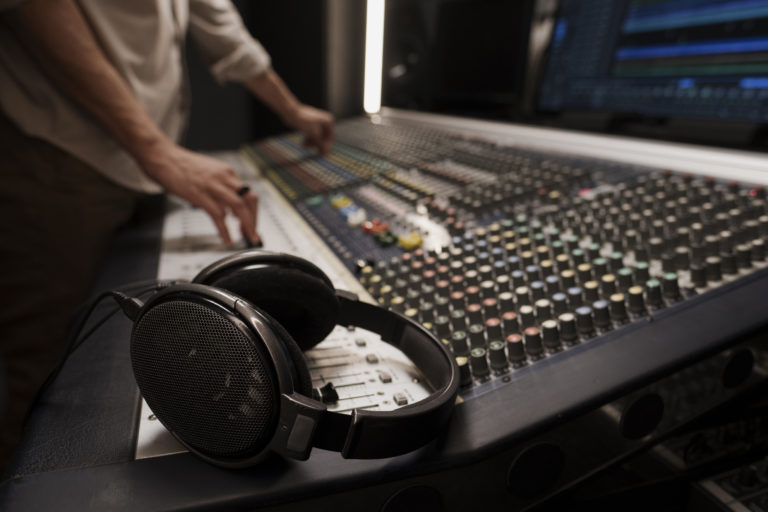
Let’s get one thing straight: you don’t need a million-dollar room to make million-dollar music. Some of the best tracks I’ve ever heard came out of bedrooms, basements, and closets lined with towels. But if you want your home studio to sound pro—even if it doesn’t look like Abbey Road—there are a few things you can do right now to level up.

Here are 10 tips I’ve picked up producing everything from indie folk to industrial noise, all of which will get your sound tighter, cleaner, and way more “release-ready.”

1. Treat Your Room Before You Buy That Mic
I’ve said it a thousand times: don’t drop $1,000 on a condenser mic if you’re recording in a kitchen. Invest in acoustic panels, bass traps, or even thick blankets and rugs. Kill flutter echo and standing waves first—your mic will thank you later.

2. Monitor at Low Volumes
If you have to crank your monitors to hear detail, your room isn’t doing you any favors. Pro engineers mix at around 70–75 dB for a reason: it reduces fatigue and helps you hear more accurately. Your ears are your most valuable gear—protect them.

3. Learn Your Room Like You Learn Your Instrument
Whether you’re mixing in a shoebox or a spare bedroom, know your space. A/B your mixes on car speakers, cheap earbuds, and smart TVs. Take notes on what translates and what doesn’t. Experience is the best plugin you’ll ever download.

4. Use Reference Tracks Religiously
Import two or three professionally mixed tracks in the same genre into every session. Toggle between your mix and theirs. Don’t copy—calibrate. It keeps you honest and helps train your ears to know what “finished” really sounds like.

5. Get a Decent Audio Interface (and Use It Right)
A reliable interface like the Focusrite Scarlett, Universal Audio Volt, or Motu M2 is the nerve center of your setup. Watch your gain staging. Clipping isn’t “vibe”—it’s just a bad habit. Clean input, clean mix.

6. Don’t Sleep on Headphones
Open-back headphones like the Sennheiser HD600 or Beyerdynamic DT 990 Pro are a godsend in untreated rooms. Great for late-night mixing when monitors would wake the neighbors—or your dog. Trust your headphones after you trust your room.

7. Mic Placement Beats Mic Price
I’ve made charting vocals on a $100 SM58 just by finding the sweet spot in the room. Move the mic. Angle it. Experiment with proximity. A well-placed budget mic always beats a poorly placed expensive one.

8. Limit Your Plugin Obsession
You don’t need 50 EQs. You need one you understand. Learn stock plugins inside and out before chasing boutique ones. CLA didn’t become a legend because of his plugin folder—he became one because he knows how to use them.

9. Bounce Rough Mixes Constantly
Export your mixes often and listen to them away from your DAW—on your phone, in your car, at the grocery store. You’ll hear issues you didn’t notice when you were staring at waveforms for six hours straight. Distance = clarity.

10. Finish Songs, Not Settings
Tweak less, release more. Pros don’t get stuck perfecting reverb tails—they make decisions and move on. Don’t be afraid of committing. Perfection is the enemy of output. And no one ever streamed a plugin preset.

Bottom line? A home studio is only as pro as the person behind the DAW. Trust your ears, learn your space, and keep showing up. Because in the end, it’s not about gear—it’s about getting it done.

Band Mascots, Logos, and Artwork You’ve Always Wondered About

From dancing bears to metal monsters, the world of band logos and mascots is a wild ride through pop culture, fantasy, and what happens when musicians say, “Hey, what if we had a skeleton riding a tank?” These little symbols become shorthand for everything a band represents—and sometimes, they’re just weird and awesome for weird and awesome’s sake.

Here are some of the most iconic and mysterious band mascots, logos, and album art you’ve always wondered about—until now.

1. Iron Maiden’s Eddie
He’s been a zombie, a cyborg, a pharaoh, and a space alien—and that’s just in the ’80s. Eddie, Iron Maiden’s terrifyingly cool mascot, first showed up on their debut album and never left. He’s basically their sixth member… if their sixth member was undead.

2. The Grateful Dead’s Dancing Bears
No, they’re not high. Well, maybe a little. These colorful, happy bears debuted on the back cover of History of the Grateful Dead, Volume One (Bear’s Choice) and were originally a tribute to sound engineer Owsley “Bear” Stanley. They don’t actually dance—but in your mind, they do.

3. Nirvana’s Smiley Face
That lopsided grin and squiggly eyes? It’s been on more dorm walls than actual paint. Kurt Cobain allegedly designed the iconic smiley for a 1991 party flyer, and it stuck. Whether it’s a stoner, a symbol of grunge, or both—it’s unmistakably Nirvana.

4. Rolling Stones’ Tongue and Lips Logo
Designed by John Pasche in 1970, this famous tongue is actually inspired by the Hindu goddess Kali, not just Mick Jagger’s, uh, confidence. It’s loud, bold, and somehow still sticking out at everyone five decades later.

5. Led Zeppelin’s Four Symbols
No band name. No album title. Just four mysterious glyphs, each chosen by a member of the band. The most famous is Jimmy Page’s “Zoso” symbol—which he still won’t fully explain. It’s like rock ’n’ roll’s own secret handshake.

6. Radiohead’s Bear Logo
First appearing during their Kid A era, this glitchy, smiling bear was designed by Stanley Donwood and Thom Yorke. It’s cute, creepy, and confusing—just like the album. Some say it’s a comment on consumerism. Others just love the sharp teeth.

7. Pink Floyd’s Prism on The Dark Side of the Moon
It’s just a triangle and some light, right? Nope. Designed by Hipgnosis and George Hardie, this simple prism became one of the most recognizable album covers ever. It’s science, it’s beauty, and somehow… it sounds like the album.

8. Megadeth’s Vic Rattlehead
A skeletal figure with his eyes, ears, and mouth clamped shut? That’s Vic Rattlehead, metal’s edgiest mascot and a walking embodiment of “see no evil, hear no evil, speak no evil.” He’s been thrashing alongside Dave Mustaine since the band’s debut.

9. Queen’s Royal Crest
Designed by Freddie Mercury himself, the crest includes the zodiac signs of all four members: two lions, a crab, and two fairies. Add a crown and a phoenix and you’ve got a royal logo fit for rock royalty. Freddie didn’t just sing—he branded.

10. Daft Punk’s Helmets
They never gave us facial expressions—just two space-age helmets that turned two French guys into global icons. The helmets became a symbol of mystery, coolness, and what happens when robots decide to make funky disco music.

11. The Misfits’ Crimson Ghost
That skull face? It’s not original—but it’s unforgettable. Taken from a 1946 movie serial, The Crimson Ghost became the Misfits’ forever mascot and punk’s most ghoulish grin. It’s like Halloween never ended.

12. The Beatles’ Apple Logo
Before there was a tech giant, there was Apple Corps—the Beatles’ own multimedia company. The logo is literally just a Granny Smith apple… but thanks to John, Paul, George, and Ringo, it became rock’s most literal fruit of success.

13. Pearl Jam’s Stickman
Drawn by bassist Jeff Ament for their Alive single, the wavy-armed stick figure became an unofficial mascot for angsty teens everywhere. It’s simple, weirdly triumphant, and says everything without saying anything at all.

14. Slipknot’s Nonagram
Nine members. Nine points. One chaotic energy. Slipknot’s star-like symbol reflects the unity and darkness of their masked madness. Looks like geometry class got a lot more intense.

15. The Who’s Target Logo
It’s a mod icon, a pop-art statement, and one of rock’s coolest logos. With the Union Jack, arrow, and bold lettering, it’s pure British swagger. The Who didn’t invent the bullseye—but they definitely hit it.

16. Green Day’s Heart Grenade
Featured on American Idiot, this logo looks like romance with a short fuse. It perfectly sums up the album: angry, emotional, and ready to explode. Bonus points if you had it on a T-shirt in high school.

17. AC/DC’s Lightning Bolt
It splits their name in two and zaps like a power chord. The bolt has been part of AC/DC’s identity since 1977’s Let There Be Rock—and yes, it goes with everything. Even school uniforms.

18. Weezer’s Flying W
It’s nerdy, angular, and somehow feels like math rock even when it’s not. The “flying W” is inspired by the old Wonder Woman logo but flipped and filtered through power chords and awkward charm.

19. Van Halen’s Winged Logo
Originally designed by Dave Bhang, the VH with wings took off in the ’80s and never looked back. It’s fast, flashy, and everything a shredding guitar solo should look like in graphic form.

20. Korn’s Backward “R”
Written by Jonathan Davis as a kid, the backward “R” was meant to look like a child’s handwriting. It fit perfectly with the band’s raw, emotional sound—and became a nu-metal badge of honor.

What’s In Their Gig Bag? 15 Things Touring Artists Swear By

0

By Mitch Rice

When you’re constantly on the road, bouncing between green rooms, cramped vans, sticky airport lounges, and noisy hotel hallways, your gear isn’t just about the stage anymore. For touring artists, whether they’re lighting up festival crowds or grinding through a bar circuit, the gig bag becomes sacred ground. It’s part survival kit, part sanctuary.

From voice-keeping tools to peace of mind protectors, cannabis-friendly artists have adapted their essentials to cater to both their lifestyle and the beat of the road. And no, it is not all about guitar strings and throat sprays any longer. Today’s touring musician brings smart, personal, and purposeful items to ensure the tour is a success while relaxing.

Let’s unlock that bag and dig in.

Portable Vaporizer for Cannabis Usage

For creatives who have made cannabis a part of their health regimen or art practice, discretion and ease are paramount, particularly while traveling through states or nations with patchy legislation. A vaporizer that’s easily transportable makes all the difference. Small, scent-containing, and powerful, it’s perfect for backstage meditations, road trips, or reading at home after the gig.

As opposed to joints or pipes, which will attract attention or leave behind smoke odors, a portable vaporizer enables musicians to remain earthy without sharing it. The most effective ones are polished, battery-friendly, and can vape flowers or concentrate. It’s a tiny bit of technology that becomes the gig bag’s unseen hero, assisting with pain management, anxiety, or just unwinding after an adrenaline-fueled set.

Cannabis-Infused Topicals

From carrying amps to playing under hot lights, the physical impact on a touring musician is real. Numerous performers have resorted to CBD or cannabis-infused salves and balms to relieve tension and soreness. Used on the neck, back, or legs following load-in or an extended set, these topicals provide localized pain relief without psychoactive consequences.

They swear by them not only for pain but also to avoid muscle exhaustion through consecutive show nights. Vocalists, in particular, have formulations administered to the jawline or shoulders to assist in eliminating tension that gets in the way of breath and tone. Because topicals don’t get absorbed into the bloodstream, they’re perfect for artists who desire the effects of cannabis without the “high.”

Personal Vocal Mic

Most places have microphones available, but a lot of vocalists like to use their own. Personal mics tend to be better cared for, cleaner, and fitted to the singer’s voice. And, having your own mic eliminates hygiene issues, a big plus when gigging several nights a week.

Some musicians also employ mics with integrated switches or particular tonal properties that are similar to their tone. Bringing your own guarantees consistency on stage and confidence.

Mini Humidifier (Specifically for Singers)

Traveling through climates, from steamy city streets to desert mountain towns, can destroy the voice. A mini travel humidifier is a must, particularly for singers. It maintains healthy voices by moistening hotel and bus room air, avoiding dry throat and hoarseness.

Some artists even operate them while sleeping or pre-gig preparation, employing distilled water for clean vaporization. Coupled with good vocal care, this little device serves to increase vocal stamina on long tour legs.

CBD Gummies for Travel Anxiety and Sleep

A good night’s sleep while on tour is a mythical quest. Stifling bunks, overnight load-outs, and early morning flights conspire against getting some rest. CBD gummies come to the rescue, a favorite among musicians attempting to manage their nervous system. Unlike THC edibles, which are too strong or up-in-the-air, CBD gummies are chill and controllable.

Some artists employ them for pre-show anxiety, others as a way to chill out without the use of sleeping meds or booze. They are also useful for long flights or bumpy van rides. Small, easy to measure, and legal everywhere, but with maybe a few nuances here and there, they’ve become a staple in gig bags around the globe.

Noise-Canceling Headphones

From cacophonous airports to packed vans, quietness is a luxury on the road. Noise-canceling headphones assist artists in creating space for themselves wherever they go. Whether to focus on mixes, hear podcasts, or flee the madness with a moment of peace, these headphones provide mental relief.

For most musicians, they’re also an integral component of pre-show rituals, ringing into a carefully curated playlist, rehearsing setlists, or simply taking a moment to breathe.

Tuner Pedal or Clip-On Tuner

Few things destroy a set quicker than being out of tune. For guitarists, bassists, and even violinists, a small tuner is a must-have gig bag staple. Pedal tuners are ideal for live performances, but most artists also have a clip-on tuner as a quick, no-drama backup.

They’re battery-driven, precise, and ideal for tuning in dim green rooms or between sets when pedalboards aren’t handy.

Extra Batteries and SD Cards

If you’re using wireless gear, tuners, or portable recorders, batteries are your lifeline. Many artists keep a stash of AA, AAA, and 9V batteries on hand, sometimes even labeled with the gear they belong to.

SD cards are also vital for musicians who record live performances, loop shows, or film on tour. A dead battery or full card can result in a missed great capture. Battery storage is often provided by gig bags with zippered compartments.

Reusable Water Bottle with Built-In Filter

Hydration is crucial when you’re constantly performing, traveling, and spending time under stage lights. Many artists carry reusable water bottles, often with built-in filters. These allow for safe drinking no matter where the road leads, be it a rural gas station or backstage tap.

Staying hydrated also helps with vocal quality, muscle recovery, and focus. Bonus: it cuts down on single-use plastic, something increasingly important to eco-conscious artists.

All-in-One Power Bank

To lose charge in the middle of a tour is a nightmare. With phones serving as GPS, setlist readers, recording stations, and communication centers, a good power bank is essential. Touring performers tend to carry high-capacity, multi-port power banks that can charge a phone, wireless earbuds, and even a tablet simultaneously.

It’s not just a convenience; it’s a backup plan. When you’re switching cities every day, access to a wall plug isn’t always guaranteed.

Mini First-Aid & Wellness Kit

Minor injuries, headaches, sore throats, or even an allergy attack can strike mid-tour, and when they do, there’s rarely a pharmacy within reach. That’s why most artists carry a mini wellness kit with them. It typically consists of painkillers, throat lozenges, Band-Aids, electrolyte powders, eye drops, and hand sanitizer.

Others add turmeric or vitamin C packets to help ramp up immunity on busy travel itineraries. It’s not sexy, but when you do need it, you need it badly.

Travel Fitness Kit or Folding Yoga Mat

It’s challenging to stay physically and mentally fit while traveling. For this reason, most creatives carry foldable yoga mats, resistance bands, or lightweight workout equipment like massage balls.

These enable rapid stretches in hotel rooms or green rooms, post-show relaxation, or even entire workouts between towns. The body can get tired during touring, and these little tools prevent exhaustion while maintaining energy levels per performance.

Journal or Songwriting Notebook

Your life is an onslaught of emotions, such as loneliness, excitement, inspiration, and fatigue. Most artists work through it all by writing. From lyrics and poems to random musings, a notebook easily finds its way into their bag.

It’s a creative escape and a therapeutic exercise. And unlike apps or digital notes, handwriting puts things in slow motion, something that happens less in the flurry of life on the road.

Foldable Yoga Mat or Travel Fitness Equipment

It’s challenging to remain physically and mentally fit while traveling. It is for this reason that most artists carry foldable yoga mats, resistance bands, or portable fitness equipment like massage balls.

These enable rapid stretches in green rooms or hotel rooms, wind-downs after the show, or full workouts between cities. Touring is hard on the body, and these little tools prevent burnout while maintaining energy levels for each show.

A Sharpie or Two

It may seem elementary, but a Sharpie is an MVP gig bag. From signing merchandise to marking setlists or jotting down last-minute reminders, musicians use it all the time. Some have even stashed various colors to cue set changes or sound notes.

It’s the type of device you don’t know you need until you do need it.

Backstage Aromatherapy with Cannabis-Friendly Oils

A few traveling musicians swear by essential oil rollers or sprays that mix relaxing herbs with cannabis terpenes, substances such as linalool (lavender) or myrcene (present in mango and cannabis) that boost the entourage effect.

A couple of swipes on the temples or wrists backstage can relax, enhance concentration, or establish a soothing mood before performing. These oils complement the effects of marijuana, enhancing benefits such as relaxation or clarity without requiring additional consumption.

During cramped green rooms filled with frenetic energy, these oils serve as phantom protection.

Final Thoughts

Touring life is exciting, but it’s hard on the body and mind. For cannabis-tolerant performers, including CBD and cannabis gear in their show bag isn’t a matter of indulgence; it’s a matter of survival, creativity, and health.

Whether it’s a transportable vaporizer providing discreet recovery, a journal to tap into self-awareness or a humble tea to drink before bed, each piece has its use. The ideal gig bags aren’t merely functional; they’re deliberate. Constructed not only for the gig but for the artist himself.

Data and information are provided for informational purposes only, and are not intended for investment or other purposes.


The Benefits of CFD Trading: A Flexible Approach to Financial Markets

0

By Mitch Rice

Contracts for Difference (CFDs) have gained immense popularity among traders worldwide due to their flexibility, accessibility, and potential for significant profits. If you’re interested in trading forex, stocks, commodities, or indices, understanding the benefits of CFD trading can help you decide whether this trading method is right for you. In this article, we’ll explore the advantages of CFDs and how they can enhance your trading strategy.

Understanding CFD Trading

CFD trading allows traders to speculate on the price movements of assets without actually owning the underlying asset. Instead of purchasing an asset, such as a stock or commodity, you enter into an agreement with a broker to exchange the difference in the asset’s price between when the contract is opened and when it’s closed. If the price moves in your favor, you make a profit; if not, you incur a loss.

Unlike traditional stock trading, where you buy and sell the physical asset, CFD trading lets you trade on price fluctuations in real-time. It’s available in multiple markets such as forex, indices, commodities, and more. Learn more about what is CFD trading.

CFDs are particularly appealing to modern traders because they reflect market sentiment almost instantly. Instead of waiting for settlement periods or the need to convert physical shares, CFDs provide direct exposure to market movement. This allows for more dynamic strategies and quicker reaction to breaking news or geopolitical events.

7 Benefits of CFD Trading

1. Leverage: Maximize Your Potential with Smaller Capital

One of the most compelling reasons to trade CFDs is the ability to use leverage. Leverage allows you to control a larger position than the initial margin you deposit. For example, a 10:1 leverage ratio means that for every $1 of your own capital, you can control a $10 position. While leverage increases the potential for profits, it also amplifies risks, so it’s important to use it judiciously.

Leverage is particularly useful for day traders or swing traders who aim to capture small but frequent movements in the market. However, it’s essential to understand margin requirements and be prepared for margin calls in volatile markets.

2. Access to a Wide Range of Markets

CFDs give traders access to a variety of markets without owning the underlying asset. You can trade a diverse range of instruments, including:

  • Forex: Major currency pairs such as EUR/USD, GBP/USD, and USD/JPY.

  • Commodities: Precious metals like gold and silver, oil, and agricultural products.

  • Indices: Popular indices such as the S&P 500, Dow Jones, and NASDAQ.

  • Stocks: Companies’ stock prices across global exchanges, such as Tesla, Apple, and Amazon.

This allows you to diversify your portfolio and trade in different asset classes to capitalize on opportunities across global markets. For example, during high inflation periods, commodities might offer better returns than equities, giving you an option to pivot strategies without changing platforms.

3. No Ownership Required

CFD traders do not need to own the underlying asset. This means you can trade stocks, commodities, and forex without needing to buy the actual asset. For example, when trading CFDs in Canada on oil or gold, you don’t need to physically own barrels of oil or bullion bars; you’re simply speculating on the price movement.

This lack of ownership also means no storage costs, no delivery logistics, and fewer regulatory restrictions, making it especially attractive for retail traders and those looking to quickly move in and out of positions.

4. Ability to Short Sell

One of the key advantages of CFD trading is the ability to short sell, or profit from falling prices. In traditional investing, short selling can be difficult and comes with certain restrictions. But with CFDs, shorting is as simple as buying.

For example, during earnings season, if you expect a company to release disappointing results, you can short the CFD on that stock and potentially profit from a price drop. This two-way market access helps traders navigate both bull and bear markets effectively.

5. Lower Transaction Costs

CFD trading typically comes with lower transaction costs compared to traditional stock trading. Most CFD brokers charge a spread (the difference between the buy and sell price) rather than a commission. This can make it more affordable to trade frequently or with smaller amounts of capital.

Moreover, since many brokers offer tight spreads and competitive pricing, CFD traders can maintain cost efficiency even during volatile periods. Active traders particularly benefit from the scalability and low-cost nature of CFDs.

6. Hedging Opportunities

CFDs can be an effective tool for hedging. For instance, if you hold a position in a stock but fear a short-term drop in its price, you can open a CFD position to hedge your risk. This can protect your portfolio from downside risk while still allowing you to participate in upward movements.

Traders also use CFDs to hedge against forex exposure or to balance risks in emerging markets. The versatility of CFD instruments makes them a go-to option for tactical portfolio management.

7. Flexibility in Trading Hours

CFDs are available to trade 24 hours a day, five days a week, mirroring the operating hours of the global financial markets. This offers flexibility for traders who want to take advantage of different market conditions. The ability to trade during off-hours, such as after the market closes, allows traders to react to global events that might influence the price of their chosen assets.

For instance, traders in South Africa can access the London and U.S. trading sessions through CFD platforms, giving them the flexibility to engage with global news as it unfolds. This flexibility is particularly beneficial to people with full-time jobs who wish to trade part-time in the evenings.

Practical Example: CFD Trading in Different Regions

  • South Africa: Traders in South Africa often take advantage of the overlap between the London and U.S. sessions, which aligns with local evening hours. Since South Africa’s time zone is close to Europe, it makes it easier to react to European economic data. CFDs on forex, indices, and commodities are widely traded here.

  • Canada: Canadian traders benefit from access to U.S. markets, often trading CFDs on U.S. stocks, oil, and gold. The Canadian dollar’s correlation with commodities makes energy and resource-based CFDs particularly popular.

  • Latin America: In Latin American countries like Brazil and Mexico, traders often use CFDs to access global markets that are otherwise limited through local exchanges. Trading hours for major sessions (London and New York) are also well-aligned with Latin American daytime schedules, facilitating broader participation.

Risks of CFD Trading

While CFD trading offers numerous advantages, it’s important to note that it carries significant risks, particularly due to the use of leverage. Losses can exceed your initial deposit if the market moves against you.

Key Risk Factors:

  • Market Volatility: Sudden price changes can trigger stop-outs or margin calls.

  • Overleveraging: High leverage increases both profits and losses.

  • Broker Risk: Not all CFD brokers are regulated—always choose brokers with strong regulatory credentials.

  • Psychological Pressure: The speed and flexibility of CFD trading can lead to emotional trading and impulsive decisions.

Traders should implement risk management strategies such as using stop-loss orders, not using excessive leverage, and sticking to a consistent trading plan. It’s also advisable to start with demo accounts before committing real money.

Conclusion

The benefits of CFD trading are numerous, offering traders the ability to diversify their portfolios, access a wide range of markets, and take advantage of both rising and falling prices. With features like leverage, short selling, and flexible trading hours, CFDs offer a dynamic alternative to traditional investing.

However, as with any financial instrument, it’s crucial to approach CFD trading with knowledge, discipline, and a strong risk management plan. Whether you’re a trader in South Africa taking advantage of global sessions or someone in Canada hedging against local market swings, CFDs provide a powerful way to participate in today’s fast-moving financial markets.

By understanding how CFDs work and carefully applying risk controls, you can maximize your potential while protecting your capital—a balanced strategy that defines long-term success in trading.

Data and information are provided for informational purposes only, and are not intended for investment or other purposes.
Top Restaurants Table Design

0

By Mitch Rice

1. THE CLASSIC BOOTH

Can a booth be used in place of a table? If you’ve ever served as a hostess, you’re probably accustomed to customers asking you this question as they approach your dining area. And when you consider that, it makes sense why they are so well-liked. All ages of diners will enjoy a warm, cozy, and comfortable dining experience in a booth. They allow visitors more space to spread out and provide a sense of solitude and seclusion. As servers only approach them from one side, they reduce traffic, making them a fantastic choice for restaurants with narrow aisles.

While booths often have higher upfront expenses, they cost less in the long run. Choosing booths for your restaurant can also save you room and enable you to increase the capacity of your establishment because a four-person booth only requires around 3,000 square inches of floor space, compared to upwards of 5,000 for a table for four with chairs and a base.

2. THE PICNIC STYLE BANQUET TABLE

The usage of large picnic or banquet-style tables in pubs and restaurants’ dining rooms is one of the more informed choices that has grown in favor in recent years. These lengthy banquet tables are frequently seen as being employed in huge, informal settings like breweries and beer halls. 

Larger gatherings can be accommodated more easily at banquets and long picnic tables since people may select how much personal space they need. Additionally, their size and informal atmosphere enable smaller restaurant tables patron to interact and dine together when different groups don’t use them.

As shown in the photo below, the Harpoon Brewery in Boston does an excellent job using picnic or banquet-style tables. They are a fantastic illustration of selecting table designs that support your brand. The space’s ambiance would have been significantly altered if they had made a different choice, such as coffee or booth tables.

3. HIGH-TOP TABLE STOOL

You could use raised tables and stools for your dining area for the most versatility. If a party of seven or eight enters with a table for six, the extras may join by standing at the table or grabbing a stool.

High-top tables allow for greater physical flexibility and promote social interaction among bigger groups of individuals. With table tops, you can increase the seating capacity at each table or move the tables closer together to make it easier for guests to enter or exit the gathering.

The typical use for high tops and stools is the “after-work-drinks” hotspot, where employees can come and go after their shifts. As was previously discussed, you want your tables to contribute to the ambiance of your restaurant. High tops with stools are a terrific way to convey that laid-back tone in more informal pop-in, pop-out establishments. With this kind of seating, parties may cluster around a few high tops, engage in conversation, munch on snacks, and sip a few drinks.

However, there have been criticisms about how comfortable stools are, particularly at full-service/fine-dining establishments where patrons sit down to enjoy a meal.

Small and uncomfortable seats are partially undetectable and frequently seen as an attempt to urge customers to move more quickly. Eater claims that modern restaurateurs purposefully create an unpleasant environment in their eateries due to space limitations and turning tables. If your restaurant wants to do that, then by all means, arrange the stools in this manner. Otherwise, you should invest in more traditionally comfy chairs if you are worried that your guests will be uncomfortably seated.