

Home Blog Page 565

 Why Vanadium Pentoxide Is a Critical Material in Energy and Catalysis

0

By Mitch Rice

In the pursuit of cleaner energy and more efficient chemical processes, advanced materials have become vital. One such material making significant contributions across multiple sectors is vanadium pentoxide (v2o5). Known for its layered structure and remarkable redox properties, vanadium pentoxide has earned its place as a critical component in both energy storage and catalysis applications.

From high-performance batteries to pollution control and smart windows, V₂O₅ plays a foundational role in shaping the future of sustainable technologies. This article explores why vanadium pentoxide is considered a strategic material and how it is revolutionizing industries that rely on energy efficiency and catalytic performance.


What Is Vanadium Pentoxide (V₂O₅)?

Vanadium pentoxide, chemically represented as V₂O₅, is a bright yellow to reddish crystalline compound made of vanadium and oxygen. It is the most stable and commercially significant oxide of vanadium. Structurally, it features a layered orthorhombic crystal lattice, allowing for excellent ionic mobility—one of the key reasons it excels in electrochemical and catalytic environments.

V₂O₅ is typically obtained from vanadium-bearing ores or as a byproduct of uranium processing. It can also be synthesized in the lab using vanadium salts.


Key Properties That Make V₂O₅ Valuable

Several unique properties make vanadium pentoxide a highly valuable industrial material:

  • High oxidation states: V₂O₅ can switch between different oxidation states (V⁵⁺, V⁴⁺, V³⁺), making it ideal for redox reactions.

  • Thermal stability: It remains stable at high temperatures, which is critical for catalytic reactions.

  • Layered structure: Facilitates the intercalation and deintercalation of ions, beneficial for battery applications.

  • Semiconducting behavior: Offers excellent electron mobility for energy and electronic applications.


V₂O₅ in Energy Storage: Powering the Future

One of the most exciting areas where vanadium pentoxide is making waves is in the field of energy storage, especially in:

1. Vanadium Redox Flow Batteries (VRFBs)

V₂O₅ is a primary precursor for producing vanadium electrolytes in vanadium redox flow batteries. These large-scale energy storage systems are used for grid applications because they:

  • Provide long cycle life.

  • Support scalability.

  • Offer safe operation compared to lithium-ion batteries.

The ability of V₂O₅ to undergo multiple redox reactions enables the efficient storage and release of energy, making it crucial for renewable energy integration like solar and wind.

2. Cathode Material in Lithium-Ion and Sodium-Ion Batteries

Vanadium pentoxide’s layered structure allows lithium or sodium ions to move in and out easily, making it an ideal cathode material. Benefits include:

  • High theoretical capacity (~294 mAh/g for lithium-ion)

  • Good rate capability

  • Enhanced cyclic stability

Researchers are actively exploring V₂O₅-based composites to overcome current limitations and bring high-performance batteries to market.


V₂O₅ in Catalysis: Driving Cleaner Industrial Reactions

Another critical use of vanadium pentoxide is in heterogeneous catalysis, where it serves as a catalyst for chemical reactions without being consumed. Its main applications include:

1. Sulfuric Acid Production (Contact Process)

In one of its most established roles, V₂O₅ acts as the catalyst in the oxidation of sulfur dioxide (SO₂) to sulfur trioxide (SO₃) — a key step in sulfuric acid manufacturing. The reaction is:
 2SO2+O2→2SO32SO₂ + O₂ \rightarrow 2SO₃2SO2​+O2​→2SO3​

This catalytic efficiency and long-term stability at high temperatures make V₂O₅ indispensable in global chemical manufacturing.

2. DeNOx Systems for Emission Control

Vanadium pentoxide is a core ingredient in selective catalytic reduction (SCR) systems that reduce nitrogen oxide (NOx) emissions from diesel engines and power plants. The catalyst facilitates the reaction:
 NO+NO2+NH3→N2+H2ONO + NO₂ + NH₃ \rightarrow N₂ + H₂ONO+NO2​+NH3​→N2​+H2​O

With global regulations tightening on industrial emissions, the demand for V₂O₅ in SCR systems continues to rise.


Emerging Applications of Vanadium Pentoxide

As research progresses, new applications of V₂O₅ are emerging, such as:

  • Smart windows: V₂O₅ can be used in electrochromic devices that adjust transparency based on electrical input.

  • Supercapacitors: Its high capacitance and fast redox activity make it a promising electrode material.

  • Photocatalysis: Used in environmental cleanup for breaking down pollutants under light irradiation.


Challenges and Future Outlook

While vanadium pentoxide holds great promise, it also faces certain challenges:

  • Cycling degradation in battery applications due to structural instability.

  • Toxicity concerns during handling and disposal.

  • Limited supply chains concentrated in a few countries.

Despite these hurdles, ongoing research into nanoengineering, surface modification, and composite materials is unlocking new possibilities for safe and efficient use of V₂O₅.


Conclusion

Vanadium pentoxide (V₂O₅) is far more than a specialty chemical—it’s a pillar of modern energy and catalytic technologies. With its unique redox properties, structural versatility, and catalytic efficiency, it supports the transition toward clean energy, lower emissions, and smarter devices. As demand for sustainable solutions grows, V₂O₅’s role as a critical material will only become more central in global innovation.

From the grid-scale energy storage of tomorrow to the pollution control of today, vanadium pentoxide is shaping the materials science frontier—one atom at a time.

Data and information are provided for informational purposes only, and are not intended for investment or other purposes.

The Soundtrack of Victory: How Music Elevates Esports

0

By Mitch Rice

Esports is no longer just about fast reflexes and top-tier gear. Behind the big plays and championship wins, music has found its place as an important part of the competitive scene. From player routines to global tournament broadcasts, music adds rhythm, focus, and identity to matches.

Enhancing Player Performance

Music in gaming can help players stay alert, steady their nerves, and maintain focus. Some songs have beats that align well with reaction-based gameplay, giving players a rhythm to follow during intense rounds. Some pros mention that playing consistent background tracks can help filter out distractions and make long sessions more manageable.

As the esports scene keeps growing, so does the demand for reliable advice and tools to stay competitive. Platforms such as www.jaxon.gg have become go-to sources for players who want expert insights, tips, and breakdowns of game strategies.

While music sharpens focus, sites like Jaxon offer valuable updates and analysis that players use to stay informed and sharpen their performance. When both mental preparation and practical knowledge come together, players build stronger routines. Mixing upbeat tracks during scrims with slower ones in breaks allows them to manage stress better.

Creating Immersion for Viewers and Event Hosts

Live events make music part of the show. During pauses or matches, organizers play songs like “Centuries” by Fall Out Boy, stirring energy in the crowd without overshadowing the match. Pieces by Lindsey Stirling are often used as visual and auditory interludes, offering a break while maintaining a steady beat that keeps viewers engaged.

Streamers also use music tracks to fill quiet gaps in gameplay, making the stream feel continuous and present. A well-timed beat when a clutch moment happens reinforces the impact of that play. These music choices guide viewers’ emotions without being over the top, creating an atmosphere where both players and viewers feel a unified experience.

At big tournaments, event hosts sync music with visual cues like goal animations or victory screens to signal key moments. This coordination feels like part of a live performance, giving each highlight the emphasis it deserves.

Music and Game Identity

Games such as League of Legends and Valorant use music to shape their image and community. League’s themes often include orchestral pieces with electronic elements. Valorant uses tracks with a modern hip-hop edge, matching its fast-paced action and edgy visuals. Riot

Games added the track “Phoenix” by League musicians during international events, giving players and fans a piece they could immediately connect with the brand. In Valorant, producers like Riot have collaborated with artists who bring songs that resonate with the game’s street art style. These collaborations go beyond in-game sound, the music releases on streaming services and builds awareness of the game outside matches.

A track tied to a major esports title gets attention on playlists and social media, reaching listeners who might not yet follow the game itself. This link between music and identity helps shape each game’s community and sets expectations for what to expect when you tune in.

Music as Community Connection

Whenever fans gather around a match, they bring shared music moments with them. Songs like “Thunder” by Imagine Dragons or “Radioactive” by the same band are often played before and after matches, creating a shared experience. These tracks pop up in highlight reels, social channels, and live chat rooms.

They build a connection among people who may never have met but feel united through the same soundtrack. Fans often recognize a track immediately when it plays and react in real time, chatting or typing emotes. This shared awareness builds a sense of collective energy at peaks and pauses. Tournaments sometimes invite live musicians to perform an electronic set before finals.

These performances become talking points long after the event ends. Music, in this way, taps into a sense of shared memory and belonging tied to major gameplay moments. Whether it’s a pro player’s playlist or a championship anthem, the songs bring people together even when they’re far apart.

Data and information are provided for informational purposes only, and are not intended for investment or other purposes.
The Ultimate Creative Trio: How AI Music, AI Video, and AI Studios Are Redefining Digital Content

0

By Mitch Rice

Artificial intelligence (AI) continues to push the boundaries of what’s possible in digital content creation. From automating tasks to enhancing creativity, AI is not just a trend; it’s a paradigm shift. Among its endless capabilities, three technologies stand out as the ultimate creative trio driving this transformation—AI music, AI video, and AI studios. Together, these innovations are changing the way creators and businesses approach content production, unlocking new opportunities while addressing long-standing challenges.

This article explores how these cutting-edge technologies are redefining the digital content landscape. We’ll examine their benefits, existing limitations, and what the future holds for this creative revolution.

The Rise of AI in Digital Content

Before diving into specifics, it’s important to understand the overarching impact AI has on the creative process. Historically, creating high-quality content has required significant time, skill, and resources. However, AI tools are streamlining workflows, making high-quality outputs accessible—even for those with minimal technical expertise.

AI excels at automating repetitive and resource-intensive tasks while offering intelligent insights that help unlock new avenues for creativity. For businesses, this translates to reduced production costs, faster project turnarounds, and improved audience engagement. For individual creators, AI brings powerful tools that previously required an entire team or hefty budget. Now, let’s break down how each pillar of the creative trio—AI music, AI video, and AI studios—is making waves.

AI Music: Composing the Soundtrack of the Future

How AI Is Transforming the Music Industry

Music creation, long considered an art exclusive to human composers, is now being revolutionized by AI. AI-powered platforms can compose, arrange, and remix music in seconds. Tools like AI-driven sound editors and virtual composers analyze vast datasets of music to produce melodies and rhythms that align with specific user requirements.

Whether you’re crafting a film score, generating background tunes for a corporate video, or creating a relaxing playlist, AI music tools are empowering creators with endless possibilities. Companies harnessing this technology have opened the door to personalized, royalty-free music at a fraction of the usual cost.

Benefits of AI Music for Creators and Brands

  1. Accessibility for All

  AI tools democratize music production, making professional-quality music accessible to non-musicians. Without needing to know complex software or musical theory, creators can generate custom tracks that suit their projects.

  1. Unmatched Speed and Customization

  Projects that once took days or weeks are completed in minutes. AI can instantly adapt tracks to match specific tempos, moods, or genres, making it adaptable for a variety of needs.

  1. Cost Efficiency

  Hiring professional composers or purchasing licensed tracks can strain budgets. AI offers a cost-effective alternative without compromising on quality.

Challenges in AI Music Creation

Despite its many strengths, critics argue that AI-produced music lacks the emotional depth and originality of human-composed pieces. While AI can replicate patterns and styles, creating truly groundbreaking compositions remains a challenge. Nevertheless, as algorithms grow more sophisticated, this limitation is likely temporary.

AI Video: Revolutionizing Visual Storytelling

The Emergence of AI-Powered Video Production

Video content continues to dominate the digital space. From social media clips to feature-length films, videos are the preferred format for storytelling. AI video technology is at the forefront of this trend, enabling creators to produce polished, captivating visuals with minimal effort.

These technologies shine in automating labor-intensive processes like editing, color grading, and even CGI rendering. Automated video editors, for example, leverage machine learning to splice footage together based on predefined criteria or user preferences. Some AI tools even generate completely synthetic actors and scenes, opening up new possibilities for studio productions.

Key Advantages of AI Video Technology

  1. Enhanced Efficiency

  Traditionally, video editing requires hours of labor and meticulous attention to detail. AI tools accelerate this process by automating basic edits and offering smart recommendations for transitions and effects.

  1. Scalability

  AI video platforms allow businesses to scale content with ease. For companies producing content at high volumes, these technologies offer automated solutions that maintain quality without bottlenecks.

  1. Innovative Features

  AI introduces capabilities that were once science fiction, such as real-time translation and dubbing, automatic subtitle generation, and AI-generated actors. These innovations cater to global audiences effortlessly.

Industry Applications and Limitations

AI video is already being adopted in diverse industries such as advertising, e-learning, and entertainment. From crafting personalized marketing campaigns to producing cinematic trailers, AI offers an edge. However, critics have raised concerns about the ethical implications of synthetic videos, especially deep fakes. Establishing trust and transparency regarding AI-generated content will be key moving forward.

AI Studios: The Future of Content Production

AI studios bring together the best of AI music, video, and more to create cohesive content production ecosystems. These platforms integrate various AI-powered tools into a single environment, streamlining workflows for creators and businesses.

How AI Studios Are Changing the Game

AI studios are digital workspaces where creators can manage every phase of content production from one central hub. Incorporating AI-driven tools for scripting, editing, and post-production, these platforms eliminate inefficiencies and allow creators to focus on storytelling rather than logistics. By blending cutting-edge technology with intuitive design, AI studios are setting a new standard for content creation.

One standout example is AI Studios. Their platform combines advanced features like AI-driven video rendering and intelligent music integration to deliver polished, ready-to-publish results. By consolidating key processes, AI Studios is empowering brands and creators to achieve high-quality outputs faster than ever before.

Benefits Beyond Efficiency

  1. Collaborative Capabilities

  AI studios often include collaborative tools that accommodate remote teams, fostering innovation and improving workflow transparency.

  1. Data-Driven Creativity

  By analyzing audience trends and feedback, these platforms guide post-production decisions to optimize engagement rates.

  1. Inclusive User Experience

  Designed for creators of all skill levels, AI-powered studios lower barriers to entry, allowing everyone from indie filmmakers to large corporations to thrive.

Challenges of AI Studios

For all their promise, AI studios are not without limitations. Initial setup costs and potential learning curves can deter small-scale creators. Additionally, as with many AI tools, concerns about privacy and data security persist. These hurdles must be addressed to ensure widespread adoption.

The Future of AI-Driven Content Creation

The impact of AI on digital content creation is only just beginning. Here are some trends and possibilities that could define its future:

  1. Hyper-Personalization at Scale

  AI will allow creators to produce individualized content for specific audience segments effortlessly—leading to higher engagement and customer satisfaction.

  1. Better Cross-Cultural Appeal

  Real-time translation and AI-generated dubbing could break down language barriers, making global audiences even more accessible.

  1. Sustainable Content Creation

  AI has the potential to reduce energy use and limit waste in video production, leading to more environmentally conscious workflows.

  1. AI-Assisted Human Collaboration

  Rather than replacing human creativity, AI tools will likely augment it, serving as collaborators that free creators to focus on higher-order ideas and storytelling.

Are We Approaching Peak Creativity?

The integration of AI music, AI video, and platforms like AI Studios is ushering in a new era of digital creativity. While challenges remain, the opportunities are immense. Emerging from their intersections, these technologies are shaping not just the future of content production but the very way we express, connect, and innovate.

For creators and brands ready to push boundaries, now is the time to explore these tools and redefine what’s possible in the digital space. The creative trio isn’t just transforming content; it’s transforming the creators themselves. It’s not just evolution. It’s a revolution.

Data and information are provided for informational purposes only, and are not intended for investment or other purposes.
How Cryptocurrency Legalization Impacts Exchange Services

0

By Mitch Rice

As governments worldwide formalize crypto regulations, crypto exchange platforms like Swapzone must balance compliance with user experience in this new era.

The Global Regulatory Landscape

The transition from unregulated digital markets to formalized regulatory oversight has changed how every regulated crypto exchange operates. From the EU’s MiCA framework to the U.S. SEC enforcement strategies, global governments are converging toward standardized cryptocurrency compliance laws.

Let’s examine five major 2025 regulatory landscapes:

  1. European Union: Markets in Crypto Assets (MiCA) requires full disclosures, AML policies, and custody segregation.
  2. United States: The SEC and FinCEN now jointly classify crypto tokens, enforcing exchange legal requirements for intermediaries.
  3. Japan: Tight licensing laws focused on protecting users from market manipulation and ensuring consumer protections.
  4. UAE: Creates sandbox frameworks for licensed crypto trading while attracting fintech startups with tax incentives.
  5. Singapore: Enforces mandatory capital reserves and rigorous compliance audits under the Payment Services Act.

Operational Impacts on Exchanges

  • KYC/AML implementation costs: Identity verification systems can cost exchanges millions annually to maintain regulatory alignment.
  • Transaction monitoring systems: Required for fraud detection, these systems ensure each trade follows AML policies and avoids suspicious activity.
  • License acquisition processes: Complex and jurisdiction-dependent; they often involve months of documentation, audits, and capital disclosures.

These transformations force even decentralized or hybrid exchanges to develop tailored responses to remain legally viable in emerging financial regulations.

Swapzone’s Regulatory Strategy

Tiered Compliance Approach

How Swapzone maintains non-custodial integrity while respecting global compliance:

  • Integrates with regulated crypto exchanges in compliant regions for high-value swaps.
  • Allows optional KYC when thresholds exceed local exchange legal requirements.
  • Maintains a layered jurisdictional compliance map—automating user pathing through legal checks based on region.

Dynamic Provider Matching

Swapzone algorithmically matches users with licensed or unlicensed providers based on local regulation. This ensures global usability while staying within acceptable cryptocurrency compliance bounds.

Data-Minimization Design

As a privacy-forward exchange aggregator, Swapzone uses metadata-free routing and only requests identification when legally mandated—reducing unnecessary data exposure.

2025 and Beyond: Compliance Projections

According to market analysts, over 80% of crypto trading volume will be processed through regulated crypto exchange infrastructure by late 2025. The transition is accelerating:

  • Global digital ID systems tied to blockchain accounts are rolling out across 12+ nations.
  • Tax enforcement and trade licensing are merging under broader fintech regulation umbrellas.
  • Smart contract audit requirements may become legally enforceable under EU tech law.
  • Emerging jurisdictions like Brazil, Kenya, and Turkey are introducing frameworks to attract licensed operators.

Swapzone is already positioned to meet these emerging exchange legal requirements with a scalable compliance architecture.

Benefits for Exchange Users

Under Swapzone’s regulated framework:

  • Enhanced fund security through verified counterparties
  • Dispute resolution mechanisms supported by legal intermediaries
  • Access to institutional-grade liquidity and faster settlement times

Unexpected Impacts of Legalization

While regulation fosters trust, it introduces new market dynamics:

  • Innovation slowdowns: Smaller startups struggle to meet legal obligations, stalling progress.
  • Privacy erosion: Even decentralized exchanges face scrutiny under AML rules.
  • Cost increases: Regulatory compliance adds up to 12% overhead to standard operating costs for many platforms.

Swapzone’s adaptive routing and low infrastructure footprint minimize these frictions for users while honoring cryptocurrency compliance.

Frequently Asked Questions

  • What defines a regulated crypto exchange? An exchange that operates under government-issued licenses and adheres to laws such as KYC, AML, and asset protection protocols.
  • Does Swapzone store user data? No, Swapzone is a non-custodial aggregator that only requests limited data when legally necessary.
  • Are compliance rules the same everywhere? No. They vary dramatically by jurisdiction. Swapzone routes users appropriately based on geo-location and platform integrations.
  • Will regulations make crypto safer? Yes and no. While they increase consumer protections, they may reduce privacy and innovation.
  • How can I ensure my exchange is compliant? Use platforms like Swapzone that only work with verified liquidity providers and disclose legal statuses clearly.

As licensed crypto trading becomes the norm, platforms must evolve. Swapzone proves that compliance doesn’t have to compromise freedom. By integrating with both custodial and non-custodial ecosystems while respecting financial regulations, Swapzone sets a new standard in hybrid exchange infrastructure.

Data and information are provided for informational purposes only, and are not intended for investment or other purposes.

How to Build a Professional Home Recording Studio on a Budget

0

By Mitch Rice

The gap between professional studios and home setups has never been smaller. With the right approach, indie artists, producers, and engineers can create high-quality recordings without draining their bank accounts. It’s not about having every piece of gear—it’s about knowing what truly matters and how to use it well.

In this guide, we’ll break down what you actually need to start producing pro-level sound at home. You’ll learn how to treat your space, choose the right tools, and make smart upgrades over time. And yes—framed acoustic panels come into play, but more on that soon.

The Foundation of Great Recordings

Before we dive into gear, it’s important to understand that sound quality starts at the source. A great performance in a quiet, controlled space always beats a weak take in a fancy room. You can’t fix bad audio in the mix. That’s why even budget studios need to prioritize room treatment and smart mic techniques.

Great recordings are built on three things: a good performer, a clean signal path, and a space that doesn’t fight the sound. Keep that in mind as you plan your setup.

Essential Equipment Without Breaking the Bank

You don’t need racks of gear or a massive mic locker. Here’s how to build a lean setup that still punches above its weight.

Microphones That Deliver Professional Results

A solid large-diaphragm condenser mic should be your first buy. Options like the Audio-Technica AT2020 or Rode NT1 are workhorses that sound far more expensive than they are. If you’re recording vocals, acoustic instruments, or even podcasts, this kind of mic gives you the detail and clarity you need.

Dynamic mics like the Shure SM57 or SM58 are also essential. They’re durable, affordable, and great for louder sources like amps and drums.

Audio Interfaces for Home Studios

Your audio interface is the bridge between your mic and your computer. Stick to models from Focusrite, PreSonus, or MOTU for clean preamps and low-latency performance. You don’t need a dozen inputs—just one or two quality channels will do to start.

Bonus tip: Get one with direct monitoring so you can hear yourself in real-time without latency.

Monitoring Solutions on a Tight Budget

Good monitors and headphones let you actually hear what’s going on in your mix. For tight budgets, headphones like the Audio-Technica ATH-M40x or the Sennheiser HD280 Pro are solid choices.

If you’re ready for monitors, consider the JBL 305P MkII or the Kali Audio LP-6. They offer great accuracy at a price that won’t make you flinch.

Acoustic Treatment for Professional Sound Quality

Even the best gear won’t help if your room sounds like a cave. The goal of acoustic treatment isn’t soundproofing—it’s to control reflections, standing waves, and muddiness.

Understanding Room Acoustics

Every room has a sound. Some are harsh and echoey; others are boomy and unclear. What you want is a balanced space—where the sound of your voice or instrument comes through clean without bouncing all over the place.

Hard surfaces like bare walls and windows create reflections that smear your sound. That’s where acoustic treatment comes in.

DIY Acoustic Solutions That Work

You don’t have to spend thousands. Thick moving blankets, dense foam panels, and homemade bass traps made from rock wool insulation can work wonders. The key is using enough material and placing it where it actually helps.

Framed acoustic panels are a particularly good investment. They’re more effective than thin foam and look clean and professional in any space. If you’re handy, you can even build them yourself with wood, fabric, and insulation.

Strategic Placement for Maximum Impact

Treat the first reflection points—side walls, ceiling, and behind the mic. Then, handle the low end with bass traps in the corners. Don’t treat every inch of the room. It’s about control, not deadening the space entirely.

Optimizing Your Recording Space

You’ve got the gear and the treatment—but now it’s time to think like a studio designer. Where you set up matters just as much as what you set up.

Room Selection and Setup

Start by picking the quietest room in your place. Avoid spaces with HVAC noise, street traffic, or shared walls if possible. A smaller room with irregular shapes is often better than a big, square echo chamber.

Place your desk and monitors along the short wall, facing into the length of the room. This gives your sound waves more space to travel and reduces bass build-up behind you.

Controlling Unwanted Noise and Reflections

If you’re near a busy street or have paper-thin walls, try layering sound barriers. Thick curtains, bookshelves filled with stuff, and even area rugs help. Seal gaps around windows and doors. Use weather stripping or foam tape—cheap fixes that cut down the outside noise.

Reflections are trickier. Add absorption panels behind the mic and above your setup. Avoid recording too close to walls unless they’re treated. Even a few inches can make a difference in clarity.

Creating Isolation on a Budget

Isolation isn’t just about blocking outside noise—it’s also about keeping your sound clean going out. If you’re recording vocals, consider building a DIY vocal booth with moving blankets and PVC pipes. Or throw a thick blanket over a mic stand to make a quick reflection filter.

You can also record during quieter hours. Late nights or early mornings give you cleaner takes with less interruption. It’s not glamorous, but it works.

Recording Techniques That Elevate Your Productions

Now that your space is set up, let’s discuss how you record matters more than what you record.

Microphone Positioning Secrets

Mic technique can make or break your recordings. With vocals, keep the mic about 6 inches from your mouth, slightly off-axis, to reduce plosives. Use a pop filter always.

For acoustic guitar, aim the mic at the 12th fret about 8–12 inches away. Don’t point it straight at the sound hole unless you want a boomy, muddy sound.

Experiment. Move the mic an inch, and you’ll hear a change. Trust your ears more than gear reviews.

Multi-tracking Strategies for Home Studios

Layering is your best friend. Double-track vocals for fullness. Pan doubled guitars left and right for width. Use automation to keep things moving and dynamic.

Record clean takes, even if you’re going to add effects later. It’s easier to shape a dry signal than fix a messy one.

Getting the Most from Limited Equipment

Don’t fall into the trap of blaming your gear. Limitations force creativity. Use one mic in different ways—overhead, room mic, or close mic. Reamp signals through amps or speakers to add vibe.

Use free or low-cost plugins smartly. Focus on EQ, compression, and reverb. A tight mix isn’t about fancy tools—it’s about balance, space, and intention.

Building Your Home Studio Gradually

Don’t stress about having it all from day one. A great studio is built over time. Here’s how to grow without wasting money.

Priority Equipment List

Start with:

  • One good large-diaphragm condenser mic
  • A reliable audio interface
  • Closed-back headphones
  • Basic acoustic treatment
  • A DAW you’re comfortable with

Then add:

  • Studio monitors
  • A second mic (dynamic or stereo pair)
  • External preamp or compressor (if needed)

When to Upgrade and When to Wait

Only upgrade when your current gear holds you back. If your recordings are noisy, distorted, or lack headroom, it might be time. But if your mixes still fall flat, focus on technique first.

Gear doesn’t fix problems. It reveals them. Upgrade when you know exactly what you’re missing—not just because something’s on sale.

Long-term Planning for Studio Growth

Think about flexibility. Invest in tools you won’t outgrow. Modular gear setups and multi-use items (like combo mic stands or rolling racks) save space and cash.

Keep learning. Follow engineers, watch breakdowns, and study mixes. Growth in skill always outpaces growth in gear.

Data and information are provided for informational purposes only, and are not intended for investment or other purposes.

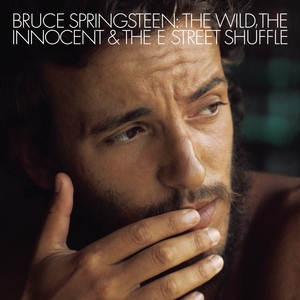
5 Surprising Facts About Bruce Springsteen’s ‘The Wild, the Innocent & the E Street Shuffle’

Released on November 5, 1973, The Wild, the Innocent & the E Street Shuffle is Bruce Springsteen’s second studio album and a beloved staple in his iconic catalog. While it didn’t achieve commercial success initially, its reputation has only grown over the years. The album features classic songs like “Rosalita (Come Out Tonight)” and “4th of July, Asbury Park (Sandy)” that continue to define Springsteen’s early career. But beyond the well-known tracks, here are five lesser-known facts about the album that add new layers to its legacy.

1. “Rosalita” Was Initially Unknown, But Became a Fan Favorite
Rosalita (Come Out Tonight), a song that has since become one of Springsteen’s most iconic tracks, was never initially released as a single in the U.S. When the album first came out, it flew under the radar. However, as Springsteen’s career gained momentum, Rosalita found its way to FM radio airwaves, eventually earning heavy airplay. The song’s vivid story of forbidden love and defiant youth would later become a concert staple, solidifying its place as a quintessential Springsteen anthem.

2. The “Sandy” Chorus Was Inspired by Springsteen’s Love for Van Morrison
The ballad 4th of July, Asbury Park (Sandy) was influenced heavily by Van Morrison’s work, particularly his romanticized take on Belfast in Astral Weeks. Springsteen captures a similar wistful tone, painting a vivid picture of Jersey Shore culture and a love story teetering on the edge of nostalgia and hopelessness. The song’s complex harmonies and layered narrative were crafted with Morrison’s influence in mind, yet it remains a quintessential Springsteen piece about youth, loss, and longing.

3. “Incident on 57th Street” Is Springsteen’s First “Observer” Song
Incident on 57th Street, a stunning piece on the album, marked a turning point in Springsteen’s songwriting. According to Springsteen himself, it was one of the first songs in which he felt like an “observer” rather than the subject. The tale of “Spanish Johnny” and “Puerto Rican Jane” draws heavy parallels to West Side Story, creating a Romeo and Juliet-style narrative set in New York. The song’s intricate structure, mood shifts, and unforgettable piano solo by David Sancious showcase Springsteen’s growing mastery in storytelling.

4. The Album’s Cover Photo Has an Intriguing Backstory
The album’s back cover photo features six members of the E Street Band standing in front of a storefront in Long Branch, New Jersey. The location, once the site of Tommy Reed’s bicycle repair shop, would become a significant spot for Springsteen fans, though it has since been demolished. The intimate and almost cinematic feel of the photo perfectly captures the album’s spirit—a snapshot of a group caught between youthful rebellion and an inevitable journey toward fame.

5. “Wild Billy’s Circus Story” Was Initially a “Circus Song”
One of the album’s standout tracks, Wild Billy’s Circus Story, was initially conceived as Circus Song during recording sessions. The track underwent a transformation from a simple musical idea to a fleshed-out narrative, showcasing Springsteen’s growing penchant for using storytelling as a vehicle for emotional expression. With vivid imagery and a sense of musical exploration, Wild Billy’s Circus Story captures the mix of innocence and chaos that permeates the album as a whole.

While The Wild, the Innocent & the E Street Shuffle initially met with limited commercial success, it became a crucial stepping stone in Springsteen’s ascent. By capturing the energy of a small-town New Jersey rock band and mixing it with soul, jazz, and folk influences, Springsteen set the stage for his eventual worldwide success. Sandy, Rosalita, Incident on 57th Street, and other tracks became the bedrock for his future triumphs. The Wild, the Innocent & the E Street Shuffle remains an essential album in the Springsteen catalog, both for its intimate portrayal of youth and its bold step forward in musical ambition.

5 Surprising Facts About The Beatles’ ‘Let It Be’

The Beatles’ Let It Be holds a unique place in the history of rock music. Released on May 8, 1970, the album marked the band’s emotional and tumultuous farewell, coming out almost a month after the public announcement of their breakup. Despite being hailed as one of the most iconic albums of all time, Let It Be had a troubled and controversial recording process. Let’s delve into five lesser-known facts about this masterpiece that continues to influence generations of musicians.

1. The Beatles Nearly Recorded the Entire Album in One Take
The rawness of Let It Be comes from the fact that much of the album was recorded in a live, unpolished setting. In fact, the band’s intention for the project was to recreate the vibe of their earlier recordings, with the goal of keeping things spontaneous. The most famous example of this approach is the track “Two of Us,” which was largely recorded in one take, with minimal overdubs. The intention was to capture the energy of a live performance, and they achieved this by keeping the tracks as simple as possible, blending live vocals with instrumentals. Despite the struggles during the recording sessions, this choice gave the album its intimate, raw feel.

2. Billy Preston’s Contribution Changed the Album’s Sound
Often called “the Fifth Beatle,” keyboardist Billy Preston’s contributions were a turning point for Let It Be. His addition to the band during the sessions brought a new dimension to their sound. Many of the songs, especially “Something” and “Let It Be,” feature Preston’s unmistakable organ and electric piano playing, which added richness and depth to the tracks. In fact, it was George Harrison who invited Preston to join the sessions, and his performance marked a pivotal moment in the band’s sound evolution. His participation was so significant that some consider him an unofficial member during this era.

3. The Infamous Rooftop Concert Wasn’t Originally Part of the Plan
One of the most iconic moments in Let It Be’s history is the rooftop concert, where the Beatles performed live for the first time in over two years. However, this performance wasn’t part of the initial concept for the album. The band was actually recording a TV special, and at one point, they even considered performing in a studio in front of a small audience. The decision to play on the roof came suddenly, with John Lennon suggesting it on the spot. The performance, which was filmed and later included in the documentary, not only marked the end of an era for the band but also gave the album an unexpectedly raw and public farewell.

4. The ‘Get Back’ Sessions Were Supposed to Be a Separate Project
Before Let It Be became the final studio album, it was originally intended to be a separate project, called Get Back. The idea was to return to a more stripped-down, back-to-basics rock sound, in contrast to the more experimental work on Sgt. Pepper’s Lonely Hearts Club Band and The White Album. However, the tension during the sessions was so high that the Get Back project was scrapped, and what remained was turned into Let It Be. Even the title Let It Be wasn’t initially part of the plan—until Paul McCartney came up with it, inspired by a conversation with his late mother.

5. McCartney Felt Betrayed by Phil Spector’s Production
When Let It Be was completed, the band turned to famed producer Phil Spector to help bring it all together. However, McCartney was unhappy with the results, particularly with how Spector treated certain tracks. The most controversial example was “The Long and Winding Road,” where Spector added orchestral and choral arrangements that McCartney felt weren’t necessary. McCartney was so upset that he later took steps to release Let It Be… Naked, a version of the album without Spector’s embellishments. Despite McCartney’s dissatisfaction, Spector’s production gave Let It Be its dramatic, sweeping sound, which has since become one of its defining features.

While Let It Be was released in the midst of a band in turmoil, it remains one of the most influential albums in rock history. The stories behind the album are as legendary as the music itself, showing how personal struggles, creative tensions, and outside forces shaped what would ultimately become the Beatles’ swan song. Despite its tumultuous creation, Let It Be is a testament to the power of music to transcend the moment of its creation, becoming timeless in its expression. From its raw performances to the iconic rooftop concert, it captured the final days of the Beatles in the most profound way imaginable.

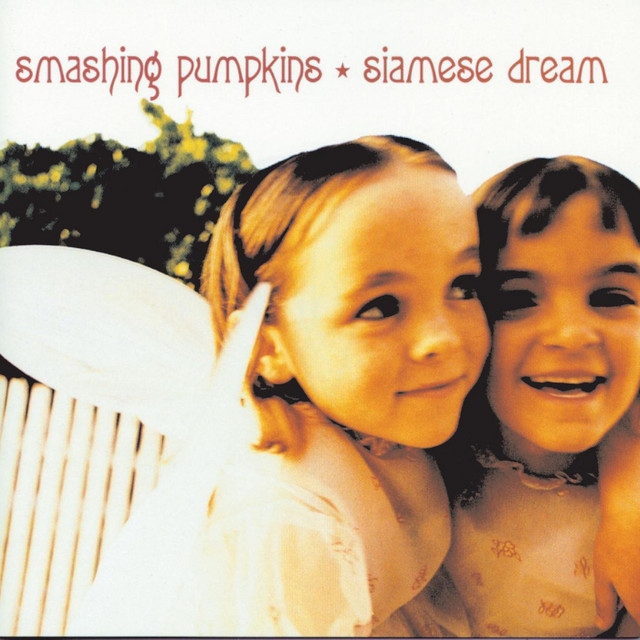
5 Surprising Facts About The Smashing Pumpkins’ ‘Siamese Dream’

When Siamese Dream dropped on July 19, 1993, it skyrocketed The Smashing Pumpkins to fame, forever marking their place in the alternative rock scene. But beyond the massive hits like “Cherub Rock” and “Today,” there are deeper, lesser-known stories behind the making of this masterpiece. Let’s explore five surprising facts about the album that might make you appreciate it even more.

1. Billy Corgan’s Most Personal Album to Date
Though Corgan’s lyrics have always been emotionally charged, Siamese Dream saw him pour his most vulnerable feelings into his songwriting. At the time of recording, Corgan was battling severe depression, suicidal thoughts, and writer’s block. “Today” is one of the clearest examples of this, as its upbeat sound contrasts with the dark, personal lyrics that reflect a day when Corgan felt completely disconnected and overwhelmed. For many, the juxtaposition of tone and lyrics is what makes this song resonate so deeply.

2. A Monumental Recording Process
Recording Siamese Dream was an intense process, filled with both creative brilliance and chaos. Billy Corgan and Butch Vig, who co-produced the album, had very high expectations, pushing themselves to create a unique sound. As a result, the album became a sonic masterpiece, with some songs having up to 40 guitar tracks layered on top of each other. Corgan’s pursuit of perfection led to grueling 16-hour workdays, where sometimes the band spent days on a 45-second section of a song. This attention to detail paid off, giving Siamese Dream its richly layered sound that’s hard to find in rock records from that era.

3. Jimmy Chamberlin’s Struggles and Genius
Despite being a key figure in Siamese Dream’s success, drummer Jimmy Chamberlin was going through severe heroin addiction during the recording. At one point, after Chamberlin went missing for several days, Corgan demanded that he perform his parts until his hands bled. The urgency was rooted in the dire need to get the record finished, but Chamberlin’s powerful drumming is undeniable, and his work on tracks like “Cherub Rock” stands as one of his finest contributions.

4. Corgan’s Isolation Led to Overdubbing
While the band was struggling with internal tensions and personal issues, Corgan took control of much of the album’s production. He overdubbed guitar and bass parts that were originally meant for James Iha and D’arcy Wretzky. Corgan himself admitted to taking over because he could lay down tracks more quickly and with fewer takes. This decision further highlighted the already-growing rift within the band, with Corgan’s obsession with perfectionism taking precedence over collaboration at times.

5. Siamese Dream’s Enduring Impact
Released during the grunge era, Siamese Dream carved out its own space in the alternative rock landscape. It’s often considered one of the greatest albums of the ’90s and has stood the test of time, influencing countless bands and artists. From its lush, ambient textures to the raw emotion behind Corgan’s songwriting, the album’s legacy continues to live on in its influence on modern alternative and indie rock. Songs like “Disarm” and “Today” became anthems for the generation, and the album’s sound became synonymous with the alternative movement.

In Conclusion
Siamese Dream was an emotionally charged and sonically complex record that reflected the inner turmoil of its creator, Billy Corgan, and the band’s tumultuous experience during the recording process. Nearly three decades later, Siamese Dream still resonates, standing as one of the defining albums of its era. These lesser-known stories remind us that beneath the iconic singles and legendary performances, this album’s creation was anything but simple. It was a battle, both for the music and for the artists behind it.

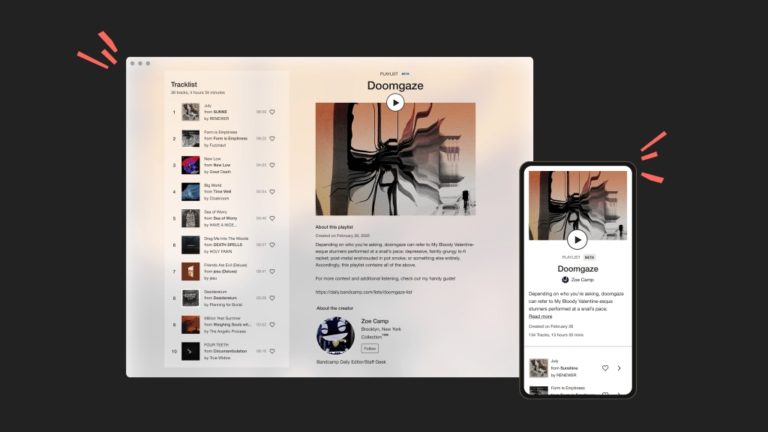
Bandcamp Launches Playlists: A Digital Mixtape Made for Real Fans

0

Create playlists from the music you own. Personalize them. Share them.

It’s like a mixtape—but digital, and powered by real support for artists.

More Than Just a Playlist 

Bandcamp Playlists capture the spirit of a mixtape—personal, intentional, and built from music that means something.

Every playlist is crafted from your own collection—tracks you’ve chosen to support.
It’s not passive streaming. It’s real curation, rooted in ownership and connection.

Think of it as a modern mixtape: handmade, shareable, and designed to help others discover the artists you love.

How It Works

  • Create and edit playlists using the Bandcamp mobile app
    Available now on iOS and Android.
    (Web-based editing is coming soon.)
  • Share with a public link
    Fans must be logged in to listen, keeping playlists rooted in real fandom and support.
  • Play limits apply to unowned tracks
    Fans can play tracks they haven’t purchased a limited number of times—three by default, unless the artist sets a different limit. After that, they’ll be prompted to purchase in order to keep listening.

What Artists Should Know

Bandcamp playlists are powered by ownership, not passive streaming. Fans can only add tracks to their playlists if they’ve purchased them. Meanwhile, listeners who haven’t purchased your music can only stream it a limited number of times (three by default, unless you’ve set a different cap). After that, they’re directed back to your album page to explore further, make a purchase, and support your work directly.

This is a tool for fans, built with artists in mind.

Ready to Make Your First Mixtape? 

If you’ve ever wanted to flex your great taste, curate a mix, or showcase your collection—this is your moment.

Start with the music you own.
Give it a name, a cover, and a description that tells its story.
Share it with the world—and help someone else find their next favorite track.

Create Your First Playlist →

Badflower Unleashes ‘Snuff’ Ahead of New Album ‘No Place Like Home’

0

Platinum-selling rock band Badflower delivers a pulsing new blow with “Snuff,” their seductive and searing new single out today via Big Machine Rock. The provocative track is the latest tease from the band’s forthcoming third studio album, No Place Like Home, arriving June 20. Listen to “Snuff” HERE.

Blurring the lines between pleasure and pain, “Snuff” dismantles conventional ideas of romance in favor of something far more twisted. The track pulls listeners into a darkly alluring headspace, where suffering takes center stage—until a jaw-dropping musical intermission flips the script entirely. As always, Badflower keeps fans guessing, making one thing clear: nothing about No Place Like Home is predictable.

Written entirely sober for the first time by frontman Josh Katz, the new album finds the Los Angeles-bred, Nashville-based band at their most vulnerable and self-reflective. From emotional isolation to fading identities, the album is a brutal yet honest excavation of self—anchored in the band’s signature mix of gritty rock, emotional depth, and psychological exploration.

Snuff” follows previous singles “London” and “Paws,” further setting the tone for an album that aims to push boundaries both sonically and thematically.

Since their formation in 2011, Badflower has released two EPs, their hit full-length debut Ok, I’m Sick via Big Machine Label Group, and their sophomore record, This Is How The World Ends. With a unique blend of raw rock and introspective storytelling, the band have earned critical acclaim from outlets like Billboard, Alternative Press, and Nylon. Their hit single “Ghost” went Platinum, received “Rock Song of the Year” honors at the iHeartRadio Awards, and has amassed over 700 million streams, all while captivating audiences across the globe, playing major festivals like Kaboo Del Mar and Sonic Temple, and sharing stages with bands such as Incubus, Shinedown, and Ghost. 

Four years in the making, No Place Like Home marks a turning point for Badflower — Josh Katz (vocals/guitar), Joey Morrow (lead guitar), Alex Espiritu (bass), and Anthony Sonetti (drums) — as they confront the disillusionment that comes after achieving their lifelong dreams. From the biting commentary of the music industry on “Number 1” to the heartbreaking future regrets of “Don’t Be a Stranger” and “Paws,” the album weaves together themes of mental health, self-doubt, and existential dread with an unflinching honesty that’s become Badflower’s signature. No Place Like Homedoesn’t offer easy answers — instead, it invites listeners to sit with their discomfort, to feel seen, and maybe, to feel less alone. With the album’s release, the band shifts gears as they embark on their 2025 Unity Tour alongside 311, from June 20 to August 30. 

No Place Like Home is available June 20. Pre-save the album HERE.

Upcoming Tour & Festival Dates:

June 20 – Unity Tour 2025 with 311 – Ovation Hall at Ocean Casino Resort, Atlantic City, NJ

June 21 – Unity Tour 2025 with 311 – Freeman Arts Pavilion, Selbyville, DE

June 24 – Unity Tour 2025 with 311 – Skyla Credit Union Amphitheatre, Charlotte, NC

June 25 – Unity Tour 2025 with 311 – Red Hat Amphitheater, Raleigh, NC

June 27 – Unity Tour 2025 with 311 – The Anthem, Washington, DC

June 28 – Unity Tour 2025 with 311 – Wind Creek Event Center, Bethlehem, PA

June 29 – Unity Tour 2025 with 311 – The Rooftop at Pier 17, New York, NY

July 1 – Unity Tour 2025 with 311 – Stage AE, Pittsburgh, PA

July 2 – Unity Tour 2025 with 311 – Iroquois Amphitheater, Louisville, KY

July 3 – Summerfest 2025 – American Family Insurance Amphitheater, Milwaukee, WI

July 5 – Unity Tour 2025 with 311 – Back Waters Stage, Dubuque, IA

July 6 – Unity Tour 2025 with 311 – Hard Rock Live, Rockford, IL

July 7 – Unity Tour 2025 with 311 – Agora Theatre, Cleveland, OH

July 9 – Unity Tour 2025 with 311 – Vibrant Music Hall, Waukee, IA

July 11 – Unity Tour 2025 with 311 – Grinders KC, Kansas City, MO

July 13 – Unity Tour 2025 with 311 – WAVE, Wichita, KS

July 15 – Unity Tour 2025 with 311 – Rio Rancho Events Center, Rio Rancho, NM

July 16 – Unity Tour 2025 with 311 – Pepsi Amphitheater, Flagstaff, AZ

August 8 – Unity Tour 2025 with 311 – Yaamava’ Theater, Highland, CA

August 9 – Unity Tour 2025 with 311 – The Mountain Winery, Saratoga, CA

August 10 – Unity Tour 2025 with 311 – Grand Theatre at Grand Sierra Resort, Reno, NV

August 12 – Unity Tour 2025 with 311 – The Cuthbert Amphitheater, Eugene, OR

August 13 – Unity Tour 2025 with 311 – Marymoor Park Concerts, Redmond, WA

August 15 – Unity Tour 2025 with 311 – Great Falls Voyagers Stadium, Great Falls, MT

August 16 – Unity Tour 2025 with 311 – Portneuf Health Trust Amphitheatre, Pocatello, ID

August 17 – Unity Tour 2025 with 311 – Sandy Amphitheater, Sandy, UT

August 19 – Unity Tour 2025 with 311 – Ford Amphitheater, Colorado Springs, CO

August 22 – Unity Tour 2025 with 311 – Hard Rock Live Northern Indiana, Gary, IN

August 23 – Unity Tour 2025 with 311 – MegaCorp Pavilion, Newport, KY

August 24 – Unity Tour 2025 with 311 – KEMBA Live!, Columbus, OH

August 26 – Unity Tour 2025 with 311 – The Pinnacle, Nashville, TN

August 27 – Unity Tour 2025 with 311 – Avondale Brewing Company, Birmingham, AL

August 29 – Unity Tour 2025 with 311 – Cadence Bank Arena, Tupelo, MS

August 30 – Unity Tour 2025 with 311 – Ozarks Amphitheater, Camdenton, MO