Home Blog Page 567

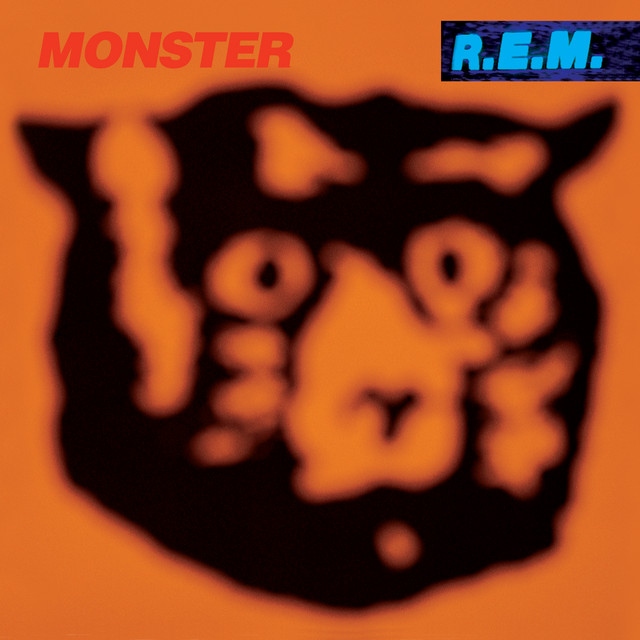
5 Surprising Facts About R.E.M.’s ‘Monster’

Released in September 1994, R.E.M.’s Monster marked a dramatic sonic pivot—cranking up the amps, muting the acoustics, and trading in mandolins for tremolo-soaked guitar riffs. After two landmark records of introspection, the band charged into glammy, grungy territory with swagger, sadness, and surrealism. Here are five electrifying facts you might not know about Monster—a record where characters roam, ghosts linger, and the distortion speaks louder than the lyrics.

1. “Let Me In” Was Played on Kurt Cobain’s Guitar
One of the most powerful songs on Monster, “Let Me In” was written for Michael Stipe’s friend Kurt Cobain, shortly after his death in 1994. The song’s swirling emotion came straight from the source: bassist Mike Mills recorded it using Cobain’s own Fender Jag-Stang guitar, gifted to him by Courtney Love. Since Cobain was left-handed and Mills is right-handed, the guitar was played upside down. The band captured the track with thick organ textures and raw performance energy—grief expressed without polish or pretension.

2. “What’s the Frequency, Kenneth?” Was Inspired by a Real-Life Media Mystery
The album’s lead single takes its title from an infamous 1986 incident in which CBS news anchor Dan Rather was attacked by a man repeating the phrase, “What’s the frequency, Kenneth?” Michael Stipe turned that strange cultural moment into a Gen X fever dream, singing in the voice of a confused media figure trying to decode youth culture. The song’s sudden tempo drop at the end wasn’t part of the plan—bassist Mike Mills was unknowingly battling appendicitis while recording it, and the band followed his slowing pace. They kept the take.

3. River Phoenix and Migraine Boy Helped Shape the Album’s Mood and Look
Monster is dedicated to River Phoenix, a close friend of Michael Stipe’s, and his death deeply influenced the album’s emotional tone. Stipe couldn’t write for months after the loss, until lyrics for songs like “Crush With Eyeliner” and “Circus Envy” began to surface. The album’s visual world also carried unexpected depth: the orange cover features a blurry bear head, while the liner notes include appearances by indie comic character Migraine Boy. The surreal meets the sentimental, just as it does in the music.

4. Most of the Album Was Recorded Live in the Studio
R.E.M. approached Monster with one goal in mind: make an album that could fill arenas. Many of the tracks were recorded live, as though the band were already on tour. Producer Scott Litt set up stage monitors and PAs to give the sessions a concert vibe. This raw approach added urgency and grit to the mix—and challenged the band to lean into simplicity and immediacy. The result was both louder and looser than anything they’d recorded in years.

5. “Strange Currencies” Nearly Missed the Cut for Sounding Too Familiar
Originally shelved for having a similar rhythm to “Everybody Hurts,” “Strange Currencies” was rescued by a vocal melody the band couldn’t ignore. Its 6/8 timing and swelling emotional arc helped it become one of Monster’s most beloved ballads, climbing to the top 10 in the UK. Michael Stipe described the song as an earnest plea—someone using the power of words to convince another that they’re meant to be. Its quiet persistence stands in contrast to the record’s louder moments, making it even more essential.

Monster roared onto the scene with jagged guitar lines, glam rock gloss, and a tangle of masks and meaning. It remains a snapshot of a band in transition—dealing with grief, fame, noise, and reinvention all at once. Behind the fuzz and feedback, there’s vulnerability, experimentation, and deep creative courage.
5 Surprising Facts About The Rolling Stones’ ‘Tattoo You’

Released on August 24, 1981, Tattoo You roared into the world on a riff, a swagger, and a stack of tapes the band had nearly forgotten about. Built from sessions dating back as far as 1972, it became a chart-topping classic powered by spontaneity, craftsmanship, and a little rock and roll serendipity. Here are five things you might not know about the Stones’ final U.S. #1 studio album—and why its magic still rolls strong.

1. “Start Me Up” Began Life as a Reggae Jam
Originally recorded as “Never Stop” in 1975, “Start Me Up” ran through more than 40 reggae takes before engineer Chris Kimsey uncovered a scrappy rock version buried in the vaults. Keith Richards’ opening riff, now a rock and roll signature, had been waiting patiently for six years. Mick Jagger’s lyrics were completed just in time for the 1981 tour, and the final track was touched up with bathroom reverb, handclaps, and just the right amount of swagger. The Stones didn’t plan this anthem—it found them when the moment was right.

2. “Waiting on a Friend” Was Nearly a Decade in the Making
The gentle warmth of “Waiting on a Friend” was sparked in 1972 during the Goats Head Soup sessions in Jamaica. The music sat quietly for nearly ten years until Jagger added lyrics about friendship and aging, showing a more reflective side of the frontman. Legendary saxophonist Sonny Rollins recorded his solo while Jagger danced out the rhythm in the studio, using movement as a cue. With Nicky Hopkins on piano and Peter Tosh sitting on the stoop in the video, the track became a soulful snapshot of connection—one that reached #13 on the Billboard charts.

3. The Album Was Built From Forgotten Fragments
Producer Chris Kimsey pieced Tattoo You together from leftover recordings, half-finished jams, and previously shelved gems. “Slave,” “Tops,” and “Worried About You” were all tracked years earlier with Billy Preston, Mick Taylor, and Wayne Perkins, each adding their own magic. New vocals and overdubs brought the tracks to life. The Stones shaped it all into two distinct sides: one made for strutting, and the other for swaying. No filler. No throwaways. Just songs waiting for their spotlight.

4. The Album Cover Was a Grammy-Winning Masterpiece
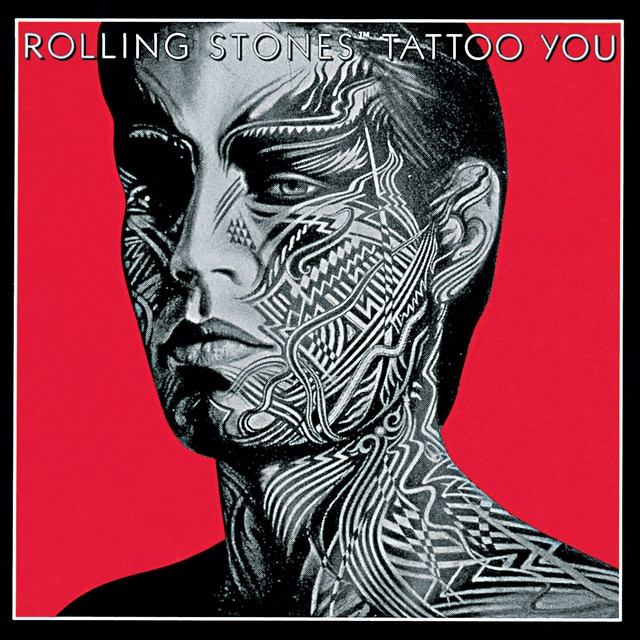
Peter Corriston’s striking black-and-red cover design, illustrated by Christian Piper, stood out even in the golden age of album art. With Jagger’s face transformed into a tribal tattoo sculpture, it earned the band their first Grammy Award—for Best Album Package. The photo sessions, the typography, and the overall concept helped define the aesthetic of the early MTV era. Even now, Tattoo You remains instantly recognizable, just like its sound.

5. “Tattoo You” Almost Had a Different Name—And Caused a Clash
The album was originally going to be called Tattoo. At some point—exactly when remains unclear—the title became Tattoo You. Jagger says he still doesn’t know how that happened. Richards suspected the change had been made without his input, and it sparked tension. Still, whatever the title, the music united them. With three Top 20 hits, nine weeks at #1 in the U.S., and over 4× platinum in sales, Tattoo You turned reclaimed studio scraps into timeless stadium rock.

Tattoo You is a perfect reminder that great songs are never truly lost. Whether captured in a single take or uncovered years later, the Stones’ instinct for rhythm, soul, and electricity turned a pile of tape reels into a rock and roll triumph.

5 Surprising Facts About King Crimson’s ‘Red’

King Crimson’s Red, released in October 1974, wasn’t just the band’s seventh album—it was their final roar before imploding. Three musicians. Five guest players. A whole lot of tape hiss, fuzz, and fury. Critics didn’t quite get it at the time. But fans? They heard the future. The album became a blueprint for everything from math rock to metal, all while refusing to compromise an inch. Here are five wild facts about Red that go deeper than the distortion.

1. “Red” Was Born From a Missing Song Called “Blue”
Robert Fripp originally planned to make a companion piece to an unreleased song titled “Blue.” Instead, “Red” took on a life of its own. Constructed with razor-sharp riffs and rhythmic bricks courtesy of Wetton and Bruford, it’s one of the most menacing instrumentals in progressive rock. The band didn’t even know if it worked—Bruford shrugged and said, “I don’t get it.” Wetton’s response? “We’ll use it.” Its unresolved tension was so potent, Fripp later revisited elements for THRAK’s “VROOOM VROOOM” over 20 years later.

2. “Starless” Was Rejected… Then Resurrected as a Masterpiece
John Wetton originally pitched “Starless” for the Starless and Bible Black album, but it got a lukewarm reception. The early version was just the vocal section. Fripp added a haunting intro, Bruford contributed a hypnotic groove, and the song mutated into a 12-minute journey from melancholy to eruption. Its mathy 13/8 middle section is a masterclass in musical suspense. The finale? Saxophone, overdriven guitars, and emotional overload. Wetton later sneaked unused lyrics into a U.K. song. Some songs die. Starless evolved.

3. “Providence” Was a Live Jam With a Fired Bandmate
David Cross didn’t know he’d been fired until the day before recording began. But he still appears—on a track recorded live in Providence, Rhode Island. “Providence” is a cut of raw improvisation: eerie violin, free-jazz drums, and ambient chaos. The studio version was heavily edited, but later releases revealed the full jam. It’s not just a moody interlude—it’s a sonic ghost, the final trace of a member who was gone before the ink dried on the studio logbook.

4. “Fallen Angel” Is Built From a Lost Ballad and a Gang Story
Parts of “Fallen Angel” trace back to a live improvisation from 1972 and a Wetton ballad called “Woman.” But lyrically, it’s one of the most emotional tracks Crimson ever cut—a heartbreaking tale of a younger brother stabbed on the streets of New York. Fripp’s acoustic arpeggios mix with Mark Charig’s cornet and Robin Miller’s oboe, lending it both intimacy and sorrow. For decades, the band never played it live—until a triumphant performance in 2017. A song ahead of its time finally got its due.

5. The Album Cover Was a Composite—Because the Band Couldn’t Be in the Same Room
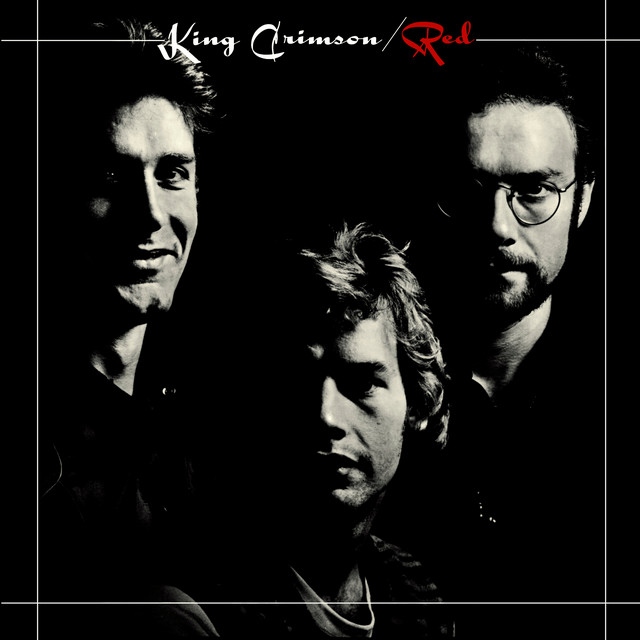
The stark black-and-white cover? It looks like a moody band portrait, but the truth is weirder. Fripp hated the photo session. Wetton, Bruford, and Fripp were each photographed separately because of rising tensions—and then stitched together into one image. The back cover was supposed to feature blown-out mixing board meters, symbolizing the music’s intensity. But the label wanted something more “marketable.” The result is strangely perfect: three disconnected figures staring into the void, unknowingly capturing a band on the brink of collapse.

Red wasn’t meant to be a swan song, but it became one. Fripp dissolved King Crimson weeks before the album hit shelves, and it took seven years to return. Heavy, haunting, and decades ahead of its time, Red remains a jagged monument to what happens when three visionaries push themselves—and each other—to the edge.

5 Surprising Facts About The Doors’ ‘Strange Days’

When The Doors released Strange Days in September 1967—just eight months after their debut lit the world on fire—they were chasing sound, poetry, and a little bit of sonic chaos. From Moogs to marimbas, alleyway acrobats to tape loops run backwards, Strange Days was wild, weird, and way ahead of its time. You’ve heard the hits. Now here are five behind-the-curtain facts that prove just how strange—and brilliant—these days really were.

1. That Synth? It’s One of the First in Rock History
Before synths became the pulsing heart of new wave, Jim Morrison and Paul Beaver were rigging up a Moog to filter Morrison’s voice—by playing notes on a keyboard while Morrison sang. Engineer Bruce Botnick called it “an envelope” for Jim’s vocals, and added a tape loop delay for good, trippy measure. The effect? A warbling, echo-drenched vocal performance that sounded like it was beamed in from another dimension. Not bad for 1967. Somewhere, Brian Eno tipped his hat.

2. The Album Cover Was a Manhattan Street Circus—Literally
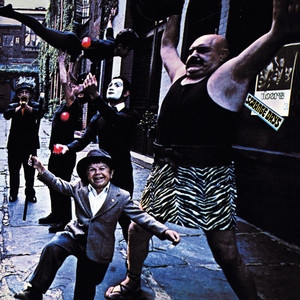
The iconic Strange Days cover was shot in Sniffen Court, a tucked-away alley in New York. Photographer Joel Brodsky wrangled a wild ensemble of circus performers… and when that wasn’t enough, he got creative. His assistant dressed as a juggler, and a cabbie was paid $5 to pretend he played trumpet. Twin dwarfs were used to create symmetry across the front and back covers. The Doors themselves only appear as a poster in the background. It’s a surreal image—and a subtle nudge that the real spectacle was always the music.

3. “Unhappy Girl” Was Played Entirely Backwards—On Purpose
Ray Manzarek wasn’t just a keyboard wizard—he was a reverse-reading, bottom-up musical puzzle master. For “Unhappy Girl,” he literally read his sheet music backwards and recorded his part that way. Then the band overdubbed in real-time on top of the reverse performance. The result is an unsettling, off-kilter swirl that perfectly matches the song’s haunting theme. It’s not just experimentation for its own sake—it’s expression through inversion.

4. “Horse Latitudes” Was a Windstorm of Avant-Garde Madness
Before the term “spoken-word interlude” became a Spotify skippable, Morrison gave us “Horse Latitudes,” a dramatic, howling poem he wrote as a teenager (or so he claimed). The band conjured a storm of sound: tape hiss, reversed loops, and freeform noise made from twisting knobs and playing instruments the wrong way. Botnick even hand-spun the tape to create artificial wind. It’s theatrical, chaotic, and possibly the only Doors track that could double as performance art at MoMA.

5. The Harpsichord in “Love Me Two Times” Wasn’t a Gimmick—It Was Rock Royalty
Ray Manzarek played the final version of “Love Me Two Times” on a harpsichord, which he called “a most elegant instrument not normally associated with rock and roll.” But elegance was exactly the point. Robby Krieger’s blues riff was about lust, longing, and leaving, and Manzarek’s choice gave it a baroque-meets-blues tension that still feels fresh today. Banned in New Haven for being too controversial, the song was also banned in some minds for being too catchy.

Strange Days may have lived in the shadow of its blockbuster predecessor, but in hindsight, it’s the album where The Doors got braver, weirder, and infinitely more experimental. It’s the sound of four musicians poking holes in reality—and letting strange, wonderful sounds leak through.

5 Surprising Facts About Garbage’s ‘Version 2.0’

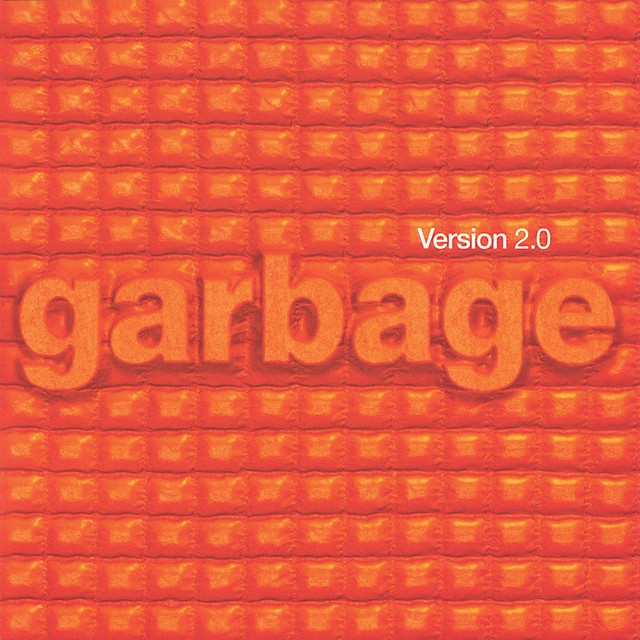
When Garbage released Version 2.0 in 1998, they weren’t trying to reinvent themselves—they were trying to upgrade. Bigger beats, bolder emotions, and a sleek digital sheen wrapped around Shirley Manson’s razor-sharp lyrics made it a defining album of the late ’90s. You may know the hits, but here are five strange, sweet, and sonically wild facts you probably didn’t know about Version 2.0.

The Album Almost Had the Saddest Circus Name Ever
Before it became the techy, polished Version 2.0, the working title of Garbage’s second album was… Sad Alcoholic Clowns. Yes, really. Equal parts tragic and hilarious, it sounds like a lost Tom Waits song or a Tinder bio that screams “ask me about my record collection.” The title was eventually scrapped for something more digital and tongue-in-cheek, but the vibe of that original name? Still in there—boozy, brooding, and brilliantly off-kilter.

2. Candy Factories Make Surprisingly Great Drum Rooms
Need the perfect echo for your industrial percussion? Step aside Abbey Road—Garbage recorded some of the drum tracks for Version 2.0 inside a disused candy factory in Madison. The acoustics were sweet, but the neighbours weren’t: the cops shut them down mid-session. Butch Vig and the gang still got what they needed, though—those reverb-heavy fills live on in “Temptation Waits” and “I Think I’m Paranoid.” Who knew licorice and snare drums had so much in common?

3. They Used Enough Tracks to Build a Sonic Skyscraper
Some songs on Version 2.0 had up to 120 audio tracks—and this was in 1998, long before it was cool to have your DAW crash every ten minutes. The band worked with Pro Tools like mad scientists, layering strings, loops, reversed snares, guitar feedback, and filtered vocals. Then they mixed it all down to just 14 analog tracks. It’s like baking a cake with 120 ingredients and only serving 14 slices. But wow, what a cake.

4. “Push It” Got Brian Wilson’s Blessing—And Then Some
Midway through “Push It,” you might catch a dreamy little line that sounds like the Beach Boys’ “Don’t Worry Baby.” That’s because it is—sort of. Shirley Manson ad-libbed it, the band re-recorded it in the right key, and they had the nerve to ask Brian Wilson for permission. Not only did he say yes, he reportedly kept the tape. Somewhere out there, Brian Wilson is vibing to Shirley whispering “don’t worry baby,” and that alone is worth a Grammy.

5. “Temptation Waits” Was the Showstopper That Never Got a Spotlight
It was the album opener, packed with haunted theremin sounds (well, a synth pretending to be one), sub-bass, wah-wah guitar filters, and disco nods to Isaac Hayes. Yet “Temptation Waits” was never released as a proper single—except in Spain, where it got airplay to celebrate the album’s long chart run. Instead, it became a cult classic in the TV world, popping up in Buffy, The Sopranos, and Dawson’s Creek. No big deal, just casually soundtracking angst, vampires, and suburban mafia drama.

Version 2.0 was a full-on digital symphony of distortion, elegance, and raw emotion, built by a band that wanted to be louder, poppier, and weirder all at once. Mission accomplished.

The Songs JD Souther Gave Away That Made Music History

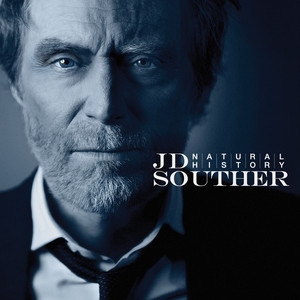
JD Souther may have flown under the radar compared to the superstars he wrote for, but his fingerprints are all over the Southern California sound. His sharp songwriting, heartfelt lyrics, and melodic instincts helped shape the careers of the Eagles, Linda Ronstadt, and many more. Here’s a closer look at some of the classic songs he gifted to others:

“Best of My Love” – Souther co-wrote this Eagles ballad that became their first #1 hit on the Billboard Hot 100.

“New Kid in Town” – A soulful story of fame and transience, co-written with Glenn Frey and Don Henley, it won the Eagles a Grammy in 1977.

“Heartache Tonight” – Souther, Frey, Henley, and Bob Seger collaborated on this upbeat anthem that topped the charts in 1979.

“Victim of Love” – A rock-forward track from ‘Hotel California’ that Souther co-wrote with the band.

“James Dean” – Co-written by Souther, this swaggering tribute helped define the edgier side of the Eagles’ early sound.

“How Long” – Originally from his 1972 solo debut, the Eagles revived it for their 2007 album ‘Long Road Out of Eden’.

“Faithless Love” – This tender heartbreak song became a staple of Linda Ronstadt’s ‘Heart Like a Wheel’.

“White Rhythm and Blues” – Written for Ronstadt’s ‘Living in the USA’ album, it balanced grit and grace.

“Prisoner in Disguise” – Another classic Ronstadt track that showed off Souther’s talent for melodic melancholy.

“Sometimes You Can’t Win” – A country-soul duet with Ronstadt that underlined their creative chemistry.

“Hearts Against the Wind” – Featured in ‘Urban Cowboy’, this Souther-Ronstadt duet had cinematic sweetness.

“Run Like a Thief” – A Bonnie Raitt cut from her 1975 album ‘Home Plate’, written by Souther with roadhouse flair.

“Her Town Too” – A co-write and duet with James Taylor, this track charted high and spoke to shared heartbreak.

“The Heart of the Matter” – Souther co-wrote this introspective Don Henley hit that resonated with late-80s listeners.

“Wishing on Another Lucky Star” – A poignant ballad featured in the 1988 film ‘Permanent Record’.

“Doin’ Time for Bein’ Young” – A rockabilly-tinged track written for the ‘Cry-Baby’ movie soundtrack.

Steven Blush’s ‘When Rock Met Reggae’ Tracks the Clash of Cultures That Rewired Rock

0

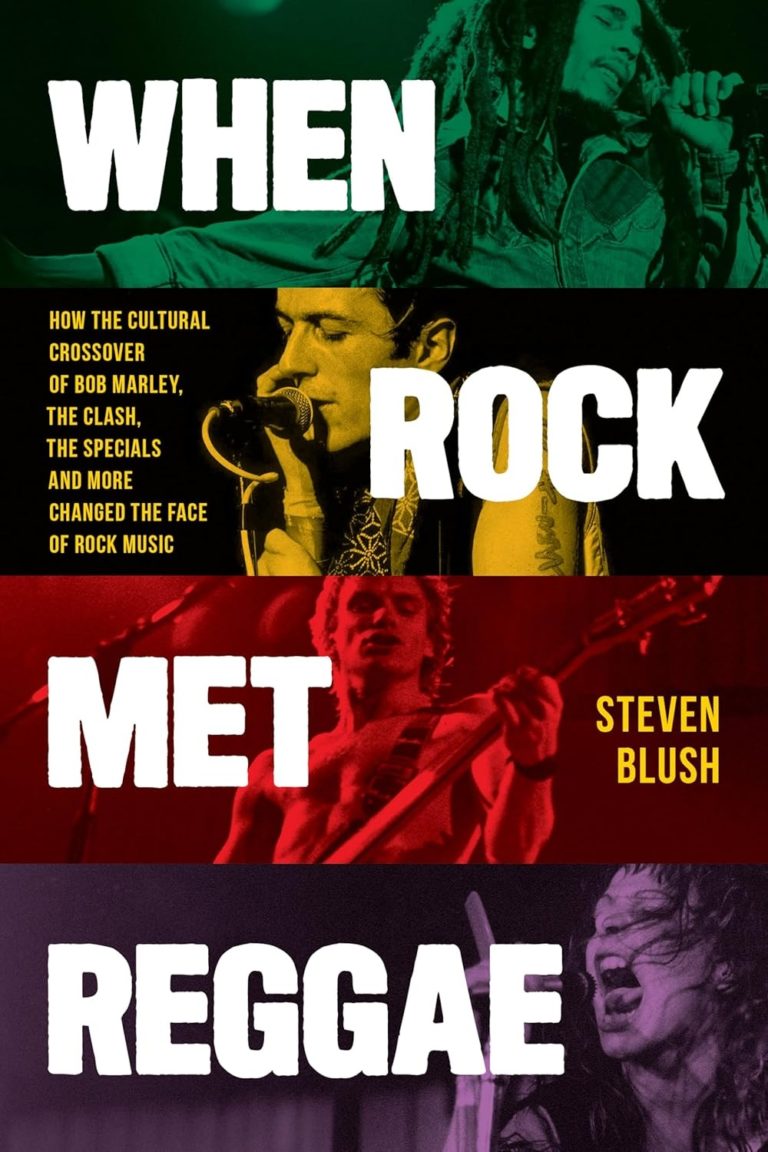
In When Rock Met Reggae, Steven Blush takes a spirited, cross-genre perspective in this “illuminating chronicle” (Booklist) of the crossover of Jamaican, British, and American sounds that changed the face of popular music. Library Journal notes that “Blush’s nimble outline of the interplay between reggae and British punk will appeal to music fans.”

Bringing the same incisive, cross-genre perspective he offered in When Rock Met Disco, Steven Blush gives a spirited survey of the crossover of Jamaican, British, and American sounds that changed the face of popular music in When Rock Met Reggae. The inspiration of ska, rock-steady, dub, and reggae—heard on independent recordings played on “soundsystems” from Kingston and Brixton—created a new rock tonality and attitude, spanning from Eric Clapton to The Clash. Meanwhile, the “Two Tone” sounds—traversing The Specials, Madness, and UB40—fueled the ‘90s ska revival of Sublime, No Doubt, The Mighty Mighty Bosstones, and beyond. Attentive to the racial, political, and artistic aspects of this intricate story, Blush gives a memorable account of one of the most fertile cross-pollinations in pop music history.

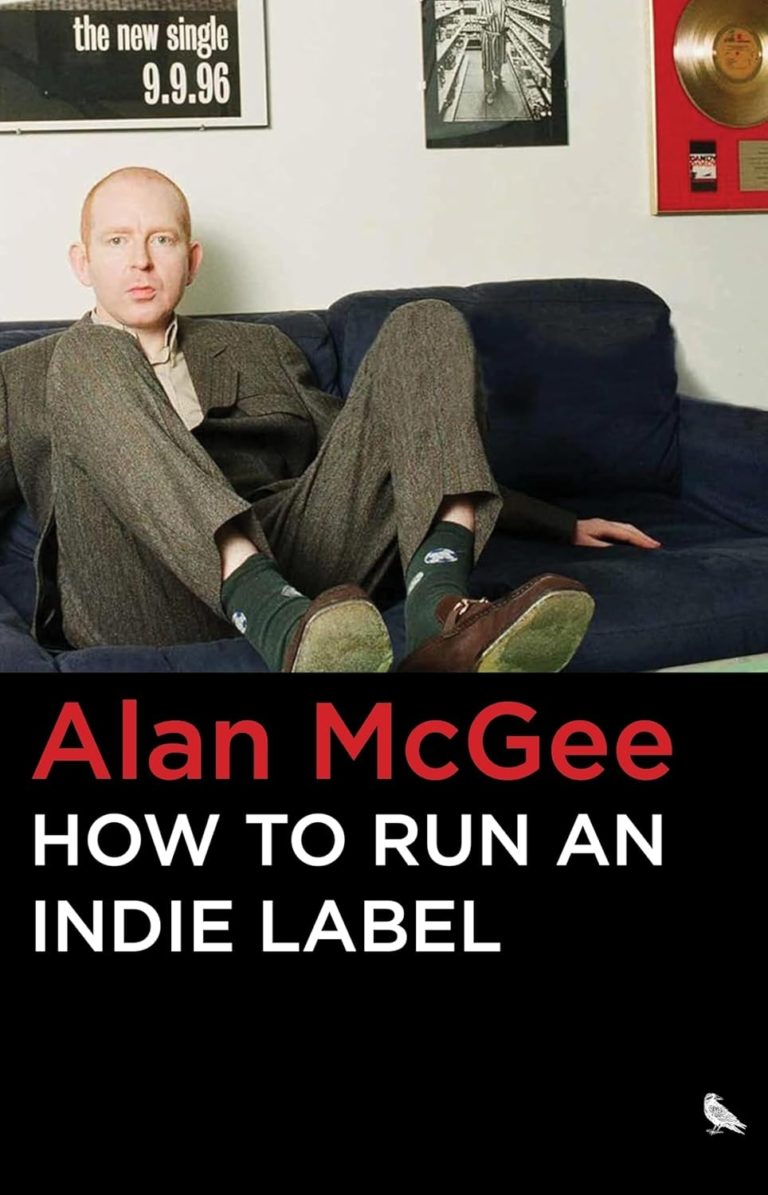
Alan McGee’s ‘How To Run An Indie Label’ Offers Wild Lessons In Music And Mayhem

0

How To Run an Indie Label tells you everything you need to know about how to be a creative force.

Music is like no other business. It’s about being at the right place at the right time, following your nose and diving in feet first. It’s about being plugged into the mystical electricity and about surfing on the wild energy. It’s about how to fuck up and how to survive and be sustained by the holy grail of the high decibel.

No-one captures this wild feral spirit better than Alan McGee whose helter skelter career through music has made him a major force. Wilder than his bands, more out of control than his most lunatic singer, more driven than his contemporaries and closer in spirit to the rock n roll star he could never be himself, McGee was always in a rush. Creation would sign people and not just the music. McGee understood that running an indie label is mainly about the charisma, the game changers, the iconography and the story.

It’s about never being boring. His ability to start a raw power ruckus brought the visceral danger back to a moribund mid-eighties music scene. His nose for danger and his ear for classic guitar rock n roll brought us Jesus and Mary Chain, Primal Scream, My Bloody Valentine, Teenage Fan Club and Ride before topping out in the nineties with the biggest band in the world, Oasis. By no means a conventional instruction manual or business book How To Run an Indie Label tells you everything you need to know about how to be a creative force.

When Scooby-Doo And Mystery Inc. Got Groovy With Rock Stars

There’s something magical about Scooby-Doo teaming up with musicians. Maybe it’s the shared love of costumes, mystery, and occasionally unmasking a ghost disguised as a roadie. Across decades and formats, Mystery Inc. has crossed paths with musical legends, giving fans some of the most unexpected and delightful cartoon concerts of all time.

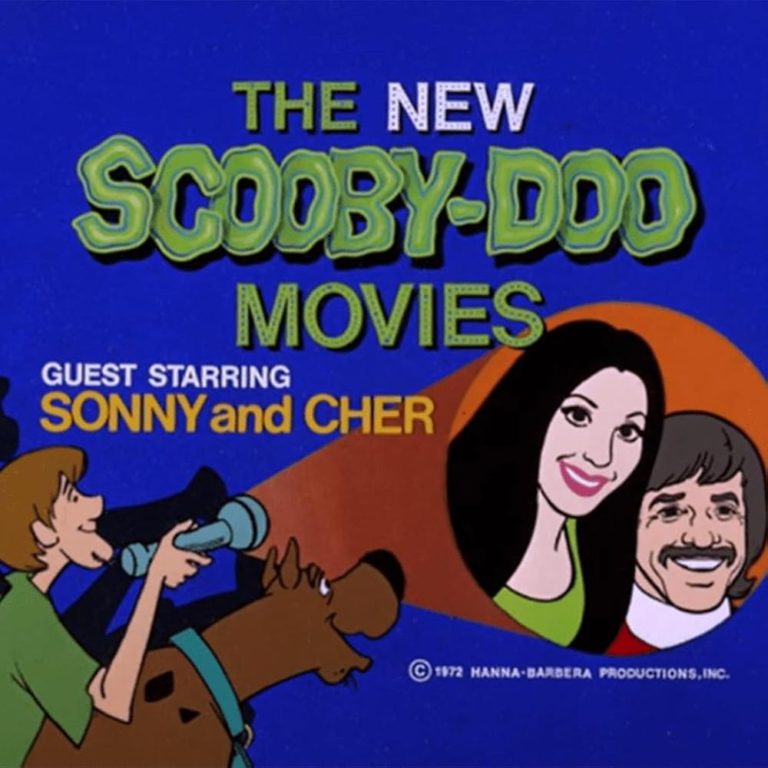
Sonny & Cher – “The Secret of Shark Island” (1972)
When Sonny & Cher showed up in The New Scooby-Doo Movies, they weren’t just dodging sharks—they were helping Daphne and Velma solve the case with style, sarcasm, and a groovy soundtrack. Their variety show was already a hit, and this crossover sealed their cartoon legacy.

KISS – Scooby-Doo! and KISS: Rock and Roll Mystery (2015)
Scooby-Doo and the Demon. Enough said. The gang heads to a KISS-themed amusement park where a witch is stirring up chaos. The members of KISS voiced themselves, flew around like superheroes, and basically turned the whole movie into a wild prog-rock acid trip… for kids.

Weird Al Yankovic – “Attack of the Weird Al-Osaurus!” (2019)
Only Scooby-Doo could make an accordion camp get attacked by a dinosaur feel normal. Weird Al’s delightful weirdness fits right into the Mystery Machine’s world, complete with an inflatable duck, music-powered solutions, and Scooby learning the joys of polka.

The Hex Girls – Various Episodes and Movies (1999–2020s)
Goth-rock eco-warriors and certified fan-favorites, The Hex Girls first appeared in Scooby-Doo! and the Witch’s Ghost and became instant icons. With songs like “I’m a Hex Girl,” they’ve returned in several Scooby adventures, putting spells—and earworms—on all of us.

The Harlem Globetrotters – Multiple Episodes (1972)
Sure, they’re ballers, but the Globetrotters’ slick moves and rhythmic bounces were practically choreography. Their Scooby appearances are legendary, complete with theme songs, trick shots, and a whole lot of zany teamwork. And it’s brilliant.

Music, mystery, and meddling kids—what more could you ask for? Scooby-Doo’s crossovers with the music world prove that rock stars and cartoon sleuths make the perfect backstage pass to Saturday morning fun.

Disney’s Pop Star Powerhouse — Where Chart-Toppers Got Their Start

For decades, Disney has been more than a TV network — it’s been a launchpad for some of music’s biggest names. From mouse ears to world tours, the path from Disney stardom to pop royalty is a well-worn one, paved by a dazzling roster of young talent who turned childhood fame into chart-topping careers.

It began with the Mickey Mouse Club, which introduced the world to Britney Spears, Christina Aguilera, and Justin Timberlake. These three would go on to dominate the early 2000s, reshaping the sound of pop and showing that Disney-trained artists could go toe-to-toe with the industry’s biggest stars.

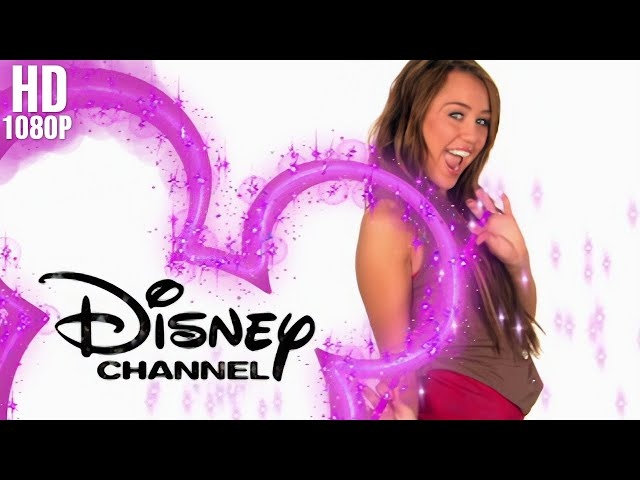
In the 2000s, the golden age of Disney Channel gave rise to Miley Cyrus (Hannah Montana), Selena Gomez (Wizards of Waverly Place), Demi Lovato (Camp Rock, Sonny With a Chance), and the Jonas Brothers (Camp Rock). Their projects combined acting, music, and branding in a way that turned them into household names. For many fans, these artists defined an era — both on screen and on the radio.

Other names soon joined the Disney-to-pop pipeline. Zendaya and Bella Thorne emerged from Shake It Up, each taking distinct career paths — with Zendaya becoming both a style icon and an acclaimed singer and actress, and Bella Thorne releasing music with a bold, rebellious streak. Sabrina Carpenter, known for Girl Meets World, would go on to carve out a sleek, confident pop persona, while Sofia Carson, who starred in Descendants, followed with elegant, cinematic pop music.

Olivia Rodrigo, who got her start on Bizaardvark and High School Musical: The Musical: The Series, made history with “Drivers License” and her explosive debut album Sour, proving that a new generation of Disney alumni could be just as boundary-pushing and emotionally resonant as those before.

The list continues: Dove Cameron (Liv and Maddie, Descendants) delivered dark-pop anthems like “Boyfriend”; Aly & AJ starred in Phil of the Future and Cow Belles before returning with indie-pop acclaim; Hayley Kiyoko, from Lemonade Mouth, brought LGBTQ+ representation and honest storytelling into her music; and Hilary Duff, once the face of Lizzie McGuire, dropped hit albums that helped shape the early 2000s teen pop sound.

Even Olivia Holt (Kickin’ It, Girl vs. Monster) and Vanessa Hudgens (High School Musical) made the leap from screen to studio, contributing memorable albums and performances along the way.

No matter the era — from Mickey Mouse Club beginnings to Disney+ musicals — these artists prove that the Disney pipeline has been one of the most consistent sources of musical talent for generations. Whether they stayed in pop or explored other genres, each of them started with a signature wand wave and ended up carving out a place in music history.