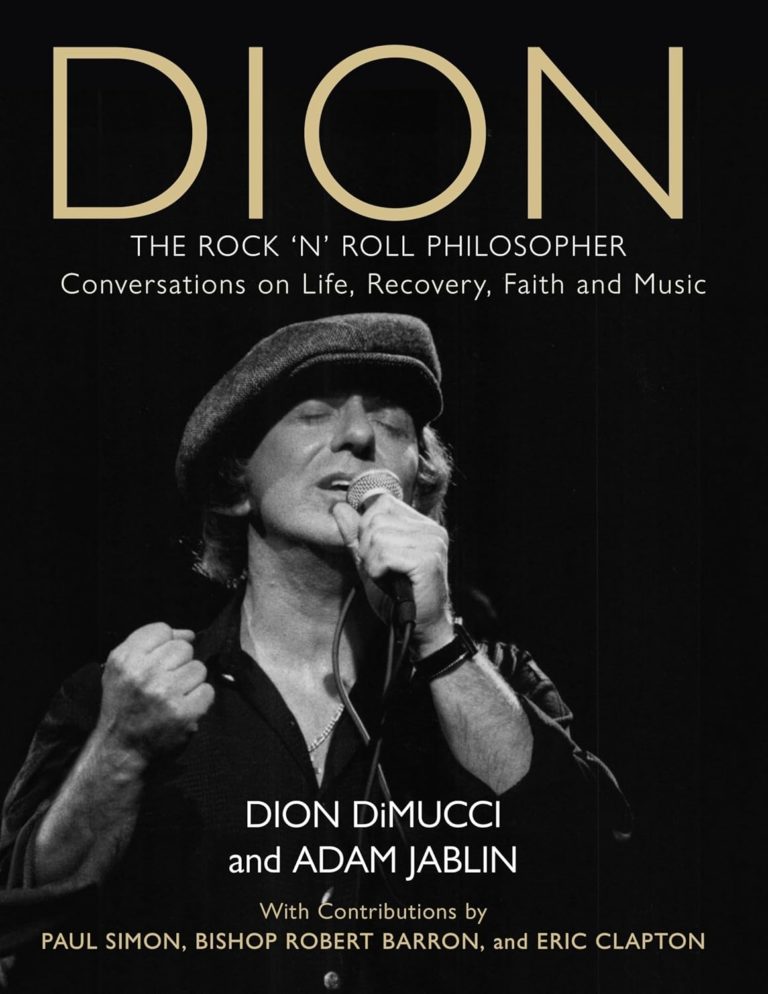
Legendary Rock Hall of Fame innovator shares the most lasting influences on his remarkable life — a life that helped shape the last 60 years of rock and roll history
The book features a prologue by Eric Clapton and a foreword by Paul Simon.
Dion DiMucci’s journey through rock and roll history is as legendary as his hits. As the lead singer of Dion and the Belmonts in the late 1950s, Dion captured the heart of America with chart-toppers like “Runaround Sue”, “The Wanderer”, and “A Teenager in Love.” His later solo success with the profound “Abraham, Martin, and John” in 1968 marked another high, contributing to his twelve gold records. Throughout the 1970s and 1980s, Dion explored folk, blues, and gospel, earning a Grammy nomination in 1985 and an induction into the Rock and Roll Hall of Fame in 1989 alongside icons like the Rolling Stones and Stevie Wonder.
In this compelling collection, Dion shares intimate conversations with close friend Adam Jablin, reflecting on his rise to fame, battles with heroin addiction, a sixty-year marriage, and the influential figures in his music career, including Hank Williams and Bob Dylan.
Featuring over 200 vibrant photos, this book captures not just the life of a music icon but six decades of rock and roll evolution.
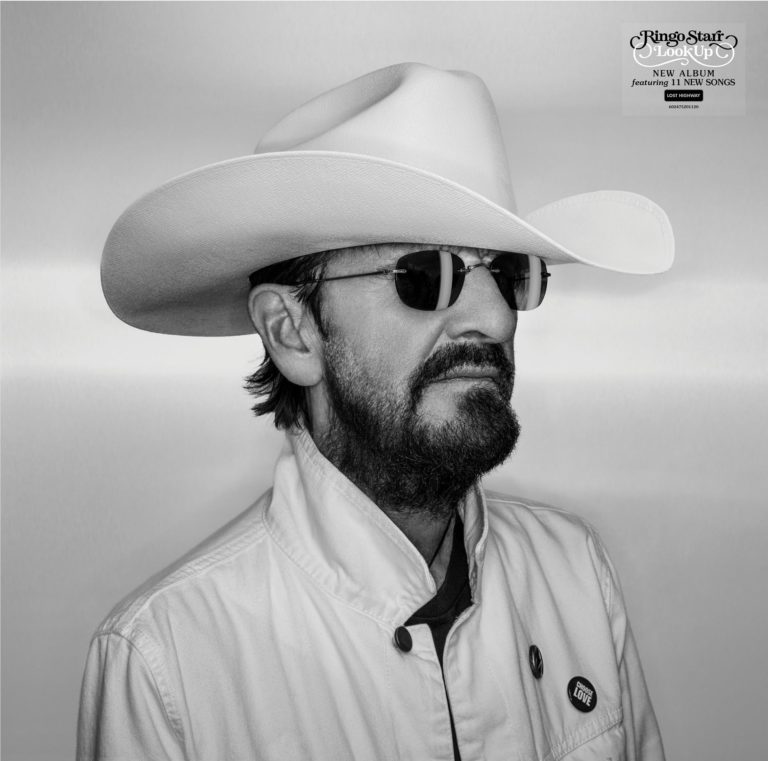
Ringo Starr released his new country album, Look Up. The album was produced and co-written by T Bone Burnett. It is Starr’s first country album in more than 50 years and his first full-length album since 2019.
Recorded last year in Nashville and Los Angeles, Look Up features 11 songs and nine were written or co-written by Burnett. Starr sang and played drums on all the songs and co-wrote the album’s closer, ‘Thankful’, featuring Alison Krauss. Burnett enlisted some of Nashville’s finest and hottest talent for the record, including Billy Strings, Larkin Poe, Lucius, Molly Tuttle and the aforementioned Krauss. Acclaimed musicians Dennis Crouch, Paul Franklin, Daniel Tashian, Joe Walsh and more also played on the album.
A video for the title track was also released today. It features Starr singing in the sunshine interwoven with images of people from all walks of life gathering in a field and ultimately, as seen in shots from above, forming a human peace sign. Director Wyndham Garnett was inspired by the song’s prescient lyrics and Starr’s dedication to spreading peace and love: “No matter where you place/In the human race/There is mercy/There is grace/Look Up Up above your head/Where the music plays/There’s a light that shines/In the darkest days/Look up//Live to fight another day/Good things are gonna come your way.” The video abounds with positivity and stands as a beacon of hope as we head into this New Year.
Starr’s lifelong love of country music has been apparent and celebrated throughout his illustrious career. He performed and wrote numerous country and country-tinged songs throughout his years with The Beatles (i.e. ‘Act Naturally’, ‘What Goes On’, ‘Don’t Pass Me By’) as well as with the earlier Rory Storm and The Hurricanes, and recorded a country album, Beaucoups of Blues, in 1970 as his second solo album. His love of Country and the Blues led him to try and emigrate from London to Texas while still a teen, after reading that Lightnin’ Hopkins lived in Houston.
The artist’s new album comes after a chance meeting with Burnett at an event in Los Angeles in 2022 (the two had first met in the 1970s), where Starr asked Burnett to write a song for an EP he was recording. Taking the task to heart, Burnett returned with nine songs, all in a country vein, which happily put Starr on a path to record Look Up.
Track List: Look Up (Written by)
1. Breathless (featuring Billy Strings) (T Bone Burnett) Ringo Starr – Drums, Percussion, Lead Vocal; Billy Strings – Lead Acoustic Guitar, Harmony Vocal; Dennis Crouch – Bass; Daniel Tashian – Acoustic Guitar, T Bone Burnett – Acoustic Guitar, Electric Guitar
2. Look Up (featuring Molly Tuttle) (Daniel Tashian, T Bone Burnett) Ringo Starr – Drums, Lead Vocal; Molly Tuttle – Harmony Vocal; Paul Franklin – Pedal Steel Guitar; Dennis Crouch – Bass; Daniel Tashian – Acoustic Guitar, Electric Guitar, Woodblock; T Bone Burnett – 6 String Bass, Electric Guitar
3. Time On My Hands (Paul Kennerly, Daniel Tashian, T Bone Burnett) Ringo Starr – Drums, Lead Vocal; Paul Franklin – Pedal Steel; Dennis Crouch – Bass; Daniel Tashian – Acoustic Guitar, Electric Guitar, 6 String Bass, Piano; Andy Cata – Piano; T Bone Burnett – 6 String Bass; David Mansfield – String Arrangement
4. Never Let Me Go (featuring Billy Strings) (T Bone Burnett) Ringo Starr – Drums, Lead Vocal; Billy Strings – Electric Guitar, Guitars, Harmony Vocal; Mickey Raphael – Harmonica; Dennis Crouch – Bass; Daniel Tashian – Electric Guitar; T Bone Burnett – Acoustic Guitar, Electric Guitar
5. I Live For Your Love (featuring Molly Tuttle) (Billy Swan, T Bone Burnett) Ringo Starr – Drums, Lead Vocal; Molly Tuttle – Acoustic Guitar, Mandolin, Harmony Vocal; Paul Franklin – Pedal Steel; Mike Rojas – Piano; Dennis Crouch – Bass
6. Come Back (featuring Lucius) (T Bone Burnett) Ringo Starr – Whistling, Lead Vocal; Lucious (Jess Wolfe, Holly Laessig) – Background Vocals; Dennis Crouch – Bass; Colin Linden – Resonator Guitar; Stuart Duncan – Mandolin, Fiddle; Rory Hoffman, T Bone Burnett – Acoustic Guitar
7. Can You Hear Me Call (featuring Molly Tuttle) (T Bone Burnett) Ringo Starr – Drums, Lead Vocal; Molly Tuttle – Acoustic Guitar, Duet Vocal; Dennis Crouch – Bass; T Bone Burnett – Electric Guitar
8. Rosetta (featuring Billy Strings and Larkin Poe) (T Bone Burnett) Ringo Starr – Drums, Lead Vocal; Billy Strings – Electric Guitar, Harmony Vocal; Rebecca Lovell – Mandolin, Background Vocals; Megan Lovell – Background Vocals; Joe Walsh – Slide Guitar; Dennis Crouch – Bass; T Bone Burnett – Acoustic Guitar, Electric Guitar
9. You Want Some (Billy Swan) Ringo Starr – Drums, Lead Vocal; Mike Rojas – Piano; Paul Franklin – Pedal Steel Guitar; Rory Hoffman – Clarinet; Dennis Crouch – Bass; Daniel Tashian, T Bone Burnett – Electric Guitar
10. String Theory (featuring Molly Tuttle) (Daniel Tashian, T Bone Burnett) Ringo Starr – Drums, Harmony Vocals; Molly Tuttle – 12 String Guitar, Harmony Vocal; Rebecca Lovell, Megan Lovell – Background Vocals; Paul Franklin – Pedal Steel Guitar; Dennis Crouch – Bass; Daniel Tashian – Acoustic Guitar, 12 String Lead Guitar T Bone Burnett – Electric Guitar
11. Thankful (featuring Alison Krauss) (Richard Starkey, Bruce Sugar)* Ringo Starr – Drums, Lead Vocal; Alison Krauss – Harmony Vocal; Daniel Tashian – Electric Guitar, Harmony Vocal; Paul Franklin – Pedal Steel Guitar; Dennis Crouch – Bass; Greg Leisz – Acoustic Guitar; T Bone Burnett – Electric Guitar
Produced by T Bone Burnett Co-Produced by Daniel Tashian and Bruce Sugar * “Thankful” Produced by Ringo Starr and Bruce Sugar with T Bone Burnett
There’s something about vinyl. The crackle, the warmth, the cover art you can actually hold. But let’s face it: most fans discover your music digitally. So if you’re an artist releasing music today, your Spotify and Apple Music profiles need to shine just as bright as your vinyl does. Whether you’re an indie troubadour or a synth-pop collective, these 10 tips will help make your digital artist profile as unforgettable as a needle dropping on your favorite LP.
Use a high-quality profile image Your photo is your first impression. Make sure it’s professional, high-resolution, and reflects your vibe as an artist.
Craft a compelling artist bio Keep it short but meaningful. Mention your genre, influences, and what fans can expect from your sound. Update it regularly.
Pin your best releases Both Spotify and Apple Music allow you to highlight tracks, albums, or playlists. Pin your latest single or your most streamed hit to stay top of mind.
Update visuals for each release Your cover art should be eye-catching and consistent with your brand. Treat each release like a movie poster for your sound.
Link your socials and website Make it easy for fans to find you. Add Instagram, TikTok, Twitter/X, YouTube, and your official website.
Keep concert and tour info current Use Spotify for Artists and Apple Music for Artists to add tour dates. Fans near a venue will get notifications!
Claim and manage your profile If you haven’t already, verify your artist profile on both platforms to unlock tools and analytics that help grow your audience.
Create and promote playlists Curate playlists of your own songs or songs that inspire you. Share them with fans to show off your taste and boost streaming.
Use Canvas and visuals where available On Spotify, upload looping visuals (Canvas) to enhance the listener experience and catch attention in the app.
Check your analytics regularly Data is your friend. Learn who your listeners are, where they live, and which songs they love—and plan your next move accordingly.
The vinyl crackle is cool, but the digital polish matters too. Set up your profile with care and you’ll make a lasting impression wherever fans find you.
Tweet: Your music deserves more than just great sound—it deserves a great profile. Here are 10 easy tips for optimizing your artist page on Spotify and Apple Music. Make it count, every time someone presses play.
There’s something about vinyl. The crackle, the warmth, the way an album cover feels in your hands. It’s not just about listening, it’s about experiencing music. Here are 20 albums that absolutely belong on your turntable — not because they sound better (though they might), but because they feel better.
Fleetwood Mac – Rumours (1977) A heartbreak masterpiece made for spinning. The harmonies, the drama, the basslines — this one was made for the hiss and hum of vinyl.
Kendrick Lamar – To Pimp a Butterfly (2015) Jazz, funk, and revolution. There’s no better way to hear this sprawling opus than on a big platter spinning slow and steady.
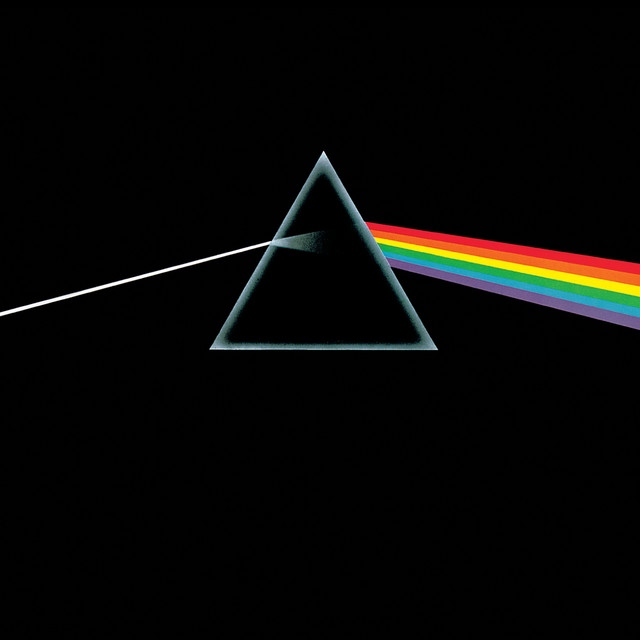
Pink Floyd – The Dark Side of the Moon (1973) Audiophile heaven. This album feels like it was pressed into existence for the express purpose of being played on vinyl, preferably at midnight.
Joni Mitchell – Blue (1971) Vinyl makes Joni’s voice sound like it’s coming from inside your ribcage. Pour some tea, dim the lights, and let this one whisper to your soul.
Daft Punk – Discovery (2001) Electronic music with a human heartbeat. On vinyl, every beep and bloop gets a second life, and those robot vocals? Iconic.
Miles Davis – Kind of Blue (1959) The ultimate chill record. It practically floats off the turntable. Vinyl gives each note a little more space to breathe.
Amy Winehouse – Back to Black (2006) The crackle of the vinyl pairs perfectly with the ache in Amy’s voice. Soul never sounded more lived-in.
Radiohead – OK Computer (1997) Cold, weird, beautiful — this album is a sci-fi prophecy that somehow feels more human on analog. Spin it and stare out a window.
Prince – Purple Rain (1984) That guitar solo in “Purple Rain” hits different when it’s coming from a vinyl groove. It’s a purple paradise.
Lauryn Hill – The Miseducation of Lauryn Hill (1998) A warm, soulful LP that wraps around you like a velvet hug. Play this one loud and feel every line.
The Beatles – Abbey Road (1969) The medley on side two is basically a vinyl flex. Flip it, and suddenly it’s magic.
David Bowie – The Rise and Fall of Ziggy Stardust (1972) Glam meets grit. The cover alone is worth the purchase, but the music? A starman waiting in the groove.
Bob Marley and the Wailers – Exodus (1977) Laid-back revolution. There’s something about reggae on vinyl that feels like a sunbeam for your ears.
Nirvana – MTV Unplugged in New York (1994) Every breath, every murmur — it’s all right there. Vinyl makes this already-intimate performance feel like it’s happening in your living room.
Taylor Swift – 1989 (Taylor’s Version) (2023) Pop gone analog! This one brings sparkly synths and heartbreak bangers to life on your turntable, and the colored vinyl is just the cherry on top.
Carole King – Tapestry (1971) Soft rock royalty. Vinyl lets you hear every nuance of Carole’s piano and every ache in her voice.
Beastie Boys – Paul’s Boutique (1989) A sample-packed collage of hip-hop brilliance. Spinning it on wax is like flipping through a pop-culture encyclopedia.
Bon Iver – For Emma, Forever Ago (2007) It sounds like it was recorded in a cabin with a single microphone. Vinyl only enhances the intimacy.
The Clash – London Calling (1979) Punk with purpose. There’s a fire in the grooves of this one. It’s meant to be turned up and turned over.
Billie Holiday – Lady in Satin (1958) Heartbreak on high fidelity. Vinyl gives Billie’s voice all the raw fragility it deserves. Every note is a soft thunderclap.
Collect them, spin them, love them. Because music like this? It deserves to be held.
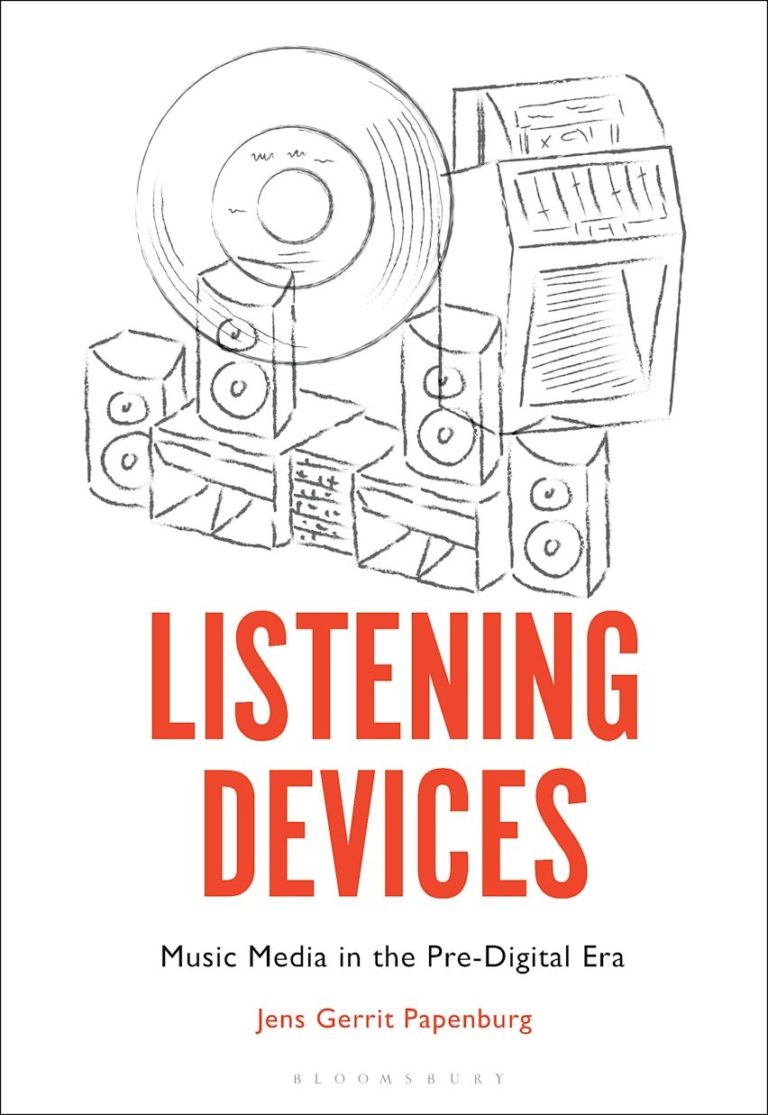
From 1940 to 1990, new machines and devices radically changed listening to music. Small and large single records, new kinds of jukeboxes and loudspeaker systems not only made it possible to playback music in a different way, they also evidence a fundamental transformation of music and listening itself. Taking the media and machines through which listening took place during this period, Listening Devices develops a new history of listening.Although these devices were (and often still are) easily accessible, up to now we have no concept of them. To address this gap, this volume proposes the term “listening device.” In conjunction with this concept, the book develops an original and fruitful method for exploring listening as a historical subject that has been increasingly organized in relation to technology.
Case studies of four listening devices are the points of departure for the analysis, which leads the reader down unfamiliar paths, traversing the popular sound worlds of 1950s rock ‘n’ roll culture and the disco and club culture of the 1970s and 1980s. Despite all the characteristics specific to the different listening devices, they can nevertheless be compared because of the fundamental similarities they share: they model and manage listening, they actively mediate between the listener and the music heard, and it is this mediation that brings both listener and the music listened to into being. Ultimately, however, the intention is that the listening devices themselves should not be heard so that the music they playback can be heard. Thus, they take the history of listening to its very limits and confront it with its “other”-a history of non-listening.
The book proposes “listening device” as a key concept for sound studies, popular music studies, musicology, and media studies. With this conceptual key, a new, productive understanding of past music and sound cultures of the pre-digital era can be unlocked, and, not least, of the listening culture of the digital present.
Jens Gerrit Papenburg is Professor of Musicology/Sound Studies at the University of Bonn, Germany. He is the co-editor of Sound as Popular Culture. A Research Companion (2016) and principal investigator of the research project Syncopation and Volume: Sounding Out Sonic Modernity, 1890-1945.
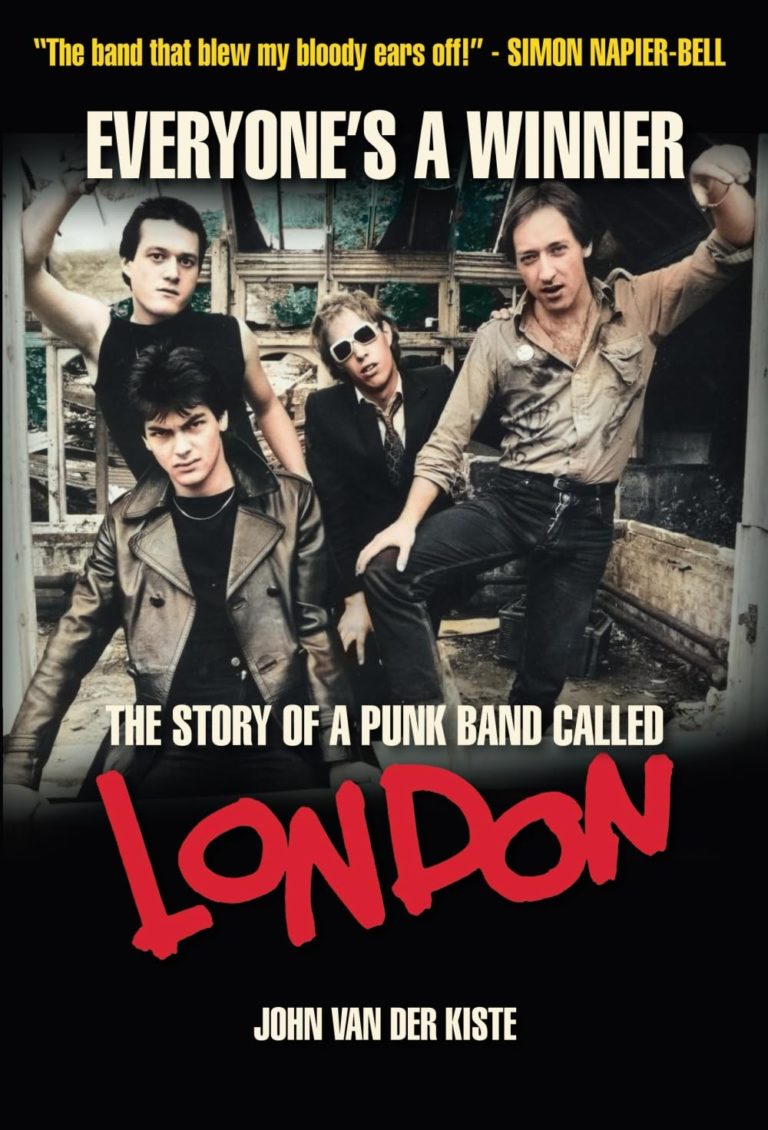
Simon Le Bon said they were the first band he ever saw, Paul Simonon of The Clash remembered them as “a great live band with good songs”, and Simon Napier-Bell described them as “the band that blew my bloody ears off!”
Everyone’s a Winner, The Story of a Punk Band Called London by John Van der Kiste, with a foreword by Simon Napier-Bell, is an illustrated history of the cult band including a song-by-song breakdown of their albums, a detailed discography, complete gig listings and over 300 photos.
Find out why Paul McCartney made a beeline for singer Riff at his Buddy Holly night and discover how London tried to pinch Captain Sensible from The Damned, only to have him steal their own drummer a few weeks later to replace Rat Scabies. Read about punch-ups on tour with The Stranglers, rubbing shoulders with all the punk greats of the day, and the time Sting nicked their original guitarist for The Police two days after he had joined London. Hear about their unlikely comeback 30 years later and their rock opera about 1960s gangland Soho.
Formed in 1976, London were Riff Regan (vocals), Steve Voice (bass/vocals), Dave Wight (guitar), and Jon Moss (drums). They quickly secured a contract with MCA Records, an experienced manager in Simon Napier-Bell, and the support slot on the Stranglers’ notorious Rattus Norvegicus tour. From this they built up a following that ensured enthusiastic audiences to this day.
They split just as their album Animal Games was released early in 1978. Drummer Jon Moss went on to form Culture Club with Boy George, and Riff Regan, under his real name Miles Tredinnick, became a comedy writer for Frankie Howerd. Regan and Voice then reformed the band in 2008 with Hugh O’Donnell (guitar) and Colin Watterston (drums). New albums followed with the release of Reboot in 2012 and The Hell for Leather Mob in 2020.
This illustrated history, including recollections from members of both line-ups, recounts the rollercoaster tale of a band who were there at the beginning of punk and reappeared 30 years later to take their place in a musical landscape that had changed beyond recognition. Their debut single says it all. Everyone’s a Winner!
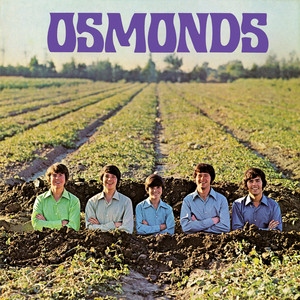
In the early 1970s, few acts matched The Osmonds in fame, fan frenzy, or chart success. As clean-cut teen idols turned rock performers, they dominated pop culture with hit records, a beloved TV variety show, and sold-out tours worldwide. Blending barbershop harmonies with pop and hard rock experimentation, the Osmonds helped define an era — and became one of America’s most recognizable musical families.
The original Osmond Brothers began as a barbershop quartet in 1958, performing to raise money for their brothers’ hearing aids.
Virl and Tom Osmond, the two eldest siblings, were born with severe hearing impairments and never performed musically with the group.
The family was discovered by Disney entertainment director Tommy Walker while singing at Disneyland.
Their first national TV appearance was on “The Andy Williams Show” in 1962, earning them the nickname “the one-take Osmonds.”
Donny joined the group on the Andy Williams show, making them a five-member act at just five years old.
The Osmonds’ first single was “Flower Music” in 1967, but it failed to chart.
Their breakout hit “One Bad Apple” hit #1 in 1971 and stayed there for five weeks.
The song “One Bad Apple” was originally written with The Jackson 5 in mind.
The Osmonds were among the first artists to record at Muscle Shoals Sound Studio.
The band’s 1972 hit “Crazy Horses” featured no vocals from Donny Osmond.
Marie Osmond scored a #1 U.S. country hit at just 13 years old with “Paper Roses” in 1973.
Jimmy Osmond was the youngest artist ever to hit #1 in the U.K. with “Long Haired Lover from Liverpool” in 1972.
The Osmonds released a concept album called The Plan in 1973, inspired by their Mormon faith.
The family ran their own television studio in Orem, Utah, where they produced The Donny & Marie Show.
Donny was nearly cast as the Teen Angel in Grease but turned it down for the film Goin’ Coconuts.
Merrill Osmond recorded a Top 40 country hit under the pseudonym “Merrill and Jessica” in 1987.
The Osmonds shifted to country music in the early 1980s and had a string of country chart hits.
Alan Osmond was diagnosed with multiple sclerosis and later retired from performing.
Alan’s sons performed as a second-generation group called The Osmond Boys in the 1980s and 90s.
The family avoided bankruptcy in the late ’70s by repaying debts with touring revenue instead of filing.
The Osmonds’ Las Vegas comeback show in 2008 marked their only U.S. stop during their 50th anniversary tour.
Jay Osmond wrote the story for The Osmonds: A New Musical, which toured the U.K. and Ireland in 2022.
The Osmonds received a star on the Hollywood Walk of Fame in 2003.
Despite 1970s chart dominance, their music is now rarely heard on classic hits radio.
In 2022, Merrill Osmond retired to serve a church mission, making Jay the final performing member of the original quartet.
The Rock and Roll Hall of Fame is no stranger to controversy, omissions, and delayed recognition. For every well-deserved induction, there are legends still waiting outside the doors, wondering what more they need to do to earn a spot. While fans debate the merits of genres, influence, and legacy, some names are so obvious they shouldn’t even be up for debate. Here are five artists the Rock Hall should induct without hesitation—because their resumes speak for themselves.
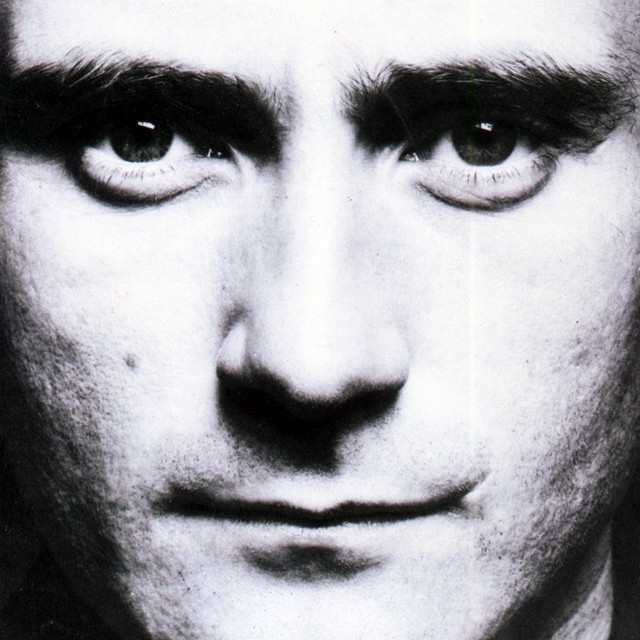
1. Phil Collins Already inducted as a member of Genesis, Phil Collins deserves a second honor for his solo career—no question. He’s sold over 150 million records worldwide, scored seven #1 Billboard Hot 100 singles, and shaped the sound of the 1980s with his instantly recognizable voice and gated-reverb drum sound. From “In the Air Tonight” to “Against All Odds,” Collins blended pop, rock, and soul in a way few others could, all while being a world-class drummer. If Eric Clapton, Paul McCartney, and Stevie Nicks can be inducted twice, Collins more than qualifies.
2. Oasis Britpop’s loudest and most volatile torchbearers have yet to make the Hall—absurd, considering the Gallagher brothers were the voice of a generation. Definitely Maybe and (What’s the Story) Morning Glory? weren’t just massive albums—they were global events. They reignited rock’s swagger in the ’90s, with Noel’s melodies and Liam’s snarl giving life to anthems like “Wonderwall” and “Don’t Look Back in Anger.” Their influence spans from Arctic Monkeys to Coldplay, and their legacy remains as culturally relevant as ever.
3. The Smiths Yes, Morrissey is divisive. No, it shouldn’t matter. The Smiths changed the course of alternative music with a sound that combined jangly guitars, sardonic wit, and unfiltered emotion. Johnny Marr’s guitar work was revolutionary, and Morrissey’s lyrical content—equal parts tragic, hilarious, and heartfelt—made countless misfits feel seen. Without The Smiths, there’s no Britpop, no indie revival, and no countless bands that followed in their shadow.
5. Smashing Pumpkins They helped define the sound of 1990s alternative rock, blending grunge, goth, and dream-pop into something entirely their own. With landmark albums like Siamese Dream and Mellon Collie and the Infinite Sadness, they pushed the boundaries of what rock music could be—both sonically and emotionally. Billy Corgan’s ambitious songwriting and the band’s layered, atmospheric production inspired a generation of musicians.
5. Iron Maiden One of the most successful and influential metal bands of all time, Iron Maiden are a global force. Albums like The Number of the Beast and Powerslave helped define heavy metal, and their live shows are the stuff of legend. With nearly 100 million albums sold and decades of sold-out tours, their absence from the Hall is baffling.
There’s something magical about hitting the reset button. Whether it’s a breakup, a breakthrough, or just a new pair of shoes, music has always been there to soundtrack the art of starting over. Here are 10 songs that capture the thrill, the heartbreak, and the wide-eyed wonder of beginning again — each one a sonic do-over in 2 to 3 lines.
1. “Begin Again” – Taylor Swift In classic Swift fashion, she captures that hopeful awkwardness of a first date after heartache. Acoustic, poetic, and set in a Parisian café — it’s a fresh start in cardigan form.
2. “Brand New Day” – Sting This one’s got harmonica, sunshine, and optimism for miles. It’s the anthem of dusting off yesterday and driving headfirst into tomorrow (bonus points for Stevie Wonder’s harmonica cameo!).
3. “Starting Over” – Chris Stapleton With a voice like warm bourbon and lyrics like a handwritten letter, Stapleton turns a fresh chapter into a full-blown road trip. It’s a love song, a leap of faith, and a back porch jam rolled into one.
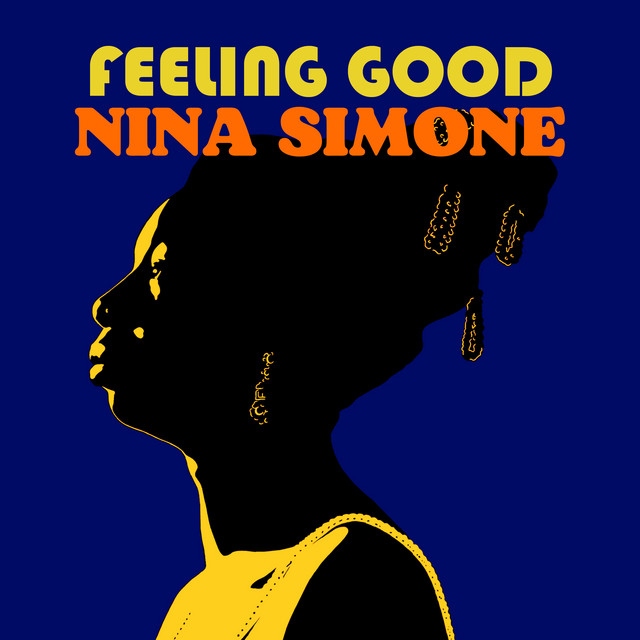
4. “Feeling Good” – Nina Simone Technically about a new dawn and a new day — but make no mistake, this is the sound of personal revolution. Birds flying high? That’s just Nina announcing your comeback.
5. “I’m Still Standing” – Elton John A glitter-drenched reminder that resilience can be loud, proud, and fabulous. Who says starting over can’t include sequins and piano flourishes?
6. “Dog Days Are Over” – Florence + The Machine This one doesn’t tiptoe into change — it sprints into it barefoot across a meadow. With drums like thunder and a voice like a battle cry, Florence leads the charge into your better days.
7. “Starting Over” – John Lennon A gentle reboot for romance, this post-Beatles gem is a love letter to second chances. It’s cozy, doo-woppy, and full of Lennonesque warmth.
8. “Born Again” – Third Day Gospel-tinged and spiritually soaring, this rock ballad frames starting over as a full transformation. Think baptism-by-guitar-solo.
9. “Unwritten” – Natasha Bedingfield Is it legally required to blast this at full volume during any life pivot? Possibly. It’s the unofficial theme song for journaling your way into a new you.
10. “Reset” – Outkast (André 3000 feat. Khujo) Deep cut alert! This futuristic funk-rap track from The Love Below is all about life’s big do-overs. It’s quirky, cosmic, and unmistakably André 3000 — just the way we like our fresh starts.
New beginnings aren’t always easy, but they sure sound good. Whether you’re reinventing your career, your love life, or your breakfast routine, these tracks are your melodic reset button. Now press play, take a breath — and begin again.