Home Blog Page 656

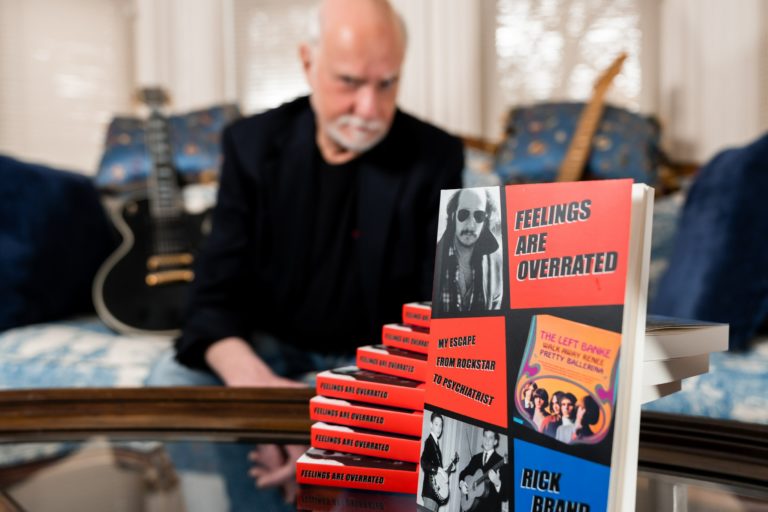
Rick “The RokDok” Brand MD Chronicles His Wild Ride From Rock Star To Psychiatrist In ‘Feelings Are Overrated’

0

The remarkable life of Dr. Rick “The RokDok” Brand, a man whose existence was nearly ended before it began alongside the dawn of the atomic age, is a tale of defiance, redemption, and profound transformation. Today, Dr. Brand unveils his gripping memoir, charting a course from being left back in high school to becoming a renowned psychiatrist, from the grooves of rock ‘n’ roll to the groves of academia.

Born in the shadow of World War II and raised in the rebellious streets of Greenwich VillageRick Brand’s tumultuous early life included brushes with academic failure and the law. A passion for music led him to pick up the 5-string banjo and guitar, setting him on a path that would see him become the lead guitarist of The Left Banke, immortalized by hits like “Walk Away Renée” and “Pretty Ballerina.”

However, it was his decision to leave the music industry and seek a new purpose that marked the beginning of an extraordinary second act. Entering City College of New York (CCNY) to test his academic potential, Rick not only passed but soared, graduating Phi Beta Kappa and Magna Cum Laude. His academic odyssey continued at New York Medical College and included training at The Metropolitan Hospital in NYC and The New York Hospital/Cornell Medical College in psychiatry.

Today, Dr. Rick Brand is the only US psychiatrist to have transitioned from rock star to medical professional, a journey that has earned him the title of Best Psychiatrist in Rockland County by Townline Magazine. His life’s work, woven with threads of music and medicine, has been dedicated to helping others reconstruct their lives.

“Every strum, every struggle, every note of my past has been a lesson in understanding the human condition,” Dr. Brand reflects. “This memoir isn’t just my story; it’s a roadmap for resilience and reinvention that I hope will resonate with anyone seeking to change their own narrative.”

Dr. Brand’s unique perspective as both rockstar and psychiatrist infuses his memoir with the sensibilities of someone who has truly lived through the extremes of human experience. His story is one not only of personal triumph but also of the broader human capacity to overcome and evolve.

10 Albums Released Under an Alias You Might Not Know About

Sometimes, the artist you’re listening to… isn’t the artist you’re technically listening to. Whether it’s to experiment without pressure, dodge a label contract, or just mess with expectations, musicians have long used aliases to release secret gems. If you like Paul McCartney, Garth Brooks, or Dave Grohl, you’re in for a treat—here are 10 albums that arrived with a disguise.

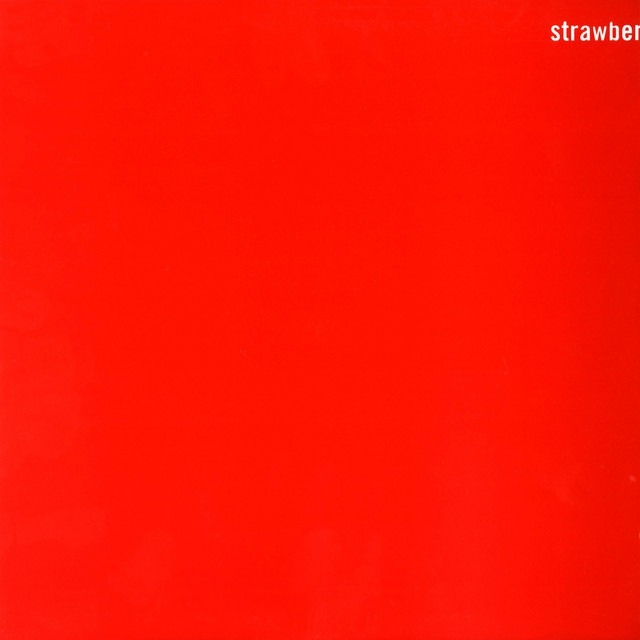
The Fireman – Strawberries Oceans Ships Forest
Paul McCartney teamed up with producer Youth to form The Fireman, ditching Beatles-esque balladry for ambient techno and electronic loops. Their 1993 debut confused fans but gained underground love. Not your dad’s Paul McCartney—and that’s the point.

Chris Gaines – Garth Brooks in… the Life of Chris Gaines
Before Childish Gambino and Sasha Fierce, Garth Brooks invented a fictional alt-rock star. The 1999 Chris Gaines album was part of a bigger film concept, but fans weren’t ready. The music? Surprisingly solid. The wig? Less so.

XTC – 25 O’Clock (as The Dukes of Stratosphear)
Andy Partridge and crew slipped into paisley shirts and vintage fuzz pedals to release this trippy homage to ’60s psychedelia. Meant as a spoof, it turned out to be one of their most beloved records. Sometimes the side project becomes the main course.

Percy “Thrills” Thrillington – Thrillington
In one of the most delightfully weird turns in McCartney’s career, he released a full orchestral version of Ram under the name Percy “Thrills” Thrillington. No one knew it was him for years, and honestly, it makes the whole thing even more charming.

The Network – Money Money 2020
Green Day went full Devo with their secret synth-punk band The Network. Released in 2003 with fake names, fake accents, and real hooks, it confused fans until they finally admitted the obvious: yes, it was them. And yes, it ruled.

The Three Wise Men – This Is Christmas
In 1983, XTC dropped a jangly Christmas tune under the name The Three Wise Men to avoid press and let the song stand on its own. It worked. To this day, it’s one of the catchiest seasonal singles by a band hiding in plain sight.

Hindu Love Gods – Hindu Love Gods
What do you get when you remove Michael Stipe from R.E.M. and insert Warren Zevon? A surprise blues-rock bar band that accidentally made an album in one night. Originally a jam session, it turned into a 1990 cult favorite full of raw covers and mischief.

Ben Colder – Ben Colder Sings Country & Western Hits
Sheb Wooley, best known for “The Purple People Eater,” created alter ego Ben Colder to spoof country hits with booze-soaked slurs and twisted lyrics. What started as parody became its own career, with multiple albums of gloriously goofy takes.

Shannon – Abergavenny
British rocker Marty Wilde had a surprise U.S. hit in 1969—but not under his real name. As Shannon, he delivered “Abergavenny,” a bubblegum slice of sunshine pop. It was nothing like his usual work, which is probably why it worked.

Corky Jones – Rhythm and Booze (Single)
Buck Owens before he was Buck Owens. In 1956, he dropped a rockabilly banger under the alias Corky Jones, trying his hand at a different sound. It’s a rare, rollicking glimpse into his pre-country fame—and it totally rocks.

25 Artists Who Just… VANISHED

Some left with a note. Some with a whisper. Some with nothing at all. These 20 artists were once at the center of the stage, riding the wave of fame—and then, poof. Whether they vanished in the literal sense or simply retreated from public life, each left behind a trail of unforgettable music and unanswered questions.

Agnetha Fältskog
The golden voice of ABBA’s most tender ballads, Agnetha was never comfortable with fame. After ABBA split in 1982, she released a few solo albums, then faded from the spotlight, retreating to a life of privacy in Sweden. Fans still hope she’ll surprise the world with another full-blown comeback, but Agnetha’s content staying quiet.

Bill Withers
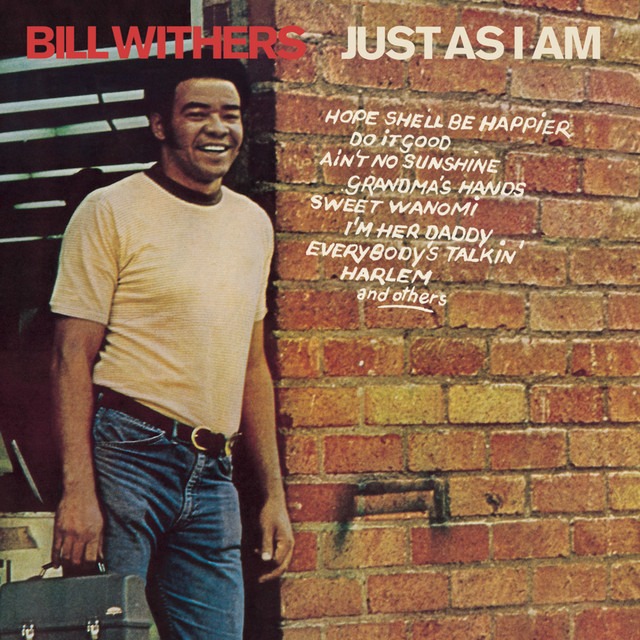
One of the smoothest, most soulful voices of the 1970s, Bill Withers gave us “Ain’t No Sunshine,” “Lean On Me,” and “Lovely Day”—and then walked away from it all in the mid-’80s. Frustrated by the music industry, he never made a comeback. No farewell tour, no last album—just a graceful exit.

Bobbie Gentry
After “Ode to Billie Joe” became a smash hit, Bobbie Gentry had the world’s attention—and then she walked away from it all. Her last public appearance was in the early 1980s, and she’s refused interviews and even contact with her own record label ever since. The mystery of what drove her into seclusion is as compelling as her songwriting.

Cat Stevens (Yusuf Islam)
In the late ’70s, Cat Stevens converted to Islam, changed his name, and walked away from his music career. For decades, he didn’t perform at all, focusing on religion and charity. Though he’s returned to music in recent years, that 30-year silence remains one of the most iconic disappearances in rock.

Connie Converse
An early folk pioneer, Connie Converse recorded haunting, literate songs in the 1950s—only to be completely forgotten until decades later. In 1974, she packed her belongings into her Volkswagen Beetle, left a goodbye note for her family, and was never seen again. Her music, unearthed in the 2000s, is now revered by critics and indie fans alike.

David Ackles
A cult favorite among fellow songwriters like Elvis Costello and Elton John, David Ackles never found mainstream fame. After a few brilliant albums in the late ’60s and early ’70s, he faded into the background, quietly teaching and writing, far from the spotlight his music deserved.

Eddie Wilson
Sorry, I had to. The heartthrob frontman of Eddie and the Cruisers was presumed dead after a mysterious car crash in 1964. But if you’ve seen the sequel—or listened closely to the whispers—you know the truth: Eddie didn’t vanish, he hid. Somewhere out there, maybe he’s still writing songs that could save rock and roll. Or maybe he’s just watching us from the Jersey shore, grinning at the legend he became.

Grace Slick
The powerhouse voice behind Jefferson Airplane’s “White Rabbit” and “Somebody to Love,” Grace Slick called it quits in the late 1980s. She decided rock and roll was a young person’s game and made good on her word—rarely appearing in public, choosing instead to paint and keep her opinions sharp from afar.

Izzy Stradlin
The most enigmatic member of Guns N’ Roses, Izzy quietly left the band in 1991, citing burnout and chaos. Though he’s popped up occasionally on solo albums and surprise guest spots, he’s never fully returned to the limelight. Izzy remains the “coolest guy in the band” who walked away when things got too loud.

Jim Sullivan
A cult singer-songwriter who blended folk, rock, and cosmic mysticism, Jim Sullivan released U.F.O., then vanished. In 1975, he drove into the New Mexico desert, left his guitar and belongings in his car, and was never seen again. Theories range from foul play to alien abduction, but nothing’s ever been proven.

Joni Mitchell
Yes, she’s legendary. Yes, she still appears now and then. But after an aneurysm in 2015 and years of keeping the press at arm’s length, Joni Mitchell disappeared from music for long stretches. Her reemergence at recent events has been thrilling, but her decades-long silences speak volumes about her need for solitude.

John Deacon
The bassist of Queen wrote some of their most enduring hits, including “Another One Bites the Dust.” After Freddie Mercury’s death, John quietly left the band and refused to participate in reunions. He’s rarely seen, never interviewed, and reportedly wants nothing to do with the music business today.

Mark Hollis
The creative force behind Talk Talk, Hollis took pop music to strange, beautiful places—then stopped. After his 1998 solo album, he stepped away entirely, citing a desire to focus on family. Hollis never toured, rarely gave interviews, and died in 2019 as quietly as he’d lived for decades.

Peter Green
Fleetwood Mac’s early visionary, Peter Green, walked away from fame after a mental health crisis in the early ’70s. Diagnosed with schizophrenia, he disappeared from the scene for years, living quietly and playing only sporadically. His influence on blues-rock remains monumental—even if he no longer wanted the spotlight.

Phil Spector (Pre-Conviction)
Before his tragic downfall and criminal conviction, Phil Spector had already become a recluse. The “Wall of Sound” architect withdrew from public life in the ’80s, rarely giving interviews or producing records. Long before prison walls, he built his own.

Richey Edwards
The lyricist and rhythm guitarist of Manic Street Preachers, Richey was as brilliant as he was troubled. In 1995, he disappeared before a U.S. tour, and his car was later found near a known suicide site. No body has ever been discovered, and he was declared legally dead in 2008.

Syd Barrett
Pink Floyd’s original frontman was a psychedelic prophet and a tragic tale. After deteriorating mental health and erratic behavior, Barrett was replaced in the band and retreated to a quiet life in Cambridge. He rarely spoke of his time in the band and refused all interviews for decades.

Tony Rich
After his Grammy-winning 1996 hit “Nobody Knows,” Tony Rich quietly stepped away from the limelight. He released a few under-the-radar albums afterward, but the man who once topped the charts virtually disappeared. His blend of R&B and soul remains quietly influential.

Tracy Chapman
With hits like “Fast Car” and “Give Me One Reason,” Tracy Chapman left a mark—but then she left the game. Rare interviews, no social media, and almost no public appearances have added to her legend. When she returned in 2024 to perform with Luke Combs at the Grammys, it was a moment of awe.

Vashti Bunyan
After releasing Just Another Diamond Day in 1970, Vashti Bunyan disappeared into rural life, convinced her music career was over. Decades later, her record became a cult favorite and she returned for a quiet, triumphant second act. Proof that sometimes disappearing is only the beginning.

Wesley Willis
The outsider artist who turned his schizophrenia into hilariously honest keyboard songs about everything from Batman to McDonald’s, Wesley Willis toured endlessly in the ’90s before retreating due to illness. He died in 2003, but his spirit remains cult-level strong.

Wendy Carlos
The trailblazing composer who brought synthesizers to classical music with Switched-On Bach has long been out of the spotlight. Despite her massive influence on film scores (A Clockwork Orange, The Shining), she’s lived a fiercely private life and rarely grants interviews. A mysterious genius, by choice.


20 Power Pop Bands You Might Not Know (But Will Absolutely Love)

If you love the punch of Cheap Trick, the jangle of Big Star, the sugar rush of The Knack, or the swooning brilliance of Teenage Fanclub, then these are for you. Power pop isn’t about chasing trends—it’s about chasing that feeling. The feeling when the chorus hits, when the guitars chime, and when three minutes of music sounds like pure heartbreak in a sunbeam. These bands didn’t always top the charts, but they nailed the genre’s sweet spot: melody, melancholy, and maximum volume.

Here are 20 power pop bands you might not know—until today.

20/20
With songs as tight as their band name, Tulsa-to-LA transplants 20/20 delivered flawless, guitar-forward harmonies that made them cult heroes of the late ‘70s. “Yellow Pills” should have been a top 10 hit in any fair universe.

The Beat (Paul Collins’ Beat)
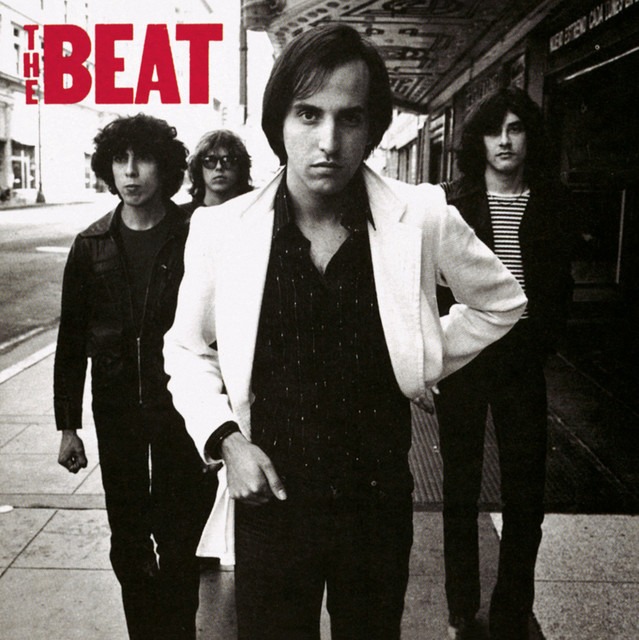
Former member of The Nerves, Paul Collins took jangly guitars and turned them into rocket fuel. If you like your hooks with urgency, The Beat is your go-to record.

Blue Ash
Hailing from Ohio, Blue Ash was one of the earliest American bands to channel Beatlesque beauty with bar-band bite. Their debut No More, No Less is a power pop essential.

Cotton Mather
This Austin band wrote songs like lost Lennon-McCartney gems—smart, layered, and impossibly catchy. 1997’s Kontiki is cult-adored and deserved a Grammy.

Dwight Twilley Band
Part Elvis, part Beatles, all heart. Dwight Twilley and Phil Seymour’s chemistry powered hits like “I’m On Fire,” but their deeper cuts are power pop goldmines.

Flamin’ Groovies
They predated punk and outlasted trends. Shake Some Action is jangly, dangerous, and romantic all at once—a record that could convert any cynic.

Fountains of Wayne
Sure, everyone knows “Stacy’s Mom,” but Adam Schlesinger and Chris Collingwood were the Lennon & McCartney of suburbia. Utopia Parkway is an all-killer-no-filler masterpiece.

Game Theory
Led by the late Scott Miller, Game Theory blended collegiate braininess with soaring choruses. Lolita Nation is weird, wired, and wonderful.

The Grip Weeds
Mixing mod psychedelia with power pop crunch, this New Jersey band channels the Who as much as the Byrds. Think Rickenbackers with a fuzz pedal.

Jellyfish
They only released two albums, but they both sparkle like Sgt. Pepper’s fever dreams. Their Technicolor harmonies and Beatles-on-bubblegum arrangements earned them die-hard fans.

Material Issue
The pride of Chicago’s early-‘90s scene, these guys wrote urgent songs about heartbreak, highways, and Friday nights. Their debut International Pop Overthrow gave a whole festival its name.

The Nerves
Before Blondie covered “Hanging on the Telephone,” The Nerves were the real deal: DIY legends with lean, mean hooks and a relentless sense of rhythm.

P. Hux (Parthenon Huxley)
The name alone should have gotten him a Grammy, but his albums are full of pristine melodies, ringing guitars, and lyrical optimism dressed in melancholy.

Shoes
Zion, Illinois’ finest. Clean guitar tones, bedroom-recorded vocals, and timeless choruses—Shoes built the blueprint for lo-fi romantic pop.

Sloan
Canadian alt-rock legends with four songwriters and endless harmonies. Power pop never sounded this democratic, and albums like Twice Removed and One Chord to Another are stacked.

Sorrows
One of the great lost NYC bands of the early ’80s, Sorrows were punchy, melodic, and tight as a drum. Teenage Heartbreak is their holy grail.

Splitsville
Unfairly buried in the late-‘90s shuffle, Splitsville could have ruled the charts in 1978. Start with The Complete Pet Soul—yes, it sounds exactly like that hybrid suggests.

The Outfield
Best known for their smash hit “Your Love,” The Outfield delivered far more than one stadium-ready anthem. With their crisp guitar lines, soaring harmonies, and bittersweet lyrics, they brought British power pop to American FM radio in the 1980s with style. Their debut album Play Deep is a masterclass in radio-friendly jangle rock, and Tony Lewis’ voice could cut through any crowd. Dig deeper—they’ve got more hooks than a tackle box.

The Spongetones
If the Beatles had stayed in Hamburg and recorded in a Carolina garage, you’d get The Spongetones. Their hooks are vintage, but their energy is forever.

Velvet Crush
Signed by Creation Records and blessed by R.E.M., this Rhode Island band wrapped jangly guitars around heartsick lyrics with effortless cool.

15 Album Covers You Didn’t Know Were Designed By Peter Blake (And One You Definitely Did)

Sir Peter Blake is the godfather of pop art and a knight of the collage. He’s the man who made album art as iconic as the music inside—mixing rock stars with wrestlers, folklore with freak-outs, and turning sleeves into gallery walls. Everyone knows he designed Sgt. Pepper’s Lonely Hearts Club Band… because of course who else would have ever thought of it? It’s the most obvious album art answer of all time. But here are 15 other sleeves that carry his visual fingerprints—and maybe a little glitter glue.

Apples – Ian Dury
One of Blake’s most tender pieces of cover work, this 1989 sleeve paid tribute to his former art student, Ian Dury. Filled with playful innocence and sly melancholy, it’s Dury’s punk poetry visualized.

A Little Girl Dreams of Taking the Veil – David Sylvian
Blake meets surrealism in this moody and mysterious 1987 collaboration. Ethereal and haunting, it’s Blake dialing down the color and cranking up the dreamlike strangeness.

Band Aid – Do They Know It’s Christmas?
A who’s-who collage of 1984’s biggest pop stars. Leave it to Peter Blake to turn the world’s most star-studded charity single into a festive pop-art patchwork of musical goodwill.

Brand New Boots and Panties – Various Artists
This Ian Dury tribute is Blake going full Blake—cut-out chaos, candy-colored nostalgia, and loving nods to his former student’s legacy. One of the busiest and boldest sleeves of the 2000s.

Champagne Supernova – Oasis
For the single sleeve of one of Britpop’s most cosmic tracks, Blake paired surrealism with psychedelia. A champagne glass, some stars, and a little mystery—Gallagher-approved.

Colours – A Stranger Shadow
One of his lesser-known sleeves, but still distinctly his. Collage, color blocks, and found imagery swirl into something both classic and contemporary.

Face Dances – The Who
Multiple artists were involved, but Blake’s hand is all over this 1981 cover. He turned the band’s faces into a pop-art guessing game, like Warhol meets yearbook photos.

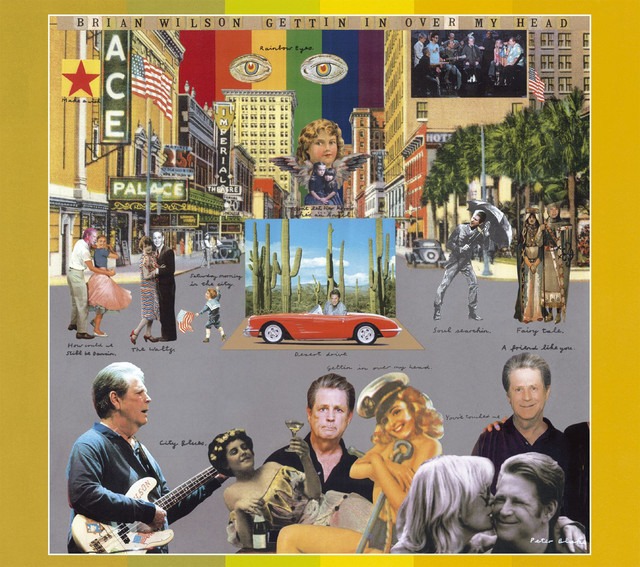
Gettin’ In Over My Head – Brian Wilson
For a Beach Boys legend, Blake brought California surrealism to life. It’s dreamlike, Dali-esque, and somehow makes Brian Wilson look like a Victorian daydreamer.

I’m Frank – The Fall
Yes, Peter Blake did a sleeve for The Fall. It’s stark, strange, and playfully serious—perfect for Mark E. Smith’s off-kilter genius.

Leaving Home – Mark Knopfler’s Guitar Heroes
Blake combined guitars, gravitas, and golden age aesthetics for this under-the-radar gem. It feels like a scrapbook of six-string history.

Manhattan Boogie Woogie – Landscape
A tribute to Mondrian via synth-pop. Blake injected strict lines with rhythmic energy, transforming minimalism into maximalist motion.

Me and Mr. Johnson – Eric Clapton
Clapton covers Robert Johnson, and Blake covers Clapton. This one’s vintage without being dusty—a respectful nod to the blues in collage form.

Stanley Road – Paul Weller
Blake’s collage style finds its perfect match in Weller’s mod revivalism. This is one of his most celebrated sleeves—a bold, brash, British masterpiece.

Stop the Clocks – Oasis
This cover is Sgt. Pepper’s meets Definitely Maybe through a dream filter. A living room filled with absurdity, nostalgia, and Blake’s personal brand of chaos.

Sgt. Pepper’s Lonely Hearts Club Band – The Beatles
You’ve heard of it, maybe? This is Peter Blake’s Mona Lisa. The cover that launched a thousand parodies, puzzle hunts, and theories. It’s the most famous collage in rock history—and Blake got £200 and no royalties. Talk about a bargain bin steal.

Peter Blake made music visible. Every sleeve is a miniature museum, a time capsule of pop culture in Technicolor. And if you’ve ever judged an album by its cover, chances are Sir Peter Blake was the judge and jury.

25 Of The Greatest Songs Ever Written For Movies

Some songs are written to serve a scene. These were written to define the movie—and then broke free and became cultural touchstones on their own. They changed the way we feel, the way we listen, and the way we remember the films they came from.

“(Everything I Do) I Do It for You” – Bryan Adams (Robin Hood: Prince of Thieves)
This song was everywhere in 1991—and for good reason. Adams delivered an earnest, sweeping ballad that took medieval romance and made it a pop radio juggernaut. It was all heart, all drama, and absolutely everywhere.

“9 to 5” – Dolly Parton (9 to 5)
Office life never sounded so catchy. Dolly tapped her acrylic nails, wrote a working woman’s anthem, and turned frustration into feel-good fire. She gave voice to millions—and topped the charts doing it.

“Against All Odds” – Phil Collins (Against All Odds)
Phil Collins poured heartbreak into this ballad like it was the last song he’d ever sing. The aching piano, the soaring chorus and that signature drum swell we all secretly live for, this track still hits with the same desperate beauty decades later.

“Arthur’s Theme (Best That You Can Do)” – Christopher Cross (Arthur)
Christopher Cross captured the magic of falling in love in a city that never sleeps. Breezy and bittersweet, this soft-rock gem floated over romantic comedy royalty and made “the moon and New York City” iconic.

“Burn” – The Cure (The Crow)
This isn’t just a soundtrack cut—it’s a full-blown seance. Moody, swirling, and filled with longing, “Burn” captured the gothic soul of The Crow and became one of The Cure’s most cinematic moments.

“Call Me” – Blondie (American Gigolo)
Debbie Harry met Giorgio Moroder and made magic. “Call Me” strutted, synth-first, into the ‘80s with style and sass. It gave a sleazy film a shot of cool that still lasts.

“Danger Zone” – Kenny Loggins (Top Gun)
If jet engines made music, it would sound like this. “Danger Zone” is pure adrenaline, pure ‘80s, and pure power chords. It blasted straight through it.

“Don’t You (Forget About Me)” – Simple Minds (The Breakfast Club)
The final fist-pump. The echoing vocals. The ultimate anthem for teenage alienation. This was the soul of the ‘80s in under five minutes.

“Endless Love” – Diana Ross & Lionel Richie (Endless Love)
A duet so timeless, it practically melts the tape it’s printed on. Ross and Richie brought every ounce of emotion to this slow-burning love song—and made hearts swoon in theaters and beyond.

“Eye of the Tiger” – Survivor (Rocky III)
This song attacks. From the first guitar strike, you know you’re in for a training montage. Survivor gave Rocky his anthem, and the world its go-to pump-up track.

“Fight the Power” – Public Enemy (Do the Right Thing)
Urgent, electrifying, and furious. Public Enemy dropped a bomb. It’s protest, pride, and power rolled into one of the most important hip-hop tracks of all time.

“Gangsta’s Paradise” – Coolio feat. L.V. (Dangerous Minds)
Coolio took Stevie Wonder’s “Pastime Paradise” and turned it into a prayer from the edge. It was gritty, poetic, and raw—introducing millions to the real-life lessons school never taught.

“I Have Nothing” – Whitney Houston (The Bodyguard)
Whitney could sing the weather report and win a Grammy. But here, she gives everything. A vocal masterclass wrapped in pain, power, and pure emotion.

“Knockin’ on Heaven’s Door” – Bob Dylan (Pat Garrett and Billy the Kid)
A whisper in the wind. Dylan’s folk hymn captured mortality better than any monologue ever could. It’s a song for sunsets, endings, and everything in between.

“Lose Yourself” – Eminem (8 Mile)
This was just Eminem’s story and ended up becoming everybody’s. He gave us one shot, one opportunity, and it paid off in full. A full-throttle anthem of hunger and heart.

“Miss Misery” – Elliott Smith (Good Will Hunting)
Elliott’s delicate ache gave the film its bruised emotional core. “Miss Misery” floats and stings, feeling like a secret you weren’t meant to hear but can’t stop listening to.

“One Of The Living” – Tina Turner (Mad Max Beyond Thunderdome)
Power meets apocalypse. Tina Turner gave Mad Max the musical muscle it needed, turning chaos into a pounding, electrified anthem. She was the Thunderdome.

“Over the Rainbow” – Judy Garland (The Wizard of Oz)
The moment cinema learned to dream in color. Garland’s voice carried every child’s wish into the sky—and it’s been echoing in our hearts ever since.

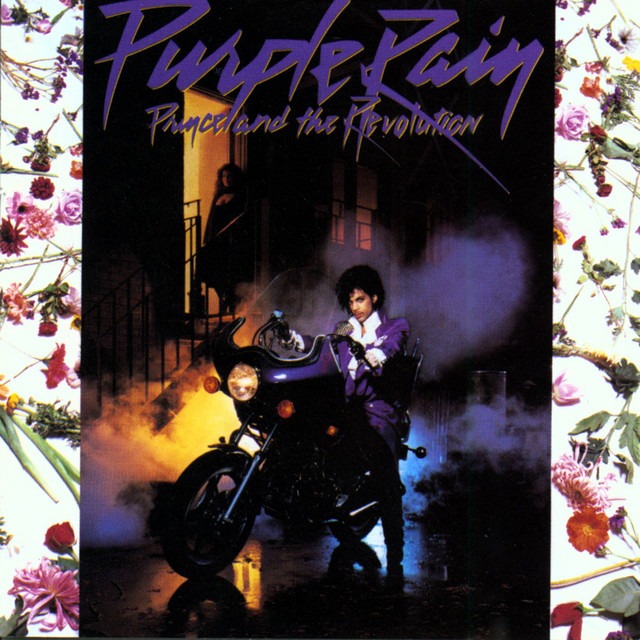
“Purple Rain” – Prince (Purple Rain)
Every guitar solo a lightning strike. Prince didn’t just star in the movie—he made it soar. “Purple Rain” is emotional thunder, epic and unforgettable. Pick the whole album to choose from.

“Rainbow Connection” – Kermit the Frog (The Muppet Movie)
With a banjo and a dream, Kermit taught us that hope doesn’t need volume—it needs heart. It’s simple, sweet, and quietly profound.

“Stayin’ Alive” – The Bee Gees (Saturday Night Fever)
Disco was never the same, and this song is a cultural earthquake. That falsetto still struts like it owns the sidewalk.

“Streets of Philadelphia” – Bruce Springsteen (Philadelphia)
Quiet devastation. Springsteen stripped away everything but a drum machine and a whisper of grief. It’s not just a song—it’s a moment of silence turned into melody.

“Sunflower” – Post Malone & Swae Lee (Spider-Man: Into the Spider-Verse)
This one stuck. Its smooth, laid-back vibe carried superhero swagger and radio replayability in equal measure. The anthem Miles Morales deserved.

“Superfly” – Curtis Mayfield (Superfly)
Social consciousness, set to a groove so tight it could cut glass. Mayfield elevated the film with funk, soul, and a whole lot of truth.

“When Doves Cry” – Prince (Purple Rain)
No bass, all brilliance. Prince ripped open his soul, poured it into the speakers, and rewrote the rules of pop, funk, and heartbreak in one go.

These songs just made the movies better. They’ve lived on in radio rotations, wedding playlists, karaoke nights, and headphones everywhere. They told stories bigger than scripts, and melodies deeper than plot.

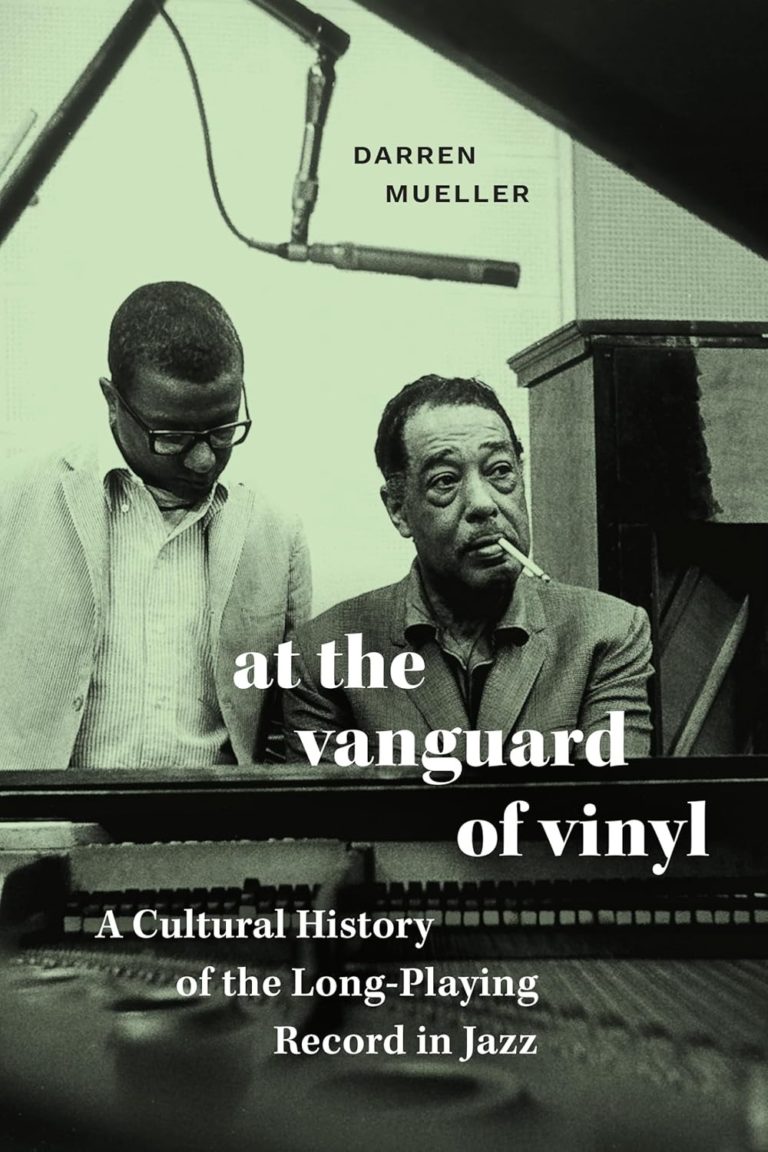
Darren Mueller’s ‘At The Vanguard Of Vinyl’ Explores How LPs Reshaped Jazz And Black Modernity In The 1950s

0

In At the Vanguard of Vinyl, Darren Mueller examines how the advent of the long-playing record (LP) in 1948 revolutionized the recording and production of jazz in the 1950s. The LP’s increased fidelity and playback capacity allowed lengthy compositions and extended improvisations to fit onto a single record, ushering in a period of artistic exploration. Despite these innovations, LP production became another site of negotiating the uneven power relations of a heavily segregated music industry. Exploring how musicians, producers, and other industry professionals navigated these dynamics, Mueller contends that the practice of making LPs significantly changed how jazz was created, heard, and understood in the 1950s and beyond. By attending to the details of audio production, he reveals how Black musicians such as Louis Armstrong, Miles Davis, Duke Ellington, and Charles Mingus worked to redefine prevailing notions of race and cultural difference within the United States. Mueller demonstrates that the LP emerges as a medium of sound and culture that maps onto the more expansive sonic terrain of Black modernity in the 1950s.

Darren Mueller is Assistant Professor of Musicology at the Eastman School of Music, University of Rochester, and coeditor of Digital Sound Studies, also published by Duke University Press.

‘Zip It Up!’ Chronicles A Decade Of Rock Writing From The Pages Of Trouser Press

0

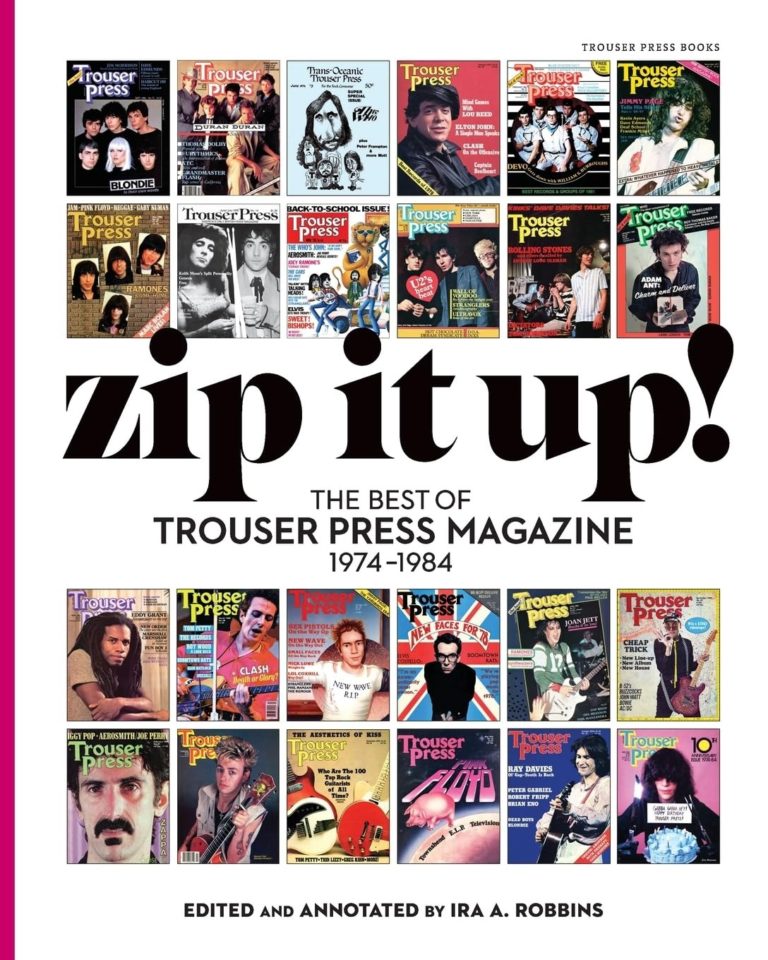
Trouser Press magazine began as a mimeographed fanzine in March 1974 and grew to a 60,000-circulation glossy rock music monthly. Started by two high school Who-freak friends and a Jeff Beck fanatic they’d recently met, Trouser Press published 96 issues over the following decade, covering everything from British Invasion bands, ’70s arena rock and prog to punk, new wave, synth-pop, post-punk and reggae.

Zip It Up! The Best of Trouser Press Magazine 1974-1984 by Ira Robbins is an annotated anthology of the music writing that appeared in the magazine.

Annotated with recollections and reflections on the changing times, the ridiculous business of independent magazine publishing and the colorful, complicated artists — illustrated with cartoons, covers, documents and ads from the Trouser Press archive — Zip It Up! is vintage rock journalism of a form that is no longer widely practiced: features heavy on historical detail and lengthy, probing interviews, all written with wit, intelligence and a willful expression of opinions and values. It is also an extensive document of rock’s evolution from the 1970s to the mid-’80s, often capturing now-iconic bands in the early stages of their existence. By turns reverent, snarky, adulatory and cynical, Zip It Up! is a rich grazing ground for fans and students of music and music journalism.

The book is divided into sections covering the Sixties, Classic Rock, Glam Rock, Art and Prog Rock, the Roots of Punk, US / UK Punk and New Wave, Reggae, Post-Punk and more.

Features on and interviews with Jimmy Page, the Clash, the Go-Go’s, Pete Townshend, Robert Fripp, Eddy Grant, the Sex Pistols, Frank Zappa, Cheap Trick, Kate Bush, Peter Tosh, the Ramones, Blondie, Todd Rundgren, Kiss, the New York Dolls, Laurie Anderson, the Kinks, Ritchie Blackmore, Lou Reed, Bryan Ferry, Brian Eno, T. Rex, U2, Television, Graham Parker, the Small Faces, Syd Barrett, R.E.M., Devo, Black Flag and much more.

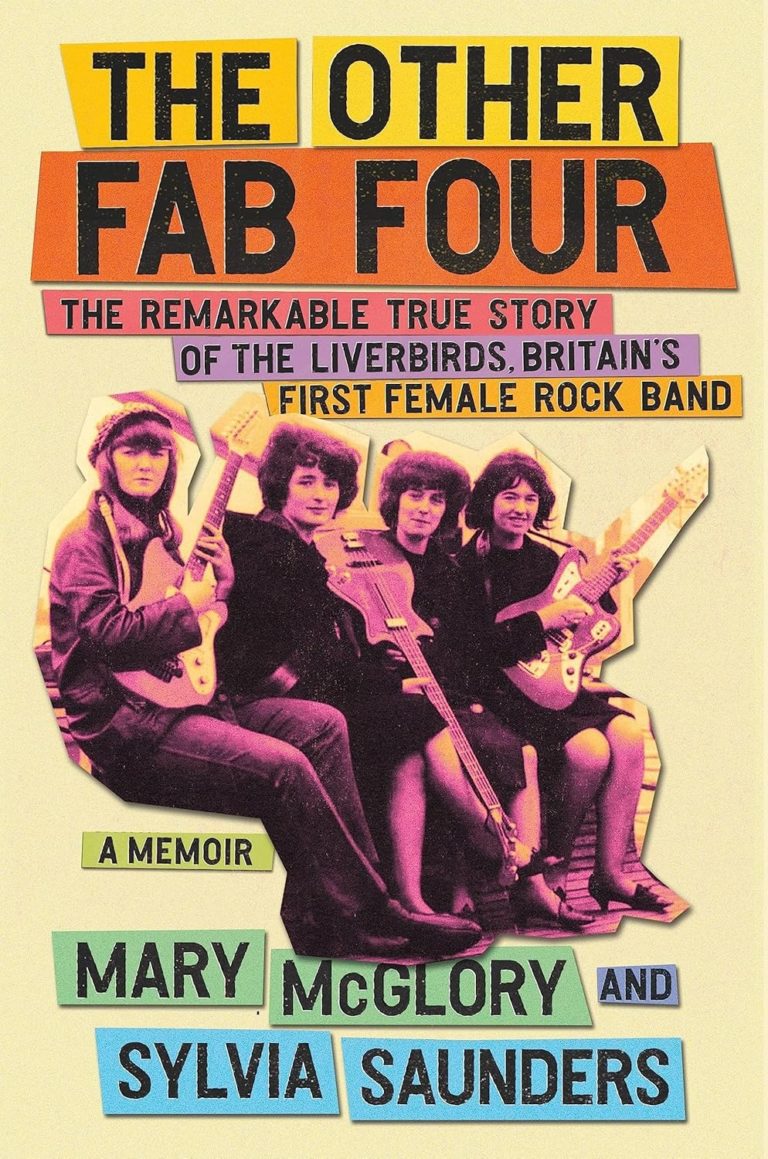
‘The Other Fab Four’ Tells The Groundbreaking Story Of The Liverbirds, Britain’s First All-Female Rock Band

0

For readers of Sheila Weller’s Girls Like Us comes a fiercely feminist, heartwarming story of friendship and music about The Liverbirds, Britain’s first all-female rock group.

In The Other Fab Four: The Remarkable True Story Of The Liverbirds (Kindle Edition), Mary McGlory and Sylvia Saunders share the electrifying rise and bittersweet legacy of Britain’s first all-female rock band. Inspired by a 1962 Beatles show at The Cavern Club, four self-taught teenage girls from Liverpool—Mary, Sylvia, Valerie Gell, and Pamela Birch—set out to prove women could rock just as hard as the boys. Touring with icons like the Rolling Stones and Chuck Berry, The Liverbirds came heartbreakingly close to lasting fame before life pulled them apart. This memoir is a fierce, feminist look at music history through the eyes of its true pioneers.

The idea for Britain’s first female rock band, The Liverbirds, started one evening in 1962, when Mary McGlory, then age 16, saw The Beatles play live at The Cavern Club in Liverpool, the nightclub famously known as the “cradle of British pop music.” Then and there, she decided she was going to be just like them—and be the first girl to do it.

Joining ranks in 1963 with three other working-class girls from Liverpool—drummer Sylvia Saunders and guitarists Valerie Gell and Pamela Birch, also self-taught musicians determined to “break the male monopoly of the beat world”—The Liverbirds went on to tour alongside the Rolling Stones, the Kinks, and Chuck Berry, and were on track to hit international stardom—until life intervened, and the group was forced to disband just five years after forming in 1968.

Now, Mary and Sylvia, the band’s two surviving members, are ready to tell their stories. From that fateful night in 1962, when Mary, who once aspired to become a nun, decided to provide for her family by becoming a rich-and-famous rocker, to the circumstances that led to the band splitting up—Sylvia’s dangerously complicated pregnancy, and the tragic accident that paralyzed Valerie’s beau—The Other Fab Four tackles family, friendship, addiction, aging, and the forces—even destiny—that initially brought the four women together.

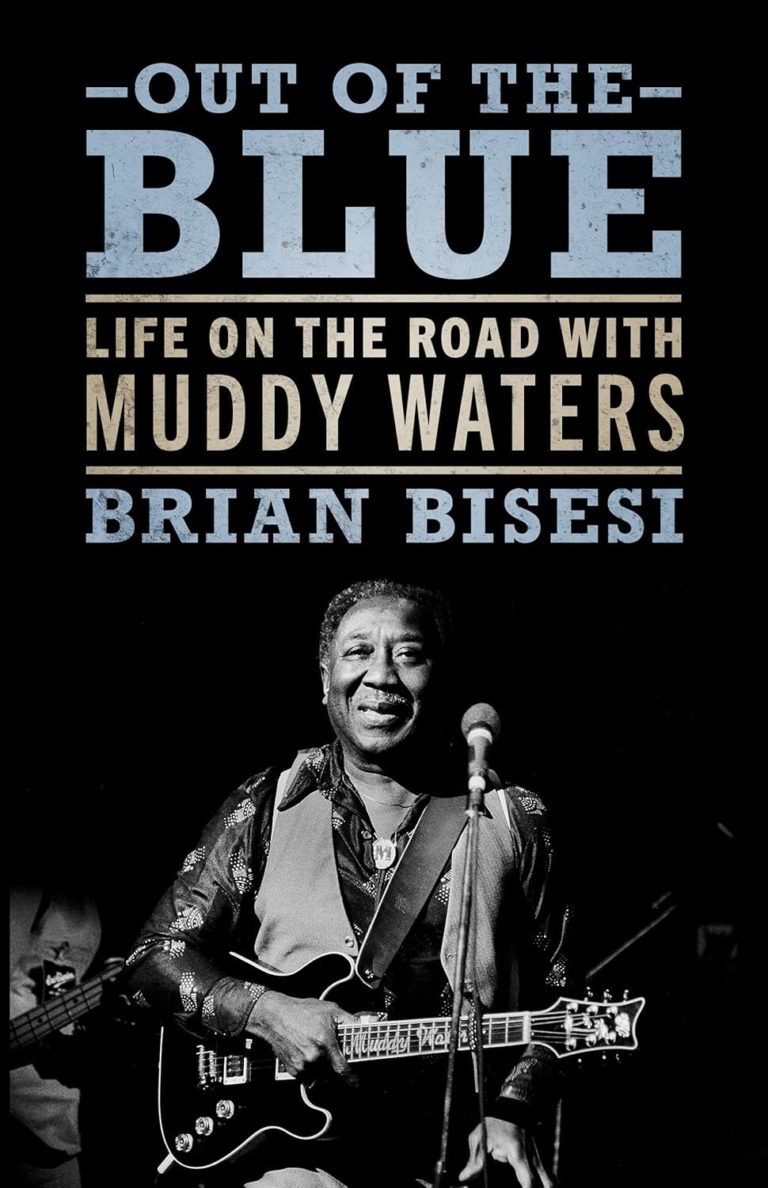
Brian Bisesi’s ‘Out Of The Blue’ Recounts Life On The Road With Muddy Waters At The Height Of His Legacy

0

Out of the Blue: Life on the Road with Muddy Waters begins with a moment lifted from a young musician’s dreams. Brian Bisesi, a guitarist barely out of his teens, is invited on stage to fill in for a missing member of the band backing blues legend Muddy Waters. This life-changing quirk of fate opens the door into a world of challenges and opportunities that Bisesi, an Italian American reared in the comforts of a New York City suburb, can barely imagine. Despite their differences, Bisesi and Waters hit it off, and what might have been a one-night stand turns into a career. From 1978 to 1980, Bisesi works for Waters as his road manager, bean-counter, and at times his confidant, while often sitting in with the band.

Bisesi’s years with the band take him to Europe, Japan, Canada, and across the United States as Waters tours—and parties—with rock gods like Eric Clapton, the Rolling Stones, a Beatle, and the gamut of musicians who came of age with Waters and introduced a younger generation to the blues. In Out of the Blue, Bisesi captures it all: from the pranks and tensions among bluesmen enduring a hard life on the road, to observations about Waters’s technique, his love of champagne and reefer, his eye for women, and his sometimes-acrid views of contemporary music. Bisesi has sharp insights into the ill-conceived management decisions that led to the dissolution of Waters’s longest-serving band in June of 1980. This book will rivet, amuse, and occasionally infuriate blues aficionados. It is a raucous and intimate portrait of the blues scene at a pivotal moment in time that fascinates music historians and blues fans alike.