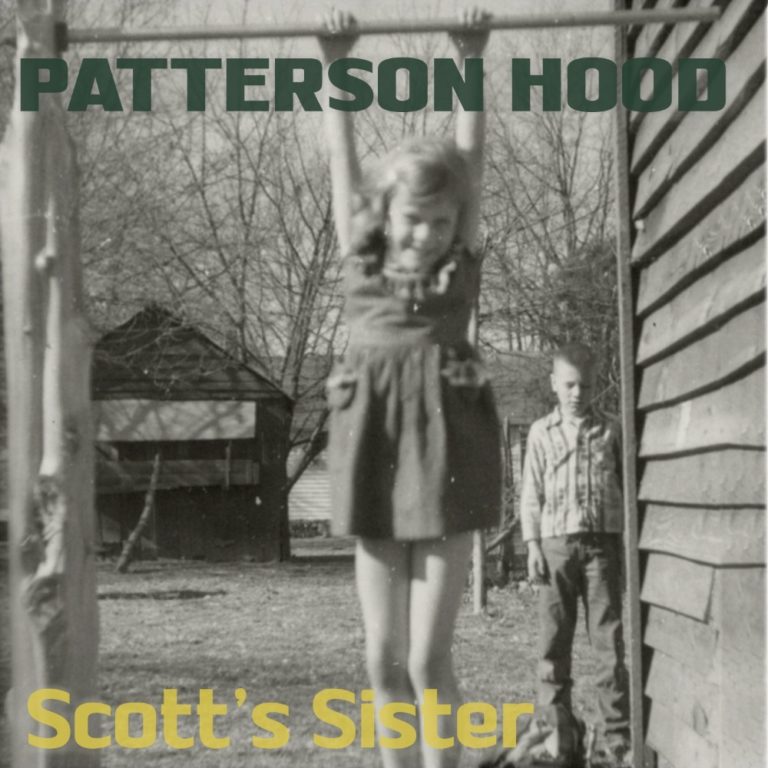
Drive-By Truckers co-founder Patterson Hood returns with a song straight from the heart. His new single, “Scott’s Sister,” out now via ATO Records, is a tender, deeply personal piece that finds Hood at his storytelling best. The release arrives with a stunning lyric video built from aerial footage of his hometown of Florence, Alabama — a place where memory and melody intertwine.
The footage, captured by pilot John David Apkarian of Wings Over Bama, floats above the landscapes that shaped Hood’s music and life, perfectly framing the emotional weight of his lyrics. Originally written for Exploding Trees & Airplane Screams, “Scott’s Sister” continues what Hood calls his “Family Mythology” series — songs that dive into the complicated, beautiful mess of kinship, legacy, and love.
“‘Scott’s Sister’ was the first song I wrote for what became my Exploding Trees & Airplane Screams album,” Hood shares. “My mom and her brother have had an often contentious relationship through the years. I consider it a sweet song, actually one of the sweetest I’ve ever written.” Recorded at The Panthera in Portland, the track features Nate Query of The Decemberists on upright bass and Kyleen King adding viola, violin, and harmonies — each note breathing warmth into the story.
Built on honesty and quiet grace, “Scott’s Sister” is the sound of a songwriter still finding new ways to tell the truth. For longtime fans and new listeners alike, it’s a reminder of why Patterson Hood remains one of Americana’s most genuine voices — always writing from the place where memory meets melody.
It’s about to snow rock ‘n’ roll. Yellow Snow is back with their latest single and video, a wild, guitar-charged take on Danny Elfman’s “What’s This?” from Tim Burton’s The Nightmare Before Christmas. Straight from their roaring holiday album Volume 1, this version takes the beloved tune from spooky to spectacular, mixing mischief, melody, and pure head-banging holiday cheer.
“I never knew if it was a Christmas or Halloween song,” laughs creator and frontman Mike DiBiase. “Instead of doing a traditional orchestral arrangement, I thought, ‘Let’s do big Queen-Type vocals in place of that orchestral instrumentation and then let’s make it really rock with heavy guitars.’” He adds, “Then, I drank a bottle of wine and sang it the best I could. The vein in my temple was about to pop out of my head by the time I was done, but it fits our brand. It’s definitely a rockin’ song now.”
A Rhode Island native and Emmy-nominated audio post pro, DiBiase first brought Yellow Snow to life in 2007, packing clubs and spreading joy with hard-rock Christmas anthems while donating proceeds to charity. Over the years, his riff-filled reinventions have grown a loyal cult following, even landing his original “Giddy Yup, Santa Claus” on Riverdale.
Now joined by bandmates Matt Baird, Al Diaz, Franklin La Barbara, Denise Gouvin, Jason Berndt, and Chris Piccirillo, DiBiase has turned his annual tradition into a full-fledged rock spectacle. Recorded in Nashville, Volume 1 delivers sleigh bells with power chords, and “What’s This?” is its crown jewel—a holiday anthem for anyone who likes their Christmas loud, proud, and just a little twisted.
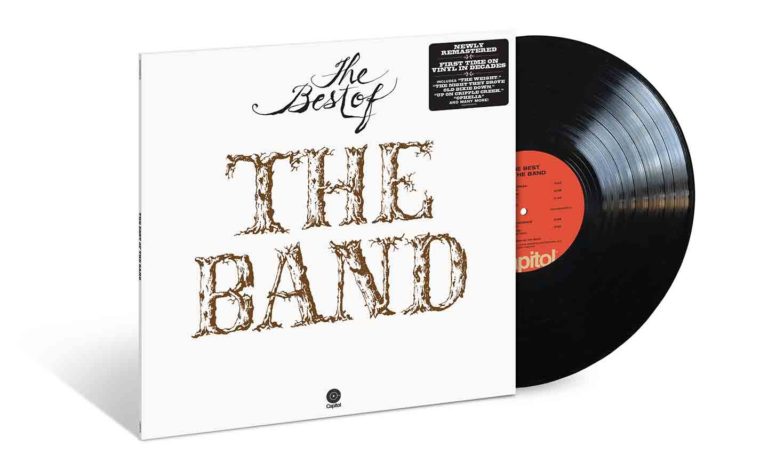
Nearly 50 years after their farewell concert, The Band’s legacy rolls on. Capitol Records/UMe will reissue The Best of The Band on December 9 in multiple formats — vinyl, CD, and Super High Material CD. Long out of print since the 1980s, the LP returns on standard-weight black vinyl, while the CD editions have been newly mastered for digital clarity, offering fans a pristine listening experience worthy of rock’s original storytellers.
Released in 1976 as the group prepared to say goodbye at their legendary Last Waltz concert, The Best of The Band captures the spirit of an era — “The Weight,” “Up On Cripple Creek,” “The Night They Drove Old Dixie Down,” and more. It’s the sound of five musicians who redefined American music by fusing rock, blues, gospel, country, and soul into something timeless. By the time The Band bowed out, they had already shaped the DNA of modern roots rock and influenced generations of songwriters to come.
The reissue arrives as The Band’s story continues to inspire new chapters. Robbie Robertson’s posthumous memoir, Insomnia, lands November 11 through Penguin Random House, chronicling his decades-long creative partnership with Martin Scorsese — a collaboration born from The Last Waltz itself. Robertson’s words offer a behind-the-scenes glimpse into how music and film collided to create one of the greatest concert experiences ever captured.
And just in time for the holidays, Kate Hudson adds her voice to the canon with a heartfelt rendition of The Band’s seasonal classic “Christmas Must Be Tonight.” “When you speak of The Band, you are speaking directly to the heart, soul and backbone of rock’s roots,” she says. For old fans and new listeners alike, The Best of The Band is more than a collection of songs — it’s a reminder of the enduring power of authenticity, harmony, and the music that changed everything.
Vinyl Tracklist Side A 1. Up On Cripple Creek 2. The Shape I’m In 3. The Weight 4. It Makes No Difference 5. Life Is A Carnival
Side B 1. Twilight 2. Don’t Do It 3. Tears Of Rage 4. Stage Fright 5. Ophelia 6 The Night They Drove Old Dixie Down
CD Tracklist 1. Up On Cripple Creek 2. The Shape I’m In 3. The Weight 4. It Makes No Difference 5. Life Is A Carnival 6. Twilight 7. Don’t Do It 8. Tears Of Rage 9. Stage Fright 10. Ophelia 11. The Night They Drove Old Dixie Down
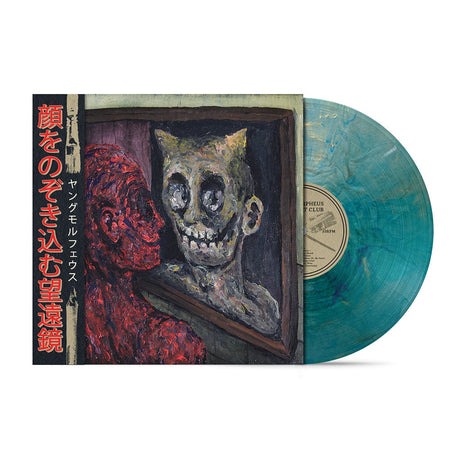
YUNGMORPHEUS opens a new chapter with A Spyglass to One’s Face, his first full-length release of 2025, out now via Known Agitators with distribution by Fat Beats. Produced entirely by Charlotte’s Dirty Art Club, the album arrives as a fully realized artistic statement—dense, deliberate, and deeply personal. Its lead single “Way The Rose Wilt,” paired with a striking video directed by Grant Spanier (Bad Bunny, Rosalia, Troye Sivan), sets the tone for a record that looks inward while still moving the culture forward.
The chemistry between Morpheus and Dirty Art Club is undeniable. Together they create a soundscape where classic hip-hop grit meets cinematic experimentation. A Spyglass to One’s Face explores new emotional and sonic territories while honoring the roots of rap’s storytelling tradition. Joined by YL, Cavalier, Lukah, Zeroh, and Ba Pace, Morpheus brings his sharp lyricism and reflective tone to a project that feels like both a reckoning and a rebirth.
“After doing the Mise En Place EP together, I felt like there was a lot left on the table creatively,” says Dirty Art Club. “I’m inspired by him (YUNGMORPHEUS) to go places I might not go on instrumental albums because I know he’ll take it to a level that makes sense of it all without sacrificing directness and honesty. We put it together like a psychic mosaic.” That sense of trust and experimentation runs through every beat and verse, pushing both artists into uncharted ground.
Beginning October 26, Morpheus joins New York trio Triathlon for a North American tour with stops in Montreal, Toronto, Chicago, and beyond. Across A Spyglass to One’s Face, YUNGMORPHEUS proves once again why he’s one of rap’s most fearless boundary-pushers—a writer, thinker, and creator who finds poetry in the spaces between resistance and reflection.
Upcoming Live Dates: w/ Triathlon
10/26 – Cambridge, MA @ Middle East Upstairs 10/28 – Montreal, QB @ Cabaret Foufs 10/29 – Toronto, ON @ The Baby G 10/30 – Detroit, MI @ El Club 10/31 – Chicago, IL @ Schubas 11/2 – Denver, CO @ Larimer Lounge 11/3 – Salt Lake City, UT @ Kilby Court 11/5 – Seattle, WA @ Barboza 11/6 – Portland, OR @ Polaris Hall
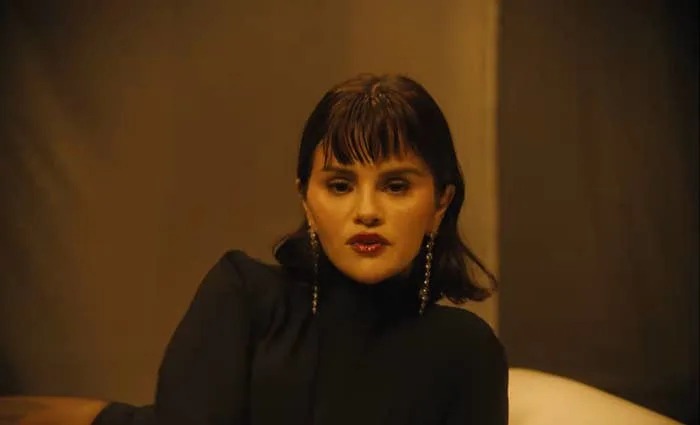
Selena Gomez steps back into the spotlight with “In The Dark,” her powerful new single and music video from Nobody Wants This Season 2: The Soundtrack. The 19-song release is packed with A-list talent including Chris Stapleton, Kacey Musgraves, and Role Model, out now via The Core Records and Interscope Records.
The first taste of new music since her acclaimed collaboration with benny blanco, I Said I Love You First, Gomez surrounds herself with an all-star creative team. Produced by Andrew Watt, Cirkut, and Louis Bell, and co-written alongside Ali Tamposi and Justin Tranter, “In The Dark” pulses with shimmering synths, deep bass, and emotional honesty. Gomez sings, “And I’ll be there when you lose yourself / To remind you of who you are / And I’ll be there like nobody else / You’re still beautiful in the dark” – a promise wrapped in glowing, late-night pop perfection.
The soundtrack itself mirrors the show’s emotional intensity, blending genres and artists into one cinematic experience. Curated by The Core Entertainment’s Simon Tikhman in collaboration with Interscope and Aperture Music, it features a lineup spanning pop, country, and R&B – from Portugal. The Man and Royel Otis to Ella Langley, FINNEAS, and Dermot Kennedy. Each track reflects the show’s mix of heart, humor, and human connection.
With Nobody Wants This earning major awards buzz and its first season already a streaming hit, Gomez’s “In The Dark” feels like the emotional centerpiece of its next chapter. It’s a song for those 2 a.m. moments – when love feels uncertain, the world quiets down, and someone’s voice cuts through the noise to remind you you’re not alone.
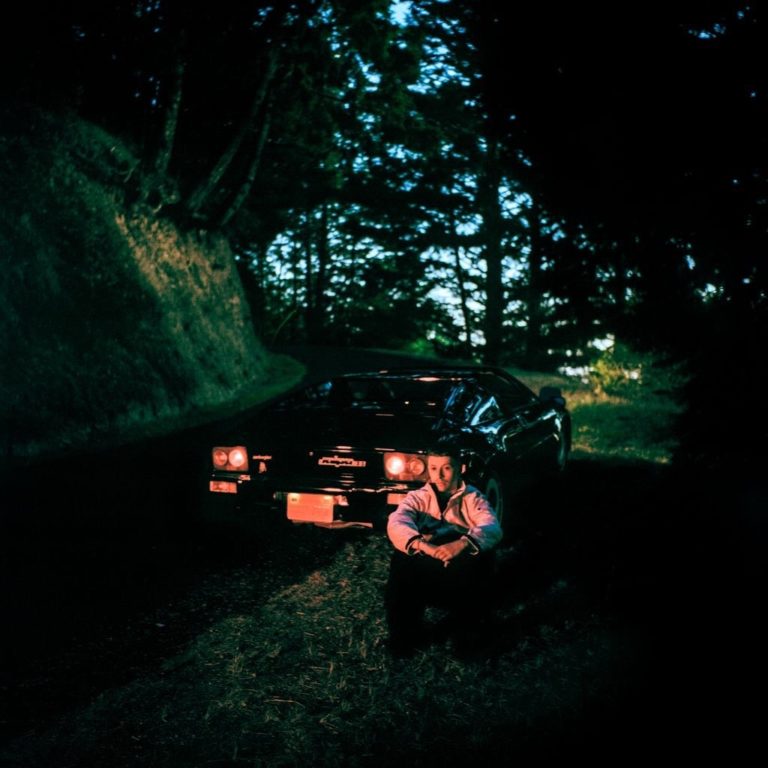
Scottish producer, singer, and creative visionary Sam Gellaitry is stepping fully into his moment. His new single “LOVE ON ME” is a shimmering preview of his long-awaited debut album ‘ANYWHERE HERE IS PERFECT,’ arriving November 7 via Major Recordings / Warner Records. The track bursts with buoyant energy and that cinematic euphoria only Gellaitry can create.
“This song is a third-person story about two people who meet at an afterparty—they leave together and the sun is coming up,” explains Gellaitry. “I mention how they struggle to express how they feel, so stick to calling the connection ‘surreal.’ It’s a direct reference to Before Sunrise by Richard Linklater—a guy meets a girl on the train, they don’t know each other but have a full day together.” That blend of romance, mystery, and dreamlike storytelling is exactly what defines this new chapter.
Fresh off headline shows in Los Angeles and San Francisco, where “LOVE ON ME” lit up the crowd, Gellaitry released a live performance video filmed at the Regency Ballroom to capture the electricity of his shows. He now joins Justice and Kaytranada on tour, blending DJ sets with the genre-blurring soundscape fans have come to love from his earlier projects like Escapism and IV.
“LOVE ON ME” follows the BBC Radio 1 favorite “CURIOUS (feat. Toro y Moi)” and the viral “START UP A RUMOUR,” heightening anticipation for what’s next. With ‘ANYWHERE HERE IS PERFECT,’ Sam Gellaitry paints in vivid color—melding sound, emotion, and vision into something unmistakably his own.
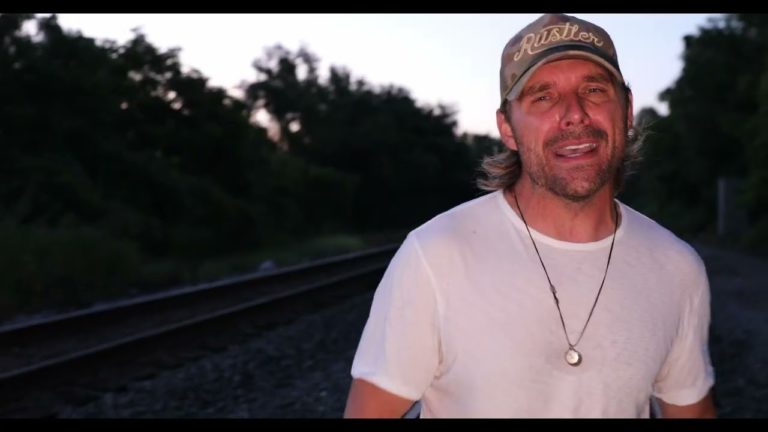
Robby Johnson’s summer might be ending, but the fire’s just getting started. The country artist closes out his brand-new album, ‘Hot Summer Nights,’ with the anthemic single “Get in Gear” – a song built for open skies, tailgate memories, and nights that never seem to end. It’s high-octane country storytelling that hums with nostalgia and the thrill of young love.
“Writing songs and then watching them come to life in the studio is truly one of the most magical experiences in the world,” shares Johnson. “This entire process from putting pen to paper, to recording, and finally releasing the music has been therapeutic beyond words. Now that the full album is out, it feels both liberating and a little terrifying to share so much of myself with the world. I just hope listeners enjoy these songs as much as I loved creating them.”
‘Hot Summer Nights’ spans thirteen tracks of pure Southern charm and heartfelt energy. It’s a record years in the making, now spotlighted by Whiskey Riff, Cowboys & Indians, and Country Evolution. Each song rolls by like a snapshot of Robby’s journey – full of small-town spirit, big dreams, and the kind of hooks that make you roll the windows down and sing along.
And for fans of something bolder, Johnson brings the heat with his electrified take on “You Shook Me All Night Long,” celebrating the 45th anniversary of AC/DC’s classic. It’s the perfect companion to his album’s freewheeling energy – a bridge between rock grit and country soul. Together, these releases remind us why Robby Johnson’s name is one worth turning up loud.
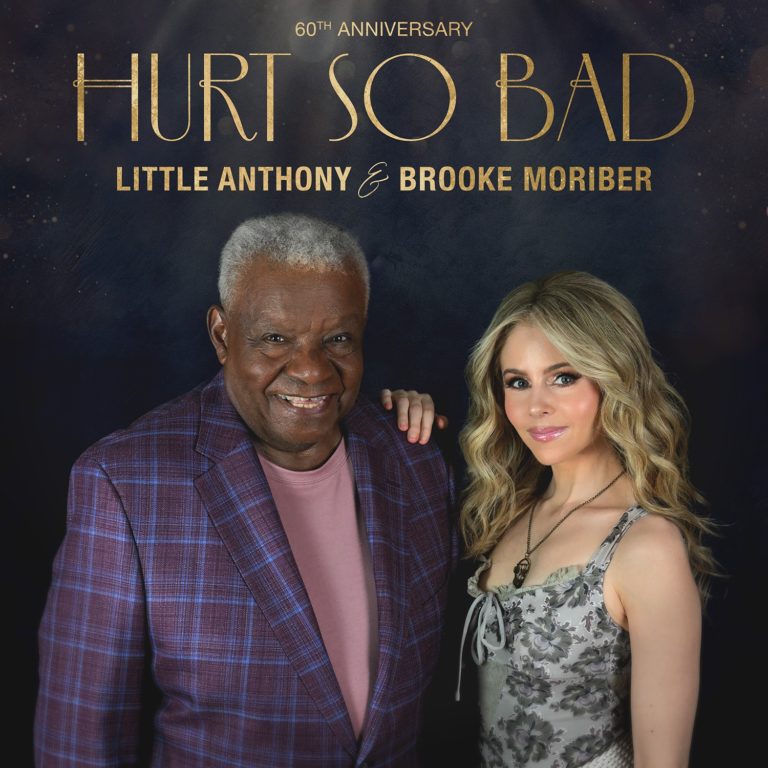
When a Broadway-trained powerhouse meets an R&B legend, sparks fly. Brooke Moriber and Little Anthony have joined forces for a stunning new version of “Hurt So Bad,” breathing new life into one of pop’s most enduring heartbreak anthems. What began as a song of 1960s soul now returns as a sweeping country-R&B duet filled with timeless emotion and storytelling.
“Truth be told, I had never done a video before—but this song and video were something truly special,” says Little Anthony. “Brooke and I are both actors, and we both understood how to structure not just the song, but the visual story behind it. This duet was performed live, with a full band and in person with Brooke—it was the thrill of a lifetime. I truly believe this will go down as one of my best works. Brooke’s professionalism and artistry made the entire experience unique and unforgettable.”
Produced by Fred Mollin, this collaboration celebrates the 60th anniversary of the 1965 Top 10 hit that made Little Anthony & The Imperials a household name. Moriber’s modern country-pop edge pairs beautifully with Little Anthony’s unmistakable voice, creating a musical bridge between generations. Together, they turn heartbreak into harmony, capturing the song’s original ache with a fresh, cinematic touch.
More than just a duet, “Hurt So Bad” stands as proof that great songs never grow old—they simply find new ways to be heard. With its warmth, polish, and passion, this version invites fans of every age to feel something again. “Hurt So Bad” by Brooke Moriber x Little Anthony is streaming everywhere now, carrying six decades of heartache and hope into a brand-new chapter.
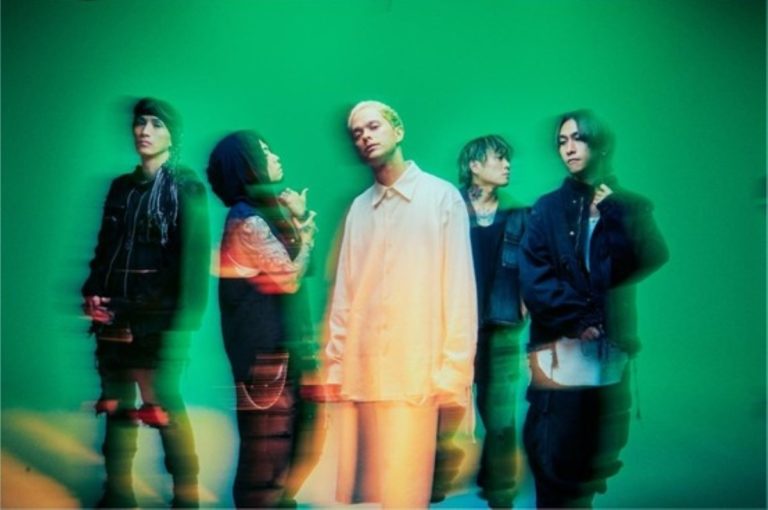
Japanese rock band coldrain have kept anticipation high, releasing three new tracks while touring their home country with the title kept under wraps. Now, the quintet unveils their new EP, ‘OPTIMIZE,’ a five-track release that defies the idea of a polished, streamlined world. It’s a call to live authentically—imperfect, unfiltered, and alive.
Written by Y.K.C and Masato, mixed by Sam Guaiana, and mastered by Mike Kalajian, ‘OPTIMIZE’ is an emotionally charged, genre-blending experience. The EP features the singles “INCOMPLETE,” “CHASING SHADOWS,” and “FREE FALL.”
‘OPTIMIZE’ EP Track List:
OPTIMIZE
CHASING SHADOWS
DIGITOLL
INCOMPLETE
FREE FALL
Next month, coldrain will bring their ‘OPTIMIZE’ tour to the UK and Europe, performing in 17 cities with support from Revnoir and Noisemaker.
coldrain LIVE UK/EU OPTIMIZE TOUR 2025 w/ Revnoir & Noisemaker
São Paulo rock band StarAce officially arrive with Real, their debut album featuring 12 tracks of uncompromising rock authenticity. The album drops today alongside its title track “Real,” a blazing statement about truth, perseverance, and staying genuine in an artificial world.
Produced by David Frangioni (Aerosmith, KISS, Ringo Starr), Real spans genres from hard rock anthems to folk-tinged ballads, country-western influences to blues-rock swagger. The collection represents songs that capture StarAce’s evolution from underground Brazilian rockers to international artists ready to make their mark.
“We’ve worked so hard on this album — and it finally became Real!” explains frontman Julio Starace. “This record is the culmination of years of work that began just after the Covid-19 pandemic, when we started recording the first demos for ‘Mystical Cat’ and ‘Dark Side.’ Each song received special care — crafted and refined from the very bones of the lyrics and arrangements, all the way through the mixing and mastering process.”
The title track “Real” serves as a mission statement. More than a song, it’s StarAce’s proclamation that authenticity wins over artifice, that truth lives in music, and that every goal is only worth pursuing if it’s genuine. With blazing riffs and striking arrangements, the track invites listeners to move forward without masks or limitations.
“In a time where everyday we have AI, we always have REAL. Our song, our world, our lives. All REAL,” notes Julio about the single’s contemporary relevance.
Producer David Frangioni, whose credits include Aerosmith, Ozzy Osbourne, and Scorpions, recognized something special in the Brazilian band’s material: “REAL is as real as rock ‘n’ roll gets, from the beginning to the end of the album, put on your seatbelt! These songs are a story that everyone can relate to, because they’re REAL!”
The album showcases the full StarAce lineup: brothers Julio (vocals/guitar), Luiz (bass), and Thomaz Starace (drums), plus guitarist Chris Dias and keyboardist/vocalist Bia Tucci. Their chemistry translates across Real’s diverse sonic palette, which Julio describes as exploring “themes like the overload of information, the pursuit of knowledge, philosophy, power, fast communication, technology, beauty, mysticism, love — and pure Rock and Roll!”
Recorded primarily with live instruments to capture organic energy while embracing modern production techniques, Real demands to be experienced from start to finish. The band will bring their explosive live show to European audiences this fall, delivering the kind of incendiary performances that have made them a must-see act. Spanish and Portuguese dates begin November 26th in Madrid, where audiences can expect the raw power and electric chemistry that transforms these album tracks into full-contact rock experiences.
StarAce European Tour:
• Nov 26 – Madrid, Spain – Wurlitzer • Nov 27 – Barcelona, Spain – Diobar • Nov 28 – Gandía (Valencia), Spain – Dublín • Nov 29 – Sevilla, Spain – Mutante • Dec 4 – Cádiz, Spain – La Guarida del Ángel • Dec 6 – Caminha, Portugal • Dec 7 – Viveiro (Galicia), Spain – A Conservera • Dec 8 – Santander, Spain – Rock & Beer The New • Dec 11 – Zaragoza, Spain – La Ley Seca • Dec 12 – Alicante, Spain – El Bunker • Dec 13 – Granada, Spain – La Cochera Cabaret • Dec 14 – Madrid, Spain – Barracudas