


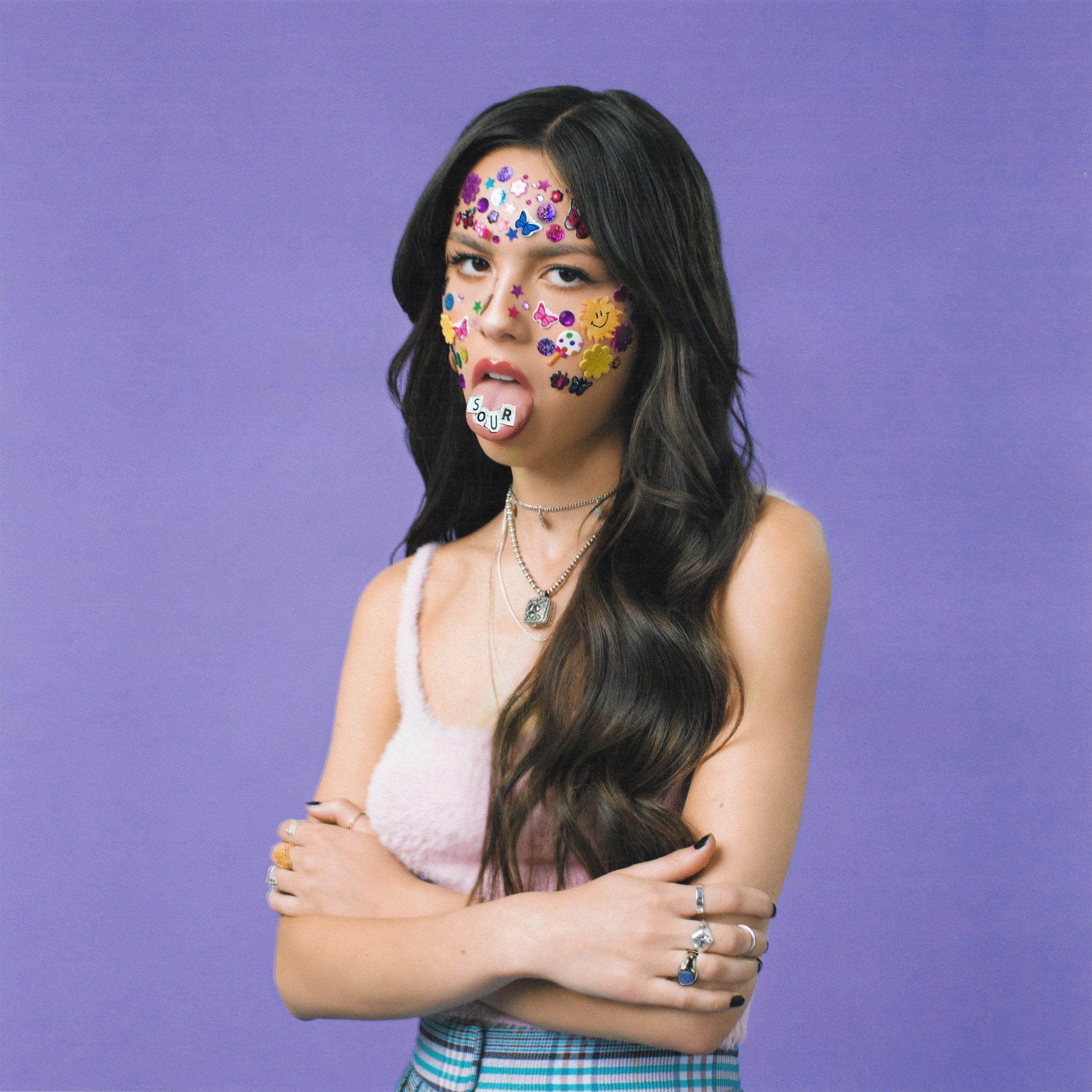
In January 2021, a 17-year-old former Disney actress released a piano ballad about driving past an ex’s house, and the world stopped to listen. “Drivers License” charted everywhere at once. Within its first week, the song reached number one on the Spotify, Apple Music, and Amazon Music global song charts, and it sat atop the Billboard Hot 100 for over eight weeks, making Olivia Rodrigo the youngest artist in history to achieve that with a debut single. Chart records tell part of the story. The bigger story is what came next: Rodrigo became, almost overnight, the voice a generation had been waiting to hear.
What made her connection so immediate was authenticity in an era that prizes it. In a time where authenticity and relatability reign supreme, Rodrigo stands out as an artist who speaks directly to the experiences and emotions of her fellow Gen Zers in ways previous generations of artists haven’t quite captured. Her debut album Sour, fueled by hits like “good 4 u” and “deja vu,” landed like a diary read aloud. As Allmusic’s Heather Phares put it, Rodrigo nails what it’s like to be 17, heartbroken, and frustrated, and updates the traditions of the sharp-eyed and sharp-tongued songwriters before her for Generation Z. For young listeners, her songs feel like personal diaries set to music, dominating Spotify playlists, TikTok trends, and late-night scroll sessions.
The deeper magic is how she gives shape to anxieties her audience can’t always name. Sour blew up in 2021 because it connected with Gen Zers traumatized by a pandemic, school shootings, and an uncertain economic future, and she channels that internal trauma in subtle ways, like the insecurity of comparing herself to others on social media and always coming up short in “jealousy, jealousy.” She articulates heartbreak, mental health struggles, and the pressures of social media in songs like “jealousy, jealousy” and “brutal,” helping her audience navigate modern anxieties. The industry took note: the 2022 Grammys gave Rodrigo three awards, including Best New Artist and Best Pop Vocal Album for Sour.
She also showed range fast. Two years later, her sophomore album Guts took a more humorous and unserious approach, proving she’s more than a single-mood artist. Where her debut centers on her first teenage heartbreak, Guts navigates the aftermath — new exes, new flames, new insecurities, with a perspective that has shifted significantly. She stepped firmly beyond the music, too, using her platform pointedly: she advocates for LGBTQ+ rights and reproductive rights, condemning the Supreme Court’s decision to overturn Roe v. Wade during her 2022 Glastonbury performance. The artist who sings about heartbreak speaks to a generation’s politics as well.
Put it all together and you see why Rodrigo matters beyond the streaming numbers. She arrives at the exact moment her listeners want someone to scream along with — fluent in their humor, their aesthetics, and their hope. She resonates with Gen Z for her relatability and vulnerability, while also finding a fanbase among older listeners. In a music industry hungry for its next defining artists, Olivia Rodrigo answers the question simply by being honest. She captures a generation by sounding exactly like it.