


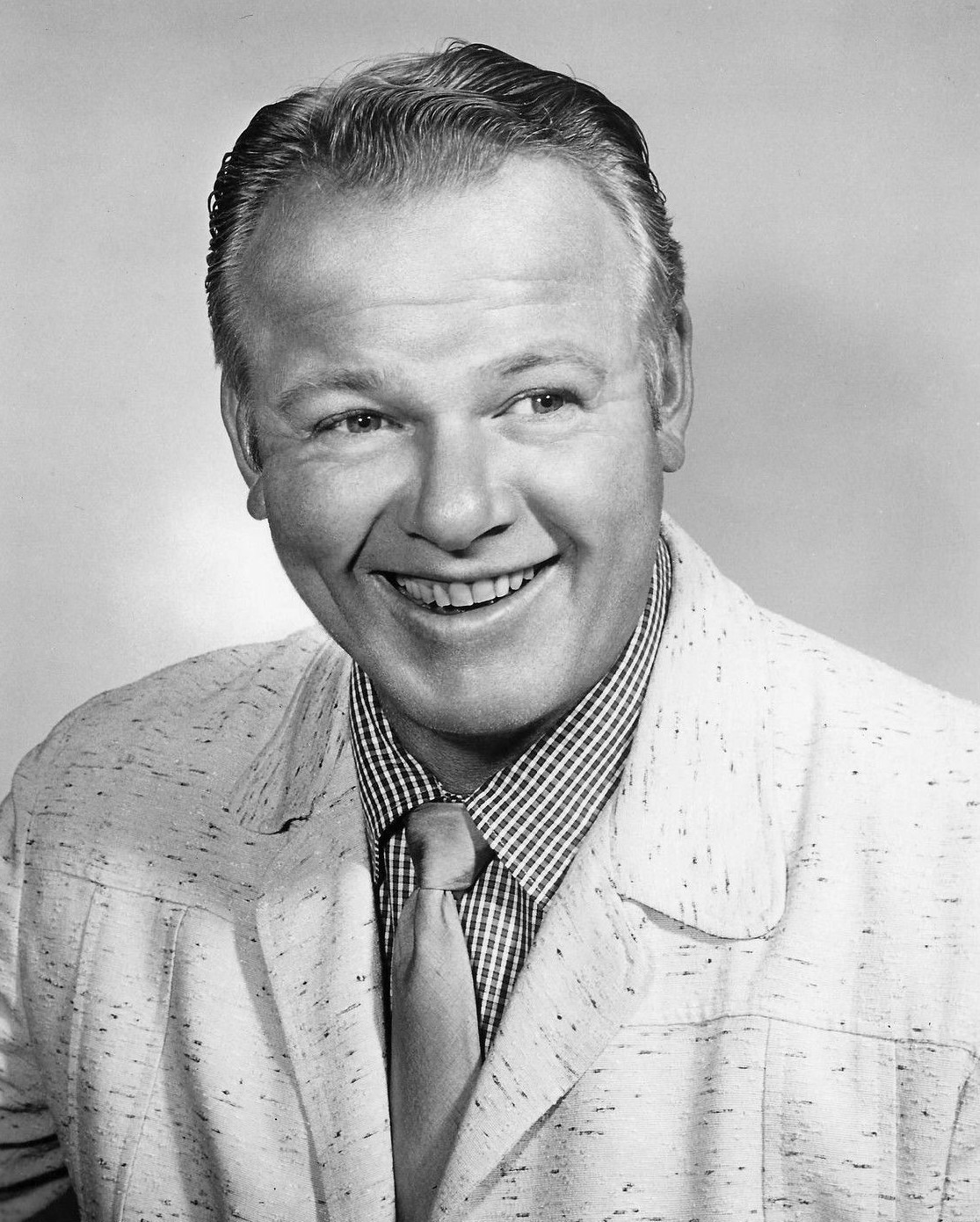
Alan Hale, the American astronomer who co-discovered one of the most spectacular and widely observed comets in human history and spent the rest of his career using science as a tool for breaking down barriers between people and nations, died on June 6, 2026. He was 67.
Born in 1958 in Tachikawa, Japan, where his father was serving in the United States Air Force, Hale grew up in Alamogordo, New Mexico, where clear desert skies and a stack of library books on astronomy his father gave him in the first grade set the course of his life. He served in the United States Navy from 1976 to 1983, graduating from the Naval Academy with a degree in physics, then worked at the Jet Propulsion Laboratory before earning his Master’s degree and PhD in astronomy from New Mexico State University in 1989 and 1992. His path to the night of July 22-23, 1995 was a long one, built from decades of patient, disciplined observation.
That night, from his home in Cloudcroft, New Mexico, after finishing his observations of periodic Comet Clark and while waiting for another comet to rise above the horizon, Hale pointed his telescope toward globular cluster M70 in Sagittarius and noticed a fuzzy object that hadn’t been there two weeks earlier. He checked his sources, verified the object had moved against the background stars, and sent two emails to the Central Bureau for Astronomical Telegrams. Unknown to him, an amateur astronomer named Thomas Bopp was observing the same region of sky that same night from near Stanfield, Arizona, and making the same discovery independently. On July 23, 1995, the IAU announced the joint discovery of Comet Hale-Bopp, designated C/1995 O1. It would become one of the most viewed comets in recorded history, appearing a thousand times brighter than Halley’s Comet at the same distance from the sun, and visible to the naked eye for an extraordinary eighteen months. The International Astronomical Union had already named asteroid 4151 Alanhale in his honour in 1991, years before the discovery, in recognition of his extensive comet observations.
The comet’s visibility in 1997 also brought one of the darkest chapters in the story of human credulity, when Heaven’s Gate cult members poisoned themselves in the belief that an alien spacecraft was following the comet and that their deaths would allow them to board it. Hale had anticipated something like it. He had told a colleague beforehand that suicides were likely, and when it happened he was at a press conference the following day, calling the deaths “another victory for ignorance and superstition” and using the platform the comet had given him to advocate as forcefully as he could for scientific literacy and rational thinking. He did so for the rest of his life.
In 1993 he founded the Earthrise Institute, whose mission was to use astronomy as a tool for breaking down international and intercultural barriers. He led a trip of American scientists and educators to Iran in 1999 during a solar eclipse, giving talks across the country on the premise that science is a universal language that doesn’t know political boundaries. He produced educational series, wrote newspaper columns, hosted radio programmes, sat on juries, and advocated for scientific skepticism with the same consistency and commitment he brought to the telescope. He was still leading the Earthrise Institute at the time of his death.
He once said, regarding the Heaven’s Gate tragedy: “Comets are lovely objects, but they don’t have apocalyptic significance. We must use our minds, our reason.” He spent his life making that case. He did it well.