


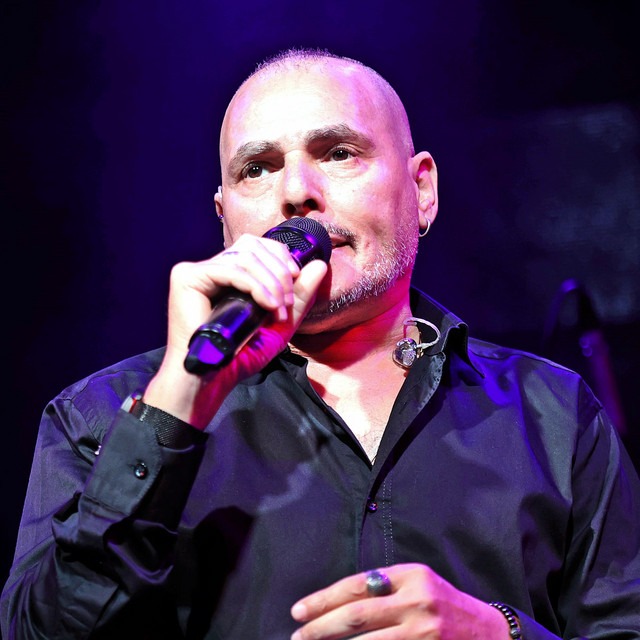
Yishay Levi, the Israeli singer whose powerful voice and turbulent life made him one of the most compelling and complicated figures in the history of Mizrahi music, died on June 7, 2026 in Jerusalem. He was 63. The cause of death was not published.
Born on January 20, 1963 in Rosh HaAyin into a family of Yemenite Jews, Levi began singing in clubs in Israel in 1983, entering the scene at precisely the moment that Mizrahi music was at its commercial and cultural peak, with artists like Zohar Argov and Haim Moshe dominating the genre. He was discovered by guitarist Moshe Ben-Moshe and released his debut album, ‘Hafla With Ben Moshe’, in 1986, quickly becoming a superstar in clubs across the country.
His breakthrough arrived in 1987 with the album ‘Hiney Ba Ha-yom’, which contained the song “Raiya” and brought him widespread fame. The period also produced a personal rivalry with Zohar Argov, one of the defining names in the genre, a pairing that generated the kind of competitive energy that rarely hurts either artist’s career. Levi was on his way to becoming one of the biggest names in Israeli popular music.
The years that followed told a more complicated story. Levi’s career faded between 1988 and 1991 due to struggles with drug addiction, a battle he fought publicly and repeatedly throughout his life. His 1992 comeback album ‘Lehat’chil Mibereshit’ (To Start From the Beginning) contained “Rikdi,” one of the biggest hits in the history of Mizrahi music, and restored him to the front rank of the genre. He followed it with further albums through the 1990s, scoring additional hits and enduring additional setbacks in roughly equal measure. His 1997 album ‘Ha-emuna’ (The Belief) saved his career again with the hit “Taltalim shorim.” He had a gift for coming back.
The personal struggles continued. He served time in prison in the early 2000s and again around 2006, periods that interrupted his recording career without ending it. In 2008 he released ‘Rikud romanti’ (Romantic Dance), which produced several hits including “Ah ya albi,” and represented the clearest evidence that his audience had never fully left him even during the hardest years. He continued performing and recording until the end.
His record is part of his story and cannot be set aside. So is the music, which mattered genuinely and lastingly to a great many people. Both things are true.
He is survived by his brother, fellow Mizrahi musician and singer Nati Levi.