Home Blog Page 2

American Football Stretch Their ‘No Feeling’ World Tour Across Four Continents

0

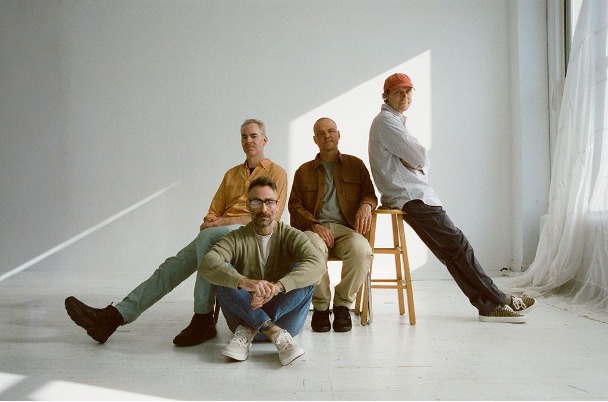
American Football have a globe-spanning run of dates lined up, and the map keeps growing. The group just announced the fall leg of their “No Feeling” World Tour, expanding a campaign that already sweeps through North America, the UK, the EU, and Asia this summer. The newly added shows follow a West Coast leg the group wrapped this past month. It’s one of the most ambitious touring chapters in the group’s history.

The fall stretch opens September 8th with a Texas swing from Houston to Dallas, capped by a headlining set at Levitation 2026 in Austin. From there the group make their debut at Red Rocks Amphitheatre supporting Bleachers, then return to headline The Observatory in Orange County. November brings a first-ever trip to Chile for Fauna Primavera, before a final East Coast push that includes first-time stops in Jacksonville, Charlotte, New Haven, Worcester, and Buffalo.

The tour supports the group’s acclaimed new album American Football (LP4), and the live show has earned rave reviews, sold-out rooms, and a string of memorable guest moments. Hayley Williams joined for their collaborative track “Uncomfortably Numb” at Kilby Block Party, and Wisp turned up for the LP4 cut “Wake Her Up” at a sold-out night at The Wiltern in Los Angeles. The new visuals push the experience further, and the group have never sounded sharper on stage.

“No Feeling” World Tour Dates:

06/19 – Milan, Italy @ Alcatraz +

06/20 – Stuttgart, Germany @ Im Wizemann + [SOLD OUT]

06/21 – Cologne, Germany @ Live Music Hall + [LOW TICKETS]

06/23 – Brussels, Belgium @ La Madeleine +

06/24 – Amsterdam, NL @ Paradiso + [SOLD OUT]

06/26 – Leeds, UK @ O2 Academy + [LOW TICKETS]

06/27 – London, UK @ O2 Kentish Forum + [SOLD OUT]

06/28 – London, UK @ O2 Kentish Forum +

07/08 – Boston, MA @ Royale ! [LOW TICKETS]

07/09 – New York, NY @ Brooklyn Paramount ! [LOW TICKETS]

07/10 – Philadelphia, PA @ Franklin Music Hall ! [LOW TICKETS]

07/11 – Washington, DC @ 9:30 Club ! [SOLD OUT]

07/12 – Washington, DC @ 9:30 Club !

07/14 – Richmond, VA @ The National ! [LOW TICKETS]

07/15 – Asheville, NC @ Orange Peel ! [SOLD OUT]

07/16 – Atlanta, GA @ Variety Playhouse ! [LOW TICKETS]

07/26 – Niigata, JP @ FujiRock Festival

07/28 – Seoul, South Korea @ YES24 Wanderloch Hall [LOW TICKETS]

07/29 – Taipei City, Taiwan @ Legacy Taipei

07/31 – Beijing, China @ FULLOF Livehouse [SOLD OUT]

08/01 – Shanghai, China @ Vas Est [SOLD OUT]

08/07 – Cleveland, OH @ House of Blues $

08/08 – Toronto, ON @ History $ [SOLD OUT]

08/09 – Pittsburgh, PA @ Roxian Theatre $

08/10 – Columbus, OH @ Newport Music Hall $

08/12 – Nashville, TN @ Marathon Music Works $

08/13 – Indianapolis, IN @ Deluxe at Old National Centre $ [LOW TICKETS]

08/14 – Chicago, IL @ The Salt Shed (Indoor) $

08/15 – Milwaukee, WI @ Turner Hall Ballroom $ [LOW TICKETS]

08/16 – Minneapolis, MN @ First Avenue $ [LOW TICKETS]

09/08 – Houston, TX @ White Oak Music Hall *

09/09 – Dallas, TX @ Longhorn Ballroom *

09/10 – Austin, TX @ Levitation Festival – Stubbs *^

09/23 – Denver, CO @ Red Rocks Amphitheatre &

09/24 – Santa Ana, CA – The Observatory

11/26-11/28 – Santiago, CL @ Fauna Primavera

12/11 – Fort Lauderdale, FL @ Revolution Live

12/12 – Tampa, FL @ Ritz Ybor

12/13 – Orlando, FL @ Plaza Live

12/15 – Jacksonville, FL @ Five

12/16 – Charlotte, NC @ The Fillmore Charlotte

12/18 – New Haven, CT @ College Street Music Hall

12/19 – Worcester, MA @ Palladium

12/20 – Buffalo, NY @ Asbury Hall
L.A. Rockers Crymwav Tear Into Agent Orange’s “Everything Turns Grey” With Hardcore Fire

0

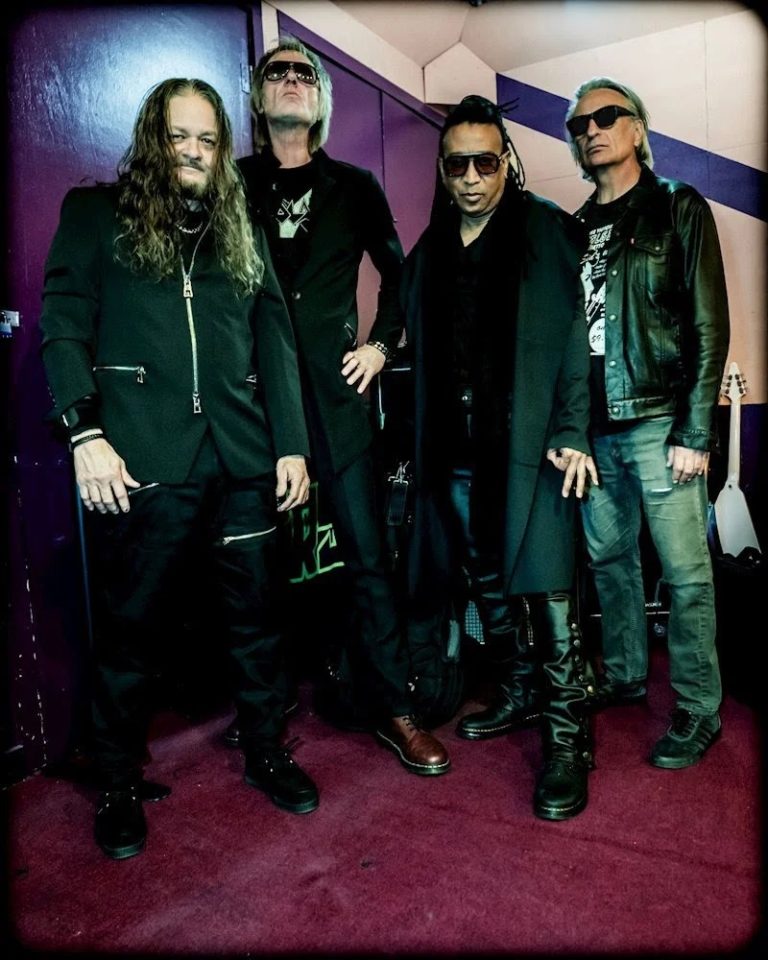
Crymwav have planted their flag with a snarling new single. The L.A. four-piece (pronounced Crimewave) just dropped their take on “Everything Turns Grey,” the Agent Orange classic, and it’s out now on Electric Pudding Recordings. The cover crackles with the same 1980s American hardcore energy that runs through the group’s DNA, sharpened by punk, post-punk, and goth edges. It’s a ferocious, no-wasted-motion reading of a song that still cuts decades later.

The track closed out a long-awaited recording session for the group’s upcoming LP, and it landed almost by accident. “This song has resonated with me from the moment I first heard it all those years ago and it feels so relevant to today,” says lead singer and guitarist Roger Deering. “It was the last-minute addition at the end of our last recording session to finish up our long-awaited LP. It just came together effortlessly and just felt right. I think we’ve done it justice. We are eager to let this out into the universe.”

Crymwav grew out of the remains of L.A. rockers Smash Fashion, and the project belongs to Deering, who traces its origins to a writing burst across the Atlantic. “I was staying in London about four years ago when a songwriting spree hit me,” he explains. “I wanted to channel the spirit of bands from that area, Hawkwind, The Clash, Killing Joke, Motörhead. I came back to L.A. with a fistful of songs, and Crymwav was born.” The group rounds out that vision with nods to Thin Lizzy, UFO, and The Ruts.

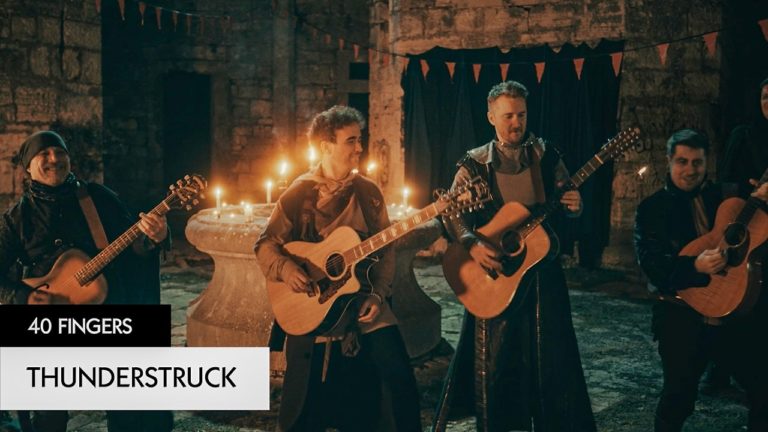
Acoustic Guitar Quartet 40 Fingers Reload AC/DC’s “Thunderstruck” Into A Six-String Storm

0

40 Fingers just turned one of rock’s most electric anthems into an all-acoustic showcase. The quartet’s new video for “Thunderstruck” trades AC/DC’s stadium voltage for four guitars and a wall of percussive strings, and it racked up 51,000 views in 5 days. The arrangement keeps Angus Young’s runaway riff intact while reshaping the whole thing around fingerstyle technique, tapped harmonics, and body-slapped rhythm. It’s a thrilling reinvention that proves the song works just as hard unplugged.

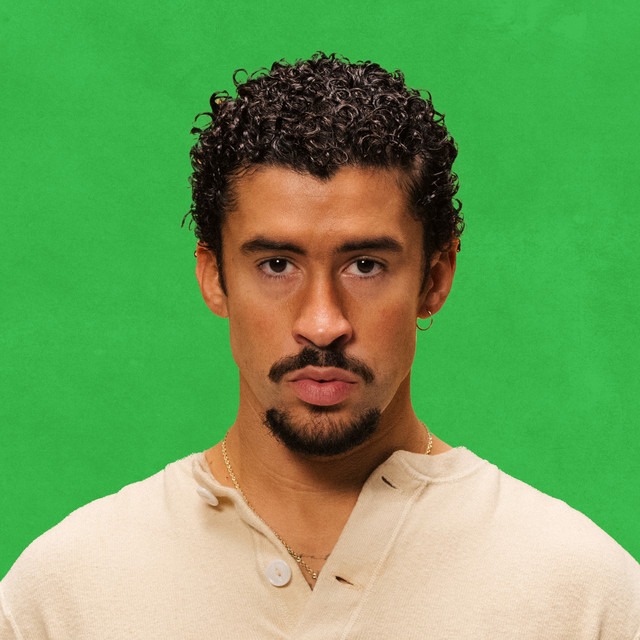
How Bad Bunny Took Latin Music Worldwide

For decades, the conventional wisdom in the music industry was rigid: if a Latin artist wanted to conquer the global mainstream, they had to sing in English. That was the path Shakira and Ricky Martin walked during the “Latin explosion” of the late 1990s, crossing over with primarily English-language albums. Then came a tattooed kid from Puerto Rico who refused the bargain entirely. Bad Bunny became one of the biggest pop stars on the planet without compromising a single verse, recording almost exclusively in Spanish and forcing the rest of the world to come to him.

His rise was startlingly fast. In 2017, Puerto Rican rapper, songwriter and actor Bad Bunny was one of many up-and-coming artists in the hugely competitive field of urbano hitmaking, a newcomer looking for a break, and just a couple of years later he would become one of the world’s biggest pop stars. Born Benito Antonio Martínez Ocasio, he emerged from the digital noise of SoundCloud around 2016, and the breakthrough came through collaboration. It began with a few crucial collaborations: in May 2017 he released “Ahora Me Llama,” an atmospheric Latin trap single with future Colombian star Karol G, then weeks later dropped “Mayores,” a bouncy reggaetón smash with American pop sensation Becky G.

If any single project cemented his global dominance, it was 2022’s Un Verano Sin Ti. The record didn’t just sell, it rewrote the record books. It became the first album by a Latin artist to reach 10 billion streams on Spotify, spent 13 weeks atop the Billboard 200, was the first Spanish-language album to top the Billboard 200 Year-End Chart, and the first to receive a Grammy nomination for Album of the Year. Industry bodies took notice on a global scale: Un Verano Sin Ti won the IFPI Global Album Award, making Bad Bunny the first Latin artist ever to win an IFPI global award, while Apple Music named him its 2022 Artist of the Year, the first Latin artist to receive that honour, crowning the record its biggest Latin album of all time.

What set Bad Bunny apart was an artistic restlessness that mainstream pop logic would have discouraged. Un Verano Sin Ti was not a tidy radio play; it was sprawling and adventurous. From its childlike cover art to his unusual choice of collaborators, the 23-track record managed the near-impossible feat of sounding both intimate and recklessly experimental, veering from reggaetón danceathons into bossa nova chillout and idealized reggae, with a mega-hit like “Tití Me Preguntó” blending a bachata guitar line with dembow riddims before fading into psychedelia. He proved that global audiences would follow a Spanish-language artist into genuinely strange and beautiful musical territory.

Crucially, his success was never read as his alone; it became a referendum on Latin music’s place in the global mainstream. When Un Verano Sin Ti earned its Album of the Year nod, it landed as the first time in the six-plus-decade history of the Grammys that the most prestigious award could go to a project recorded entirely in Spanish, a milestone as much for the expansive genre as for the artist, arriving as reggaeton and Latin trap continued to dominate global pop despite being repeatedly snubbed by the industry’s biggest ceremonies. He was, in the words of one industry analysis, the cherry on top of an extraordinary year for the whole ecosystem, alongside artists like Karol G, Anitta, Rosalía, and regional Mexican acts, as Latin music, long seen as a niche field, continued to penetrate fresh markets with streaming platforms helping artists reach broad new audiences.

He has only widened the lead since. His album “DeBÍ TiRAR MáS FOToS” became the first fully Spanish-language album to win the Grammy Award for Album of the Year, a historic milestone for Latin music on the global stage, and that same year he headlined the Super Bowl halftime show, bringing Spanish-language music to one of the largest broadcast audiences in the world. From a record-breaking world tour to a landmark Puerto Rico residency, he has kept redefining what global superstardom looks like, proving that language, genre and geography are no limitations.

That, ultimately, is the legacy already taking shape. Bad Bunny took the unspoken rule that global success required English and tore it up, and in doing so he didn’t just win for himself. He kicked the door open for an entire generation of artists to reach the world on their own terms, in their own language. As one profile put it, he isn’t just shaping the present of music. He’s defining its future.

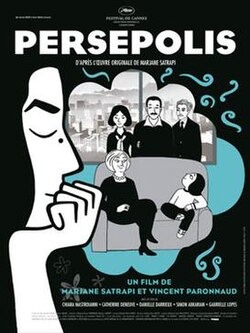
Marjane Satrapi, “Persepolis” Creator and Fearless Storyteller, Dies at 56

0

Marjane Satrapi, the French-Iranian graphic novelist and filmmaker whose landmark memoir “Persepolis” introduced millions of readers to a child’s-eye view of revolution and exile, died in Paris on 4 June 2026 at the age of 56. Her family said she had “died of sadness” following the death of her husband, Mattias Ripa, the previous year.

Born Marjane Ebrahimi in Rasht, in northwestern Iran, on 22 November 1969, she grew up in an upper-middle-class, politically engaged family in Tehran, attending the French-language Lycée Razi. Her childhood was shaped by upheaval. After the Iranian Revolution of 1979, she watched as friends and family were persecuted, arrested, and in some cases murdered, including her beloved uncle Anoosh, a political prisoner who was executed and who chose the young Marjane as his final visitor. Strong-willed and increasingly at odds with the new regime’s restrictions, she was sent abroad at fourteen to Vienna, where she endured years of dislocation, a period that included a stretch of homelessness before a near-fatal bout of bronchitis. She would later return briefly to Iran, study visual communication in Tehran, and ultimately settle in France.

It was there that she transformed her life story into art. Published in French in four parts between 2000 and 2003, “Persepolis” recounted her childhood under the Islamic Republic and her fraught adolescence in Europe with disarming black-and-white directness and wit. The work became a global phenomenon, winning the Coup de Coeur Award at the Angoulême International Comics Festival and entering classrooms around the world, though not without controversy; in 2013, an attempt to remove it from Chicago schools sparked protest and outcry. Satrapi followed it with “Embroideries” and “Chicken with Plums,” the latter winning Angoulême’s top album prize.

She bristled at pretension about the form she loved. “People are so afraid to say the word ‘comic’,” she told The Guardian in 2011. “Change it to ‘graphic novel’ and that disappears. No: it’s all comics.”

In 2007, Satrapi and co-director Vincent Paronnaud adapted “Persepolis” into an animated film that shared the Jury Prize at Cannes and earned an Academy Award nomination for Best Animated Feature, making Satrapi the first woman ever nominated in the category. The Iranian government denounced the picture, but it triumphed elsewhere, winning Best First Film at the César Awards. She went on to a varied directing career that ranged across the live-action “Chicken with Plums,” the black comedy “The Voices” starring Ryan Reynolds, the Marie Curie biopic “Radioactive,” and her 2024 film “Dear Paris.”

Satrapi never separated her art from her conscience. She spoke out after Iran’s disputed 2009 election, championed the “Woman, Life, Freedom” movement following the death of Mahsa Amini, and edited a graphic anthology documenting the uprising for Western readers, believing a true revolution to be a cultural one. In January 2025, she declined France’s Légion d’honneur in protest at what she called the country’s hypocrisy toward Iran, while taking care to add that her refusal was no rejection of France, which she said she deeply loved.

A naturalised French citizen who spoke six languages, Satrapi was honoured late in her life with the Princess of Asturias Award for Communication and Humanities in 2024. After her husband’s death, she established a foundation in both their names to support foreign students wishing to study filmmaking in Paris.

Marjane Satrapi spent her life turning displacement, grief, and defiance into work of rare humanity and humour. The little girl who once stared down a regime grew into one of the most important visual storytellers of her generation, and she leaves behind a body of work that will continue to give voice to the silenced for many years to come.

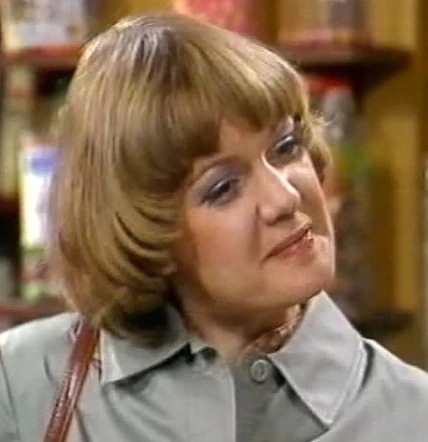
Sally Grace, Acclaimed Voice Artist and Impressionist, Dies at 74

0

Sally Grace, the English actress and voice artist whose remarkable vocal range made her a fixture of British radio, television, and animation for decades, died in March 2026 at the age of 74. Hailed by one critic as the best impressionist in the business, she was a performer whose voice was familiar to millions even when her face was not.

Born in Harrogate, in the West Riding of Yorkshire, on 10 September 1951, Grace trained at the Guildhall School of Music and Drama. She went on to build a career defined by versatility, one in which she could disappear entirely into a character through voice alone.

That gift found its sharpest expression in satire. Grace was a member of the team on “Week Ending,” BBC Radio 4’s topical sketch show, where from 1983 she became the voice of Margaret Thatcher, a role she carried until the series ended in 1998. Her work alongside Ken Bruce on Radio 2’s “What If Show” prompted The Independent on Sunday to crown her the finest impressionist working, and she later voiced the Queen in Alistair McGowan’s sketches about the royal family.

To a generation of viewers, however, Grace was the voice of childhood. She brought to life several beloved characters in the popular animated series “The Animals of Farthing Wood,” among them the pompous Owl, the loud Weasel, and the demure but strong-willed Charmer. Her extensive animation work also included “Noah’s Island,” “Mr. Bean: The Animated Series,” “Dennis the Menace,” “Pongwiffy,” and the charming short “Bob’s Birthday,” along with many others.

Her radio drama work was equally distinguished. She voiced Elena in BBC Radio 4’s adaptations of Douglas Adams’s “Dirk Gently’s Holistic Detective Agency” and “The Long Dark Tea-Time of the Soul,” productions that have remained favourites among fans of the genre.

Grace was a working actress on screen as well. Her television credits spanned “Why Didn’t They Ask Evans?,” “Sorry!,” “Raffles,” “The Ruth Rendell Mysteries,” and “Oh, Doctor Beeching!,” and she appeared in episodes of “Coronation Street.” On stage, she took on the role of Betty Marsden in a touring adaptation of “Round the Horne,” and her film appearances included “Ghost Story” in 1974 and “Boston Kickout” in 1995.

News of her death was shared by the radio producer Dirk Maggs, who remembered her as a brilliant actress and voice artist, a sentiment echoed widely across the industry. Sally Grace possessed one of those rare talents that worked quietly behind countless characters, lending them life, warmth, and wit. She will be remembered by colleagues and audiences alike as a consummate performer whose voice, in all its many guises, became part of the fabric of British broadcasting.

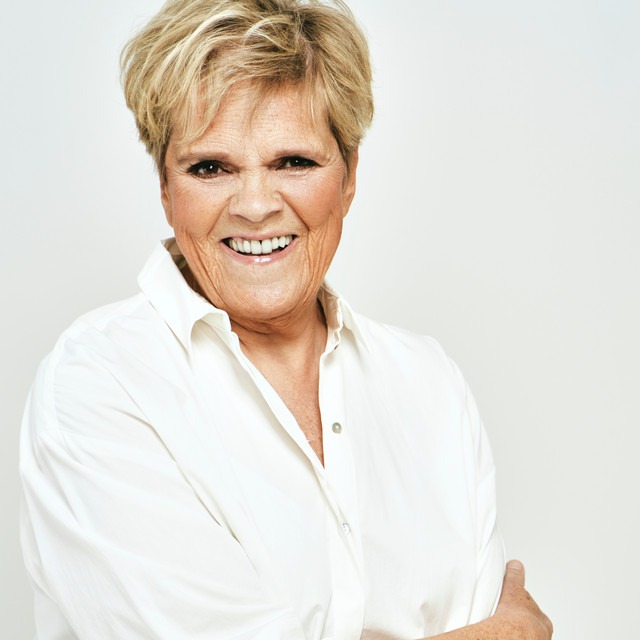
Margriet Hermans, Beloved Flemish Singer, Broadcaster, and Politician, Dies at 72

0

Margriet Hermans, the singer, television host, and politician who became one of the most recognisable faces in Flanders across four decades of public life, died on 3 June 2026 at the age of 72, shortly after being diagnosed with an aggressive cancer. A performer who reinvented herself again and again, she leaves behind a career that spanned the stage, the studio, and the Belgian Senate.

Born Margareta Maria Josepha Hermans in Turnhout on 17 March 1954, she first broke through as a singer in 1987, finding success in both Flanders and the Netherlands. That same era saw her chase the international spotlight, taking part in the Eurovision Song Contest pre-selections three times, and her song “Een Vriend” earned her the Radio 2 Summer Hit honour in 1987.

If the late 1980s made her a singer, the 1990s made her an icon. From 1989 to 1997 she hosted her own popular talk show, simply titled “Margriet,” where she welcomed national and international stars, and for years afterward she remained a fixture on Flemish panel programmes. Her place in popular culture was sealed in 1993, when a celebrity comic based on her life was drawn by Erik Vancoillie.

Hermans was never content to stay in a single lane. Alongside her media career she was politically active for many years, moving through several parties before settling with the Open VLD, since renamed Anders. In 2007 she was elected to the Belgian Senate, where she served until 2011, and that same year she was created a Knight by Royal Decree in recognition of her contributions to public life.

Remarkably, her story still had another act in it. After a quieter spell out of the spotlight, Hermans enjoyed an unexpected revival as a singer in 2022 with the hit “Lekker Blijven Hangen,” which earned her a second Radio 2 Summer Hit award, 35 years after her first. The following year, in 2023, she was inducted into the Radio 2 Hall of Fame, a fitting tribute to a voice that had stayed with Flemish audiences for a lifetime.

In May 2026, it was publicly announced that she was suffering from a neuroendocrine tumour, and all her planned performances were cancelled. She died by euthanasia on 3 June 2026. As her daughter Celien reflected, even in her final chapter Hermans remained entirely herself, taking her life into her own hands to the very end, just as she always had.

She is survived by her daughter and by the generations of fans who knew her as a singer, a host, and a familiar friend on the screen. Few public figures manage to be so many things to so many people; Margriet Hermans was a star who never stopped surprising the country that loved her.

How to Get Your Music on Spotify Editorial Playlists in 2026 (Without Getting Scammed for Placement)

0

Let’s clear something up first: if anyone DMs you promising guaranteed editorial placement for a fee, they’re running a scam. The real path onto Spotify’s playlists costs nothing but preparation, timing, and a genuine audience. The catch is that the rules have tightened. As one 2026 industry guide puts it, editorial access is tighter, algorithms are smarter, and independent curators have become a legitimate ecosystem of their own. Get a single editorial placement, though, and the payoff is real, since a spot on a list like RapCaviar or New Music Friday can deliver millions of streams overnight. Here’s exactly how to give yourself the best shot, entirely above board.

Know the three types of playlists

Before you pitch anything, understand the landscape, because each tier works differently. There are three distinct playlist tiers on Spotify. Editorial playlists like RapCaviar, New Music Friday, and Today’s Top Hits are curated by Spotify’s in-house editors, deliver the biggest spikes, and are the hardest to land, with the only entry point being Spotify for Artists before your release date. Algorithmic playlists like Discover Weekly, Release Radar, and Daily Mixes are generated by Spotify’s algorithm; you can’t pitch for these and instead earn them through engagement signals like saves, completions, and playlist adds. The third tier is independent playlists, curated by users, bloggers, and tastemakers, and in 2026 these are more powerful than ever, especially for emerging artists, offering accessibility and niche exposure.

Pitch through Spotify for Artists, and only that

There is exactly one legitimate door to editorial consideration. The editorial pipeline starts, and often ends, with Spotify for Artists. You’ll need a Spotify for Artists account, and a key limitation to plan around: Spotify only allows you to pitch one track per release, so if your release has multiple songs, choose the strongest one for the best chance of getting featured. Any service charging you for “direct editorial pitching” beyond this is selling you something Spotify already gives you for free.

Submit early. Then submit earlier than that

Timing is the single most common place artists trip up. The hard floor is clear: submit one unreleased track at least 7 days before release; this is the minimum, the window closes on release day, and there’s no retroactive submission. But the minimum is not the goal. According to campaign data cited by Chartlex, tracks pitched 14 or more days early see roughly twice the editorial consideration rate compared to those submitted at the 7-day minimum. Most guides now recommend aiming for around three weeks before release. Pitching early carries a bonus, too: it ensures your song appears in your followers’ Release Radar on launch day.

Write a pitch editors actually want to read

This is where the magic happens, and where most artists self-sabotage. The fundamentals: include detailed metadata covering genre, mood, and instruments, and write a concise, authentic pitch that captures your track’s story and vibe. Avoid generic bios or self-promotion, because editors care about music that fits their playlist’s mood and sound. A smart, free tactic is to speak the curators’ language. As one 2026 marketing guide advises, identify the micro-genres you belong to and use those community genre buzzwords in your pitch, since many micro-genres have their own dedicated editorial playlists. Skip the rambling personal anecdote; lead with where the song fits and who it’s for.

Make your profile worth promoting

Editors aren’t just judging the song, they’re judging whether featuring you keeps listeners on the platform. As one pitching breakdown notes, Spotify values promoting artists who make it look good, so update your profile and artist playlists; if you start to get popular, listeners can see all the neat features of Spotify and subscribe. A polished, active profile with a clear photo, current bio, and your own curated playlists signals that you’re an artist worth betting on.

Earn the algorithm with real engagement

Editorial is only one lane, and arguably not the most durable one. While editorial playlists attract attention, algorithmic playlists often deliver the most sustainable growth, as Discover Weekly, Release Radar, and Spotify DJ recommendations adapt continuously based on user behavior. You can’t pitch these, so you trigger them organically. Focus on organic signals: listeners saving your track, adding it to personal playlists, replaying it, and sharing it. Consistent engagement tells Spotify your music has its audience, increasing your chances of algorithmic recommendations. Cross-platform presence feeds this loop, because someone who discovers you on a playlist and then finds an active Instagram or TikTok is far more likely to save the track and follow your profile.

Start with independent curators

If editorial feels like a long shot today, build momentum from the ground up. Independent placements aren’t just exposure; they generate the data that strengthens everything else. As industry guides note, genuine engagement on independent playlists can generate data that strengthens future editorial pitches, and landing multiple independent placements helps your music gain traction and visibility, which in turn supports your chances with algorithmic playlists. For most emerging artists, this is the realistic starting point.

Play the long game

Here’s the truth no playlist hack will tell you: there are no guarantees, and one feature won’t make a career. Playlisting in 2026 is a system that rewards those who understand it. Editorial pitches require precision and lead time, algorithmic placement is earned through genuine listener engagement, and independent curators are the best starting point for most artists. The other half of the equation is simply showing up consistently, because regular releases give Spotify more data, more chances to serve your music to new listeners, and more algorithmic momentum over time. Pitch every single release, treat each one as another data point, and let the system compound in your favor. No credit card required.

A Beginner’s Guide to Traditional Irish Music

0

If you’ve ever stood at the edge of a pub session and felt the floorboards thrum under a wall of fiddles and whistles, you already know the pull of Irish traditional music. The good news for newcomers is that this is one of the most welcoming musical worlds you can step into, and there’s never been a better moment to dive in. This August, Belfast hosts Fleadh Cheoil na hÉireann, the world’s biggest celebration of traditional Irish music and culture, running from August 2nd to 9th, 2026, with hundreds of thousands of people descending on the city for eight days of street sessions, concerts, and competitions. Whether you’re hoping to play or simply listen with sharper ears, here’s everything you need to know to get started.

Start with what “trad” actually is

At its heart, this is a living folk tradition built on participation, not performance. Irish traditional music is a community-based folk tradition that has been passed down, usually by ear, for hundreds of years. Unlike classical or modern pop, it’s about participation, connection, and shared tunes, which is exactly why it has spread to become a folk music played at festivals and sessions in every part of the world. One key thing to grasp early: Irish music is tune-based rather than song-based, though there are plenty of beautiful songs too.

Learn to tell your jigs from your reels

The single most useful skill for a beginner is recognising the main tune types. The five fundamentals are reels, jigs, slip jigs, hornpipes, and polkas, and understanding their feel will deepen your connection to the music whether you’re playing or simply listening. The two you’ll hear most are jigs and reels. Jigs are bouncy and in 6/8 time (think “rashers and sausages”), while reels are fast, flowing, and in 4/4 time. There’s a wonderfully simple trick to tell them apart: let your foot tap along at a natural pace, then count the fast notes between each tap. If you can count to three, it’s a jig. If you can count to four, it’s a reel. Reels are worth knowing well, since they’re written in 4/4, played at a quick lively pace, and are the backbone of many dance sets. Hornpipes take a little more practice to spot, because they have a swung rhythm with an emphasis on the first and third part of the phrase: ONE two THREE four.

Pick an instrument that suits you

You don’t need to spend a fortune or be a virtuoso to begin. The trad world offers plenty of entry points: common instruments include the tin whistle, Irish bouzouki, fiddle, bodhrán, uilleann pipes, and flute. For total newcomers, some are far friendlier than others. The fiddle is the iconic sound of Irish trad but more challenging for complete beginners, the bodhrán is great for rhythm lovers though demanding in timing and feel, and instruments like the flute, concertina, and uilleann pipes are beautiful but often more advanced and expensive. The advice from teachers is clear: if you’re completely new to trad, starting with the tin whistle or bouzouki is a fantastic choice.

Understand sets and sessions

Tunes rarely travel alone. In a session, musicians string several together into a “set.” A set typically consists of two to four tunes, generally of the same type, like all reels or all jigs, often chosen to complement each other in key. It helps to know what kind of gathering you’ve wandered into, too: regular sessions usually have a set list of favourite local or regional tunes, while festival sessions might feature a wider range of less familiar tunes. That makes a festival like the Fleadh a thrilling place to listen, though a daunting one to jump into cold, so don’t feel any pressure to join in before you’re ready.

Practise smart and start small

If you do decide to play, the path forward is refreshingly simple. The seasoned advice for beginners is to pick one instrument and stick with it for a while, learn two or three easy jigs or reels, listen daily to Irish trad recordings or session videos, and practise short and often rather than in long irregular bursts. Polkas are a great place to begin, because they’re wonderfully accessible tunes for beginners, and you needn’t worry about the breakneck speed they’re usually played at in a session; feel free to take them at your own pace for now. Above all, lead with your ears. Listening first, before you ever pick up an instrument, is how this music has always been learned.

So whether you make it to Belfast this August or simply queue up a session video tonight, remember that the door to Irish traditional music is always open. It’s a tradition built to be shared. All you have to do is start listening.

Fleadh Cheoil na hÉireann takes place in Belfast, August 2–9, 2026. For more information visit fleadhcheoil.ie, visitbelfast.com, and discovernorthernireland.com.

Hollywood Legend Clint Eastwood Officially Retires At 96 After Seven Decades On And Behind The Screen

0

One of cinema’s longest and most remarkable runs has reached its end. Clint Eastwood has officially retired from acting and directing at 96, with his son Kyle confirming the news in 2026. The decision closes a career that stretched across seven decades, from a contract player earning $100 a week to a four-time Academy Award winner and one of the most recognizable figures in film history.

His final work behind the camera came with ‘Juror #2’, the legal thriller released by Warner Bros. in November 2024 to generally favorable reviews. The film marked his tenth straight collaboration with the studio, a partnership that began back in the mid-1970s and outlasted nearly everyone he started with. After ‘Juror #2’, insiders went back and forth on whether it would be his last, but Kyle settled the question.

The beginning was anything but glamorous. Eastwood was signed by Universal in 1954, initially criticized for delivering his lines through his teeth, a trait that later became a trademark. His breakthrough arrived as Rowdy Yates on the CBS western series Rawhide, which ran from 1958 into the mid-1960s and put him through some of the most grueling work of his life, often six days a week for 12 hours a day.

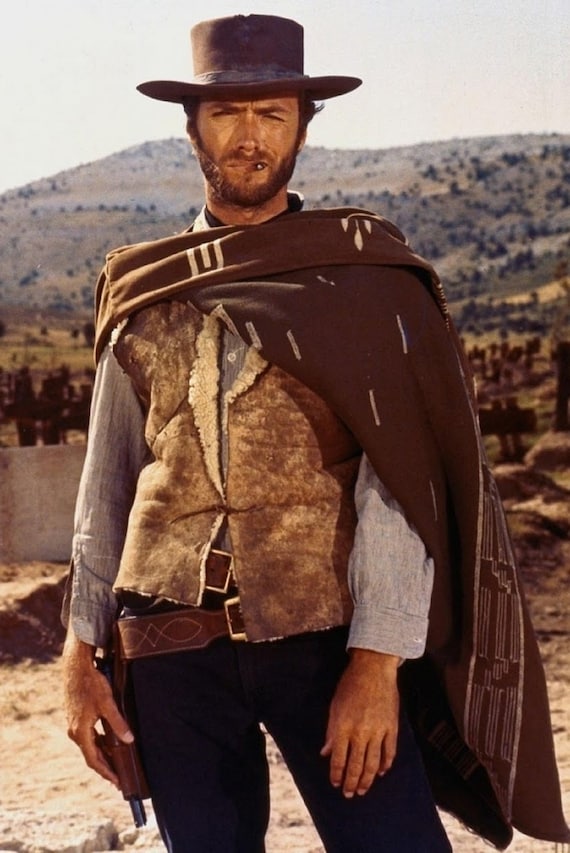
Then came the role that changed everything. When his Rawhide co-star turned down an Italian western, Eastwood took the part for $15,000 and a Mercedes-Benz, traveling to Spain to shoot ‘A Fistful of Dollars’ with a then-unknown director named Sergio Leone. The Man with No Name made him a major star in Italy, and the Dollars trilogy reshaped the western entirely, trading the clean-cut hero for a morally ambiguous antihero. Leone once said he needed a mask more than an actor, and Eastwood gave him exactly that.

The 1970s cemented his status as a cultural force. Dirty Harry arrived in 1971, inventing the loose-cannon cop genre and handing Eastwood one of cinema’s most quotable lines. That same year, he made his directorial debut with ‘Play Misty for Me’, launching a second career that would eventually eclipse his first. He founded Malpaso Productions, named after a creek on his Monterey County property, and used it to take control of nearly everything he made.

His reputation as a director grew on efficiency and instinct. Frustrated by reshoots early on, Eastwood became famous for completing most scenes on the first take, avoiding rehearsals, and bringing films in under budget and ahead of schedule. He favored low-key lighting and a noir-ish feel, and he trusted audiences to fill in the gaps rather than spelling everything out.

The critical respect he chased for years finally arrived in full. ‘Unforgiven’ won Best Picture and Best Director in 1992, and ‘Million Dollar Baby’ repeated the feat in 2004, making him, at 74, the oldest director to win two Best Picture awards. He directed five actors to Oscar-winning performances, including Gene Hackman, Sean Penn, Tim Robbins, Morgan Freeman, and Hilary Swank, and earned acclaim for films he never appeared in, from ‘Mystic River’ to ‘Letters from Iwo Jima’.

His range as a leading man stayed wide to the very end. He moved from the romantic ache of ‘The Bridges of Madison County’ opposite Meryl Streep to the weathered fury of ‘Gran Torino’, which became the highest-grossing film of his career, and on to ‘The Mule’ in his late 80s. Films featuring Eastwood have grossed more than $1.8 billion domestically, a staggering figure spread across more than 50 titles.

Music ran alongside all of it. A devoted jazz and blues aficionado, Eastwood composed scores for several of his films, co-wrote songs, and ran his own Warner-distributed label, Malpaso Records. He received an honorary doctorate from the Berklee College of Music and called it one of the great honors of his life.

The honors piled up across continents. Four Academy Awards, four Golden Globes, the Légion d’honneur, the Order of the Rising Sun, an AFI Life Achievement Award, and France’s highest civilian distinctions all came his way. French President Jacques Chirac told him he embodied the best of Hollywood, and President Obama once described his films as essays in individuality, hard truths, and the essence of what it means to be American.

As he reflected on his late career, Eastwood kept it simple. He said he kept working because there were always new stories to tell, and that as long as people wanted to hear them, he’d be there. After more than 70 years, the storyteller has finally stepped away, leaving behind a body of work few will ever match.