
All photos by Mini’s Memories. You can contact her at minismemories@hotmail.com







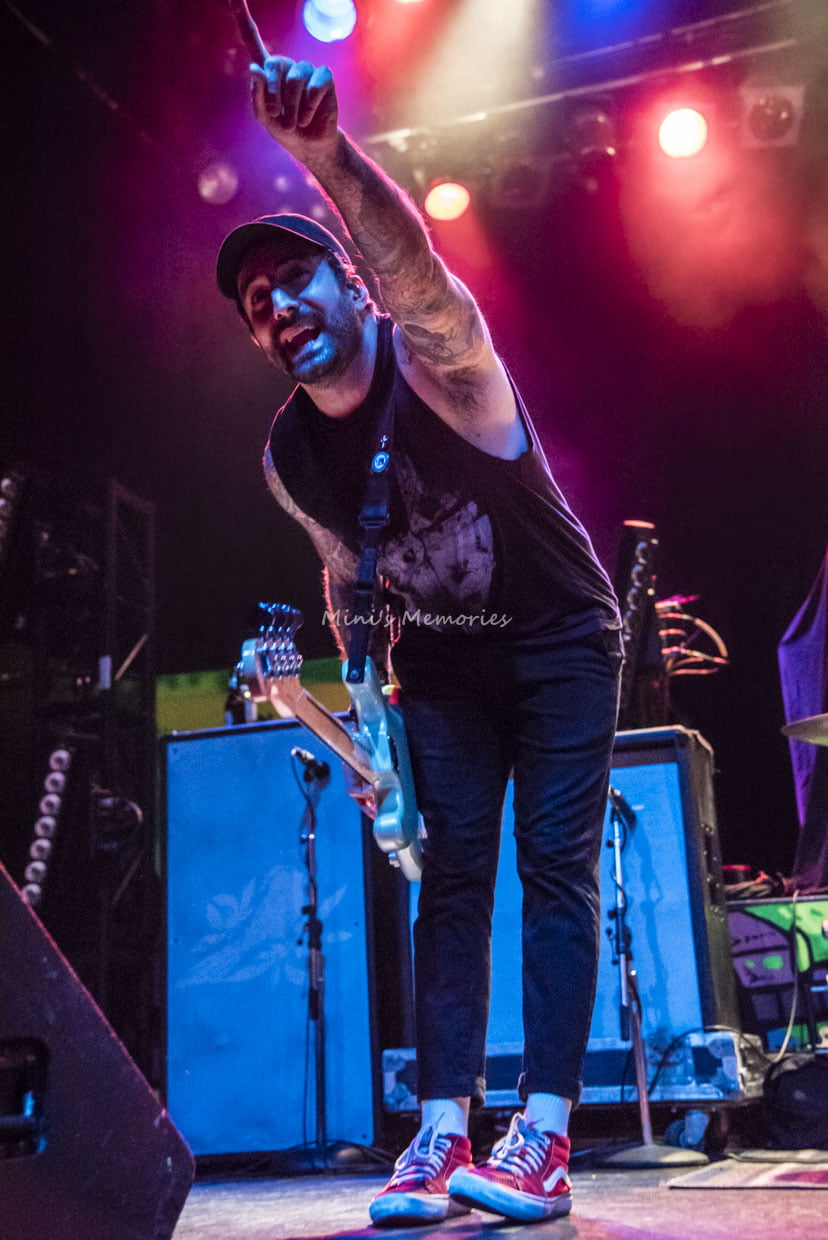
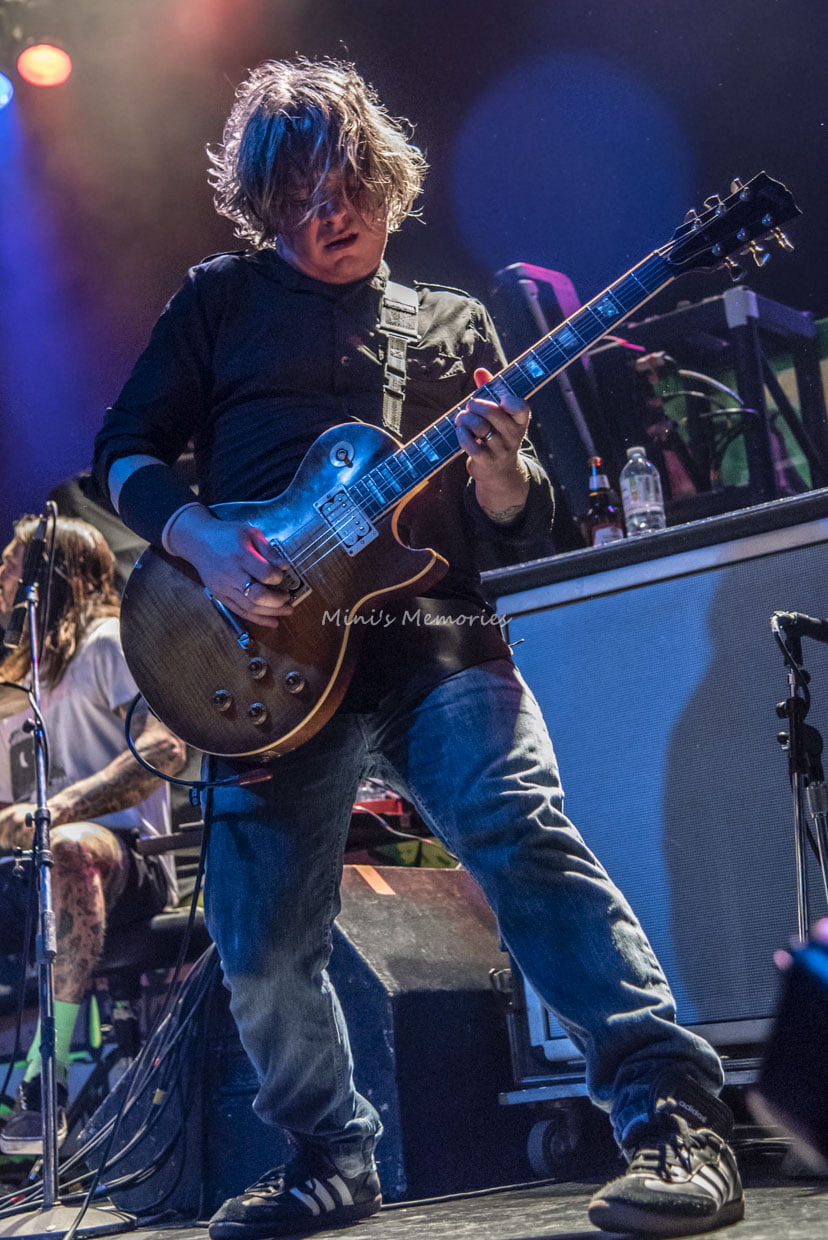
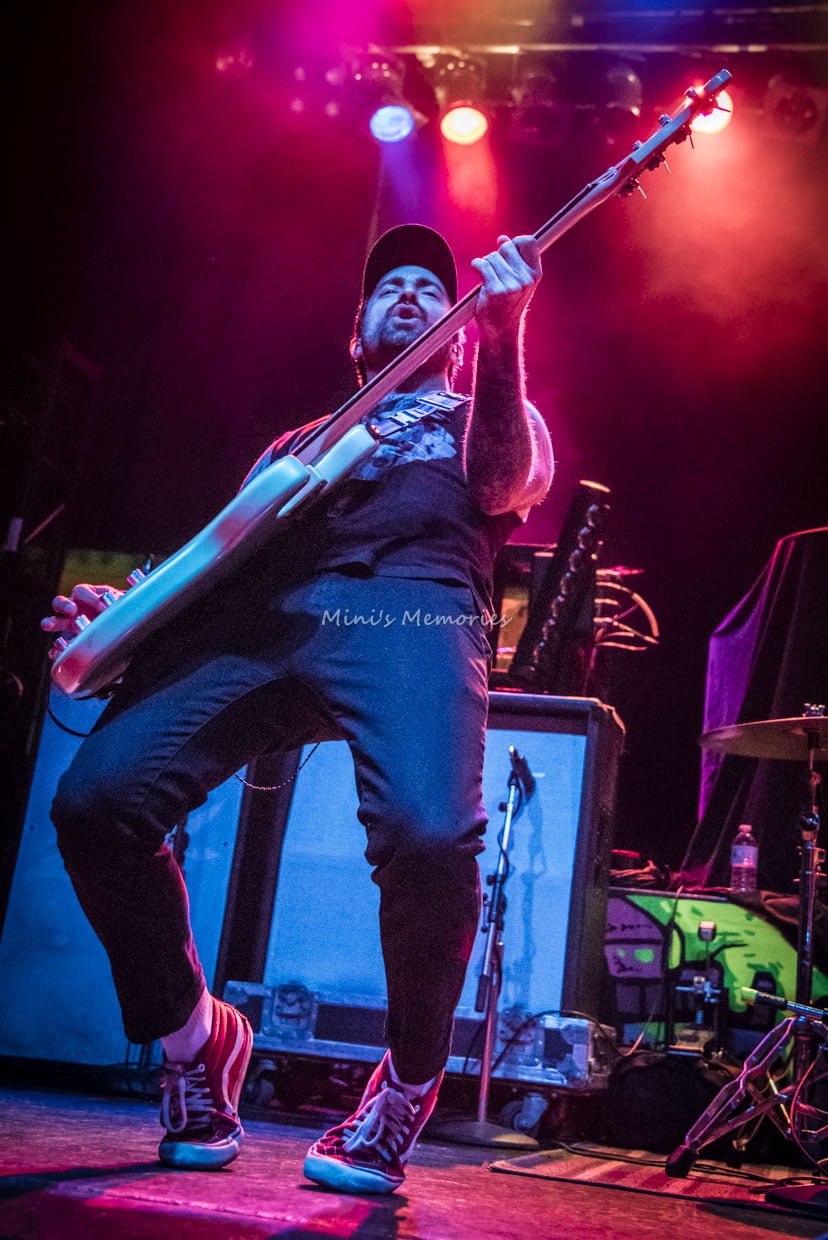
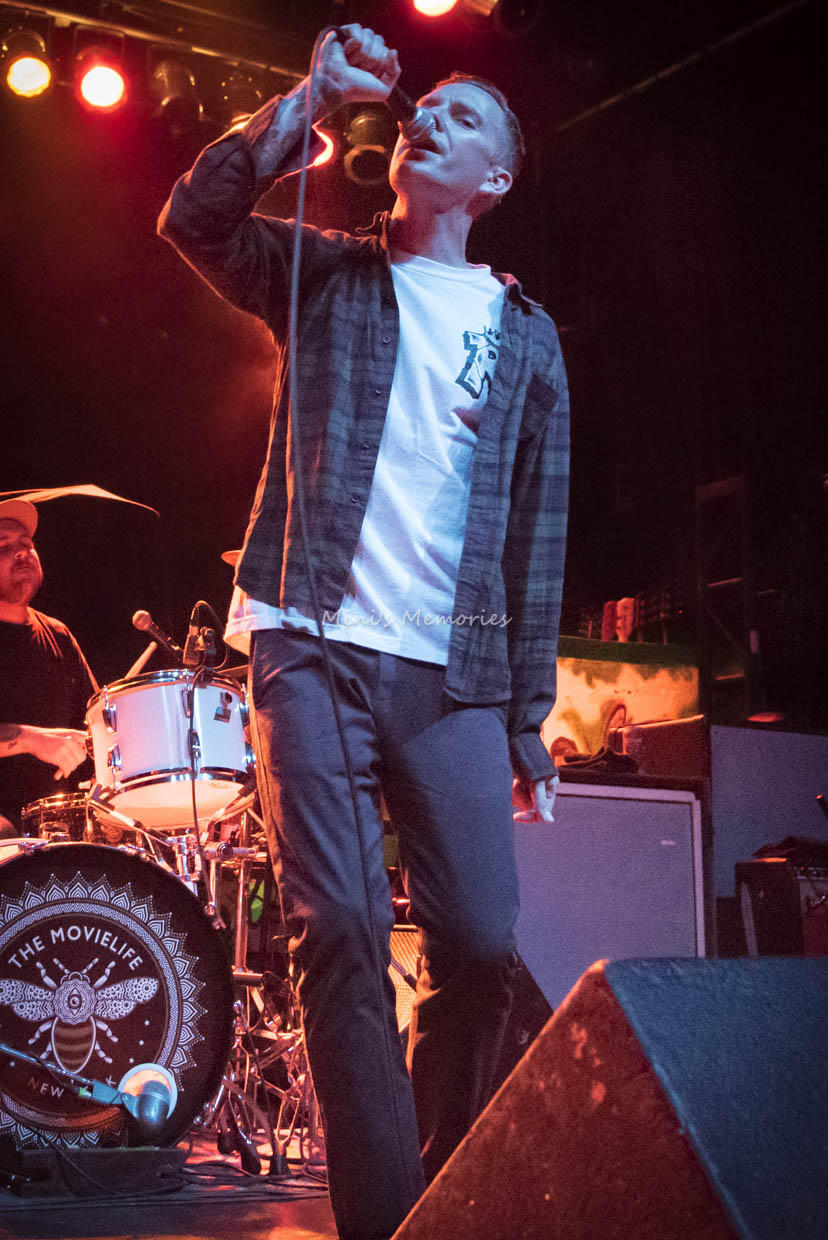

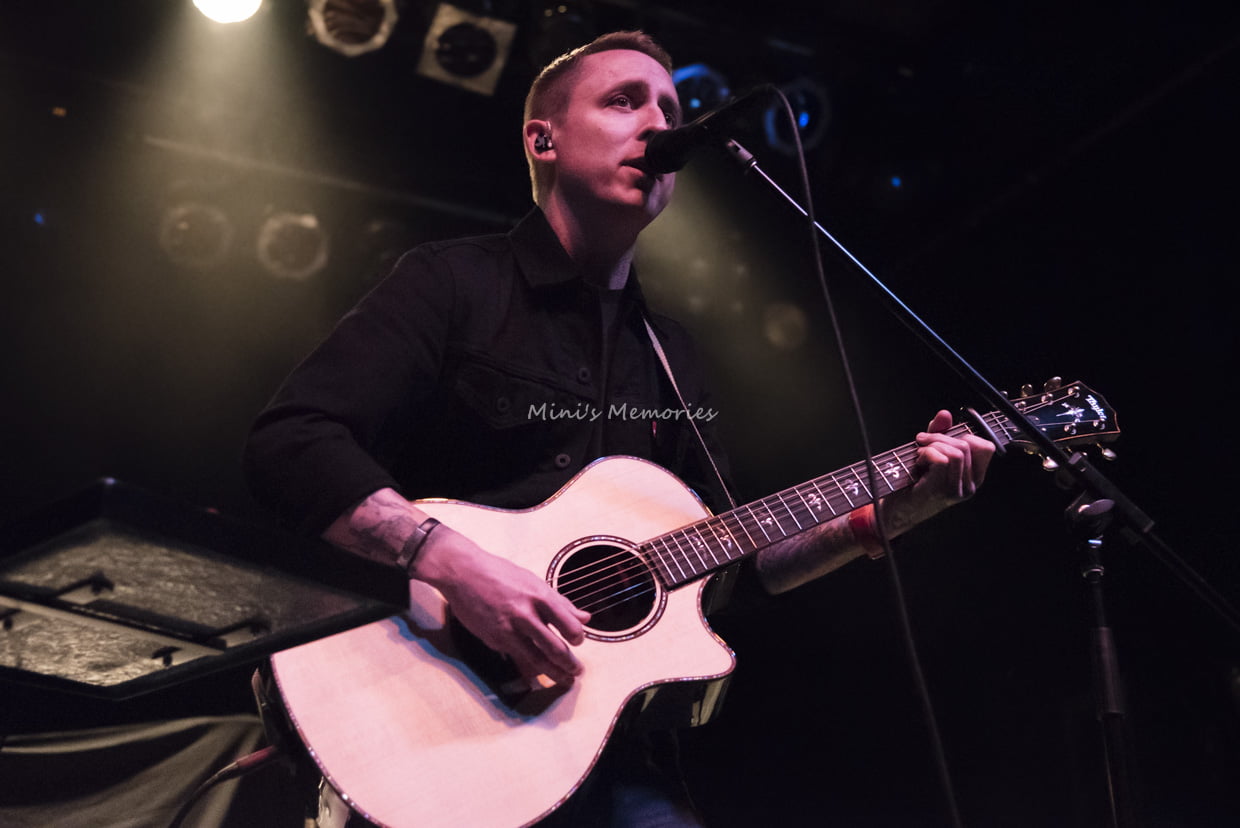

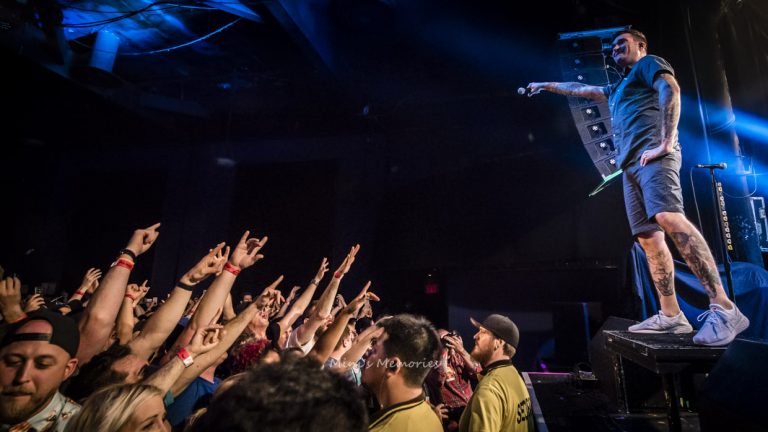
All photos by Mini’s Memories. You can contact her at minismemories@hotmail.com
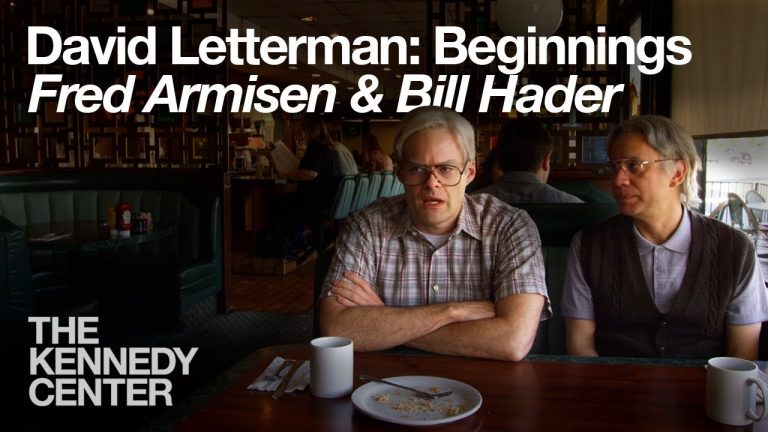
Childhood friends Ralph Masterson (Fred Armisen) and Sam Cooper (Bill Hader) share very special tales of David Letterman’s beginnings in a tribute to the comedian for winning the Mark Twain Prize for American Humor.
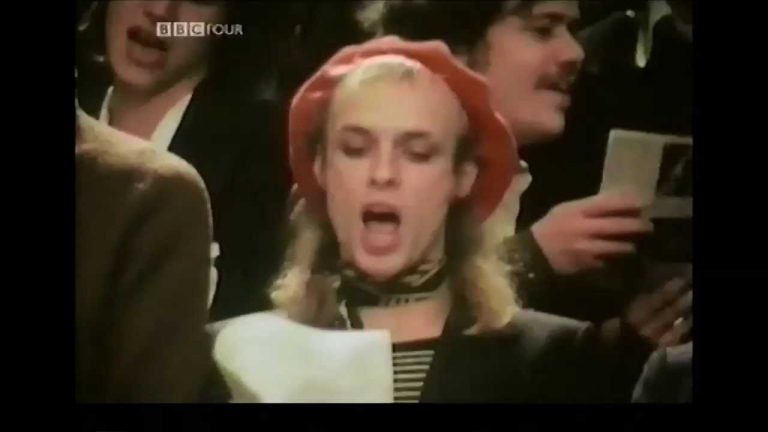
The Portsmouth Sinfonia was an orchestra founded by a group of students at the Portsmouth School of Art in England, in 1970. The Sinfonia was generally open to anyone and ended up drawing players that were either people without musical training or, if they were musicians, ones that chose to play an instrument that was entirely new to them. Among the founding members was one of their teachers, English composer Gavin Bryars. The orchestra started as a one-off, tongue-in-cheek performance art ensemble but became a cultural phenomenon over the following ten years, with concerts, record albums, a film and a hit single. They last performed publicly in 1979. Many modern composers and musicians found this his to be interesting and even profound; the comedic aspects of the music were merely a bonus, though it was used extensively for marketing purposes. Brian Eno was interested enough to join the orchestra, playing clarinet, and subsequently producing their first two albums.
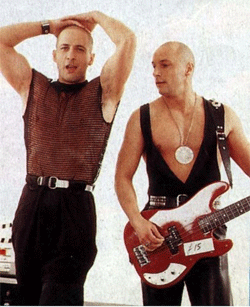
Fred Fairbrass, Right Said Fred: We never really fit in. When everyone else was doing post-punk New Wave, we were busy doing sort of … acoustic power-pop. Which just didn’t fit. We toured with Suicide and with Joy Division. We were just on the road in the U.K. mostly, from ’78, ’79 right through to when we moved to New York in ’86, ’87. Like most musicians, we had part-time jobs – we worked in video production, we both worked in gyms. People always thought we were going to do something, and we never did.
I saw a documentary on Twisted Sister and there were quite a few … parallels with things that went wrong, yeah. People falling out and people becoming ill or just moving out of the country. You sign to somebody then they get picked up by another company and you’re left with an A&R guy that hates you. All the stuff bands go through. What was interesting about New York in that period, it was very hedonistic. Big parties like [the drag hangout] Jackie 60. Richard worked at [nightclub] Nell’s. I worked at [the punk-rock clothier] Trash and Vaudeville. We just did a load of stuff – we went to a lot of really dodgy parties.
(After I’m Too Sexy broke big) We were channel surfing and we found this local Miami station, and it was just as we’d got there that he said, “Now, America’s Number One is Right Said Fred.” We’d just tuned in about five seconds before the guy said it. I have to say, that was the first moment I thought, “Fuck! That was actually pretty amazing.” An independent band with no money, making it. … Some bands had to get there if they’ve got a huge amount of debt from a major label. And they spend the next 10 years trying to pay it off. We were incredibly lucky, because everything we made was profit. Because we hadn’t spent any money. We didn’t have any.
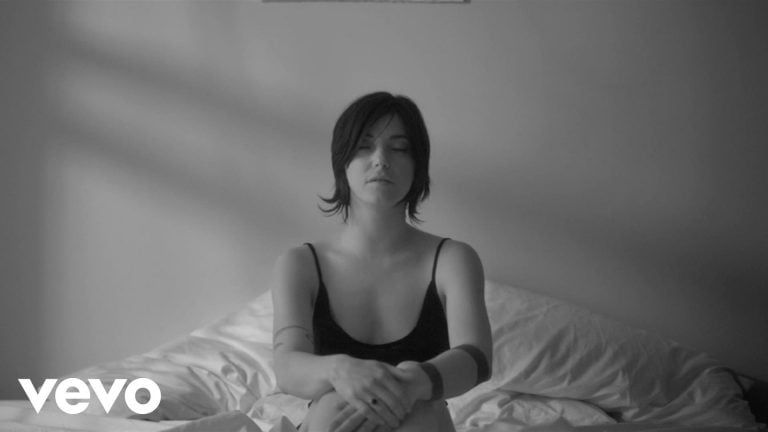
Sharon Van Etten iimbues her songs with the naked emotion that other singer-songwriters might iron out of their recordings. She wants us to hear the humanity of her work, the imperfections that make it palpable, the longing and heartache we’ve all nursed at some point.
As a musician, as a songwriter, and a player, how has your processed changed from how you wrote songs and performed them back then to how you do things now?
Sharon Van Etten: Honestly, they all start from the same place. Over the years I’ve honed it a little bit, realizing what it is. I always write from a place of therapy, and whenever I’m feeling something, I sit down and come up with a chord progression and a melody and then I let myself go stream-of-conscious. Now, I can look at it and understand what it is that I’m trying to say and then think of the things that I’m saying subconsciously and shape that into more of a song, and be able to consciously admit to myself what it is I’m going through: Obviously, having a kid and being happy and trying to pursue a career, I mean the realities of what’s ahead of you is heavier than some people will admit to themselves.
I feel like that’s going to be a big change for me. Literally, next week I’m about to go into the studios to start recording my next record. As I’m talking to you, with a bottle in my baby’s mouth and oatmeal all over my hands, I think about how hard it’s going to be to step away and go back to work and the state of the world and what I have to offer this guy. My perspective has changed in that way, but my process is the same, maybe now it’s just whittled down to 20-minute increments. I’m just squeezing in that time in different places now.
I’m a Pisces and a wanderer by nature, but I feel like I’m the kind of person that needs a little bit of structure. Not to say that I have a baby who’s structured, but I’m excited to see how we both develop, as we learn about each other’s schedule, and as we both progress this year and for our lifetime.
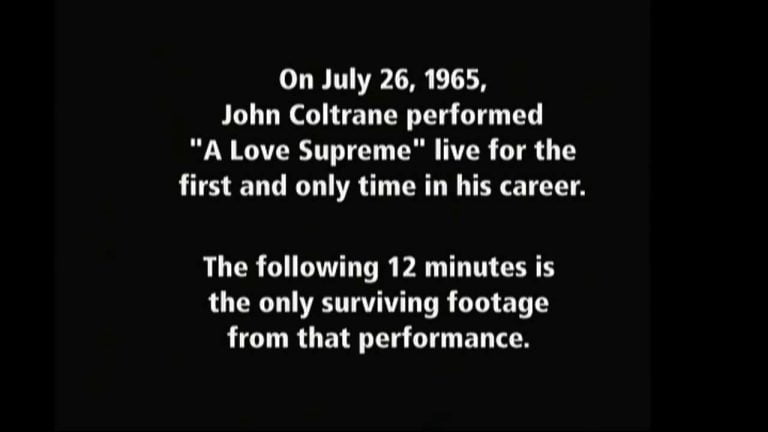
Here is the only surviving footage from John Coltrane’s first and only live performance of “A Love Supreme” on July 26, 1965.
John Coltrane – A Love Supreme only once in own concert (1965) from Jean CECE on Vimeo.
Post-war Britain rebuilt itself on a wave of scientific and industrial breakthroughs that culminated in the cultural revolution of the 1960’s. In this atmosphere was born the Electronic Music Studios (EMS), a radical group of avant-garde electronic musicians who utilized technology and experimentation to compose a futuristic electronic sound-scape for the New Britain.
What The Future Sounded Like colours in a lost chapter in music history, uncovering a group of composers and innovators who harnessed technology and new ideas to re-imagine the boundaries of music and sound. Features music from Pink Floyd, Hawkwind, Roxy Music and The Emperor Machine.
What The Future Sounded Like from Closer Productions on Vimeo.
That time in 1992 when Megan Jasper from Sub Pop hoaxed The New York Times into printing what they thought was an authentic “Lexicon of Grunge,” a string of ridiculous slang phrases she fabricated on the spot.

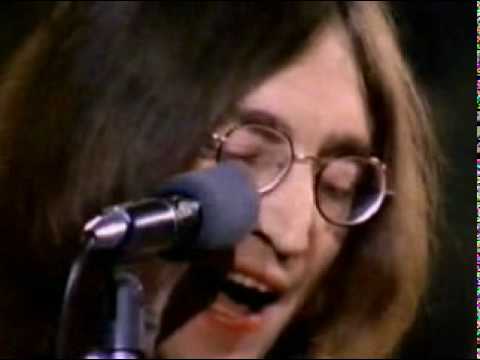
Just after the album The Beatles came out in late 1968 containing Yer Blues, Lennon performed the song at The Rolling Stones Rock and Roll Circus with a supergroup dubbed “The Dirty Mac,” a one-shot supergroup comprised of John Lennon, Eric Clapton, Keith Richards, and Mitch Mitchell. Just before the song, though, a kinda awkward conversation between Lennon and Mick Jagger for your bonus viewing.
https://youtu.be/Iuy-10Ejck4
Rock ‘n’ Roll Hall of Famer and Rush bassist Geddy Lee celebrates rock music’s thunderous, rumbly bottom end—the bass—in Geddy Lee’s Big Beautiful Book of Bass, this unique, lavishly illustrated, full-color compendium showcasing over two hundred rare, iconic, beautiful, and sometimes eccentric bass guitars from his extensive collection. It gets released on November 13, 2018
In this luxurious keepsake volume, Geddy Lee chronicles the fascinating history of one of rock music’s foundation instruments, the bass guitar. Written with arts journalist Daniel Richler, gorgeously photographed by Richard Sibbals, and with insight from Geddy’s trusted bass tech and curator, John “Skully” McIntosh, Geddy Lee’s Big Beautiful Book of Bass profiles over two hundred classic basses from Geddy’s extensive collection. The book combines knowledge and observations gleaned from Geddy’s long, successful career with new and behind-the-scenes photos, ranging from his earliest days to Rush’s sold-out 40th anniversary tour in 2015, plus personal interviews with some of the world’s top bassists and collectors.
A musician and guitar freak, Geddy has acquired the magnificent bass models that have been the backbone of the world’s greatest popular music, from greats such as Paul McCartney, John Entwistle, and Jack Bruce. The book features vintage basses from 1950 through the mid-1970s—the golden age of guitar making.
Suffused with Geddy’s intelligence, taste, and disarming wit, Geddy Lee’s Big Beautiful Book of Bass is also an entertaining look at a legend’s career on stage, in the studio, and at home. Geddy shares his views of the role of the bass guitar in his life and in the lives of the great players who’ve influenced him, revealing his passions and motivations, and ultimately broadening fans’ appreciation of his beloved instrument.
You can preorder it here.
Follow us on Instagram @thatericalper

Eric Alper is a 6-time nominee for Publicist of the Year during Canadian Music Week and has overseen the publicity campaigns for over 183 JUNO Award-nominated albums (and 16 in 2025), 45 Grammy-nominated albums, including 47 JUNO Award, 58 Canadian Folk Music Award, 126 Maple Blues Award-winning albums and is also truly honoured to work with some of the biggest and most important artists of our time.
Contact me: eric@thatericalper.com
© Copyright - That Eric Alper