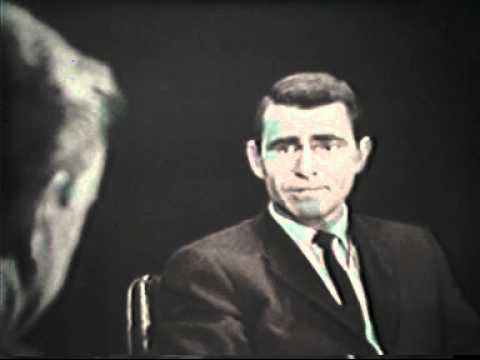
In a 1959 interview with Mike Wallace, The Twilight Zone creator Rod Serling described his experiences fighting the “antiseptic, rigid” qualities of censorship. The decision to censor, he suggests, stops not with censors or networks, but with the audience, who gives permission for the content creators to continue.
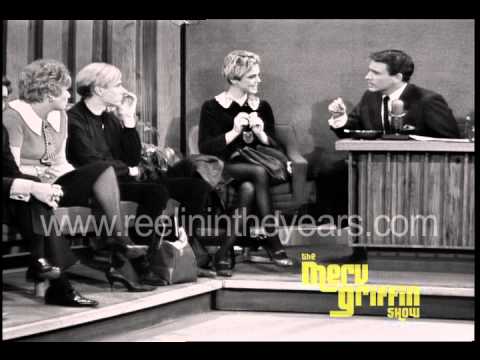
Andy Warhol and Edie Sedgwick, the first couple of Pop Art, make a very rare national television appearance on The Merv Griffin Show in October of 1965. A fascinating look at the quirky duo as they subject themselves to a little mainstream scrutiny with some mixed results. Andy, at first takes a vow of silence but eventually warms up enough to grunt a few one-word answers.
The Power Station was a 1980s supergroup made up of singer Robert Palmer, former Chic drummer Tony Thompson, and Duran Duran members bassist John Taylor and guitarist Andy Taylor. Bernard Edwards, also of Chic, was involved on the studio side as recording producer and for a short time also functioned as The Power Station’s manager. Edwards also replaced John Taylor on bass for the recording of the supergroup’s follow-up album. The band was formed in New York City late in 1984 during a break in Duran Duran’s schedule that became a lengthy hiatus.
The success of the band was really extraordinary. The quality of the videos and performances was far superior to most 80s bands, and hit on all the major genres of the era – rock, pop, r&b, metal, and punk. Three singles were released from the album, two of them major hits. The first, “Some Like It Hot”, reached number 14 on the UK Singles Chart and number 6 on the US Billboard Hot 100. The second single, “Get It On (Bang a Gong)”, went to number 22 in the United Kingdom and number 9 in the United States, while competing against the Duran Duran single “A View to a Kill”, which was an American number one.
The group’s unexpected success led to two incompatible results: first, the band decided to headline a summer tour in America with Paul Young, Nik Kershaw and Orchestral Manoeuvres in the Dark; second, Robert Palmer decided to record a solo album to take advantage of his sudden name recognition. This led to Palmer’s departure from the band. (Tony Thompson, Andy Taylor and future Power Station bass player Bernard Edwards all contributed to Palmer’s highly successful 1985 solo album Riptide.)
When Palmer left, they recruited singer/actor Michael Des Barres (formerly of Silverhead, Chequered Past and Detective) for the tour. Des Barres also performed with them at the Live Aid charity concert in Philadelphia that summer.
One thing is for sure when you talk to Michael, he’s exactly how you hope a lead singer would be – funny, larger than life, smart, and has a memory like an elephant. He’s thoughtful enough to sing the praises of others, while also expressing gratitude of discovering on a daily basis, just how wonderful this life is for him.
Eric: How did you first get involved in The Power Station in the beginning? Michael Des Barres: It’s a crazy story. In 1985, I was in Texas with my friend, Don Johnson, and another friend, who I don’t want to bring up names here. There I am with Don and old friends we are. And he was making a movie! I got a call at this hotel, and they asked “What are you doing this summer?” I said “Hanging out and celebrate ‘Obsession’ (the Animotion song written by Michael) number one all over the world.” He said “I want you to come to New York to meet these guys and they want you to front this band.” I said “Are you flying in the first class?” and he said “Yes.” So I said, “See you soon.” There was a huge white limo and got to this office right away at Manhattan. Eric: Which band did you think it is at this point? Did you have any guesses? Michael: I didn’t care! I’m off to New York! So there I was at New York, walking to the office. John Taylor sweating and Tony Thompson seemingly nervous, because they both were on tour. Robert, who I’ve known, by the way, for 20 years start to this. My first band in 1972, he was in a band called Vinegar Joe, and a lovely, lovely man. Now they were there. I was like, “Oh my God, this is The Power Station. They’re the number one!” I mean that album was massive already. So I was sitting there, and I got quickly interjected with these guys. A bit of advice to say right here – always be ready, because you never know when the magic strikes. What did I do? They have flied to London that night on the Concorde to meet with Andy Taylor. I went straight to the recording studio and I’ve already got takes from the album. Took his voice, learned the words. We did 8 hours until Andy to turn up. He shared with a couple of his bodyguards that feeling smoked from strange cigarette. He comes in quick and said “Ok, hit it Michael.” I sang the verse and chorus quick. “Let’s go shopping,” said Andy Taylor. Eric: At that point, when you knew it was The Power Station, and you know that you were also friends with Robert Palmer. Does it ever occur to you not to do this, for fear of ruining a friendship? Michael: I would never have any of those thoughts. Are you kidding? All I ever thought about won’t wear a suit. I was delighted to bein the band. I can’t think of negative things, you know? I can’t worry what people would think about me, because you can’t please everybody. You’re gonna get a couple of chats from the couch if they don’t like you. This is gonna happen, and I could care less. It was so fast and magical, but I went through a time in my life to stop being negative. Once I got back to New York, Andy was in and he wanted to meet me. I checked him to the car hotel, but I got a call from the manager saying, “Michael you’re out. Robert has decided to do the tour.” I went to the dinner with Don to this Chinese restaurant, and there was John Taylor at another table. Looking at me sort of sheepishly. Don went over to John, and says “Can I have a word with you?” I don’t know what they said still today. We came back after finishing the dinner and went back to Colorado to fly back to LA. At 7AM I got a call, saying “Michael, you’re back in.” Eric: Wow, what do you think he said? Michael: I never knew, but, I think that Robert Palmer is one of the greatest artists that we’ve ever had. But as a performer, he loses his left shoulder a couple of inches in here and there. So that you got the crowd of 20, 40, 60 thousand people, all 16 years old girls, and usually topless. So Robert Palmer perhaps was not the right guy to focus on kids go crazy.
Eric: The Power Station were so cool. They had one of the most popular guitarists and bassists in the world. You had Robert Palmer, and Tony Thompson. It wouldn’t work on paper, but it did. Michael: Yeah, it was great recording unit. They made great records. Andy is a rock n’roll star. He was already kind of wanting to move in a rockier direction, which I moved in to him, because I introduced him to Steve Johns and they did an album together, Steve and Andy, and Andy’s solo record which is rocking. It was distort group of musicians. It goes to prove that you cannot categorize yourself. You got to be opened. I couldn’t sing Robert. Robert Palmer’s voice is very contained – he’s almost like baritone. I’m out there and playing to each and every person in the crowd. So I need to come down and somehow interpret these great songs.
Eric: How was Live Aid for you? Your friend Don Johnson was the one that introduced you. In the stretch of an hour or so, performing were Neil Young, The Power Station, Thompson Twins, Eric Clapton, the CSNY reunion, and then Duran Duran. Those two hours backstage must have been just the greatest rock n’roll experience at the time, or ever. Michael: The greatest rock n’roll experience that anybody ever had was at the hotel! All the people you’ve mentioned were at the hotel. We just played a gig for almost two billion people. Eric: Do you remember being on stage for those moments? Michael: I was on stage? Ha! Of course I remember it. Eric: Did you feel any different than any other shows that you were doing at the time? Forget the television audience for a moment – or can you? Michael: Of course. I was levitating. If you look at the tape now, you could clearly see me levitating. I was so excited. It’s amazing. There were so many people, I that were so nervous, I mean people writing the words of their biggest songs on the palm of their hands with a magic marker. I was standing next to Madonna and she was just breaking in. She was shaking so much that she was going mad. It was beautiful. So you’ve got to know the two things going on. One is yourself helping out the starving people in Africa, and showing the power of music to help. But on the other hand, it was a good career move that they caught on you on your business. It was fascinating. You had Bob Dylan, Keith Richards, and Ronnie Wood playing in different keys for the same song. There were so many things going on that it was such a magic. You could make a move at the back stage at night back in the hotel, be equally be interesting concert itself.
https://youtu.be/tgaploSrh5Y
Eric: Do you still keep in touch with John and Andy Taylor? Michael: Yes, I still text with them and send each other a Valentine’s card. I love John. He’s beautiful, brilliant musician, writer, and a huge heart. And I love Andy. He’s very close. I don’t hear from him much. He lives in Ibiza. He’s isolated now but I’d love to see him. I try to remain connected with all of the people that I had an incredible core experiences with. It’s important to me that the people and friendships remain.
There’s a moment early in your career, during a concert at the El Mocambo, of a girl in ripped tights emerging from the audience to kiss you. You describe the moment as one of sheer mania, then sharply cut the scene with your next line: “And then I went home and tried to act normal.” I’m wondering what you thought “normal” meant in that context. At that moment in your life, as a very young but married performer, what did you think you were supposed to be?
Elvis Costello: One of the things that I tried to do in this book – rather than be lurid or say “Wasn’t I a great fellow because I’ve lived all this wild life?” – is to acknowledge that I did a lot of things which I had vowed not to do. Out of those lies I wrote a number of songs, some of which are very painful to sing – much less to write – because they describe early desires, and things I’m not proud of. I tried to acknowledge the truth, because the songs came out of it. I tried not to be coy, and it’s painful. Painful to meet those memories again, and walk away from the pages remembering times when I wasn’t true to a wife or son. I’m finished with all that now. I can’t equally, literally wish none of those things happened, or that my life didn’t go in these other directions, because I ended at the place where I am now, and I had to be here. You can say, “I wish I didn’t do it,” but you have to accept what comes after.
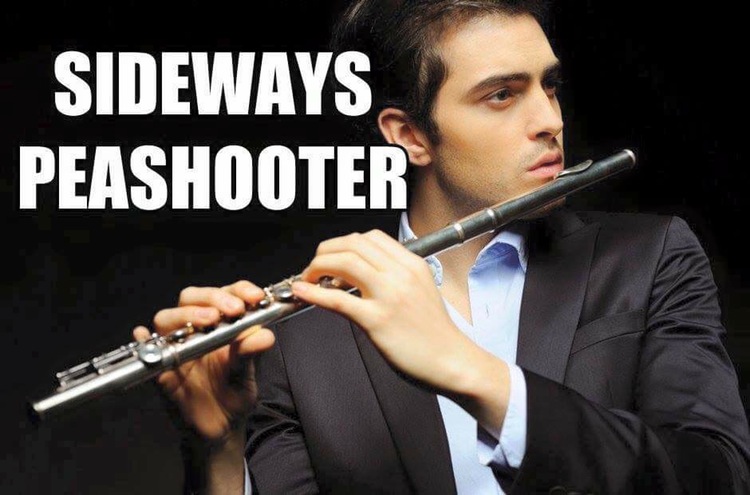
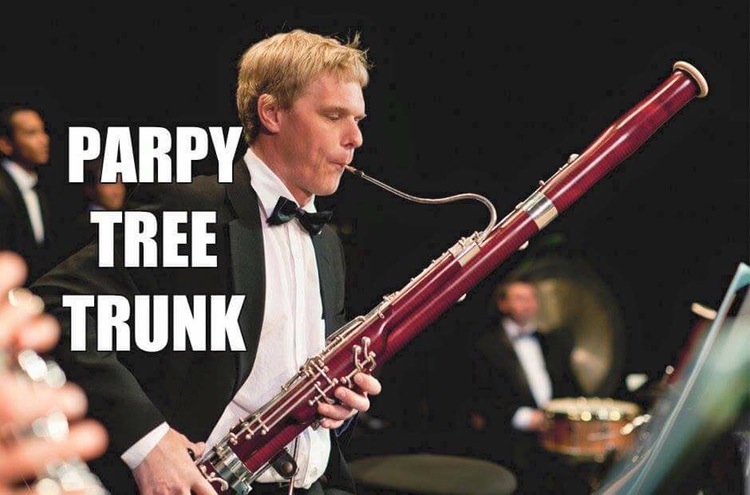
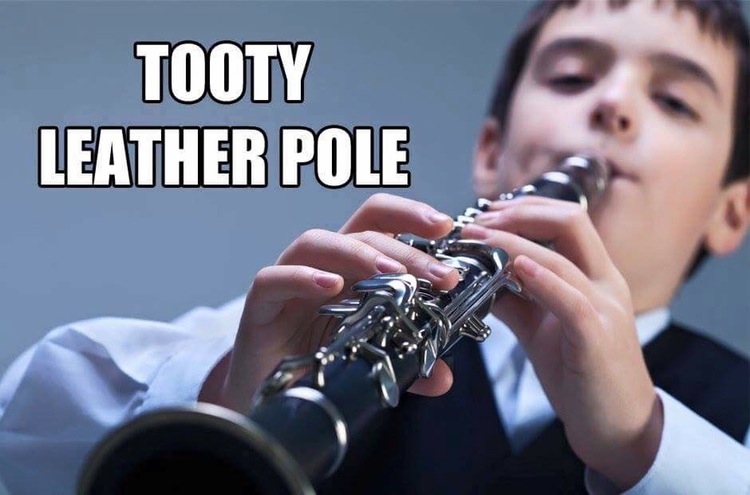
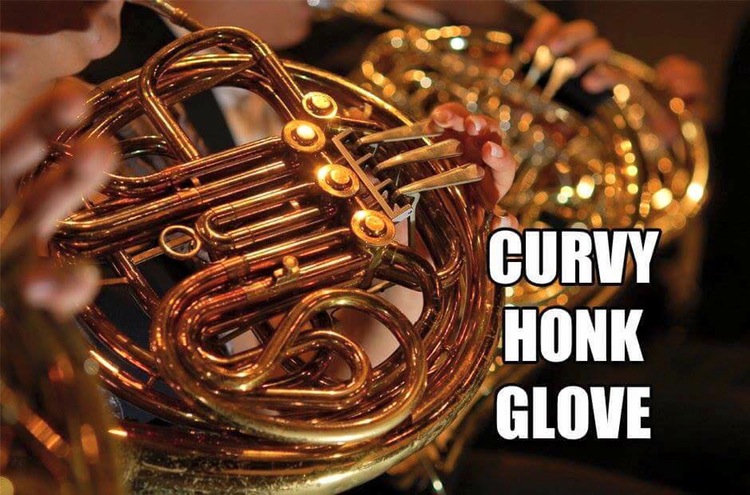
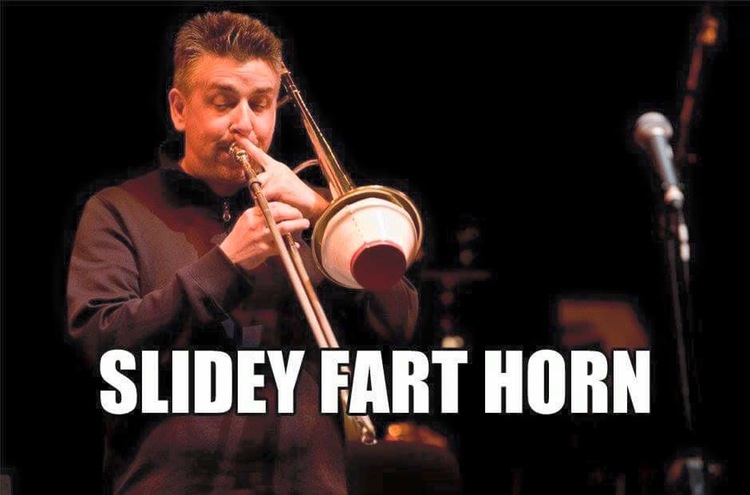
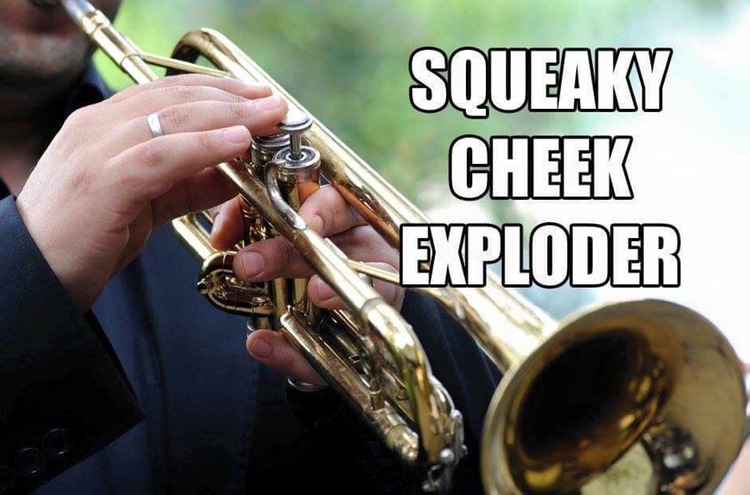
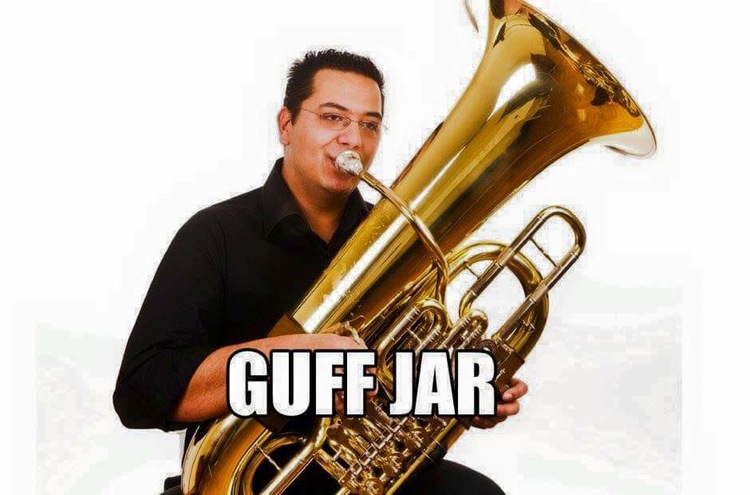
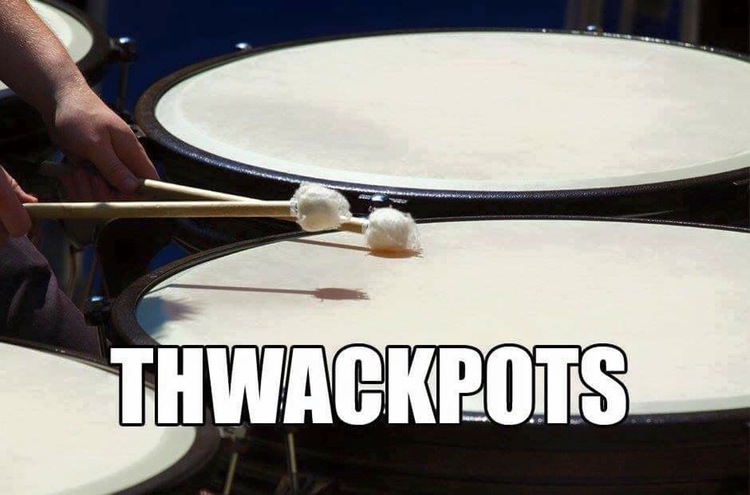
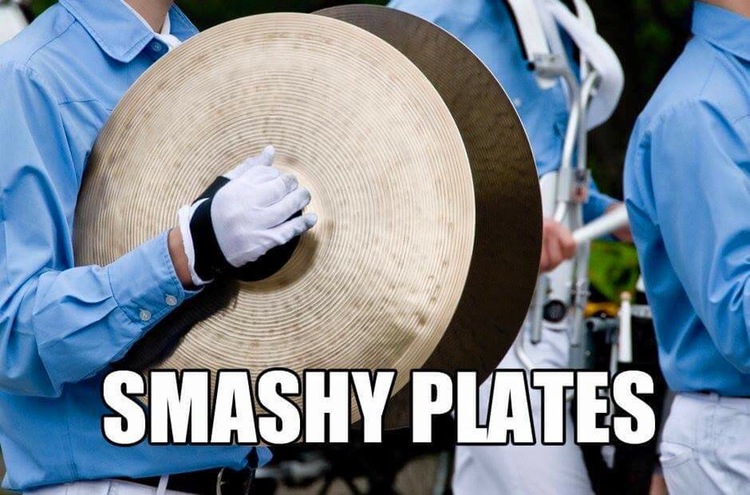
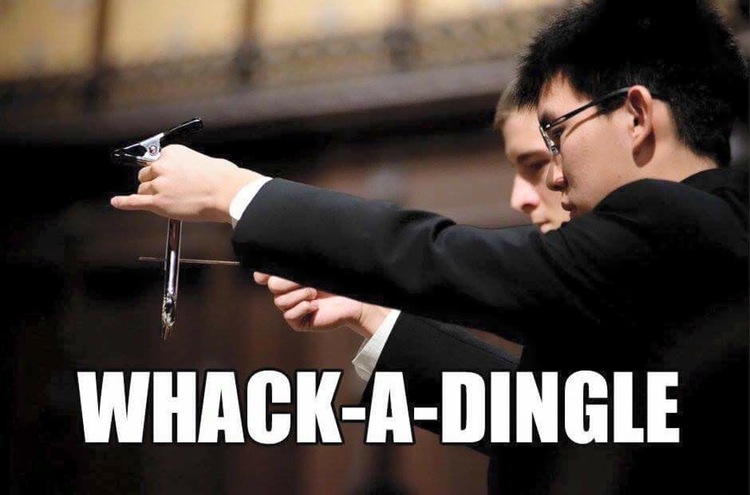
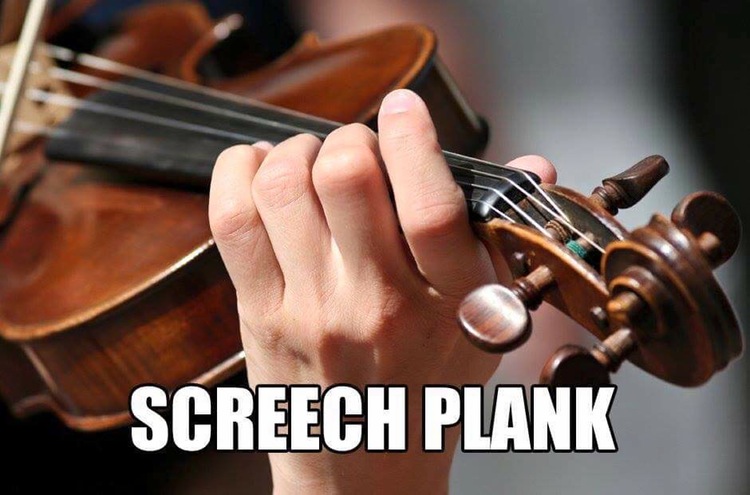
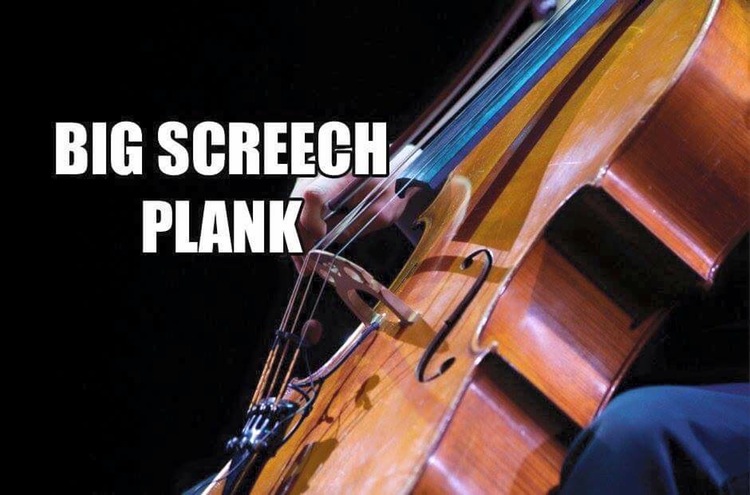
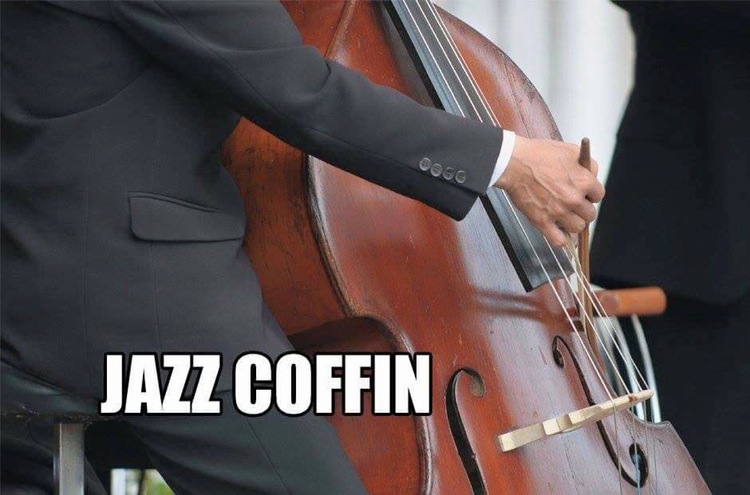
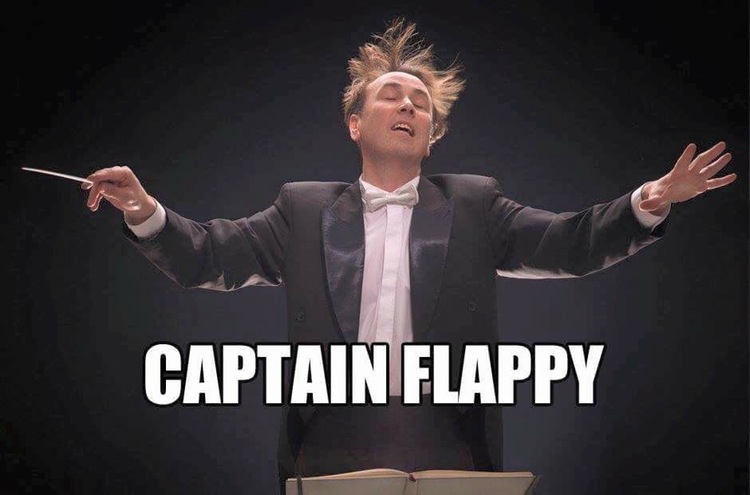
The dazzling folks at Classic FM put their heads together and came up with these new and authentic names for instruments.Yet another growing reason why the internet is the best.
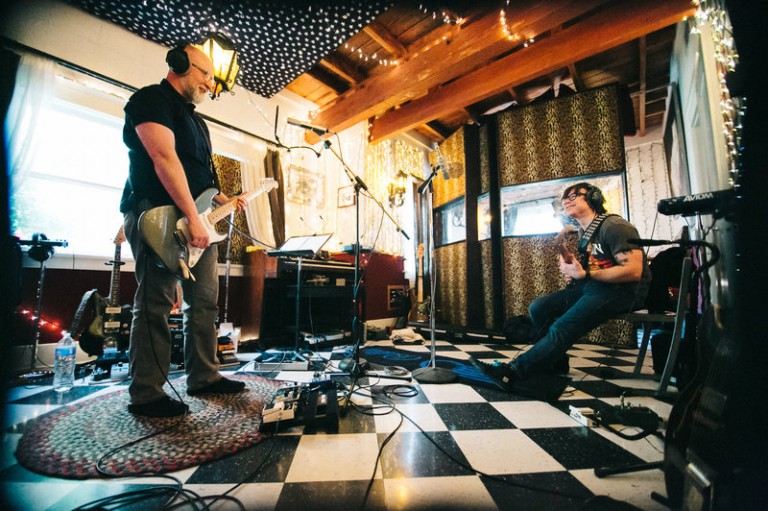
There’s new music from Bob Mould. His latest album, Patch The Sky, comes out March 25. One of this legendary musician’s biggest fans — from his punk days of Hüsker Dü to the land of Sugar and his prolific and exciting solo records — is musician Ryan Adams. And as a fan and friend, Ryan invited Bob to his PAX-AM Studio and pressed record.
So for the next hour you’ll hear Bob and Ryan play music and hear a sprawling, geeky and fun conversation. Sometimes it’s about Bob’s record, other times it’s about Metallica bootlegs, caveman sounding lyrics, favorite cereals, fasted band, how the revival of vinyl helps make better, more focused records, praying, the quietness of church, zombies, Einstürzende Neubauten, noise rock and recording/mixing/soundboards.
You’ll also hear them break into song. Over the course of the hour-long conversation, they play three versions of two songs from Bob Mould’s new album recorded right there in Ryan Adams’ PAX-AM studio — they do “Hold On” and “The End of Things” together and then Bob plays “The End of Things” by himself. These aren’t the recordings from Patch The Sky; it’s just two friends, making music, having fun.
Tom Mylan, executive butcher and co-owner of The Meat Hook in Brooklyn, New York, demonstrates how to make a meat smoker from parts bought at a hardware store.

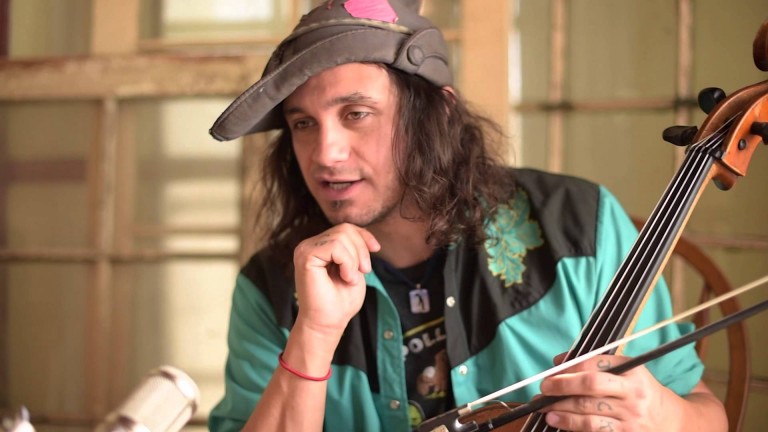
Part of the Beehive “Ear to the Ground” series featuring sessions and interviews exploring the artists and places that make up Roots Music Culture. In this episode, Rushad Eggleston bursts with enthusiasm, passion and humour to show how to make music, and the cello, fun again.