All photos by Mini’s Memories. You can contact her at minismemories@hotmail.com
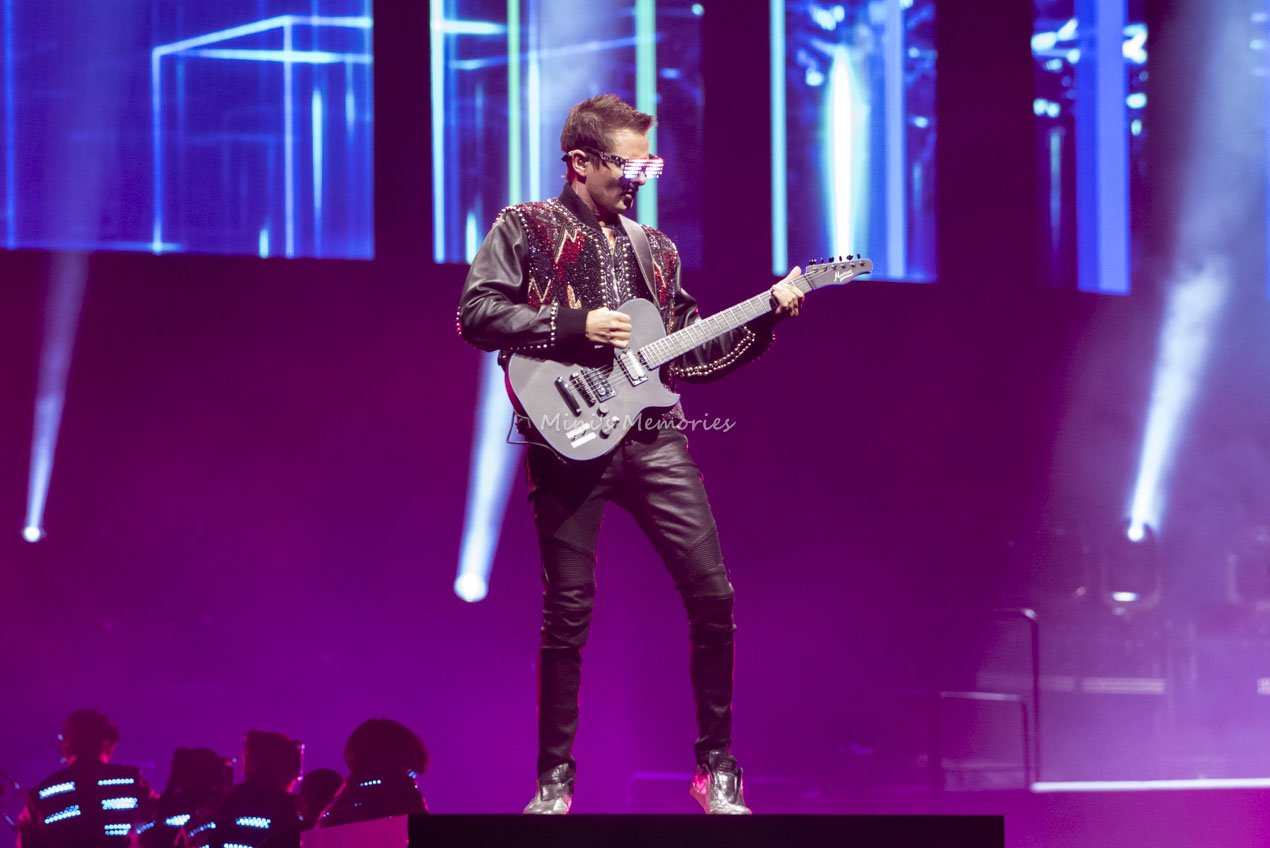
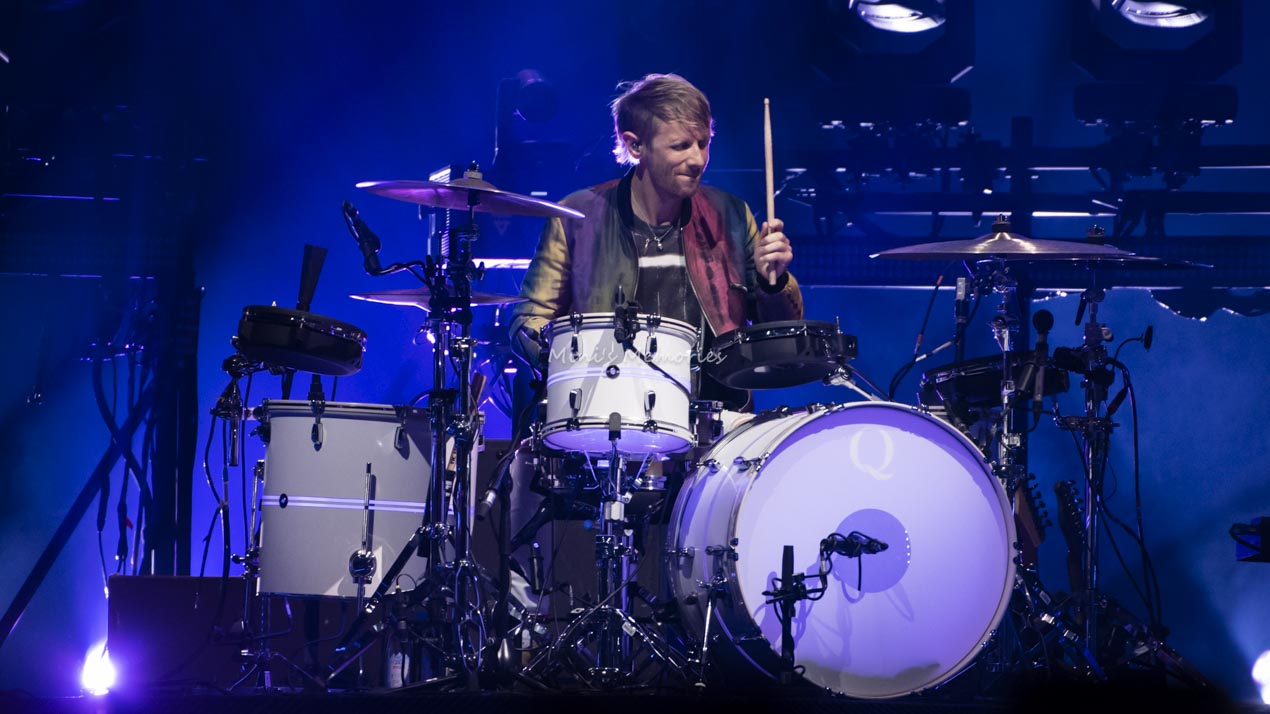
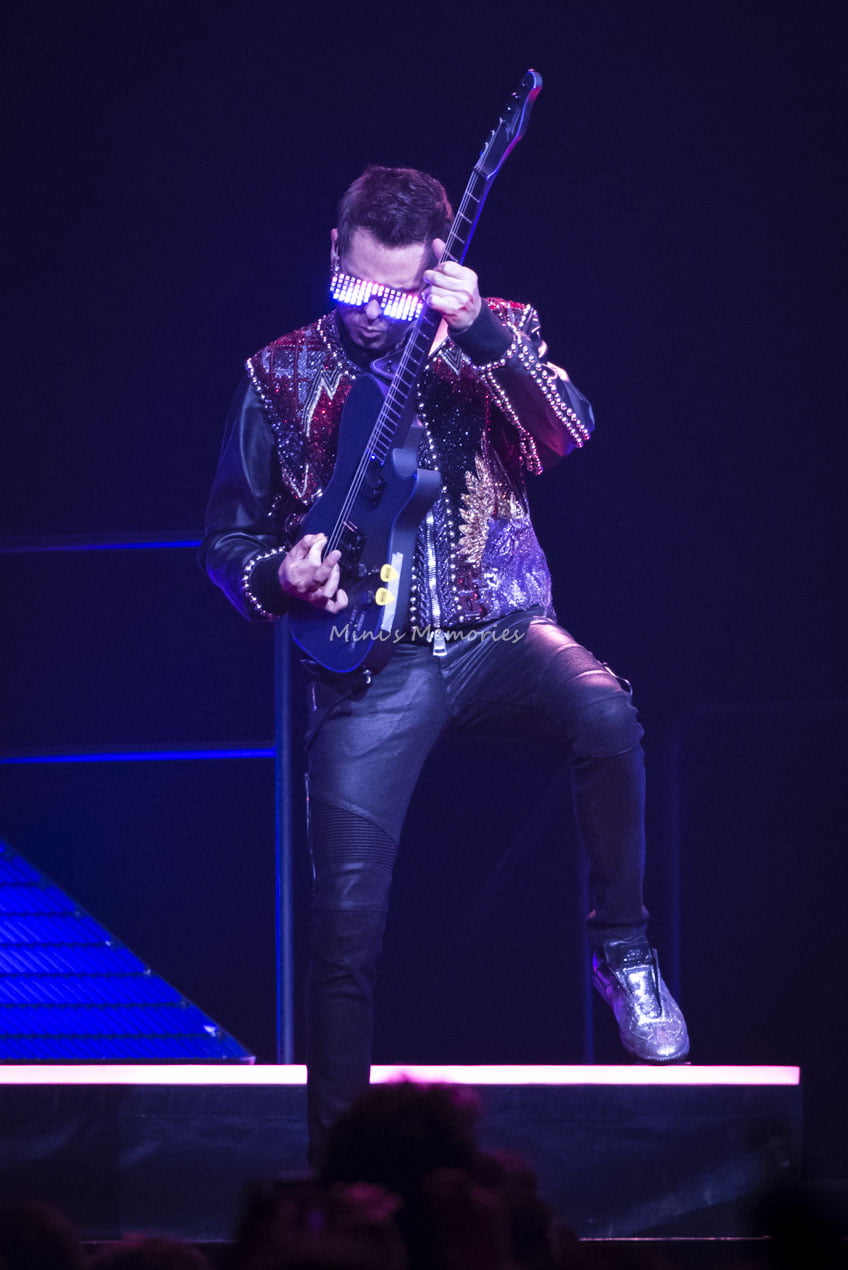
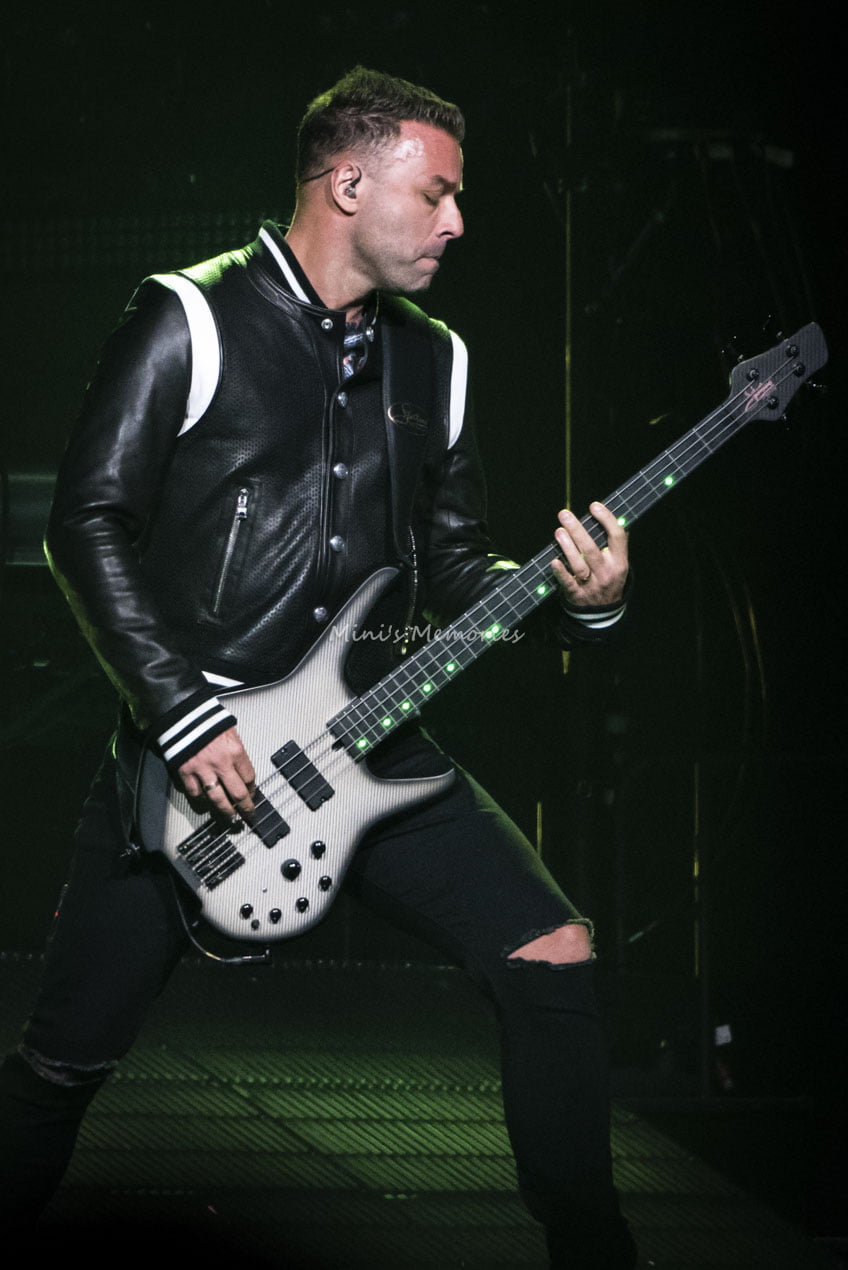
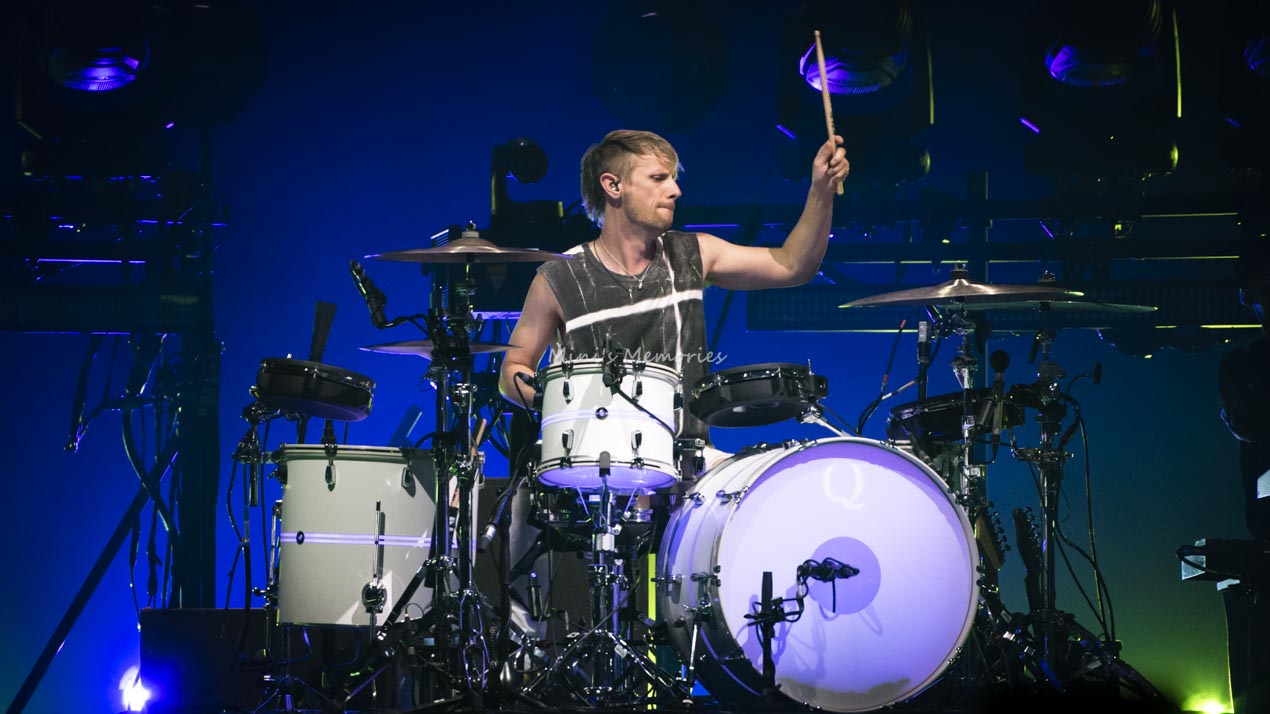
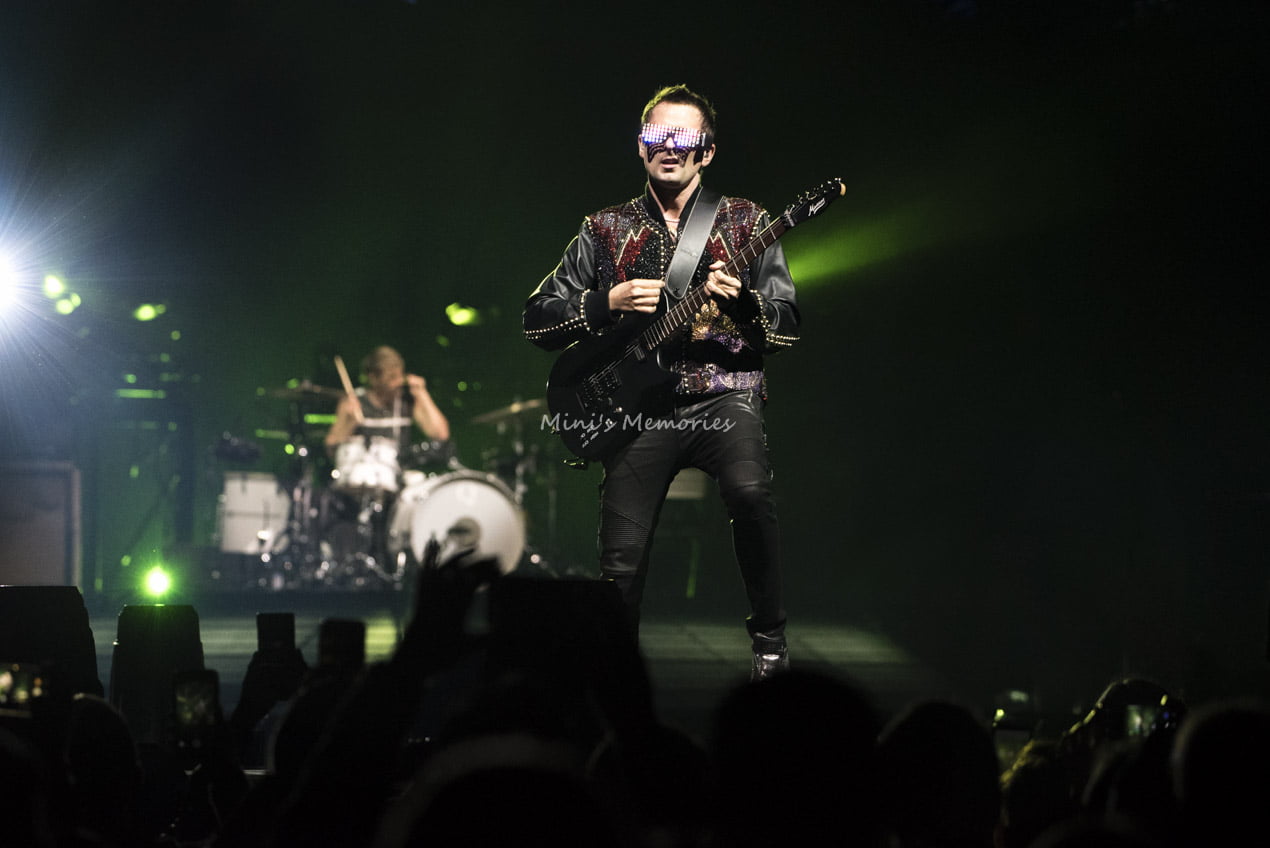
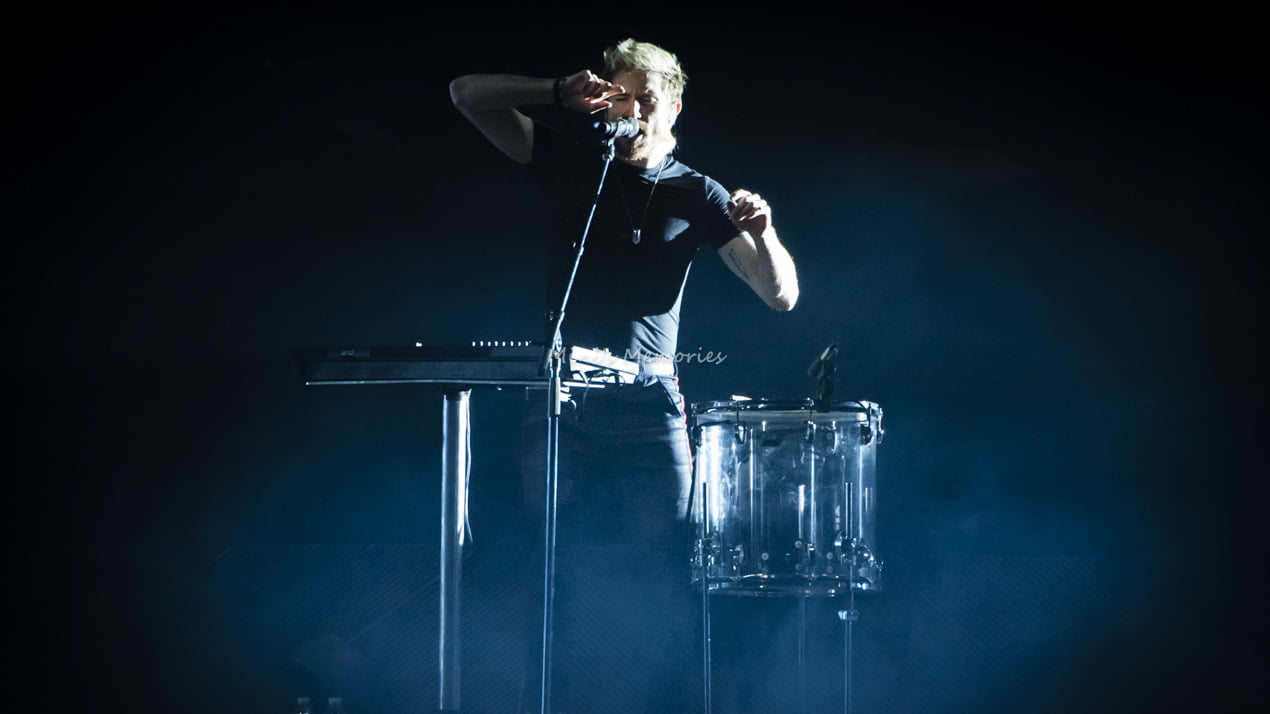
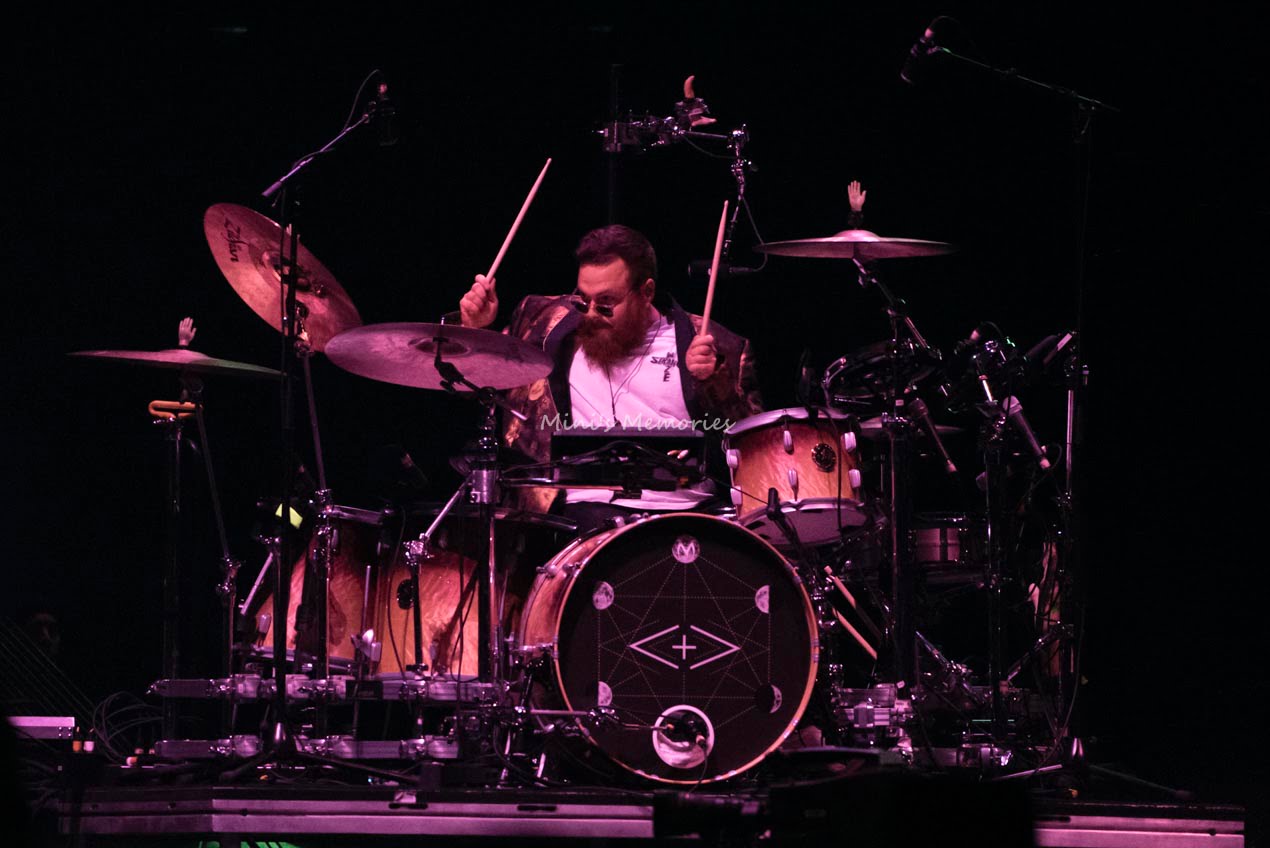
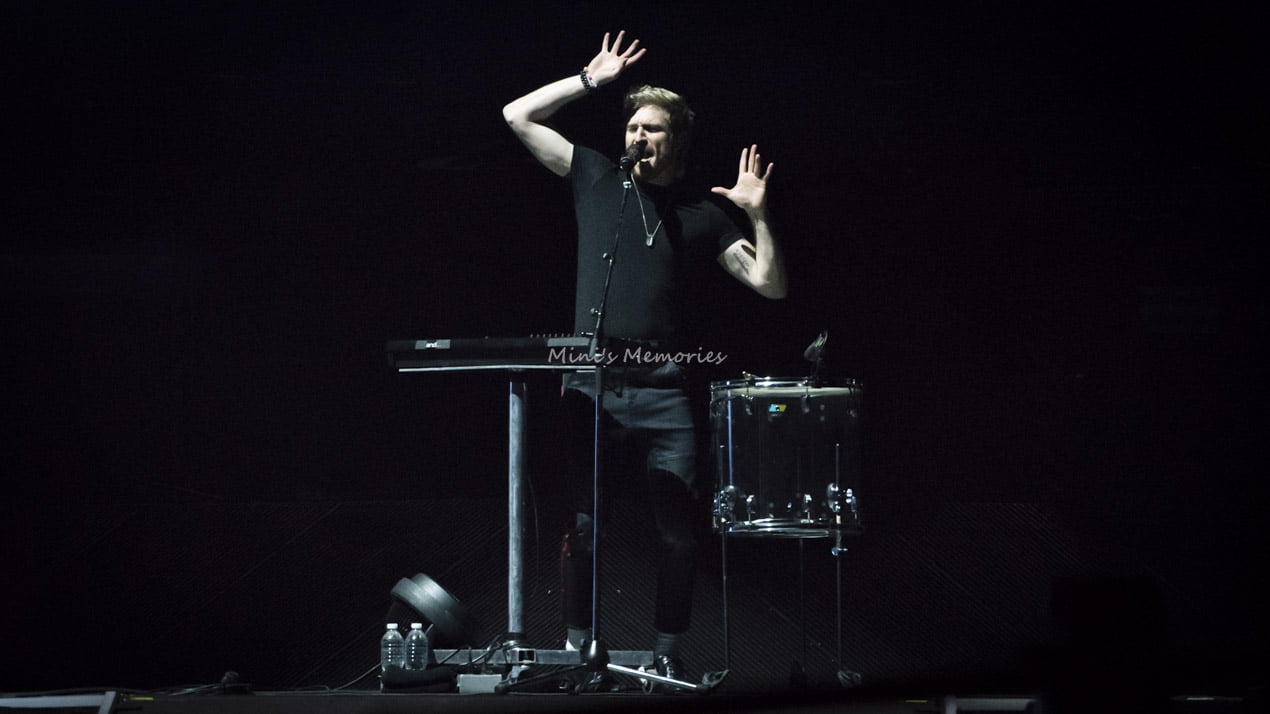

All photos by Mini’s Memories. You can contact her at minismemories@hotmail.com

The outstanding accomplishments of Canada’s most prestigious songwriters, composers and music publishers will be celebrated at the 30th anniversary SOCAN Awards on April 1st in downtown Toronto, where legendary and emerging Canadian music creators, producers, writers and publishers spanning nearly every genre will come together to shine a spotlight on Canada’s tremendous talent.
The SOCAN Awards will be marked with special honours for SOCAN-member music creators who have achieved the greatest collective number of radio, live, digital, television, and screen performances in SOCAN’s history.
Thirtieth Anniversary Honours:
2019 Special Achievement Winners:
In what is certain to be an unforgettable moment, legendary singer-songwriter Buffy Sainte-Marie will be officially inducted into the Canadian Songwriters Hall of Fame, recognizing her lifetime of unparalleled achievements as one of Canada’s all-time greatest music creators.
“In SOCAN history, Canadian music creators and publishers have been played worldwide, streamed billions of times, and continue to shine in Canada and globally,” said SOCAN CEO Eric Baptiste. “It is our privilege to honour the very best in Canadian music, and we look forward to celebrating the achievements of this past year while honouring the Canadian creators of the past three decades who have left their universal mark.”
In addition to performances by Dallas Smith and celebrated JUNO Award-winners Barenaked Ladies, “The SOCANs” are expected to include live performances by Meghan Patrick, Elijah Woods x Jamie Fine and Anders.
More than 45 awards will be presented at The SOCANs, for success in songwriting, composing, film scoring and music publishing based on SOCAN data compiled over the last calendar year.
SOCAN Achievement and 30th Anniversary Award winners receive “The SOCAN” – the world’s first and only music industry trophy that’s also a musical instrument. The SOCAN trophy integrates five custom bronze SABIAN crotales, tuned this year with notes from the chorus of “Call Me Maybe,” chosen especially by Carly Rae Jepsen.
The full list of this year’s SOCAN Award winners will be released on the evening of April 1, 2019.
This year marks the 30th anniversary of the SOCAN Awards, a milestone and celebration of the accomplishments of Canadian music creators and publishers. The SOCAN Awards have been held in Toronto annually since 1990. The 2019 Gala de la SOCAN, celebrating and honouring the work of SOCAN’s Francophone members, will be held in September in Montréal.
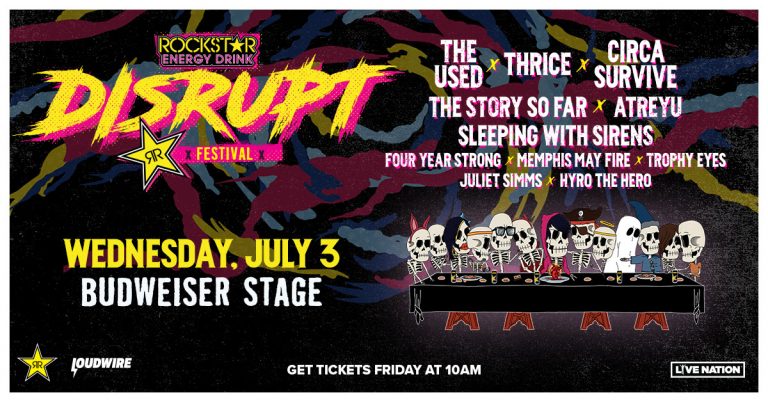
Featuring some of the biggest bands in rock as well as the genre’s rising stars, The Rockstar Energy Drink DISRUPT Festival is a brand-new music experience making its debut across North America this summer. The touring festival will feature unique line-ups in each city, with performances varying from artists including The Used, Thrice, Circa Survive, Sum 41, The Story So Far, Atreyu, Sleeping With Sirens, Andy Black, Four Year Strong, Memphis May Fire, Trophy Eyes, Meg & Dia, Juliet Simms and Hyro The Hero.
The 25-city rock roadshow of the summer will kick off June 21st in Dallas, TX at the Dos Equis Pavilion and make stops in Austin, Atlanta, Toronto, Denver and more, before wrapping July 28th in Albuquerque, NM at the Isleta Amphitheater.
Fans will be immersed into a full-day interactive experience where they will not only be able to see some of their favorite bands live, but will also be exposed to the latest in lifestyle brands and pop-up activations. The entire festival will take place across two incredible stages, allowing fans to experience all of their must-see artists in one rock-filled day. Fans who bring any empty 16 ounce can of Rockstar Energy Drink to recycle at the main gate will have the opportunity to skip the line and be entered to win a signed festival guitar and exclusive meet & greet with festival headliners.
Tickets for DISRUPT will go on sale beginning this Friday, March 29th at 10am local time. A full list of dates and ticket links can be found at rockstardisrupt.com. Citi is the official presale credit card for the tour. As such, Citi cardmembers will have access to purchase presale tickets beginning Tuesday, March 26th at 12pm local time until Thursday, March 28th at 10pm local time through Citi’s Private Pass program. For complete presale details visit www.citiprivatepass.com.
Press applications are now open and available at: http://bitly.com/DISRUPT2019
Rockstar Energy Drink DISRUPT Festival Dates
June 21 – Dallas, TX @ Dos Equis Pavilion
June 22 – Austin, TX @ Austin360 Amphitheater
June 23 – The Woodlands, TX @ The Cynthia Woods Mitchell Pavilion presented by Huntsman
June 25 – West Palm Beach, FL @ Coral Sky Amphitheatre at S. Florida Fairground
June 26 – Tampa, FL @ MIDFLORIDA Credit Union Amphitheatre at the FL State Fairgrounds
June 28 – Atlanta, GA @ Cellairis Amphitheare at Lakewood
June 29 – Charlotte, NC @ PNC Music Pavilion
July 2 – Syracuse, NY @ St. Joseph’s Health Amphitheater at Lakeview
July 3 – Toronto, ON @ Budweiser Stage
July 5 – Mansfield, MA @ Xfinity Center
July 6 – Holmdel, NJ @ PNC Bank Arts Center
July 7 – Hartford, CT @ XFINITY Theatre
July 9 – Bristow, VA @ Jiffy Lube Live
July 10 – Clarkston, MI @ DTE Energy Music Theatre
July 12 – Tinley Park, IL @ Hollywood Casino Amphitheatre
July 13 – Thornville, OH @ Legend Valley
July 14 – Noblesville, IN @ Ruoff Home Mortgage Music Center
July 15 – Maryland Heights, MO @ Hollywood Casino Amphitheatre
July 17 – Denver, CO @ Fiddler’s Green Amphitheatre*
July 20 – Irvine, CA @ Five Point Amphitheater presented by Mercury Insurance
July 23 – Auburn, WA @ White River Amphitheatre
July 24 – Boise, ID @ Ford Idaho Center Amphitheatre
July 26 – Chula Vista, CA @ North Island Credit Union Amphitheatre
July 27 – Phoenix, AZ @ Ak-Chin Pavilion
July 28 – Albuquerque, NM @ Isleta Amphitheater
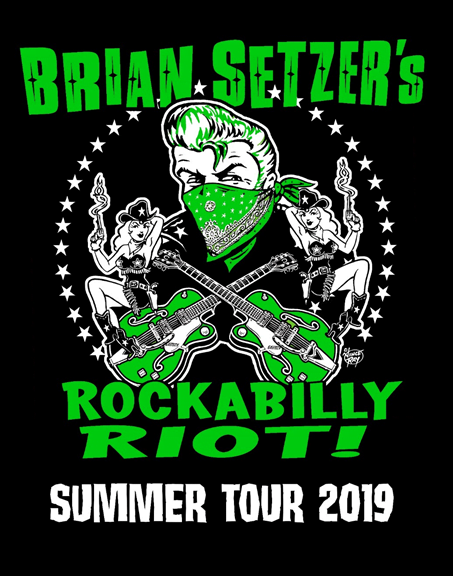
Iconic guitarist, songwriter, vocalist and three-time Grammy Award-winner BRIAN SETZER will be doing double duty this summer, touring with The STRAY CATS as well kicking off his 2019 “ROCKABILLY RIOT!” Summer Tour.
The U.S. “ROCKABILLY RIOT!” dates begin August 5 in Lancaster, PA and wrap August 30 in Henderson, NV (see the full itinerary below). Tickets go on sale to the public on Friday, March 29 at 10:00 AM, local time.
SETZER’s rockin’ style and guitar assault always leave audiences smiling, and his red hot compadres are Noah Levy on drums, Kevin McKendree on piano/guitar and Mark Winchester on bass. They’ll be jumping into the most electrifying songs from Brian’s 40-year career as a solo artist and as a Stray Cat. Highlights will include “Let’s Shake,” “Ignition” and “Nothing Is A Sure Thing,” along with such Stray Cats gem as “Rock This Town,” “Rumble In Brighton” and “Stray Cat Strut.”
“When you look up rockabilly in the dictionary there is a picture of Mark Winchester,” notes SETZER. “He grew up slapping the bass and is in a class of his own. The relationship with the drummer and the bass player in rockabilly is very unique. The slap bass is a rhythmic sounding instrument, so the drummer has to be very in time with him in order not to sound sloppy. Noah Levy is a very on-the-beat solid drummer, whereas me, as a guitar player, I push everything while they hold it all in place. And when you’re talking about the great rockabilly piano players, it’s a very short list, and Kevin McKendree is on it. And he also plays guitar incredibly well. We all just complement each other.”
Asked what he’d like to overhear fans saying after a gig, SETZER says: “I would love to hear, ‘You know, that Rockabilly Riot squad has all the energy and great things I like about the original rockabilly sound, yet they’re a modern band making this music sound new.”
In late 2016, SETZER released his live Blu-Ray/CD package, BRIAN SETZER’S ROCKABILLY RIOT: OSAKA ROCKA! — LIVE IN JAPAN, a sizzling rockabilly album from start to finish that highlights the same band.
|
DATE
|
LOCATION
|
VENUE
|
|
|
MON
|
8/5
|
Lancaster, PA
|
American Music Theatre
|
|
FRI
|
8/9
|
Union, ME
|
Savage Oakes Vineyard & Winery
|
|
SAT
|
8/10
|
Westhampton, NY
|
Westhampton Beach PAC
|
|
SUN
|
8/11
|
Selbyville, DE
|
The Freeman Stage @ Bayside
|
|
SAT
|
8/17
|
Bayfield, WI
|
Lake Superior Big Top Concert Series
|
|
TUE
|
8/20
|
St. Louis, MO
|
River City Casino
|
|
WED
|
8/21
|
Memphis, TN
|
Graceland Soundstage
|
|
THU
|
8/22
|
Tulsa, OK
|
Hard Rock
|
|
SAT
|
8/24
|
Albuquerque, NM
|
Isleta Resort & Casino – Ballroom
|
|
SUN
|
8/25
|
Boulder, CO
|
Chautauqua Auditorium
|
|
FRI
|
8/30
|
Henderson, NV
|
Green Valley Ranch
|

… and see if you can spot B.B. King, Tone-Loc, Pat Benatar, Queen Latifah, Kenny Loggins, Charlie Daniels, Quincy Jones and Bugs Bunny.
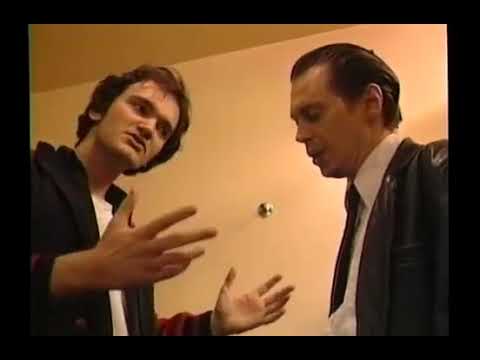
This is from the Sundance Director’s lab, and according to a Redditor, they have volunteers work as the film crew and let screenwriters workshop scenes from their script and have advisors come in and give them advice on how they are shooting things, directing actors, blocking action.
This can now be found on the Reservoir Dogs’ 10th anniversary special edition DVD.
Raising The Bar is a first-of-its-kind, national training program brought to you by the Canadian Live Music Association. It provides hands-on training and education to live music industry professionals to ensure event safety in Canada’s live music industry.
On March 4, 2019, The Canadian Live Music Association partnered with London-based Anova (working to create a future without violence in London and Middlesex County), Over the Bridge (connecting members of the music industry to mental health and addiction recovery, education, training, and long-term support services) and the London 2019 JUNO Host Committee to launch Raising The Bar. Read the launch press release here.
Upcoming events include:
Event details and program information can be found on the Raising The Bar website. Please follow Raising The Bar on Facebook, Twitter and Instagram.
Lives Matter To Live Music.
Sponsorship opportunities for Raising The Bar are available. Contact Samantha Slattery for more details of how to get involved.
RICKIE LEE JONES is that rare musician who has transcended the singer/songwriter mantle by incorporating different radio genres from the get-go and she continues that tradition on the forthcoming album KICKS, her newest collection of songs from the great American songbook. Due out June 7, the album spans two decades (50s-70s) of pop, rock and jazz, presenting her unique and sophisticated interpretations of these songs.
Miss Jones’ own label, OSOD (other side of desire), will release KICKS with Thirty Tigers distributing. The past decade has seen her team up with manager Ron Stone (Nirvana, Bonnie Raitt, among others) and her team is innovating a new fund-raising campaign to promote this project. A pre order of the self-released album is available here, along with a variety of official KICKS merchandise including t-shirts, posters, totes and other items.
It is fitting that one of the American treasures of songwriters should be comfortable with this diverse collection of the great songwriters of the 20th century–she is one of them. On KICKS, she brings emotion to sleeper album tracks like “My Fathers Gun”and her tongue-in-cheek humor to songs like “Houston.” The album will be previewed by the infectious, insistent track of hope “Lonely People,” which arrives at radio April 19; it was a Top Five Billboard hit in 1974, originally recorded by America. The song will be available as an instant grat track that same day with the purchase of the pre-release of the album.
Weaving the connection between 70’s rock and 50’s jazz was no leap for JONES. “It is all part of what I heard growing up,” says JONES. “The radio played everything! 1960’s AM radio was the primordial zone for our musical life today. As a kid I heard R&B, country, rock, and the most sophisticated singer-songwriters of the day forming their genre.Radio was a college education for a budding musician because these songs are all playing on my internal radio all the time, it’s not a stretch for me to put them together on an LP. Really, I just love to sing.”
KICKS was created entirely in New Orleans, using local musicians, mixers and studios. Produced by RICKIE LEE JONES with her band-mate, vibraphonist Mike Dillion, it features 10 songs of a highly infectious nature. Check out “Nagasaki,” her traditional jazz offering of tight three-part harmonies, and “Bad Company,” where JONES cuts loose on electric guitar.
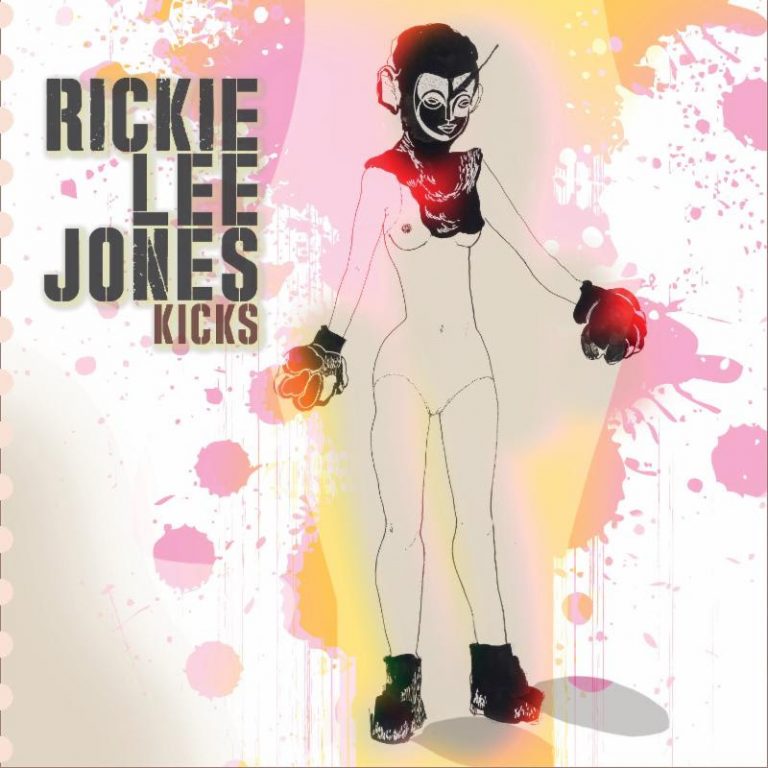
The album cover, by artist Peregrine Honig, is a super-hero woman in boxing gloves. Sound like anyone we know? RICKIE LEE JONES, superhero, with a super weapon smile! “In times like these, “Miss Jones smiles, “a smile can be subversive. Here is Rickie Lee’s musical smile.”
The KICKS track listing is as follows:
“Bad Company” (Bad Company, 1974)
“My Fathers Gun” (Elton John, 1970)
“Lonely People” (America, 1974)
“Houston” (Sanford Clark, 1964; made famous by Dean Martin, 1965)
“You’re Nobody ‘Til Somebody Loves You” (Russ Morgan, 1944; made famous by Dean Martin, 1960/1964)
“Nagasaki” (Ipana Troubadours, 1928; most famous by Benny Goodman Quartet, 1952)
“Mack The Knife” (Louis Armstrong, 1956; made famous by Bobby Darin, 1958)
“Quicksilver Girl” (Steve Miller Band, 1968)
“End Of The World” (Skeeter Davis, 1962)
“Cry” (Ruth Casey, 1951; made famous by Johnnie Ray and the Four Lads, 1951)
In support of the album, RICKIE LEE JONES will perform two shows in Japan before a run of U.S. dates.
|
Thu
|
5/16
|
Osaka, JPN
|
NHK Hall
|
|
Fri
|
5/17
|
Tokyo, JPN
|
Orchard Hall
|
|
Sat
|
6/1
|
New Orleans, LA
|
Tipitina’s
|
|
Fri-Sun
|
6/7-6/9
|
Park City, UT
|
The Egyptian Theatre
|
|
Tue-Wed
|
6/11 & 6/12
|
Seattle, WA
|
The Triple Door
|
|
Fri
|
6/14
|
Denver, CO
|
Venue TBA
|
|
Sun
|
6/16
|
Kansas City, KS
|
Crossroads
|
|
Tue
|
6/18
|
Atlanta, GA
|
The City Winery
|
|
Wed
|
6/19
|
Nashville, TN
|
The City Winery
|
|
Fri
|
6/21
|
Dallas, TX
|
The Kessler
|
|
Sat
|
6/22
|
Austin, TX
|
The 04 Center
|
|
Sun
|
6/23
|
Houston, TX
|
The Heights
|
|
Tue
|
6/25
|
Albuquerque, NM
|
KiMo Theater
|
|
Wed
|
6/26
|
Phoenix, AZ
|
MIM
|
|
Thu
|
6/27
|
San Diego, CA
|
San Diego State Fair
|
|
Thu
|
7/18
|
Berkeley, CA
|
Freight & Salvage
|
|
Fri
|
7/19
|
Berkeley, CA
|
Freight & Salvage
|
|
Sat
|
7/20
|
Marina Del Ray, CA
|
Summer Series
|

Jann Arden believes in Room 217’s simple mission: that music is beneficial to health care.
That’s why she, alongside Gavin Crawford, Laila Biali, the Venuti String Quartet, Kenneth Welsh, Murray McLauchlan, and Denise Donlon will come together this Thursday, April 25th with Honourary Chair Margaret McCain for Voices That Care, an Intimate Musical Evening to Benefit Room 217 Foundation.
Proceeds from this year’s event will support a major element Room 217’s initiatives through ‘What a Difference a Day Makes,’ the Foundation’s donor-driven program that brings the Pathways Singing Program to adult day programs across Canada.
Adult day programs assist those living with dementia and other health conditions by empowering them to live at home and be participating members of their communities for as long as possible. Proven to reduce boredom and boost social cohesion, the programs also provide critical mental and emotional support for those navigating the condition.
For those living with dementia, singing tops the list of beneficial music-making because of its ease to be done within a group. It provides a point of human contact, and enhances emotional connection and intimacy, and links those living with dementia to prior personal experiences.
Room 217 is a music-based health arts organization and social enterprise providing accessible approaches to health and well-being through a format they call ‘music care.’ Since 2005, their team of music educators, music therapists, music and health researchers, community musicians and artists have been helping caregivers integrate music into their regular practice.
Room 217 and ‘music care’ enables caregivers to humanize care through the art of song and sound, offer hope and comfort through therapeutic and research informed products, provide skills and training for integrating music into care, and to support innovative research related to the subject.
Who: Jann Arden, Gavin Crawford, Laila Biali, the Venuti String Quartet, Kenneth Welsh, Murray McLauchlan, Denise Donlon, and Honourary Chair Margaret McCain
What: Voices That Care, An Intimate Musical Evening to Benefit Room 217 Foundation, an organization dedicated to using music to improve the quality of life and care for Canadians in complex-care or life-threatening circumstances.
When: Thursday, April 25th, 2019. 7pm Pre-concert cocktail and hors d’oeuvres reception. 8pm performance.
Where: The Glenn Gould Studio, 250 Front St West, Toronto
How: Tickets are $175 for reserved seating. Accessible seating is available. A portion will be tax-receipted. Tickets are available by calling 905-852-2499 or online @ https://www.eventbrite.ca/e/voices-that-care-2019-tickets-52872178108
Follow us on Instagram @thatericalper

Eric Alper is a 6-time nominee for Publicist of the Year during Canadian Music Week and has overseen the publicity campaigns for over 183 JUNO Award-nominated albums (and 16 in 2025), 45 Grammy-nominated albums, including 47 JUNO Award, 58 Canadian Folk Music Award, 126 Maple Blues Award-winning albums and is also truly honoured to work with some of the biggest and most important artists of our time.
Contact me: eric@thatericalper.com
© Copyright - That Eric Alper