

Julia Louis-Dreyfus, from Seinfeld and Veep, cursing on the set of Sesame Street in front of Elmo and Zoe. What the Muppets do next are awesome.
U2 Cancels HBO Live Broadcast From Paris Due To Terrorist Attacks
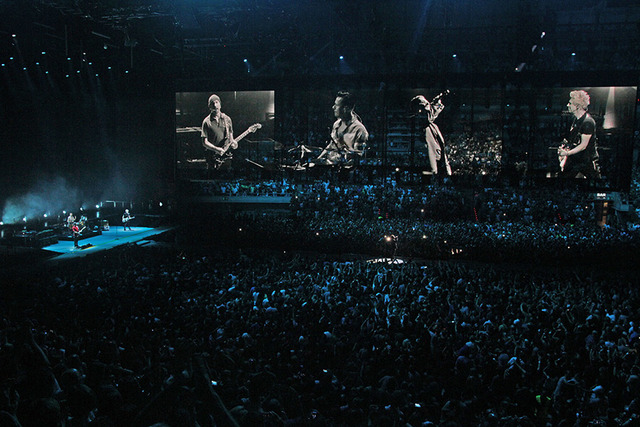
U2 has opted to cancel its planned concert Saturday in Paris following Friday’s terrorist attacks and state of emergency.
U2 and Live Nation, along with HBO who were due to live broadcast the Saturday concert, are fully resolved to go ahead with this show at an appropriate time.
Speaking from Paris the band said on their website:
“We watched in disbelief and shock at the unfolding events in Paris and our hearts go out to all the victims and their families across the city tonight.
We are devastated at the loss of life at the Eagles of Death Metal concert and our thoughts and prayers are with the band and their fans.
And we hope and pray that all of our fans in Paris are safe.”
Canadian music legend Tom Wilson: “I guess I had some authority issues”
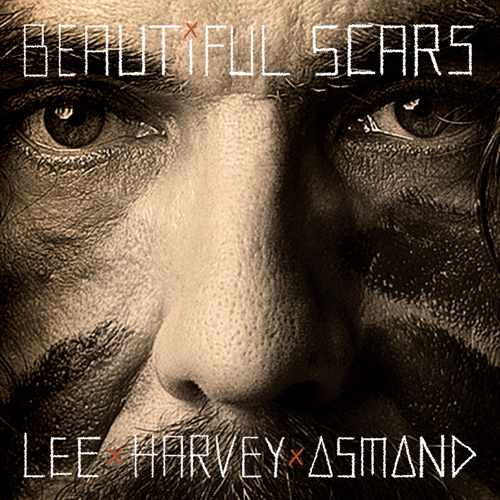
Eric: I was going to start this interview off by telling you Lee Harvey Osmond’s bio, aka Tom Wilson aka One of Three Rodeo Kings aka that large, melodic growling man from the former Junkhouse has a new record. This record is called “Beautiful Scars,” as in: “Man, that scar is beautiful,” or “She has a beautiful scar right here…” or “My scar is beautiful. It reminds me of that time I didn’t die.” And it goes on. And it’s a great bio. But when I was growing up, Junkhouse was probably one of the most intimidating bands I’ve ever seen because if you know what Tom Wilson looks like, you know exactly what I’m talking about. But if you’ve ever spoken with Tom Wilson, he’s like a Caramilk bar, hard on the outside, and a real softie inside.
Tom: Awe baby, I’m one sweet filling.
Eric: What makes you decide to put a Lee record out, as opposed to calling up Colin Linden (along with Stephen Fearing who make up Blackie And The Rodeo Kings) and everybody and getting that band back together. Or Junkhouse? Or putting it under your own name. How do you decided when you’re writing where it’s going to go?
Tom: I think I decided around the age four that I wanted to be an artist of some kind. I didn’t know what that meant and I didn’t want let the world to tell me what that meant. But the one thing I did understand about being an artist, even at the age of four, was that it wasn’t something that you do so that you could sit around waiting for other people to tell you what to do. I guess I had some…I guess I had some authority issues at the age four. So now I’m like 56, so you can imagine the authority issues I have now.
Eric: It must go deep.
Tom: Yeah, basically being an artist is the ability to be able to do whatever you want to do, whenever you want to do it. Like the fact we put Lee Harvey Osmond together about six years ago with members of the Cowboys Junkies, and the Skydiggers, and the Sadies, and Hoxy Workman, and Oh Susanna, and Brent Titcomb, and members of Junkhouse. That was just like, a bunch of people getting together who are able to treat music and play music without ego. So that’s actually how I end up making Lee Harvey Osmond records is being able to surround myself with people who can play music without showing off.
Eric: The brand new album is called Beautiful Scars. Your lack of respect towards authority, How deep does the pain get? How deep does the anger get? How deep does the disrespectfulness get? Because sometimes you have to go through the pain in order to get to the other side.
Tom: Wow Eric, you know what, that’s a brilliant question. I don’t know how old you are Eric…
Eric: I’m 45 and I probably have the exact same authority issues as you do. I just choose to go in another direction because I can’t play an instrument and kick out the jams like you can. But I can hang out with people like you until you tell me to go home and live through you a bit by doing publicity and spreading the word.
Tom: Here’s the deal. When you get into your 50s, you actually become the man that you always wanted to be. We fight throughout our lives to kind of stand up to other people’s levels of bars, you know what I mean. We try to reach other people’s bars, which is unfair. If we’re able to learn we can only be ourselves, we’d probably have a really happy first 50 years of our life. Instead of landing in your 50 and actually after having to have gone through, you know, drug addictions, and divorces, and a long 40 years on the road, you realize that you can only be yourself. And once I realized that I’m about the happiest I’ve ever been in my life.
Eric: And when did you realize that?
Tom: I realized that in the last four years or so.
Eric: What made you realize that?
Tom: It was the fact I actually looked in the mirror and my face was actually starting to come into place. It’s almost–it’s almost like we morph over our lives. We look at ourselves in our teens and we just looked fucked up right. You know what I mean, we got pimples and we got–our eyes aren’t quite right with our face. And that kind of thing, we’ve got weird hair growing on our faces. By the time we get into–by the time we get into our fifties our face almost looks like it’s coming into place. It almost looks like our eyes, and mouths…It’s like we actually become handsome after 50 years. The same thing is going on inside and the thing we carry with us is our beautiful scars. Beautiful scars is being able to own what has hurt us and not have to hold it up as an example. We don’t have to cross and crucify, we don’t have to hang it or burn it anymore in public. We can actually live with it inside of us and it’s a part of us now.
Eric: Tell me about the song Bottom of Our Love. There has to be a story behind it.
Tom: It’s a song I wrote for Miriam Toews, the author. I dedicated it to my friend Gary. He put on a Speedo bathing suit and got a pistol and robbed a Royal Bank back in the late 70s. And my advice was that you shouldn’t really rob banks in Speedo bathing suits, it never works. The other thing is that, it’s about a little bar that I used to play as a teenager that he used to hang out in. So, Bottom of Our Love, it’s a factious disaster.
Eric: If Canada ever has a music Mount Rushmore, you would have all four faces. I would put you right there without anyone else for each of the bands you’re in.
Tom: Yeah, well my head is so big already. I found out I was adopted a couple of years ago. So I grew up thinking I was like an Irish guy, my whole life. Ends up, I end up being a Mohawk. I’ve been through, once again, 53 years of thinking I was one person and I end up being this other guy. So you know…
Eric: It’s like I don’t even know who you are anymore, Tom Wilson.
Tom: It’s hard to know, isn’t it?
The story of the first Sex Pistols gig
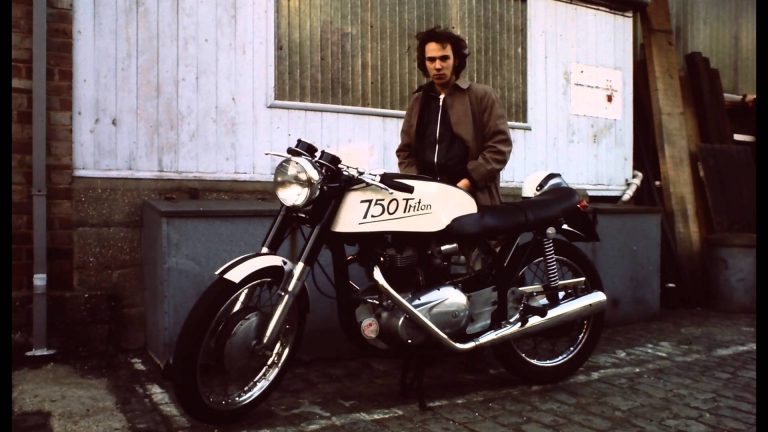
Forty years ago, over the course of 15 minutes on a rainy November night in London’s Charing Cross Road, four obstreperous youths with spiky haircuts and their famously troublemaking manager changed Western culture forever. Danny Kleinman, guitarist of the now defunct Rock & Roll band Bazooka Joe, tells the story of the first Sex Pistols gig.
Sony has announced that it will stop selling Betamax tapes in March 2016

Sony has announced that it will stop selling Betamax tapes in March 2016 – over forty years after the ill-fated video format was first launched and 13 years after the company last made a player.
“Sony will end the shipment of Betamax video cassettes and micro MV cassettes in March 2016,” the company said in a Japanese-language statement on its website.
“As a result, the recording media of the Betamax format in our company, and shipping of the recording medium of the micro MV format, will come to an end.”
Sony launched Betamax in 1975, a year before JVC’s rival the VHS cassette.
Here’s the statement in Japanese.
ベータビデオカセットおよびマイクロMVカセットテープ出荷終了のお知らせ

-
ベータビデオカセット「EL-500B」、「500MHGB」
 マイクロMVカセット「MGR60」
ソニーは2016年3月※をもって、ベータビデオカセットおよびマイクロMVカセットの出荷を終了いたします。
ベータビデオカセットは、家庭用のビデオ記録用途に向け開発した磁気テープ記録方式『ベータマックスフォーマット』の記録メディアであり、1975年より生産を行ってまいりました。同フォーマット対応ビデオテープレコーダー機器の生産は2002年に完了しています。
マイクロMVカセットは、デジタルビデオカメラの記録方式『マイクロMVフォーマット』の記録用テープメディアで、同フォーマット対応ビデオカメラの生産は2005年に完了しています。
ベータビデオカセットは、家庭用のビデオ記録用途に向け開発した磁気テープ記録方式『ベータマックスフォーマット』の記録メディアであり、1975年より生産を行ってまいりました。同フォーマット対応ビデオテープレコーダー機器の生産は2002年に完了しています。
マイクロMVカセットは、デジタルビデオカメラの記録方式『マイクロMVフォーマット』の記録用テープメディアで、同フォーマット対応ビデオカメラの生産は2005年に完了しています。
これにより、弊社におけるベータマックスフォーマットの記録メディア、およびマイクロMVフォーマットの記録メディアの出荷は、すべて終了することになります。
※ 需要状況によっては予定時期以前に終了する場合もあります。
Via The Telegraph
Beats Music ends on November 30

Beats Music ends on November 30. Your subscription will be cancelled, but you can move your picks and preferences over to Apple Music right now.
All the pros that curated music for you are still crafting more amazing experiences. Plus, on Apple Music, you’ll get even better recommendations based on music you already listen to and love, 24/7 global radio with Beats 1, exciting material from your favorite artist, and more.
Fans click on Facebook ads nearly 3 times as much as non-Fans
New Socialbakers data shows that Fans click on Facebook ads nearly 3 times as much as non-Fans.
Yes, organic reach has declined. But when posts are promoted to Fans instead of non-Fans, marketers get more out of their money. Far more.

At each turn, ads targeted to Fans outperformed those targeted only to non-Fans. They cost roughly the same per impression, but engagement metrics like cost-per-click and click-through rate make it clear just how much more valuable Fan targeting really is.
While targeting some ads to non-Fans will always be necessary for expanding your audience, promoting engaging content to Fans remains the most valuable action for Facebook marketers.
Diplo: “Technology Has Never Benefited the Artist. It’s Always Benefited the Audience.”

Charlie Rose: Let’s look at this clip with [Spotify CEO] Daniel Ek, here it is.
Daniel Ek clip (from 5/1/2014): What I hope is that we can take this technological shift and move it from just being about listening to music to being about how we create music. When you think about the internet, the internet is not just audio, it’s audio, it’s visual, and it’s interactive. What’s the future of music going to be if the format isn’t just about the actual sound itself anymore, if it’s about the sound that’s the visual, and perhaps it might even be the interactive part.
Sonny Moore (aka Skrillex): That guy’s cool.
Thomas Pentz (aka Diplo): — yeah.
Charlie Rose: — would you agree with him, is the point? In essence he said the same thing you guys agree with.
Skrillex: — yeah, for sure, I think inevitably it’s all coming together —
Charlie Rose: — the technology, yeah —
Diplo: — for us, the one thing that helped lead us to be more successful this year, is a lot of the guys that are older that battle streaming services, that battle distribution systems, we instead embrace it, 100%. We’d rather people listen to our music than try to make every cent we can make off of it.
It’s more important for us to get our music heard than to grab every penny we can get.
Skrillex: The way I’ve looked at it is you have to divide, it’s like what a market is. It’s like you have different aisles, you have the girls section, you have the socks section, maybe someone is only going to buy socks. If you’re going to take away from that area, there’s a whole different demographic that only goes to that aisle. So, there’s a whole other demographic of people that buy CDs.
So those people that — but this is my philosophy, I’m not telling anyone else they have to do it that way but — you know, people go to Spotify and subscribe, that’s how they get their music. And that’s a whole group of people, and if you take it away from them you’re alienating a group of people that’s never going to see your music. And they’re not going to change.
A lot of times they’re not going to buy a CD just because you took yourself off of Spotify.
Charlie Rose: Does it also mean that people who might not have had a chance of making a record now have access to getting their music heard?
Diplo: Well technology has never really benefited the artist, it’s always benefited the audience.
Charlie Rose: But today — is that true today, do you think?
Diplo: Yeah, when I first had a cassette tape, I was immediately recording stuff illegally off the radio, it’s always been in the favor of the audience to make it easier for them, and it’s not going to get any easier for the artist. We’re actually — the more you fight it the more you’re wasting your time, because the audience is going to find easier and easier ways to find the music, and it’s not — you can’t stop that, you know?
Rose: And the easier you make it for the audience to find it, the better off you’re going to be. That’s what you’re saying.
Skrillex: — that’s the philosophy.
Charlie Rose: Accessibility is the key word.
Diplo: —that’s why we’re doing it here today, we’ve always rode that wave, you know, and if we had fought it we’d still be in our studios complaining.
Skrillex: The one thing I am kind of bummed about, is like recently all the major labels – and we distribute through majors because we — they all took — made it so all the full songs on SoundCloud are being taken down and limited to clips, and shorter previews. And it’s like at the end of the day, those kids on SoundCloud — they’re actually — we’re some of the biggest people on SoundCloud with the most followers, and that’s a huge asset to our overall business of how people listen to our music.
And there’s kids that only go on SoundCloud and will never buy at iTunes and even never go to Spotify, and that’s how they listen to music. And what that does is it eliminates a huge asset and is cutting off our music to an audience that could potentially come to our shows and be fans.
So there’s definitely a lot of controversy in all these things, but I almost wish that it was up to the person that owns the art, the way they want it to be heard.
5 Horror And Thriller Theme Songs Done In Major Key Changes EVERYTHING
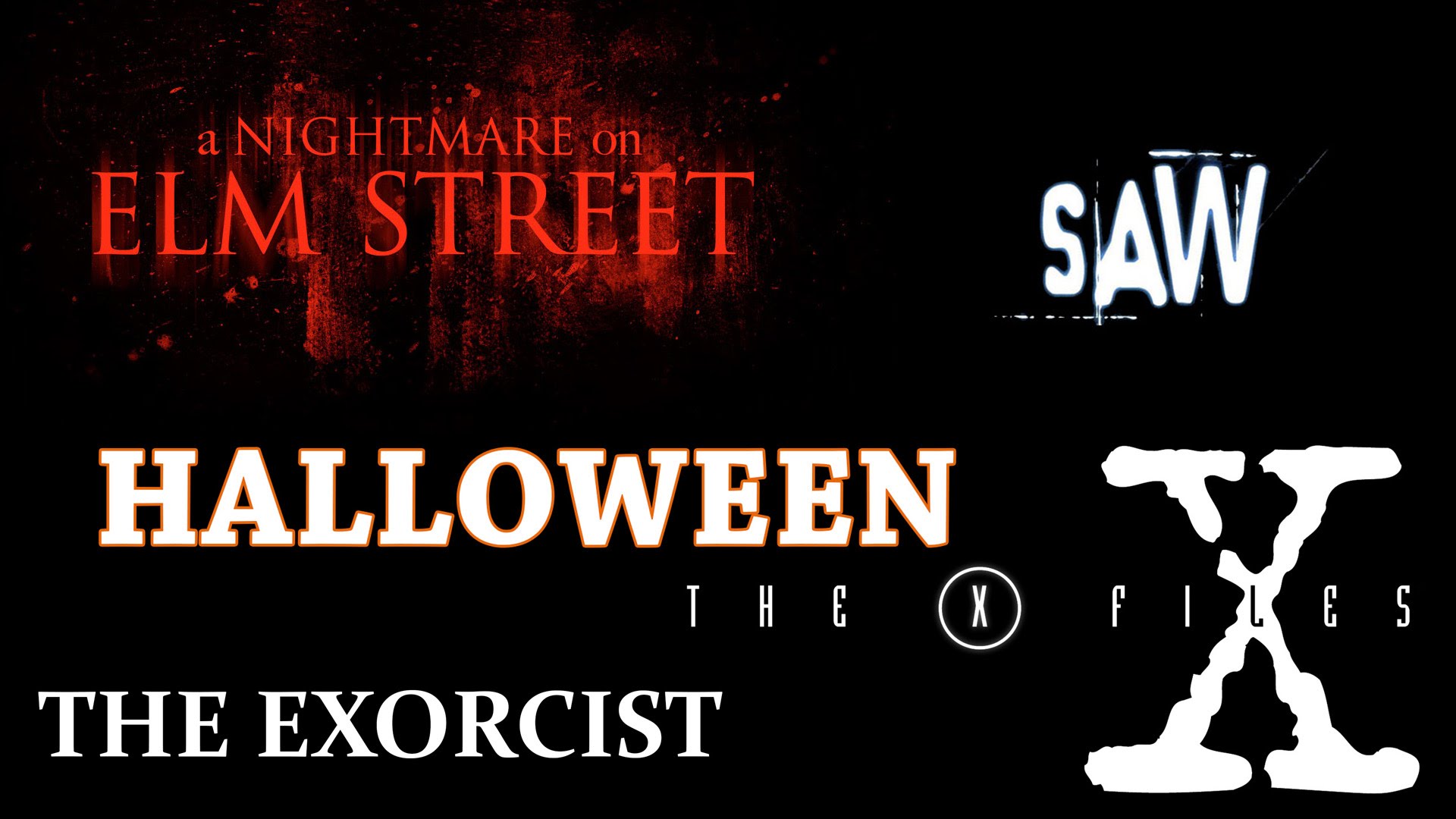
Changing a song from a minor key to a major one makes it sound like an illusory pop Utopianiam, fabulous in constructing a completely different set of feelings, from fear to…well, happy. As one YouTube poster writes, “The Exorcist sounds like the theme to an upbeat movie from the 1980’s about a plucky young single mother starting life over.”
Check out what happens when you mess with The X-Files, Halloween, A Nightmare on Elm Street, The Exorcist, and Saw.
Watch A Pre-AC/DC Bon Scott Perform “Nick Nack Paddy Wack” In 1969
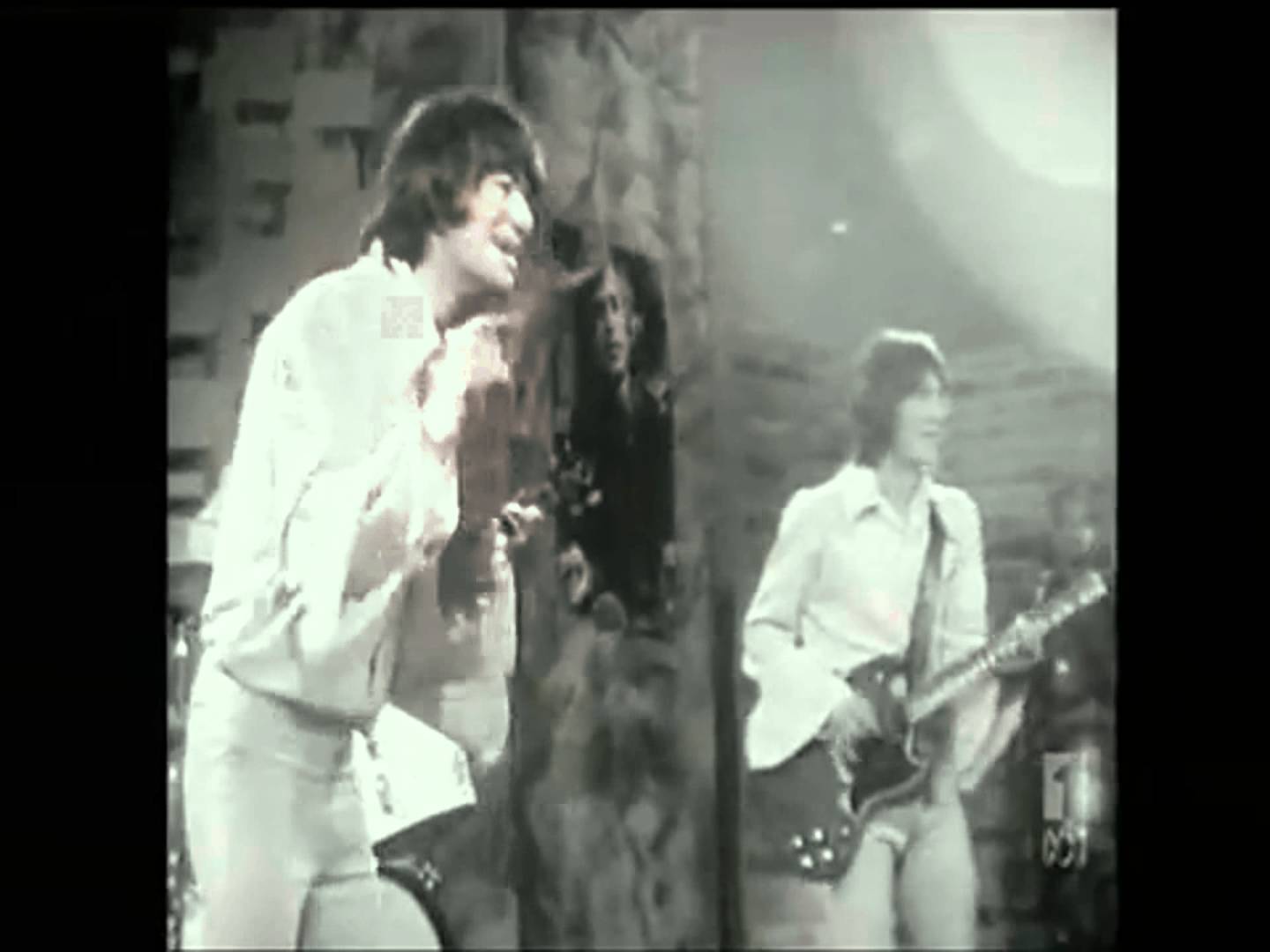
Check out Bon Scott & Vince Lovegrove with The Valentines performing Nick Nack Paddy Wack on the Australian TV show Hit Scene on July 12, 1969. It was three days after Bon’s 23rd birthday, and 5 years later, he would join some band called AC/DC. For a reminder just how cool and powerful Bon was, this is a great place to start.
Follow us on Instagram @thatericalper

Eric Alper is a 6-time nominee for Publicist of the Year during Canadian Music Week and has overseen the publicity campaigns for over 183 JUNO Award-nominated albums (and 16 in 2025), 45 Grammy-nominated albums, including 47 JUNO Award, 58 Canadian Folk Music Award, 126 Maple Blues Award-winning albums and is also truly honoured to work with some of the biggest and most important artists of our time.
Contact me: eric@thatericalper.com
© Copyright - That Eric Alper