Belfast was designated as a UNESCO City of Music in November 2021, becoming the first city on the island of Ireland to receive the accolade. This prestigious status celebrates the city’s rich musical heritage — ranging from traditional Irish and folk to punk, rock, and electronic music. But the designation did not create a music city. It recognised one that had been building, note by note, for well over a century.
It Began Long Before Anyone Was Paying Attention
Belfast’s musical story does not start with any single moment or any single artist. It starts with the marching bands and the folk sessions and the church halls, with the deep roots of traditional Irish music that never stopped running beneath the surface of the city regardless of what was happening above it. The McPeake family from West Belfast gave the world their timeless ballad “Wild Mountain Thyme.” Flautist James Galway came out of the Shore Road marching band tradition to win worldwide acclaim. Ruby Murray, born on the Donegall Road in 1935, scored ten hits in the UK Singles Chart between 1954 and 1959, and made pop chart history in March 1955 by having five hits in the Top Twenty in a single week. Belfast was producing world-class musicians long before the world had a label for what it was doing.
Van Morrison Made the Streets Into Mythology
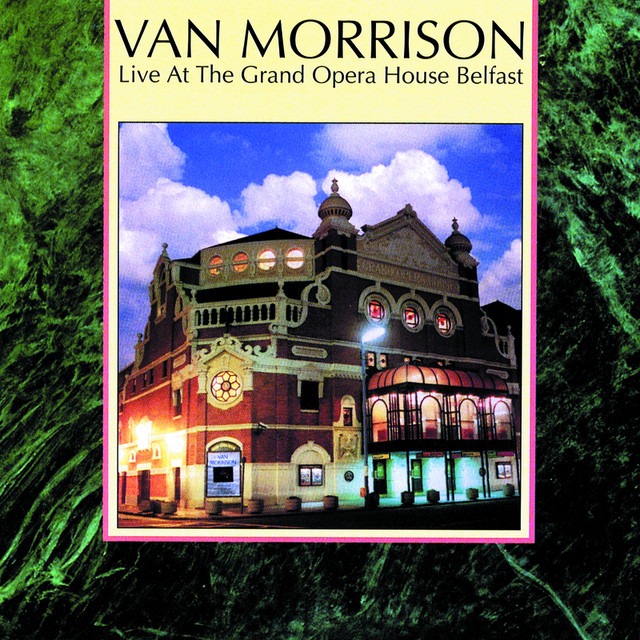
At 125 Hyndford Street in Belfast, there lived a little boy called George. He loved music and would listen to pirate radio stations late into the night as the sounds of the Mississippi Delta floated over the East Belfast skyline. As a teenager, he started writing songs himself, joined a band that sent their peers crazy in those smoky black and white days of the 1960s in places like the Maritime Hotel and Sammy Houston’s Jazz Club. He shortened his second name Ivan to Van, went to America, and a superstar was born.
Van Morrison turned the streets of Belfast into something magical, with Cyprus Avenue just as mythical a place as The Eagles’ Hotel California or Sinatra’s New York, New York. That is a significant achievement for any city. When a songwriter turns your streets into mythology, you have earned a permanent place in music history.
Punk Arrived and Gave the City a Voice
By the mid-1970s, Belfast was living through the worst years of The Troubles, and the pressure produced something remarkable. Good Vibrations, founded in 1976 by Terri Hooley, served as a voice of defiance, offering an escape from violence where people didn’t care about sectarian labels. It released “Teenage Kicks” by The Undertones — a track that legendary DJ John Peel loved so much he played it twice in a row. Stiff Little Fingers wrote “Alternative Ulster” as a direct challenge to the militarised streets they were living on. The punk scene put Belfast music on the world stage in the seventies and eighties in a way that no marketing campaign could have manufactured. It was real, it was urgent, and it was heard.
Peace Unlocked a New Era
After the Good Friday Agreement in 1998, Belfast’s music scene did not just survive — it accelerated. Snow Patrol’s Gary Lightbody said he had watched, in those 25 years of relative peace, the music scene grow and then thrive and now burst at the seams with fearless and limitless talent. “Belfast’s heart beats fervidly with music,” he said.
Two Door Cinema Club and Snow Patrol made waves around the globe, changing up the indie and rock scenes. EDM favourites Bicep headlined the annual AVA festival in their home town. David Holmes, a cornerstone of the city’s 1990s club culture, went on to score major films including the Ocean’s trilogy, exporting a Belfast sensibility to cinema worldwide. The city was producing excellence in every genre simultaneously.
The UNESCO Designation and What It Really Means
When Belfast was awarded UNESCO City of Music status, its patrons Gary Lightbody and pioneering electronic composer Hannah Peel had helped win the bid. Peel’s response to the news set the terms perfectly. “We are so much more than just Van Morrison and The Undertones,” she said. “There is female-empowered punk, new wave, Brit-nominated EDM, jazz and an abundance of classical music that runs through the veins of this city. Yet to the wider world it is all unheard of, underground, eclipsed by its past but still supplying a pulse and vibrancy that needs to be lauded.”
Being a UNESCO City of Music is not just about looking back at the names that have shaped Belfast’s musical legacy. It is about looking forward — about supporting the next generation of creators who are pushing boundaries. The commitment is clear: continue to invest in the music industry, support local venues and festivals, and create opportunities where artists can grow and share their work.
And Now, the Fleadh
Belfast is hosting Fleadh Cheoil na hÉireann for the very first time this August, from August 2 to 9, 2026 — the largest celebration of traditional Irish music in the world, coming to Ireland’s only UNESCO City of Music. It is not a coincidence. It is the culmination of everything this city has been building toward. The traditional music sessions that run seven nights a week at Kelly’s Cellars and Madden’s. The Ulster Orchestra at the restored Ulster Hall. The Oh Yeah Music Centre nurturing artists who haven’t made headlines yet. The punk records, the folk ballads, the electronic producers, the street sessions. All of it is the same story. Belfast did not become a world-class music city. It always was one. The rest of the world is finally showing up.
Fleadh Cheoil na hÉireann takes place in Belfast, August 2–9, 2026. For more information visit fleadhcheoil.ie, visitbelfast.com, and discovernorthernireland.com.