

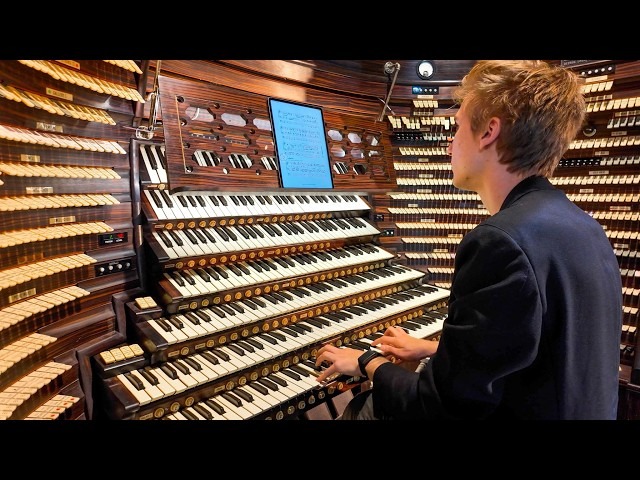
A blockbuster film theme meets a wall of thousands of pipes. Organist Paul Fey performs “He’s a Pirate” from Pirates of the Caribbean on the legendary Atlantic City Boardwalk Hall Organ, the largest pipe organ in the world. Fey calls it one of the most overwhelming organ experiences he’s ever had, an enormous console and endless colors filling the huge hall with a sound that feels almost unreal. He folds in a bonus take on the mysterious “Davy Jones Theme,” and the result puts the full power of a gigantic instrument behind a theme fans know by heart.
Alesso And OneRepublic Reunite After A Decade On “In Your Eyes”
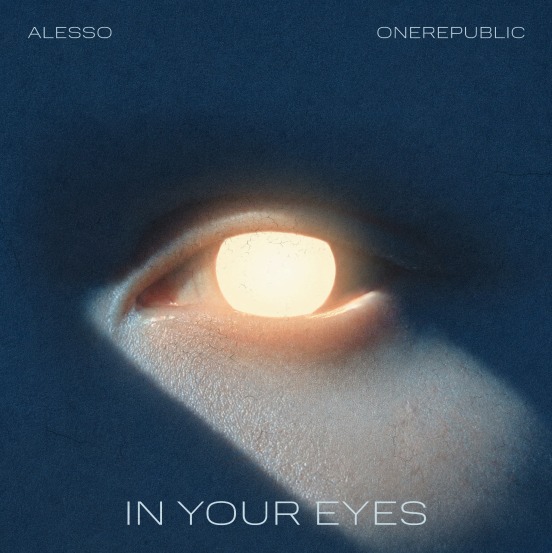
A musical conversation that paused over a decade ago finally picks back up. Alesso and OneRepublic teamed up again for “In Your Eyes,” their long-awaited fourth collaboration, out Friday, June 5. The track arrives as a return to the golden era of dance music the pair helped define, built on Alesso’s exuberant drops and Ryan Tedder’s idyllic lyrics.
The reunion carries real history. “In Your Eyes” follows the genre-defining 2013 hit “If I Lose Myself,” their Sebastian Ingrosso collaboration “Calling (Lose My Mind),” and “Scars.” Those first four tracks marked milestone moments in electronic music, and the news lands just as “If I Lose Myself” crosses over 500 million streams on Spotify alone.
Both artists framed the session as effortless. Alesso said something magical always happens when he works with Tedder and OneRepublic, calling the single one to remember. Tedder echoed it, describing Alesso as one of those rare collaborators where you sit down and something just happens, like picking up a conversation they never finished.
The song explores devotion, destiny, and unconditional love, its syrupy melodies pulling toward one moment of pure ecstasy. It fuses the two worlds again into something both nostalgic and timeless, a generational anthem from two acts at the peak of their craft.
The release arrives amid Alesso’s long-awaited first US headline tour, which kicked off at Red Rocks Amphitheater and rolls through San Francisco and Los Angeles before a closing night in New York City. OneRepublic, meanwhile, keeps up a busy year of global touring, with European headline shows kicking off in Madrid on June 20. It’s a euphoric, deeply satisfying return for a partnership fans have waited ten years to hear again.
Andrea Bocelli To Open The FIFA World Cup 2026 Countdown Concert From Mexico City
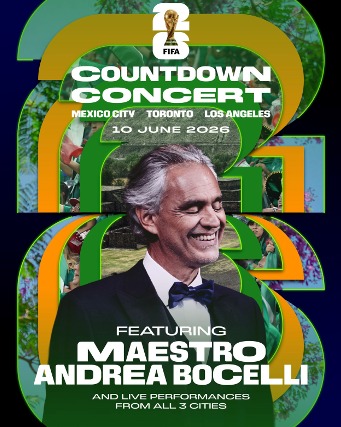
The most successful classical artist of all time will set the road to the World Cup in motion. Maestro Andrea Bocelli opens the FIFA Countdown Concert on June 10, a global event connecting Mexico City, Toronto, and Los Angeles in a celebration of football, music, and sport’s power to unite the world. The Italian tenor performs in front of a live audience at Mexico City’s Auditorio Nacional, opening the night with “Nelle Tue Mani” (“Now We Are Free”), the iconic Gladiator theme from his album ‘Cinema’.
Broadcast globally on the eve of the tournament, the concert links the three host cities through simultaneous live performances under the theme “Three Cities. One Concert. One World United Through Football and Music.” In Mexico City, Bocelli joins Los Ángeles Azules, Belinda, and Elena Rose. Toronto features AHI, Wyclef Jean, Bryan Adams, Nora Fatehi, Sanjoy, The Beaches, and Vegedream, while Ava Max, BIA, Davido, and Diplo’s Major Lazer headline Los Angeles.
The performance underscores Bocelli’s role as a global ambassador for Italian music at the world’s biggest sporting moments. In recent months he sang at the FIFA World Cup 2026 Final Draw and the Opening Ceremony of the Milan-Cortina 2026 Winter Olympic Games, and most recently performed for over 300,000 fans in Mexico City’s historic Zócalo, one of the largest-attended music events of the year.
The concert lands amid a busy stretch for the tenor, who is in the middle of his Romanza 30th Anniversary World Tour, a sold-out run across multiple continents marking his 1997 breakthrough album ‘Romanza’. Presented by Stifel, the tour brings out famed songs like “Con Te Partirò.” Bocelli has sold nearly 90 million records, amassed over 25 billion streams, and performed for four US Presidents, four Popes, and the British Royal Family across a singular career.
It’s a fitting opening from one of the most recognizable voices on Earth.
FIFA Countdown Concert:
Date: Wednesday, June 10, 2026
Time: 6 p.m. CST
Watch live on TikTok, stream on demand via VuMe Live
Romanza 30th Anniversary US Tour Dates:
Tuesday, September 8, 2026 – Seattle, WA – Climate Pledge Arena
Wednesday, September 9, 2026 – Portland, OR – Moda Center
Saturday, September 12, 2026 – Sacramento, CA – Golden 1 Center
Sunday, September 13, 2026 – San Jose, CA – SAP Center at San Jose
Tuesday, September 15, 2026 – Los Angeles, CA – Hollywood Bowl
Wednesday, September 16, 2026 – Los Angeles, CA – Hollywood Bowl
Friday, September 18, 2026 – Phoenix, AZ – Mortgage Matchup Center
Sunday, September 20, 2026 – Denver, CO – Red Rocks Amphitheatre
Monday, September 21, 2026 – Denver, CO – Red Rocks Amphitheatre
Thursday, December 10, 2026 – Boston, MA – TD Garden
Friday, December 11, 2026 – Buffalo, NY – KeyBank Center
Sunday, December 13, 2026 – Montreal, QC – Bell Centre
Wednesday, December 16, 2026 – New York, NY – Madison Square Garden
Thursday, December 17, 2026 – New York, NY – Madison Square Garden
Saturday, December 19, 2026 – Hamilton, ON – TD Coliseum
Monday, December 21, 2026 – Pittsburgh, PA – PPG Paints Arena
Tuesday, December 22, 2026 – Philadelphia, PA – Xfinity Mobile Arena
Southern Soul Riser Kashus Culpepper Brings A Lighter Groove To New EP ‘Act I: Summer Nights’
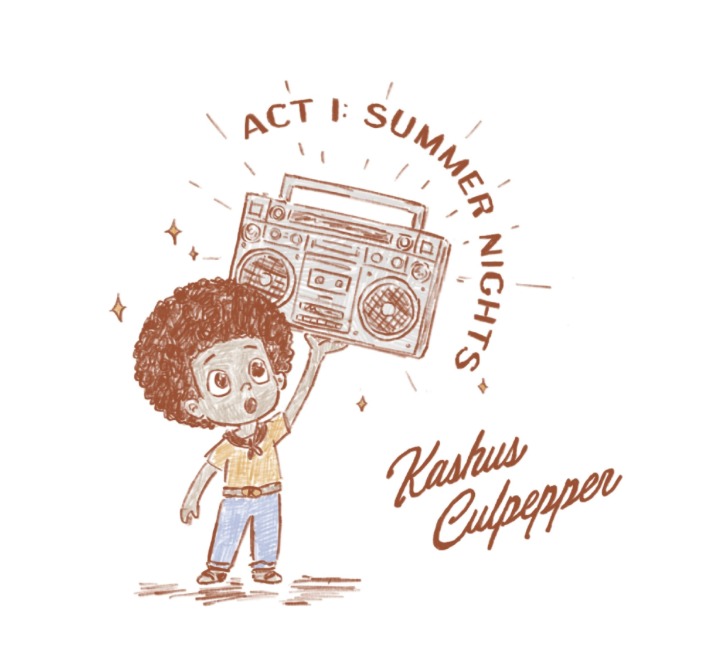
A summer groove arrives just in time for the season that inspired it. Kashus Culpepper announced ‘Act I: Summer Nights’, a four-song EP out June 19 that builds on his acclaimed debut album ‘Act I’. The new collection leans into a lighter, groovier side of the Alabama artist-writer, a sonic addendum that stretches his versatility in a fresh direction. Pre-save it here.
The music emerged from an exploratory session with producer and co-writer Mike Robinson, the two finding a groove and following it. The result includes buoyant cuts like “Let Me Show You Love” and “Miss You Much Longer.” The EP keeps the instrumental backbone of its predecessor intact, including prominent pedal steel, opening with a cover of Glen Campbell’s immortalized “Southern Nights” and closing on the sultry, slower “Til The Sun Goes Down.”
Recorded in Nashville, Culpepper tapped former collaborators Oscar Charles, Luke Preston, and Grady Block, among other creatives, to bring the songs to life. His rise has been swift. In just two years he’s earned a 2026 Americana Honors & Awards Emerging Act of the Year nomination, praise from Elton John, who called him like Bill Withers making country music, and a nod from John Mayer, who called him as good as it gets.
The accolades stack high, from Shazam’s 2026 Fast Forward Class to the Opry NextStage Class of 2025, with appearances on Jimmy Kimmel Live!, CBS Saturday Sessions, and The Kelly Clarkson Show. His sound has carried him onto the road with Leon Bridges, Sierra Ferrell, and Darius Rucker, and this year he’s playing major-market headline dates plus runs supporting Niall Horan, Shaboozey, Jelly Roll, Riley Green, Thomas Rhett, Stephen Wilson Jr., and Wyatt Flores.
It’s a warm, confident set from one of the most talked-about new voices in Southern music.
Track Listing:
“Southern Nights” (Allen Toussaint)
“Let Me Show You Love” (Kashus Culpepper, Todd Clark, Seth Ennis, Mike Robinson)
“Miss You Much Longer” (Kashus Culpepper, Grady Block, Mike Robinson)
“Lights Fade Interlude” (Kashus Culpepper, David Crutcher, Mike Robinson)
“Til The Sun Goes Down” (Kashus Culpepper, Nathan Bess, Oscar Charles, Luke Preston)
2026 Tour Dates:
June 8 – Wilmington, NC – Live Oak Bank Pavilion (supporting Jelly Roll)
June 10 – Virginia Beach, VA – Veterans United Home Loans Amphitheater (supporting Jelly Roll)
June 11 – Pineville, KY – Laurel Cove Music Festival
June 13 – Grand Rapids, MI – Acrisure Amphitheater (supporting Jelly Roll)
June 18 – Saratoga Springs, NY – Albany Med Health System at SPAC (supporting Jelly Roll)
June 19 – Greenfield, MA – Green River Festival
June 20 – Bangor, ME – Maine Savings Amphitheater (supporting Jelly Roll)
June 23 – Syracuse, NY – Empower FCU Amphitheater at Lakeview (supporting Jelly Roll)
June 27 – Stuttgart, Germany – US Army Garrison Stuttgart
July 4 – Calgary, CAN – ATCO Field at Spruce Meadows (supporting Charley Crockett)
July 9 – Nashville, TN – GEODIS Park (supporting Thomas Rhett and Niall Horan)
July 11 – Greenville, SC – Bon Secours Wellness Arena (supporting Thomas Rhett)
July 15 – Portsmouth, NH – Prescott Park
July 16 – Hartford, CT – The Meadows Music Theatre (supporting Thomas Rhett)
July 17 – Gilford, NH – BankNH Pavilion (supporting Thomas Rhett)
July 18 – Hershey, PA – Hersheypark Stadium (supporting Thomas Rhett and Niall Horan)
July 25 – Macon, GA – Capitol Theatre
Aug. 8 – Elkhorn, NE – The Club at Indian Creek (supporting Wyatt Flores)
Aug. 13 – Columbia, MD – Merriweather Post Pavilion (supporting Thomas Rhett)
Aug. 14 – Bethel, NY – Bethel Woods Center for the Arts (supporting Thomas Rhett)
Aug. 15 – Amagansett, NY – The Stephen Talkhouse
Aug. 18 – Nantucket, MA – The Chicken Box
Aug. 19 – Nantucket, MA – The Chicken Box
Sept. 10 – Denver, CO – Fiddlers Green (supporting Riley Green)
Sept. 11 – Albuquerque, NM – First Financial Credit Union Amphitheater (supporting Riley Green)
Sept. 12 – Lubbock, TX – United Supermarkets Arena (supporting Riley Green)
Sept. 17 – Ridgefield, WA – Cascades Amphitheater (supporting Riley Green)
Sept. 18 – Bend, OR – Hayden Homes Amphitheater (supporting Riley Green)
Sept. 19 – Wheatland, CA – Toyota Amphitheatre (supporting Riley Green)
Sept. 24 – Long Beach, CA – F&M Bank Amphitheater (supporting Riley Green)
Sept. 25 – Los Angeles, CA – Greek Theatre (supporting Riley Green)
Sept. 26 – Mountain View, CA – Shoreline Amphitheatre (supporting Riley Green)
Oct. 3 – New York City – Radio City Music Hall (supporting Shaboozey)
Oct. 6 – Philadelphia, PA – Highmark Skyline Stage at The Mann (supporting Shaboozey)
Oct. 7 – Columbus, OH – Kemba Live! Outdoor (supporting Shaboozey)
Oct. 9 – Chicago, IL – Aragon Ballroom (supporting Shaboozey)
Oct. 10 – Minneapolis, MN – The Armory (supporting Shaboozey)
Oct. 13 – Morrison, CO – Red Rocks Amphitheatre (supporting Shaboozey)
Nov. 21 – Birmingham, AL – Avondale Brewing Company (supporting Stephen Wilson Jr.)
Dec. 2 – Pittsburgh, PA – Citizens Live at the Wylie (supporting Stephen Wilson Jr.)
Dec. 9 – Atlanta, GA – Coca-Cola Roxy (supporting Stephen Wilson Jr.)
Dec. 11 – Nashville, TN – The Truth (supporting Stephen Wilson Jr.)
Pop Vocal Powerhouse Sienna Spiro Takes Her “My House” Tour Across The Globe Ahead Of Debut Album ‘Visitor’
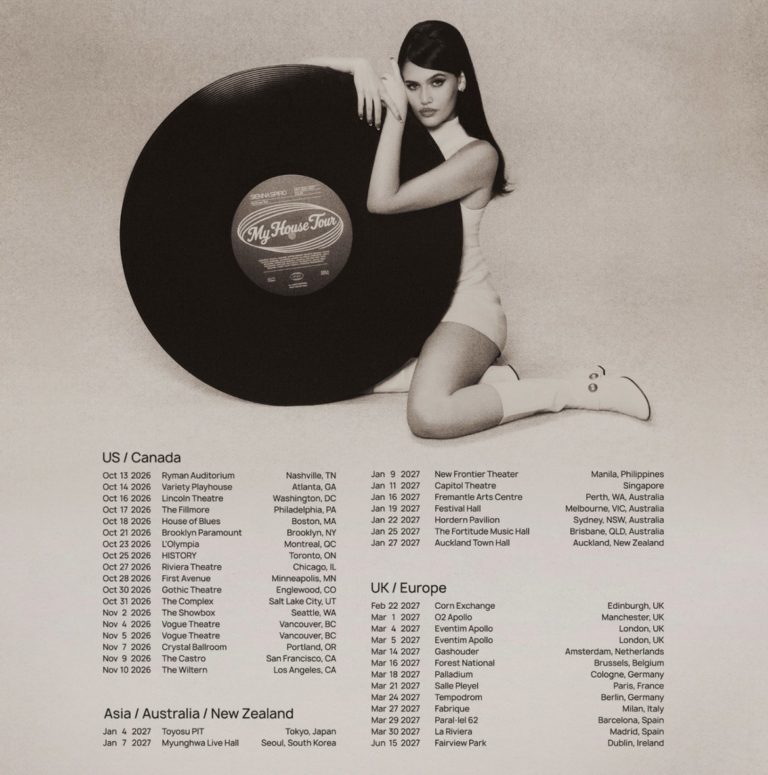
A voice that critics keep comparing to Adele is about to circle the planet. London-born singer and songwriter Sienna Spiro announced the “My House” tour, a sprawling run that spans North America, Asia, Australia, New Zealand, the UK, and Europe. Presales begin Tuesday, June 16 at 10am local time, with public on-sale Thursday, June 18 at 10am local. Her debut album ‘Visitor’ arrives July 3 on Capitol Records.
The 20-year-old has had a remarkable rise. All 3 of her singles so far have charted on the Billboard Hot 100, “Die On This Hill,” “The Visitor,” and “You Stole The Show,” and her music has amassed over 1.2 billion global streams. Variety dubbed her one of the greatest voices of her generation, while the Los Angeles Times called her instrument the most impressive to come out of England since Adele.
She built ‘Visitor’ across legendary rooms including Electric Lady Studios in New York, Abbey Road in London, and Valentine Recording Studios in Los Angeles. The album was executive produced by Omer Fedi, with additional work from Blake Slatkin, Yakob, Michael Pollack, and composers Larry Gold and Academy Award-winner Peter Rotter, who led a 20-piece string orchestra on “The Visitor.”
After seeing her inaugural US tour sell out within seconds last year, Spiro is using Ticketmaster’s Face Value Exchange in North America to keep resale prices honest. She framed the run as the biggest she’s ever done, with stops in places she’s never played before, and said she can’t wait to sing the songs from ‘Visitor’ with her fans.
The momentum keeps stacking up. Spiro landed on Forbes’ 30 Under 30 list, earned two 2026 American Music Award nominations, wrote “Material Lover” for The Devil Wears Prada 2 soundtrack, and recently sang Nat King Cole’s “Nature Boy” for the BBC’s David Attenborough special. The tour kicks off October 13 at Nashville’s Ryman Auditorium and wraps the North American leg November 10 at The Wiltern in Los Angeles, with a surprise return to San Francisco’s Castro Theatre, where she joined Sam Smith for a duet in March.
It’s the arrival of a fully formed talent, and one of the most exciting debut runs in recent memory.
North American Tour Dates:
Aug 01 – Chicago, IL @ Lollapalooza
Aug 02 – Newport, RI @ Newport Jazz Festival
Aug 08 – San Francisco, CA @ Outside Lands
Sep 26 – Forest Hills, NY @ All Things Go Festival
Sep 27 – Columbia, MD @ All Things Go Festival
Oct 10 – Austin, TX @ Austin City Limits Festival
Oct 13 – Nashville, TN @ Ryman Auditorium
Oct 14 – Atlanta, GA @ Variety Playhouse
Oct 16 – Washington, DC @ Lincoln Theatre
Oct 17 – Philadelphia, PA @ The Fillmore
Oct 18 – Boston, MA @ House of Blues
Oct 21 – Brooklyn, NY @ Brooklyn Paramount
Oct 23 – Montreal, QC, Canada @ L’Olympia
Oct 25 – Toronto, ON, Canada @ HISTORY
Oct 27 – Chicago, IL @ Riviera Theatre
Oct 28 – Minneapolis, MN @ First Avenue
Oct 30 – Englewood, CO @ Gothic Theatre
Oct 31 – Salt Lake City, UT @ The Complex
Nov 02 – Seattle, WA @ The Showbox
Nov 04 – Vancouver, BC, Canada @ Vogue Theatre
Nov 05 – Vancouver, BC, Canada @ Vogue Theatre
Nov 07 – Portland, OR @ Crystal Ballroom
Nov 09 – San Francisco, CA @ The Castro
Nov 10 – Los Angeles, CA @ The Wiltern
Asia / Australia / New Zealand:
Jan 04 – Tokyo, Japan @ Toyosu PIT
Jan 07 – Seoul, South Korea @ Myunghwa Live Hall
Jan 09 – Manila, Philippines @ New Frontier Theater
Jan 11 – Singapore @ Capitol Theatre
Jan 16 – Perth, WA, Australia @ Fremantle Arts Centre
Jan 19 – Melbourne, VIC, Australia @ Festival Hall
Jan 22 – Sydney, NSW, Australia @ Hordern Pavilion
Jan 25 – Brisbane, QLD, Australia @ The Fortitude Music Hall
Jan 27 – Auckland, New Zealand @ Auckland Town Hall
UK / Europe:
Feb 22 – Edinburgh, UK @ Corn Exchange
March 01 – Manchester, UK @ O2 Apollo
March 04 – London, UK @ Eventim Apollo
March 05 – London, UK @ Eventim Apollo
March 14 – Amsterdam, Netherlands @ Gashouder
March 16 – Brussels, Belgium @ Forest National
March 18 – Cologne, Germany @ Palladium
March 21 – Paris, France @ Salle Pleyel
March 24 – Berlin, Germany @ Tempodrom
March 27 – Milan, Italy @ Fabrique
March 29 – Barcelona, Spain @ Paral·lel 62
March 30 – Madrid, Spain @ La Riviera
June 15 – Dublin, Ireland @ Fairview Park
Earth, Wind & Fire Press Their ‘Greatest Hits’ To Vinyl This Fall
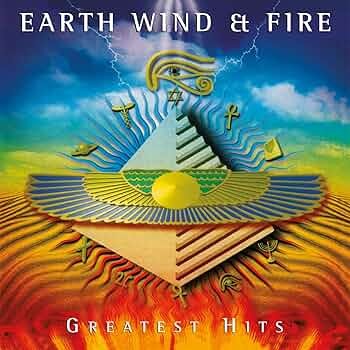
17 of the most recognizable songs in funk and soul are about to spin on wax again. Earth, Wind & Fire and Sony’s Legacy Recordings announced ‘Greatest Hits’, a 2 LP vinyl set arriving September 18. A limited-edition aquamarine pressing will be available exclusively through Amazon, and a digital version is out now.
The release lands during a banner month for the group. Earth, Wind & Fire is Amazon’s Artist of the Month in June, drawing dedicated in-app marketing, curated “ReDiscover” playlists, out-of-home advertising, and more across Amazon Music.
The celebration keeps rolling with a new slate of physical and digital releases on July 17. That batch includes freshly pressed editions of ‘I Am’, ‘Open Our Eyes’, and ‘That’s The Way of the World’, plus ‘The Essential Earth, Wind & Fire Remixes’, available exclusively in digital form.
The catalog push arrives alongside the HBO Original documentary ‘Earth, Wind & Fire (To Be Celestial vs. That’s The Weight of The World)’, which opened the Tribeca Festival on June 3. Produced and directed by Ahmir “Questlove” Thompson, the film digs into the group’s spiritual and musical origins and their lasting cultural impact, and it’s streaming now on HBO Max.
The band also kicks off a 26-city North American summer tour with Lionel Richie on June 24 at Grand Casino Arena in Saint Paul, hitting Toronto, New York, Los Angeles, and more before wrapping in Austin at the Moody Center on August 14. It’s a deep, joyous celebration of one of music’s most enduring catalogs.
‘Greatest Hits’ Track Listing:
- “Shining Star”
- “That’s the Way of the World”
- “September”
- “Can’t Hide Love”
- “Got to Get You into My Life”
- “Sing a Song”
- “Gratitude”
- “Serpentine Fire”
- “Fantasy”
- “Kalimba Story”
- “Mighty Mighty”
- “Reasons”
- “Saturday Nite”
- “Let’s Groove”
- “Boogie Wonderland”
- “After the Love Has Gone”
- “Getaway”
Itzy Bring Their 3rd World Tour To Europe And The UK This September
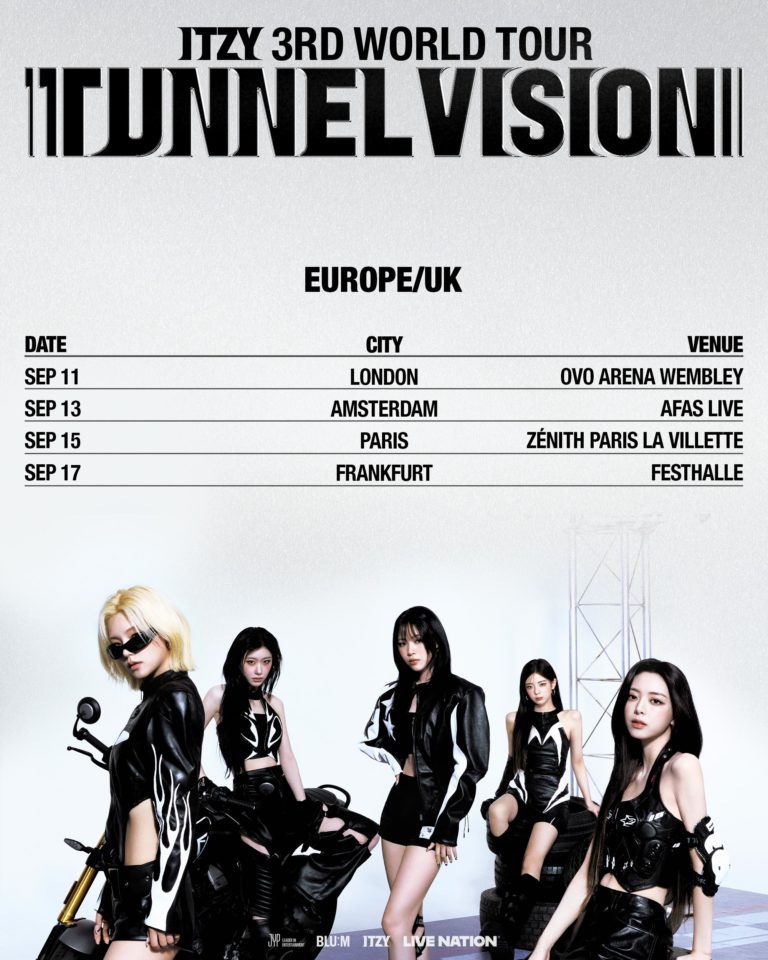
Four European cities are about to feel the full force of one of K-pop’s most explosive live acts. Itzy announced the European and UK leg of their 3rd World Tour, presented by Live Nation, bringing the group to London, Amsterdam, Paris, and Frankfurt this September. The run follows their acclaimed new ‘Motto’ EP and the global launch of the tour earlier this year.
The four-night swing builds on serious momentum. Itzy capped a three-night stand at Seoul’s Jamsil Indoor Stadium in February, showcasing the dynamic production and commanding stage presence that have defined their career. The current tour follows their landmark 2nd World Tour, which carried the group to arenas across 28 regions worldwide, including Australia, Mexico, England, Japan, and Canada.
The European dates support ‘Tunnel Vision’, the group’s acclaimed November mini-album that debuted at No. 4 on Billboard’s World Albums chart. The run also arrives amid continued excitement around ‘Motto’, their latest EP featuring 8 new tracks, including its infectious title track that pushes their confidence and artistry further.
Itzy keeps proving themselves true stage masters, blending chart-topping hits with fan-favorite B-sides tailored for the live stage. Presales are underway, with general sale opening Tuesday, June 16 at 4pm local time, and VIP packages on offer.
Itzy 3rd World Tour European/UK Dates:
Sept 11 – London, UK @ OVO Arena Wembley
Sept 13 – Amsterdam, Netherlands @ AFAS Live
Sept 15 – Paris, France @ Zénith Paris La Villette
Sept 17 – Frankfurt, Germany @ Festhalle
Australian Genre-Blender Billy Vincent Bares It All On New Single “The Story”
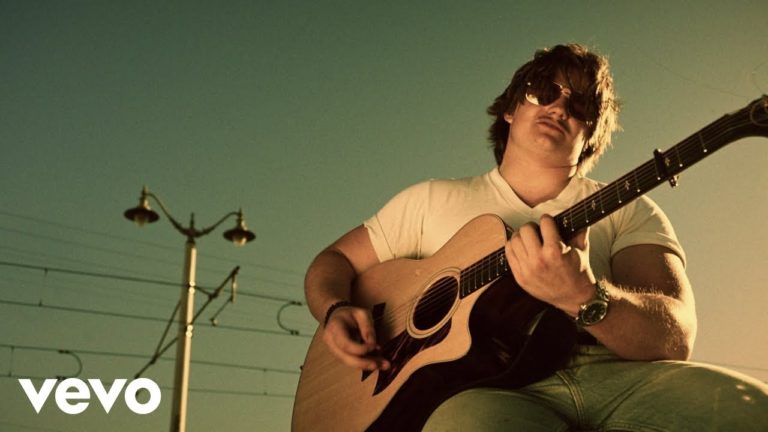
A raspy voice and a story worth telling arrive together on Billy Vincent’s latest. The Australian singer, songwriter, and guitar talent returned with his new single “The Story” via Columbia Records. The track leans on his unmistakable vocal, raw lyricism, and guitar-forward sound, blending country, rock, and grunge into something that feels both intimate and universal.
Written by Vincent and produced by Dopamine and Andy Seltzer, “The Story” lands as momentum around the Queensland native keeps building. He first drew attention through performance clips and original music shared online, growing to more than 145k Instagram followers, 95K TikTok followers, and over 20 million views across his music content. Fans have spent months waiting on new music through teasers and acoustic sets across Australian pubs and social platforms.
The release follows his recent single “Fly Away,” which introduced many listeners to his powerful delivery and emotionally charged songwriting. Along the way, Vincent has earned praise from Luke Combs, Bailey Zimmerman, and acclaimed songwriter and producer John Shanks.
Earlier this year he joined fellow Columbia artist Koe Wetzel for select Australian dates, carrying his growing catalog to audiences across the country. “The Story” pushes that rise further, a compelling, emotionally honest single from one of the most promising new voices coming out of the region. More new music is on the way.
Video: Anika Nilles Commands The Drum Chair Through Rush’s Entire Fifty Something Tour Opener In Los Angeles
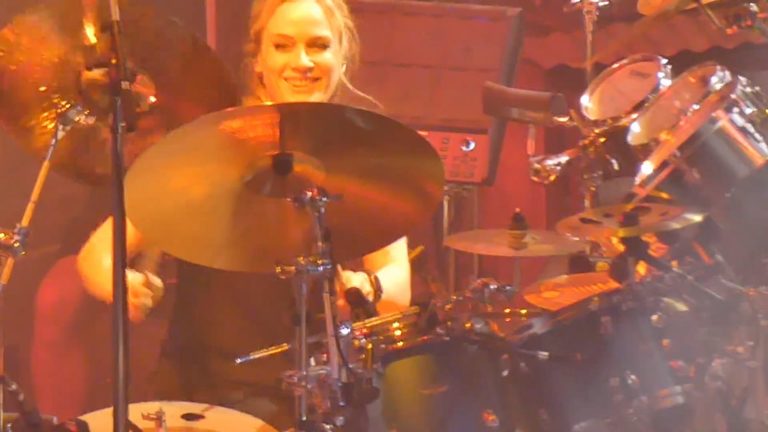
A full-show camera locked entirely on Anika Nilles now lets fans watch every move she made behind the kit on Rush’s reunion night. The video follows Nilles through the complete June 7 Kia Forum set, from the “Where’s Rush?” intro sketch and “Xanadu” through “The Spirit of Radio,” a three-part “2112” suite, “Tom Sawyer,” and the “By-Tor and the Snow Dog” encore, with full uncut audio of the entire performance. The German drummer steps into the chair once held by Neil Peart and carries the night, trading fills and locking in with Geddy Lee and Alex Lifeson while Loren Gold handles keys and Aimee Mann guests on “Time Stand Still.” By every account she absolutely killed it.
Father John Misty, Guster And Jerry Harrison Crown Sound Summit Atop Mount Tamalpais This September
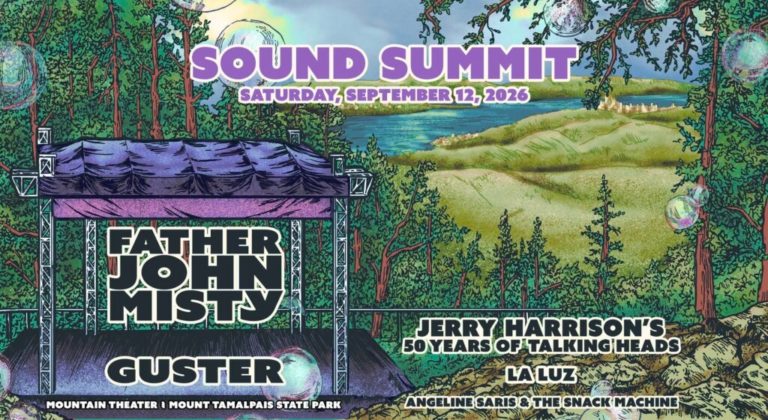
A festival with the best views in the Bay Area returns to its mountaintop perch this fall. Sound Summit, the daylong event atop Mount Tamalpais, comes back to the historic Mountain Theater on Saturday, September 12. Cinematic folk-rock troubadour Father John Misty headlines with his full band, five years after he played the festival as an intimate acoustic set.
The lineup runs deep. Harmony-driven indie rockers Guster join the bill, alongside Talking Heads co-founder Jerry Harrison and his 50 Years of Talking Heads project, surf-noir psych-rockers La Luz, and Bay Area funk ensemble Angeline Saris & The Snack Machine. Perennial emcees Brian Murphy and Paul McCaffrey, the longtime KNBR duo Murph & Mac, return alongside KPFA’s Tim Lynch, with Andy Cabic of Vetiver spinning as all-day DJ.
The event pairs world-class music with a conservation mission. Produced annually by Roots & Branches Conservancy, Sound Summit has raised more than $300,000 over the past decade for Mount Tamalpais State Park, funding trail restoration, historic preservation, fire prevention, water conservation, and other vital park work.
Founder and producer Michael Nash calls staging the event high above the Bay a continually nourishing adventure, pointing to the spirited crowd who climb the mountain for a day unlike anything down on the ground and the camaraderie that comes with making the trip. Past Sound Summits have featured Wilco, Lord Huron, The War On Drugs, Sierra Ferrell, Bob Weir & Phil Lesh, Herbie Hancock, and many more.
It’s shaping up to be a great party with a purpose, perched 4,000 seats high above the Bay.
Lineup:
Father John Misty — full band
Guster
Jerry Harrison’s 50 Years of Talking Heads
La Luz
Angeline Saris & The Snack Machine
Event Details:
Date: Saturday, September 12, 2026
Gates: 10:30am
Music: 11:30am – 7:00pm
Venue: The historic Mountain Theater, Mount Tamalpais State Park
Tickets are on sale Friday, June 12 at 10:00am PDT via SoundSummit.net
Adults: $149.50
Youth 12 and under: $74.75
Children 2 and under: Free
Reserved Mountain Parking: $75
Round-Trip Shuttle from Mill Valley: $35