

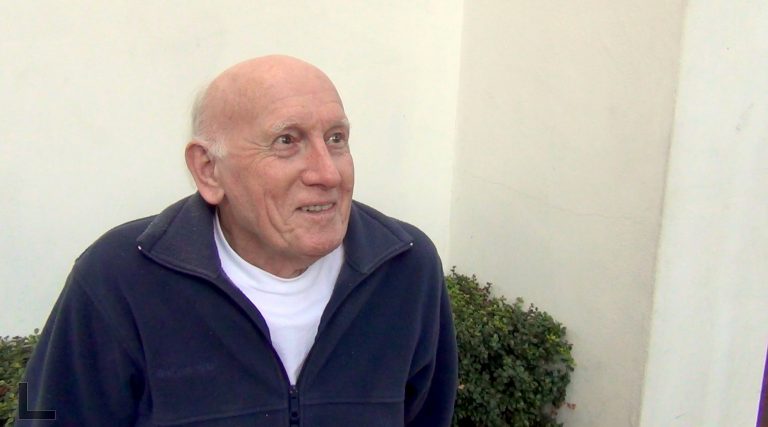
We’re still living in a world where elders need to be respected, and good thing for that. Seniors all around the world were all asked the same question: “If you could tell one thing to a young person, what would it be?” The consistency among all of these different people, different countries, and different cultures won’t surprise you. It’s the advice you already know, but sometimes need to hear from time to time.
2015 JUNO Award winners and performers see rise in sales
Nielsen SoundScan’s Canadian Operations Director, Paul Tuch pulled more data for FYI Music showing the week following sales for Juno winners and performers.
The data conclusively show significant strengthening of sales around key artists in the post-period, spanning March 15 -22. As follows:
- Leonard Cohen – album up 200% from 279 to 838 copies sold
- Arkells – album up 19%, Come To Light track up 63% downloads and up 31% streams. High Noon album went from 916 to 1,092.
- Hedley album up 34%. Wild Life went from 373 to 499 sold
- Kiesza album up 59%, Hideaway track up 51% downloads. Sound Of A Woman album jumped from 357 copies to 570.
- Lights album up 89%. Little Machines went from 192 to 361 sold.
- Magic! album up 25%. Don’t Kill The Magic LP went from 627 to 786 sold.
- Shawn Mendes – Life Of The Party track up 18% downloads, up to 2262 copies
- The Weeknd – Earned It – up 12% downloads
- Bobby Bazini – Bubblegum – up 72% streams
- Deadmau5 – Seeya up 24% streams
Video: Steve Albini answers your questions
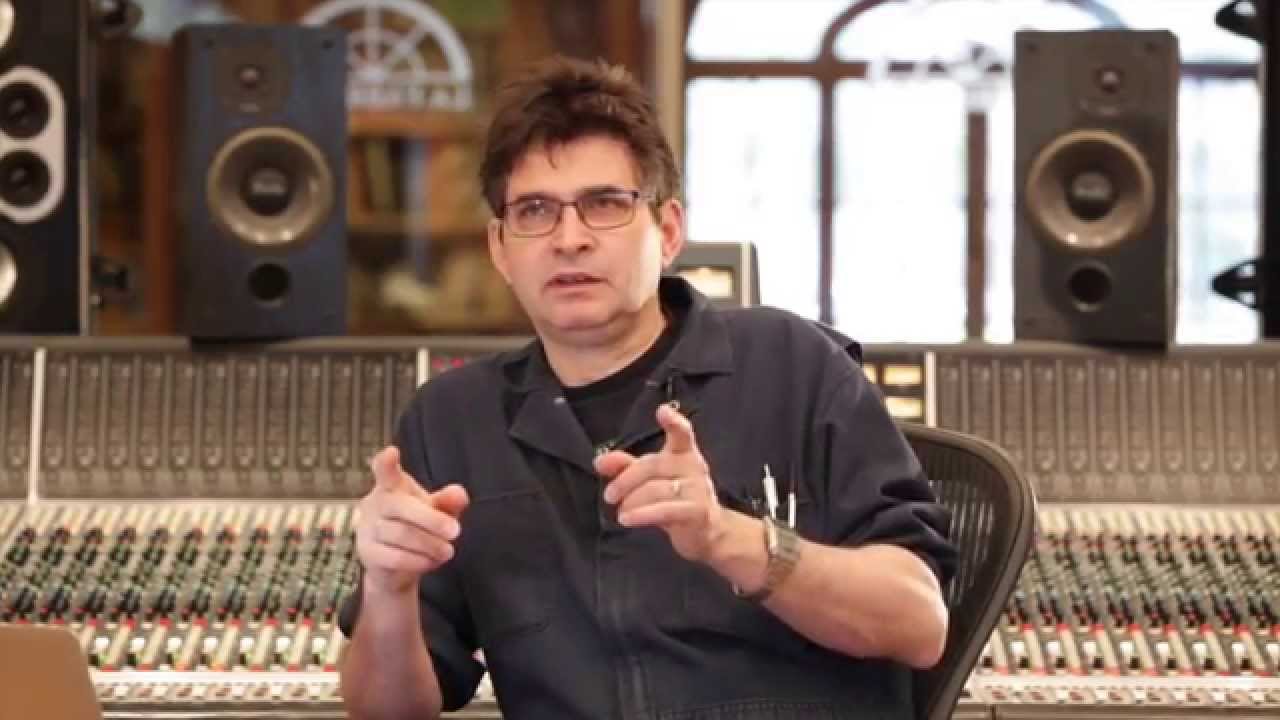
The MIX With The MASTERS Seminar Series is a chance for recording and mixing engineers to work closely with A-List record producers, engineers and mixers and improve their skills in music production. The events take place at Studio La Fabrique in the South of France.
Sound On Sound recently asked their Facebook followers what they would like to ask producer Steve Albini, and above is the result, courtesy of Mix With The Masters. Steve has produced hundreds if not thousands of records, and frequently goes uncredited. He is famously credited, however, with recording In Utero, Nirvana’s follow-up to Nevermind. He’s also worked with the likes of The Pixies, PJ Harvey, Joanna Newsom and is a founding member of Shellac.
The Prism Prize Announces Host, Presenters and Attending Nominees
The Prism Prize is thrilled to announce the host, presenters and attending nominees for the Prism Prize Awards Presentation this Sunday, March 29, 2015 at TIFF Bell Lightbox. For the first time ever the Prism Prize Awards Presentation is open to the public, with limited tickets available at www.prismprize.com/tickets.
The Prism Prize Awards Presentation will be hosted by star of City’s Sunnyside Kathleen Phillips, while presenters will hand out the Grand Prize, Audience Award (presented by Noisey Canada), Prism Prize Special Achievement Award and the Arthur Lipsett Award (sponsored by Art Works Art School).
The Prism Prize presenters include 2014 Prism Prize winner Emily Kai Bock; Host of OMNI TV’s V-Mix, Dilshad Burman; Host of E! Canada, Tyrone Edwards; Host of AUX.TV, Sam Sutherland; VJ and Host of the MUCH Countdown Liz Trinnear; artist and musician Maylee Todd; producer and writer Scott Willats; and Broken Social Scene’s Brendan Canning.
Prism Prize Top Ten nominees in attendance will include: Kandle, Christopher Mills, Chad VanGaalen, Kevin Drew, Lee Stringle, Samir Rehem, Natalie Rae Robison, Jeremy Schaulin-Rioux, Chandler Levack, Jared Raab, Martin C. Pariseau, and Kheaven Lewandowski.
THE 2015 PRISM PRIZE TOP TEN (in alphabetical order, by director name):
The New Pornographers – Dancehall Domine (Directors: Scott Cudmore and Michael LeBlanc)
PUP – Guilt Trip (Directors: Chandler Levack and Jeremy Schaulin-Rioux)
Fur Trade – Same Temptation (Director: Kheaven Lewandowski)
Rich Aucoin – Yelling in Sleep (Director: Joel Mackenzie)
Ryan Hemsworth – Snow in Newark (Director: Martin C. Pariseau)
Kandle – Not Up to Me (Director: Natalie Rae Robison)
Kevin Drew – You in Your Were (Director: Samir Rehem)
Odonis Odonis – Order in the Court (Director: Lee Stringle)
Chad VanGaalen – Monster (Director: Chad VanGaalen)
Timber Timbre – Beat the Drum Slowly (Director: Chad VanGaalen)
The Prism Prize winning video for Best Canadian Music Video will be awarded the Prism Prize trophy and a cash reward of $5000. A new and exciting benefit for all Prism Prize Award winners comes from William F. White, who will provide $2000 equipment vouchers for all Prism Prize Award winners. Whites is Canada’s oldest and largest provider of professional motion picture, television, digital media and theatrical production equipment.
Past Prism Prize winners for Best Canadian Music Video of the Year include Noah Pink for Rich Aucoin’s Brian Wilson is A.L.i.V.E (2013) and Emily Kai Bock for Arcade Fire’s Afterlife (2014).
Prism Prize is proud to host a comprehensive resource for music fans to watch the best Canadian music videos all in one place. Videos and news from Canada’s music video community are available throughout the year at www.prismprize.com.
Stringray Music Partners with Air Canada

Stingray announced today a partnership with Air Canada and Spafax, making Stingray the main music content partner for the Air Canada enRoute in-flight entertainment system.
“As a Canadian company, we are thrilled to mark our debut in the in-flight entertainment industry with Air Canada, the largest Canadian airline,” said Eric Boyko, President and CEO of Stingray. “In addition to providing Air Canada customers with the highest quality music content in flight, our partnership includes the promotion of great Canadian artists and musicians.”
Since February 2015, Air Canada customers have had access, free-on-demand, to the expertly curated music content that has contributed Stingray’s stellar global reputation, including:
· Themed music playlists
· Genre-based music playlists
· Music Video playlists
· Concert videos and music documentaries
Said Calin Rovinescu, President and CEO of Air Canada, “Air Canada is proud to support Canadian talent through this new partnership with Stingray that will provide our customers with more selections than ever before by Canadian artists.”
This first venture by Stingray into the in-flight entertainment industry was developed in coordination with Spafax, Air Canada’s content marketing agency of record.
Apple To Relaunch Beats Music Service With Help From Trent Reznor
From New York Times:
In what would be the biggest change to its music strategy in years, Apple is pressing ahead with a sweeping overhaul of its digital music services that would allow the company to compete directly with streaming upstarts like Spotify.
Almost a year after agreeing to pay $3 billion for Beats, the maker of hip headphones and a streaming music service, Apple is working with Beats engineers and executives to introduce its own subscription streaming service. The company is also planning an enhanced iTunes Radio that may be tailored to listeners in regional markets, and, if Apple gets what it wants, more splashy new albums that will be on iTunes before they are available anywhere else, according to people briefed on the company’s plans.
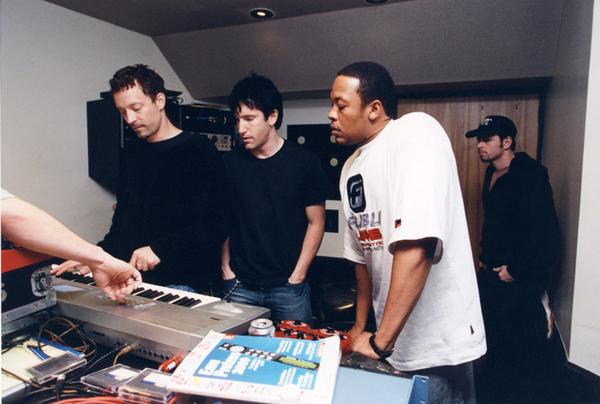
In a sign of how important Beats is in reshaping Apple’s digital music, the company has made a musician a point man for overhauling the iPhone’s music app to include the streaming music service, as opposed to an engineer. Trent Reznor, the Nine Inch Nails frontman who was the chief creative officer for Beats, is playing a major role in redesigning the music app, according to two Apple employees familiar with the product, who spoke on the condition they not be named because the plans are private.
Laura Cole and Jeremy Fisher Lead Hamilton Music Awards Nominations
The 2015 Hamilton Music Awards announced the nominees for their 2015 event, which take place at 6PM on Sunday May 24th at the Dofasco Centre for the Arts. Leading the nominations are Laura Cole(5), Jeremy Fisher(4) Arkells(3), Blackie and the Rodeo Kings(3), Elliott Brood(3), Ash & Bloom(2), Bianca Bernardi(2), Diana Panton(2), Dirty Jeans(2), Ginger St. James(2), Hachey the MouthPEACE(2), Harrison Kennedy(2), Jacob Moon(2), Katie Bulley(2), Mimi Shaw(2), Mississippi Bends(2), Steve Strongman(2), The Dinner Belles(2) and Tongue Fu(2). A complete list of nominees is included below.
The Industry Award nominees, Rising Star Search, Festival & Conference schedules as well as ticket information will be announced in early April.
Fans, artists and industry are reminded to cast their votes in seven People’s Choice categories at www.hamiltonmusicawards.com. The deadline has been extended to midnight on Friday April 24th.
2015 marks a 20-year journey for the Hamilton Music Awards, Festival and Conference which began as Hamilton Music Scene, an unofficial pre-JUNO Festival, when the JUNO’S hit the road and landed in Hamilton, in March 1995.
The Hamilton Music Awards and Industry Awards were established in 2004 to promote and recognize Hamilton’s vibrant music community. The Music Awards are broadcast nationally each year and have featured appearances by Monster Truck, Daniel Lanois, Arkells, The Reason, Ian Thomas, Lighthouse, Eugene Levy, Crowbar, Jackie Washington, Garth Hudson, Teenage Head, Blackie and the Rodeo Kings, Whitehorse and many more. To date, over 600 awards have been given to local artists and industry. The conference is attended by over 700 students and artists annually and features guest speakers from all walks of the Canadian music industry. The festival takes place over two nights in venues across the city.
2015 Hamilton Music Awards
1. Female Artist of the Year
Bianca Bernardi – Bianca Bernardi
Katie Bulley – Sun Wolf
Laura Cole – Dirty Cheat
Diana Panton – Red
Mimi Shaw – Niagara
Ginger St. James – Diesel and Peas
2. Male Artist of the Year
Jeremy Fisher – The Lemon Squeeze
Hachey the MouthPEACE – Out of Line
Harrison Kennedy – This Is From Here
Jacob Moon – Fascination
Bud Roach – Arias By Sances From 1636
Steve Strongman – Let Me Prove It To You
3. Local Group of the Year by the Peoples Choice –Determined by online vote at www.hamiltonmusicawards.com
4. New Artist/Group of the Year
Ash & Bloom – Let The Storm Come
Laura Cole – Dirty Cheat
Dirty Jeans – Dirty Jeans
Mississippi Bends – Mississippi Bends
Tongue Fu – Tongue Fu
5. Jazz Recording of the Year
Brenda Brown – Brenda Brown
Diana Panton – Red
Haolin Munk – HMEP
The Out of Towners – Dirty. Organ. Jazz
Karen Thornton – Rain Down On Me
6. Roots Recording of the Year (Group)
Blackie and the Rodeo Kings – South
Elliott Brood – Work and Love
The Folk Sinners – Move That Rock
Tim Gibbons and the Swampbusters – Swamp Tooth Comb
Harlan Pepper – Take Out A Twenty And Live Life To The Fullest
7. Roots Recording of the Year (Solo)
Katie Bulley – Sun Wolf
Fred Eaglesmith – Tambourine
Low Country Hill – Low Country Hill
Mark McNeil – Flashbacks
Peter Tigchelaar – Better Things
8. Alternative/Indie Rock Recording of the Year
Beautiful Nothing – Beautiful Nothing
The Dirty Nil – Smite
Pet Sun – Feel Like I’m Going Away
Dave Rave and the Governors – Ashtray Makeup
Thought Beneath Film – Cartographers
The Zilis – Sketches II
9. Folk/Traditional Recording of the Year
Ash & Bloom – Let The Storm Come
John and Sheila Ludgate – Northern Soul
Scott Orr – A Long Life
Matt Paxton – Mountain Eyes
Alfie Smith & Nicole Christian – Come On In My Kitchen
The Vaudevillian – Salty Dog
10. Industry Lifetime Achievement Award
11. Rock Recording of the Year
Arkells – High Noon
Bob Bryden – Yorkville Days
Live How You Live – Live How You Live
Social Animals – Innominate
Sons of Revelry – Fractal
12. Loud/Metal Recording of the Year
Dred – …They Do Exist
Jamsquid – 3.0
Sarasin – Sarasin
Sumo Cyco – Lost in Cyco City
Varga – Enter The Metal
13. Punk Recording of the Year
Born Wrong – Art District
Dirty Jeans – Dirty Jeans
The Responsibles – Still Rolling
Simply Saucer – Baby Nova
Tongue Fu – Tongue Fu
14. Adult Alternative Recording of the Year
Laura Cole – Dirty Cheat
Justin Dunlop – Black Bay Nocturnes
The DoneFors – Lush Life Below The Poverty Line
Jeremy Fisher – The Lemon Squeeze
Jacob Moon – Fascination
Whitehorse (Translations by Pierre Marchard) – Éphémère Sans Repère
15. Blues Recording of the Year
Jack de Keyzer – Voodoo Boogie
Joel Johnson – Blues Joose Volume II
Harrison Kennedy – This Is From Here
Shawn O’Halloran – Jumpin’ The Gun On Mardi Gras
Steve Strongman – Let Me Prove It To You
16. Alt/Country Recording of the Year
Rae Billing And The Unpayables – Walls and Fences
The Dinner Belles – The River And The Willow
Mississippi Bends – Mississippi Bends
Mimi Shaw – Niagara
Ginger St. James – Diesel and Peas
17. New Country Recording of the Year
Ty Baynton – Good Ol’ Boy
Billy J White – Damn Fool Thing
18. Rap/Hip Hop Recording of the Year
B-Flix – Everything Changed
Canadian Winter – The Snowball Effect
Cha Cha AKA Jim James – Mr. Personalities
Hachey the MouthPEACE – Out Of Line
19. Pop Recording of the Year
Allotrope – Allotropic
Among Millions – Among Millions
Bianca Bernardi – Bianca Bernardi
Kojo “Easy” Damptey – Daylight Robbery
Jordan Haller – Drifting
Hello Harvard – EP
20. Artist Lifetime Achievement Award
21. Songwriter of the Year
Arkells – High Noon
Blackie and the Rodeo Kings – South
Laura Cole – Dirty Cheat
The Dinner Belles – The River and the Willow
Elliott Brood – Work And Love
Jeremy Fisher – The Lemon Squeez
22. Record of the Year
Arkells – High Noon
Blackie and the Rodeo Kings – South
Caribou – Our Love
Laura Cole – Dirty Cheat
Elliott Brood – Work And Love
Jeremy Fisher – The Lemon Squeeze
You know you’re in for a great show when you see this.


OK. Maybe not the last guy.
Radiohead, the Doors, Lauryn Hill Recordings Preserved in Library of Congress
The Doors’ debut album; the magical essence of New Orleans jazz; one of the most-played songs on the airways during the 20th century; the “Lovin’ Feelin’” of the Righteous Brothers; and the sounds of a pioneering children’s program are among the recordings recently selected for induction into the Library of Congress National Recording Registry. Librarian of Congress James H. Billington today named 25 new sound recordings to the registry that have been recognized for their cultural, artistic and/or historical significance to American society and the nation’s audio legacy.
“Congress understood the importance of protecting America’s aural patrimony when it passed the National Recording Preservation Act 15 years ago,” said Billington. “By preserving these recordings, we safeguard the words, sounds and music that embody who we are as a people and a nation.”
Under the terms of the National Recording Preservation Act of 2000, the Librarian, with advice from the Library’s National Recording Preservation Board (NRPB), is tasked with annually selecting 25 recordings that are “culturally, historically, or aesthetically significant” and are at least 10 years old. The selections for the 2014 registry bring the total number of recordings on the registry to 425, a small part of the Library’s vast recorded-sound collection of nearly 3 million items.
The selections named to the 2014 registry feature a rich and varied array of spoken-word and musical recordings—representing nearly every musical category—spanning the years 1890-1999. Among the 2014 selections are “Joan Baez,” the artist’s first solo album; Tennessee Ernie Ford’s 1955 “Sixteen Tons”; the rhythm and blues classic “Stand by Me,” which made history as one of the most broadcast songs of the 20th century; Sly and the Family Stone’s 1969 “Stand!,” one of the most successful albums of the 1960s; jazz saxophonist Gerry Mulligan’s 1953 live concert rendition of “My Funny Valentine”; The Swan Silvertones’ 1959 version of “Mary Don’t You Weep”; the original-cast recording of Cole Porter’s “Kiss Me, Kate”; Joan Tower’s celebration of women in music, “Fanfares for the Uncommon Woman”; 20 classic songs compiled in the 1995 “Sesame Street: All-Time Platinum Favorites”; and one of the landmark records of the 1990s, Radiohead’s “OK Computer.”
Two debut albums that made the list are the 1967 “The Doors,” which features some of the group’s most iconic songs, and “The Miseducation of Lauryn Hill,” the breakthrough recording that fuses soul, rhythm and blues, rap and reggae.
Spoken-word recordings on the list include Steve Martin’s second comedy album “A Wild and Crazy Guy”; an episode of the radio series “Suspense,” featuring Agnes Moorehead’s first broadcast of “Sorry, Wrong Number”; radio coverage of President Franklin D. Roosevelt’s funeral, including announcer Arthur Godfrey’s emotional broadcast; and Charles Laughton’s non-musical theatrical production, “John Brown’s Body,” with performances by such notable actors as Tyrone Power and Raymond A. Massey.
The 2014 registry also features a collection of 600 wax-cylinder recordings from the turn of the 20th century and rare recordings from the 1893 Chicago World’s Fair demonstrating “world music” from numerous countries around the globe.
Nominations were gathered through online submissions from the public and from the NRPB, which is comprised of leaders in the fields of music, recorded sound and preservation. The Library is currently accepting nominations for the next registry at the NRPB website.
As part of its congressional mandate, the Library is identifying and preserving the best existing versions of each recording on the registry. These recordings will be housed in the Library’s Packard Campus for Audio Visual Conservation in Culpeper, Virginia, a state-of-the-art facility that was made possible through the generosity of David Woodley Packard and the Packard Humanities Institute, with benefaction from the U.S. Congress. The Packard Campus is home to more than 7 million collection items, including nearly 3 million sound recordings.
Founded in 1800, the Library of Congress is the nation’s oldest federal cultural institution. The Library seeks to spark imagination and creativity and to further human understanding and wisdom by providing access to knowledge through its magnificent collections, programs and exhibitions. Many of the Library’s rich resources can be accessed through its website at www.loc.gov.
2014 National Recording Registry
- The Vernacular Wax Cylinder Recordings at University of California, Santa Barbara Library (c. 1890-1910)
Offering a rare and often-revealing glimpse into the lives of regular people, the Vernacular Wax Cylinder Recordings at the University of California, Santa Barbara (UCSB) Library consist of over 600 homemade cylinder recordings made primarily in the 1890s, 1900s and 1910s. The core of the collection is based on several decades of purposeful acquisition by anthropologist Donald R. Hill and sound historian David Giovannoni. From its commercial introduction in the 1890s through its demise in the 1920s, the cylinder phonograph allowed its owners to make sound recordings at home. Their “snapshots” of everyday life are perhaps the most authentic audio documents of the period. They are unfiltered encounters with ancestors, unburdened by commercial or scholarly expectations. They are among the most endearing recordings of the period—songs sung by family members, instrumental selections, jokes, ad-libbed narratives and even the cries of newborn babies and barnyard animals. Vernacular wax-cylinder recordings are among the most endangered of all audio formats because their grooves are extremely fragile and shallow; the wax on which they were recorded decomposes with time; archives find them challenging to catalog; and collectors shave off their existing recordings to make new recordings. The vast majority of vernacular wax recordings remain in private hands or uncatalogued in institutions. UCSB Library’s extensive special collection serves as a beacon for the recognition and assertive preservation of these highly endangered audio treasures. - The Benjamin Ives Gilman Collection, recorded at the 1893 World’s Columbian Exposition at Chicago (1893)
Benjamin Ives Gilman, a Harvard psychologist and, later, curator for the Boston Museum of Fine Arts, made 101 wax-cylinder recordings at the 1893 Chicago World’s Fair. These recordings contain Fijian, Samoan, Uvean, Javanese, Turkish, Kwakiutl or Vancouver Island Indian songs and ceremonies along with recordings of other Middle Eastern, South Seas and Native American musicians and singers who performed in specially-constructed “villages” along the Fair’s midway. For many Americans, the music on the midway was their first exposure to what we now call “world music.” In addition to being the first recordings ever made at any world’s fair, these recordings are also the earliest known recordings of many non-western musical styles, such as Javanese Gamelan. The cylinders also document early moments of cultural fusion as Gilman recorded these musicians playing patriotic American music for the fairgoers (such as a gamelan playing “Yankee Doodle Dandy”) while the recordings also preserve some of the excitement and wonder of that long-ago exposition. - “The Boys of the Lough”/”The Humours of Ennistymon” (single)—Michael Coleman (1922)
Irish fiddler Michael Coleman (1891-1945) left his native county of Sligo for New York City in 1914, never to return home. Though there was a large Irish and Irish-American audience in New York, a somewhat homogenized version of Irish music incorporating various influences had taken hold in the states. Despite Coleman’s rural traditional style, the fiddler achieved unprecedented commercial success and had a long-lasting impact on both sides of the Atlantic. Today, he remains a vital figure in Irish music. His brisk, highly ornamented playing set new standards and brought traditional Irish music a level of respect it had never had before, even in Ireland. This 1922 coupling of two older tunes that he made distinctively his own was not his first commercial disc, but proved to be his breakthrough. - “Black Snake Moan” / “Match Box Blues” (single)—Blind Lemon Jefferson (1927)
By the time of this recording in 1928, Blind Lemon Jefferson—an African-American street singer from a small country town outside of Dallas, Texas—had already reshaped and expanded the blues genre on record. Powerfully voiced singers such as Bessie Smith, who sang over a band accompaniment, had previously dominated recorded blues. However, with only his guitar for accompaniment and a high wailing tenor of a voice, Jefferson recorded a series of highly individualistic performances on record from 1925 to 1929, the year of his death. He was not the first downhome blues singer to record, but his success was unprecedented and reached beyond the South to urban centers. His audience was primarily African-American, but a significant number of whites also bought his records. Though he used what were already traditional frameworks for many of his songs, Jefferson personalized them with the interplay between his voice and guitar, extending vocal phrases with long intricate lines of notes and adding or omitting measures in the song as it suited him. Jefferson did most of his recording for the Paramount label, which often had poor sound quality. This 1928 coupling, issued by the Okeh label, was of a higher quality and holds two of Jefferson’s best performances on two of his signature songs—”Matchbox Blues,” later recorded by Carl Perkins, the Beatles and many others, and the eerie, lascivious “Black Snake Moan.” - “Sorry, Wrong Number” (episode of “Suspense” radio series, May 25, 1943)
“Sorry, Wrong Number,” was first broadcast on May 25, 1943 as part of the radio series “Suspense.” Author Lucille Fletcher wanted to write “a story which could happen in no other medium than that of pure sound,” a radio tour de force. She centered the story on a telephone, which she called “the real protagonist of the piece.” Agnes Moorehead was the lead, brilliantly supported by sound-effects artist Bernie Surrey. “Sorry, Wrong Number” was so popular it was restaged seven times between 1943 and 1960, every broadcast a new performance by Moorehead, who used her original script for each outing. Moorehead spent hours in preparation for her performances, which were so intense she sometimes collapsed when they were over. “Suspense” producer William Spier so liked the script that he allowed an exception to his rule that the guilty always be caught and punished. In his introduction to a Mercury Theatre production of another Fletcher drama, “The Hitchhiker,” Orson Welles called “Sorry, Wrong Number” “the single greatest radio script ever written.” - “Ac-Cent-Tchu-Ate the Positive” (single)—Johnny Mercer (1944)
“Ac-Cent-Tchu-Ate the Positive” was written in 1944 for the film “Here Come the Waves” by prolific composer Harold Arlen and Johnny Mercer, one of America’s leading lyricists of popular songs from the 1930s into the 1960s. Mercer, known for his literate and witty lyrics, penned over 1,000 songs during his career. “Ac-Cent-Tchu-Ate the Positive” was recorded by Mercer with the Pied Pipers and Paul Weston’s Orchestra and released on Capitol Records in late 1944. It became one of 1945’s biggest hits—bigger even than the version of the song by Bing Crosby and the Andrews Sisters, which was released the same month. Mercer’s genial vocal style and southern accent proved to be popular with the public both on recordings and over the radio. Sung in the style of a sermon, Mercer uses his song to cleverly explain how a positive outlook was the key to happiness, an attitude and message that was still strongly in demand by an increasingly war-weary nation. - Radio Coverage of President Franklin D. Roosevelt’s Funeral—Arthur Godfrey, et al. (April 14, 1945)
Following President Franklin D. Roosevelt’s death on Thursday, April 12, 1945, the national radio networks suspended regular programming until after his interment on Sunday, April 15. In its place, they aired a round-the-clock stream of reactions from home and abroad, including formal tributes, memorial services, and live coverage of the journey of the funeral train bearing the president’s body to Washington, D.C. On Saturday, April 14, a solemn funeral cortege made its way through the streets of the nation’s capital from Union Station to the lawn of the White House, with relays of radio announcers describing its progress. Arthur Godfrey, a local broadcast personality with many years of experience covering public events in the area, was added to the CBS national broadcast team. As the last announcer on the route before the White House, he gave beautifully detailed and dramatic descriptions from atop a bank building at the corner of Pennsylvania Avenue for nearly half an hour, with his tone changing from solemn and journalistic to personal and emotional. When the caisson bearing the president’s body came into his view, Godfrey was dumbstruck, finally murmuring “God help me to do this” and choking out a few more sentences before breaking down on the air, forcing CBS to return to the studio briefly before resuming coverage on the White House lawn. Godfrey, a veteran of 15 years in radio, was deeply embarrassed by this incident, but soon became one of the country’s most popular broadcasters when he started his national morning show on CBS. His emotional coverage of this event now helps to illuminate the depth of the nation’s grief over Roosevelt’s death. - “Kiss Me, Kate” (original cast album) (1949)
With “Kiss Me, Kate,” Cole Porter created one of his most brilliant works for the musical-comedy stage. Blending Shakespeare and showbiz, the Tony award-winning show presents a contemporary theatrical company performing as a troupe of Elizabethan players traveling through northern Italy with their musical version of “Taming of the Shrew.” Juxtaposing backstage and onstage battles of the sexes, recreated in this recording by original leads Alfred Drake and Patricia Morison, Porter created his first “integrated” musical, one in which song and dance were intricately interwoven into a dramatic storyline in the style of Rodgers and Hammerstein’s “Oklahoma!” and “Carousel.” Initially skeptical that Shakespeare would entertain a musical-comedy audience, Porter merged high-and low-brow in some of his most sophisticated lyrics in what Stephen Sondheim has called “a relentlessly superlative score.” The original cast album—recorded during midnight sessions that Porter attended—was released within five weeks of the show’s opening to give listeners at home the chance to experience, as one reviewer wrote, “why ‘Kiss Me, Kate’ is such a hit in New York.” The album’s success more than justified Columbia Records’ rush to record and release the recording, as well as its decision to make it the first original cast-album released in their 12-inch, long-playing disc format, then less than a year old. - “John Brown’s Body” (album)—Tyrone Power, Judith Anderson, and Raymond Massey; directed by Charles Laughton (1953)
From 1949 to 1952, noted actor Charles Laughton toured the U.S. as the director of his own production of George Bernard Shaw’s “Don Juan in Hell,” which he presented in the form of a staged reading by four actors. Recorded by Columbia Records in 1952, it proved to be one of the most unlikely theatrical successes of the era. The growing popularity of the long-playing album format had made such a lengthy recording technically feasible, and its success showed that non-musical theater could be commercially viable on record. Laughton’s next work in this vein was “John Brown’s Body,” an adaptation of Stephen Vincent Benét’s 1928 book-length Civil War poem. Tyrone Power, Judith Anderson and Raymond Massey voiced the many lines and characters of Benét’s text, augmented by a choir that sang composer Walter Schumann’s settings for the production, as well as providing occasional sound effects and spoken responses in the manner of a Greek chorus. The result was another national success, and this time there was no delay in recording the production under the supervision of future Columbia Records president Goddard Lieberson, who had also previously recorded “Don Juan.” At nearly two hours in length, “John Brown’s Body” was anything but casual listening, but the resulting double-album recording went well beyond being a simple document of the stage production. It has endured as a powerfully evocative work of aural theater. - “My Funny Valentine” (single)—The Gerry Mulligan Quartet featuring Chet Baker (1953)
The Gerry Mulligan Quartet’s studio recording of “My Funny Valentine” had been a hit for the pianoless group in the autumn of 1952, so it was an established part of the quartet’s repertoire when producer Dick Bock recorded this live performance on May 20, 1953 at The Haig jazz club in Hollywood, California. At over five minutes, nearly twice as long as the single, trumpeter Chet Baker and baritone saxophonist Mulligan had room to stretch out. The result is a darker, more expressive version of “My Funny Valentine,” propelled by a Carson Smith bass line that is simple, but insistent and almost ominous. After a short roll by drummer Larry Bunker, Baker’s solo is melancholy and direct, followed by Mulligan’s more playful chorus. When Baker rejoins Mulligan, the playing intensifies, punctuated by Baker’s plaintive wail. No occasional clinking of glasses on the live recording can diminish the power of this West Coast cool jazz classic. The popularity of the 1952 studio version may have helped to keep this performance in the vault until the 1960s. For many, however, this extended version has become the definitive Mulligan and Baker collaboration. - “Sixteen Tons” (single)—Tennessee Ernie Ford (1955)
Tennessee Ernie Ford’s 1955 version of “Sixteen Tons” was an unlikely hit. Ford first heard it years earlier when he and songwriter Merle Travis appeared on Cliffie Stone’s “Hometown Jamboree” radio and TV show. Ford sang “Sixteen Tons” on his NBC television show and at the Indiana State Fair in 1955 to enthusiastic audiences. In September of that year, Ford was notified he had to immediately release a single to satisfy a contract deadline. Although it was intended as the “B” side to “You Don’t Have to Be a Baby to Cry,” “Sixteen Tons” immediately garnered airplay and record-setting sales. “Sixteen Tons” begins with a clarinet and bass clarinet doubling in octaves the song’s signature descending phrase. During rehearsals, Ford snapped his fingers to establish a tempo. Producer Lee Gillette liked the sound and told him to keep the snaps in the final version. Ford’s deep voice and the spare, dark instrumentation gave “Sixteen Tons” a gravitas that stood out among the lighthearted popular songs of the era. In contrast to Travis’ single guitar accompaniment, Ford’s musical director, Jack Fascinato, used a strong beat played by a jazz combo, an unusual arrangement for a song about coal mining. However, it was Ford’s powerful vocal that transformed “Sixteen Tons” from a simple labor song into a defiant declaration of Faulknerian endurance. For his part, in his later years, Travis showed his approval and gratitude by changing the final lyric to “I owe my soul to Tennessee Ernie Ford.” - “Mary Don’t You Weep” (single)—The Swan Silvertones (1959)
“Mary Don’t You Weep” was one of the most important of the early Negro spirituals and contains messages of hope, resistance and liberation. It has been a favorite for generations and its history weaves in and out of important events and movements within America’s history. The song’s roots go back to before the Civil War when Southern slaves probably sang it. “Mary” continued to inspire African-Americans long after the Civil War and well into the 20th century. It has been recorded many times since the song’s first recording in 1915 by the Fisk Jubilee Singers. This 1959 recording by the Swan Silvertones on Vee-Jay Records transformed the template of 20th-century gospel quartets with its close vocal harmonies and Claude Jeter’s soaring falsetto. The Swan Silvertones’ version of “Mary Don’t You Weep” turned this traditional favorite into an anthem of the modern civil rights movement and inspired a new generation of activists and artists, including James Baldwin and Paul Simon. - “Joan Baez” (album)—Joan Baez (1960)
The first solo album by the woman “Time” magazine would soon crown “Queen of the Folk Singers,” “Joan Baez” preserves for posterity powerful performances from the Harvard Square coffeehouse repertoire that brought Baez to prominence as the folk-revival movement was arriving on the national stage. Baez’s haunting arrangements of traditional English and Scottish ballads of longing and regret, mixed with an eclectic blend of Bahamian, Yiddish, Mexican and Carter Family favorite tunes, sent critic Robert Shelton “scurrying to the thesaurus for superlatives.” The album’s opening line, “Don’t sing love songs,” sets the tone for many of the first-person narratives and dialogues Baez selected that valorize authenticity over sentimentality and occasionally hint at the freedom struggles she later would join. Baez chose Vanguard Records over the more commercially oriented Columbia for this debut, and the album’s success was especially important for women in folk music. According to Fred Hellerman, her accompanist on several of the album’s songs, “she was tapping something in the air that wasn’t just musical.” In the words of fellow folksinger Barbara Dane, she and others had finally found a role model “absolutely free and in charge of herself.” - “Stand by Me” (single)—Ben E. King (1961)
Ben E. King intended “Stand by Me” for his former group, the Drifters, but luckily ended up recording it himself. It subsequently became one of the most broadcast songs of the 20th century. Inspired by a gospel song, King shared the songwriting credits with Elmo Glick, a collective pseudonym for the team of Jerry Leiber and Mike Stoller, who also produced the session. “Stand by Me” is anchored by one of the best-known walking bass lines in recording history, played by Lloyd Trotman. His upright acoustic bass is doubled by an electric guitar played an octave higher. According to Stoller, a Latin-American percussion instrument called a guiro played “… on every second beat and a triangle on every fourth.” Legendary engineer Tom Dowd recorded “Stand by Me” at Atlantic Studios in New York City. Stan Applebaum wrote the soaring string arrangement, which includes a two-part invention. All these elements contributed to the song’s success, but it was King’s incandescent vocal that made it a classic. - “New Orleans’ Sweet Emma Barrett and her Preservation Hall Jazz Band” (album)—Sweet Emma and her Preservation Hall Jazz Band (1964)
This 1964 offering by seven veterans of New Orleans jazz, before a live Minneapolis audience, well illustrates the credo of music spoken simply—play the melody from the heart and elaborate with care. Pianist Sweet Emma Barrett, the Humphrey Brothers (clarinetist Willie and trumpeter Percy), trombonist “Big Jim” Robinson, bassist Alcide “Slow Drag” Pavageau, banjoist Emanuel Sayles and drummer Josie “Cie” Frazier perform in a manner that has become known as “New Orleans Revival Jazz” because of its association with a revived interest in New Orleans jazz, a style that emerged during the 1940s. The band’s style, which some might say is one of the rawest forms of early jazz, was inspired largely by the band led by trumpeter Willie “Bunk” Johnson. Johnson was supported by clarinetist George Lewis and trombonist “Big Jim” Robinson, all of whom were at the helm of the revival. The band’s music is simple, direct and majestic. The front-line (trumpet, clarinet and trombone) contains all the necessary elements of melody, harmony and rhythmic punctuation to provide the ear with a satisfying melodic, harmonic and rhythmic picture. The support of the rhythm section provides the solid four-beats-to-the-measure that pushes forward and holds back at the same time. This is the magical essence of New Orleans jazz. - “You’ve Lost That Lovin’ Feelin’” (single)—The Righteous Brothers (1964)
“You’ve Lost That Lovin’ Feelin’” is the epitome of Phil Spector’s Wall of Sound, a carefully layered assemblage of sound combinations, often enhanced by echo. Spector, who had recently signed The Righteous Brothers (Bill Medley and Bobby Hatfield) to his Philles label, asked the husband and wife team of Barry Mann and Cynthia Weil to write a song for them. Inspired by the yearning of “Baby, I Need Your Loving” by the Four Tops, they took their draft to Spector who suggested a riff from “Hang on Sloopy” for the bridge, which they liked, and added the vocal “whoa-whoa-whoas,” which they didn’t. At first, Medley and Hatfield thought the high harmonies of the demo were wrong for them, but Spector kept lowering Medley’s opening part to the point that when Mann heard the finished version, he thought it was being played at the wrong speed. Recorded at Gold Star Studios in Los Angeles, Spector crammed the modest-sized Studio A with musicians, including multiple guitars, basses and pianos. According to engineer Larry Levine, the resulting microphone leakage contributed to the Wall of Sound effect. Another key was the cement-lined echo chambers in Studio A, used on both the instrumental track, which was recorded first, and the vocals, which were done weeks later. The results were mixed into a 45-rpm mono masterpiece. Unfortunately, at nearly four minutes, the final recording was too long for most time-conscious disc jockeys to play, so Spector purposely misprinted the running time as 3:05, a fact referenced years later by Billy Joel in his song “The Entertainer.” - “The Doors” (album)—The Doors (1967)
The Doors as a rock group was an unusual assemblage—a jazz keyboardist, a flamenco guitarist, a jazz drummer and a poet vocalist—that somehow coalesced into a band with a sound unlike that of its peers. The Doors’ sound had been honed by months of playing at clubs. “It was important to us to get live performances in the studio to accurately capture them as a performing group,” said engineer Bruce Botnick. Larry Knechtel’s electric bass doubled Ray Manzarek’s keyboard bass to add punch. The summer hit, “Light My Fire,” may have brought most listeners to the Doors’ eponymous debut album, but it was just the tip of a deep, dark iceberg, one that included the now famous guitar solo by Robby Krieger, severely trimmed for that single, which ran less than half the length of the seven-minute album version. On “Alabama Song (Whiskey Bar),” Manzarek played a Marxophone, an antique zither with shimmering, bell-like notes. Botnick used Sunset Sound Studio 1’s then-innovative isolation booth to record Jim Morrison’s vocals. Although not as overtly political as some of their contemporaries, the Doors still pushed artistic, sexual and psychological boundaries, explicitly so in “Break on Through (To the Other Side),” which begins with a brisk bossa nova beat by drummer John Densmore before morphing into muscular rock. The dark heart of the album is “The End.” Completed in just two takes, “The End” is remarkable for its 12-minute length and primal, Oedipal subject matter. Krieger said the music was inspired by a Ravi Shankar raga. According to producer Paul Rothchild, “The End” was “one of those rare things when a piece of music was caught at the peak of its maturity in a recording studio.” - “Stand!” (album)—Sly and the Family Stone (1969)
This 1969 album had twin objectives—to urge people to get along despite cultural differences and to encourage people to get out of their chairs and move. The album was propelled by an impossibly smooth horn section, a funky organ and dangerous maneuverings of the guitar and bass. Its key selections—”Sing a Simple Song,” “I Want to Take You Higher,” “Stand!” and “Everyday People”—are all instantly recognizable and serve as foundational statements in the music of the late 1960s and as precursors of the 1970s’ soul and funk. Prior to forming the group in 1967, leader and vocalist Sly Stone had been a fixture of the San Francisco music scene, playing in several bands, deejaying for radio stations KSOL and KDIA, and successfully producing Bobby Freeman, The Beau Brummels and The Mojo Men. Having produced the multiracial band’s previous three albums, Stone was amply qualified for this, the group’s fourth studio effort. The resulting record remains one of the most heavily sampled records of all time and was the undisputed high point of this band’s recording legacy. - “Lincoln Mayorga and Distinguished Colleagues” (album)—Lincoln Mayorga (1968)
During college, pianist Lincoln Mayorga became disappointed with the sound of classical piano LPs when compared to those recorded on 78s. Mayorga and longtime friend Doug Sax thought that the tape recorders used for most LP mastering might be the reason. Together, they pooled their resources for a $10 direct-to-disc test recording which supported their theory, but after later unsatisfactory attempts at existing studios, they ultimately concluded the only way to achieve the sound quality they wanted was to set up their own mastering lab, built primarily by Doug’s brother Sherwood. In 1968, to promote their new venture, Sheffield Lab, they recorded “Lincoln Mayorga and Distinguished Colleagues” direct to disc, running lines from the studio to their next door lab. Eschewing the use of tape recorders meant that the musicians had to play an entire LP side uninterrupted. Hence, if a mistake was made, they had to start over from the beginning. The quantity was limited by the number of cutting lathes because there was no tape master. Each master could be used to make only a limited number of copies before the sound quality deteriorated. Sheffield began selling copies in high-end audio stores in 1970. The response from audiophiles was enthusiastic. Listeners were forced to revise upwards the sound quality capability of LPs. However, major labels didn’t adopt direct-to-disc mastering because of the expense and limited pressing quantities. “Lincoln Mayorga and Distinguished Colleagues” may not have changed the way most LPs were made, but it raised the bar by showing how good one could sound. - “A Wild and Crazy Guy” (album)—Steve Martin (1978)
Steve Martin has been called, among other things, a postmodern humorist, a meta-comic and an anti-comedian. While these terms all have deficiencies, they do underscore the risky, self-conscious tightrope Martin walks on this album as he hovers between satire and utterly wacky behavior. Having performed more traditional comedy for years, Martin became disillusioned in the early 1970s with formulaic jokes that ended with punchlines. As stated in his memoir, he wondered at the time “what if there were no ‘punch lines.’” What if he were “to create odd situations in which people could choose their own places to laugh?” This album abounds in such moments as when Martin informs the audience that he doesn’t need them because he can do his act all by himself or when he leads the audience in “The Nonconformist’s Oath,” in which several thousand people simultaneously chant “I promise to be unique. I promise not to repeat things other people say.” The record also includes two of his most popular bits: “King Tut” and the inimitable George Festrunk, as a “Wild and Crazy Guy!” - “Sesame Street: All-Time Platinum Favorites” (album)—Various (1995)
With its catchy, jazzy, infectious theme song, “Sesame Street” burst onto television screens in the early morning of November 1969. Composers and lyricists Joe Raposo, Jon Stone, Bruce Hart, Christopher Cerf and many others used music as an integral part of educational development for young children. Never content with writing “kid songs,” they wrote complex, humorous, inventive musical compositions that covered a wide range of genres such as country-western, jazz, opera, Latin dance tunes and even Romanian fiddle tunes. The quality of music attracted to the show a diverse mix of stars such as B.B King, Lena Horne, Los Lobos, R.E.M, Diana Krall and the Dixie Chicks. Altogether, the music of “Sesame Street” became the most culturally significant children’s recordings of the late ‘60s and early ‘70s. “Sesame Street: All-Time Platinum Favorites,” released in 1995, is a collection of 20 beloved classic recordings, including “Doin’ the Pigeon,” “The People in Your Neighborhood,” “Rubber Duckie,” “I Love Trash,” and “Bein’ Green.” - “OK Computer” (album)—Radiohead (1997)
On their third album, Radiohead create an information-age dystopia characterized by psychopaths, corrupt politicians, ill-behaved consumers, tyrannical robots, airline disasters, car crashes and failed safety protocols. For the album, the band had mostly stripped away such alt-rock signposts as personalized lyrics, sinus-clearing guitars and thunderous bass and drums. The ghosts of the Pixies and Nirvana have been decisively exorcised. The presence of fin de siècle electronic dance music, jazz, 20th-century classical and dub are all palpable. While these bold moves risked alienating the band’s sizable audience, they paid off with more than a decade of critical praise including two scholarly philosophical works on the band. The band used guitars—both searing and angelic—mellotrons, laptops, samples, fat synth lines, machine-like drums and drum machines to produce a dense topology of sound, music and public service announcements that incorporates various influences including Miles Davis, Krzysztof Penderecki, Lee Scratch Perry, Steve Reich, the Beach Boys, DJ Shadow, William S. Burroughs, and the Beatles. The album has endured as a statement and a cautionary tale for the digital age. - “Old Regular Baptists: Lined-Out Hymnody from Southeastern Kentucky” (album)—Indian Bottom Association (1997)
These hymns are considered the oldest type of Anglo-American religious music passed down orally in the U.S. They represent a historic type of singing that can be traced back to the music of the 16th-century English parish church and the Protestant reformation. Once a very common way of singing sacred songs in the American colonies, the Old Regular Baptists of southeastern Kentucky are one of the few groups who still worship using this old style of “lining hymn.” Lined-out hymns have no written musical notation to guide the singers. A single song leader guides the congregation through the hymn one line at a time. Typically, the leader sings the line quickly and then the congregation repeats the words in unison, but to a tune much longer and more elaborate than the leader’s original chant or lining tune. The congregation’s response has no regular beat or harmonizing parts and is often very emotional. The intent is not to sing with the unified precision of a practiced choir. The result is heterophonic, a musical texture characterized by the simultaneous variation of a single melodic line sung by many different voices, unique in Western music. The field recordings were made by Jeff Todd Titon and released by Smithsonian Folkways. - “The Miseducation of Lauryn Hill” (album)—Lauryn Hill (1998)
Lauryn Hill’s debut solo record, following the breakup of the Fugees, is a work of honesty in which Hill explores her feelings on topics that included the deep wonder of pregnancy, the pitfalls of modern relationships and the experience of the sacred. The album effortlessly fuses soul, rhythm and blues, rap and reggae. Hill’s vocal range, smooth clear highs and vibrato are stunning. The rapping is rhythmically compelling while always retaining, and frequently exploiting, the natural cadences of conversational speech. Standout guest performances include Carlos Santana’s soulful acoustic guitar solo on “Zion,” and duets with Mary J. Blige and D’Angelo on “I Used to Love Him” and “Nothing Even Matters,” respectively. - “Fanfares for the Uncommon Woman” (album)—Colorado Symphony Orchestra, Marin Alsop, conductor; Joan Tower, composer (1999)
Joan Tower is widely regarded as one of the most important American composers living today. During her career, which has spanned more than 50 years, she has made significant and lasting contributions to many aspects of American musical culture as composer, performer, conductor and educator. She began composing music in the 1960s at a time when women were routinely omitted from music-history books, excluded from the performing canon, and barred from the conducting podium. Tower’s five-part “Fanfares for the Uncommon Woman” was composed between 1986 and 1993, and the collection of compositions was revised in 1997. Each of the five fanfares is written for a different instrumental combination. The work is a tribute to “women who are adventurous and take risks” and each fanfare is dedicated to a different inspiring woman in the musical world. The first fanfare was inspired by Aaron Copland’s “Fanfare for the Common Man,” and uses the same brass and percussion ensemble as Copland’s work. For the second fanfare, which premiered in 1989, Tower added extra percussion including glockenspiel, marimba and chimes. The third, debuted in 1991, was scored for a double brass quintet, and the fourth was scored for a full orchestra. The fifth and final portion of “Fanfares for the Uncommon Woman” was commissioned for the Aspen Music Festival in 1993. This recording marks the first time all five fanfares were recorded together and the total work is intended to be viewed as a celebration of women in music.
Infographic: In an Internet minute: 2013 vs. 2014
The internet is a wonderful thing, a thing of knowledge and power but also a thing of beauty and inspiration. We are all a part of the internet in one way or another, whether that is via our emails or our social media accounts. But what do we all actually do on the internet? It’s an interesting question which Tech Spartan aim to answer in this infographic looking at what happens in an internet minute, comparing last year (2013) to this years latests statistics. Did you know that there are now 11.6% more internet users now than 1 whole year ago? Read on to find out more…
