More than 20 legends are converging on the Jersey Shore for one of the most ambitious concert bills of the year. Music America: The Songs that Shaped Us takes over Oceanfirst Bank Center at Monmouth University in West Long Branch, New Jersey, on June 4-5, a two-night celebration of 250 years of American music tied to the country’s upcoming July 4 milestone.
The lineup reads like a survey of the whole American songbook. Jon Bon Jovi, Jackson Browne, Rosanne Cash, Kenny Chesney, Gary Clark Jr., Dion, Dropkick Murphys, Shemekia Copeland, Valerie June, Keb’ Mo’, Nils Lofgren, Darlene Love, Public Enemy, David Sancious, Bruce Springsteen, Tony Trischka and Sister Sadie, Mavis Staples, Trombone Shorty and the New Breed Brass Band, Stevie Van Zandt, and Jimmie Vaughan are all on the bill.
Stevie Van Zandt’s The Disciples of Soul handle house band duties, anchoring the whole sprawling thing.
The format is built for discovery. Each performer takes on landmark songs pulled from American music history, with blues, bluegrass, rock, hip-hop, folk, jazz, country, and gospel all represented. Narration sets up every performance, framing the artist, the song, and the genre before a note plays. Hearing Public Enemy and Mavis Staples and Dropkick Murphys under one roof is the kind of programming that makes a night unforgettable.
The shows lead into the June 7 opening of the Bruce Springsteen Center for American Music, and the man behind both is plain about the mission. “Music America: The Songs that Shaped Us is a journey through American music history,” said Robert Santelli, executive director of the Springsteen Center and the concerts’ executive producer. “The concerts reflect everything the Bruce Springsteen Center for American Music stands for: the power of music to bring people together, the rich and diverse treasury of American music as a mirror of our national culture, and the inspiration to think about our shared history in these divisive times.”
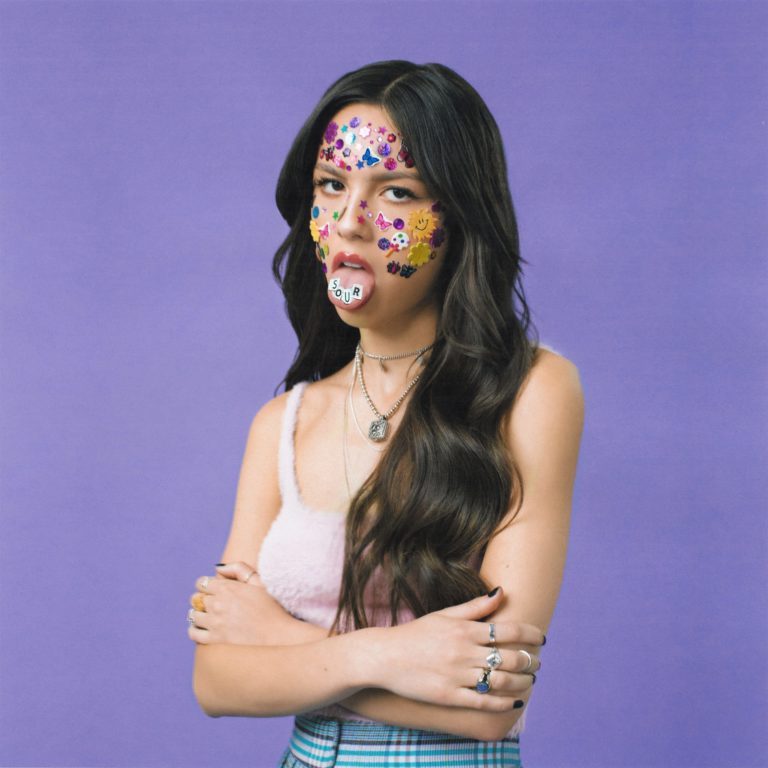
In January 2021, a 17-year-old former Disney actress released a piano ballad about driving past an ex’s house, and the world stopped to listen. “Drivers License” charted everywhere at once. Within its first week, the song reached number one on the Spotify, Apple Music, and Amazon Music global song charts, and it sat atop the Billboard Hot 100 for over eight weeks, making Olivia Rodrigo the youngest artist in history to achieve that with a debut single. Chart records tell part of the story. The bigger story is what came next: Rodrigo became, almost overnight, the voice a generation had been waiting to hear.
What made her connection so immediate was authenticity in an era that prizes it. In a time where authenticity and relatability reign supreme, Rodrigo stands out as an artist who speaks directly to the experiences and emotions of her fellow Gen Zers in ways previous generations of artists haven’t quite captured. Her debut album Sour, fueled by hits like “good 4 u” and “deja vu,” landed like a diary read aloud. As Allmusic’s Heather Phares put it, Rodrigo nails what it’s like to be 17, heartbroken, and frustrated, and updates the traditions of the sharp-eyed and sharp-tongued songwriters before her for Generation Z. For young listeners, her songs feel like personal diaries set to music, dominating Spotify playlists, TikTok trends, and late-night scroll sessions.
The deeper magic is how she gives shape to anxieties her audience can’t always name. Sour blew up in 2021 because it connected with Gen Zers traumatized by a pandemic, school shootings, and an uncertain economic future, and she channels that internal trauma in subtle ways, like the insecurity of comparing herself to others on social media and always coming up short in “jealousy, jealousy.” She articulates heartbreak, mental health struggles, and the pressures of social media in songs like “jealousy, jealousy” and “brutal,” helping her audience navigate modern anxieties. The industry took note: the 2022 Grammys gave Rodrigo three awards, including Best New Artist and Best Pop Vocal Album for Sour.
She also showed range fast. Two years later, her sophomore album Guts took a more humorous and unserious approach, proving she’s more than a single-mood artist. Where her debut centers on her first teenage heartbreak, Guts navigates the aftermath — new exes, new flames, new insecurities, with a perspective that has shifted significantly. She stepped firmly beyond the music, too, using her platform pointedly: she advocates for LGBTQ+ rights and reproductive rights, condemning the Supreme Court’s decision to overturn Roe v. Wade during her 2022 Glastonbury performance. The artist who sings about heartbreak speaks to a generation’s politics as well.
Put it all together and you see why Rodrigo matters beyond the streaming numbers. She arrives at the exact moment her listeners want someone to scream along with — fluent in their humor, their aesthetics, and their hope. She resonates with Gen Z for her relatability and vulnerability, while also finding a fanbase among older listeners. In a music industry hungry for its next defining artists, Olivia Rodrigo answers the question simply by being honest. She captures a generation by sounding exactly like it.
There’s a number at the top of Spotify’s all-time chart that says everything about modern music: 5.4 billion. That’s how many times The Weeknd’s “Blinding Lights” has been streamed since November 2019, making it the most-streamed song in the platform’s history. But the real story isn’t the winner — it’s the shape of the whole list. Here’s the all-time top 20:
“Blinding Lights” — The Weeknd — 5.436B (Nov 2019)
“Shape of You” — Ed Sheeran — 4.936B (Jan 2017)
“Sweater Weather” — The Neighbourhood — 4.641B (Dec 2012)
“Starboy” — The Weeknd with Daft Punk — 4.563B (Sep 2016)
“As It Was” — Harry Styles — 4.440B (Apr 2022)
“Someone You Loved” — Lewis Capaldi — 4.336B (Nov 2018)
“One Dance” — Drake with Wizkid & Kyla — 4.264B (Apr 2016)
“Sunflower” — Post Malone & Swae Lee — 4.263B (Oct 2018)
“The Night We Met” — Lord Huron — 3.765B (Apr 2015)
“Birds of a Feather” — Billie Eilish — 3.752B (May 2024)
“Closer” — The Chainsmokers & Halsey — 3.739B (Jul 2016)
“Die With A Smile” — Lady Gaga & Bruno Mars — 3.719B (Aug 2024)
“Riptide” — Vance Joy — 3.698B (May 2013)
The first thing that jumps out is that streaming rewards the slow burn, not the explosion. Look at “Sweater Weather” at number three — a 2012 song by The Neighbourhood that was never a conventional chart-topper, yet has quietly amassed 4.6 billion plays and holds the record for the longest active chart streak at over 2,000 consecutive days. The same pattern repeats with “I Wanna Be Yours” (a 2013 Arctic Monkeys album cut), Coldplay’s “Yellow” from 2000, and Lord Huron’s “The Night We Met.” These aren’t songs that won the week; they’re songs that became permanent emotional furniture, resurfacing through TikTok, playlists, and word of mouth for a decade. Streaming totals measure endurance, and endurance favors the moody, the melancholy, and the romantic far more than the explosive pop smash.
That distinction matters because it reveals a gap between cultural dominance and cumulative success. Consider “Die With A Smile” by Lady Gaga and Bruno Mars: released in August 2024, it sits at number 19 all-time despite being one of the youngest songs on the list by years. It reached a billion streams in just 96 days — the fastest ever — and held the global number one for a record 201 days. That’s blistering, concentrated dominance. Compare that to a song like “Riptide,” which has needed more than a decade to accumulate a similar total. Both succeed, but in completely opposite ways: one is a wildfire, the other is a glacier. The all-time chart flattens these into one ranking, which is why the weekly and single-day records (where Taylor Swift utterly dominates, with “The Fate of Ophelia” pulling nearly 31 million streams in a single day) tell a very different, more momentary story about what’s actually capturing attention right now.
What ties it all together is that a small handful of artists have learned to do both — and they’re quietly colonizing the list. The Weeknd places six songs in the current top 100, tied with Bruno Mars; Ed Sheeran has the staying power of a catalog artist with “Shape of You,” “Perfect,” and “Photograph” all in the upper reaches. These artists treat streaming as a long game, releasing songs engineered for the playlist economy rather than the radio week. The lesson buried in these twenty songs is that the streaming era didn’t just change how much music we consume — it changed which music wins. The biggest hits are no longer the loudest ones, but the ones we keep quietly coming back to, year after year, until the billions pile up.
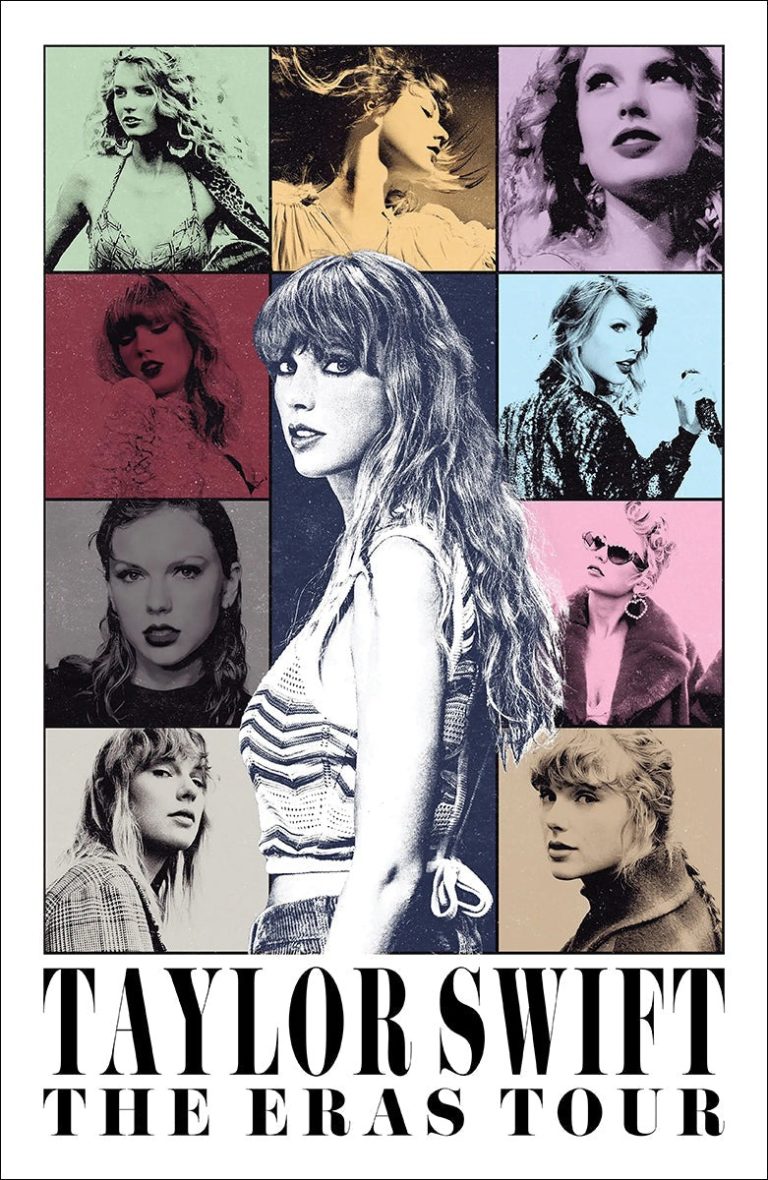
Here’s a number that should stop you in your tracks: $2.07 billion. That’s what Taylor Swift’s Eras Tour grossed by the time it wrapped in December 2024 — making it the first concert tour in history to cross the $2 billion line, and roughly double the gross of the second-biggest tour ever. But the eye-watering top number is almost the least interesting part of this story. Dig into the full list of the highest-grossing tours of all time and you’ll find a map of how the entire music industry rewired itself over the last twenty years. So let’s dig in.
First, the list everyone wants — the Top 20 of all time
Here are the twenty highest-grossing concert tours ever recorded, by actual gross:
Taylor Swift — The Eras Tour (2023–2024) — $2,077,618,725 — 149 shows
Coldplay — Music of the Spheres World Tour (2022–2025) — $1,524,423,018 — 223 shows
Guns N’ Roses — Not in This Lifetime… Tour (2016–2019) — $584,200,000 — 158 shows
Beyoncé — Renaissance World Tour (2023) — $579,879,268 — 56 shows
Rammstein — Stadium Tour (2019–2024) — $563,000,000 — 141 shows
The Rolling Stones — A Bigger Bang Tour (2005–2007) — $558,255,524 — 144 shows
The Rolling Stones — No Filter Tour (2017–2021) — $546,500,000 — 58 shows
Coldplay — A Head Full of Dreams Tour (2016–2017) — $523,033,675 — 114 shows
Metallica — M72 World Tour (2023–2026) — $517,500,000 — 70 shows
Roger Waters — The Wall Live (2010–2013) — $459,000,000 — 219 shows
AC/DC — Black Ice World Tour (2008–2010) — $441,900,000 — 165 shows
Metallica — WorldWired Tour (2016–2019) — $430,000,000 — 143 shows
Now let’s talk about what’s actually going on here.
The whole list is basically a 21st-century phenomenon
Look at the dates. Every single tour in the top 20 took place in the 2000s or later — most of them in just the last decade. That isn’t a coincidence, and it isn’t only because ticket prices went up. It reflects a structural earthquake in how musicians make money. In the 21st century, tour revenue skyrocketed as record sales collapsed and musicians began relying on live shows for their income. The album used to be the product and the tour was the advertisement. That relationship has flipped entirely. Today the recorded music is the advertisement, and the tour is the product — the thing fans will actually pay hundreds of dollars to experience in person.
The first tours to break $100 million only did so in the late 1980s — Michael Jackson’s Bad World Tour and Pink Floyd’s Momentary Lapse of Reason Tour, both running 1987 to 1989. From there it took roughly two decades to reach half a billion (the Rolling Stones’ A Bigger Bang Tour in 2007), and then a stunning acceleration: $1 billion in 2023 and $2 billion in 2024, both courtesy of Taylor Swift. The curve isn’t linear. It’s exponential.
The Eras Tour is a statistical outlier, not just a winner
It’s tempting to file Swift at the top of a normal ranked list, but the gap is so large it deserves its own category. The Eras Tour grossed about 36% more than Coldplay’s tour in second place — but the more revealing figure is the per-show average. The Eras Tour averaged roughly $13.9 million per show across 149 shows. In its 2023 calendar year alone, it averaged a barely believable $17.3 million per night.
Compare that to the workhorses of the list. Elton John’s Farewell Yellow Brick Road grossed $939 million but needed 330 shows over five years to do it — the longest schedule in the top 20 — averaging “only” $2.8 million a night. Swift made nearly the same money Elton did across his entire farewell, but did it with fewer than half the shows. That’s the difference between a tour and a cultural event that bends the economy of whole cities around it.
There are two completely different ways to build a billion-dollar tour
Once you stare at the per-show numbers, the list splits into two philosophies.
The first is scarcity and scale: a small number of enormous, premium-priced nights. Beyoncé’s Renaissance World Tour grossed $580 million from just 56 shows — an average above $10 million per night, second only to Swift. The Rolling Stones’ No Filter Tour pulled $546 million from a mere 58 shows. These are short, stadium-sized, high-ticket runs that treat each date as an event.
The second is endurance and volume: more dates, lower average, sustained over years. Elton John (330 shows), Ed Sheeran’s ÷ Tour (255 shows), and Roger Waters’ The Wall Live (219 shows) all ground out their totals over long campaigns. Sheeran is the fascinating case here — he frequently tours as essentially a one-man show with a loop pedal, keeping production costs radically lower than a stadium spectacle, which means his gross and his profit are likely much closer together than they are for an act hauling a giant stage around the world.
That distinction matters enormously, because none of these figures are profit. A tour like U2’s 360° Tour — sixth all-time at $736 million — famously carried one of the most expensive stage productions ever built. Gross revenue and money-in-pocket are very different animals, and the list can’t show you the second one.
The old guard is being quietly pushed down the chart
For eleven straight years — from 1995 to 2006 — the highest-grossing tour of all time was the Rolling Stones’ Voodoo Lounge Tour. The Stones set the all-time touring record three separate times (1990, 1995, and 2006), more than any act in history, and along with U2 they’ve topped the year-end chart eight times each. For decades, the very biggest tours were the domain of legacy rock acts: the Stones, U2, Pink Floyd, AC/DC, Springsteen, Metallica.
That world hasn’t vanished — Springsteen, Metallica, Guns N’ Roses, Rammstein, and AC/DC all still sit in the current top 20 — but look at who now occupies the very top. Swift, Coldplay, Sheeran, The Weeknd, Harry Styles, Beyoncé. The summit has shifted from heritage rock bands doing victory laps to contemporary pop and pop-adjacent superstars at their commercial peak. The decade-by-decade tables make this vivid: the 1980s and 1990s tops were Pink Floyd and the Stones; the 2020s table is led by Swift and Coldplay by a country mile.
Why the dollar figures are also a little bit of an illusion
One honest caveat that the raw ranking hides: these are nominal dollars, and inflation does real work over a 40-year span. When you adjust to 2025 dollars, some older tours leap up the table. U2’s 360° Tour, sixth on actual gross, adjusts to over $1.05 billion — vaulting it past Coldplay into what would be second place. The Stones’ A Bigger Bang adjusts from $558 million to $867 million. Even Pink Floyd’s 1987 Momentary Lapse tour, which grossed $135 million in its day, is worth around $350 million in today’s money.
The adjusted numbers tell us something the headline list obscures: the gap between eras is smaller than it looks, and a handful of legacy tours were, relative to their time, every bit as dominant as today’s giants. What’s genuinely new about Swift isn’t that she sold a lot of tickets — it’s the sheer per-night intensity of demand, which even inflation can’t explain away.
So what does all of this actually mean?
A few things, taken together.
Live performance is no longer a supplement to the music business — it is the music business at the top end. The biggest artists now earn the overwhelming majority of their income on stage rather than from streams, which pay fractions of a cent per play.
The economics reward two opposite strategies equally well: be a scarce, premium event (Beyoncé, the Stones today) or be a relentless, efficient road machine (Elton, Sheeran). What doesn’t work anymore is the middle.
And finally, the ceiling is still rising. It took from 1989 to 2007 to go from $135 million to half a billion, but only seventeen more years to quadruple that to $2 billion. There’s no obvious reason to think the Eras Tour will hold its record as long as Voodoo Lounge held its. The next number that stops us in our tracks is probably already being planned.
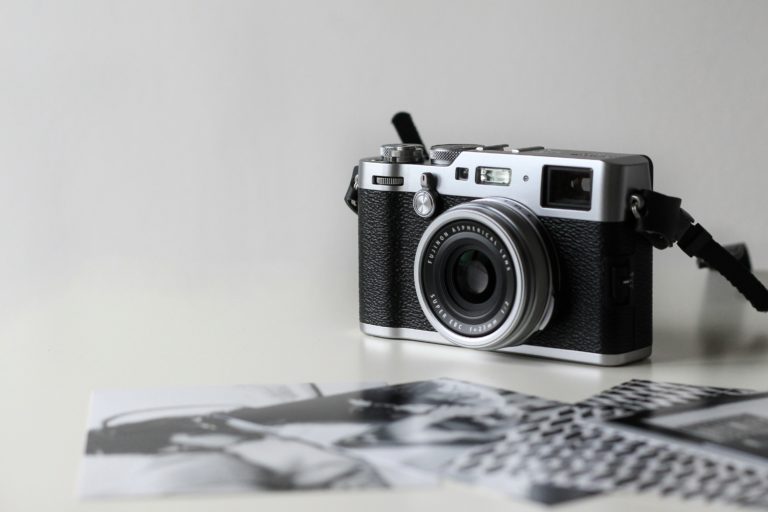
Here’s a hard truth nobody likes to say out loud: before a single journalist reads a word about your music, they’ve already seen your photo. That one image is doing the heavy lifting — it’s the first impression, the handshake, the “should I bother pressing play?” And for emerging artists especially, press shots translate an important first impression about you and your music to many of the people you’ll meet in the industry. The good news? You do not need a five-figure budget or a fancy studio to nail it. You need a plan, a bit of daylight, and the discipline to avoid the obvious traps. Here’s how to get a press photo that actually lands, without emptying your bank account.
Start with the story, not the camera
Before you think about gear, figure out what you’re trying to say. Your press shots should tell the narrative of you and your music, so start by identifying the traits and imagery that characterise your brand or image as an artist or band. Folk record? Think open fields and soft light. Sinister electronic project? An abandoned warehouse may be more in keeping. The mood comes first; everything else serves it.
You don’t have to hire a pro — but be smart about who shoots it
Hiring an experienced photographer is the safest route if you can swing it, but don’t panic if you can’t. If you’re on a budget or don’t feel comfortable with a random person shooting your content, then don’t feel pushed — as long as you’ve done your research, are well-organised and have access to a decent quality camera, you can still take awesome photos by yourself. If budget is tight, get resourceful: look around at local colleges for photography students or ask around your music scene to see who’s recommended in your budget. A great option is finding emerging talent — find an amateur or aspiring music photographer through art schools, local photography clubs, or online groups; they might work for experience or exposure, but always credit their work and offer to cover expenses.
One golden rule: don’t shoot it yourself
This is the one place to hold firm. If you’re using a friend rather than a pro, keep the concept simple and give them the clearest instructions that you can, and do not, under any circumstances, try to take your own band photos — you need to be in the picture, and your camera timer isn’t the gamechanger you think it is.
Let the light do the expensive work
This is the single biggest free upgrade available to you. Skip the harsh midday sun and shoot during golden hour — the hour after sunrise or before sunset. During golden hour the sun is low in the sky, so you won’t get harsh shadows or blown-out highlights; instead you’ll get a soft, natural glow that makes skin tones look amazing. Compare that to noon, which sits directly overhead and creates raccoon-eye shadows under brows and chins, squinty expressions, and washed-out skin. One word of warning: golden hour moves fast, the light changes quickly, so show up early and be ready to shoot. For portraits specifically, arrange your shot so the sun is to the side rather than using front lighting, or you’ll get a squint. If you’re stuck shooting midday, open shade, a diffuser, or even sheer cloud cover will soften the contrast.
Skip the brick wall
Please. Avoid the “brick wall” scenario — it’s been done a million times, it’s boring and predictable, and it doesn’t take much more effort to find a different wall with a bit more colour or personality. And remember, your press shots are a visual representation of your band, so find a venue that complements your music. Many great locations are free — a stretch of coastline, an interesting alley, a friend’s characterful kitchen.
Get a range of shots in one session
Don’t walk away with one usable frame. Give the media options between close-up details and full-length shots — close-ups where face details can be seen tend to perform better on social media, whereas wider shots are better for editorial use. Build a quick shot list before you go so you leave with profile pictures, headers, and a hero image all in one go.
Keep it sharp and publishable
Editors have a low tolerance for blur. For publication, the photo shouldn’t be too arty, blurry or out of focus — good press photos also give you a higher chance of getting run alongside your review. And once you’ve got your hero shot, lean into it: it’s a good idea to stick to one photo for a while so people start to recognise the artist.
Sweat the tiny details
The cheapest fix of all is just paying attention on the day. Make sure there’s nothing in band members’ pockets — if your phone, wallet, or purse is making a bulge, it doesn’t look so good in the pictures. Thirty seconds of checking saves an editing headache later.
Refresh them more often than you think
Finally, don’t let your shots go stale. If your last shoot was three years ago, it’s time for an update — you should refresh with every album cycle, or every year or so, whichever comes sooner.
A press photo doesn’t have to be expensive to be effective. Nail the concept, chase the good light, dodge the clichés, and come away with options. Do that and you’ll have an image that opens doors long before your music gets a chance to. Now go catch that golden hour.
There’s a particular kind of magic that happens in a Belfast pub when the fiddle starts up in the corner and the whole room leans in. No stage, no ticket, no setlist — just a chair pulled up, a pint poured, and music that’s been passed hand to hand for generations. This city doesn’t just host live music, it lives and breathes it — and there’s never been a bigger moment to prove it. This summer, from Sunday 2nd to Sunday 9th August 2026, Belfast takes centre stage as it proudly hosts Fleadh Cheoil na hÉireann, the world’s biggest celebration of Irish music and culture. It’s only the second time the festival has ever come to Northern Ireland, and the first time for Belfast, with over 800,000 people expected across eight days of street performances, pub sessions and stage concerts in Ireland’s only UNESCO City of Music.
But here’s the thing: you don’t need to wait for August, and you don’t need a Fleadh wristband to feel it. From lively pub sessions to headline concerts, the Fleadh will transform Belfast into a carnival of sound, colour, culture and craic — yet the pubs below are already doing exactly that, week in and week out. Think of this as your warm-up, or your year-round answer to “where’s the real session at?” If you want the craic, the community, and the goosebumps, here’s where the locals actually go.
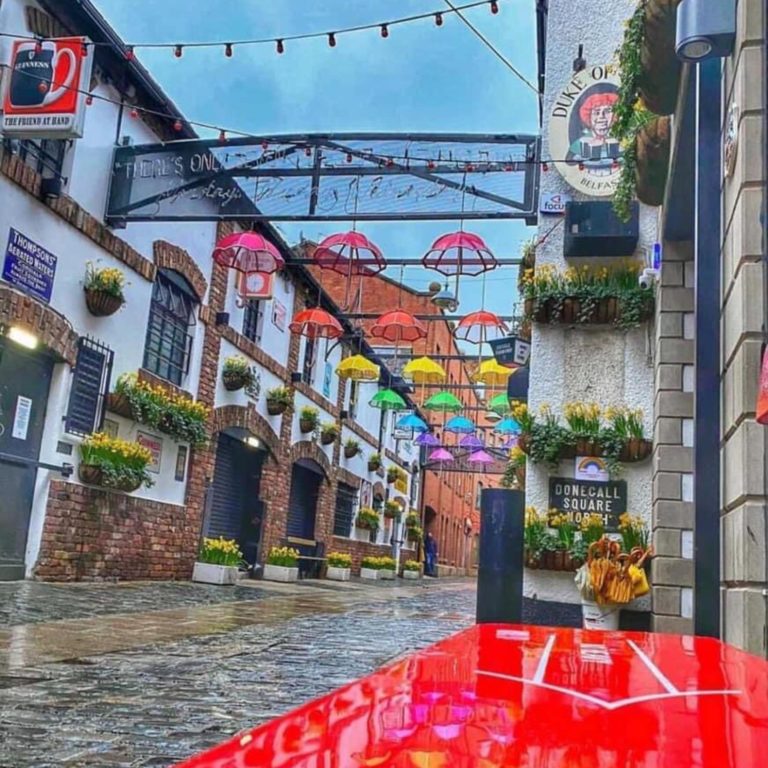
The Duke of York (Cathedral Quarter)
Start here. The Duke of York is the most photographed pub in Belfast — a narrow, mirror-walled bar down a cobbled alley — and it hosts trad sessions several nights a week. The quality is consistently high. Tucked down Commercial Court with benches along the alleyway outside, it’s the beating heart of the Cathedral Quarter. One word of advice: get there early; it fills fast and standing room is all you’ll get if you arrive late.
Kelly’s Cellars
If the Duke is the postcard, Kelly’s is the soul. On a Cathedral Quarter Saturday afternoon you’ll find cover artists everywhere, but Kelly’s Cellars is where you come for the real thing — the kind of traditional session that puts you inside the tradition rather than outside looking in. One of the oldest pubs in the city, and one of the most honest.
Maddens Bar
Berry Street’s Maddens is a purist’s delight, easy to spot thanks to the huge mural wrapping its side. Pouring what is arguably the city’s best pint, Madden’s welcomes musicians from 9pm each evening — or, as the owner puts it, they normally start landing in around then. World-class trad musicians regularly pull up a chair in the corner without ceremony. No theme, no concept, no Instagram aesthetic — just one of the most authentic traditional music pubs in the city.
Fibber Magees
For sheer reliability, it’s hard to beat Fibbers on Great Victoria Street. It’s one of the few places that holds traditional Irish music in Belfast 7 nights a week and, for that reason, it’s very popular (you’ll do well to nab a seat). Wooden panelling, an open fire, and a bit of Titanic memorabilia thrown in for good measure.
The Dirty Onion
Set in one of Belfast’s oldest buildings with a sprawling beer garden, the Onion is where traditional music meets big night out energy. The tip from regulars: their early evening sessions can often be truly memorable — less crowded, with fabulous musicianship.
The John Hewitt
A pub with a conscience. Run by the Belfast Unemployed Resource Centre and named after the poet, its music programme is one of the best in the city — regular trad sessions, plus folk, jazz, and singer-songwriter nights. The atmosphere is warm, the pints are well-kept, and the crowd is a genuine mix of ages and backgrounds.
McHugh’s Bar
Housed in what’s reckoned to be one of Belfast’s oldest surviving buildings, McHugh’s has exposed brick walls and dark wooden fixtures throughout — atmosphere by the bucketload, and live music to match just a short walk from the Cathedral Quarter.
Lavery’s
For something bigger and rowdier, head to Bradbury Place. Belfast’s oldest family-owned pub, with over a century of service and still the one everyone ends up in, Lavery’s runs live music Thursday, Friday, and Saturday nights. As the locals say — if you’ve never been, you’ve never really been to Belfast.
The Sunflower
And for the folk and roots crowd, The Sunflower is an absolute must — a warm, inviting space with a dedicated following for its folk and roots nights and a strong sense of community.
A final pro tip for chasing sessions on the night: if you’re looking for pubs with live music in Belfast tonight, your best bet is to check their Facebook pages, since session times shift and the best ones are often unannounced. And if you’re planning around the Fleadh — most Fleadh events are free to attend, including outdoor concerts, street sessions and competitions, so book your beds early and let the city do the rest. Now go follow the sound of a fiddle down a cobbled alley. That’s where Belfast keeps its heart.
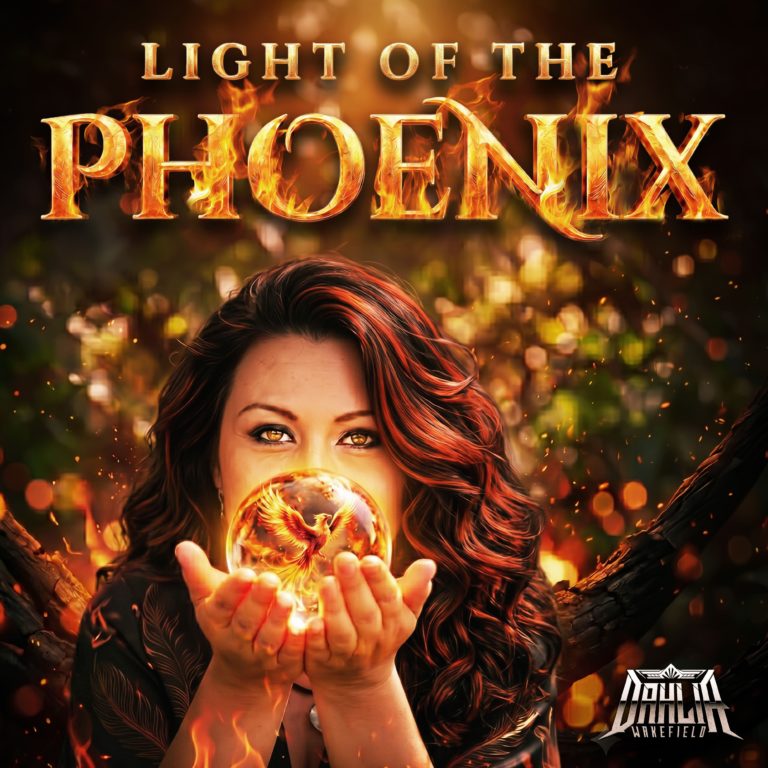
Dahlia Wakefield, one of Western Canada’s most dynamic and versatile singer-songwriters, releases her soaring new single “Light of the Phoenix” on all major streaming platforms worldwide. The track is the fourth and most anticipated single via Skyrocket Records from her forthcoming rock album ‘Phoenix Rising,’ scheduled for a full release in October 2026, and it arrives as a defining statement of resilience, self-reclamation, and creative momentum from an artist who has been building toward this moment for two decades.
From its first electrifying chord to its final sustained cry of freedom, “Light of the Phoenix” is a powerhouse rock anthem built for anyone who has ever chosen themselves over the weight of a toxic situation. Dahlia’s vocals ride the song’s surging dynamics with the precision of a seasoned performer and the raw authenticity of someone who has lived every word. The chorus lands with the force of a rallying cry: “By the light of the phoenix / I will find my way / I will rise above / And I will be okay.” And in a standout moment mid-song, she delivers one of the album’s most vivid lines with fearless conviction: “All the pain you caused just fueled the fire / You tried to ruin me but burning bright’s my best attire.” It is writing that radiates earned wisdom, and Wakefield delivers it with every ounce of her remarkable range.
The story behind “Light of the Phoenix” is as compelling as the song itself. Written in July 2023 in a single inspired burst of honesty between Wakefield and co-writer and musical partner Kevin Frey, the song grew out of a deeply personal conversation and a chord progression that instantly clicked. “Writing it was incredibly cathartic — it felt like shedding weight and stepping into clarity,” says Wakefield. “It was one of those rare writing experiences that felt like a huge release — raw, emotional and deeply healing. The song poured out of us.” Frey contributed the music while Wakefield penned the lyrics, a collaboration that also yielded “Still Waters,” which earned a 2024 Josie Award nomination from Nashville. That creative partnership is woven through nearly every track on ‘Phoenix Rising,’ making the album one of the most cohesive and personally resonant works of Wakefield’s career.
Produced, mixed, and mastered by Sandro Dominelli at Dominelli Studios in St. Albert, Alberta, “Light of the Phoenix” showcases a recording process as layered and intentional as the song’s message. The track features lead guitarist Alan Tymofichuk, a musical collaborator of Wakefield’s since 2000; rhythm guitarist Kevin Frey; bassist Jeff Godley; and drummer Dennis Boisvert, with Wakefield herself on keyboards in addition to lead and background vocals. The song went through a rich evolution from its initial phone-demo recording in July 2023, through a first studio session in Edmonton, to its final incarnation at Dominelli Studios, where Wakefield previously recorded her acclaimed singles “Still Waters” and “Dreams of Yesterday.” Wakefield is also quick to note with a laugh that the record was made entirely without the use of artificial intelligence, a testament to the irreplaceable value of genuine human artistry and real-room chemistry between musicians.
Beyond its musical impact, “Light of the Phoenix” carries a broader cultural significance that Wakefield is channelling into meaningful action. The song’s unflinching themes of reclaiming identity and walking away from narcissistic abuse have led her to partner with WIN House in Edmonton, a society dedicated to supporting survivors of domestic violence. “Like the phoenix, the song is about rising from the ashes of pain and confusion into finding strength, clarity and self-worth again — reclaiming your voice and choosing yourself,” Wakefield explains. “I hope it empowers anyone in a toxic situation to find the strength to walk away and take back their power.” In an era when music that speaks truthfully about emotional survival resonates deeply with audiences worldwide, “Light of the Phoenix” arrives as both a personal triumph and a communal anthem.
The single is accompanied by a music video shot in the striking desert landscape of Ashcroft, British Columbia in August 2025, with video footage captured by Robin Matkea. The visuals bring an expansive, sun-scorched grandeur to the song’s themes of emergence and transformation, pairing the soaring vocal performance with imagery that feels both intimate and cinematic. Photography for the release is by Amanda Clark, with cover artwork by Andrew Bacoto, completing a creative package that speaks to every dimension of Wakefield’s vision for this chapter of her artistry.
Dahlia Wakefield is one of Alberta’s most accomplished and multidimensional musical forces. A graduate with Distinction from Grant MacEwan University’s Music Program in Vocal Performance, she has performed professionally for over 20 years across stages of every scale, from intimate retirement home performances to New Year’s Eve sets for more than 10,000 people in Edmonton’s Churchill Square. A sought-after session and backup vocalist, she has sung alongside the band Toronto on multiple occasions and leads or participates in several active projects, including the Dahlia and Alan Duo, the hard rock band Kerosene, casino act Dahlia and The Villains, and country/rock band Dirt Road Angels, among others. Her previous single “Well Dressed Lies” has earned multiple ISSA nominations, including International Entertainer of the Year, Female Vocalist of the Year, and Female Single of the Year, with coverage appearing in Canadian Beats, Cashbox, Tinnitist, and Record World International, among others.
Upcoming Tour Dates:
June 12-13 – Caffreys, Sherwood Park, AB – with Kerosene – 9:30 PM
June 19 – Blowers & Grafton – Duo with Kevin – 8:00 PM
July 4 – Ottewell No Frills – with Dahlia & Alan Duo
July 25 – Cornstock ’26 Main Stage, Taber, AB – with Brigade (Heart Tribute Band), opening for Nick Gilder, Headpins, Honeymoon Suite, and Colin James – Time TBA
August 29 – “Meet Us on the Way” Block Party, Rice Howard Way, Edmonton, AB – Duo with Alan – 4:00 PM
October 10 – Bailey Theatre, Camrose, AB – with Brigade Heart Tribute Band – 7:30 PM
October 16-17 – Caffreys, Sherwood Park, AB – with Kerosene – 9:30 PM
October 24 – Ryley Community Centre, Ryley, AB – with Dahlia & The Villains – 8:00 PM
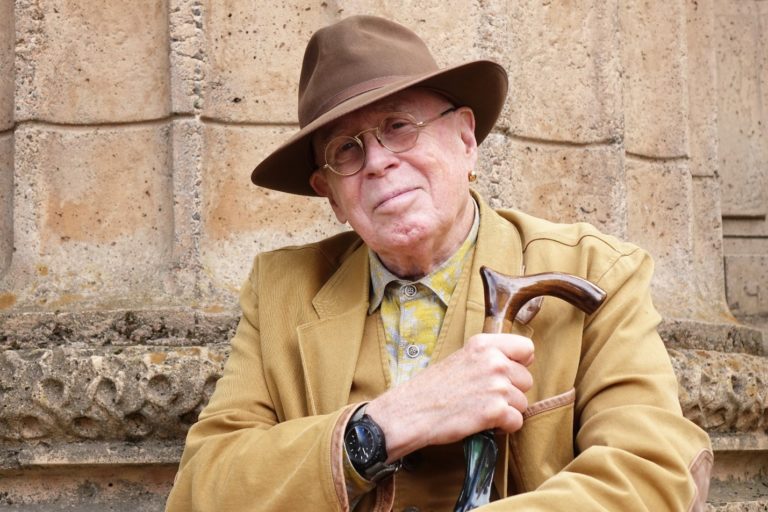
Bruce Cockburn, one of Canada’s most celebrated and enduring singer-songwriters, today announces a sweeping North American tour spanning 2026, bringing his extraordinary catalogue of songs to stages from coast to coast across Canada and the United States. The run of dates represents one of the most anticipated live events of the concert season, uniting longtime devotees, and new listeners around a body of work that has shaped the very soul of Canadian music for more than five decades.
Bruce Cockburn upcoming new album, as-yet-untitled and to be released in Fall, 2026 – continues the legendary songwriter’s decades-long journey through folk, rock, jazz, and spiritual reflection with the wisdom and craftsmanship that have defined his career.
Ottawa-born and now based in San Francisco, Cockburn has spent more than 40 years documenting the full breadth of human experience across folk, rock, jazz, and worldbeat, travelling to Guatemala, Mali, Mozambique, Nepal, and beyond in the service of both his music and his activism. His guitar playing, both acoustic and electric, has placed him in the company of the world’s top instrumentalists, and his songs of romance, protest, and spiritual discovery are among the finest to have emerged from any country over the last half century. Music journalist Nicholas Jennings has written that Cockburn has deftly captured the joy, pain, fear, and faith of human experience in song, whether retreating to the country or going up against chaos, tackling imperialist lies or embracing ecclesiastical truths, always expressing what Cockburn himself has called a tough yet hopeful stance: to kick at the darkness till it bleeds daylight.
His remarkable journey has seen him embrace an extraordinary range of sounds and subject matter while working on behalf of organisations including Oxfam, Amnesty International, Doctors Without Borders, and Friends of the Earth, lending his voice to causes from native rights and land mines to the environment and Third World debt. For his many achievements, the artist has been honoured with 13 Juno Awards, induction into the Canadian Music Hall of Fame, a Governor General’s Performing Arts Award, and has been made an Officer of the Order of Canada. His 38th album, ‘O Sun O Moon,’ continues one of the most remarkable bodies of work in the history of popular music.
Performing with Cockburn for a significant run of dates on the tour are Jeff Pevar and Inger Nova, the Oregon-based duo whose original music blends soul, rock, R&B, jazz, folk, and blues into a sound that feels both deeply rooted and distinctly their own. Jeff Pevar is a guitarist, bassist, multi-instrumentalist, producer, and composer whose career spans decades of collaborations with legendary artists. A founding member of CPR alongside David Crosby, he has toured extensively with Crosby Nash, Crosby Stills and Nash, and Crosby’s Sky Trails Band, and his expansive career includes work with Ray Charles, Joe Cocker, Phil Lesh, Marc Cohn, Rickie Lee Jones, Bette Midler, Jennifer Warnes, and Jefferson Starship, among many others. A New York Blues Hall of Fame inductee, Pevar brings multi-instrumental production depth and a lifetime of world-class musicianship to every stage he inhabits.
Inger Nova Jorgensen is a vocalist, songwriter, sculptor, and painter whose multidisciplinary career deeply informs her musical voice. Together, Pevar and Nova have spent more than two decades writing, recording, and performing original music throughout the United States and Europe, including multiple tours across Italy, the Netherlands, Germany, and Denmark.
Cockburn has always insisted on continuing to grow, citing his models for graceful aging as John Lee Hooker and Mississippi John Hurt, musicians who never stopped working or deepening their craft. That spirit of perpetual creative renewal has carried him from the Riverboat in Toronto in 1969 through to the present day, and this tour is a vivid reminder of just how rare and precious the relationship between an artist and his listeners truly is. The tour includes a particularly meaningful Canadian homecoming, with Cockburn visiting some of the country’s most storied rooms, among them the National Arts Centre in Ottawa, Massey Hall in Toronto, Centre in the Square in Kitchener, and Gesù Salle in Montréal. A highlight of the broader run was his appearance at Legacy: A Celebration of David Suzuki at 90 in Vancouver on May 22, an event that sits squarely at the intersection of art, activism, and the natural world that has always animated Cockburn’s finest work. Several dates also feature performances alongside the legendary Judy Collins on her “Sweet Judy Blue Eyes” Farewell Tour, and Cockburn appeared at Jefferson Airplane’s Jorma Kaukonen’s 85th Birthday celebration. Livingston Taylor will join Cockburn for dates beginning October 20 through November 8.
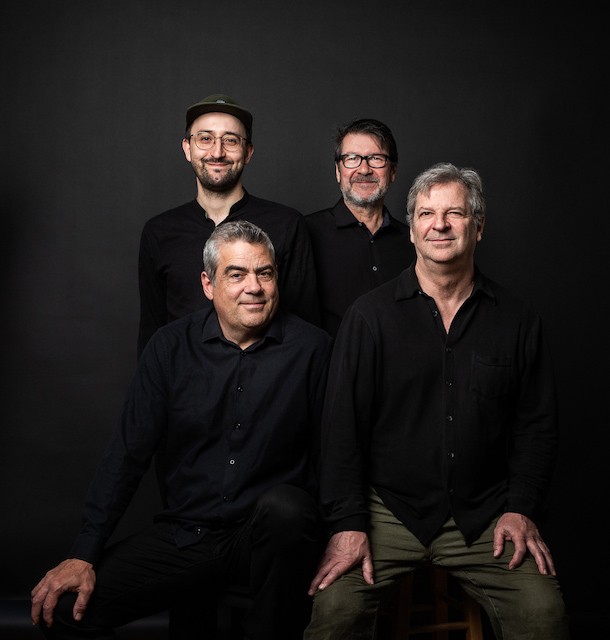
Le François Bourassa Quartet annonce une vaste tournée estivale 2026 à travers le Canada pour célébrer le 30e anniversaire du groupe, passant par certains des festivals de jazz les plus prestigieux du pays, de Medicine Hat à Montréal. Le pianiste, compositeur et lauréat d’un prix Juno François Bourassa dirige le quartet aux côtés de ses collaborateurs de longue date André Leroux (saxophones, flûte), Guy Boisvert (contrebasse) et Guillaume Pilote (batterie). Cette tournée marque trois décennies de l’un des partenariats les plus durables et évolutifs du jazz canadien. Une nouvelle œuvre musicale sera publiée en lien avec cette tournée.
Avec onze albums de musique originale à son actif et une réputation internationale bâtie sur quatre décennies de performances, Bourassa est devenu l’un des principaux ambassadeurs du jazz canadien. Né à Montréal, il s’est d’abord fait remarquer à l’échelle nationale en remportant le prix du « New Talent » du Festival international de jazz de Montréal en 1985. Depuis, il a effectué de nombreuses tournées en Europe, en Asie et en Amérique du Nord, se produisant aux côtés de légendes telles que Stan Getz, Dizzy Gillespie, Wayne Shorter et Dave Brubeck. En 2007, il a reçu le prix Oscar Peterson lors du Festival international de jazz de Montréal, en reconnaissance de sa contribution au développement du jazz canadien. L’album live de son quartet, enregistré en 2001 au Top O’ The Senator de Toronto, a remporté un prix Juno.
Le Quartet, pilier de la scène artistique montréalaise depuis sa création, a sorti son album le plus récent, Swirl, en 2023. Enregistré en direct au Studio Piccolo à Montréal, l’album a été salué à l’international pour sa capacité à capturer la spontanéité et la complicité musicale qui définissent les performances du groupe sur scène. Le Jazz Magazine de Paris décrit leur connexion comme celle “d’un groupe, au sens le plus profond du terme ” tandis que Marc Chenard, de Jazz Podium, a qualifié l’album ” d’aussi virtuose dans son exécution qu’imaginatif dans son propos “. La tournée du 30e anniversaire apporte cette même énergie vivante et organique sur les scènes de tout le pays.
Les compositions de Bourassa sont largement saluées pour leur diversité et leur caractère imprévisible, s’inspirant à la fois du jazz, de la musique classique contemporaine et de l’improvisation à égale mesure, tout en restant ancrées dans la mélodie et une expression émotionnelle directe. Ian Mann, du Jazzmann, décrit son travail comme ” des pièces riches, épisodiques, en constante évolution et aux multiples facettes, qui associent des mélodies fortes et accessibles à des harmonies inhabituelles et imaginatives “. Jazztrail a qualifié Number 9 de ” l’un des albums les plus audacieux et les plus gratifiants de l’année”, tandis que le Ottawa Citizen l’a classé parmi les meilleurs albums de jazz canadien de 2017. La capacité du quartet à transposer cette complexité compositionnelle en une expérience véritablement vivante et immédiate sur scène fait de cette tournée anniversaire un événement incontournable.
La tournée débute le 19 juin au Medicine Hat Jazz Festival et se poursuit en Saskatchewan, à Victoria, Calgary et Edmonton, avant d’arriver à Montréal pour le Festival international de jazz au début de juillet. Bourassa se produira au Dièse Onze le 3 juillet et en formation trio à la Messe Jazz au Gésu le 5 juillet. Il participera également au Christine Jensen Sextet dans le cadre de la célébration Modes of Coltrane au FIJM le 1er juillet, marquant le centenaire de la naissance de John Coltrane. La tournée se termine le 9 août au North Hatley Jazz Festival au Québec, avec des dates prévues en France en novembre.
La tournée est soutenue par le Conseil des arts du Canada. Pour un quartet qui, depuis 30 ans, refuse de se répéter, cet été est à la fois une célébration et une continuité : de nouvelles musiques, de nouvelles scènes, et toujours les mêmes quatre musiciens qui ont, comme le dit Bourassa lui-même, appris à se faire confiance, à bien se connaître et à anticiper les mouvements de chacun.
###
2026 DATES TOURNÉE:
Juin 19: Medicine Hat Jazz Festival, Medicine Hat, Alberta
Juin 21: Regina Jazz Festival, Saskatchewan
Juin 23: The Bassment Jazz Club, Saskatchewan
Juin 25 : Victoria International Jazz Festival, Victoria, Colombie Britannique
Juin 26: Calgary Jazz Festival, Calgary, Alberta
Juin 27: Edmonton International Jazz Festival, Edmonton, Alberta
Juillet 1: FIJM Modes of Coltrane (with the Christine Jensen Sextet), Club Montreal, Montreal, Quebec
Juillet 3: Dièse Onze, Montreal International Jazz Festival, Montreal, Quebec
Juillet 5 : Messe Jazz, Gésu, Montreal, Quebec (formation trio)
Août 9: North Hatley Jazz Festival, North Hatley, Quebec (formation trio)
Mercedes Brown, the Wet’suwet’en Tsimshian singer-songwriter whose sound reaches back to a time when rock music was built on grit and truth, releases her debut single “Playing With Fire” out now on all major platforms. The track arrives ahead of her debut album ‘Light The Fire,’ due June 19, 2026, on Ukee Sound Records, and it announces an artist of rare instinct and intention: a young writer who arrived at this song not through calculation, but through the kind of unguarded honesty that makes rock music matter.
“Playing With Fire” is the kind of debut that leaves no ambiguity about who Mercedes Brown is or what she is here to say. Built on a churning alt-rock foundation and driven by a vocal performance that is at once restrained and explosive, the song traces the edge between control and collapse with unsettling clarity. Brown wrote it as a poem first, free verse by design, a form with no rules, and that spirit carries into the song itself. The result is something that feels both structurally tight and emotionally boundless. When she sings “I walk down the line / Stare death right in the eye / They push me right down / I’m holding on by just a thread,” there is nothing performative about it. And in the chorus, the image crystallises with the precision of the best rock writing: “The flame is taking and it’s breaking all I have / The flame is taking and it’s breaking all I am.”
The song’s origin is as genuine as its execution. Brown was playing with matches and a lighter with her cousins when she made an offhand joke that it would make a “lit” song. The idea sat with her for months. When a school poetry assignment turned into an exercise in writing about wanting control over her own life and a way through depression, the two threads came together. “I wrote a poem at school and thought it needed to be more me,” she says. “Music has always been a way of self-expression to me.” What began in her bedroom as a rough recording became, with the guidance of her uncle and producer Brent Halfyard, a fully realised studio track that holds every bit of the raw energy it started with. The song is, in her words, about freedom, testing limits, and pushing boundaries while battling depression. It carries that weight without ever becoming heavy-handed, which is the mark of a songwriter who trusts the material.
Recorded at Ukee Sound in Ucluelet, BC, “Playing With Fire” is produced by Halfyard, who also plays bass and guitars on the track alongside guitarists Peter Esquivel and Jon Roper, with Timmy Proznick on drums. Mixing and mastering were handled by Chris Potter. The production is deliberate and assured, leaning into the analogue warmth and textural grit that Brown’s songwriting demands, and giving her vocals the space to move between vulnerability and defiance without losing either. It is a sound that references the alt-rock era Brown grew up loving without being beholden to it: music that means something, made by people who understand that distinction.
Mercedes Brown is Tsayu (beaver clan), from the Wet’suwet’en and Tsimshian Nation, and her identity as an Indigenous artist from Red Deer, Alberta, informs not just who she is but how she writes. Her father’s family is from Witset, and her family connection to Wet’suwet’en language and culture runs through her music as both a grounding and a source of creative energy. She counts the Smashing Pumpkins among her deepest influences; a band her father introduced her to and whose commitment to grit and thoughtful lyricism she carries forward in her own voice. The “Mercedes Brown Sound,” as she describes it, is a throwback to a time when music mattered more than image. On the evidence of “Playing With Fire,” that description lands with complete accuracy.
With ‘Light The Fire’ arriving June 19, 2026, “Playing With Fire” is the opening declaration of an artist ready to be heard. Mercedes Brown performs as a solo artist, in duo configurations, and with her full band featuring Ezra Beaton on guitar and vocals, Brent Halfyard on bass and vocals, and Jim Ljungh on drums.