Home Blog Page 1824

What Does a Healthy Body Look Like From the Inside Out?

0

If you’re not as healthy as you’d like to be, it can show on the inside as well as the outside. So what does a healthy body look like? If you’re feeling run down, out of shape, or not like yourself, we’ve rounded up some warning signs to watch for.

It takes more than working out to boost your outward appearance. A healthy outside starts with a healthy inside. Nourishment, sleep, and physical activity keeps your body in good health from the inside out.

With everything going on in the world, it’s easy to feel anxious, tired, and out of synch. Thankfully, with a few small changes, you can get your health back on track. Here’s everything you need to know about how to look healthy and feel even better.

Thick Hair and Nails: What Does a Healthy Scalp Look Like?

Unhealthy hair starts from the inside. What you eat and drink will show in the condition of your hair. Luckily, with hair vitamins and eating well, you can have healthy-looking hair in no time.

It can be tough to get enough vitamins and nutrients from food alone. This is where vitamins come in to bridge the gap.

If your hair looks thinner and dryer, it could be a sign of dehydration as well. Brittle nails are also a warning sign. Make sure you’re drinking the recommended 11.5 to 15.5 cups of water a day.

When your hair is well hydrated and full of nutrients, you’ll see longer, stronger, healthier-looking hair. You’ll notice your hair is thicker and shinier as well. The same goes for your nails.

You Have a Good Energy Level

When you’re not taking care of yourself, your energy level is the first sign of trouble. If you’re not getting the nutrients, sleep, and physical activity you need, your energy levels will plummet.

When you aren’t eating well and sleeping, you’ll feel more sluggish. It’s hard to concentrate, stay awake, and have the motivation to get through the day. You’ll lose focus at work, skip workouts, or waste time on the couch.

Unfortunately, this is can lead to an unhealthy cycle. The more tired you feel, the more you’ll reach for unhealthy foods and drinks to get your energy levels back up. While endless coffee can go a long way, this isn’t a good long-term solution.

To keep your energy levels up throughout the day, look to whole, unprocessed foods. Eat plenty of leafy greens, fresh vegetables, and fruits. Nuts, legumes, and fish are also great sources of protein. If you’re feeling a dip in energy throughout the day, reach for some nuts as a quick pick-me-up.

You Can Handle Emotions

Our body regulates our emotions throughout the day. When you’re well-rested and in a good mood, you can handle your emotions better.

Let’s say you’ve been up all night with a baby and your older child breaks your favorite coffee mug. If you had a full night of sleep, you’d shrug this off easily. When you’re running on fumes, this might push you over the edge.

The same goes for how you handle other people’s emotions. If a co-worker blows a small issue out of proportion, your reaction might change depending on your mood.

To keep yourself on a more even keel, make sure you’re eating well and getting plenty of rest. When you feel sluggish, unhealthy, and out of sorts, you’ll feel it in your reactions as well.

You’re Headache Free

Headaches are a sign of illness, dehydration, low blood sugar, and more. If you’re starting to get more frequent headaches, consult your doctor. You should also make some dietary changes.

Make sure you’re drinking enough water and fluids as well. Eat a well-balanced diet and get plenty of rest. These changes will help ease your headaches.

Great Circulation

Circulation can tell us a lot about our overall health. If you’re feeling achy joints, restless legs, and sore muscles, it could be a sign of poor circulation.

Circulation affects our body’s ability to provide blood to the tissues in our body. Blood carries nutrients and oxygen to our cells. On the way, it’s grabbing waste, toxins, and carbon dioxide.

To boost your circulation, get plenty of physical activity. Stretch, walk and keep your body in motion. While a regular workout routine is great, even 150 minutes of moderate exercise a week will do the trick.

Even if you can’t go for a five-mile run, the most important thing is to get your body moving. The more you get your blood flowing, the better your circulation will be. This will boost your energy levels, heart health, and more.

Throughout the day, get up and move around. Go for a short walk, take a phone call on the road, or stretch. Stretch first thing in the morning to give your circulation a boost.

Fresh Breath and Good Oral Health

Bad breath is a sign of poor oral health. If you have chronic bad breath, it’s time to see a dentist. Professional teeth cleaning will do wonders for the look and feel of your teeth.

The number of dental visits you need will depend on the condition of your teeth. While some people only need to go once a year, others would benefit from frequent visits to the dentist.

Your Weight

Your weight says a lot about your overall health. If you’ve gained a lot of weight in a short period of time, this could be a sign of a serious health problem. Speak with your doctor about a recommended weight for you.

Excess weight puts more stress on our bodies. Everything will have to work harder to support your body. Most importantly, your heart and cardiovascular system will struggle to function, the more weight you have.

Remember, that feeling great is more than just the number on the scale. If you’re active, eating well, and getting sleep, you’ll feel better regardless of the size of your clothes.

Diabetes and Heart Health

Diabetes and poor heart health are unhealthy signs. Eating better, getting rest, and plenty of physical activity can turn things around.

When you consume too much sugar, carbohydrates, and processed foods, your body can’t absorb it all. Prolonged diabetes will cause unnecessary stress on your heart.

To get your blood flowing, balance your insulin levels, and improve your heart health, make good choices. Choose fresh foods, stay active, and keep your weight in line.

You’re Well Hydrated

If you’re well-hydrated it shows. Proper hydration affects almost everything in your body. You need water to make your body function at its best.

You can get hydration from more than just water. Other liquids and food contain water your body absorbs. Fresh fruits and vegetables contain especially high concentrations of liquid.

The more hydrated you are, the better your skin and hair will look on the outside as well. Your body needs water inside and out. If you’re feeling or looking sluggish, drink up.

You Wake Up Feeling Rested

When you wake up feeling rested, you know you got a good night of sleep. Sleeping poorly will change how you feel and look. You’ll notice bags under your eyes and find it hard to concentrate.

To get a good night of sleep, start your bedtime routine earlier. Put away your screens and give yourself plenty of time to wind down. Instead of watching television, working, or scrolling through social media, consider a screen-free activity.

Before bed, try reading a book, stretching, meditating, or taking a long shower. These activities will help your mind and body relax. The more relaxed you are, the easier it will be to shut down and sleep.

When you get the rest you need, your body has the energy to get you through the day. Sleep also helps your body inside do everything it needs to keep you going. Sleep impacts your immune system as well.

What Does a Healthy Body Look Like? Signs of an Unhealthy Body

You can see signs of an unhealthy body as much as you can feel them. But what does a healthy body look like? A healthy body looks well-rested, hydrated, and full of energy.

When your body feels great, you’ll look great. Make self-care a priority. Taking care of yourself on the inside means a healthier-looking you on the outside.

You only have one body. Treat it with respect and you’ll get the most out of it. For more health and fitness tips, check out the blog section for more great resources.

 

How to Make a Music Streaming App Like Spotify

0

Smartphones can play audio and podcasts both offline and online, saving gigabytes of information in high quality. For example, an average teenager listens to music 10 hours a day, while adult music lovers spend at least 45 minutes a day listening to music. And in general, 60% of the population often falls asleep to the sounds of their favourite melody. The popular music player app is a product with a simple and intuitive interface and standard functionality. The number of its downloads in online software stores reaches 50-100 million times!

So, let’s take a look at the main features of a music streaming app and how to create a Spotify-like app.

The music streaming app includes features like sign up and subscribe, organize music, discover music, social media sharing, push notifications, and music library. Try this App Cost Calculator to get a custom estimate of your project.

The mobile app (like the desktop version) has three sections: Home, Search, and Media Library.

When you launch the application, the main page opens, on which there are several tabs: recent listens, personal selections (everything that the user listens on replay now or ripped a month, a year or two ago), curated selections from Spotify itself (for example, in the American account, these are playlists on the Black Lives Matter movement), favourite tracks and albums, playlists with novelties (for example, All-New Indie and Fresh Finds Pop), podcasts and several recommendation tabs, selected by the service algorithms based on the listener’s tastes.

What is immediately striking is, firstly, the variety of playlists for all occasions, and secondly, a thorough approach to personal recommendations. For example, there are collections of “My Mix of the Day”, which are divided by genre that the user is listening to. For example, if you listen to both drill and speed metal, Spotify has carefully prepared two genre playlists for you.

In the “Search” tab, there is, in fact, search and the history of recent requests and the library contains user-defined or added by the listener playlists, artists, albums, and podcasts.

In the “Main” section, on the top right, there is a button with settings: there you can adjust the quality of the music, play around with the equalizer, set the volume threshold, connect Google cards (an important bonus for motorists) and renew your subscription. It is also possible to subscribe to other users and see what they are listening to at the moment (if they have not hidden their privacy settings) – you can also show everyone what you are listening to.

So, you need to follow these steps to create a Spotify-like music streaming app.

➔  Step 1. Identify the main features that will make your app fun and easy to use.

Discover Weekly

Spotify’s most famous product is Discover Weekly’s weekly recommendation playlist, which is renowned for its precise algorithms and selections. The playlist does not appear immediately, but on Mondays, in order for the application to compose it, you need to listen to the music you are interested in. The playlist will appear on the Home screen in Personal Collections and in Search in Recommendations.

Endless Playlist

By default, Spotify has an infinite playlist: that is, after the current album or playlist is completed, the service itself will offer about 20 tracks similar to the ones you just listened to. Some people like endless playlists, but sometimes it’s inconvenient, for example, if you want to know for sure that the album has already ended and you can move on to another. For the second case, the endless playlist can be disabled.

Musicians Playlists

On the pages of popular musicians you can find not only their music, but also playlists that they have collected for fans or some events. Look for collections of songs from musicians at the very bottom of the screen.

Secret Track Switch

In Apple Music or other applications, the track can be switched with a button on a narrow strip, into which the player is minimized. Spotify doesn’t have this, so the track is switched either in a full-size player or in a secret way. But this feature can make your app unique. To do this, swipe the minimized player to the right or left, and  the track will switch.

Anonymous Mode

After registering in the app, you will be presented with your profile, which displays your collected playlists and recently listened artists by default. If you don’t want your friends to watch what you are listening to, then go to private mode.

Playlist Recommendations

Music apps recommend music based on your listens, but also based on individual playlists. For example, you can create a playlist with a new metal core and another with pop music. Recommendations for each will be different. To view them, go to the playlist in your library and scroll to the bottom.

Subtle Transitions between Songs

Any playlist in Spotify can be turned into a kind of mix, where the transitions between different tracks are almost invisible. The most interesting thing is to do this in a playlist with completely dissimilar performers. For example, the mixing of any hard Slipknot track and the beginning of the pop song by Cardi B looks especially good.

Equalizer

A rare instrument for modern streaming, it adjusts the frequencies of the outgoing sound to enhance the low or high frequencies. The tracks sound especially good on the “Electronics” and “Rock” presets.

Switch between Phone and Computer

The service synchronizes music playback between different devices. For example, if you listened to music on your phone, and then came home and went to the desktop version of an app, then it can continue the song from the same place. To do this, you just need to press the play button.

➔  Step 2. Select the type of licensing.

Spotify has two types of licenses, including the Sound Recording License Agreement and the Music Composition License Agreement. So you need to consider the licensing of an app and choose the appropriate license for your music platform. If you decide to launch a streaming application, then most likely you will need to get a license, which, of course, will affect the final cost of the product. Consider the possible time and money resources to develop an exciting app that will hit the downloading record.

➔  Step 3. Find the developers of the music app.

Choose the team that will create an app like Spotify for you. But you need to keep in mind to check the portfolio of your music app development company.

➔  Step 4. Develop the UI / UX design of the audio streaming application.

Now you and your development team must agree on what the future application will look like. To do this, you need to create a Wireframe, Mockup and Prototype application.

➔  Step 5.Create an MVP Audio Streaming Application

At this step, you will define your MVP (Minimum Viable Product) and all other details along with your development team and you are ready to go.

Add Social Activity of Users

By adding the “Like” button next to the name of the song being played, you will help not only users but also yourself. So, people will be able to instantly share their opinions and rate compositions. As for you, you will know better what kind of music is popular.

Add Notifications

When you create a music streaming platform in app format, don’t forget about communication with users. Knowing the tastes of your audience will help you have a conversation with them. People always want to know everything about their favorite artists, so that along with the music you can share this information with them. This will make the application even more attractive.

By developing a mobile music application, you have a great opportunity to work with art that is timeless and, at the same time, create the image of the modern music industry. So, consider these steps and recommendations while creating a Spotify-like app.


Slash – the hat, the hair and the Gibson: Guns N Roses legend on his guitars

0

One of rock’s most idiosyncratic lookers, performers and characters, Slash is unmistakable. The immaculate hat, the tight black curled long hair and that beautiful Gibson guitar. Since 1987’s Appetite For Destruction Slash has beguiled us with the trademark growling tone he’s managed to extract from myriad Gibson Les Pauls. You could say that the long-haired, dark sunglass-wearing guitarist was almost singlehandedly responsible for the return to prominence and prestige of Gibson as a brand in rock circles. It was, therefore, the least that Gibson could do to design a personalised guitar for the man. The Gibson USA Slash Signature Les Paul Standard may not be a moniker that slips off the tongue, but it certainly fits the playing style of the man himself. “You know what happened?” Slash rhetorically asked Premier Guitar journalist Steven Rosen, in their 2008 interview. “There are basically four Slash models at this point: there’s the Gold Top which is coming out and the other ones that I did not too long ago. And those are just after years and years of refining my own Les Pauls. So it was very simple to sort of go down and hang out with the boys over at Gibson in the Custom Shop and also Gibson USA and go, ‘This is specifically what we need to put on this guitar and how we need to do the neck,’ and so on and so forth. It’s like I’ve been developing my own Les Pauls over the years for myself and so we just modelled these guitars after particular favourites of mine.” Slash always did gravitate to Gibson models with relatively slim necks, knowing that it brought the best out of him. As Paul at Select Recording Studios says, “it is often little details that make a big difference when choosing a guitar that suits you. You need to hold a good few guitars before you realise what your particular quirk is.”

Not content with his signature model, Slash has also become the first guitarist to be endowed with his own Gibson collection. In a recent interview in guitar.com he elaborated on this particular privilege. ““It’s cool because in the past I’ve had individual Slash models, that are limited edition that would come out through the Custom Shop and that was it, but it’s just really nice to have a USA model – that you can look at the catalogue and it’s there all the time. And also just to make guitars that are more affordable, because the Custom Shop guitars were custom guitars and they were handmade, y’know? Anytime anybody wanted to get one of those guitars, you have to fork out fuckin’ a lot of money! So I’m really happy to be working with Gibson on these USA guitars – I mean, I’ve got one that I’ve been using for the last few months that plays amazingly, so I’m just really stoked about it.” When coming up with ideas for such a bespoke collection, that ticks all the boxes, it’s important to have a good working relationship with the company and Slash had nothing but good words for Gibson CEO Cesar Gueikian. “We hit it off right away, on the first day I met him – he’s so enthusiastic. He’s a huge guitar fanatic – obviously a really smart businessman – but he has a great vision for keeping the heritage of the company intact.


Video: ‘Future Shock’. The ‘Soul Train’ wannabe hosted by James Brown

0

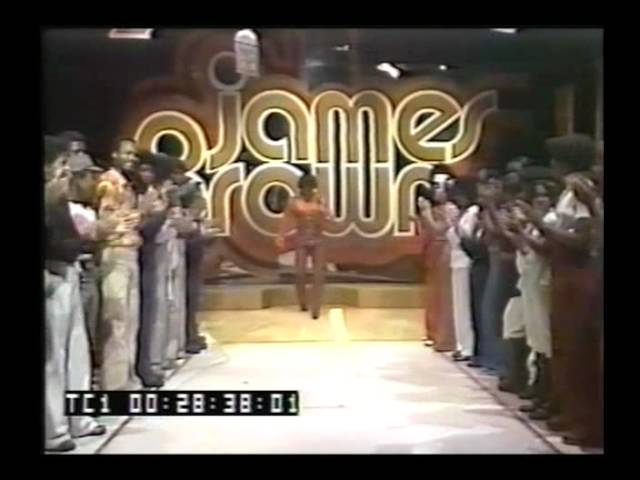
Future Shock was a television variety show produced and hosted by James Brown from 1976 to 1979. Shot in Augusta and Atlanta, Georgia and broadcast late on Friday nights on the Ted Turner-owned UHF station WTCG, it featured local amateurs performing a variety of popular and emerging dance styles, including disco, locking and popping, and early breakdancing, to prerecorded music. Brown and his musical guests also performed briefly. Other regular features included dance contests, interviews, and segments on African-American history. “Future Shock (Dance Your Pants Off)”, a song written by Brown and recorded by Maceo Parker with The J.B.’s, served as the show’s nominal theme music, though it was not consistently used.

Fender Brings Back Free Online Guitar Lessons

0

Fender stands to report the brand’s highest-ever year for sales in 2020 with individuals turning to music to occupy their time during quarantine and stay-at-home orders, as reported in The New York Times.  In March 2020, Fender gave away three months of free guitar, bass, and ukulele lessons via Fender Play as an act of goodwill during the pandemic. Within a month, Fender Play’s user base grew nearly 500% to approximately 930,000 aspiring players learning on the app. Recognizing this growing community of players, Fender Musical Instruments Corporation (FMIC) is bringing back this goodwill offer – three months of free Fender Play – through the end of 2020. The Fender Play app makes it easier than ever to learn how to play the guitar, bass or ukulele with multi-genre, instructor-guided video lessons to assist those embarking on their musical journey. Designed with bite-sized learning in mind, Fender Play gives beginners everything they need to get playing songs by their favorite artists in minutes.

To ensure those motivated by this record interest can get started with the right instrument, Fender has launched the findyour.fender.com interactive online guide, an intuitive web experience that demystifies the guitar shopping process to help match up new players with the right gear for their playing style and musical interests.

“Fender is increasingly focused on bringing new players to our industry as new players have fueled solid growth in guitar sales for over a decade and continue to represent the future of our industry,” said Andy Mooney, CEO at Fender. “Given the accelerated growth in new players entering the market this year, with most researching their buying decisions on-line, we created the FindYourFender experience to assist new players in personally selecting the ideal guitar, uke or bass for them to enjoy.”

For new players of all generations, the question of “where to start?” and “what guitar do I buy?” have long been difficult ones. These new players might have an idea about what they want their first guitar to look and sound like, but may not be familiar with all the options – namely the best gear for their need. FindYourFender offers a solution to this problem by first learning about the user, including which genre of music inspired them to pick up guitar, the finishes and colors that match their personal style, and the price range they’re comfortable with. The online experience also offers simple, interactive tools so users can listen to what tones Fender instruments and hardware can provide — eliminating technical jargon and instead letting users hear firsthand which sounds resonate most with their musical taste. After the user finds their perfect instrument, they’ll be directed to Fender.com and have the opportunity to find the closest Fender dealer. The FindYourFender microsite also takes into consideration the new player’s approximate budget — not just for the guitar, bass or uke, but also for the equipment and accessories they need as well.

“The current circumstances have made it harder for new enthusiasts to get the hands-on experience and expert advice they need before investing in their first instrument,” said Evan Jones, CMO at Fender. “For any new player to be successful in the long term, it’s important they get the information they deserve and right instrument from the start. All too often, the guitar buying experience can be overwhelming for beginners, but FindYourFender is one of the first interactive online experience to offer new players an intuitive, personalized solution.”

Three free months of Fender Play is now available for new users at fender.com/playfree. FindYourFender is live for new players in the U.S., U.K .and Australia at findyour.fender.com. For a video walkthrough of FindYourFender click here. To access screenshots of the experience, click here.

Daniel Lanois Announces New Album ‘Heavy Sun’

0

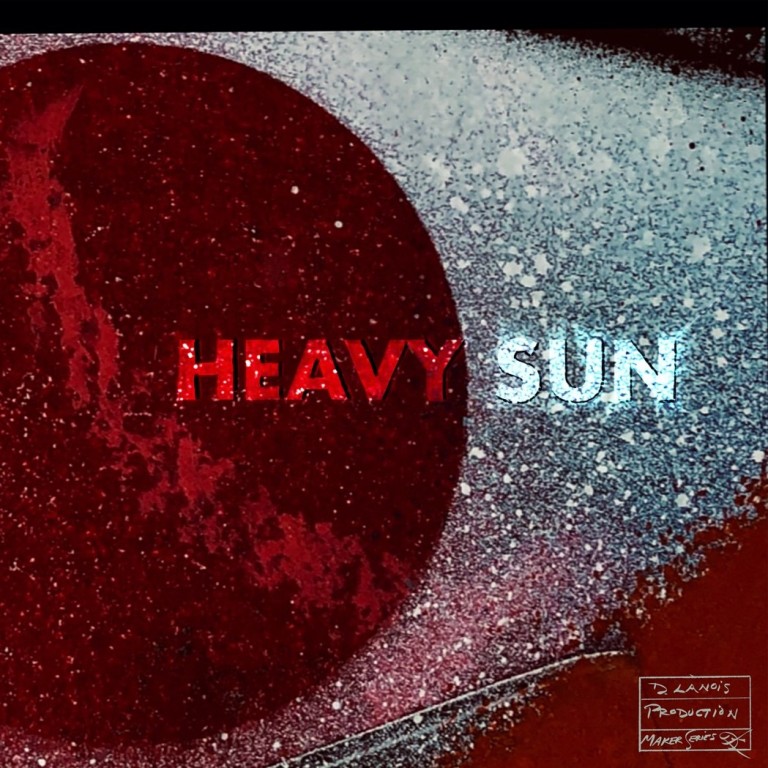
Today, acclaimed songwriter and producer, Daniel Lanois, has announced a new album for April 2021, Heavy Sun, the first release under Daniel’s new Maker Series brand.

Whether crafting ambient records with Brian Eno, making rock and roll history with U2 and Peter Gabriel, digging into American roots with Bob Dylan and Emmylou Harris, scoring Oscar-winning films and blockbuster video games, or composing his own solo music, 11-time Grammy winner, Daniel Lanois, has always seemed to reinvent himself with a chameleon-like ease. While Lanois may be best known for his production work on era-defining albums like Joshua Tree, Wrecking Ball, and Time Out Of Mind, he actually grew up on organ records and gospel music, and he cut his teeth as a young man in the studio recording vocal quartets touring their way through Ontario. In the decades to come, Lanois would go on to become one of the most acclaimed studio gurus of the modern era (Rolling Stone declared that his “unmistakable fingerprints are all over an entire wing of the Rock and Roll Hall of Fame”), as well as a prolific solo artist (NPR hailed his “brilliant albums of heartfelt songs”), but his love of soul and roots music never left.

Recorded in Los Angeles and Toronto, Heavy Sun fuses classic gospel and modern electronics, mixing gritty, human textures with crisp, digital accents and lush, swirling atmospherics to create a sound that’s at once warmly familiar and boldly unexpected. The arrangements here are spacious and dreamy, anchored by rich, righteous organ topped with airy falsetto and mesmerizing four-part harmony, and the writing is buoyant and soulful to match, tapping into the shared uncertainty of the human condition to offer hope, comfort, and connection at a time when all three run in desperately short supply.

“We want to lift people’s spirits with this music,” says Lanois. “It’s so easy to feel isolated right now, but we want everyone to feel included in what we’re doing.”

That communal spirit is on full display here, with Lanois and his bandmates—guitarist/vocalist, Rocco DeLuca; organist/vocalist, Johnny Shepherd; and bassist/vocalist, Jim Wilson—showcasing an undeniable chemistry and boundless appetite for sonic discovery that far surpasses the influence of any individual member.

For Lanois, who sang and played guitar in addition to producing the album, that meant taking full advantage of modern recording techniques, slicing and dicing live, improvised performances into discrete songs that could be fleshed out with experimental effects and sci-fi flourishes. Some tracks began life with Shepherd alone on the organ, taking the rest of the group to church the way he did for years at Zion Baptist in Shreveport, LA; others began with a melody or a simple groove played on a vintage beatbox. While Lanois dug deep into the production work, carving up raw material and extracting samples he could weave back into the arrangements, DeLuca (a revered solo artist in his own right) was often in the rear of the studio with the rest of the band, crafting lyrics around inspiring messages of community and resilience.

“Our goal was to be a force for good with these songs,” explains Lanois. “We wanted to remind people not to let the world steal their joy, to remind them that even during a global pandemic, it’s our responsibility to protect our spirits and find ways to keep on dancing, keep on singing, keep on teaching, keep on loving.”

Five Extraordinary Charlie Parker 10” Records Packaged Together As New Vinyl Box Set

0

Charlie “Bird” Parker, an architect of modern music nearly universally regarded as the greatest alto saxophonist who ever lived, released five 10-inch LPs via Mercury Records and producer Norman Granz’s pre-Verve label Clef Records in the early 1950s. For the first time, these building-blocks of bebop — 1950’s Charlie Parker With Strings, 1952’s Bird and Diz and Charlie Parker Plays South of the Border, 1953’s Charlie Parker With Strings (Vol. 2) and 1954’s Charlie Parker, have been packaged together in honor of Bird’s centenary dubbed Bird 100. Parker’s complete recordings from this important cornerstone of his career will be released on Verve as The Mercury & Clef 10-Inch LP Collection on December 18, available exclusively via uDiscover and the official Charlie Parker webstore. All five records have been newly remastered, pressed to 10” black vinyl, and housed in faithful reproductions of the original packaging.

https://youtu.be/igRVRC3Wc1I

The boxed set, which features David Stone Martin’s strikingly illustrated original sleeve art, doubles as a tip of the hat to the 10-inch, a format popular in the late 1940s between the 78 and the 12-inch. It also contains an elegant booklet with rare photos, detailed session information, and essays by pianist-journalist Ethan Iverson and author David Ritz. All of the records included except Bird and Diz have been out of print on vinyl since their original releases more than 60 years ago (although the recent iteration of the album was not the original 10-inch). These attributes make The Mercury & Clef 10-Inch Collection the most detailed, collectible presentation yet of Bird’s fruitful 1940s-to-mid-’50s streak before his untimely passing in 1955 at age 34.

Some jazz-with-strings albums are hit-or-miss; Bird’s is a grand slam. He seized on the format; his Strings volumes are two of his recorded pinnacles. Vol. 1 begins with his immortal version of Sam Lewis and John Klenner’s “Just Friends,” which contains one of the most stirring and technically brilliant improvised saxophone solos ever recorded. Thomas Adair and Matt Dennis’s can’t-catch-a-break lament “Everything Happens to Me” receives a heavenly lift when Bird “sings” it on his horn. His take on Rodgers and Hart’s “I Didn’t Know What Time It Was” shows how Parker could channel a romantic ballad naturally as if breathing. Vol. 2 is just as inspired, conjuring a nocturnal feel via George and Ira Gershwin’s “They Can’t Take That Away From Me,” Arthur Schwartz and Howard Dietz’s “Dancing in the Dark,” and Cole Porter’s “Easy to Love.”

Bird’s most famous foil was the brilliant trumpeter Dizzy Gillespie, and Bird and Diz is what its title suggests: a portrait of the pair at full tilt. But it has historical and artistic import beyond that: Bird and Diz documents the only joint session with Bird, Diz, and the revolutionary pianist Thelonious Monk, who made intellectual, hard-charging music. “Bloomdido,” a Parker original that went on to be a standard, is toe-tapping and relentlessly melodic. The percolating melody to “An Oscar for Treadwell” is traced through the changes to “I Got Rhythm” in C. “Leap Frog,” a co-write between Parker and trumpeter Benny Harris is head-spinning in its velocity and quicksilver innovation.

Parker and Gillespie dabbled in Afro-Cuban forms, most notably with the pioneering Latin vocalist and percussionist Machito. South of the Border is a testament to Bird’s transcultural connection. In Iverson’s essay, the saxophonist Henry Threadgill notes “the rassling match when the modern jazz guys came in and tried to play with the Latin cats in the Forties.” Bird, however, did this effortlessly: “Charlie Parker could bring the music together, but as soon as Bird stopped, the rassling match would begin again.” Parker is in his element here, especially on Óscar Gómez and Albert Hammond’s zestful “Un Poquito De Tu Amor,” Zequinha de Abreu’s effervescent “Tico Tico,” and Manuel Ponce’s yearning “Estrellita.”

Bird recorded his self-titled album in 1952 and 1953 with two quartets featuring drummer Max Roach: one side with bassist Percy Heath and pianist Al Haig, and the other with bassist Teddy Kotick and pianist Hank Jones. The title is essential because of the strength of its performances, the clean recording quality relative to Bird’s earlier works, and its singularity as his only studio LP in a quartet setting. Although the end of his life was approaching, Bird more than proves his might on compositions now revered as calling-cards, like “Now’s the Time,” “Laird Baird,” and “Confirmation.”

The Mercury & Clef 10-Inch LP Collection caps off a banner year for Bird and acts as a bellwether for another to come. Ahead of the centennial, Verve/UMe released The Magnificent Charlie Parker on vinyl and Jazz at Midnite for Record Store Day. Next year, Verve Records/UMe will offer an illuminating new perspective on a previously underexamined chapter of Parker’s life with a new collection titled Bird In LAfeaturing unreleased songs recorded during Bird’s storied visits to Los Angeles in the mid ‘40s through the early ‘50s.

In conjunction with The Mercury & Clef 10-Inch LP Collection, uDiscover is also offering David Stone Martin’s iconic cover art as framed, archival-quality canvas prints. The high-end wall art is available in various sizes and includes the albums Big Band, Machito Jazz With Flip & Bird, The Magnificent Charlie Parker, Charlie Parker With Strings and Charlie Parker With Strings (Vol. 2).

The Mercury & Clef 10-Inch LP Collection

LP1 – Charlie Parker With Strings (1950)

Side A:

  1. April In Paris
  2. Summertime
  3. If I Should Lose You

Side B:

  1. I Didn’t Know What Time It Was
  2. Everything Happens to Me
  3. Just Friends

LP2 – Charlie Parker With Strings (Vol. 2) (1953)

Side A:

  1. Laura
  2. They Can’t Take That Away from Me
  3. You Came Along from Out of Nowhere
  4. East of the Sun (and West of the Moon)

Side B:

  1. Dancing in the Dark
  2. Easy to Love
  3. I’m In the Mood for Love
  4. I’ll Remember April

LP3 – Bird & Diz (1952)

Side A:

  1. Bloomdido
  2. My Melancholy Baby
  3. Relaxing with Lee
  4. Passport

Side B:

  1. Lead Frog
  2. An Oscar for Treadwell
  3. Mohawk
  4. Visa

LP4 – Charlie Parker Plays South of the Border (1952)

Side A:

  1. Tico Tico
  2. Un Poquito De Tu Amor
  3. My Little Suede Shoes
  4. Estrellita

Side B:

  1. Begin the Beguine
  2. La Paloma
  3. La Cucaracha
  4. Mama Inez

LP5 – Charlie Parker (1954)

Side A:

  1. Now’s the Time
  2. I Remember You
  3. Confirmation
  4. Chi Chi

Side B:

  1. I Hear Music (a.k.a. The Song is You)
  2. Laird Baird
  3. Kim
  4. Cosmic Rays


“This Beat Goes On/Switchin’ to Glide” by The Kings Inducted Into Canadian Songwriters Hall Of Fame

0

Two songs, one classic hit. Song writing partners and members of The Kings, David Diamond and Mister Zero knew they had two pretty good tunes, but it wasn’t until the band put the songs together as a segue in rehearsal that the magic started to happen. The 1980 release of This Beat Goes On/Switchin’ to Glide, became The Kings’ breakout rock hit that stayed on Billboard’s Hot 100 for 23 weeks, and today has more than 2 million+ streams on Spotify while the video has 4 million+ views on YouTube.

On the 40th anniversary of This Beat Goes On/Switchin’ to Glide, the Canadian Songwriters Hall of Fame (CSHF) is pleased to celebrate the song induction that will be presented to Diamond and Zero on Monday, November 2 during a virtual induction airing on Breakfast Television Canada. The presentation will also include a live-streamed performance by The Kings on stage inside the newly renovated El Mocambo in Toronto.

“We’re thrilled to recognize the writing duo of Diamond and Zero, whose song will now join a rich legacy of fellow Canadian Songwriters Hall of Fame Inductees who have also created hybrid hits including The Guess Who’s No Sugar Tonight/New Mother Nature, and Galt MacDermot’s Aquarius/Let the Sun Shine In by The Fifth Dimension,” said Vanessa Thomas, CSHF Executive Director.

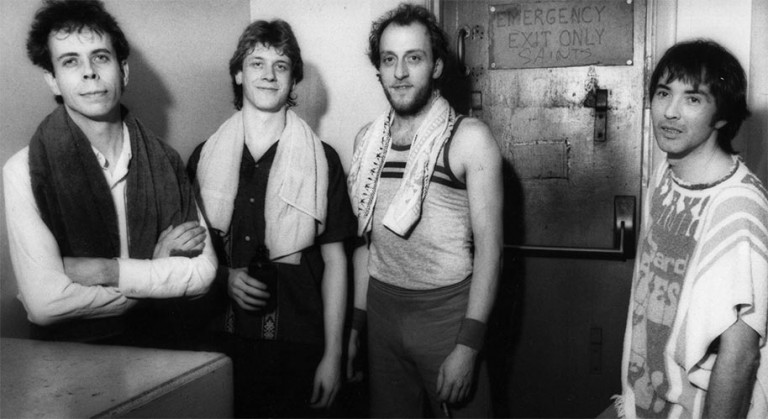
Zero first started writing songs when he met keyboardist Sonny Keyes in Vancouver, BC in the ‘70s, and together determined that they needed to form a band to bring their compositions to life. Zero reached out to bassist/singer David Diamond and drummer Max Styles that he knew from high school back in Oakville, Ontario and the band they named Whistleking was born. Soon Diamond was contributing songs and cowriting as well, and with his incredible lead vocals, the four young men knew that this was something special. So, they wrote, rehearsed and gigged for a couple of years and after winning the first homegrown radio talent contest in Toronto, they realized a catchier name was needed and they became The Kings.

When The Kings went into Toronto’s Nimbus 9 recording studio to make an indie album, they had no idea that they would meet celebrated producer Bob Ezrin, who had just recorded Pink Floyd’s No. 1 album “The Wall.” Ezrin realized that while the talent was there, the band needed his studio expertise. With Ezrin’s input, Diamond had changed the chord structure for This Beat Goes On and then Zero spent a couple of weeks re-writing the lyrics. Elektra released Switchin’ to Glide as a single, but it didn’t get much notice until the label released the two song segue and that is when the phones started ringing at major market radio stations across North America.

This Beat Goes On/Switchin’ to Glide stayed on the Billboard Hot 100 for 23 weeks, and peaked at No. 43 on December 13, 1980. It reached the Top 10 on Toronto’s CHUM FM and WMET in Chicago, but it was massive airplay at U.S. stations like mid-West powerhouse WLS-AM, WRIF in Detroit, KROQ in L.A., and WNEW in New York City that gave Elektra reason to really promote the single. On the West coast leg of a long tour, they debuted in L.A. at the Whisky a-Go-Go, and gave an electrifying performance on Dick Clark’s American Bandstand for ABC TV.

In Canada, the song reached No. 59 on RPM’s Top 100 chart, and No. 8 on the Canadian content chart. It was also named “One of the Top 100 Radio Programmers Picks of the Decade” by Album Network Magazine U.S., and labelled the “Almost Official Song of Toronto” in 2018 by the Toronto Star.

The album “The Kings are Here,” reached Billboard’s Top 100 album chart and went Gold in Canada, earning a JUNO Award nomination for Most Promising Group of the Year, and The Kings were named Most Promising New Band by Cashbox Magazine USA. After the CD version came out, the album passed platinum status and was declared a SOCAN Classic in 2016 for more than 100,000 plays on Canadian radio.

Four decades since its release, The Kings have performed more than 2,000 shows across North America sharing stages with international stars including Eric Clapton, The Beach Boys, Bob Seger, Jeff Beck and many others, as well as Canadian artists Loverboy, April Wine, Jeff Healey, Teenage Head, and more.

Since there never was a video for the segue, The Kings produced one themselves, using live footage from more than 20 years of shows, which was also repurposed for their documentary, Anatomy of a One-Hit Wonder, that tells the band’s success story with their trademark humour. Alongside YouTube and music streaming, The Kings continue to amass fans from around the world with a recently released concert movie, The Kings: Live at Heatwave, using re-mastered footage from their closing performance at 1980’s Heatwave Rock Festival in Bowmanville, Ontario that also headlined Elvis Costello, The B-52’s and The Pretenders among others.

Following the virtual song induction, the Canadian Songwriters Hall of Fame will add This Beat Goes On/Switchin’ to Glide to its permanent and interactive exhibition at the National Music Centre in Calgary, that features a celebrated catalogue of inducted songs that fans can listen to, as well as displays, exclusive artifacts, and one-of-a-kind memorabilia celebrating Canada’s greatest songwriters and Inductees.

Alanis Morissette: Keynote Conversation with Ann Powers

0

NPR Music and The Museum of Pop Culture present the opening keynote session for the 2020 Pop Conference “Forever Young: Popular Music and Youth Across the Ages”

Folk duo THE SMALL GLORIES release new video for “Sing”

0

Canadian folk duo The Small Glories touched a nerve with audiences with their  U.S.  debut, ASSINIBOINE & THE RED, an album that celebrates the Canadian Prairies. The Juno award-nominated release was embraced at folk radio and garnered them the 2019 “Artist of the Year” award at the 2019 International Folk Alliance convention. The Small Glories, aka Cara Luft, an original member of the Wailin’ Jennys, and multi-instrumentalist JD Edwards, are sharing a new video with Folk Alley for their modern protest song, “Sing.” The song has long been an audience favorite. Luft describes it as a protest song for our time. “It’s a song to roust us out of our complacency and our indifference, a song to challenge our era of divisiveness and polarization to remind us what ‘it’ is all about, and what it’s not,” she says.

“We’ve been digging deep, to our roots, to honour the folksinger and troubadour’s role in society, to harken back to our family’s heritage of peace, protest and labour movement songs, to tap back into our spiritual upbringing that taught us that all humans are valued, loved and important,” Luft tells Folk Alley. “We want, and need, to sing about the things that matter, to speak out through song, to offer what we can to our world. Now is the time.”

Luft and Edwards’ onstage chemistry and humor complements their energetic live performances and buoyant, Americana-inflected folk songs; their exuberant harmonies bring to mind such duos as The Civil Wars and Shovels & Rope, but with a Northern spin. NPR wrote, “Luft is a Wailin’ Jennys alum whose work on the clawhammer banjo is to die for, while Edwards’ guitar and vocal harmonies deepen and enrich the duo’s sound.”

“We’re folk singers, we try to write stuff that people can relate to,” says Edwards, whose looming stage presence and penetrating eyes find him the yin to Luft’s petite, snort-laughing yang.

The album’s songs do play out like travelogue of sorts. ASSINIBOINE & THE RED is rich with a sense of place and geography and is bookended by two songs that pay tribute to locales. The opener, “Alberta,” is a love song to Luft’s home province and is “dedicated to anyone who is new to a place and surprises themselves by having their heart stolen by the land.” The raucous closing track, “Winnipeg,” is a spirited celebration of their hometown, “a city full of heart and guts and soul,” Luft says. “It’s a city of many languages and cultures where a big beautiful sun, the great equalizer, shines down on everyone all year long.”