Home Blog Page 2111

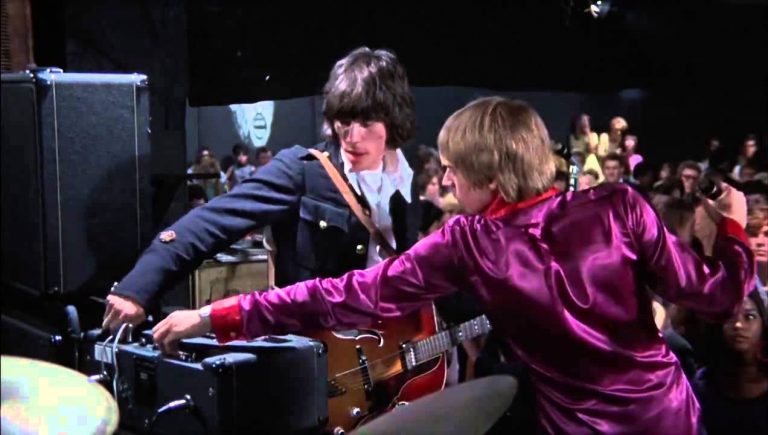
Video: Jeff Beck Destroys His Guitar In Antonioni’s ‘Blow-Up’ Movie

0

The most widely noted cameo in Michelangelo Antonioni’s Blow-Up’ movie was by The Yardbirds, who perform “Stroll On” in the last third. Antonioni first asked Eric Burdon to play that scene but he turned it down. As Keith Relf sings, Jimmy Page and Jeff Beck play to either side, along with Chris Dreja. After his guitar amplifier fails, Beck bashes his guitar to bits, as The Who did at the time. Antonioni had wanted The Who in Blowup as he was fascinated by Pete Townshend’s guitar-smashing routine. Steve Howe of The In Crowd recalled, “We went on the set and started preparing for that guitar-smashing scene in the club. They even went as far as making up a bunch of Gibson 175 replicas … and then we got dropped for The Yardbirds, who were a bigger name. That’s why you see Jeff Beck smashing my guitar rather than his!” Antonioni also considered using The Velvet Underground (signed at the time to a division of MGM Records) in the nightclub scene, but, according to guitarist Sterling Morrison, “the expense of bringing the whole entourage to England proved too much for him”.

Michael Palin of Monty Python can be seen briefly in the sullen nightclub crowd and Janet Street-Porter dances in stripy Carnaby Street trousers.
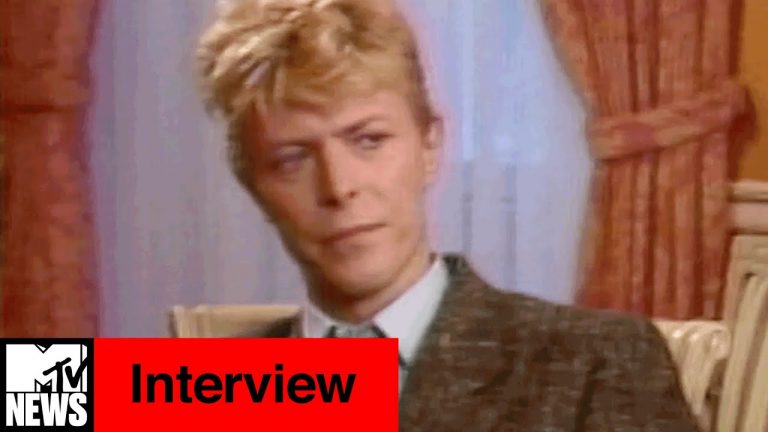

Video: David Bowie Criticizes MTV for Not Playing Videos by Black Artists

0

David Bowie has some questions and criticisms about MTV’s lack of videos featuring black artists in this 1983 interview with Mark Goodman.

The greatest album covers of jazz

0

Blue Note captured the refined sophistication of jazz during the early 60s, giving it its signature look in the process.

When asked to visualize what jazz looks like, you might picture bold typography, two tone photography, and minimal graphic design. If you did, you’re recalling the work of a jazz label that single-handedly defined the “look” of jazz music in the 1950s and1960s: Blue Note.

Inspired by the ever present Swiss lettering style that defined 20th century graphic design (think Paul Rand), Blue Note captured the refined sophistication of jazz during the early 60s, particularly during the hard bop era, and gave it a definitive visual identity through album covers.

Some songs don’t just stick in your head, they change the music world forever. Join Estelle Caswell on a musical journey to discover the stories behind your favorite songs.

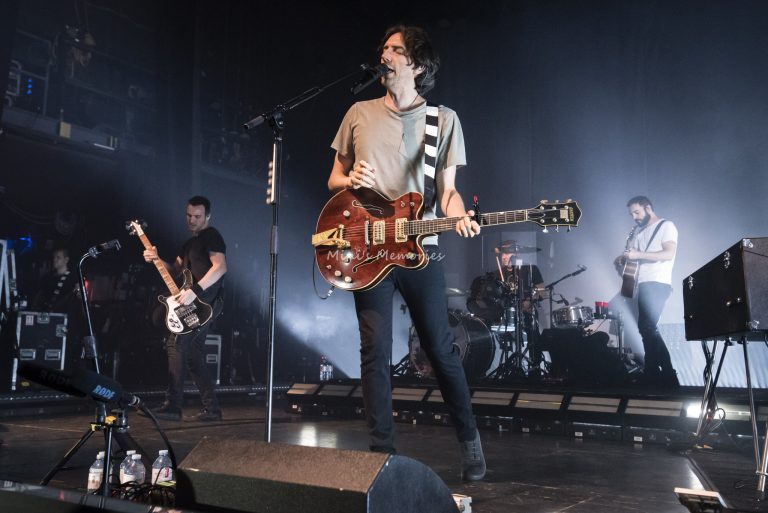
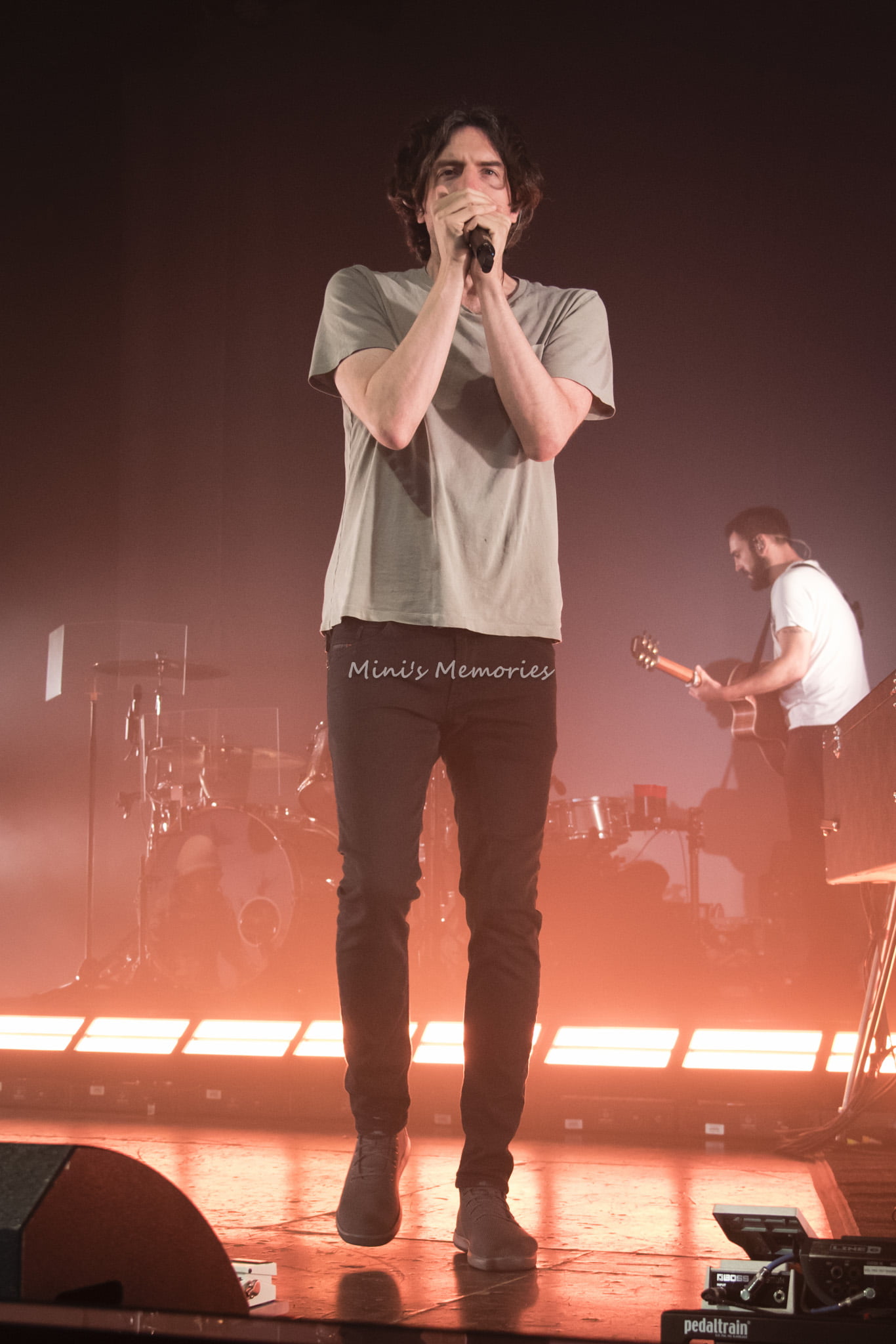
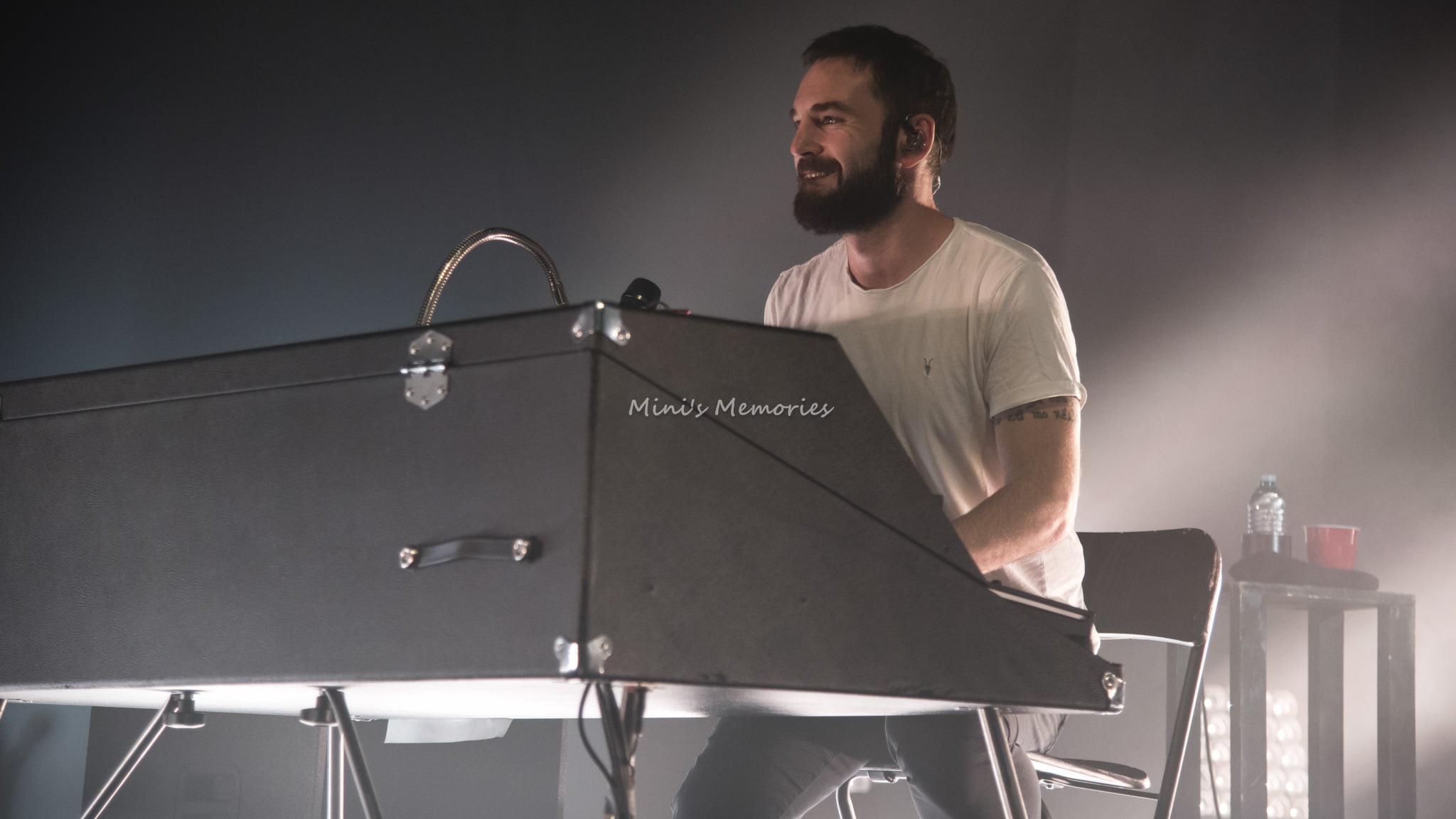
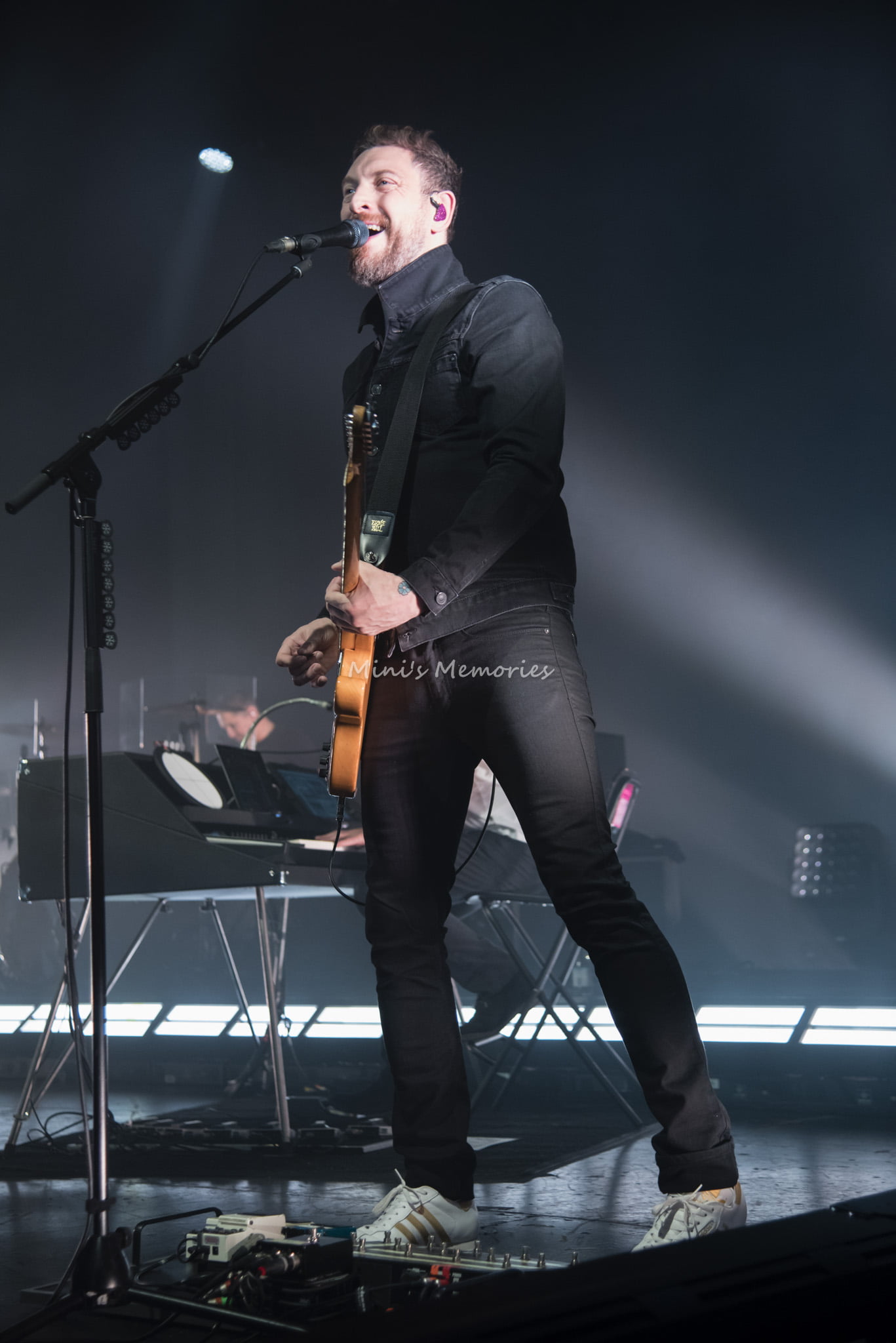
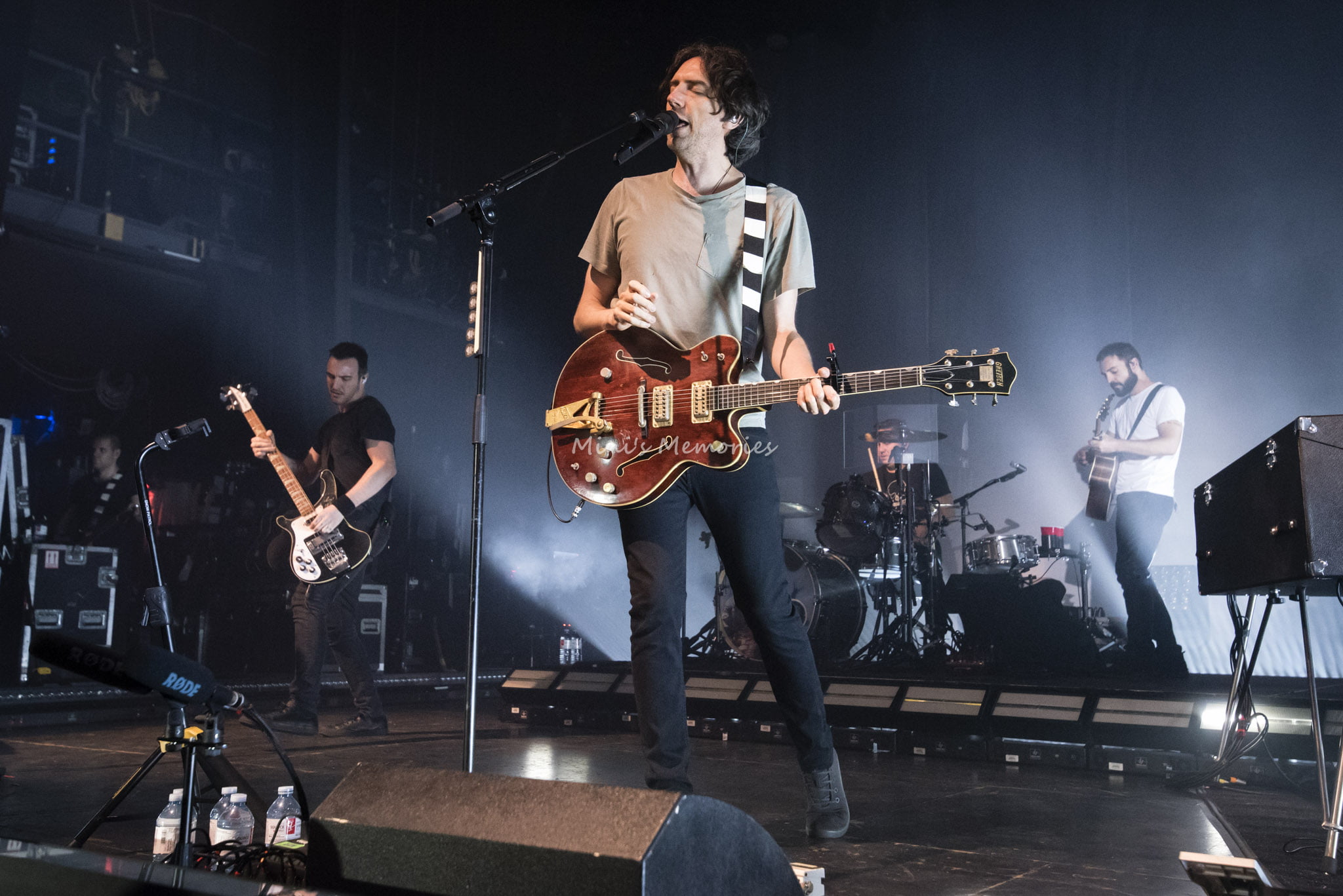
Photo Gallery: Snow Patrol with We Are Scientists at Toronto’s Danforth Music Hall

0

All photos by Mini’s Memories. You can contact her at minismemories@hotmail.com

Snow Patrol
Snow Patrol
Snow Patrol
Snow Patrol
Snow Patrol
Snow Patrol
Snow Patrol
Snow Patrol
Snow Patrol
We Are Scientists
We Are Scientists
We Are Scientists
We Are Scientists
We Are Scientists
We Are Scientists
We Are Scientists
We Are Scientists
We Are Scientists

Watch Roy Clark from Hee Haw perform an absolutely incredible version of “Malagueña” by Ernesto Lecuona on The Odd Couple TV show

0

In this episode of The Odd Couple, Felix gets Oscar’s old Army buddy into the music business. Likely, since that pal is Roy Clark. Watch him play an absolutely incredible cover version of the Cuban Flamenco song “Malagueña” by Ernesto Lecuona.

What does the universe sound like? Let a guitar-playing Astrophysicist explain it for you.

0

Is outer space really the silent and lifeless place it’s often depicted to be? Perhaps not. Astrophysicist and musician Matt Russo takes us on a journey through the cosmos, revealing the hidden rhythms and harmonies of planetary orbits. The universe is full of music, he says — we just need to learn how to hear it.

Something even more exciting about this system especially for me, and that’s the Trappist One is a resonant chain and so that means for every two orbits of the outer planet, the next one in orbits three times and the next one in 4 and then 6 9 15 and 24. So you see a lot of very simple ratios among the orbits of these planets. Clearly if you speed up their motion you can get rhythms right. One beat say for every time a planet goes around. But now we know if you speed that motion up even more you’ll actually produce musical pitches and in this case alone those pictures will work together making harmonious even human-like harmony.

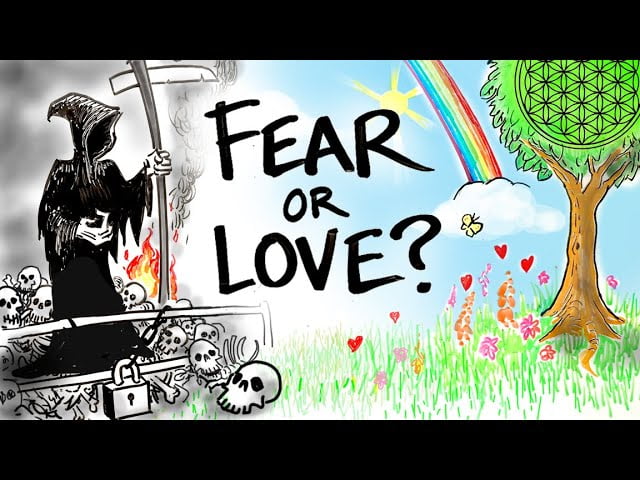
Animated Video Of A 1992 Bill Hicks Commentary About Choosing Love Over Fear

0

Bill Hicks was an American stand-up comedian, social critic, satirist and musician. His material, encompassing a wide range of social issues including religion, politics, and philosophy, was controversial, and often steeped in dark comedy. Here’s a brilliantly illustrated episode of After Skool features the very timely words of Bill from his “It’s Just a Ride” routine.

A choice right now between fear and love. The eyes of fear want you to put bigger locks on your door, buy guns and close yourself off. The eyes of love instead see all of us. Just one.

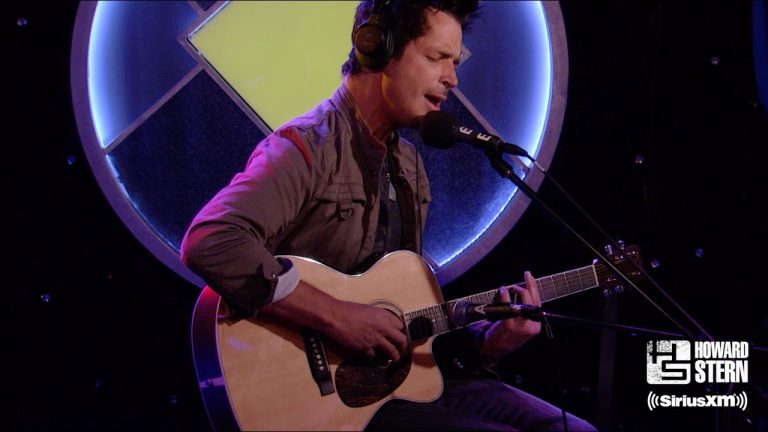
Chris Cornell Tells Howard Stern How He Wrote ‘Black Hole Sun’ Before Performing the Song Live on SiriusXM

0

In 2007, Chris Cornell visited the Stern Show and told Howard how he wrote the Soundgarden hit “Black Hole Sun” before performing it live in the studio.

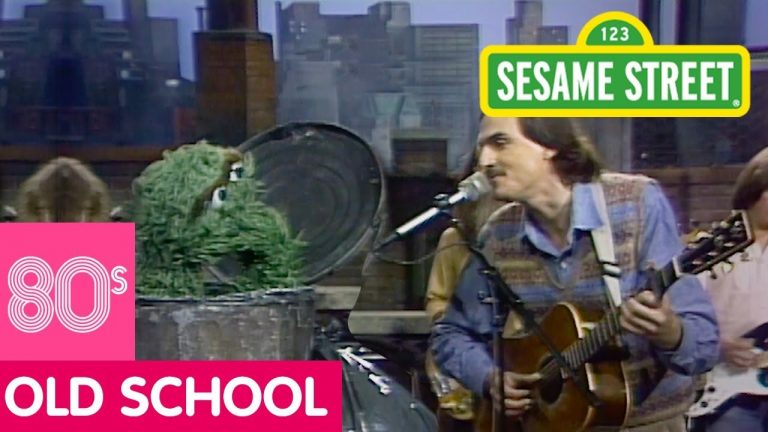
Sesame Street: Your Grouchy Face with James Taylor

0

From 1978, James Taylor and Oscar the Grouch sing about how rotten they make each other feel!

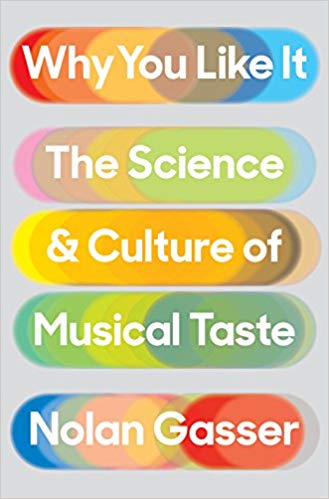
My Next Read: Why You Like It: The Science and Culture of Musical Taste

0

From the chief architect of the Pandora Radio’s Music Genome Project comes a definitive and groundbreaking examination of how your mind, body, and upbringing influence the music you love.

Everyone loves music. But what is it that makes music so universally beloved and have such a powerful effect on us?

In this sweeping and authoritative book, Dr. Nolan Gasser ― a composer, pianist, and musicologist, and the chief architect of the Music Genome Project, which powers Pandora Radio―breaks down what musical taste is, where it comes from, and what our favorite songs say about us.

Dr. Gasser delves into the science, psychology, and sociology that explains why humans love music so much; how our brains process music; and why you may love Queen but your best friend loves Kiss. He sheds light on why babies can clap along to rhythmic patterns and reveals the reason behind why different cultures around the globe identify the same kinds of music as happy, sad, or scary. Using easy-to-follow notated musical scores, Dr. Gasser teaches music fans how to become engaged listeners and provides them with the tools to enhance their musical preferences. He takes readers under the hood of their favorite genres―pop, rock, jazz, hip hop, electronica, world music, and classical―and covers songs from Taylor Swift to Led Zeppelin to Kendrick Lamar to Bill Evans to Beethoven, and through their work, Dr. Gasser introduces the musical concepts behind why you hum along, tap your foot, and feel deeply. Why You Like It will teach you how to follow the musical discourse happening within a song and thereby empower your musical taste, so you will never hear music the same way again.

You can buy it here.