
All photos by Mini’s Memories. You can contact her at minismemories@hotmail.com


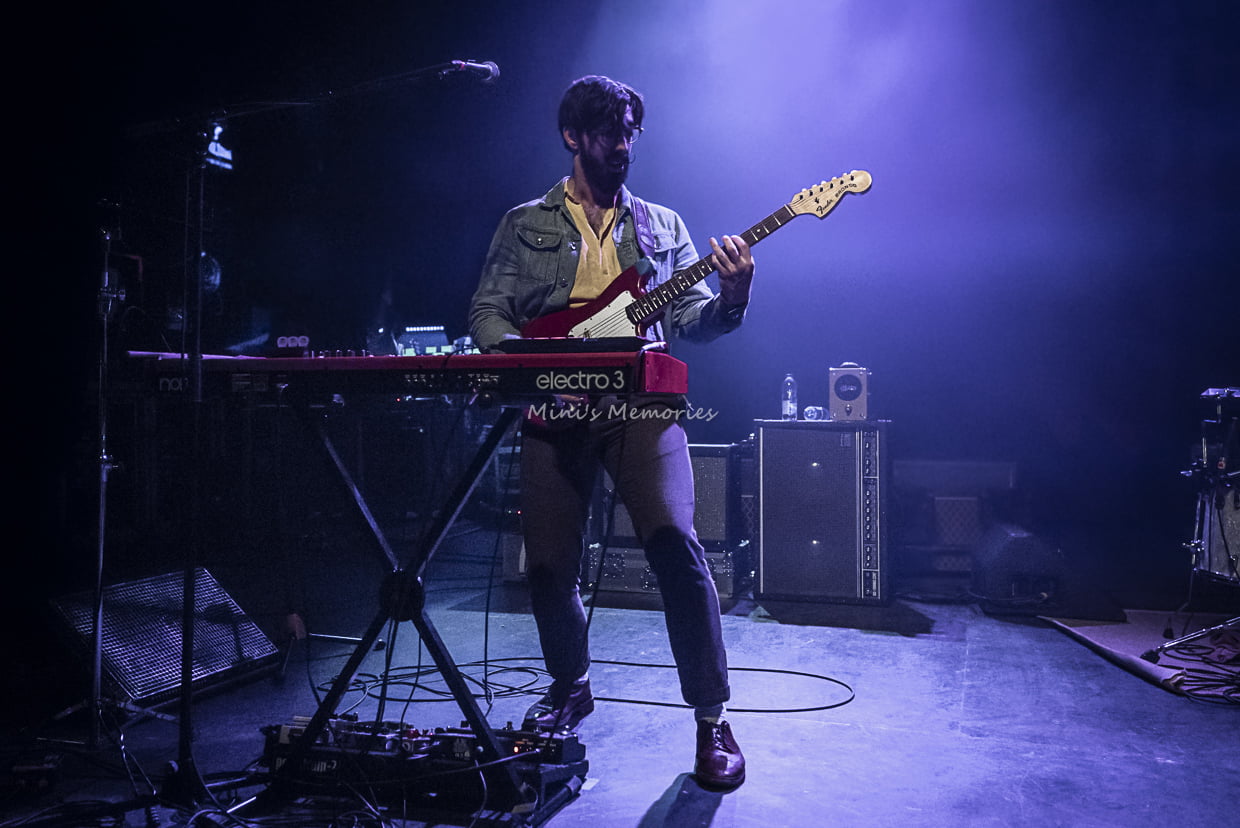
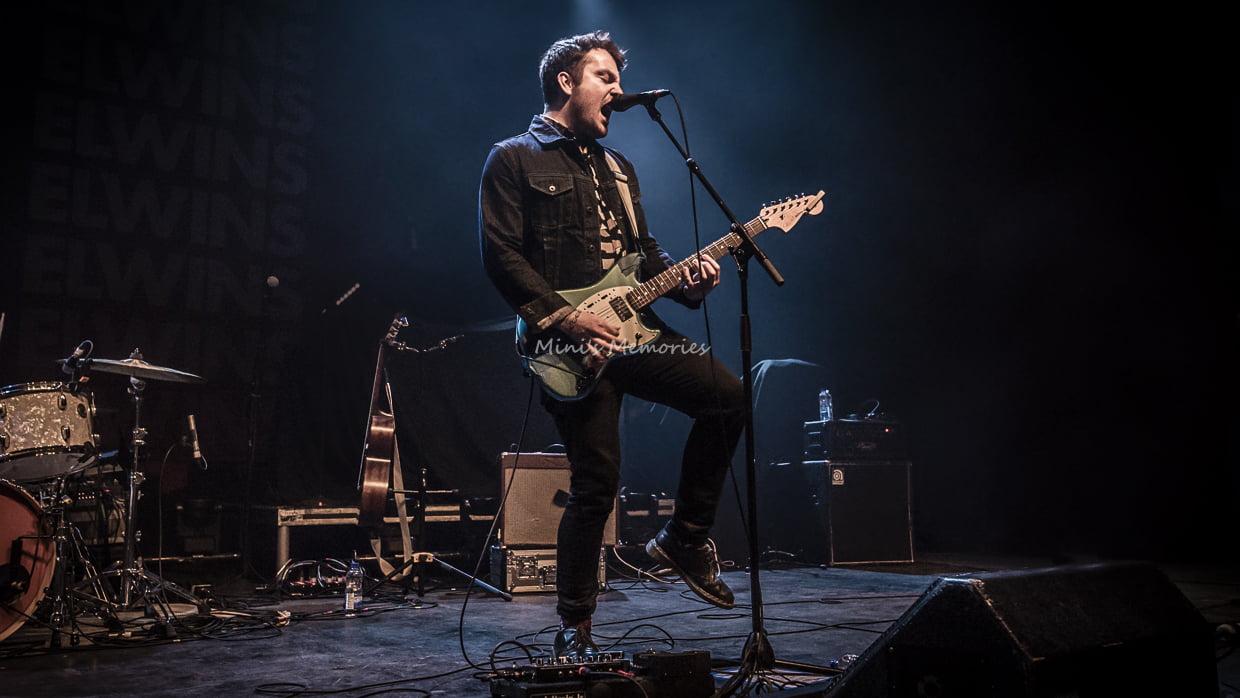
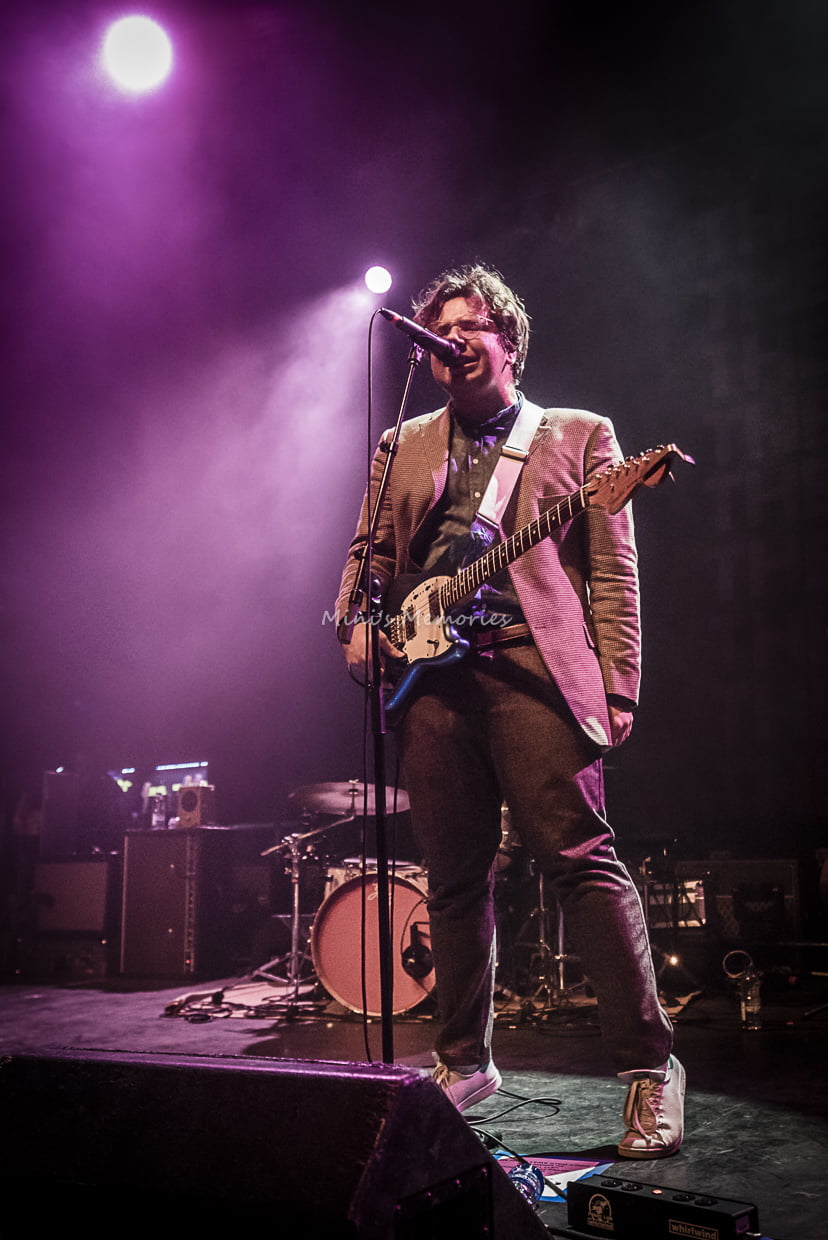
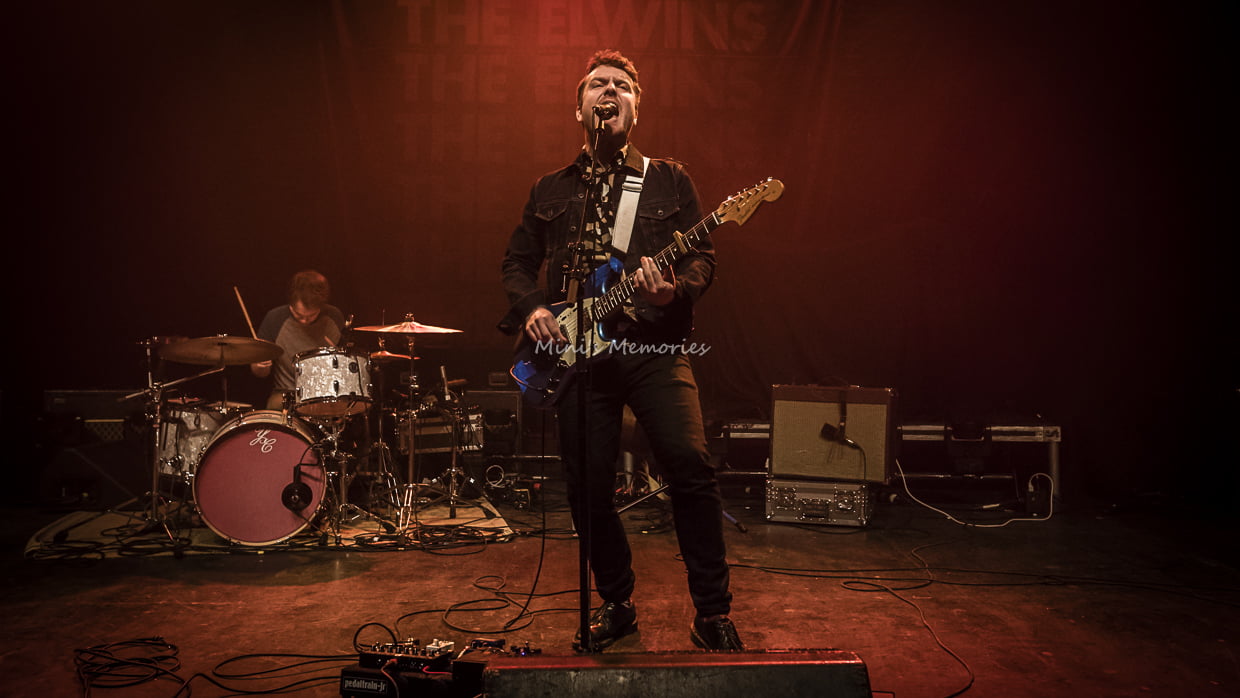

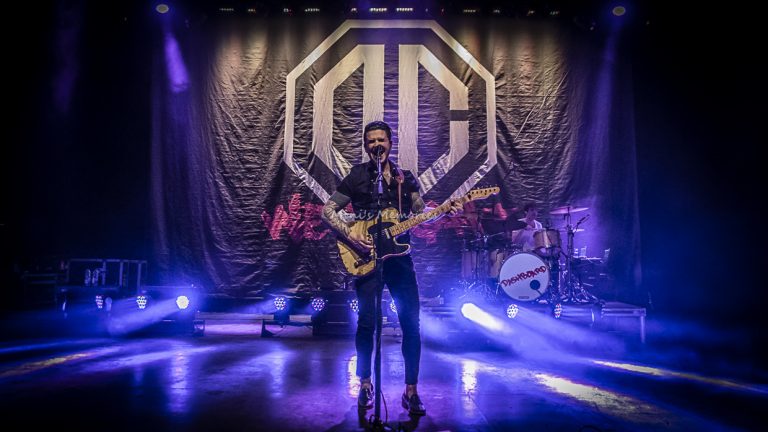
All photos by Mini’s Memories. You can contact her at minismemories@hotmail.com
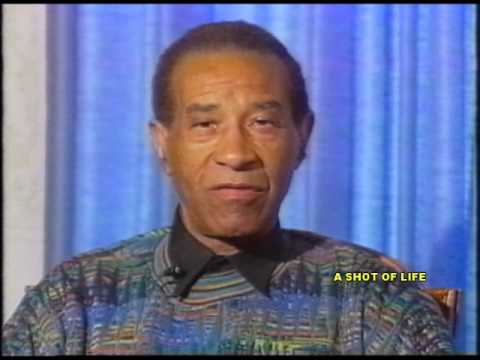
Max Roach was one of the first drummers to play in the bebop style, and performed in bands led by Dizzy Gillespie, Charlie Parker, Thelonious Monk, Coleman Hawkins, Bud Powell, and Miles Davis. Roach played on many of Parker’s most important records, including the Savoy November 1945 session, a turning point in recorded jazz. The drummer’s early brush work with Powell’s trio, especially at fast tempos, is just genius. Check out this interview from 1993 where Roach explains how he got his start in music.
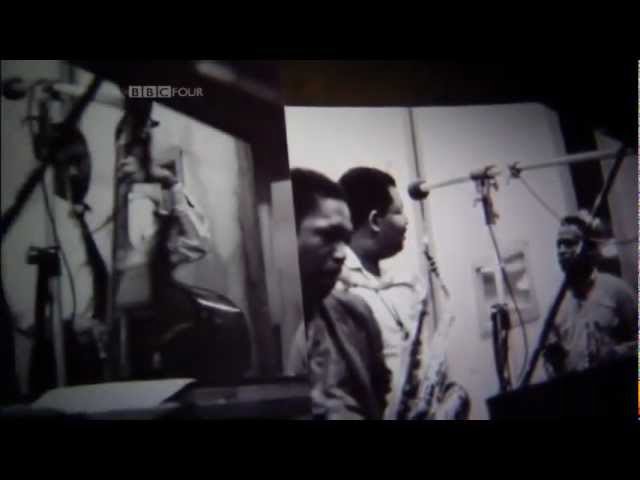
How Ornette Coleman changed the direction of Jazz in 1959. Essential.
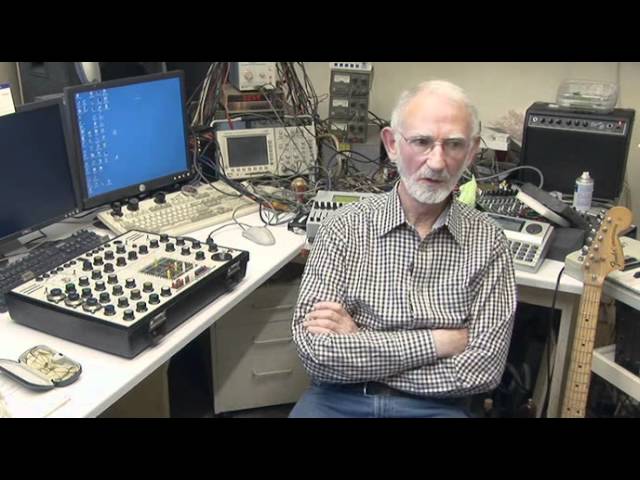
Brilliant documentary about the birth of electronic music in Britain. The documentary enjoyed screenings at several film festivals around Australia and on ABC TV.
https://youtu.be/8KkW8Ul7Q1I
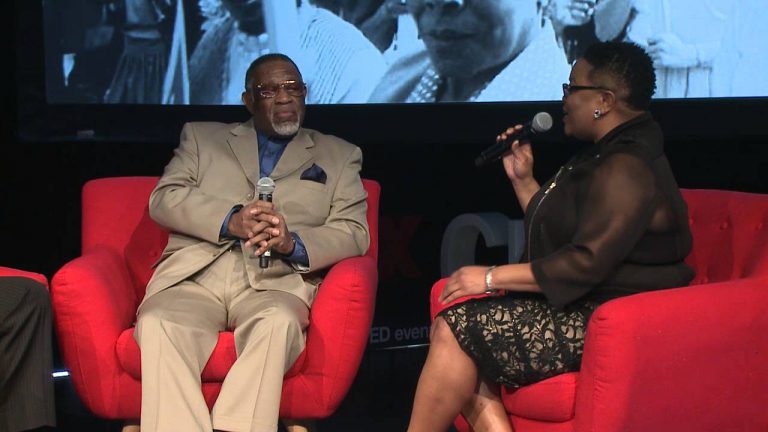
Formed in 1958 with members from Chicago and Chattanooga, The Impressions performed music ranging from doo-wop and soul to gospel and rhythm and blues. The group underwent multiple member changes, and today a core group including several of the original members from Chattanooga continue to perform. Their hits include “People Get Ready,” “Gypsy Woman,” “It’s All Right,” and “Finally Got Myself together (I’m a Changed Man).” The Impressions were inducted into the Rock and Roll Hall of Fame in 1991.
Check out this TEDx couch interview with members of the group discussing equality and their experiences with segregation and racism.
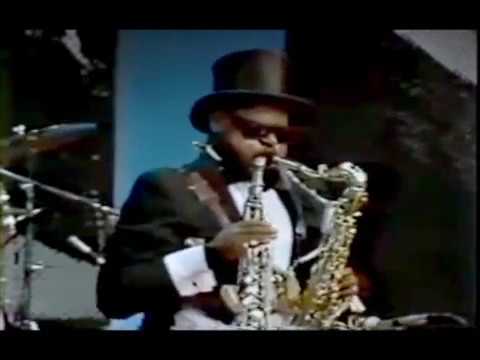
Multiinstrumentalist Rahsaan Roland Kirk plays Pedal Up on the 1975 Down Beat Readers Awards show with McCoy Tyner on piano, Stanley Clarke on bass and Lenny White on Drums.
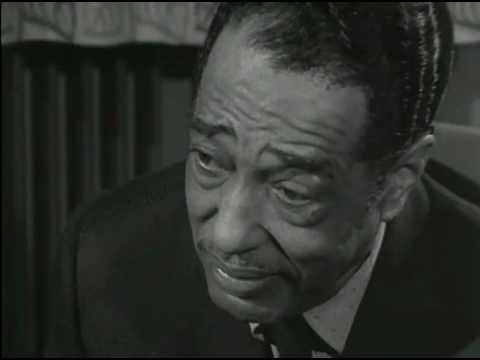
At the age of seven, Edward Ellington began taking piano lessons from Marietta Clinkscales. Daisy surrounded her son with dignified women to reinforce his manners and teach him to live elegantly. Ellington’s childhood friends noticed that his casual, offhand manner, his easy grace, and his dapper dress gave him the bearing of a young nobleman, and began calling him “Duke.” Ellington credited his chum Edgar McEntree for the nickname. “I think he felt that in order for me to be eligible for his constant companionship, I should have a title. So he called me Duke.”
What was Miles Davis like to work with? Was he competitive with you guys?
Herbie Hancock: When “Watermelon Man” was a hit, under my publishing company, and I was the writer, and it was on my record [Takin’ Off, Hancock’s 1962 debut], I started getting some checks for it, it was on the radio, I thought, “Whoa, I might have to go on the road, get a band together, and start playing this thing.”
And so Donald Byrd, who took me in as his roommate, said, when I said I might get a station wagon, he said, “Have you ever thought about getting a sports car?” Donald had a Jaguar. He said there’s a car that’s been beating Ferraris in races and it’s a Ford — an AC Cobra.
I bought the car, for $6,000. Then I got hired by Miles, maybe a month later, and I’m gonna go on the road. But I had one more gig, at the Village Gate in New York, as a sideman for Clark Terry. … When we were playing the last set, I looked out the corner of my eye, and who do I see? Miles! Miles had come down.
We finish the set, we come down and Miles says, [gravelly voice] “I’ll give you a lift home.” He knew I was living nearby. I said, “Aww, man, that would be fantastic, but I just bought a new car.” He said, “It’s not a Maserati.” I said, “No, no it’s not.”
We get downstairs and my car is near the exit. He says, “Cute.”
We both get to the stoplight at Sixth Avenue. It’s like 2, 3 o’clock in the morning. I knew what was going to happen: As soon as the light turns green, we’d floored it, right! So we drove several blocks before the next red light. I got to the light shortly before Miles, and I smoked Marlboros in those days. I grabbed one, lit it, rolled down the window as Miles drives up.
He looked over at me and he says, “What the fuck is that?” I said, “It’s an AC Cobra.” He said, “Get rid of it.” I said, “Why?” And he said, “It’s dangerous.” And then he started driving [off]. And I’m thinking, “I beat Miles!”
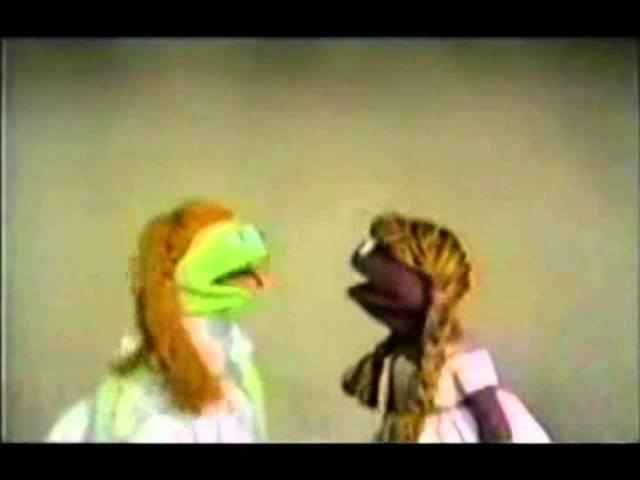
MANAMANA or Mah Nà Mah Nà was written by Piero Umiliani, an Italian composer of film scores. It originally appeared in the Italian film Sweden: Heaven and Hell (Svezia, inferno e paradiso). It was a minor radio hit in the U.S. and in Britain, but became better known internationally for its use by The Muppets in 1969. Sesame Street producer Joan Ganz Cooney heard the track on the radio and decided both it and a shaggy puppeteer named Jim Henson would be perfect additions to the show. First performed by Jim Henson, Frank Oz and Loretta Long on the fourteenth episode in November, 1969, the song entered the public consciousness of the latter half of Baby Boomer children. The following Sunday when Henson and His Muppets performed the song on the Ed Sullivan Show it became an instant classic.
Here’s the first appearance of the song from the street we all wished we grew up on.
https://youtu.be/gsjcb7w1Y-w
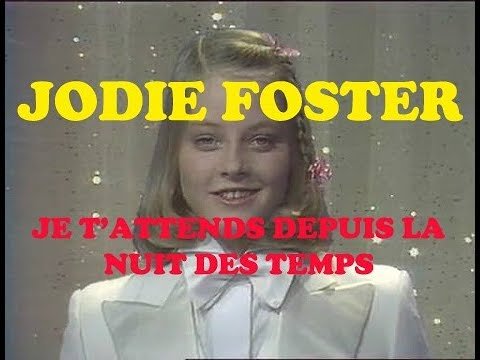
Jodie Foster began her professional career as a child model when she was three years old in 1965, and two years later she moved to acting in television series, when she debuted the sitcom Mayberry R.F.D. In the late 1960s and early 1970s, she worked in several primetime television series and starred in children’s films. Foster’s breakthrough came in Martin Scorsese’s Taxi Driver in 1976, in which she played a teenage prostitute; the role garnered her a nomination for an Academy Award.
In 1977 did what many actors and actresses have done – start a pop singing career. She released a couple of singles and made some appearances on French TV as a singer. She appeared on the soundtrack for a movie called Moi, fleur bleue (in America the title was Stop Calling Me Baby!) singing a song called “When I Looked at Your Face.” She released that track as a single and also put out another single called “Je t’attends depuis la nuit des temps.”
https://youtu.be/TPI-9ioWcxU
Follow us on Instagram @thatericalper

Eric Alper is a 6-time nominee for Publicist of the Year during Canadian Music Week and has overseen the publicity campaigns for over 183 JUNO Award-nominated albums (and 16 in 2025), 45 Grammy-nominated albums, including 47 JUNO Award, 58 Canadian Folk Music Award, 126 Maple Blues Award-winning albums and is also truly honoured to work with some of the biggest and most important artists of our time.
Contact me: eric@thatericalper.com
© Copyright - That Eric Alper