

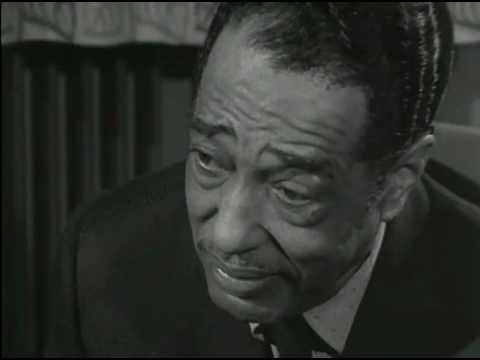
At the age of seven, Edward Ellington began taking piano lessons from Marietta Clinkscales. Daisy surrounded her son with dignified women to reinforce his manners and teach him to live elegantly. Ellington’s childhood friends noticed that his casual, offhand manner, his easy grace, and his dapper dress gave him the bearing of a young nobleman, and began calling him “Duke.” Ellington credited his chum Edgar McEntree for the nickname. “I think he felt that in order for me to be eligible for his constant companionship, I should have a title. So he called me Duke.”
Herbie Hancock Once Beat Miles Davis In A Car Drag Race
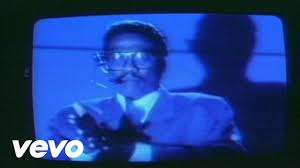
What was Miles Davis like to work with? Was he competitive with you guys?
Herbie Hancock: When “Watermelon Man” was a hit, under my publishing company, and I was the writer, and it was on my record [Takin’ Off, Hancock’s 1962 debut], I started getting some checks for it, it was on the radio, I thought, “Whoa, I might have to go on the road, get a band together, and start playing this thing.”
And so Donald Byrd, who took me in as his roommate, said, when I said I might get a station wagon, he said, “Have you ever thought about getting a sports car?” Donald had a Jaguar. He said there’s a car that’s been beating Ferraris in races and it’s a Ford — an AC Cobra.
I bought the car, for $6,000. Then I got hired by Miles, maybe a month later, and I’m gonna go on the road. But I had one more gig, at the Village Gate in New York, as a sideman for Clark Terry. … When we were playing the last set, I looked out the corner of my eye, and who do I see? Miles! Miles had come down.
We finish the set, we come down and Miles says, [gravelly voice] “I’ll give you a lift home.” He knew I was living nearby. I said, “Aww, man, that would be fantastic, but I just bought a new car.” He said, “It’s not a Maserati.” I said, “No, no it’s not.”
We get downstairs and my car is near the exit. He says, “Cute.”
We both get to the stoplight at Sixth Avenue. It’s like 2, 3 o’clock in the morning. I knew what was going to happen: As soon as the light turns green, we’d floored it, right! So we drove several blocks before the next red light. I got to the light shortly before Miles, and I smoked Marlboros in those days. I grabbed one, lit it, rolled down the window as Miles drives up.
He looked over at me and he says, “What the fuck is that?” I said, “It’s an AC Cobra.” He said, “Get rid of it.” I said, “Why?” And he said, “It’s dangerous.” And then he started driving [off]. And I’m thinking, “I beat Miles!”
Watch Sesame Street Characters Debut The Classic Song ‘MANAMANA’ In 1969
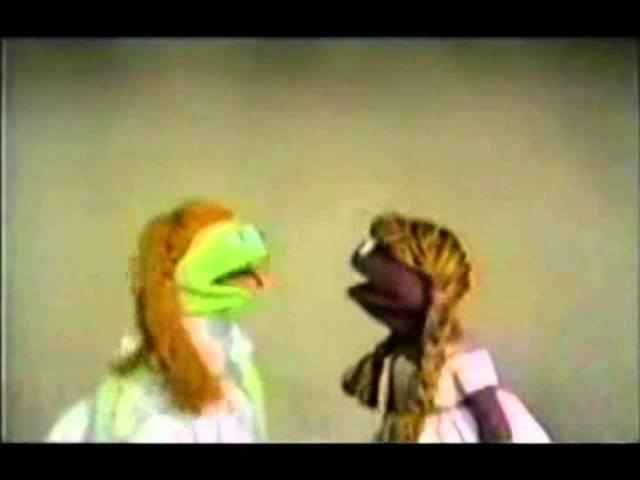
MANAMANA or Mah Nà Mah Nà was written by Piero Umiliani, an Italian composer of film scores. It originally appeared in the Italian film Sweden: Heaven and Hell (Svezia, inferno e paradiso). It was a minor radio hit in the U.S. and in Britain, but became better known internationally for its use by The Muppets in 1969. Sesame Street producer Joan Ganz Cooney heard the track on the radio and decided both it and a shaggy puppeteer named Jim Henson would be perfect additions to the show. First performed by Jim Henson, Frank Oz and Loretta Long on the fourteenth episode in November, 1969, the song entered the public consciousness of the latter half of Baby Boomer children. The following Sunday when Henson and His Muppets performed the song on the Ed Sullivan Show it became an instant classic.
Here’s the first appearance of the song from the street we all wished we grew up on.
https://youtu.be/gsjcb7w1Y-w
That Time Jodie Foster Had A Pop Music Record At The Age Of 15
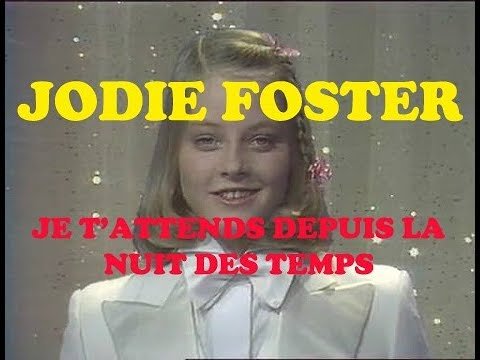
Jodie Foster began her professional career as a child model when she was three years old in 1965, and two years later she moved to acting in television series, when she debuted the sitcom Mayberry R.F.D. In the late 1960s and early 1970s, she worked in several primetime television series and starred in children’s films. Foster’s breakthrough came in Martin Scorsese’s Taxi Driver in 1976, in which she played a teenage prostitute; the role garnered her a nomination for an Academy Award.
In 1977 did what many actors and actresses have done – start a pop singing career. She released a couple of singles and made some appearances on French TV as a singer. She appeared on the soundtrack for a movie called Moi, fleur bleue (in America the title was Stop Calling Me Baby!) singing a song called “When I Looked at Your Face.” She released that track as a single and also put out another single called “Je t’attends depuis la nuit des temps.”
https://youtu.be/TPI-9ioWcxU
Neil deGrasse Tyson Not A Fan Of Pink Floyd Over ‘The Dark Side of the Moon’
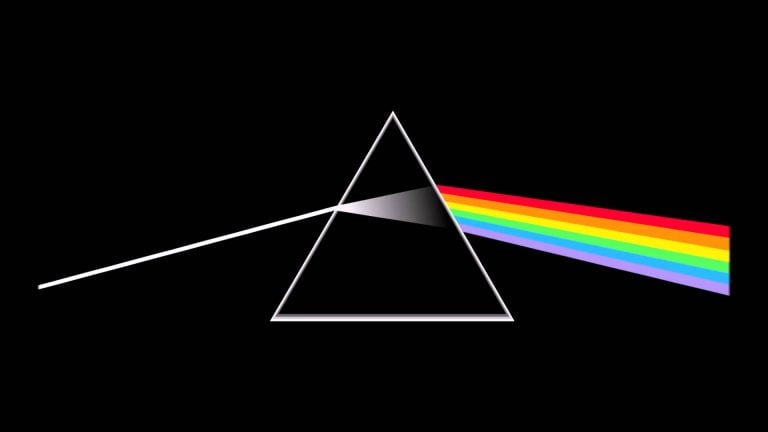
To say a lot of people bought – and continue to buy – Pink Floyd’s The Dark Side of the Moon is an understatement. Despite it only topping the Billboard Top LPs & Tapes chart for a week, it remained in the chart for 741 weeks from 1973 to 1988. With an estimated 45 million copies sold, it is Pink Floyd’s most successful album and one of the best-selling worldwide. It has been remastered and re-released several times, and covered in its entirety by several acts. One person who isn’t a fan, likely, is the world’s most famous astrophysicist Neil deGrasse Tyson, and he’s often approached to debunk or prove some of the most popular theories. The one he gets asked about the most is entirely Pink Floyd’s fault.
As Neil deGrasse Tyson explains below. “That Pink Floyd had an album with that title meant I spent decades having to undo [that fact] as an educator. That’s because “there is no dark side of the moon.” “There’s a far side and there’s a near. But all sides of the moon receive sunlight across the month.”
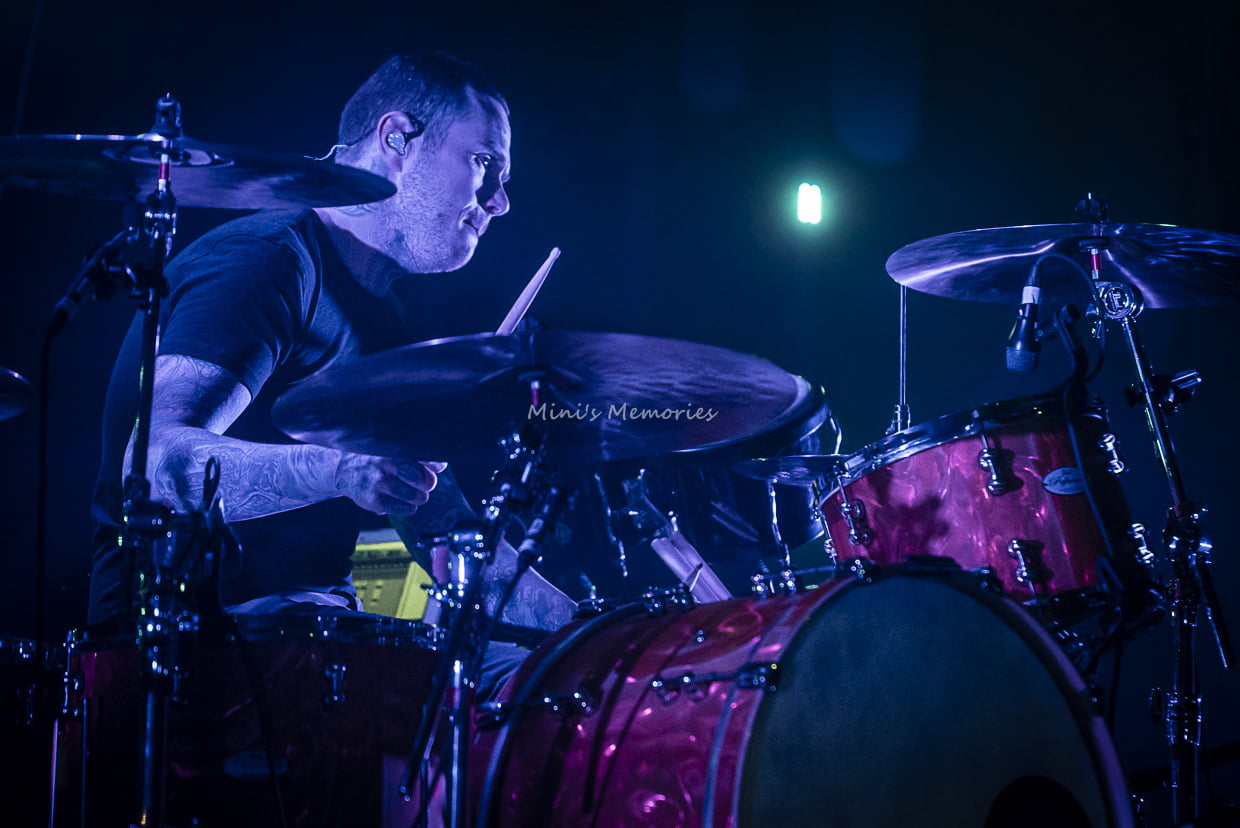
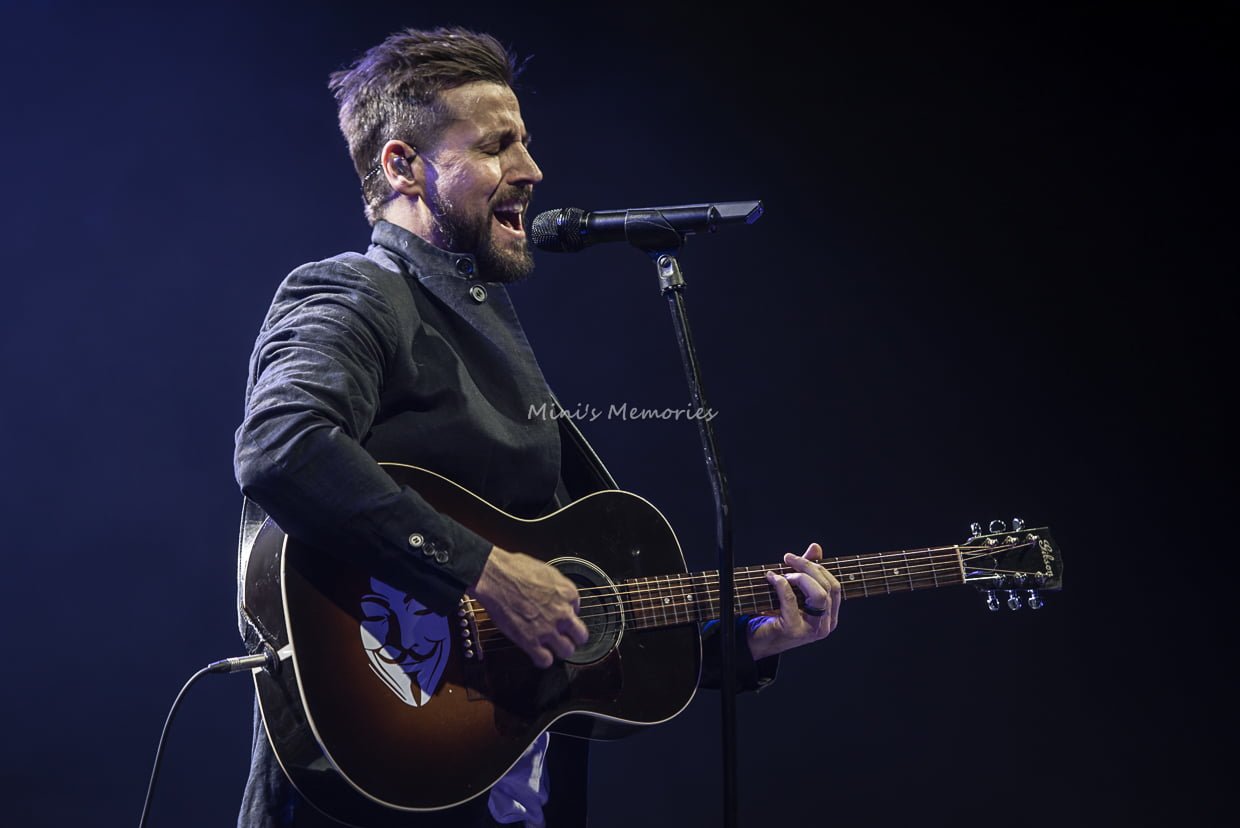
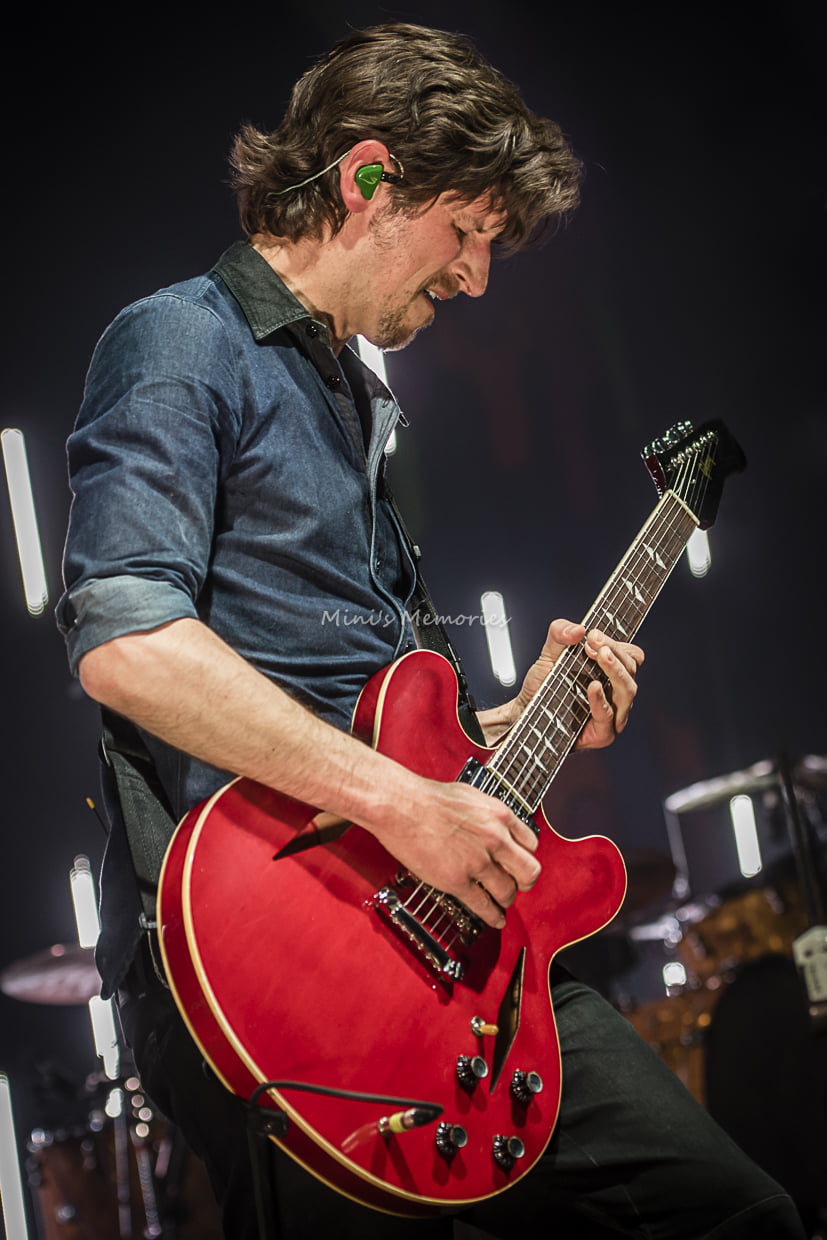
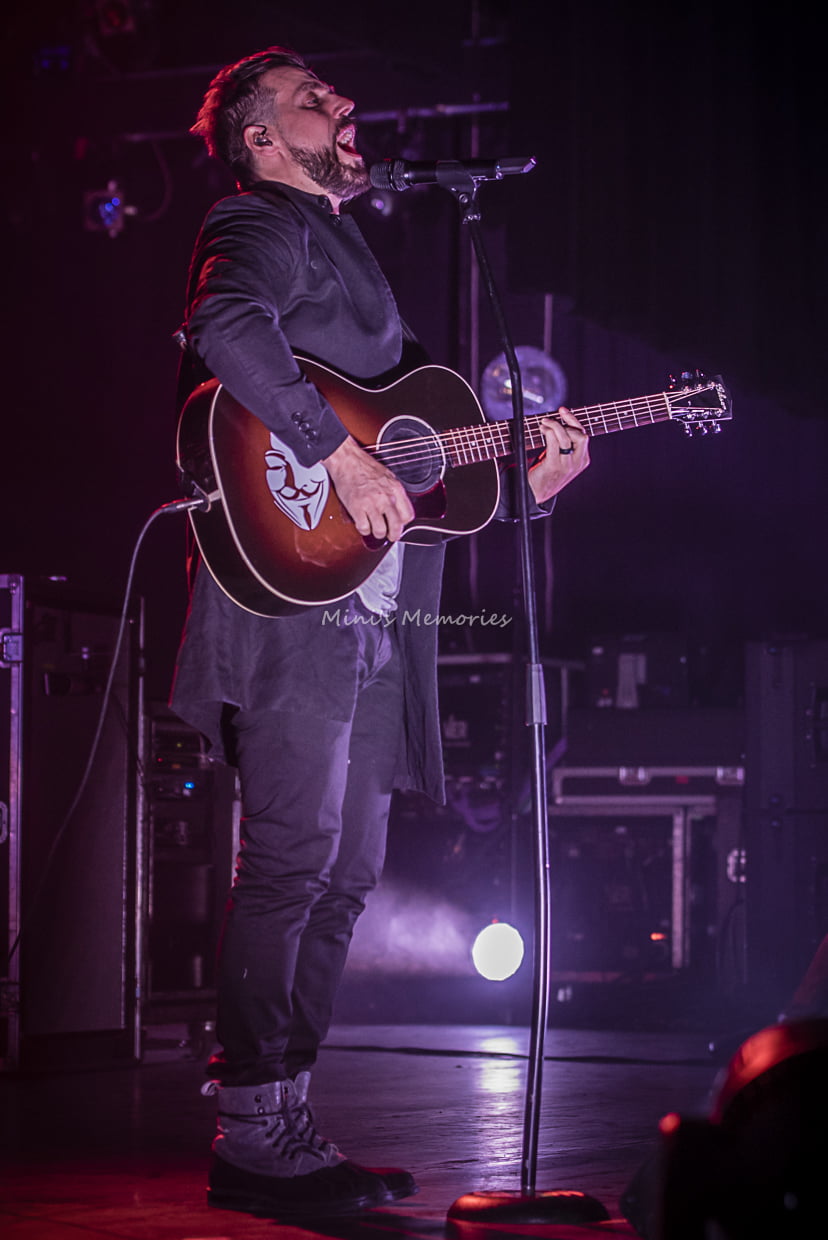
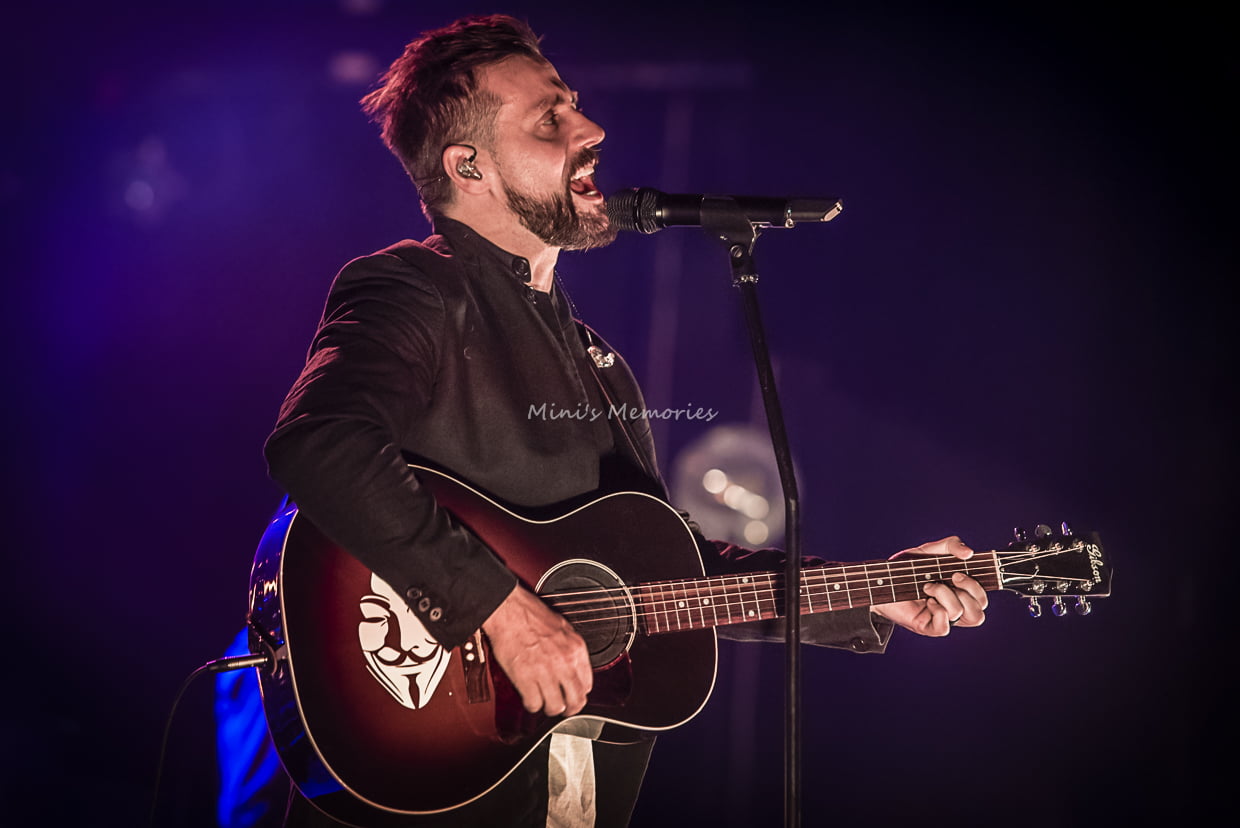
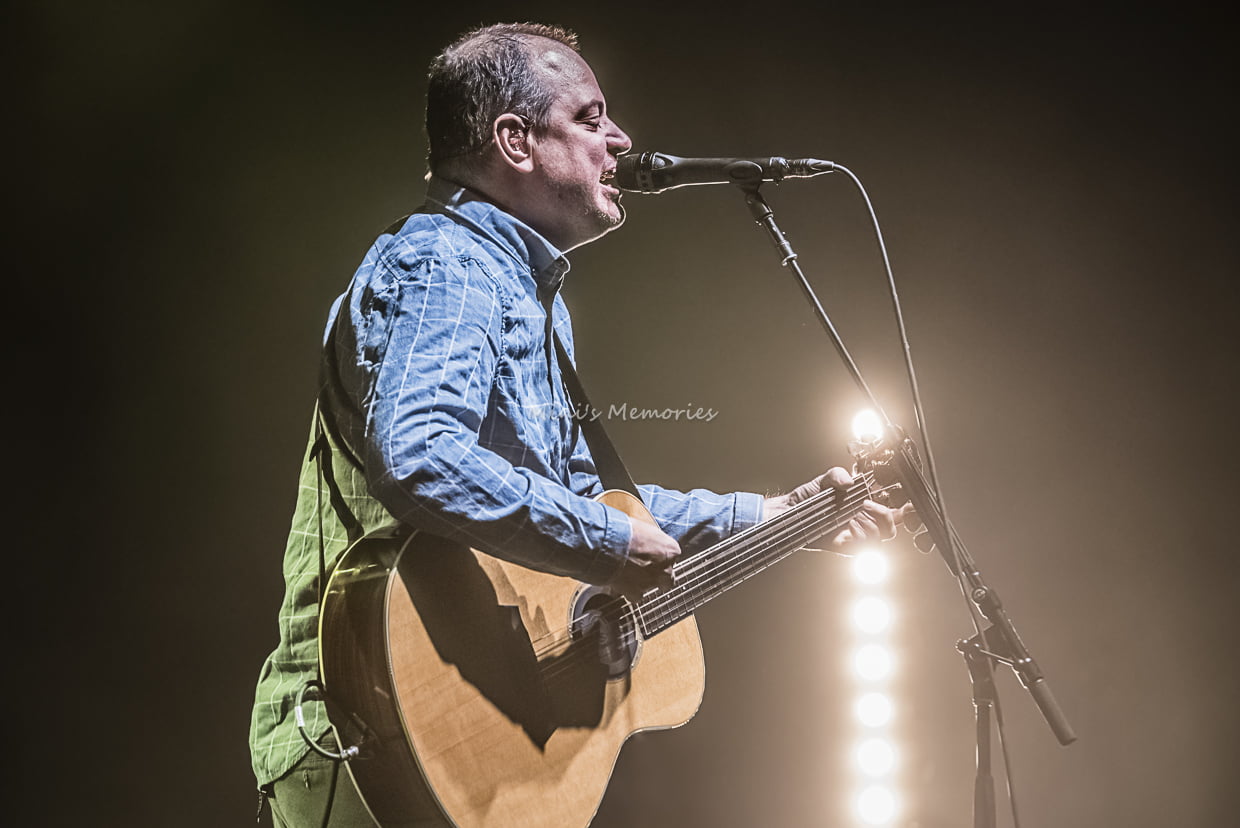
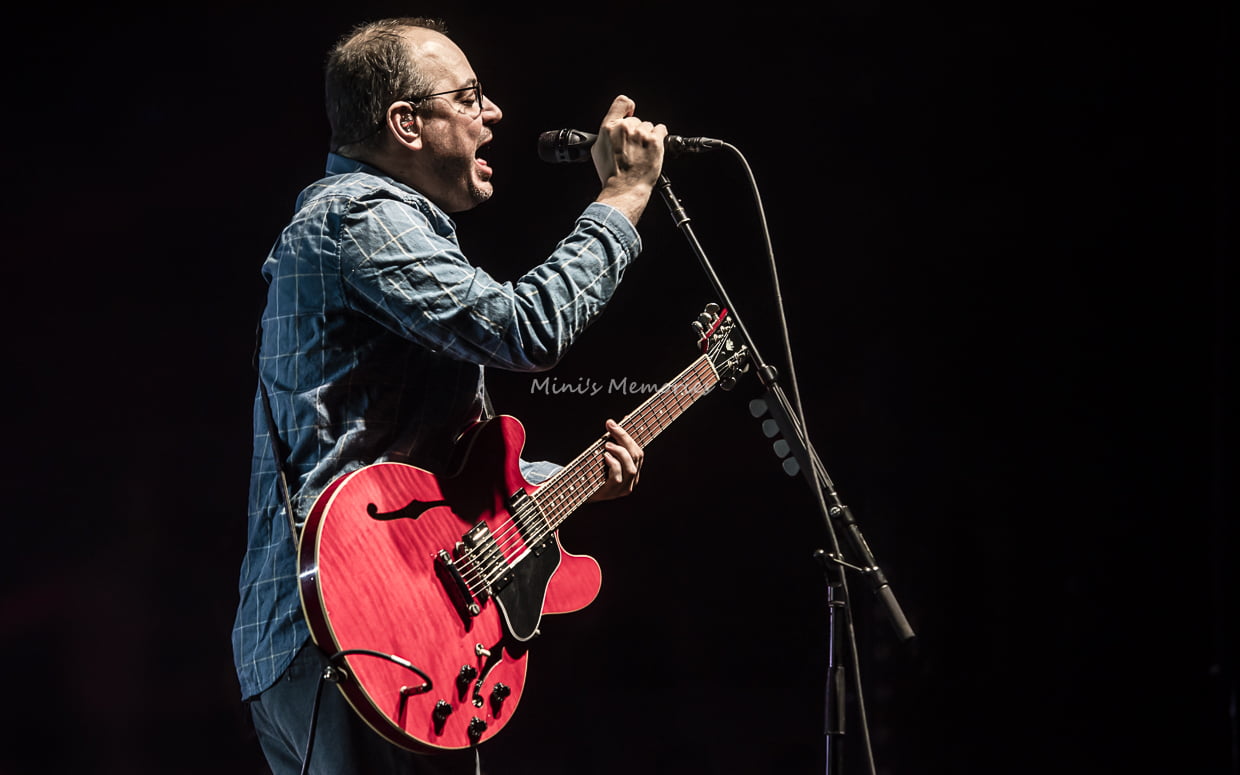
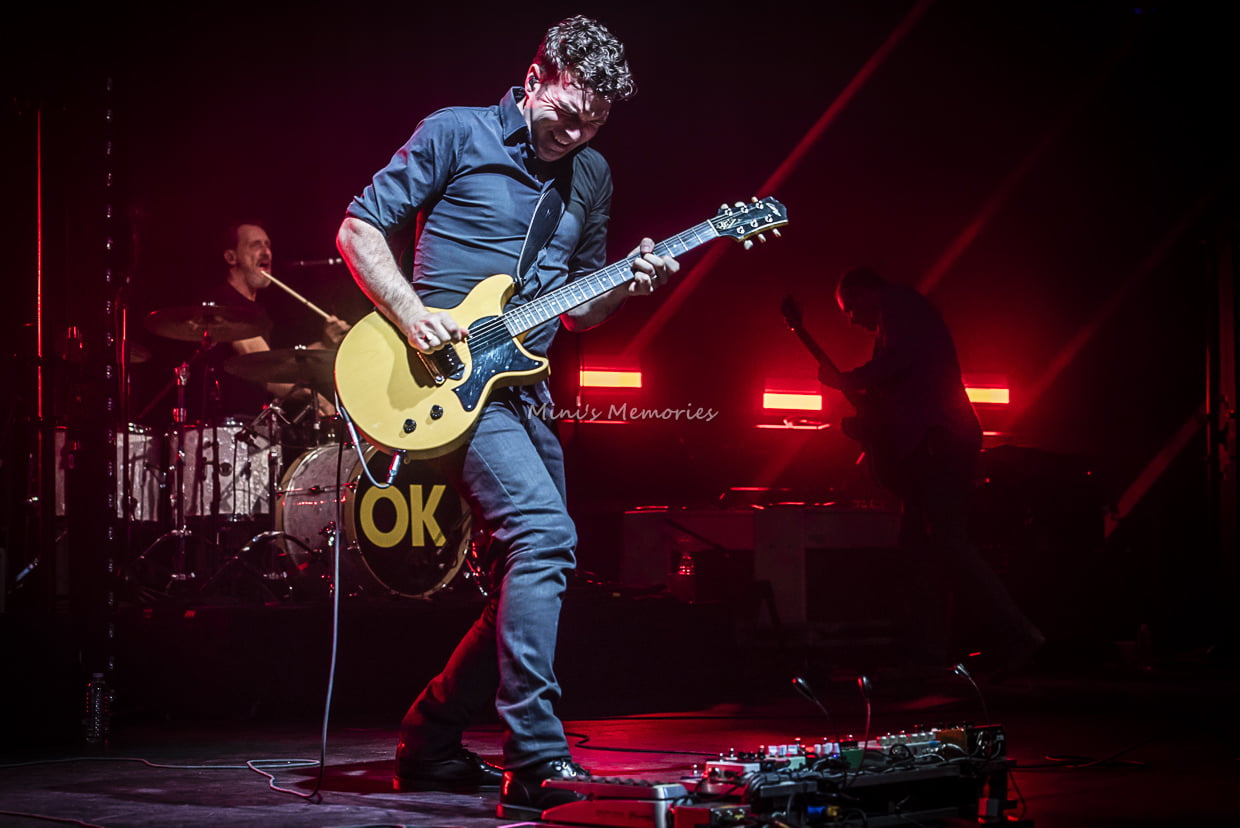
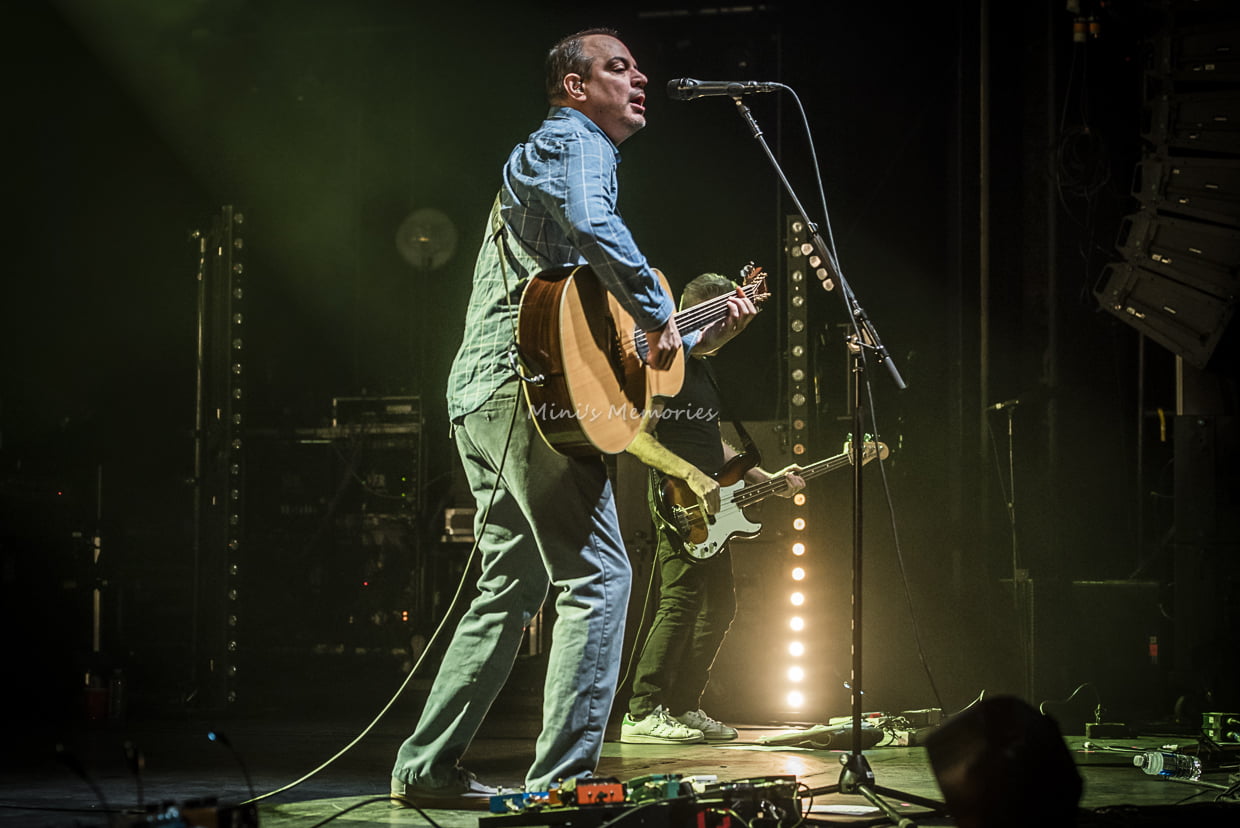
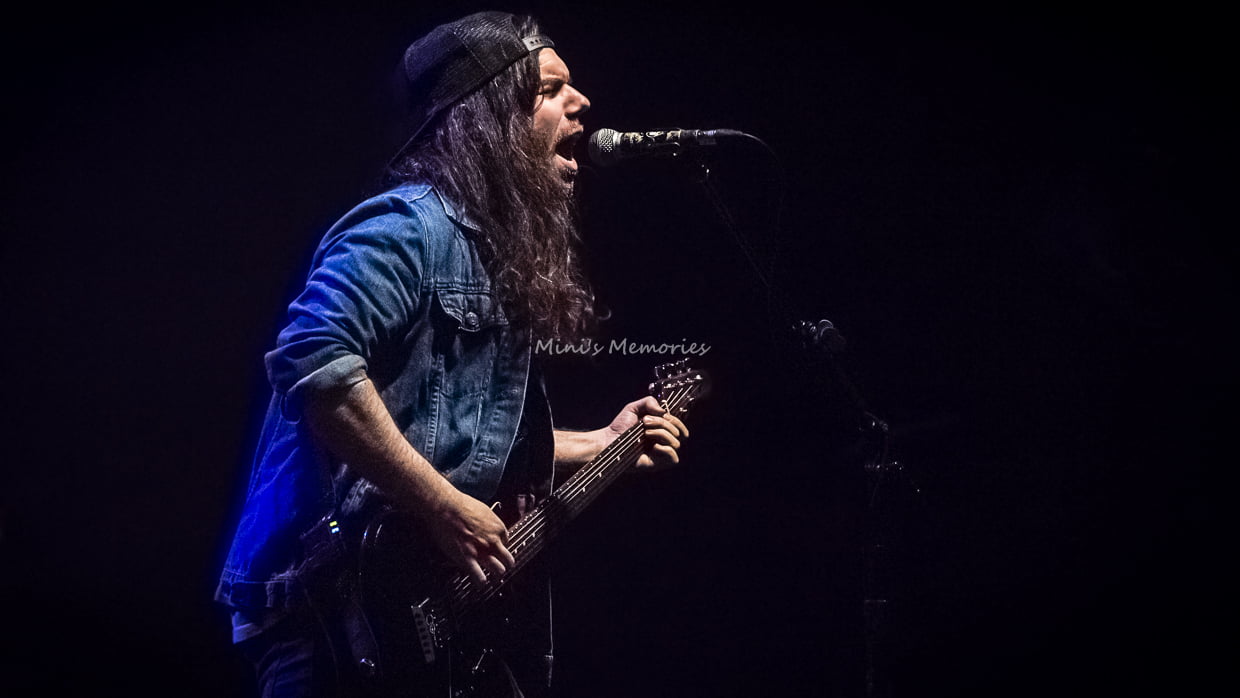
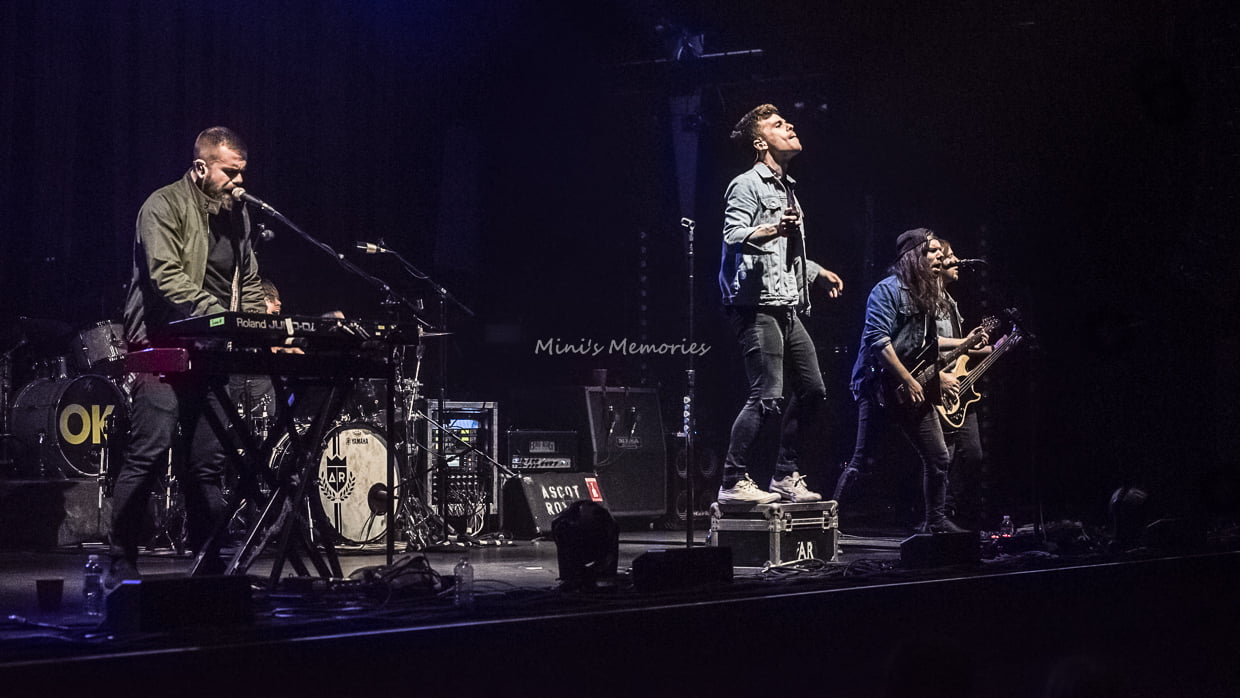
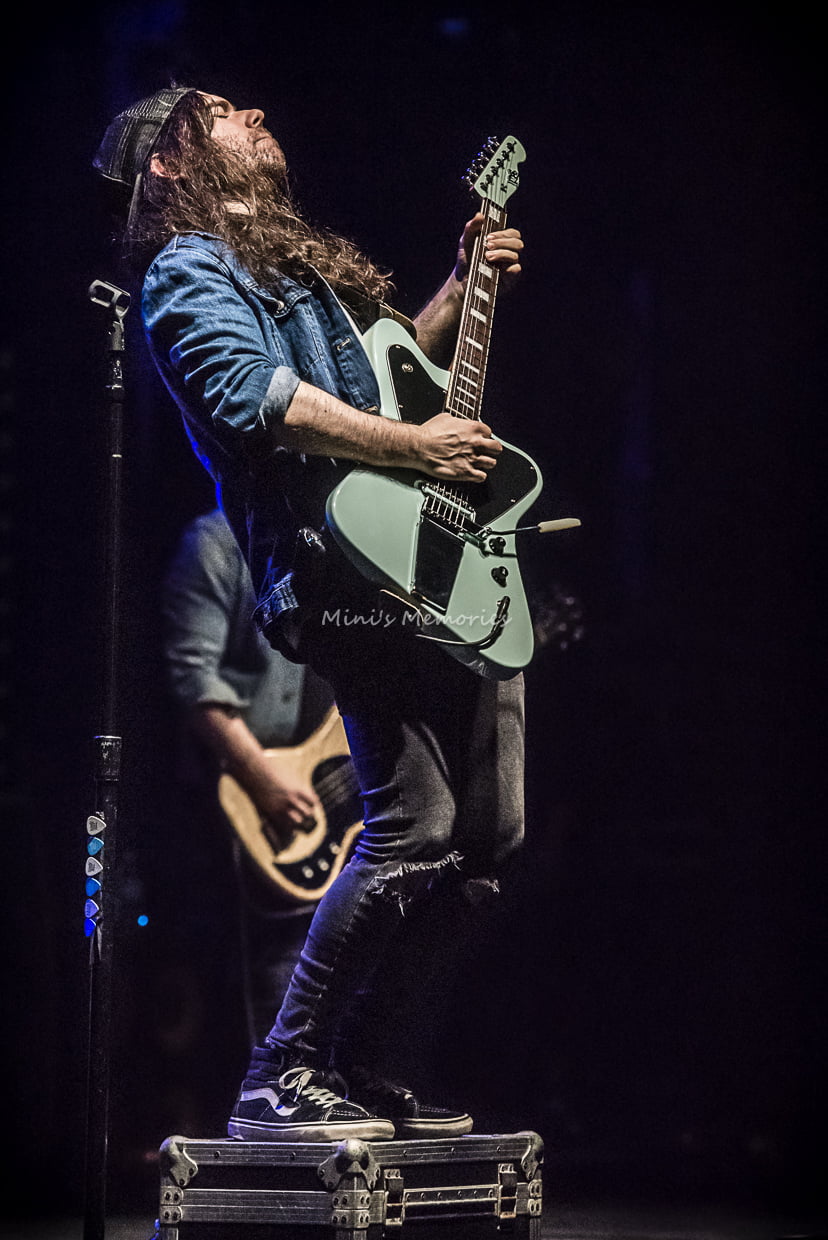
Photo Gallery: Our Lady Peace with Matthew Good and Ascot Royals at Hamilton’s FirstOntario Concert Hall
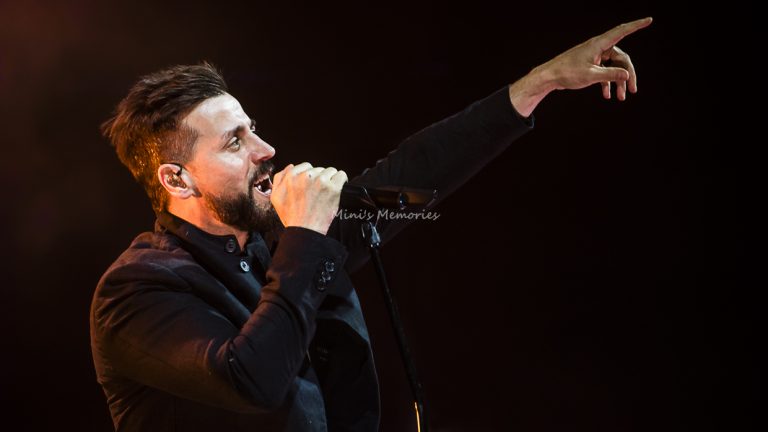
All photos by Mini’s Memories. You can contact her at minismemories@hotmail.com

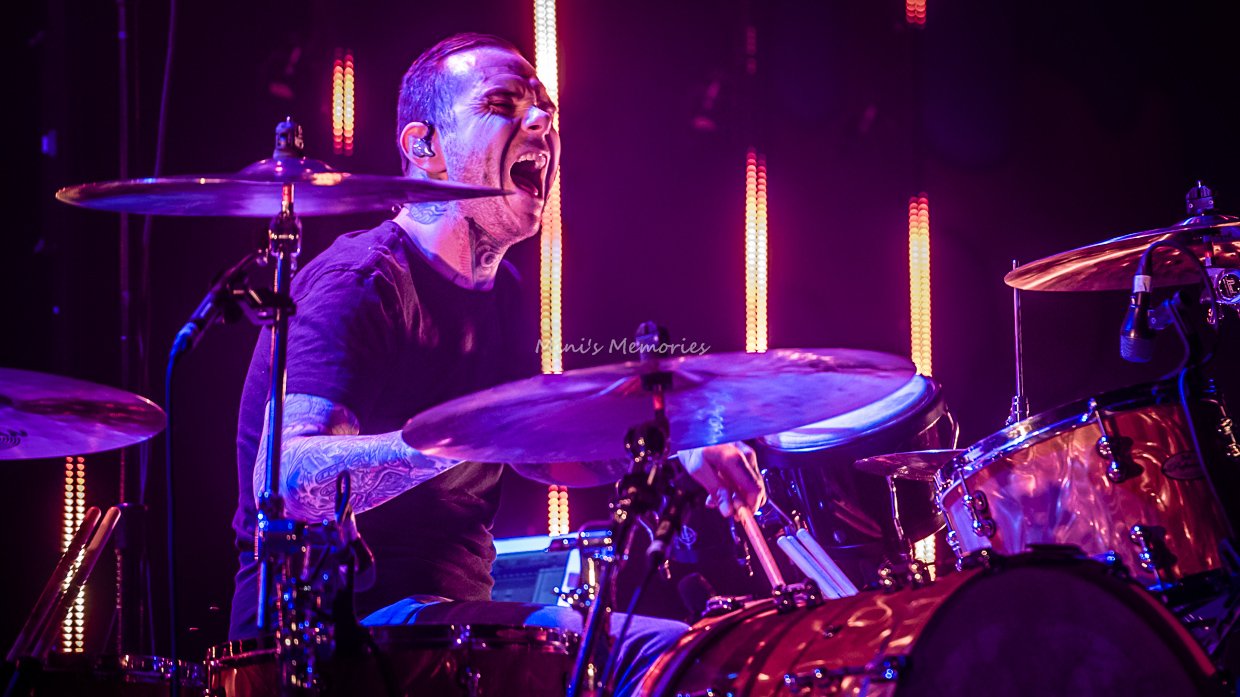
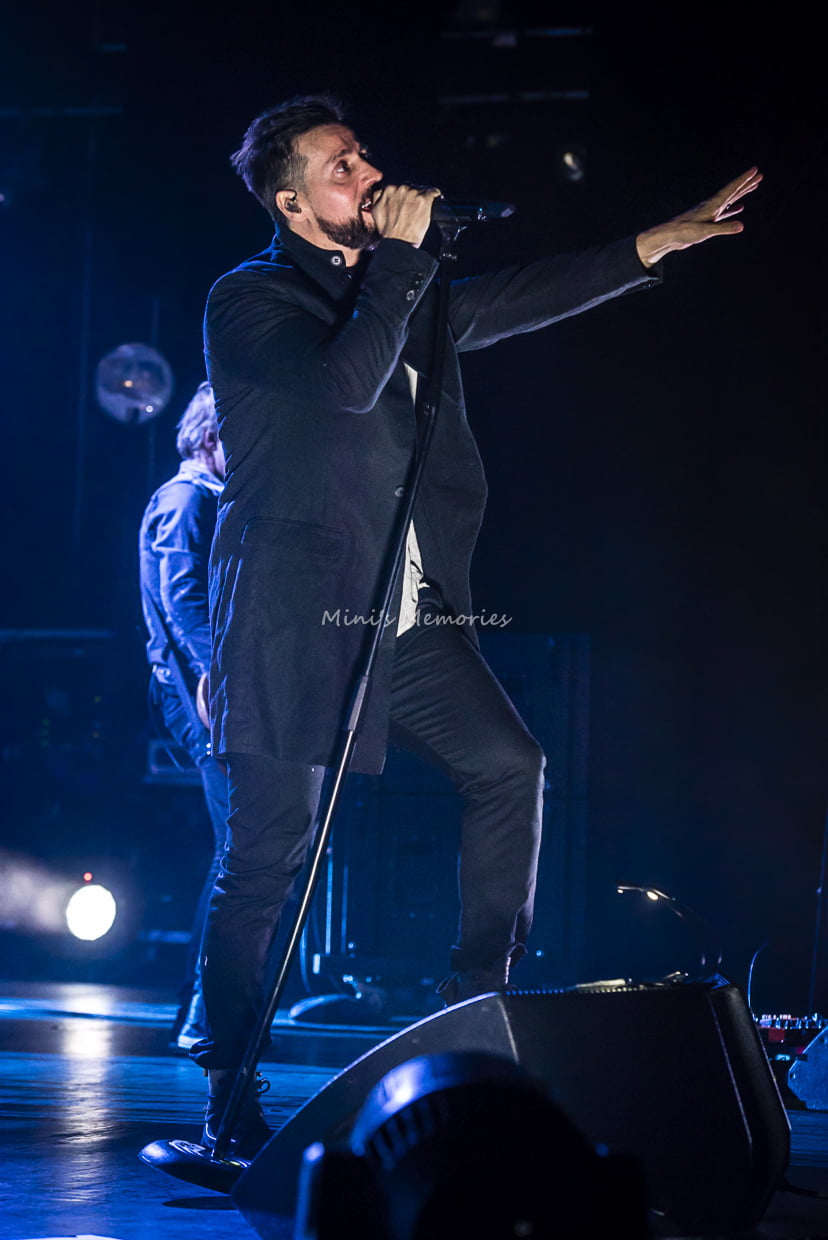

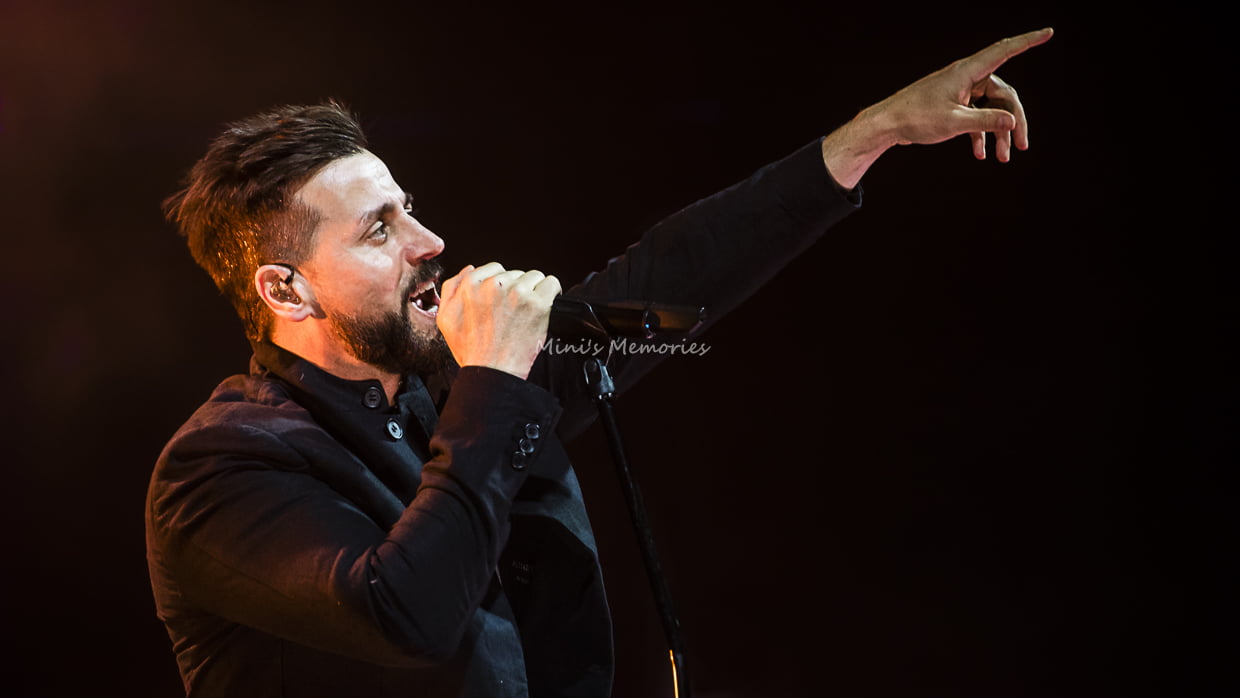
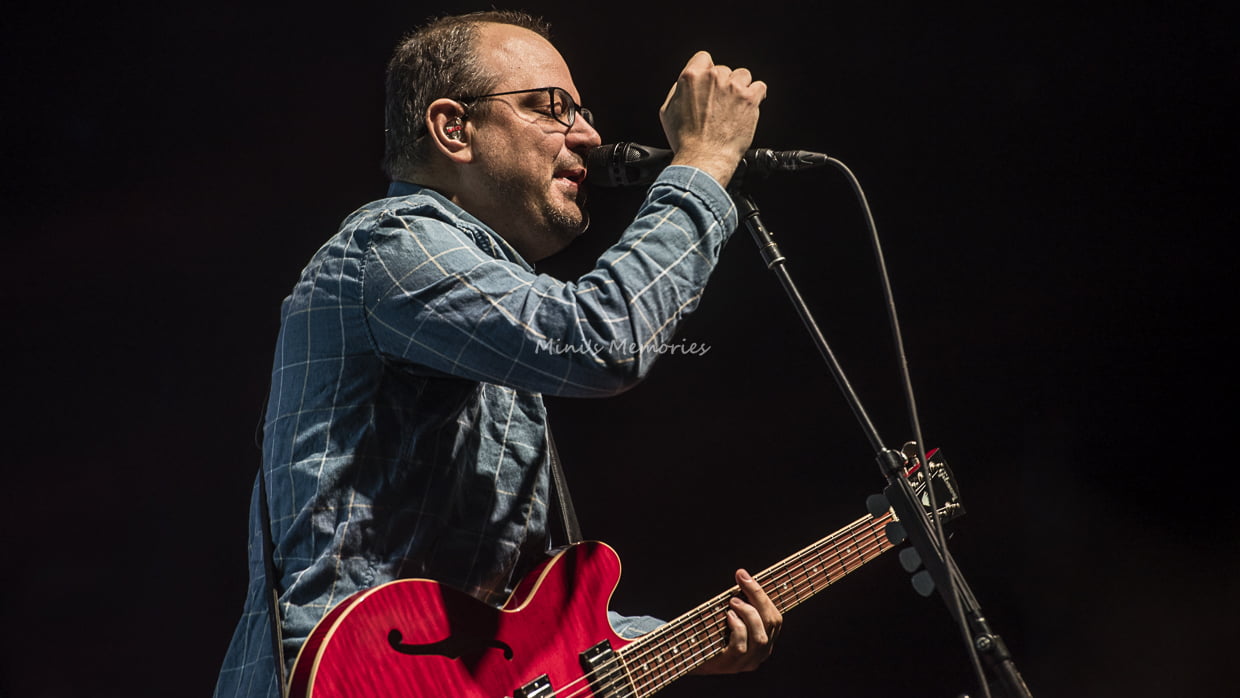

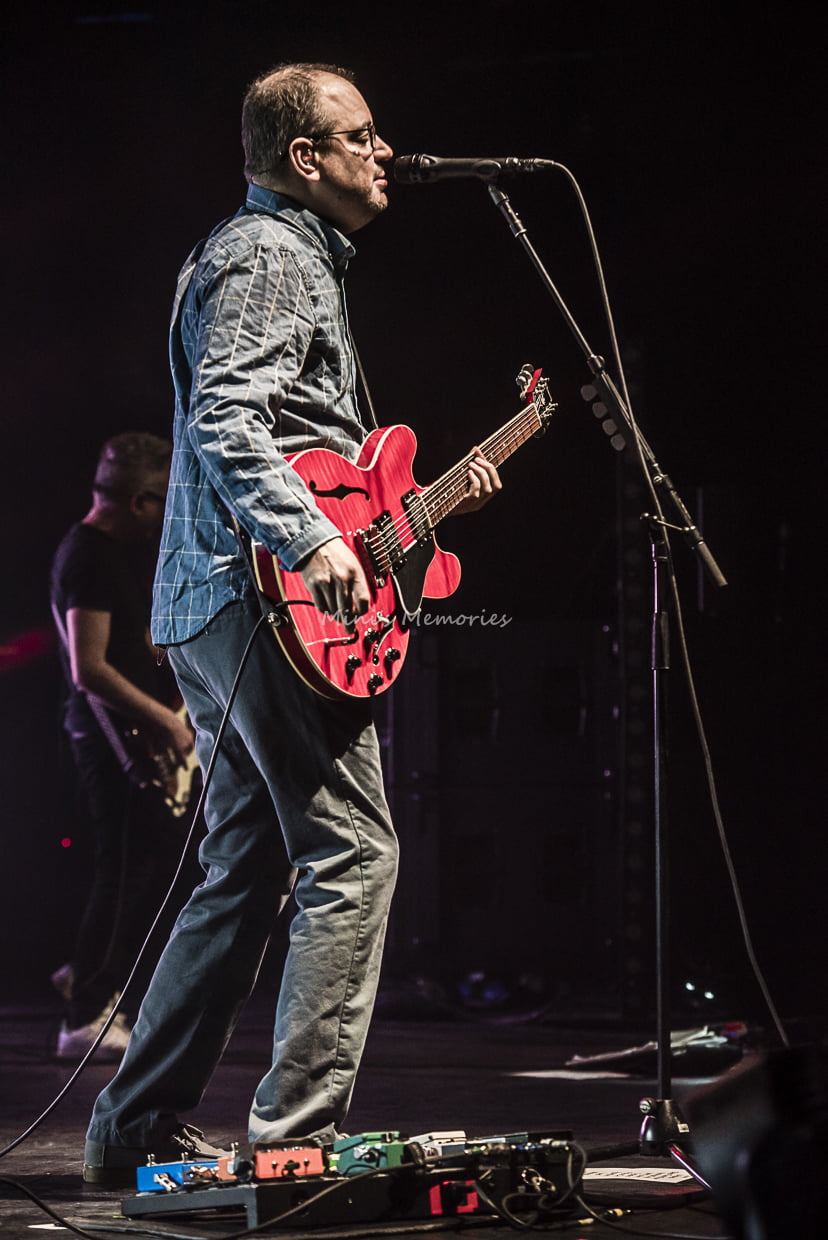
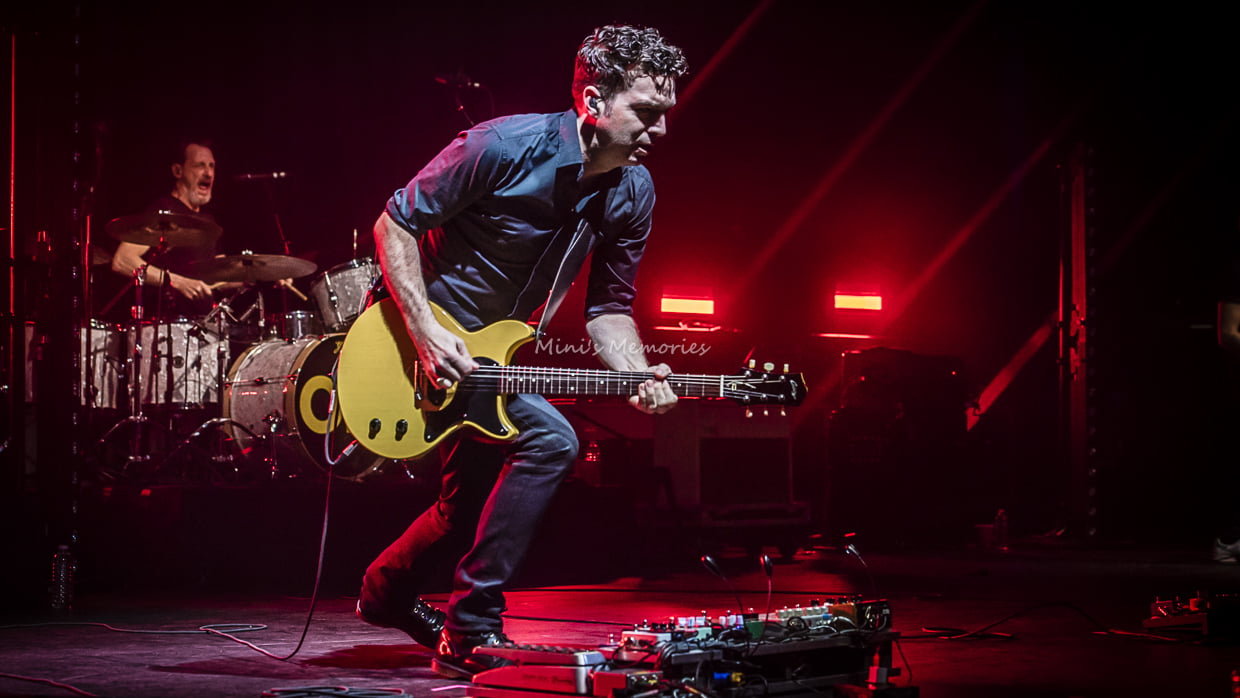

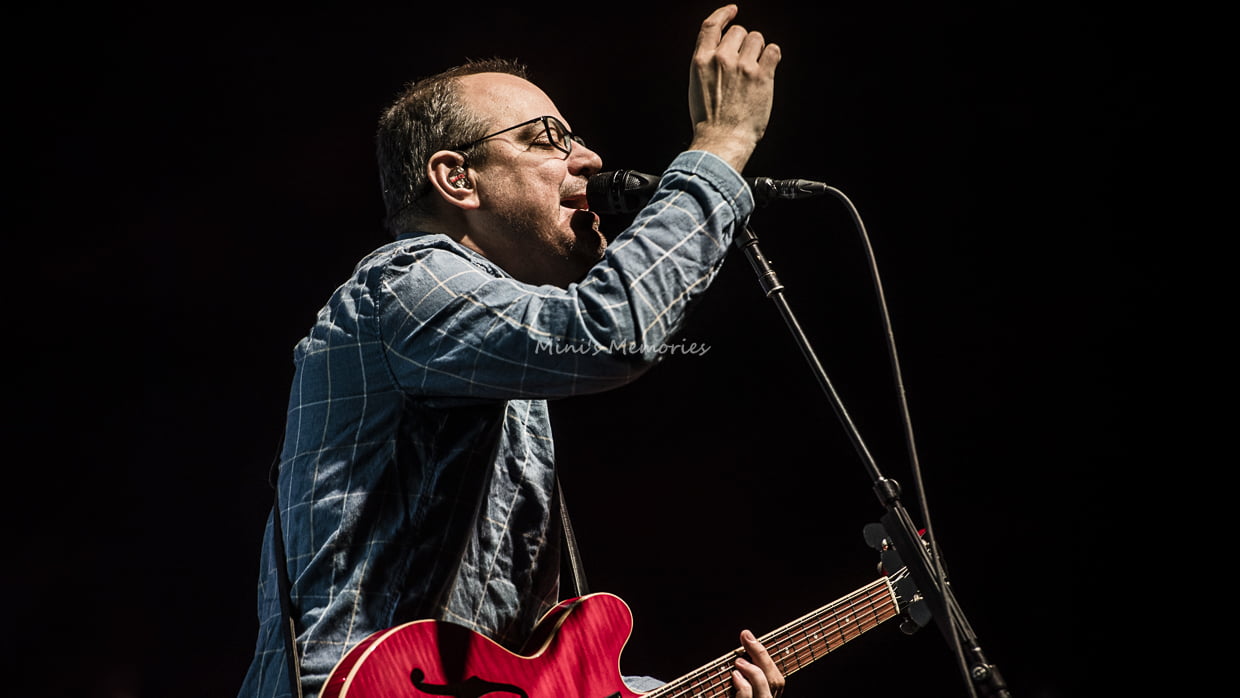
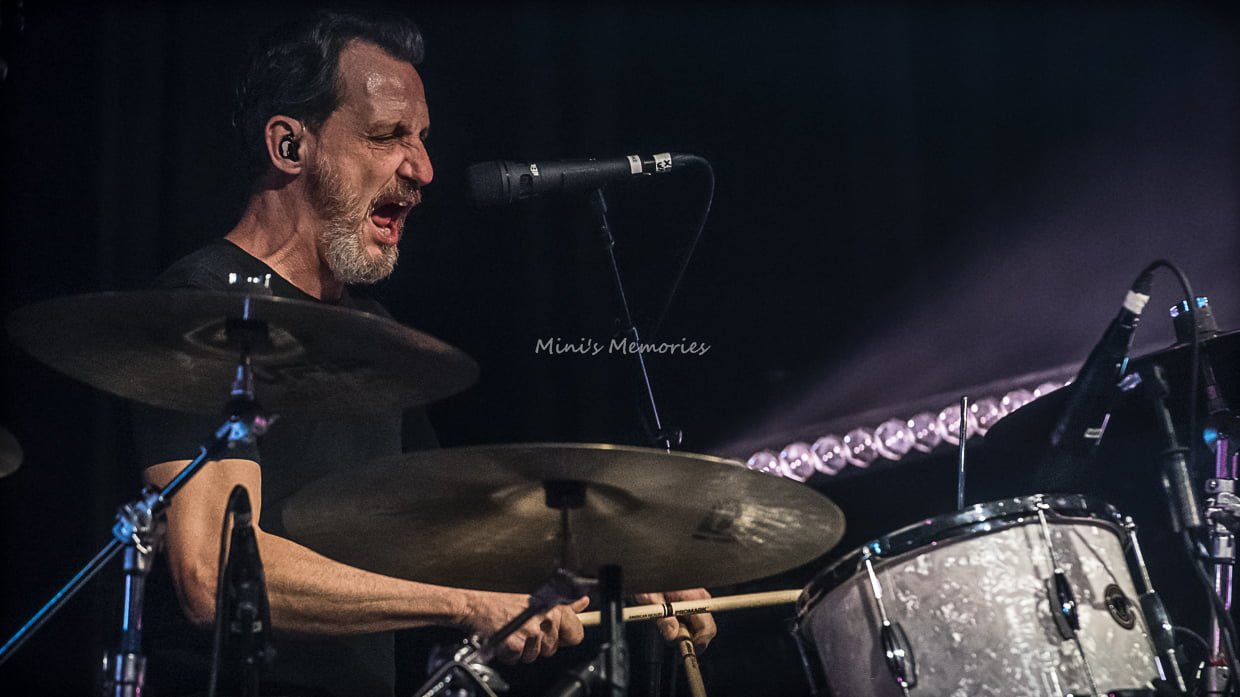



Get It Now: “Good Booty: Love and Sex, Black and White, Body and Soul in American Music” By Ann Powers
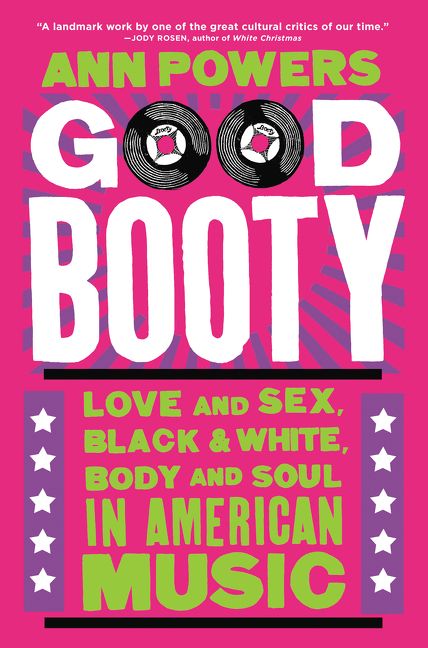
In this sweeping history of popular music in the United States, NPR’s acclaimed music critic examines how popular music shapes fundamental American ideas and beliefs, allowing us to communicate difficult emotions and truths about our most fraught social issues, most notably sex and race.
In Good Booty, Ann Powers explores how popular music became America’s primary erotic art form. Powers takes us from nineteenth-century New Orleans through dance-crazed Jazz Age New York to the teen scream years of mid-twentieth century rock-and-roll to the cutting-edge adventures of today’s web-based pop stars. Drawing on her deep knowledge and insights on gender and sexuality, Powers recounts stories of forbidden lovers, wild shimmy-shakers, orgasmic gospel singers, countercultural perverts, soft-rock sensitivos, punk Puritans, and the cyborg known as Britney Spears to illuminate how eroticism—not merely sex, but love, bodily freedom, and liberating joy—became entwined within the rhythms and melodies of American song. This cohesion, she reveals, touches the heart of America’s anxieties and hopes about race, feminism, marriage, youth, and freedom.
In a survey that spans more than a century of music, Powers both heralds little known artists such as Florence Mills, a contemporary of Josephine Baker, and gospel queen Dorothy Love Coates, and sheds new light on artists we think we know well, from the Beatles and Jim Morrison to Madonna and Beyoncé. In telling the history of how American popular music and sexuality intersect—a magnum opus over two decades in the making—Powers offers new insights into our nation psyche and our soul.
Ann Powers shared a playlist of songs mentioned in her book Good Booty with WAMU’s 1A.
Get it here.

How To Peel A Banana In 1940
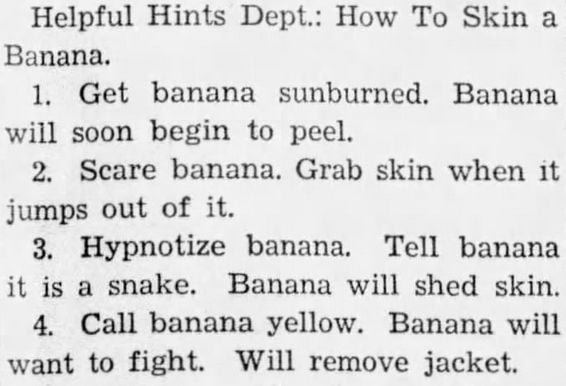
How to Peel a Banana, as published in the Newton Record of Newton, Mississippi, on February 8, 1940.