


Video: George Harrison Gets A Sitar Lesson With Ravi Shankar In 1966
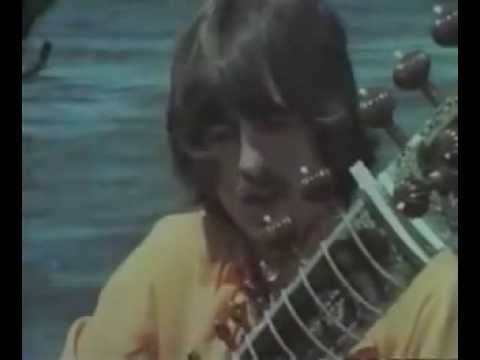
A sitar owned and played by George Harrison is going to be auctioned in the United States. The instrument, purchased from a shop on London’s Oxford Street in 1965, was used by Harrison during the recording of the Beatles song Norwegian Wood. The Indian string instrument, crafted by a well-known music shop in Kolkata, was later gifted to a friend of Harrison’s first wife, Patti Boyd.
Bidding for the sitar will begin on 28 September at $50,000 (£37,327). Harrison had discovered the sitar in 1965, on the set of the Beatles’ second film, Help.
A year later, Harrison travelled to India to learn how to play the instrument under the renowned sitar maestro Ravi Shankar. In an interview with the BBC’s Mark Tully in April 2000, Shankar said when he first heard Harrison playing the sitar in Norwegian Wood, he was not impressed. “I couldn’t believe it,” he said, “it sounded so strange. Just imagine some Indian villager trying to play the violin when you know what it should sound like.” Harrison later agreed, saying the sitar on Norwegian Wood was “very rudimentary”. “I didn’t know how to tune it properly, and it was a very cheap sitar to begin with. But that was the environment in the band, everybody was very open to bringing in new ideas.”
This is a good time to go back to 1966 and watch a lesson or two from the master to the Beatle.
Leonard Bernstein presents 7-year-old Yo-Yo Ma’s high-profile debut for President John F. Kennedy
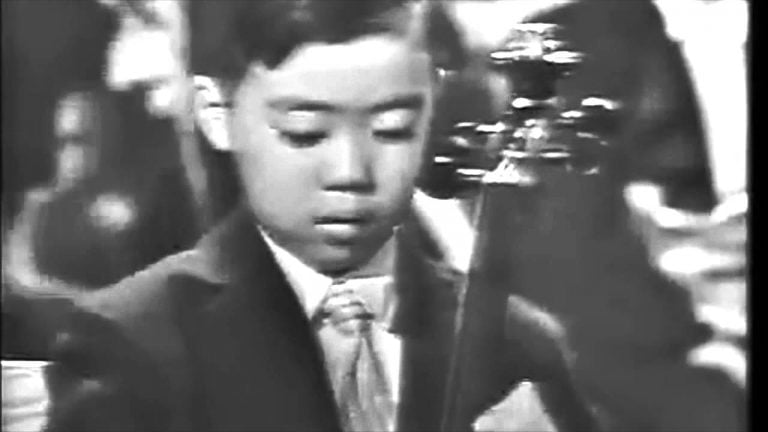
The New York Times reported that on November 29, 1962, a benefit concert called “The American Pageant of the Arts” was to be held with “a cast of 100, including President and Mrs. Kennedy, Dwight D. Eisenhower, Leonard Bernstein (as master of ceremonies), Pablo Casals, Marian Anderson, Van Cliburn, Robert Frost, Fredric March, Benny Goodman, Bob Newhart and a 7-year-old Chinese cellist called Yo-yo Ma, who was brought to the program’s attention by Casals.”
As biographer Jim Whiting noted, “the article was noteworthy in two respects. First, it included Yo-Yo’s name in the same sentence as those of two U.S. presidents and eight world-famous performers and writers. Second, Yo-Yo had been identified in a major newspaper for the first time. It would hardly be the last. In the years since then, the New York Times alone has written about him more than 1,000 times.”
Why You Should Never Ask What’s It Like To Be A Girl In A Band
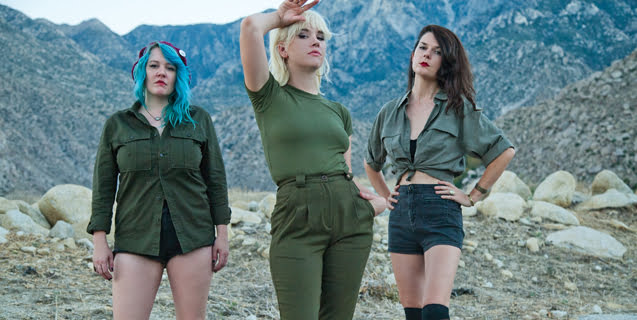
Bleached released their latest body of work via Dead Oceans, an EP titled Can You Deal? The centerpiece is its title track, which speaks to Jennifer still having to field questions about her gender in interviews, instead of her art. If you can believe it, this has been happening to the sisters since they were in a punk band in their teens. This EP shows the band trying to make listeners see beyond gender and really hone in on the music that’s being made; Bleached wanted to drop the labels and make people aware that it’s 2017, and yes, women are playing rock ‘n’ roll.
Why did you decide to make a zine with the EP? How did you go about getting the awesome contributors?
Jennifer: When we wrote “Can You Deal?” as a band, I had to figure out what I was going to sing about. I thought it was a really cool song where I thought that anything I would sing about would be more noticeable lyric-wise, because there are some chanty parts. So, I thought I wanted to sing about something I care about, which I usually do, but I felt like it was a chance to say something that mattered. We kept getting interviewed with the same questions: “What’s it like to be in a girl in a band,” or “What’s it like to be an all-girl band,” even though we have a male drummer. I was just like, I’m gonna sing about that. We had a punk band when we were teenagers and got these questions over and over. I felt like it was the same questions 10 years later, so I thought it was finally the time to say something about it. It was fresh on my mind, so that’s how that topic got brought up among Bleached.
Our manager said we could take it further and talk to other female musicians about it. I was a little bit nervous to actually email anybody, because once I did it, I was making myself vulnerable. I had talked to other female musician friends and how it’s annoying. What do you do? What do you say? I just emailed 10 friends that I knew that would maybe be interested, and then some people started emailing people for me. I got so many responses. People were so stoked on the idea. It was awesome. I was so glad I took that leap of faith and decided to email a bunch of people to see if they wanted to be a part of the zine. It snowballed from there and became bigger than I expected. I imagined it would be midnight at a Kinko’s throwing it together, copying and stapling everything. Now, it’s way beyond that. We have a printer doing it. There are so many people participating in it — either artists submitting personal essays, lyrics or poems. Now there are so many amazing people. We thought it would be a better idea to make it look a little nicer. We started out with 500 [copies], but it sold out really fast, so we added a few. All of the money made — other than reimbursing the printer — is going to Planned Parenthood.

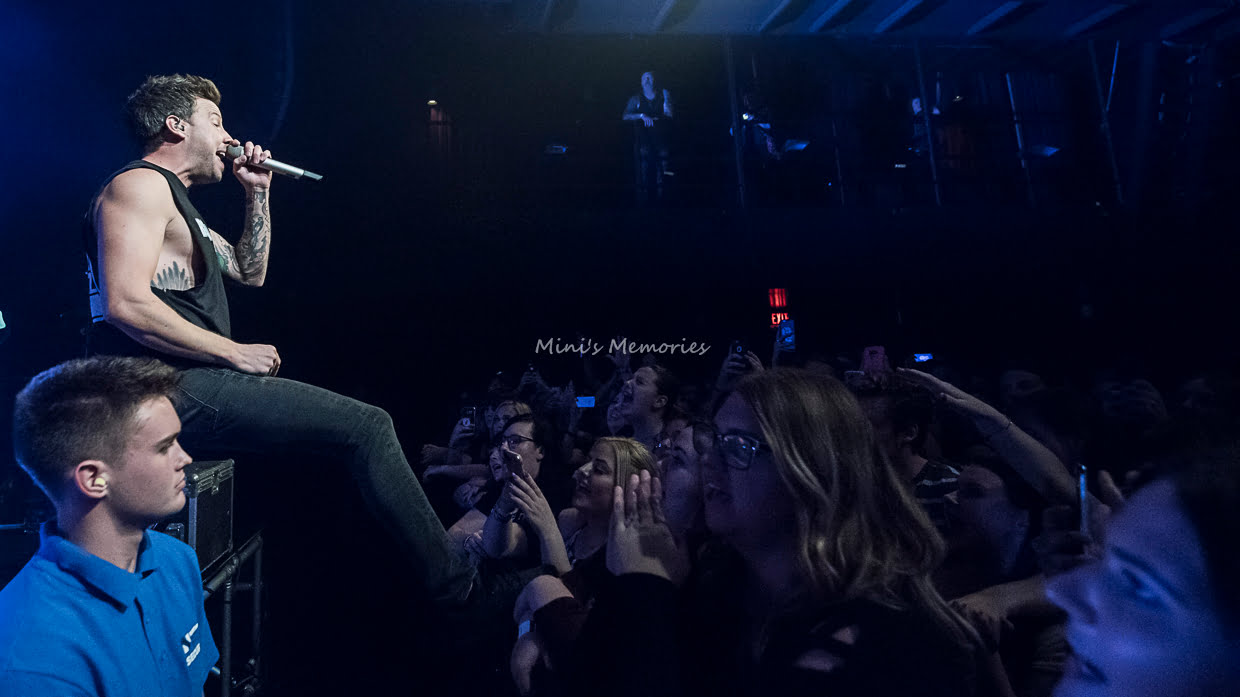
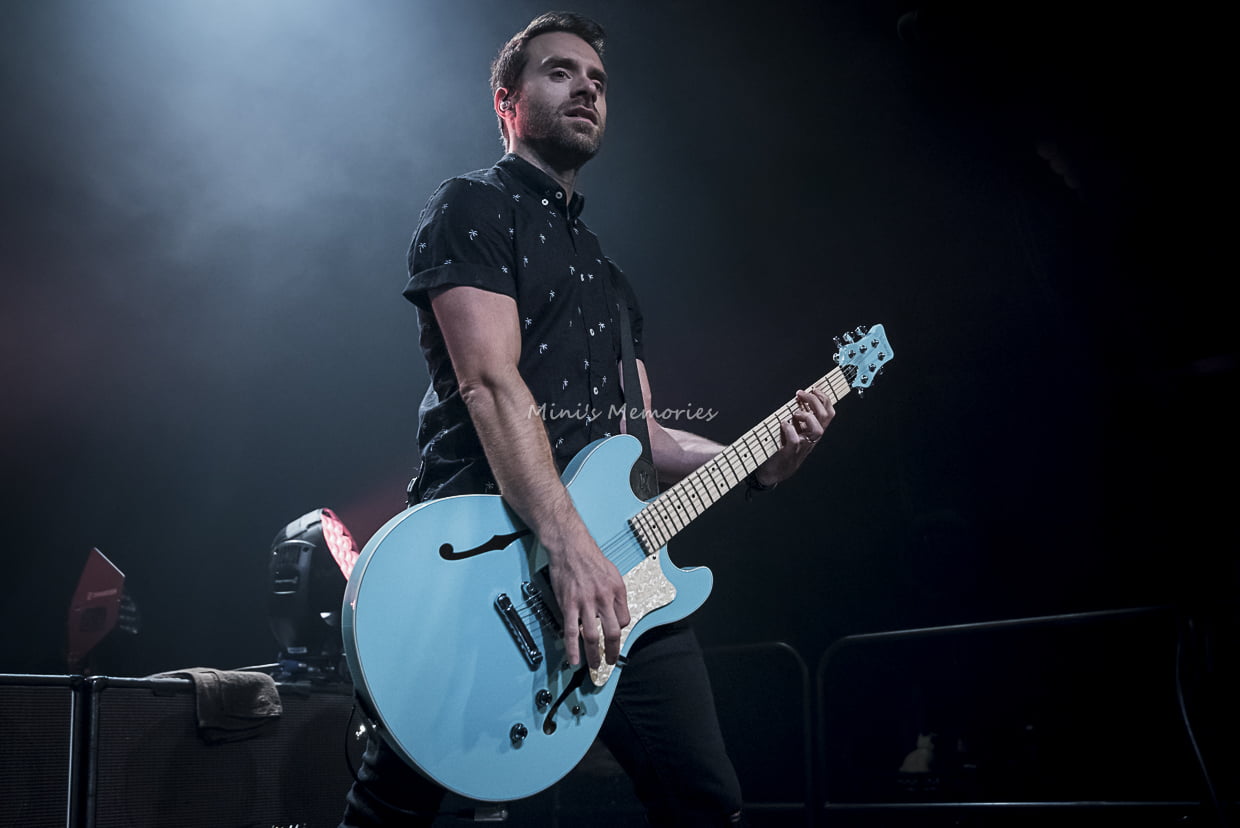
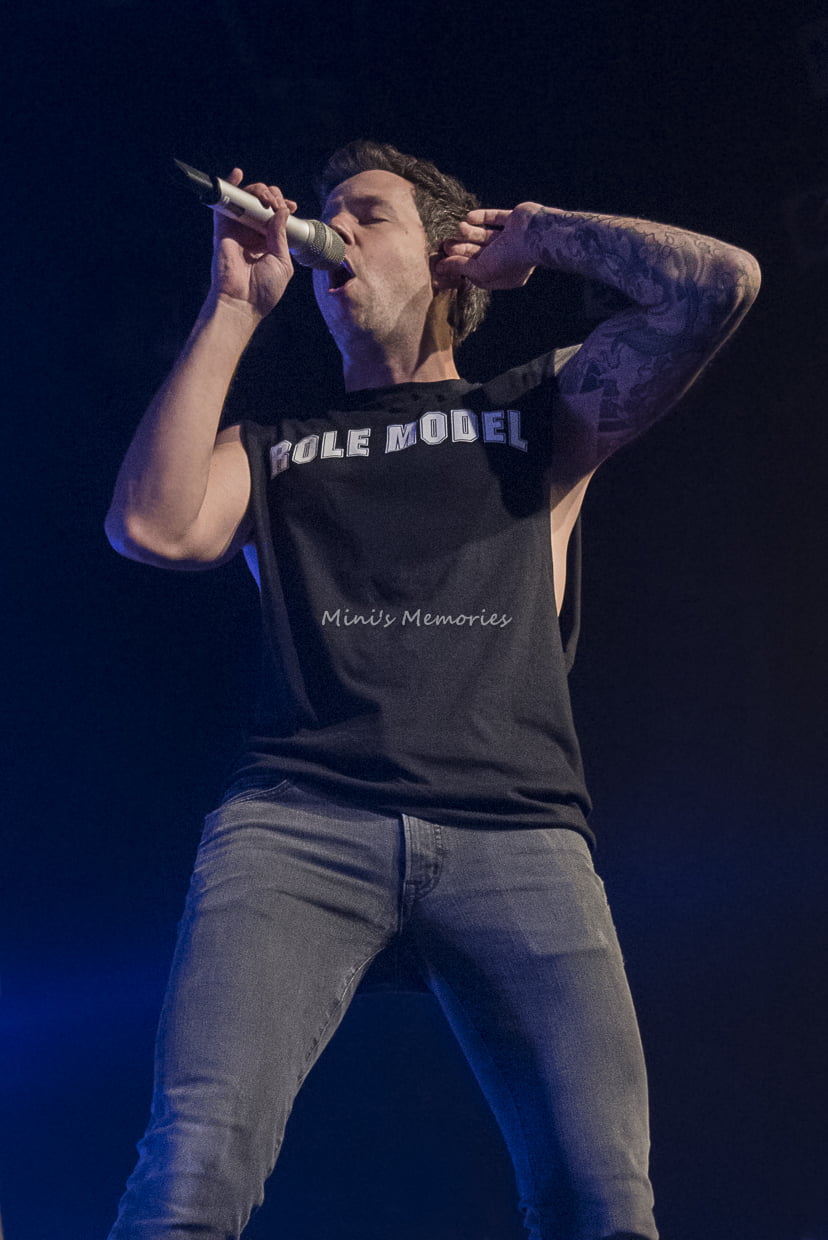
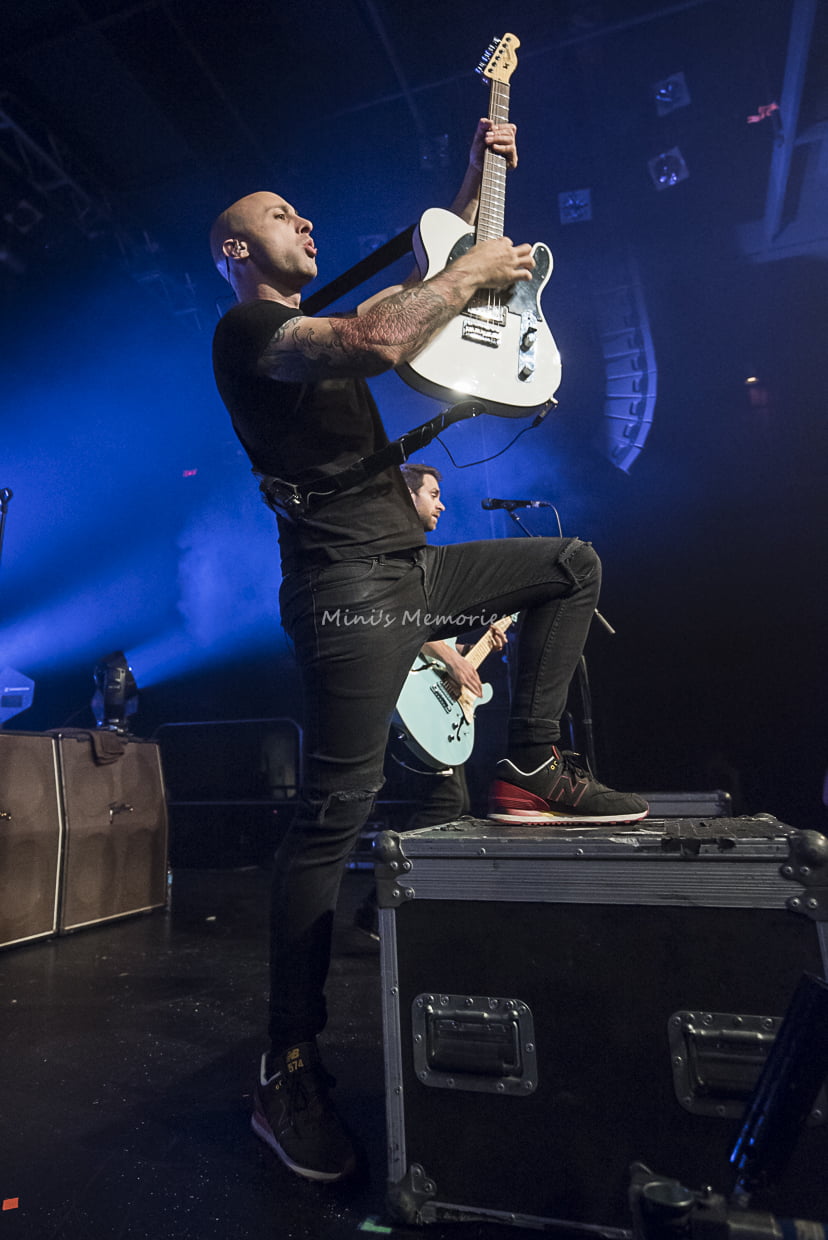
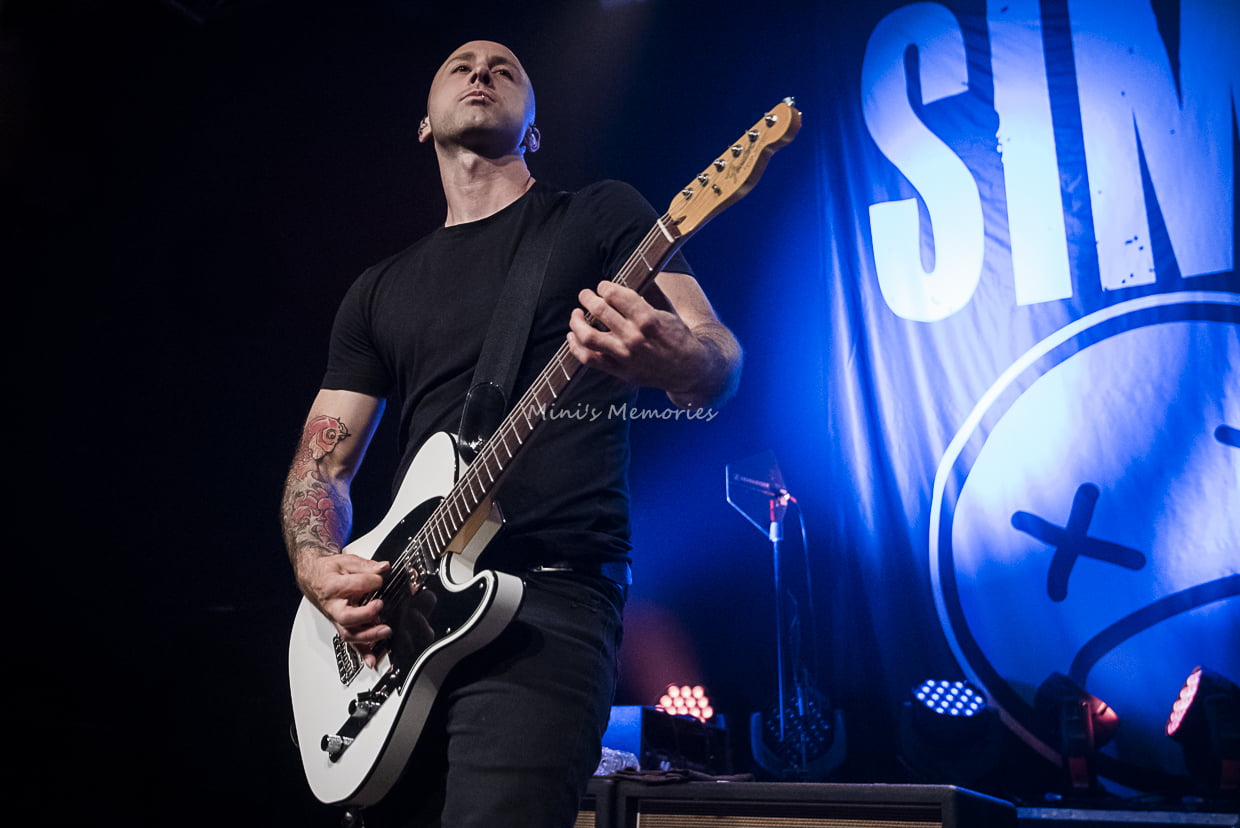
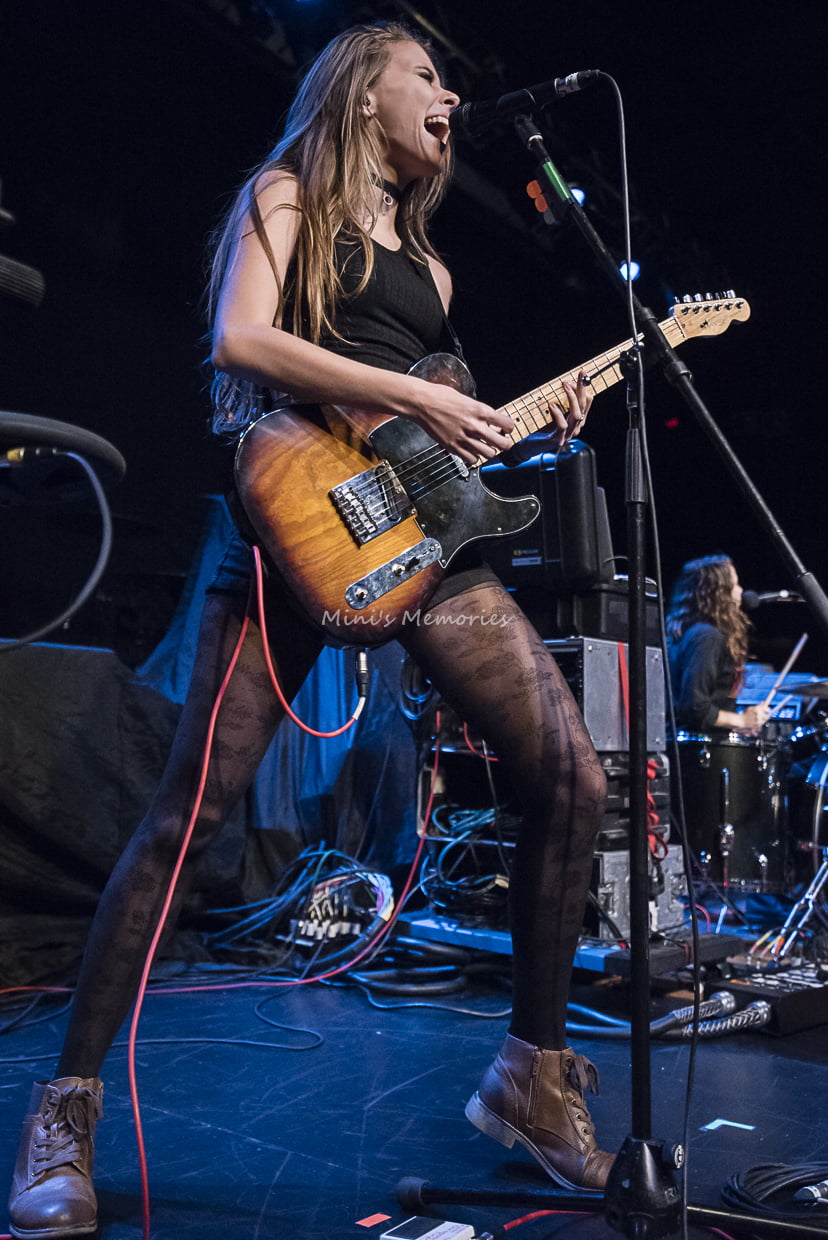
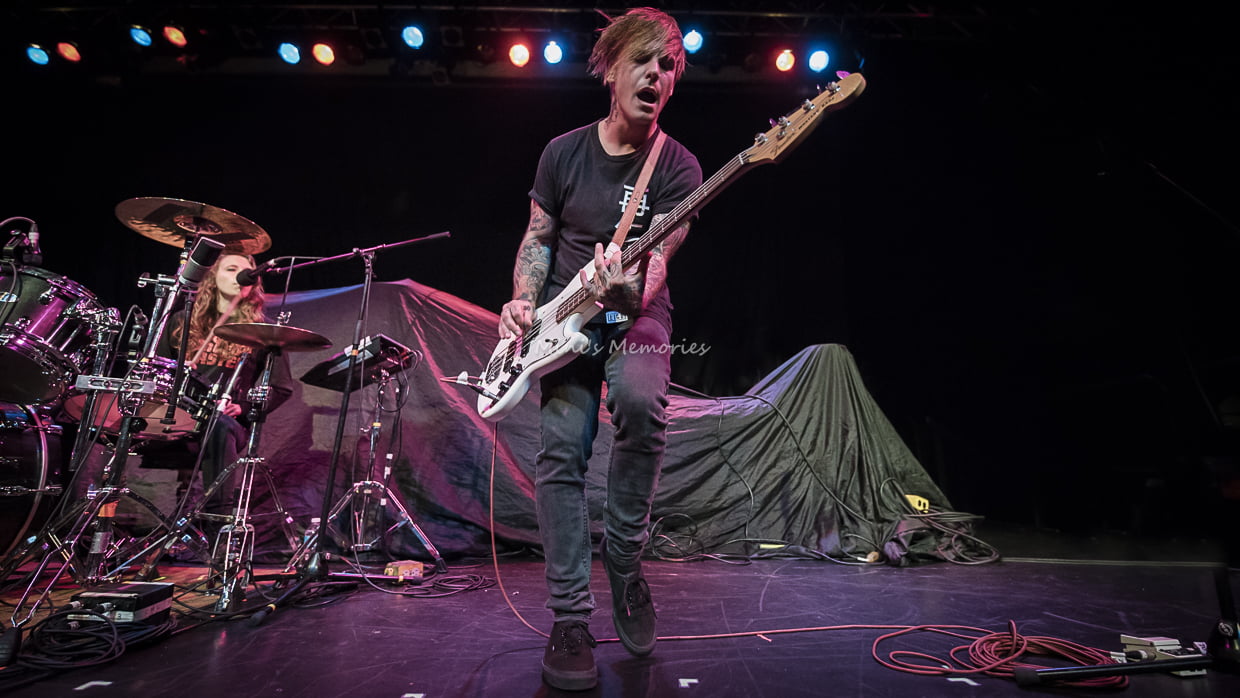
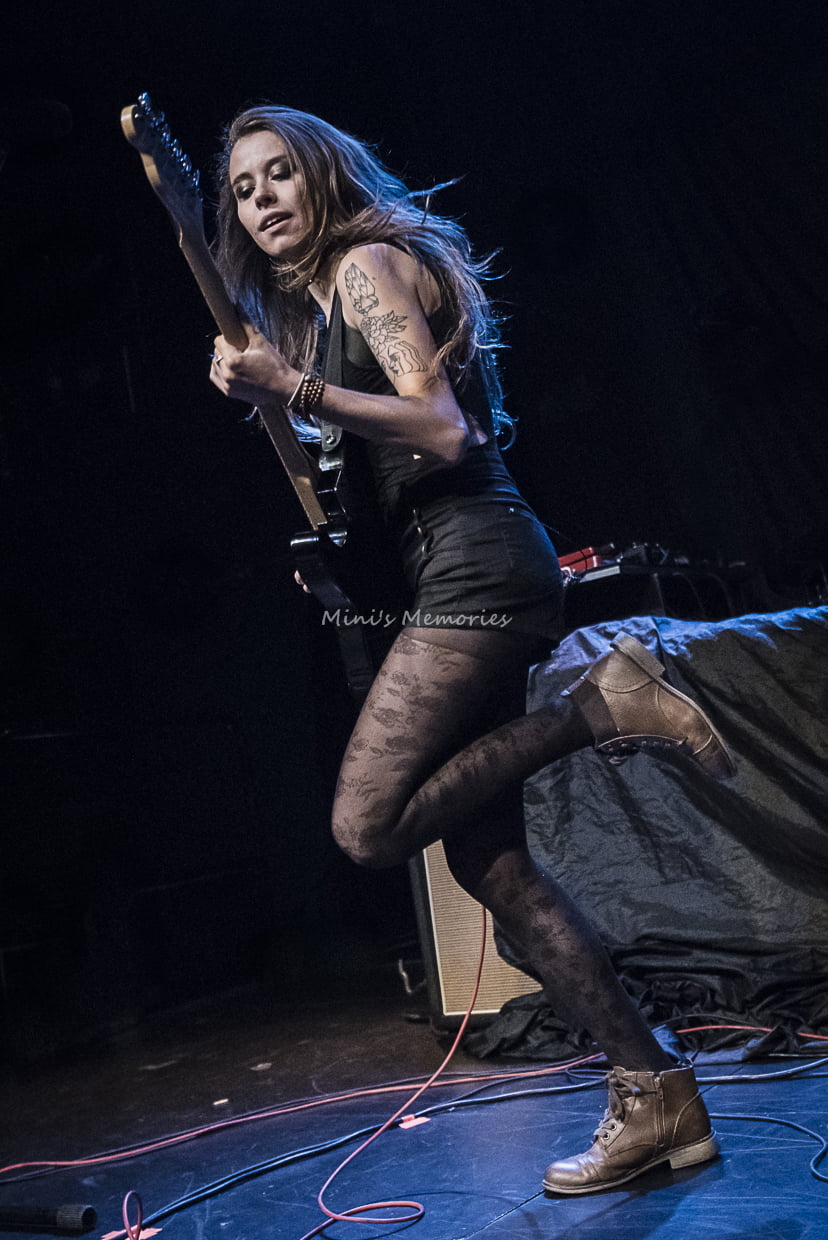
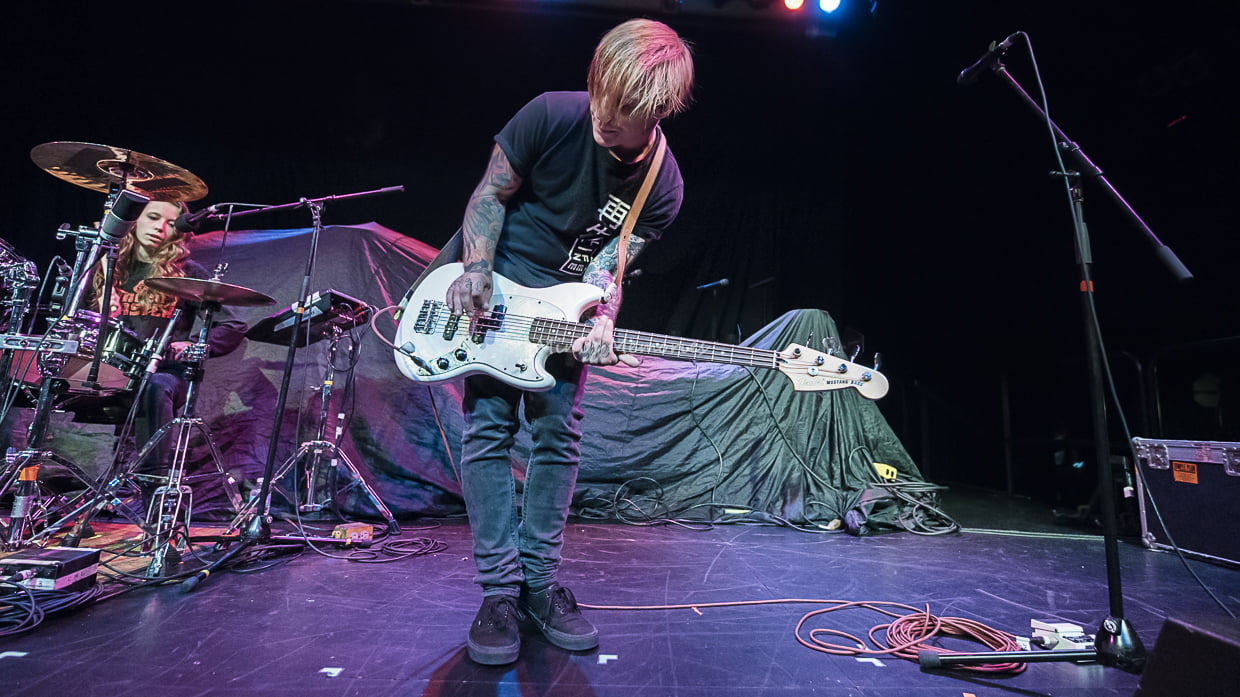
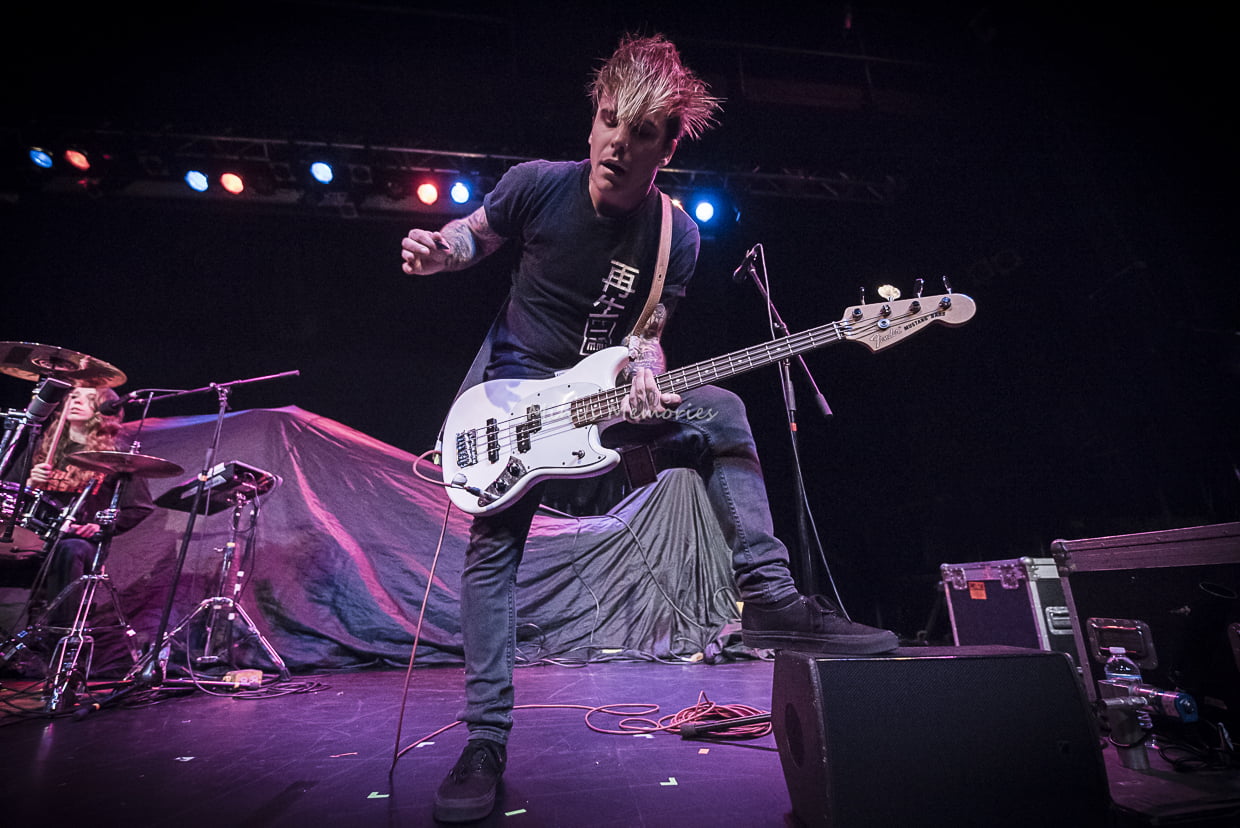
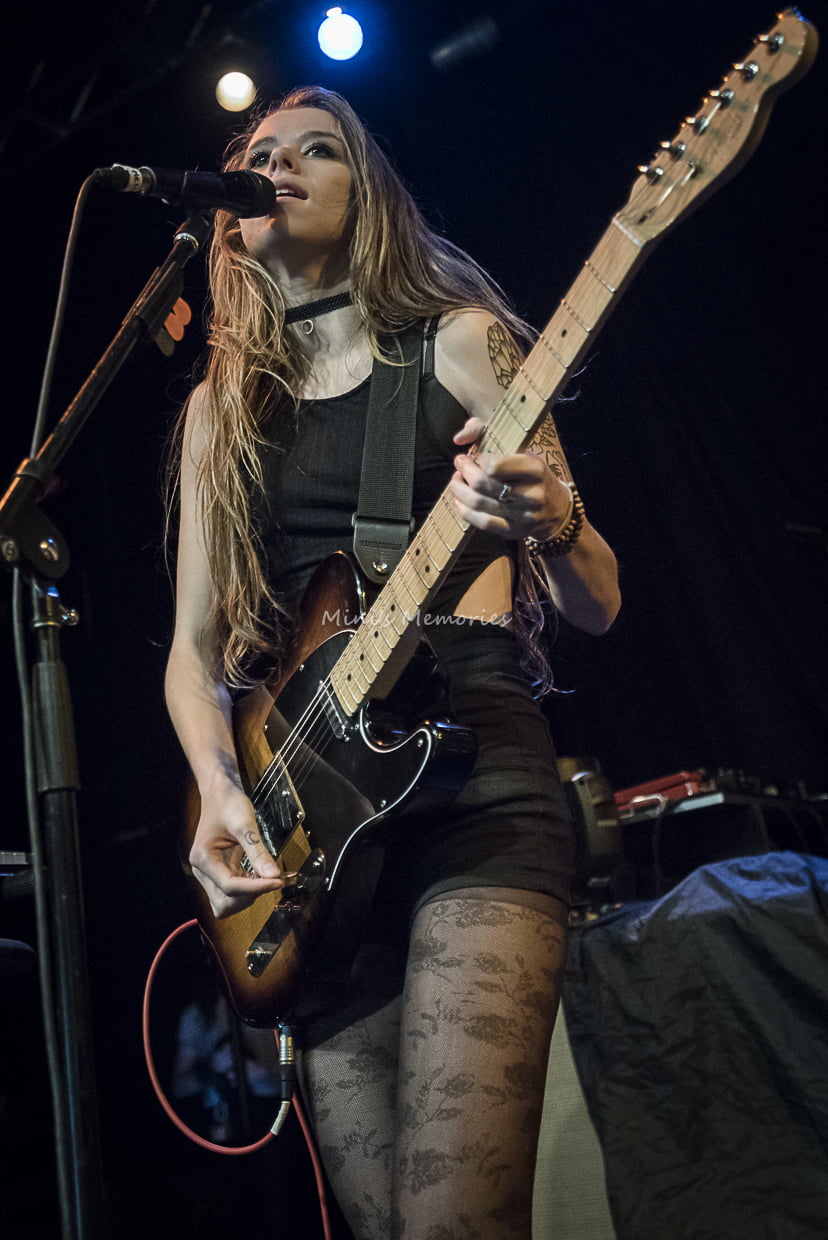
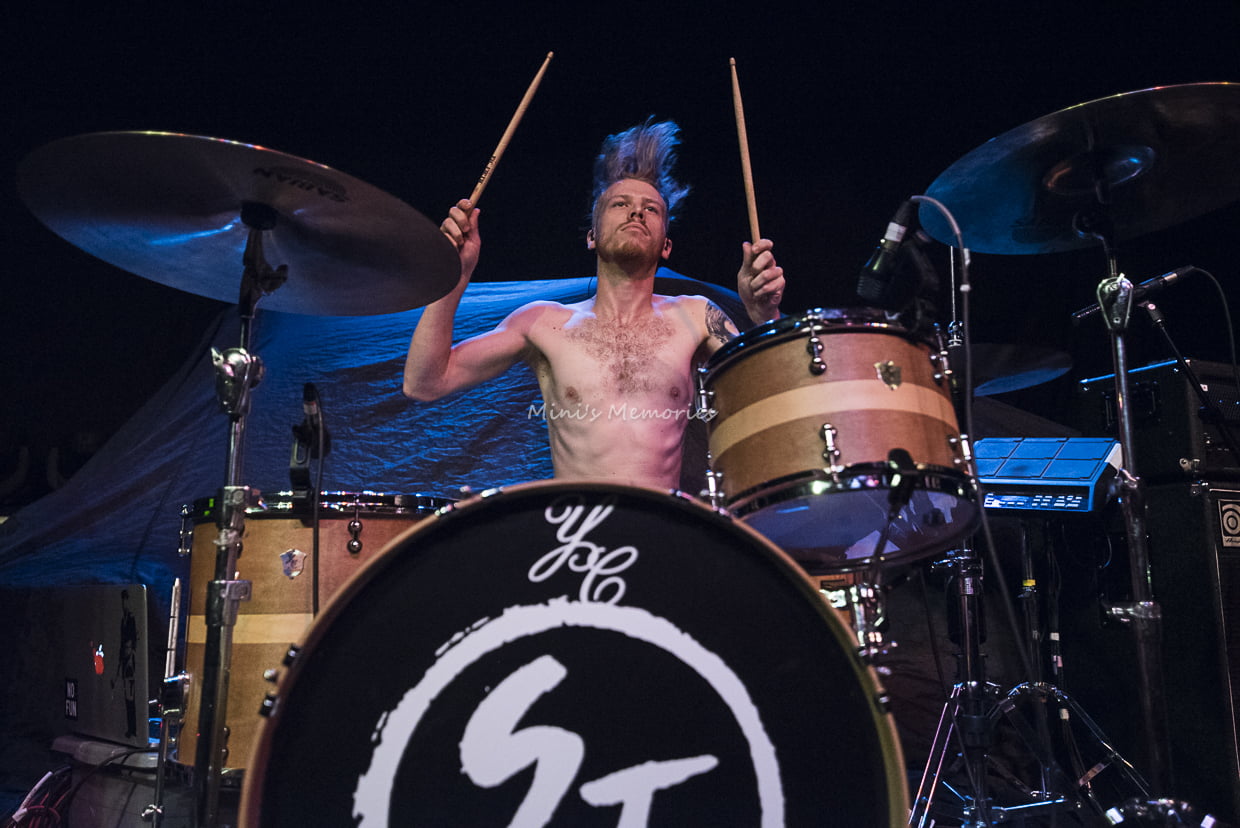
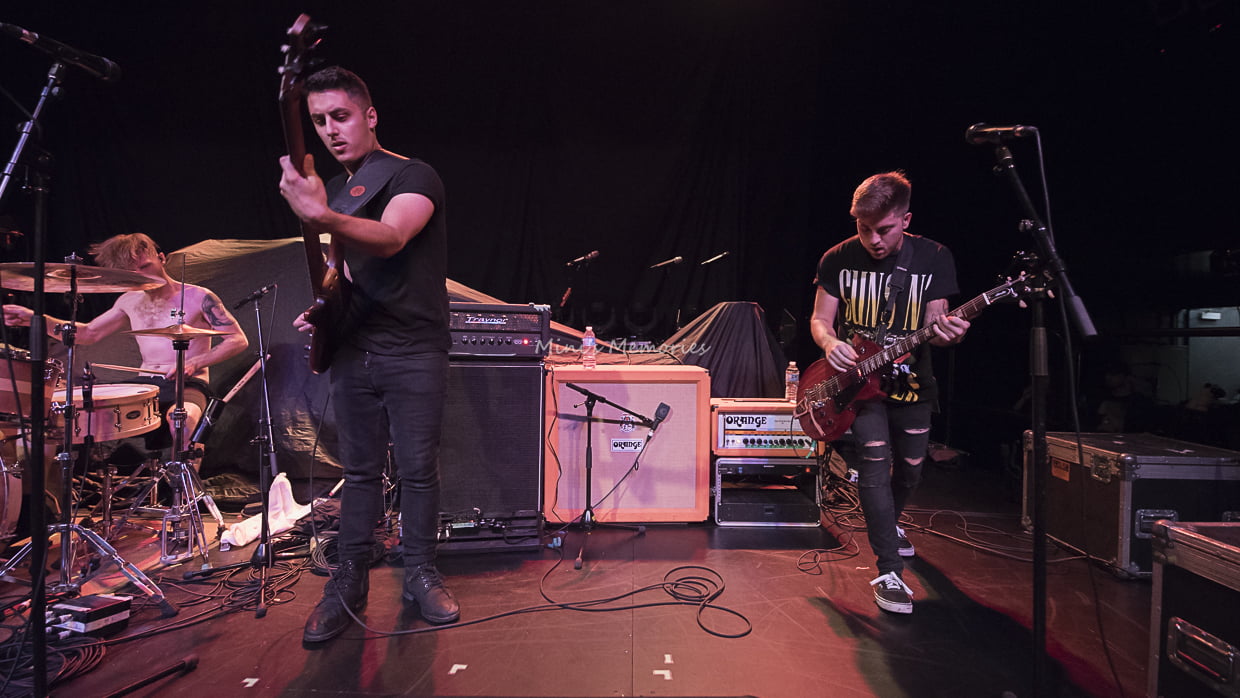
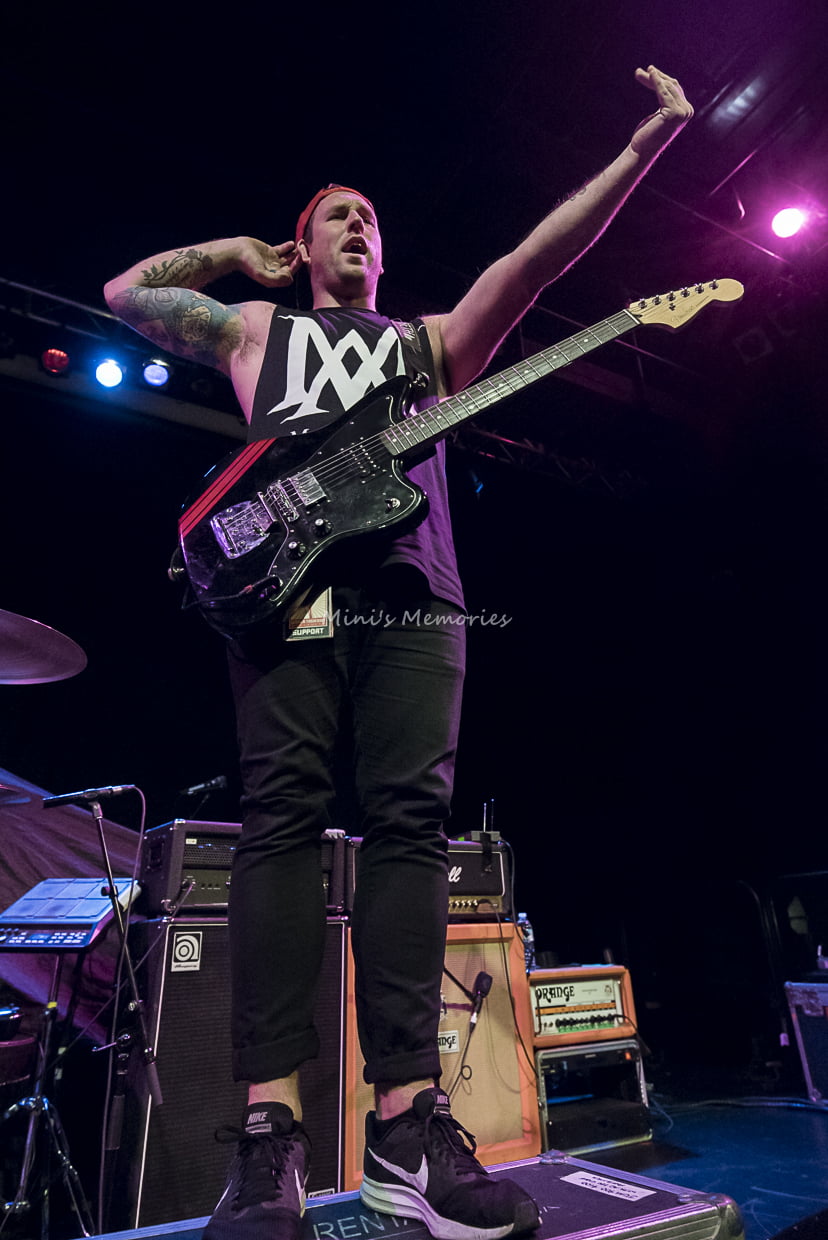
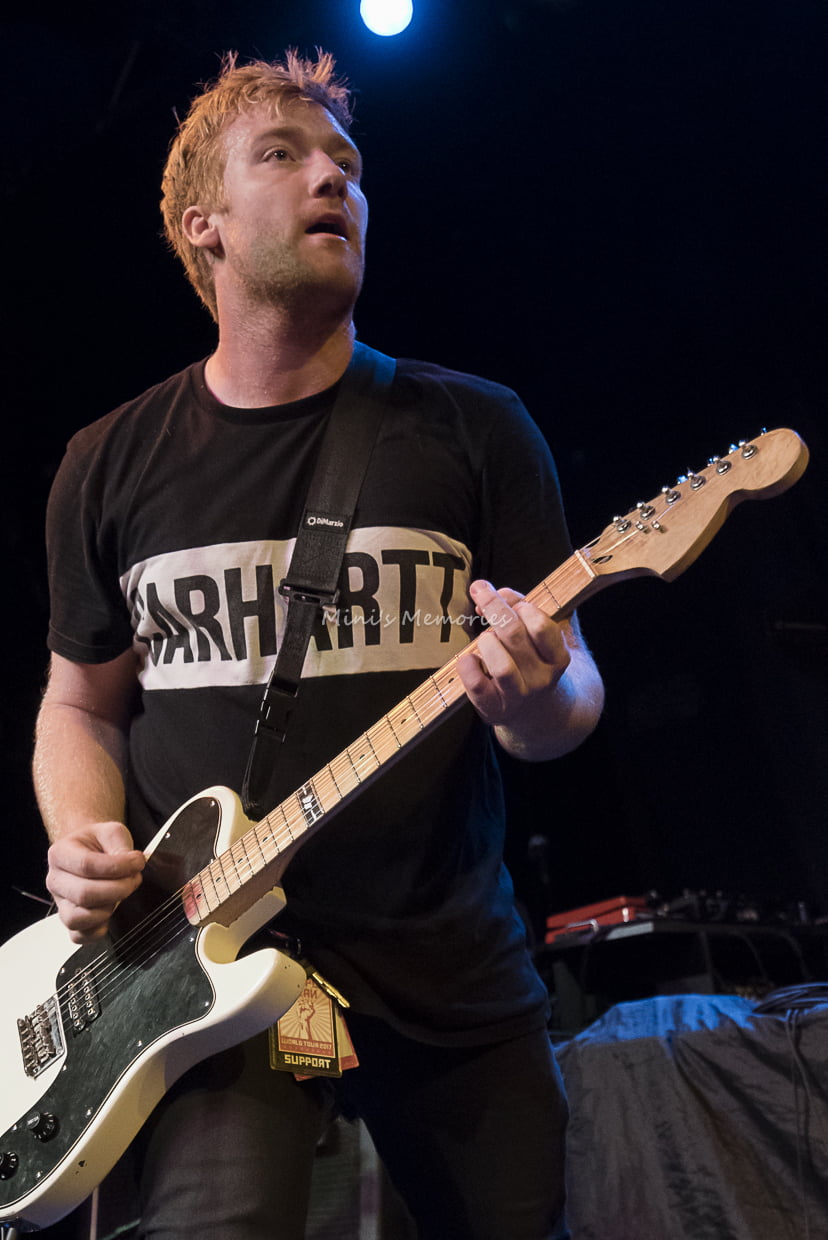
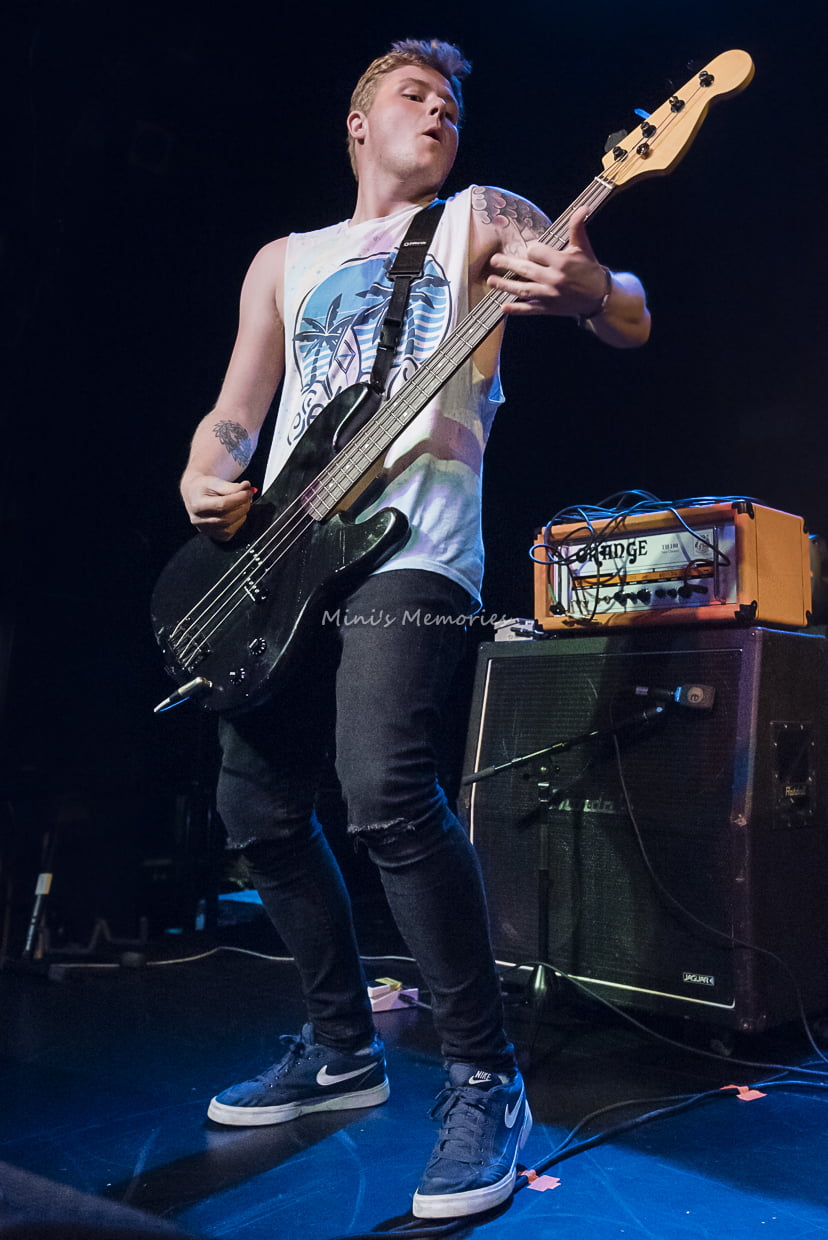
Photo Gallery: Simple Plan with Courage My Love, Selfish Things, and The Bottom Line at Hamilton’s FirstOntario Concert Hall

All photos taken by Mini’s Memories. You can contact her at minismemories@hotmail.com












Mick Fleetwood On The REAL Reason Why He Got The Job In Fleetwood Mac
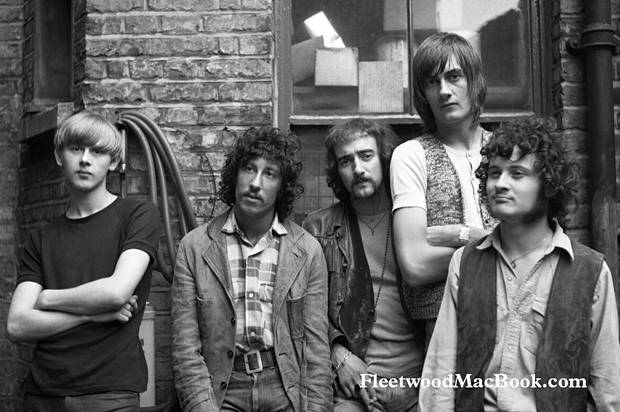
With your descriptions of what the other bandmates brought to Fleetwood Mac, their contributions and their talents, especially when you’re writing about Peter Green, there was such a tenderness to those words that really stood out to me.
It was. A personal thing, which I hope — and just even saying that, I’m realizing you get it — there would be no band without this chap, Peter Green. He was my friend, and remains so. But we’re not super connected, because his life literally took him away, and the way his life went — and that’s a whole another story.
One of the things that was devastatingly great and mind-blowing was when I was talking to Peter for a few hours, and we transcribed some of the things that were said during, really, nearly three hours of talking with him, which I don’t often do. Among thousands of other things, I did want to ask him — and I thought it was relevant for the book — I said “You know, back in the day, when this all came together, why did you ask me to be at your side playing drums?” In the band that he was forming, you know?
I became his right-hand man, and that story goes on through today, in truth. I didn’t preconceive anything. I thought that he would probably, maybe say “Well, I thought you were a really good drummer.” [Laughs.] And he didn’t — he said “Well, you were so sad. You were so sad, and you had broken up with Jenny and you were brokenhearted, and I thought you needed to do something. And that’s what made my mind up that you, out of the choice of . . . ” — maybe two or three people he’d been thinking of. One was an old buddy of his, who I knew.
He said, “I thought you needed it. You needed to pull yourself together.” And I thought that was such a loving statement. It had nothing to do with playing. He did it as a friend to pull me out of being, you know, blue. And that tied in with this title [of the book], in no uncertain terms. And the irony of the title is, if you jump forward thirty years, the whole legacy of this strange band, is all interwoven with love, really, and dysfunctional versions of it as well.